Círculo del Sureste
Our verdict
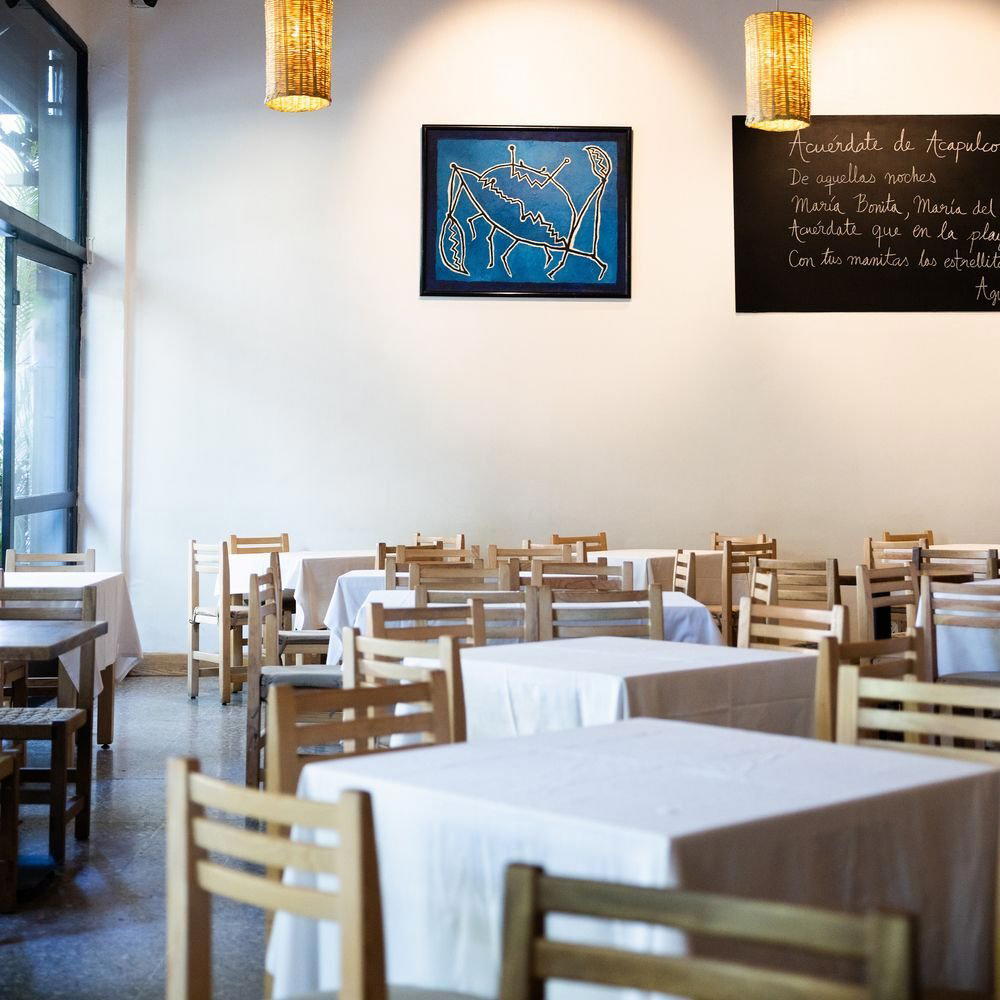
Círculo del Sureste occupies a address on Calle Lucerna in the Juárez neighbourhood, where Mexico City's appetite for regional Mexican cooking has matured into a serious dining category. The restaurant draws from the culinary traditions of Mexico's southeast, a region whose complexity rarely receives the same attention as Oaxacan or Yucatecan cooking in international coverage. For visitors tracking the city's most considered regional tables, this address belongs on a short list alongside better-known names.

Pearl is the En Primeur Club membership app, where members save venues, book tables and use the concierge.
The menu
What to order
- Cochinita pibil
- Panuchos de cochinita
- Sopa de lima
- Papadzules
Southeast Mexican Cooking and Where It Sits in the City's Regional Dining Conversation
Mexico City's restaurant scene has organised itself, over the past decade, into recognisable tiers: the internationally cited tasting-menu addresses such as Pujol and Quintonil, a mid-range creative tier represented by places like Rosetta and Em, and a quieter, more ethnographically grounded category of regional specialists. It is this third tier that attracts the most serious attention from Mexican food scholars and from visitors who have already covered the marquee addresses. Círculo del Sureste belongs to that regional specialist category, drawing its culinary identity from Mexico's southeast, a geographic arc that runs through Tabasco, Chiapas, Campeche, and the Yucatán Peninsula.
The southeast is one of the country's most biologically and culturally dense regions. Its cooking is built on a different pantry than central Mexican cuisine: achiote, chaya, pepita, habanero in restrained doses, and proteins shaped by coastal and jungle proximity rather than high-altitude agriculture. These are not ingredients that migrate easily to Mexico City menus, and kitchens that work with them seriously are rarer than the volume of food-media coverage devoted to Oaxacan or Yucatecan cooking in isolation might suggest. A restaurant on Calle Lucerna in Juárez addressing this tradition is operating in a relatively uncontested space within the capital.
The Juárez Setting and What It Signals
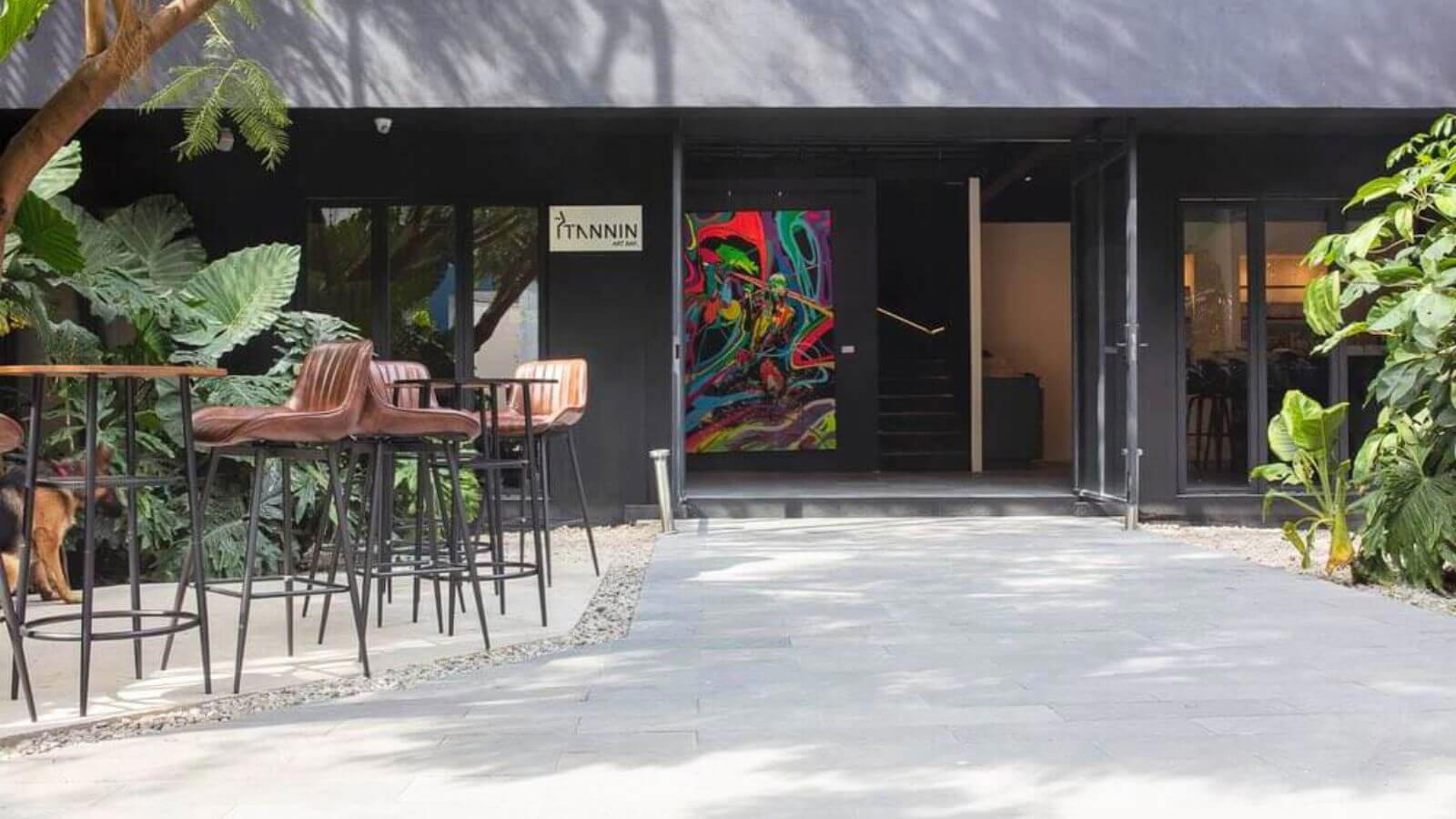
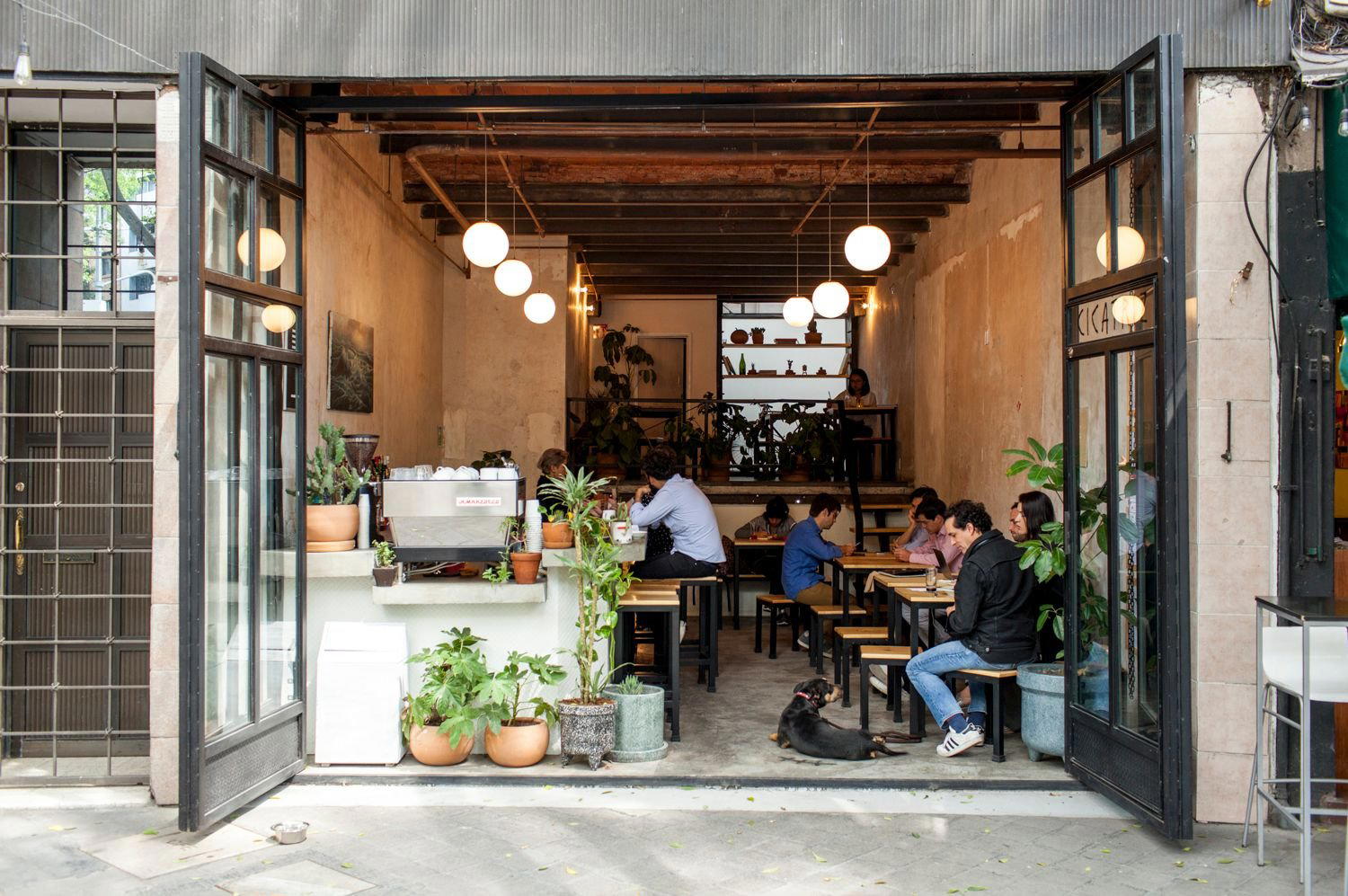
The Juárez neighbourhood sits between the Zona Rosa and the Reforma corridor, a zone that has attracted a particular kind of operator in recent years: smaller, design-conscious restaurants with serious sourcing ambitions but without the institutional weight of Polanco's more established addresses. The street-level experience on Calle Lucerna reflects that character. Buildings in this part of Juárez tend toward early-to-mid twentieth century residential architecture, and the neighbourhood's relative quiet compared to nearby Condesa or Roma gives it a different energy at the dinner hour.
This context matters because the neighbourhood has become a legible signal in Mexico City dining. Compare that with the calculus at play for venues like Sud 777, which operates in a suburban Pedregal context with a different set of expectations around scale and accessibility. Both are serious tables; the neighbourhood framing shapes how each is read.
Regional Mexican Cooking in the Capital: The Broader Pattern
The phenomenon of regional Mexican cuisines finding sophisticated urban platforms in Mexico City is not new, but it has accelerated. The same movement that produced serious Oaxacan representation in the capital has begun to surface kitchens devoted to the southeast's more opaque traditions. Across Mexico, similar dynamics are playing out: Levadura de Olla in Oaxaca does for Zapotec ingredients what the leading southeastern kitchens attempt for Mayan and Tabascan culinary lineages, while KOLI Cocina de Origen in Monterrey makes a comparable argument for northern Mexican specificity. The throughline is the same: sourcing from a defined geography, cooking within a living tradition rather than performing a fixed version of it, and serving in a room calibrated to a discerning local clientele rather than an export audience.
What distinguishes southeastern cooking as a category is its resistance to easy summarising. Yucatecan food alone has enough internal variation between coastal and interior traditions to sustain multiple distinct restaurant concepts. When a kitchen expands its reference frame to include Tabascan stews, Chiapan herb usage, and Campechean seafood preparation, the editorial challenge of communicating that range to a diner who may not have travelled widely in the region becomes significant. The restaurants that navigate this successfully tend to use the menu structure itself as a teaching instrument, without turning the dining room into a lecture hall.
Where Círculo del Sureste Sits Among Mexico's Serious Regional Tables
Assessing a regional specialist in Mexico City requires placing it against the country's broader map of serious regional cooking. HA' in Playa del Carmen approaches Mayan ingredients through a tasting-menu format pitched at international luxury travellers; Animalón in Valle de Guadalupe uses a specific terroir argument tied to Baja California's wine country. Le Chique in Puerto Morelos applies fine-dining technique to Yucatecan and Caribbean ingredients within a resort context. Each of these addresses frames regional identity differently. A capital-city specialist like Círculo del Sureste operates without the geographic advantage of being in the region itself, which places a higher burden on sourcing integrity and culinary fluency.
For context on how ambitious regional cooking translates across Mexican cities, Alcalde in Guadalajara and Pangea in San Pedro Garza García demonstrate how regional confidence can be expressed in non-capital settings with serious results. The common thread is kitchen teams willing to make specific claims about ingredient provenance rather than falling back on stylistic gesture. Lunario in El Porvenir and Olivea Farm to Table in Ensenada extend that argument toward agricultural specificity. These are the kinds of restaurants against which a serious southeast specialist in Mexico City would naturally be measured.
The international reference frame is also useful. The shift toward technique-as-service-to-ingredient that characterises places like Le Bernardin in New York City or the community-embedded format of Lazy Bear in San Francisco reflects a global movement in fine dining toward sourcing transparency and culinary specificity that Mexico's regional specialists engage with on their own terms. Arca in Tulum is another reference point for how jungle-adjacent ingredients from the southeast can be handled at a high technical level for an international audience.
Planning a Visit
Círculo del Sureste is located at C. Lucerna 12, in the Juárez colonia, Cuauhtémoc borough, Mexico City, postal code 06600. The address is accessible from the Insurgentes or Cuauhtémoc metro stations and within walking distance of several Roma and Juárez hotels. For the broader Mexico City dining picture, consult our full Mexico City restaurants guide.
Frequently asked questions
Is Círculo del Sureste okay with children?
Regional specialist restaurants at mid-range price points in Mexico City generally accommodate families without issue, and there is nothing about the Juárez colonia context to suggest otherwise here. The cooking is rooted in accessible southeast Mexican traditions, flavours that are complex but not aggressively spiced, so the food itself is unlikely to present obstacles. Booking ahead is advisable for any group visit, particularly on weekends.
Is Círculo del Sureste formal or casual?
The Juárez colonia address, between Zona Rosa and the Reforma corridor, has become associated with operators who calibrate for seriousness without institutional formality, think focused service and considered cooking rather than white-tablecloth ritual. A regional specialist at this address is likely to read more like a serious neighbourhood room than a special-occasion destination with dress-code expectations. Arrive with the same register you would bring to any attentive mid-range Mexico City table.
How does Círculo del Sureste fit into Mexico City's regional Mexican dining movement?
Mexico City has spent the past decade developing a serious tier of regional Mexican specialists, restaurants that treat cuisine from a specific state or region with the same rigour applied to tasting-menu cooking. Círculo del Sureste addresses the southeast specifically, the Yucatán, Tabasco, and adjacent states, a geography with a highly distinct culinary identity that remains underrepresented at the capital's table compared with Oaxacan or Poblano cooking. Its Juárez address at Calle Lucerna 12 places it in a neighbourhood that has consistently attracted this kind of operator over the past several years.
What's the must-try dish at Círculo del Sureste?
The kitchen's orientation toward southeast Mexico means the most considered plates draw from Yucatecan and Tabascan culinary traditions, preparations built around achiote, recados, and slow-cooked proteins that define the region's cooking. Those traditions are less represented across Mexico City's broader restaurant offer than, say, Oaxacan or central Mexican cooking, which makes the southeast-focused plates here the clearest reason to visit. Order whatever the menu anchors to the Yucatán peninsula.
Where do I go for Círculo del Sureste?
Círculo del Sureste is located at C. Lucerna 12, Juárez, Cuauhtémoc, 06600 Ciudad de México, CDMX, Mexico, Mexico City.
Side-by-Side Snapshot
| Venue | Cuisine | Price | Awards | Notes |
|---|---|---|---|---|
| Círculo del SuresteThis venue (the venue you are viewing) | Traditional Yucatecan | $20–30 | Not listed | Not listed |
| Pujol | Modern Mexican Fine Dining | $200–300 | 2 Michelin Stars · World's 50 Best #60 | Mexican |
| Quintonil | Modern Mexican Fine Dining | $300–500 | 2 Michelin Stars · World's 50 Best #7 | Modern Mexican, Contemporary |
| Rosetta | Mexican-Italian Fusion Fine Dining | $30–50 | 1 Michelin Star · World's 50 Best #96 | Italian, Creative |
| Em | Modern Japanese-Mexican Fusion | $200–300 | 1 Michelin Star · World's 50 Best #71 | Mexican |
| Comedor Jacinta | Traditional Mexican | Not listed | Michelin Bib Gourmand | Not listed |