Tachibana
Our verdict
Tachibana has held a quiet but firm position in McLean's dining scene for decades, drawing regulars who prioritize craft over spectacle. Located at 6715 Lowell Ave, it represents the kind of Japanese cooking that prizes technique and sourcing above novelty. For the Northern Virginia corridor, it remains a reference point for traditional Japanese cuisine delivered with consistency.

Pearl is the En Primeur Club membership app — saves, bookings, and concierge access live there. Same editors, same standards.
- Address
- 6715 Lowell Ave, McLean, VA 22101
- Phone
- (703) 847-1771
- Hours
- Mon ClosedTue–Thu 11:30 AM–2 PM, 5–9 PMFri 11:30 AM–2 PM, 5–9:30 PMSat 12–2:30 PM, 5–9:30 PMSun 12–2:30 PM, 5–9 PM
- Website
- tachibana.us
- Directions
- Get directions
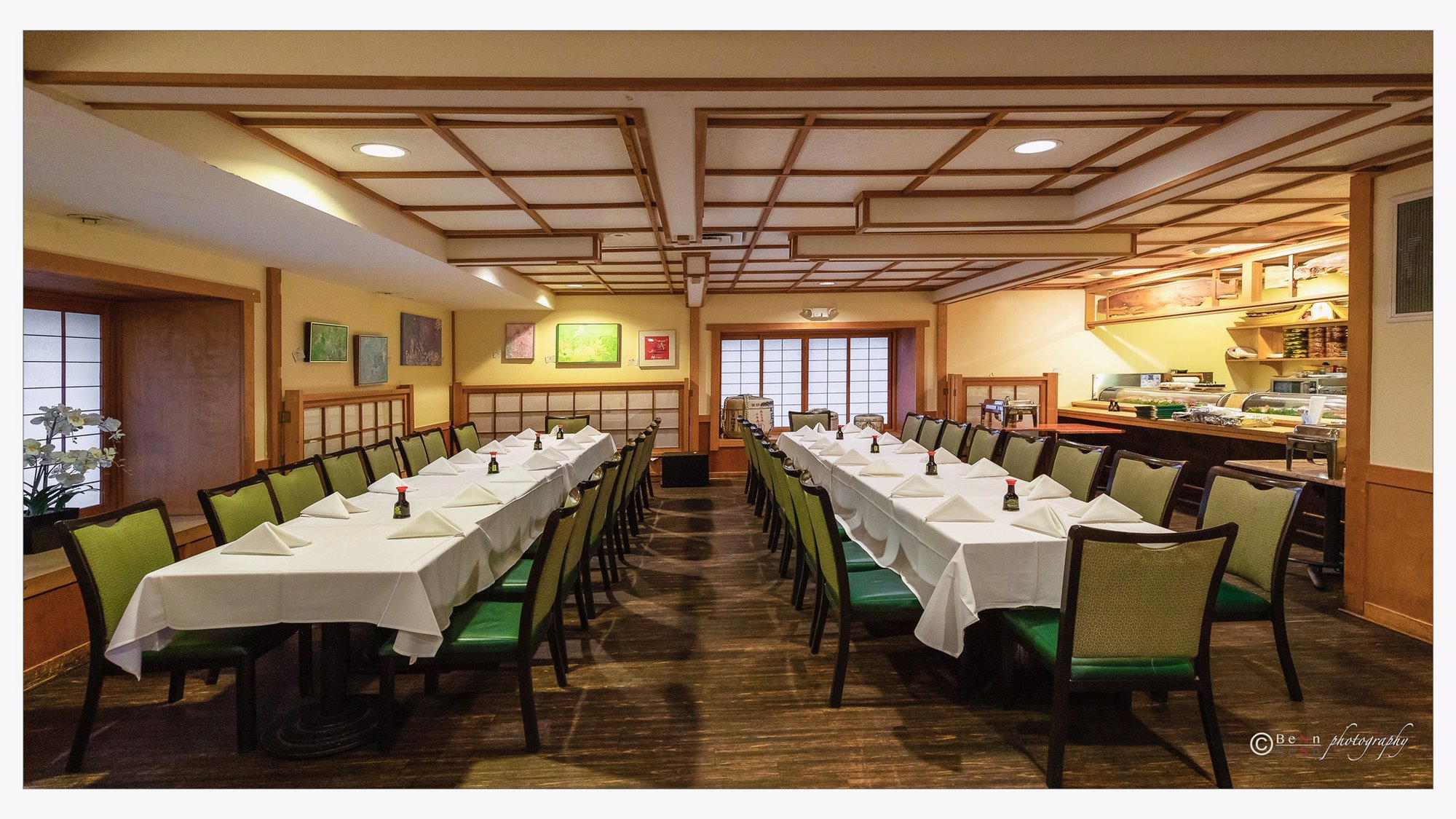
The Room Before the Food
There is a particular register of Japanese restaurant that announces itself without drama. No street-level theatre, no neon signage competing for attention on a busy strip. Tachibana, at 6715 Lowell Ave in McLean, Virginia, operates in exactly that register. Approaching it along a residential-commercial edge of Northern Virginia's inner suburbs, the experience is deliberately understated. What signals quality here is not the exterior but what happens once you are inside: the pacing, the attention to temperature, the way the kitchen communicates with the dining room. These are hallmarks of a dining culture that prizes process over performance, and they place Tachibana in a specific, older tradition of Japanese cooking in America.
Japanese restaurants in the Washington, D.C. metro area have expanded significantly over the past decade, with omakase counters and izakaya-style formats multiplying across the region. McLean itself, a suburb that punches above its population weight in restaurant terms, has attracted a range of international cuisines to serve its diplomatically and professionally diverse population. Within that context, Tachibana has maintained a notably consistent identity, representing the strand of Japanese cooking that arrived in American suburbs in the 1980s and 1990s and never abandoned its core commitments to technique and restraint. For a broader picture of what McLean's dining scene looks like today, see our full McLean restaurants guide.
Where Imported Technique Meets the Mid-Atlantic Table
The editorial angle that most honestly describes Tachibana is one of method applied to context. Japanese culinary technique, particularly in sushi and traditional cooked preparations, is one of the most codified in the world. Knife work, rice temperature, fish aging, dashi construction, the timing of tempura batter: these are disciplines refined over generations and transmitted through apprenticeship. When that tradition transplants to the American mid-Atlantic, the ingredient matrix shifts. The fish supply is different. The agricultural seasons are different. The expectations of a suburban Virginia clientele are different from those of a Tokyo neighborhood counter.
What separates a restaurant that handles this translation with seriousness from one that simply offers a localized approximation is the willingness to source with precision despite the logistical difficulty. The Chesapeake Bay watershed, which sits just east of McLean, produces blue crab, oysters, rockfish, and seasonal ingredients that can interact productively with Japanese technique when a kitchen is paying attention. Whether a given preparation leans into that regional material or sources nationally and internationally for its fish counter, the underlying question is the same: is the technique rigorous enough to do justice to the product? Tachibana's durability in McLean suggests it has sustained an affirmative answer to that question across changing market conditions. For a sense of how other American kitchens have approached the same intersection of imported method and local product at a different price tier, Single Thread Farm in Healdsburg and Blue Hill at Stone Barns in Tarrytown offer instructive comparisons, though in formats and at price points well above the suburban Japanese register.
McLean's Dining Pattern and Where Tachibana Sits
McLean is not a food city in the sense that Manhattan or San Francisco are food cities, but it is a suburb with genuine dining range. The presence of restaurants like Aracosia McLean, which handles Afghan cuisine with care, and Amoo's Restaurant, which has built a long-term reputation in Persian cooking, points to a community that supports restaurants with real culinary commitments rather than purely convenience-driven dining. Chao Ban adds a Vietnamese American perspective to the mix. At the more casual end, Barrel and Bushel handles the American comfort register, while Capri Ristorante Italiano holds the Italian position. Tachibana occupies the Japanese tier of this ecosystem, and within that tier it represents the more traditional, less trend-driven end of the spectrum.
That positioning matters because the Washington metropolitan area has seen a significant influx of higher-end Japanese formats in recent years, particularly within D.C. proper. Omakase counters with tight seat counts and multi-course prix fixe structures now operate at price points that position them closer to destinations like Atomix in New York City than to the neighborhood Japanese restaurant model. Tachibana predates that wave and has not repositioned itself to compete with it. It serves a different function: reliable, technique-grounded Japanese cooking in a suburban format that prioritizes repeat customers over destination-dining traffic.
Planning a Visit
Tachibana sits at 6715 Lowell Ave, McLean, VA 22101. For visitors approaching from Washington, D.C. McLean is accessible via the Silver Line Metro, with Tysons and McLean stations both within reasonable distance depending on your starting point. The surrounding area is primarily residential and low-rise commercial, so parking is generally manageable compared to denser urban dining neighborhoods. Given the restaurant's established reputation and the relatively contained dining population it draws from, booking ahead is advisable, particularly for weekend evenings when Northern Virginia professionals and families tend to concentrate their dining out. The restaurant does not operate at the scale or price point of a destination counter that requires months-ahead reservations, but walk-in availability on a busy Friday or Saturday should not be assumed.
For those building a broader itinerary around serious restaurant visits in the mid-Atlantic and beyond, the region's apex reference point remains The Inn at Little Washington. For the highest technical register in American fine dining more broadly, Le Bernardin in New York City, Alinea in Chicago, The French Laundry in Napa, Providence in Los Angeles, Addison in San Diego, Lazy Bear in San Francisco, and Emeril's in New Orleans each represent their city's distinct approach to the question of what rigorous cooking looks like at scale. 8 1/2 Otto e Mezzo Bombana in Hong Kong extends that conversation into the Pacific context that shapes the culinary traditions Tachibana draws from. Tachibana operates at none of those price points or profile levels, but it addresses the same underlying question at a suburban Virginia scale: what does it mean to execute a cuisine with fidelity to its source tradition?
Frequently asked questions
What part of town is Tachibana in?
Tachibana is located at î6715 Lowell Ave, McLean, VA 22101, Mclean.
Is Tachibana in McLean, VA a good option for a Japanese dinner near Washington, D.C.?
Tachibana at 6715 Lowell Ave, McLean, VA 22101 is accessible from Washington, D.C. via the Silver Line Metro, making it a workable destination for D.C. diners seeking Japanese cooking outside the city. McLean's dining range is genuine if not deep, and Tachibana occupies a position toward the more considered end of that local spectrum. It suits diners who want Japanese culinary seriousness without the logistics of a city reservation.
What do people recommend at Tachibana?
Tachibana draws repeat visitors for its application of Japanese culinary method in a McLean, VA setting where that level of kitchen discipline is relatively scarce in the suburbs. Regulars tend to orient around the kitchen's more traditional preparations rather than fusion detours. Because specific menu details shift, checking directly with the restaurant before visiting is the surest way to know what is current.
Should I book Tachibana in advance?
Tachibana sits at 6715 Lowell Ave in McLean, a suburb where restaurants of this register draw a loyal local following from both Northern Virginia residents and D.C. professionals. Reservations ahead of weekend service are advisable. Contacting the venue directly will confirm current availability and any booking requirements.
What's the defining dish or idea at Tachibana?
The throughline at Tachibana is the application of Japanese technique — precision, restraint, and respect for ingredient quality — to a Mid-Atlantic dining context where that approach is less common than in Manhattan or San Francisco. The kitchen's commitment to method over spectacle is what distinguishes it within the McLean dining scene.
Peers Worth Knowing
Comparable venues nearby, for context on price, style, and recognition.
| Venue | Cuisine | Price | Notes |
|---|---|---|---|
| TachibanaThis venue — the venue you are viewing | Traditional Japanese Sushi | $30–50 | Not listed |
| Miyagi | Traditional Japanese Sushi | $30–50 | McLean |
| Pasa Thai | Authentic Thai | $20–30 | McLean |
| Town | American Neighborhood Bistro | Not listed | downtown McLean |
| Esaan | Northeastern Thai | Not listed | McLean |
| Kazan Restaurant | Traditional Turkish Cuisine | $30–50 | McLean |
Continue exploring
More in McLean
Restaurants in McLean
Browse all →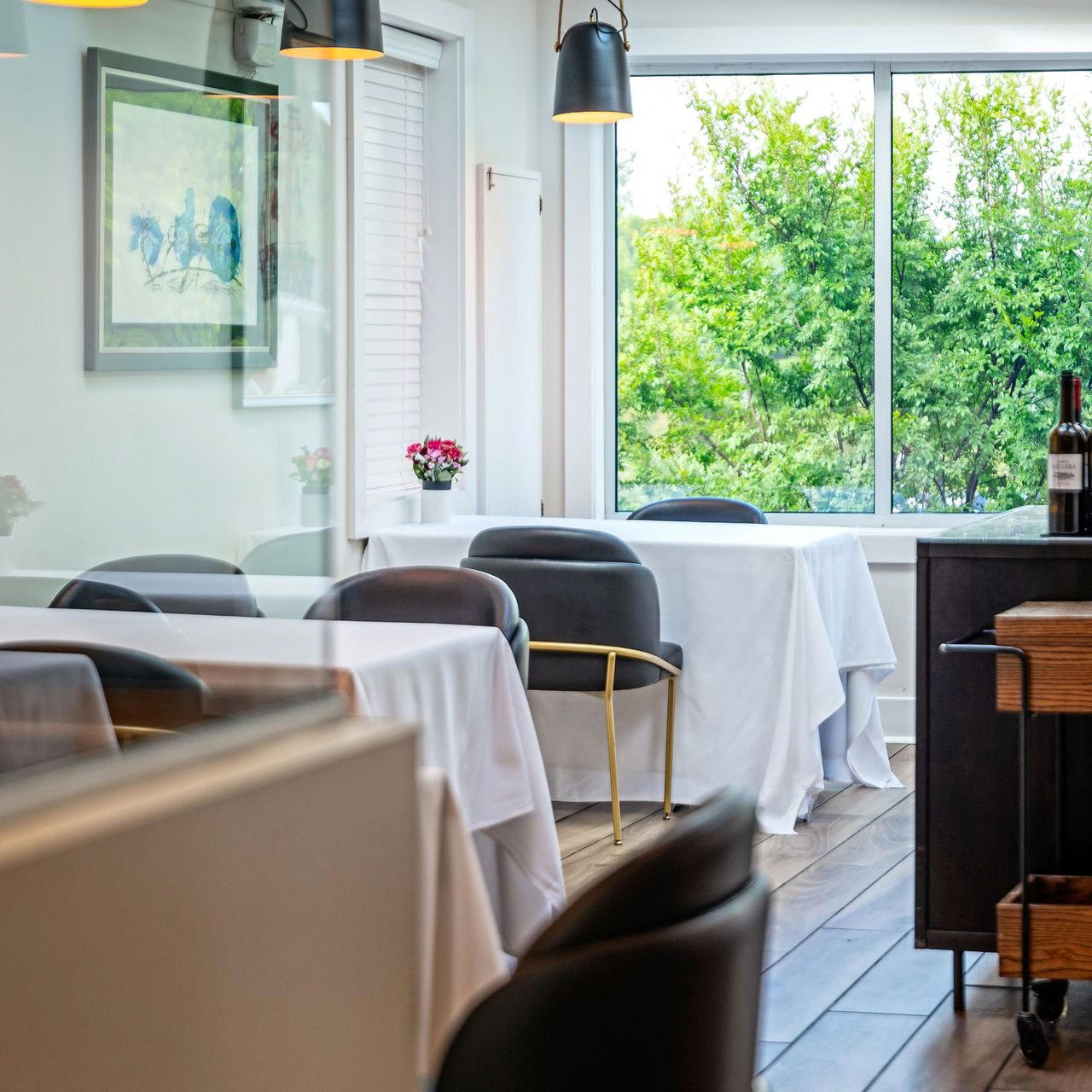
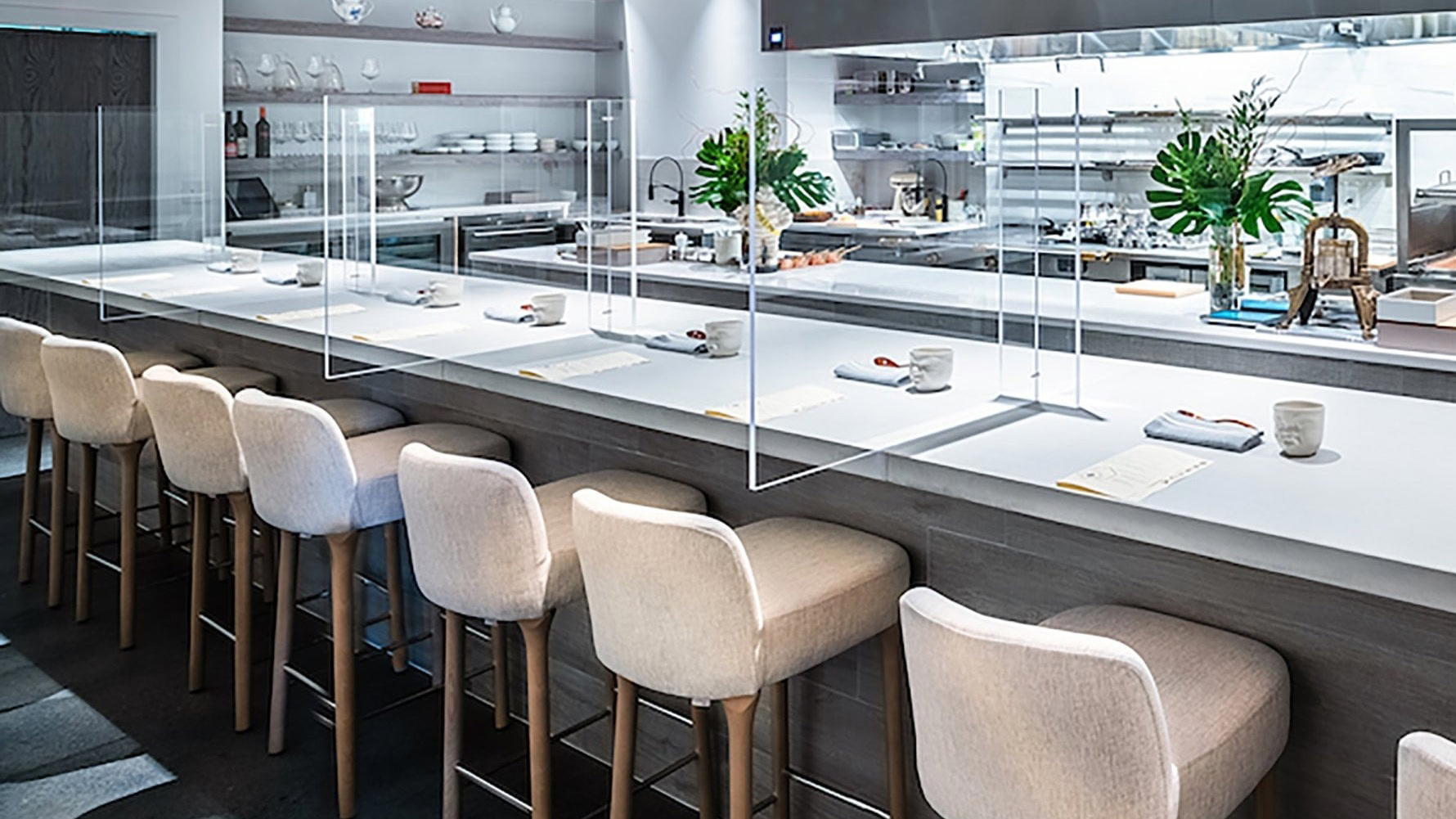
Bars in McLean
Browse all →
Hotels in McLean
Browse all →
Details
- Classic
- Elegant
- Date Night
- Business Dinner
- Sake Program
- A La Carte
- Vegetarian Friendly
- Gluten Free Options
Current opening hours
- Monday
- Closed
- Tuesday
- 11:30 AM–2 PM, 5–9 PM
- Wednesday
- 11:30 AM–2 PM, 5–9 PM
- Thursday
- 11:30 AM–2 PM, 5–9 PM
- Friday
- 11:30 AM–2 PM, 5–9:30 PM
- Saturday
- 12–2:30 PM, 5–9:30 PM
- Sunday
- 12–2:30 PM, 5–9 PM
Hours can change for holidays and private events. Last verified .
Classic sushi bar atmosphere with attentive service and purist Japanese simplicity.