Town
Our verdict
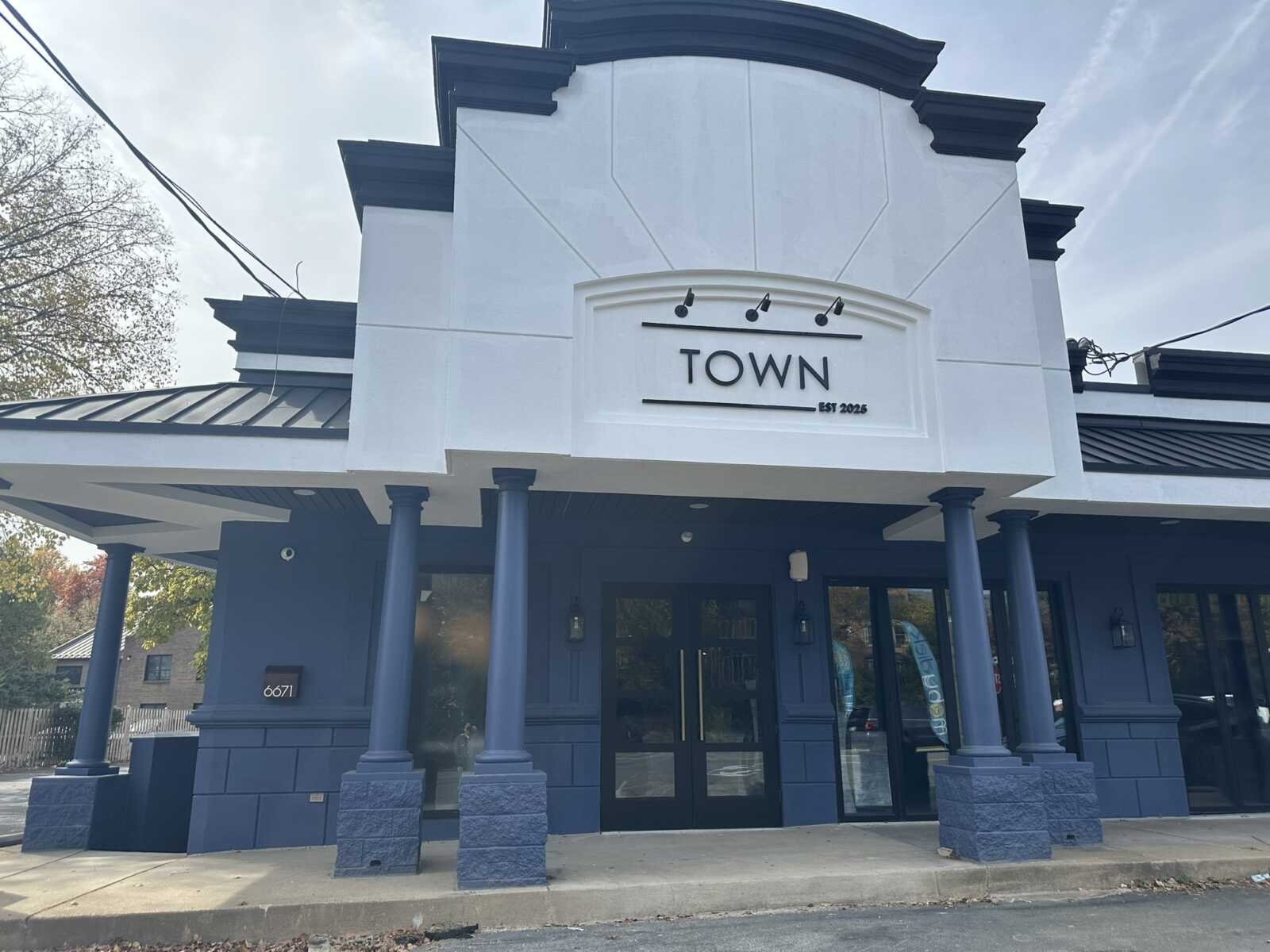
Town in McLean, Virginia, anchors the local dining scene with an American bistro format that leans into comfort-driven cooking. Set against McLean's broader restaurant corridor, it occupies a neighborhood niche where familiar technique meets seasonal sensibility. For residents and visitors seeking something grounded rather than flashy, Town represents a considered middle tier in a suburb that has developed genuine dining range.

Pearl is the En Primeur Club membership app — saves, bookings, and concierge access live there. Same editors, same standards.
- Address
- McLean, United States
The menu
What to order
- Smash burgers
- Steaks
- Chicken wings
McLean's Appetite for the Approachable
McLean, Virginia sits in an unusual position among American suburban dining destinations. Within ten miles of a federal capital that now hosts Michelin-starred addresses and a growing roster of serious independent restaurants, its local scene has had to decide what it does for the resident who wants quality without the commute. The answer, increasingly, has been a cluster of independently minded spots that draw on specific traditions: Afghan cooking at Aracosia McLean, Italian neighborhood standards at Capri Ristorante Italiano, Vietnamese-American fare at Chao Ban, and pub-format American at Barrel & Bushel. Town fits into this company as the American bistro entry, a format with distinct cultural DNA.
The American bistro category is worth defining, because it is often confused with the gastropub on one end and the fine-dining American tasting menu on the other. The bistro model, borrowed loosely from French tradition but fully Americanized over the past three decades, prizes a menu that changes with the market, a room that stays open and accessible rather than ceremonial, and cooking that positions comfort as a craft rather than a compromise. Where places like Blue Hill at Stone Barns in Tarrytown or Single Thread Farm in Healdsburg push that logic toward the tasting-menu format with farming operations attached, the neighborhood bistro applies the same seasonal sourcing instinct at a more everyday scale. Town operates in that latter register.
The Farm-to-Table Thread in Suburban Dining
The farm-to-table movement, now sufficiently mature to attract both reverence and skepticism, has bifurcated into two tracks. The first is the high-investment, restaurant-as-farm-showcase approach exemplified by operations like Smyth in Chicago or the Michelin-level American restaurants that trace sourcing relationships the way wine producers cite terroir. The second, less celebrated but arguably more consequential for daily life, is the quiet adoption of seasonal purchasing and regional sourcing by neighborhood restaurants that never made it a manifesto but simply made it their standard practice.
Mid-Atlantic region provides genuine infrastructure for the second approach. Virginia and Maryland both maintain active agricultural communities producing heritage grains, small-batch dairy, and diversified vegetable and protein operations within practical delivery range of the northern Virginia corridor. A restaurant in McLean operating on an American bistro model has real options for sourcing that a similar establishment in a more isolated suburban market might not.
This matters because comfort cooking in the American bistro mode is not an excuse for static menus. The tradition at its better expressions, from the neighborhood brasseries that influenced it in New York to places like Lazy Bear in San Francisco at its more elaborate end, involves cooking that is recognizable and warm but responsive to what is available. Roasted root vegetables in winter, lighter preparations in summer, a menu that signals awareness of the calendar rather than indifference to it.
Where Town Sits in the McLean Spectrum
McLean's dining range runs from the Persian-influenced cooking at Amoo's Restaurant to the more pub-forward programming at Barrel & Bushel. Within that range, Town addresses a specific gap: the resident who wants American food handled with some care but without the formality of a special-occasion restaurant. This is a genuinely competitive segment in suburban Virginia, where chains and fast-casual operators hold significant market share and independents have to justify their price point on quality rather than novelty.
The bistro format has proven durable in this environment. It asks less of the diner in terms of advance planning or ceremonial readiness, which gives it frequency potential that a tasting-menu operation cannot match. A household might visit a serious tasting-menu restaurant two or three times a year; a well-run bistro becomes part of the weekly or biweekly rotation. That frequency is what sustains independents in suburban markets, and it is what the American bistro model is designed to capture.
For a fuller picture of where Town sits relative to the McLean dining scene across categories and price points, the EP Club McLean restaurants guide maps the full range.
American Comfort Cooking in National Context
The comfort category in American dining has been subject to serious critical reassessment over the past decade. The most awarded American restaurants, including Le Bernardin in New York City, The French Laundry in Napa, Providence in Los Angeles, and Addison in San Diego, operate at the technically precise, format-driven end of the spectrum. But the critical conversation has also made room for the argument that comfort cooking, done with discipline, represents its own form of expertise. Emeril's in New Orleans built a decades-long reputation on exactly that premise. The Inn at Little Washington in Washington, closer to McLean's orbit, demonstrates how deeply American cooking can be taken in a fine-dining direction while retaining its regional character.
None of those are direct peers to a neighborhood bistro. The relevant comparison for Town is the mid-tier independent that takes its cuisine type seriously without performing ambition. The analogy holds internationally too: operations like Atelier Moessmer Norbert Niederkofler in Brunico and Atomix in New York City sit at the far end of the craft and technique spectrum, but they reinforce a broader point: the restaurants that age well are those with a clear point of view on ingredient sourcing, even when the format is not overtly showy about it.
Planning a Visit
McLean is accessible from Washington, D.C. via the Silver Line Metro, with the McLean station providing a workable connection for those coming from the city without a car. The town's restaurant corridor is compact enough that moving between addresses on foot is practical once you arrive.
Frequently asked questions
How does Town fit into the McLean dining scene compared to other local restaurants?
McLean's dining range covers Persian-influenced cooking at Amoo's, pub-forward programming at Barrel & Bushel, and several formats in between. Town occupies the American bistro and comfort tier, a positioning that distinguishes it from the area's more ethnically specific or bar-driven options. For diners coming from Washington, D.C. it represents a straightforward counterpoint to the capital's increasingly high-concept restaurant culture.
What's the signature dish at Town?
Town's menu centers on American bistro and comfort cooking, but the kitchen does not publish a single flagship dish through available channels. The comfort-focused format suggests the menu leans on familiar American preparations executed with care rather than theatrical gestures. For the current lineup, checking directly with the restaurant is the most reliable route.
What's the best way to book Town?
Contact details and an online booking link for Town in McLean are not currently listed in public directories. Stopping by in person or calling ahead during service hours tends to work for comfort-format bistros in this category. McLean's dining corridors are accessible via the Silver Line Metro at McLean station, which may factor into timing a visit.
Comparable Venues
Comparable venues nearby, for context on price, style, and recognition.
| Venue | Cuisine | Price | Notes |
|---|---|---|---|
| TownThis venue — the venue you are viewing | American Neighborhood Bistro | Not listed | Not listed |
| NM Cafe | Contemporary American | $30–50 | Tysons Galleria |
| Miyagi | Traditional Japanese Sushi | $30–50 | McLean |
| Chao Ban | Vietnamese-American Fusion | $20–30 | Tysons Galleria |
| Pasa Thai | Authentic Thai | $20–30 | McLean |
| Aracosia McLean | Authentic Afghan | $30–50 | McLean |
Continue exploring
More in McLean
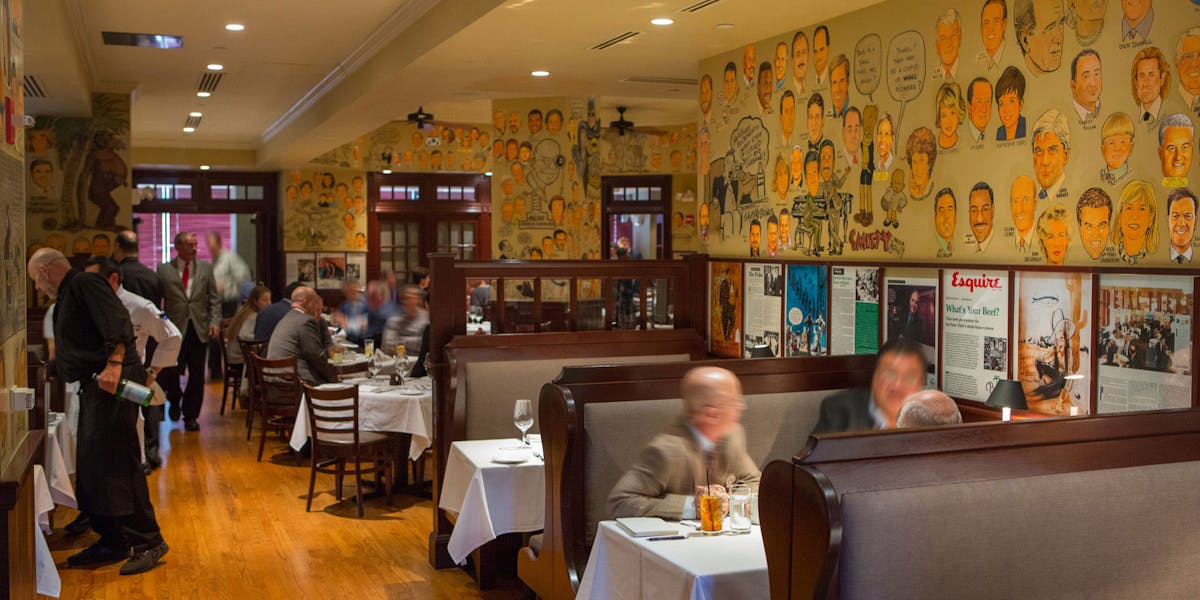
Restaurants in McLean
Browse all →

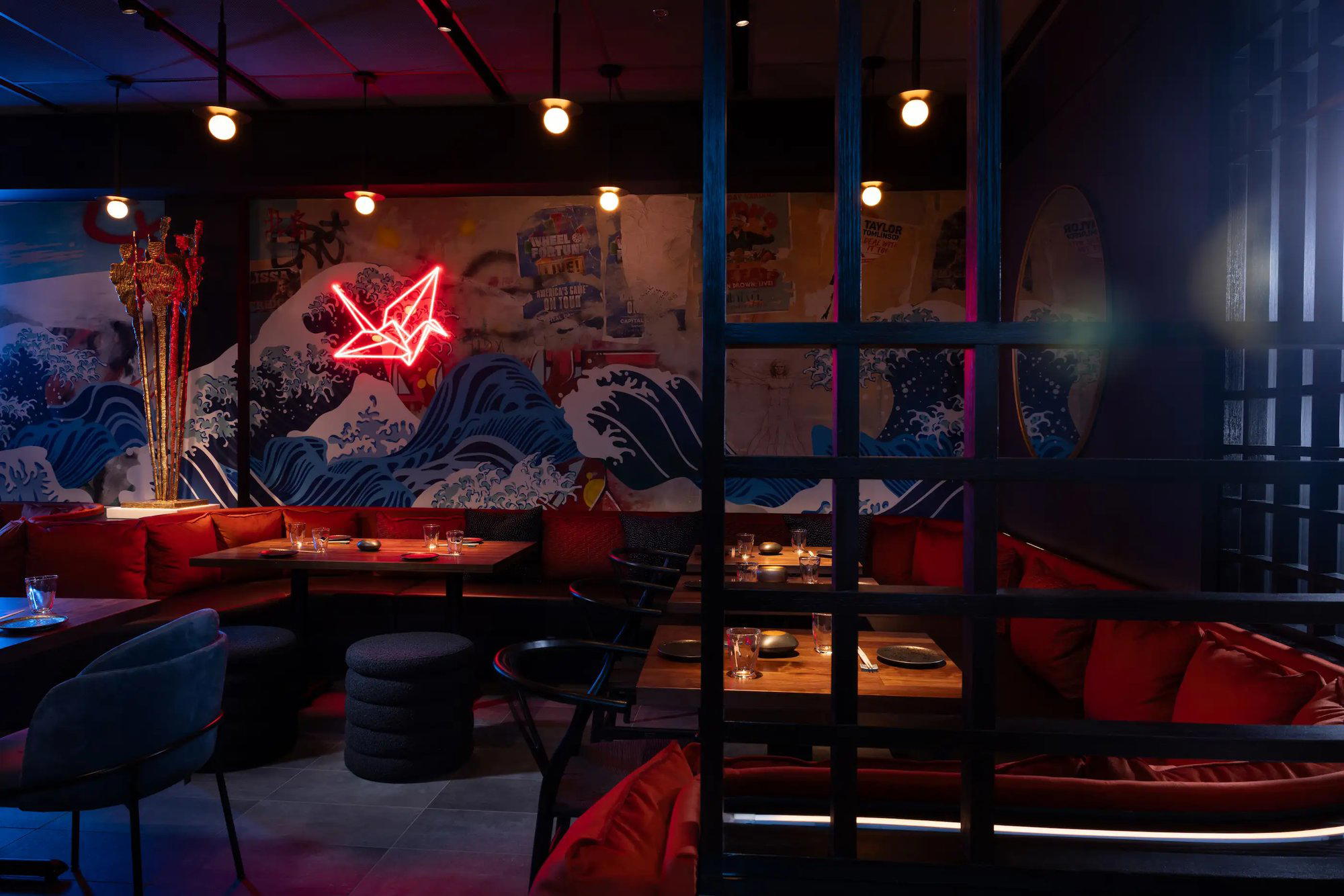
Bars in McLean
Browse all →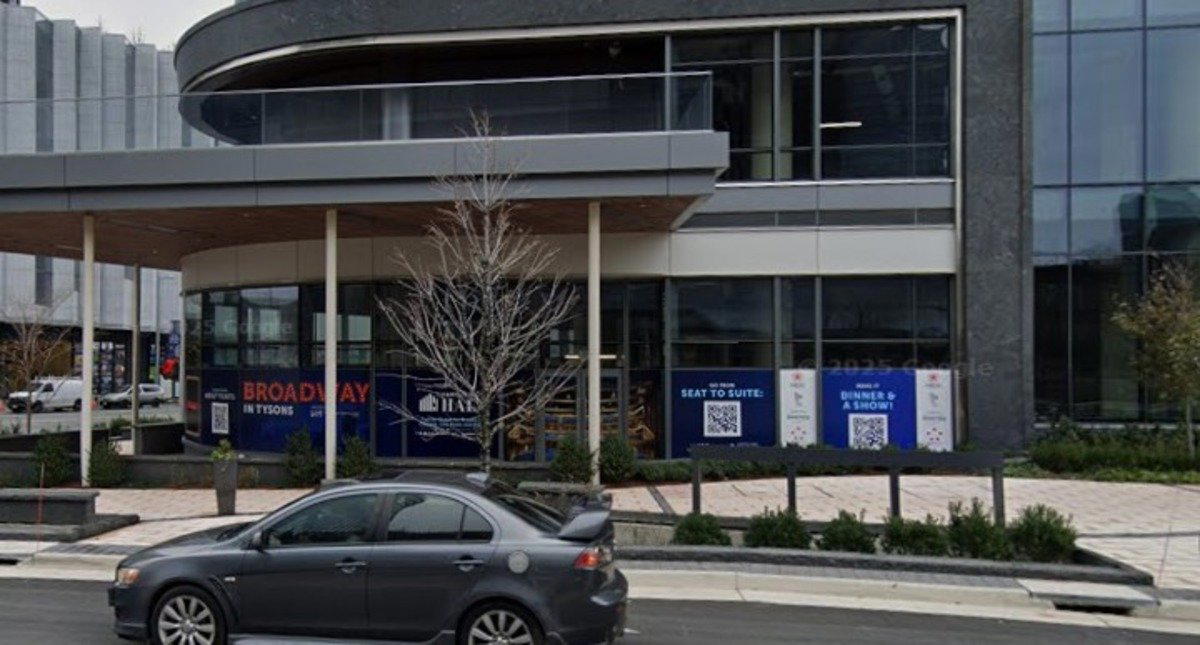
Hotels in McLean
Browse all →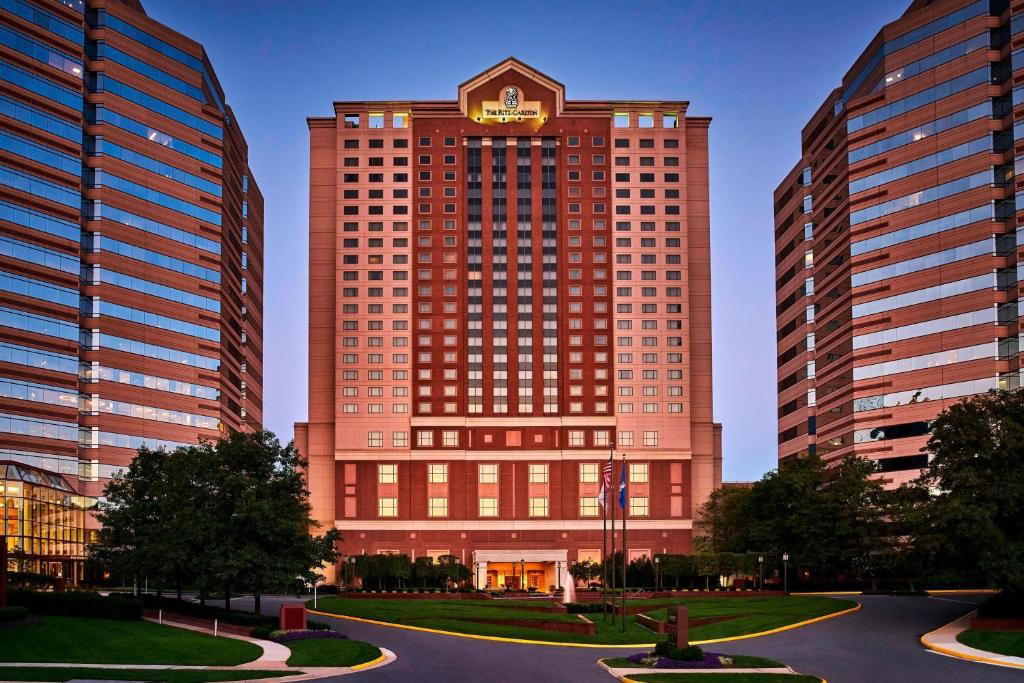
Details
- Cozy
- Lively
- Modern
- Casual Hangout
- Group Dining
- Celebration
- Open Kitchen
- Craft Cocktails
- A La Carte
- Cocktails
Warm, welcoming, and polished atmosphere with thoughtfully designed space reflecting local history and fresh energy.