Taboo
Our verdict
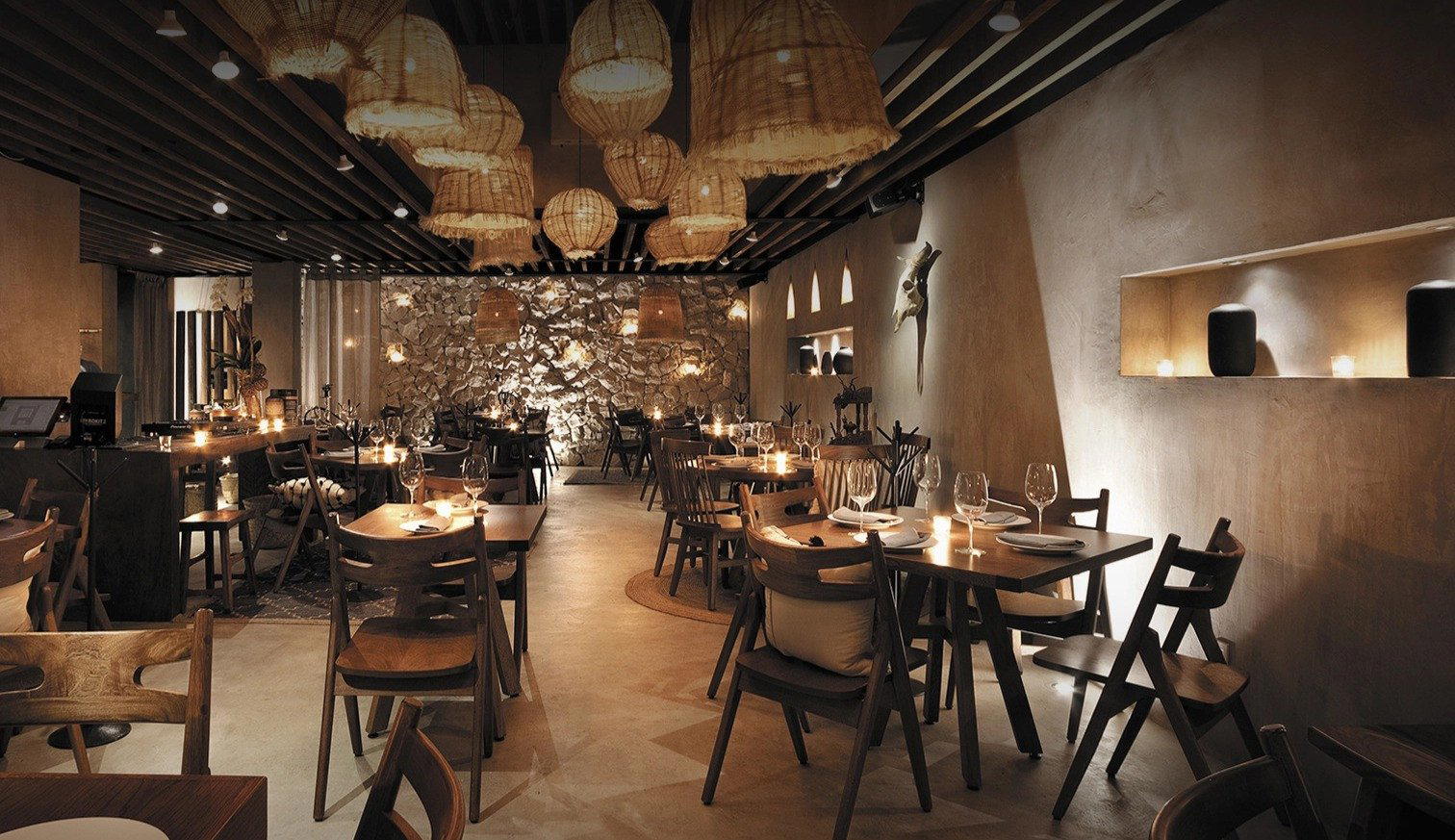
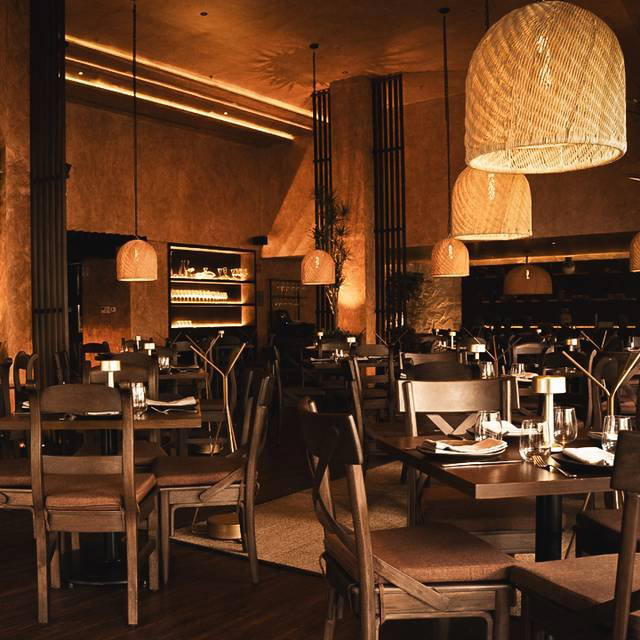
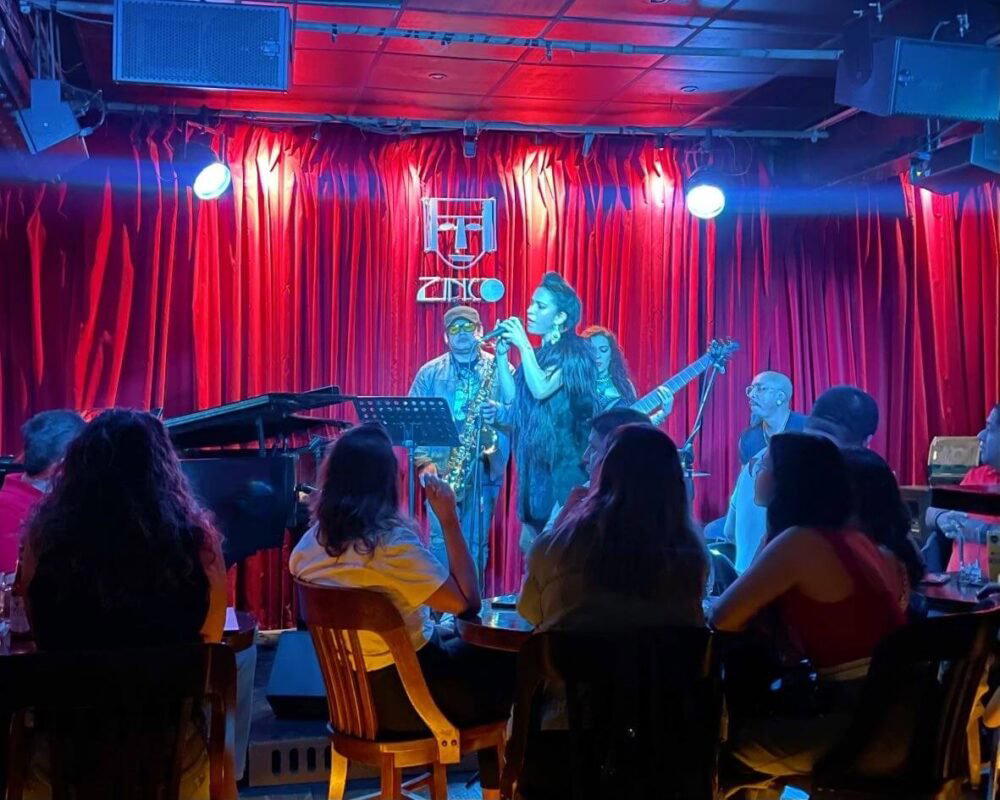
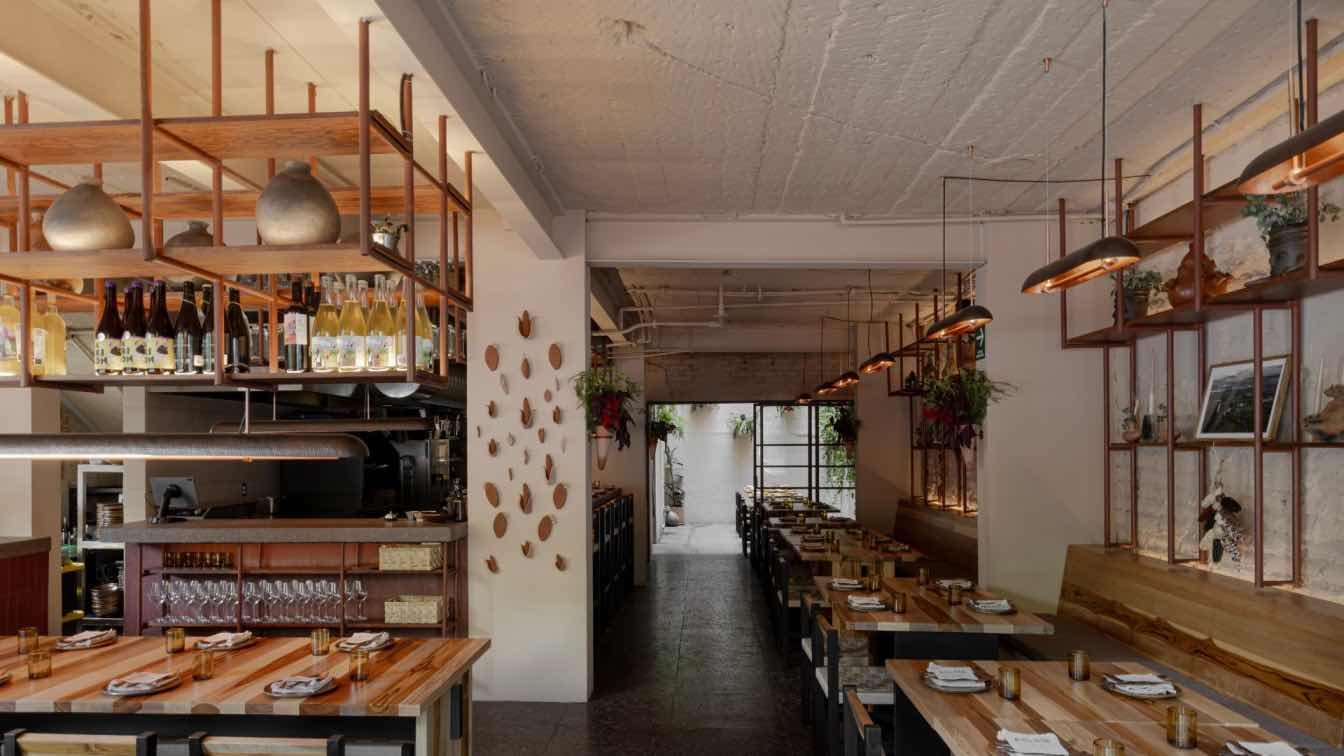
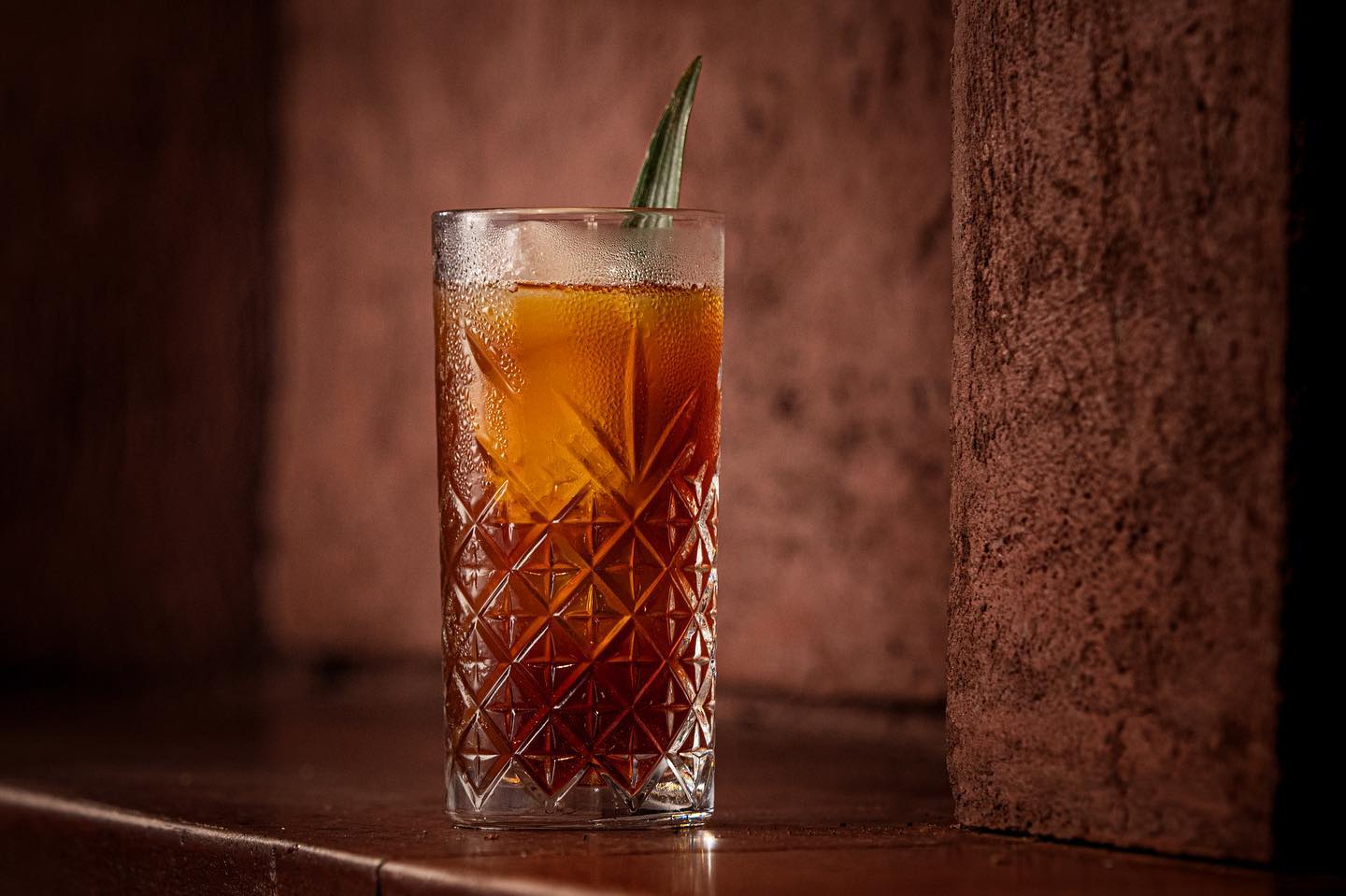
Taboo serves Modern Mediterranean on Av. Pdte. Masaryk in Polanco, with craft cocktails, live music, and a leisurely pace for dinner or late night.

Pearl is the En Primeur Club membership app, where members save venues, book tables and use the concierge.
The menu
What to order
- Spaghetti with Seafood
- Grilled Octopus
- Lamb Chops
Polanco After Dark: Where Masaryk's Dining Strip Gets Complicated
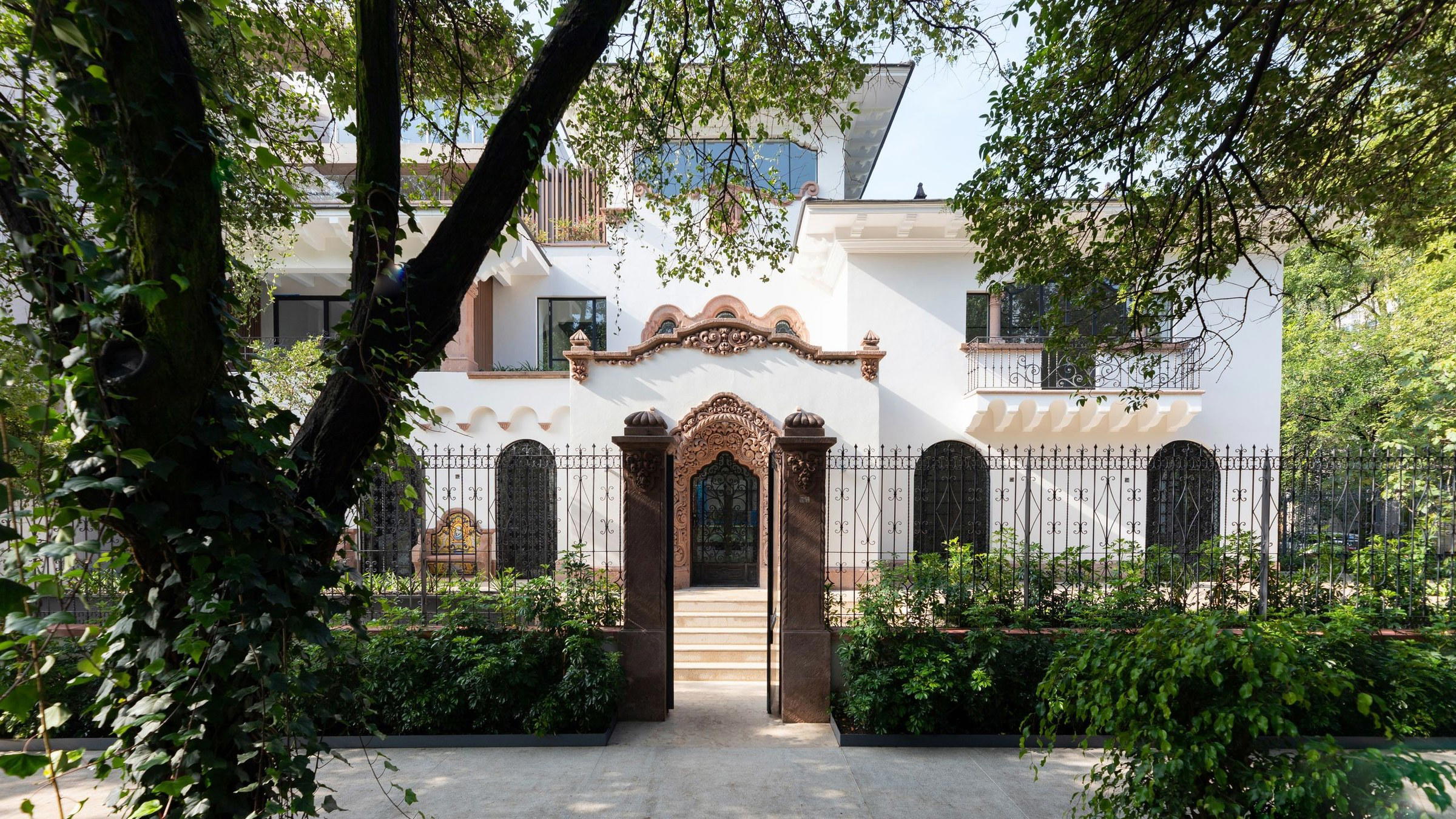
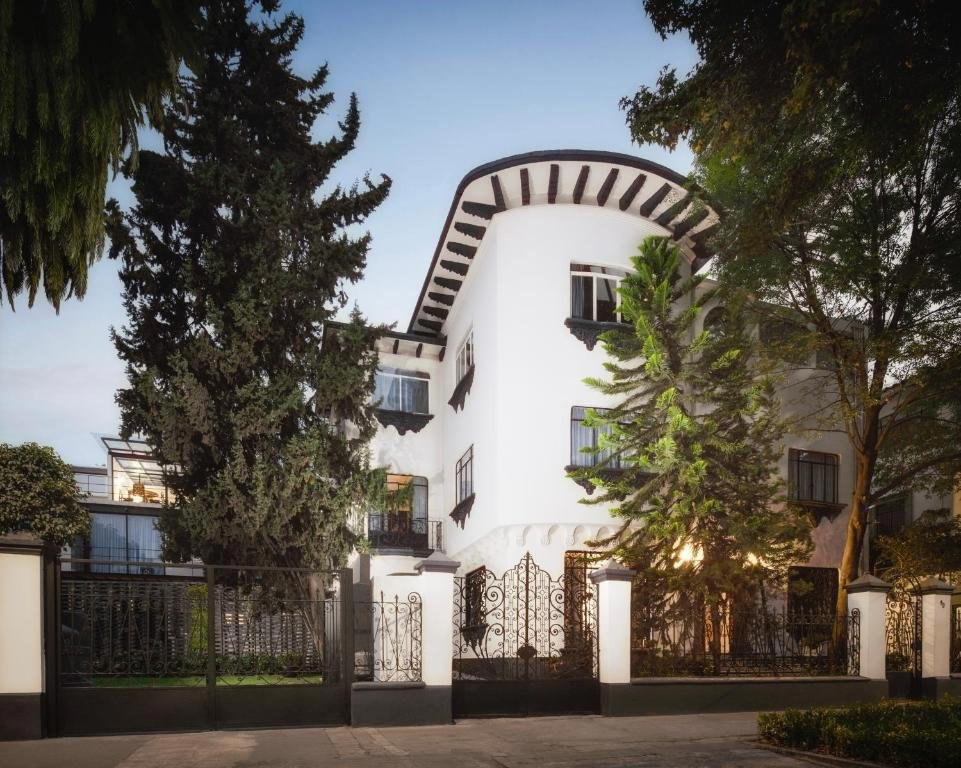
Avenida Presidente Masaryk runs through Polanco like a demonstration of what money can buy in Mexico City. The sidewalks are wide, the trees are trimmed, and the restaurant frontages signal spending power before you ever see a menu. It is one of the few dining corridors in Latin America where European luxury imports and ambitious Mexican cooking genuinely compete for the same tables. Taboo sits on this strip at number 294, occupying a position in a neighborhood that has, over the past decade, become one of the more closely watched dining markets in the hemisphere.
Polanco's appeal to serious restaurants is partly geographic, it anchors the western edge of Mexico City's premium dining concentration, which extends south toward Roma and Condesa, and partly demographic. The clientele skews international, well-traveled, and comparative. They have eaten at Pujol and Quintonil and they bring those reference points to every subsequent meal.
The Sourcing Argument Mexico City Is Having With Itself
The most consequential conversation in Mexican fine dining right now is not about technique. It is about ingredients and their origins. Across the country, a generation of chefs and restaurateurs has reoriented around the idea that the supply chain is itself an editorial position. Where produce comes from, who grows it, how far it travels, and what traditional cultivation methods it represents have become arguments restaurants make through their menus. This is not unique to Mexico, farm-sourcing rhetoric appears in every major dining city, but in Mexico the stakes feel more specific. The country's biodiversity in corn varieties, chili strains, herbs, and fermented ingredients is genuinely among the deepest in the world, and restaurants that access it well are telling a different story than those that don't.
Venues elsewhere in Mexico are making this case forcefully. Animalón in Valle de Guadalupe frames its cooking almost entirely around Baja's agricultural and maritime geography. Olivea Farm to Table in Ensenada takes an even more explicit position, with sourcing that anchors both menu and identity. In Oaxaca, Levadura de Olla works through regional fermentation traditions that are inseparable from the communities that produce them. Lunario in El Porvenir and KOLI Cocina de Origen in Monterrey apply similar logic to their respective northern regions. In Mexico City itself, Em and Sud 777 have both built reputations in part by being deliberate about where their raw material comes from.
For a Polanco address like Taboo, this sourcing conversation is unavoidable. The neighborhood's reputation for international rather than regional cooking has historically made it a less obvious home for hyper-local ingredient work. That tension, between Masaryk's cosmopolitan register and the provincial specificity that Mexico's leading ingredient stories require, is the operating environment every serious restaurant here has to address.
Polanco's Competitive Tier and What It Demands
Polanco hosts a denser concentration of restaurants in the upper-mid to premium price tier than almost any comparable Mexican neighborhood. The competition is not only internal: restaurants like Rosetta, which operates in Roma Norte with a lighter price point and strong editorial identity, draw diners who might otherwise spend their evenings in Polanco. Across the city, addresses including Em compete in a similar bracket for the same reservation-planning traveler.
Beyond the capital, Mexico's premium dining circuit now extends to cities that have developed distinct identities of their own. Alcalde in Guadalajara and Pangea in San Pedro Garza Garcia have built reputations that draw dedicated dining travelers away from Mexico City altogether. On the Yucatan Peninsula, Huniik in Merida, HA' in Playa del Carmen, and Le Chique in Puerto Morelos each demonstrate what regional specificity at the premium end can look like. These are the reference points that well-traveled visitors carry when they sit down anywhere on Masaryk.
The international comparisons that Polanco diners bring are also worth naming directly. Anyone who has eaten at Le Bernardin in New York or Atomix, both examples of how a narrow, disciplined identity can command sustained attention, will read a Polanco menu with some of that calibration in mind. The question is whether a restaurant can meet that standard while remaining specific to its place.
What to Know Before You Go
Taboo is located at Av. Pdte. Masaryk 294, Polanco IV Secc, Miguel Hidalgo, 11550, Mexico City. Polanco is well-served by the Polanco metro station on Line 7, and most international visitors arrive by taxi or ride-share from Condesa, Roma, or the historic center, typically a 15 to 30 minute ride depending on traffic. Masaryk itself is walkable, and the address sits in the central stretch of the avenue where restaurant density is highest. For the broader Mexico City dining picture, see our full Mexico City restaurants guide.
Dress: Polanco's dining culture trends toward smart-casual to business-casual; avoid beachwear or casual athletic clothing at this address. Budget: Price range is not currently published; Polanco mid-to-upper venues typically run MXN 600 to MXN 2,000+ per person before wine. Timing: Mexican dinner service in Polanco typically begins at 7:00 PM and extends late; lunch is often the more competitive reservation on weekends.
Frequently asked questions
at Taboo?
Do they take walk-ins at Taboo?
What's the defining dish or idea at Taboo?
What if I have allergies at Taboo?
Should I splurge on Taboo?
How does Taboo fit into the wider Polanco dining scene for a first-time visitor to the neighborhood?
Cost Snapshot
Comparable venues nearby, for context on price, style, and recognition.
| Venue | Cuisine | Price | Notes |
|---|---|---|---|
| TabooThis venue (the venue you are viewing) | Modern Mediterranean | $50–100 | Not listed |
| Blanco Castelar | Mexican-European Fusion | $50–100 | Polanco Chapultepec, Mexican-European Fusion |
| Burger House Atelier Kosher | Kosher American Burgers | Not listed | Del Bosque, Kosher American Burgers |
| Rokai Ramen-Ya | Authentic Japanese Ramen-Ya & Sushi | $30–50 | Cuauhtemoc, Authentic Japanese Ramen-Ya & Sushi |
| Belforno | Modern Italian Wood-Fired | $30–50 | Hipodromo de la Condesa, Modern Italian Wood-Fired |
| Casa Virginia | Modern Franco-Mexican Fusion | $30–50 | Hipodromo, Modern Franco-Mexican Fusion |
Continue exploring
More in Mexico City
Restaurants in Mexico City
All restaurants in Mexico City →
Bars in Mexico City
All bars in Mexico City →
Details
- Elegant
- Sophisticated
- Bohemian
- Trendy
- Lively
- Date Night
- Celebration
- Group Dining
- Special Occasion
- Live Music
- Craft Cocktails
- A La Carte
- Vegetarian Friendly
- Gluten Free Options
Current opening hours
- Monday
- 12 PM–2 AM
- Tuesday
- 12 PM–2 AM
- Wednesday
- 12 PM–2 AM
- Thursday
- 12 PM–2 AM
- Friday
- 12 PM–2 AM
- Saturday
- 12 PM–2 AM
- Sunday
- 12 PM–2 AM
Hours can change for holidays and private events. Hours as of .
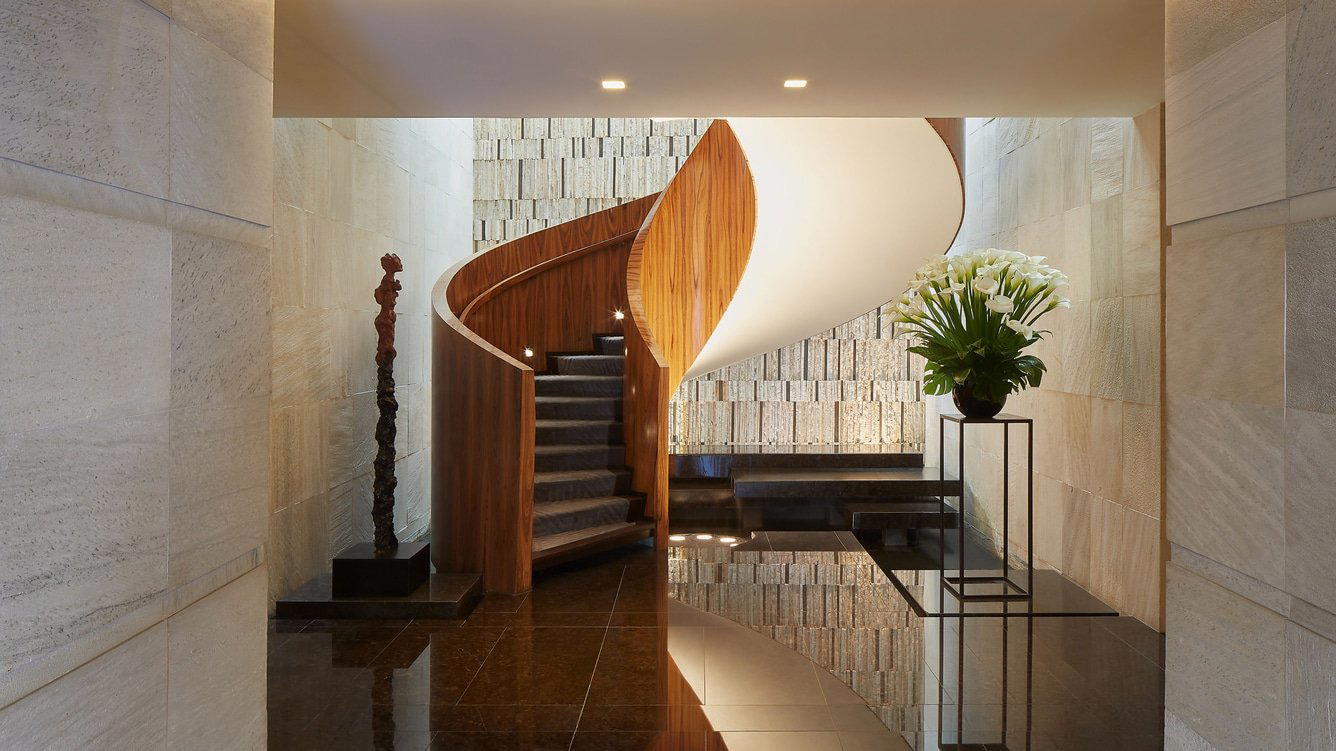
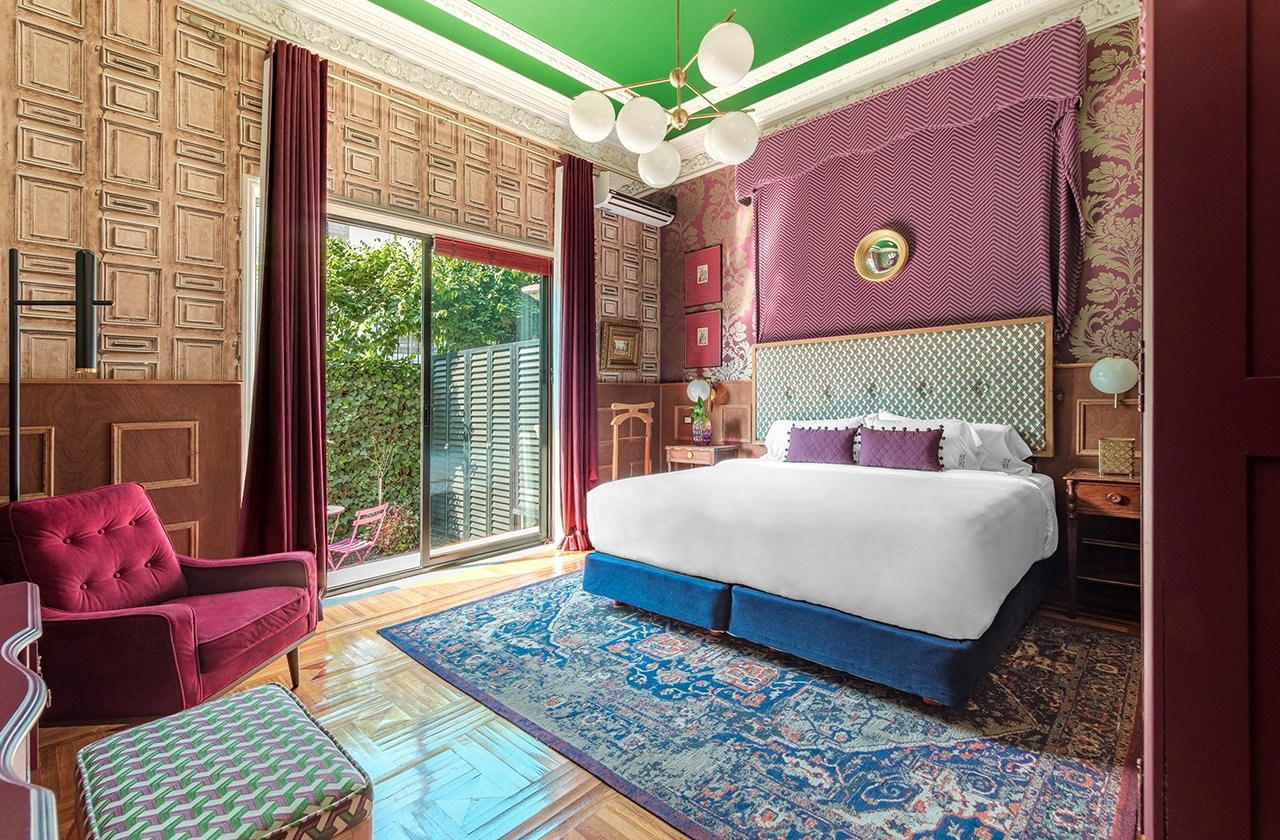
Bohemian-chic with rustic sophistication, featuring live music that transforms dinner into a lively party.