Our verdict
On a quiet stretch of Gitschotellei in Antwerp's Borgerhout district, Table d'Ho operates at the intersection of imported culinary technique and the local produce networks that define serious Belgian cooking. The address sits outside the city's obvious dining corridors, placing it in a category of neighbourhood-anchored restaurants that reward deliberate planning. Antwerp's wider fine-dining scene — anchored by Michelin-recognised addresses across multiple price tiers — provides the context against which Table d'Ho positions itself.

Pearl is the En Primeur Club membership app — saves, bookings, and concierge access live there. Same editors, same standards.
- Address
- Gitschotellei 188, 2140 Antwerpen, Belgium
- Phone
- +32470674446
- Hours
- Mon–Tue ClosedWed–Sat 5:30–10 PMSun Closed
- Website
- tabledho.squarespace.com
- Directions
- Get directions
The menu
What to order
- Bibimbap
- Japchae
- Bulgogi
- Hotteok
Borgerhout and the Geography of Antwerp's Restaurant Scene
Antwerp's restaurant geography has shifted considerably over the past decade. The historic centre and the Eilandje harbour district still carry the highest concentration of recognisable names, but a secondary tier of serious cooking has migrated into the city's residential boroughs. Borgerhout, immediately northeast of the ring road, is among the more consequential of these shifts. Gitschotellei, the long commercial artery running through the district, now holds addresses that measure themselves against inner-city peers rather than against neighbourhood convenience. Table d'Ho, at number 188, belongs to this newer geography — a restaurant that requires a deliberate journey from the centre but sits in a neighbourhood with its own culinary logic.
This pattern of restaurant migration is not specific to Antwerp. Across Brussels, Ghent, and the wider Flemish dining circuit, the addresses generating the most sustained critical interest are increasingly those that have traded central visibility for lower overheads, tighter formats, and a local clientele willing to travel within the city for the right table. Antwerp's version of this movement is well documented, and Borgerhout is its current focal point.
Local Ingredients, Imported Method: The Defining Tension in Flemish Fine Dining
The most productive tension in Belgian restaurant cooking right now is not between French classicism and modernist technique — that argument was settled years ago. It is between the discipline of imported method and the specificity of what Belgian soil, coast, and season actually produce. Addresses at the higher end of the Flemish circuit, from Hof van Cleve in Kruishoutem to Boury in Roeselare and Willem Hiele in Oudenburg, have each resolved that tension differently: some lean into the coastal larder, others into garden-scale vegetable sourcing, others into a hyper-seasonal menu architecture that prioritises local provenance above all else.
Table d'Ho operates within this same conversation. The address on Gitschotellei places it physically close to the port networks and wholesale food markets that supply much of Antwerp's professional kitchen infrastructure, an advantage that neighbourhood-level restaurants in the city's outer boroughs can access more directly than city-centre operations with fixed supplier chains. That proximity to raw material matters when the editorial argument of a restaurant rests on what the region actually grows, catches, and produces rather than on what can be flown in.
Within Antwerp specifically, the comparison set for this style of cooking includes Hertog Jan at Botanic, which frames Modern Flemish cooking through a creative and technically demanding lens at the €€€€ tier, and 't Fornuis, which anchors the European-Flemish tradition in a more classically composed idiom. Both operate at the city's highest price point. A restaurant like Table d'Ho, positioned in a residential borough rather than a heritage building near the Grote Markt, signals a different price-to-ambition ratio, one that draws a specific kind of diner who measures value through cooking precision rather than through address prestige.
The Scene at Gitschotellei 188
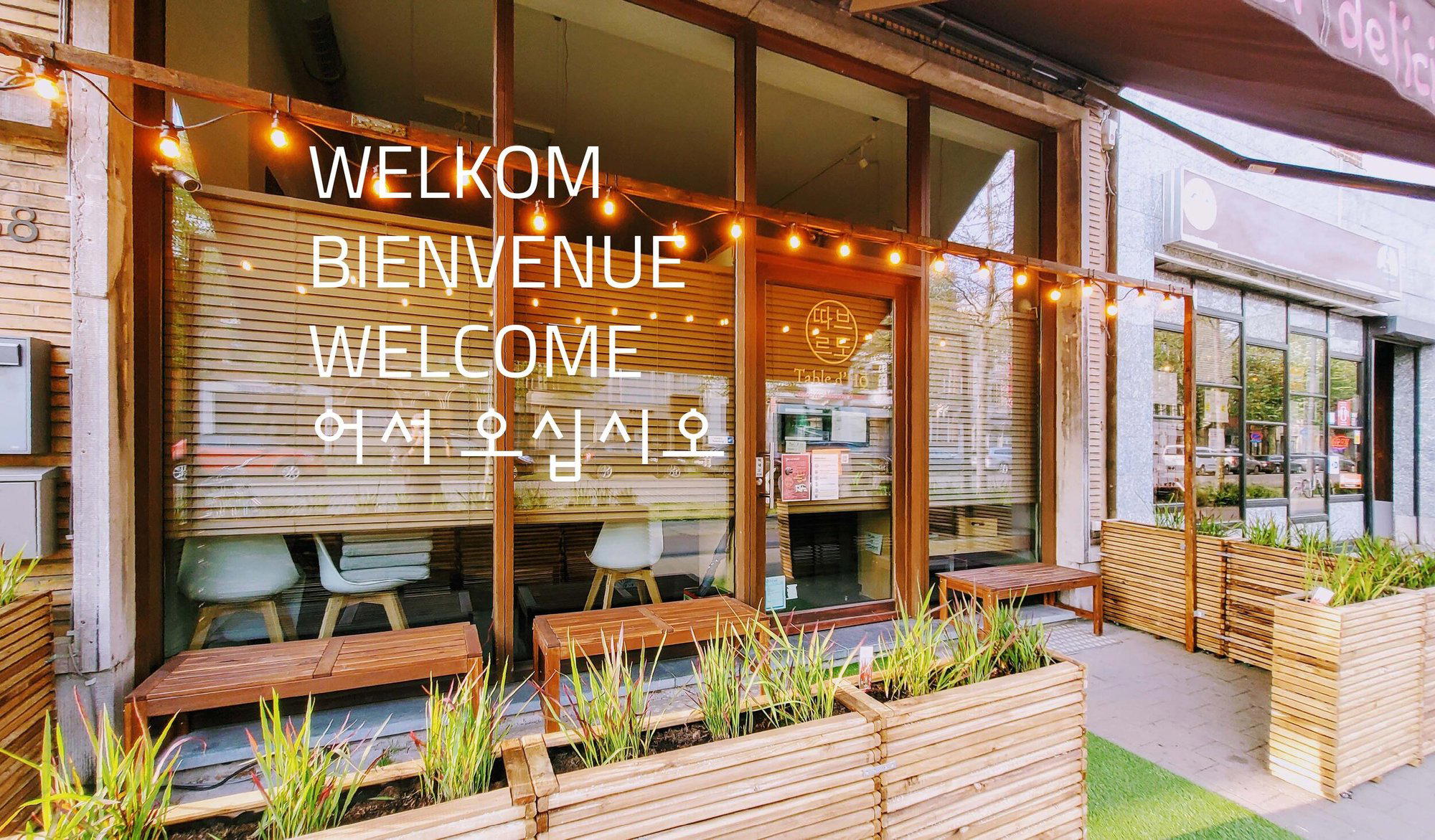
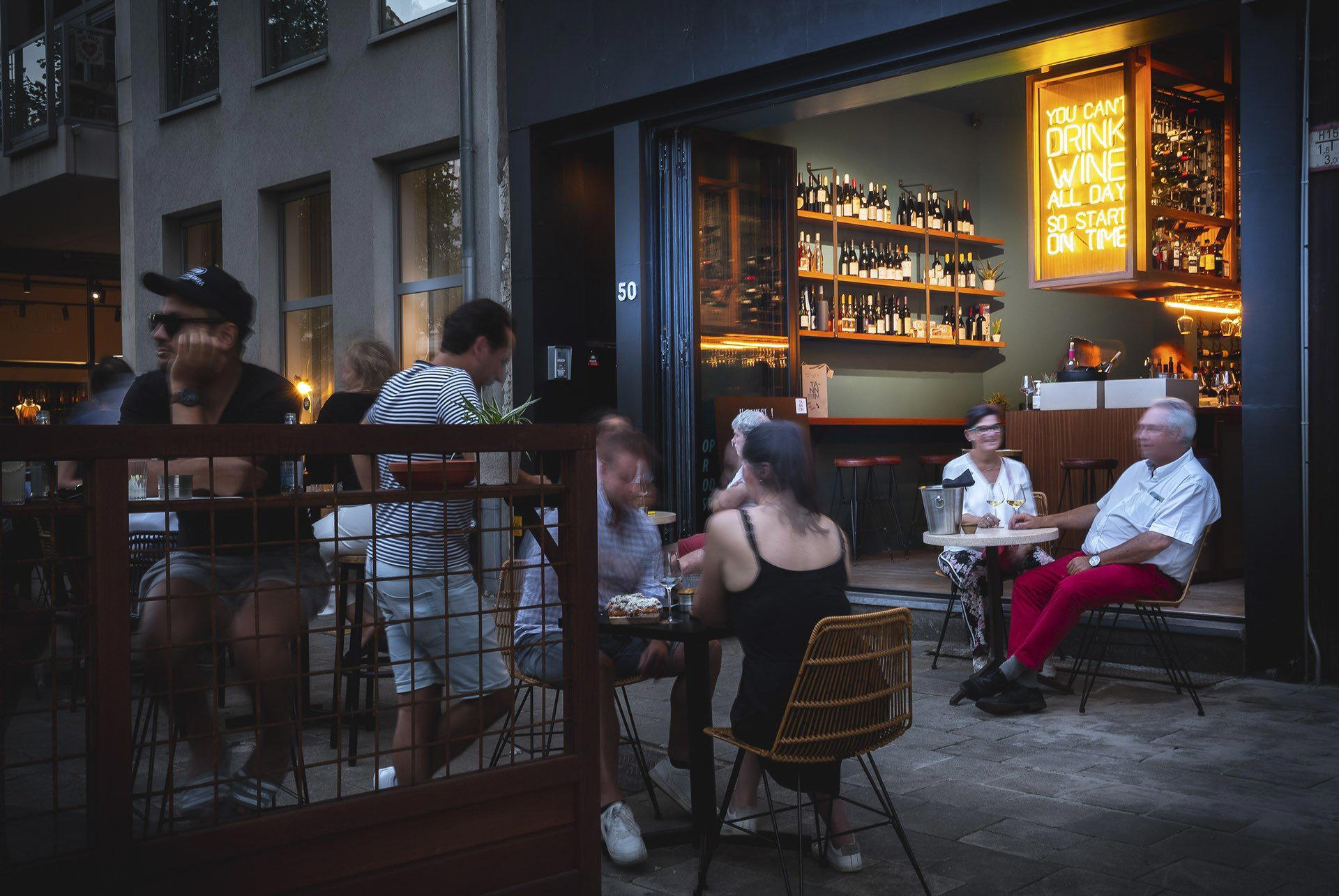
Borgerhout's restaurant strip on Gitschotellei reads as functional rather than theatrical. The buildings are narrow-fronted, the street is wide enough to feel open without being grand, and the neighbourhood's demographic mix, long-established Antwerp families alongside newer residents drawn by lower rents and better space, gives the area a practical, unsentimental character. A restaurant operating here cannot rely on ambient glamour or tourist foot traffic. It earns its clientele through word of mouth, through repeat local business, and through the kind of editorial recognition that travels beyond the immediate neighbourhood.
This dynamic is common across the Flemish restaurant circuit. Castor in Beveren and Bartholomeus in Heist operate under similar conditions: locations that require intent to reach, formats built around the food rather than around the room, and a local reputation that precedes any national or international coverage. Table d'Ho fits that template. The physical approach, a tram ride from the centre, a residential block, a modest frontage, is part of the editorial case the restaurant makes before a single dish arrives.
Antwerp in the Wider Belgian Fine-Dining Frame
Belgium's restaurant culture remains one of Europe's most concentrated per capita, and Antwerp functions as its commercial and creative counterweight to Brussels. Where Bozar Restaurant in Brussels aligns fine dining with institutional cultural prestige, Antwerp's leading addresses tend to build their cases on cooking precision and supplier relationships rather than on civic grandeur. Zilte, at the top of the MAS museum, occupies one of the city's most architecturally significant dining rooms and holds three Michelin stars, it represents Antwerp's argument at the highest international level.
Table d'Ho enters a different tier of that argument: the neighbourhood restaurant with serious culinary intent, no obvious institutional affiliation, and a location that places it closer to everyday Antwerp than to the harbour's spectacular dining rooms. That positioning has precedent across the Belgian circuit. De Jonkman in Sint-Kruis, La Durée in Izegem, and L'air du temps in Liernu all demonstrate that Belgium's most interesting cooking does not require a city-centre postcode. The country's density of skilled cooks and its strong regional produce networks make it possible to run a serious kitchen from almost anywhere, and the restaurants that do so in provincial or suburban contexts often carry a different kind of authority as a result.
For Antwerp diners calibrating across the city's full range, the contrast with DIM Dining, which brings Japanese and Asian technique to the city's high-end tier, and with Bistrot du Nord's traditional French register illustrates how wide the city's current cooking range has become. Table d'Ho sits within that range at a point defined by its borough location and its implied focus on produce-driven, technique-conscious cooking.
Planning Your Visit
Table d'Ho is located at Gitschotellei 188 in Antwerp's Borgerhout district, reachable by tram from the city centre in under fifteen minutes. As with most serious neighbourhood restaurants in this tier of the Belgian circuit, booking ahead is advisable, addresses of this type typically run small rooms and do not rely on walk-in capacity. Contact details and current hours are best confirmed directly, as smaller operations in this category update their schedules seasonally. For a fuller picture of Antwerp's dining options across price tiers and cooking styles, our full Antwerp restaurants guide covers the city's range in detail.
Those building a broader Belgian itinerary around serious cooking should also consider the comparison points that Belgium's wider circuit offers: d'Eugénie à Emilie in Baudour represents the country's Walloon tradition, while internationally trained cooks working at the top of the technique spectrum, analogous in ambition, if not in geography, to addresses like Le Bernardin in New York or Atomix, provide the global frame against which Belgium's leading cooking now confidently measures itself.
Frequently asked questions
Is Table d'Ho suitable for children?
What is the atmosphere like at Table d'Ho?
What is the must-try dish at Table d'Ho?
How does Table d'Ho compare to other serious neighbourhood restaurants in the wider Flemish circuit?
The Quick Read
Comparable venues nearby, for context on price, style, and recognition.
| Venue | Cuisine | Price | Notes |
|---|---|---|---|
| Table d'HoThis venue — the venue you are viewing | Authentic Korean BBQ | $20–30 | Not listed |
| Kato | Traditional Japanese Omakase | $30–50 | Marnixplein area, Traditional Japanese Omakase |
| Mico & Jon | Progressive Asian Fusion | $30–50 | Antwerp South, Progressive Asian Fusion |
| Gustu | Modern Catalan Tapas | $30–50 | Antwerp South (Het Zuid), Modern Catalan Tapas |
| Camino | Pan-Asian Fusion | $20–30 | Historisch Centrum, Pan-Asian Fusion |
| Bistrot fromm | French-Belgian Bistro | $30–50 | Ekeren, French-Belgian Bistro |
Details
- Cozy
- Modern
- Group Dining
- Casual Hangout
- Open Kitchen
- A La Carte
- Small Plates
- Vegetarian Friendly
- Vegan Options
Current opening hours
- Monday
- Closed
- Tuesday
- Closed
- Wednesday
- 5:30–10 PM
- Thursday
- 5:30–10 PM
- Friday
- 5:30–10 PM
- Saturday
- 5:30–10 PM
- Sunday
- Closed
Hours can change for holidays and private events. Last verified .
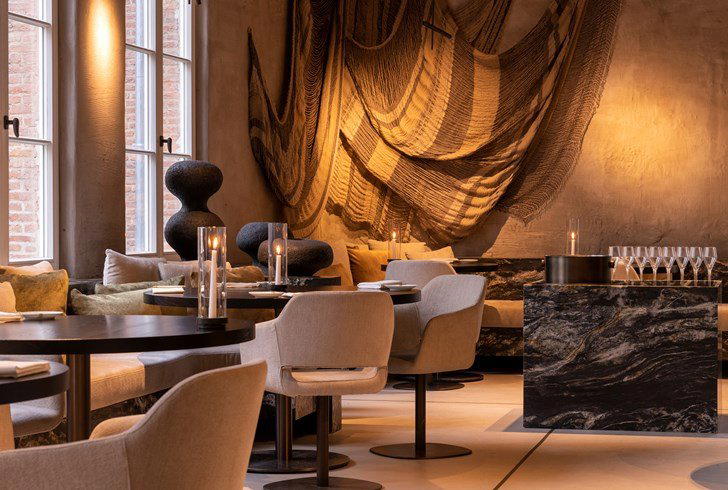
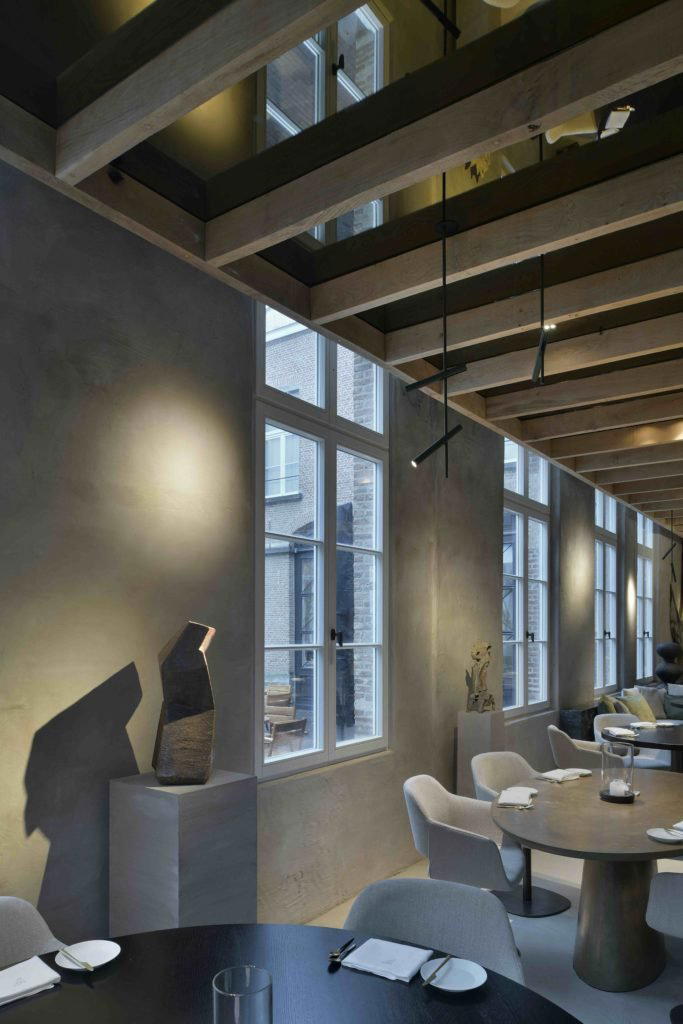
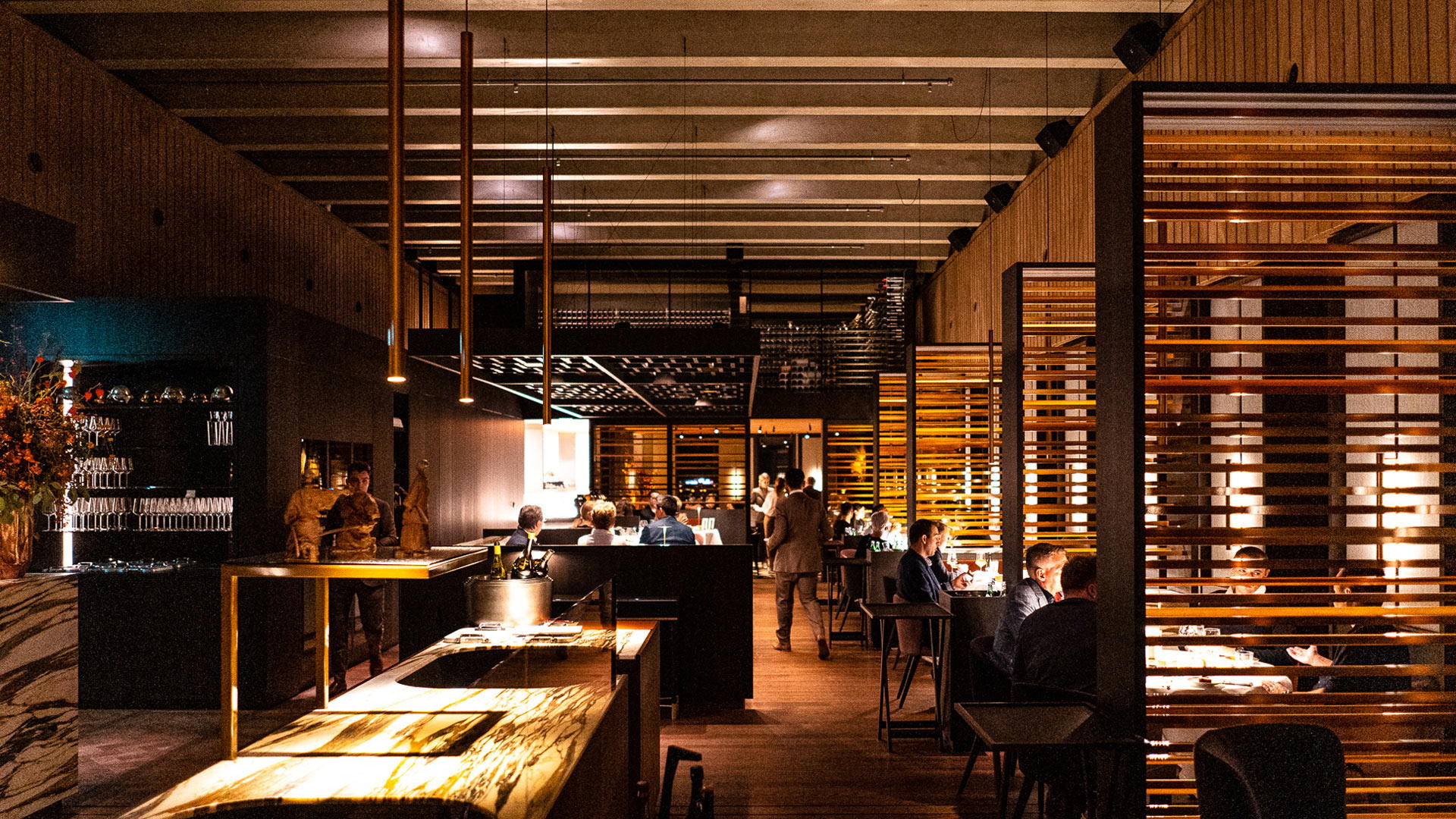
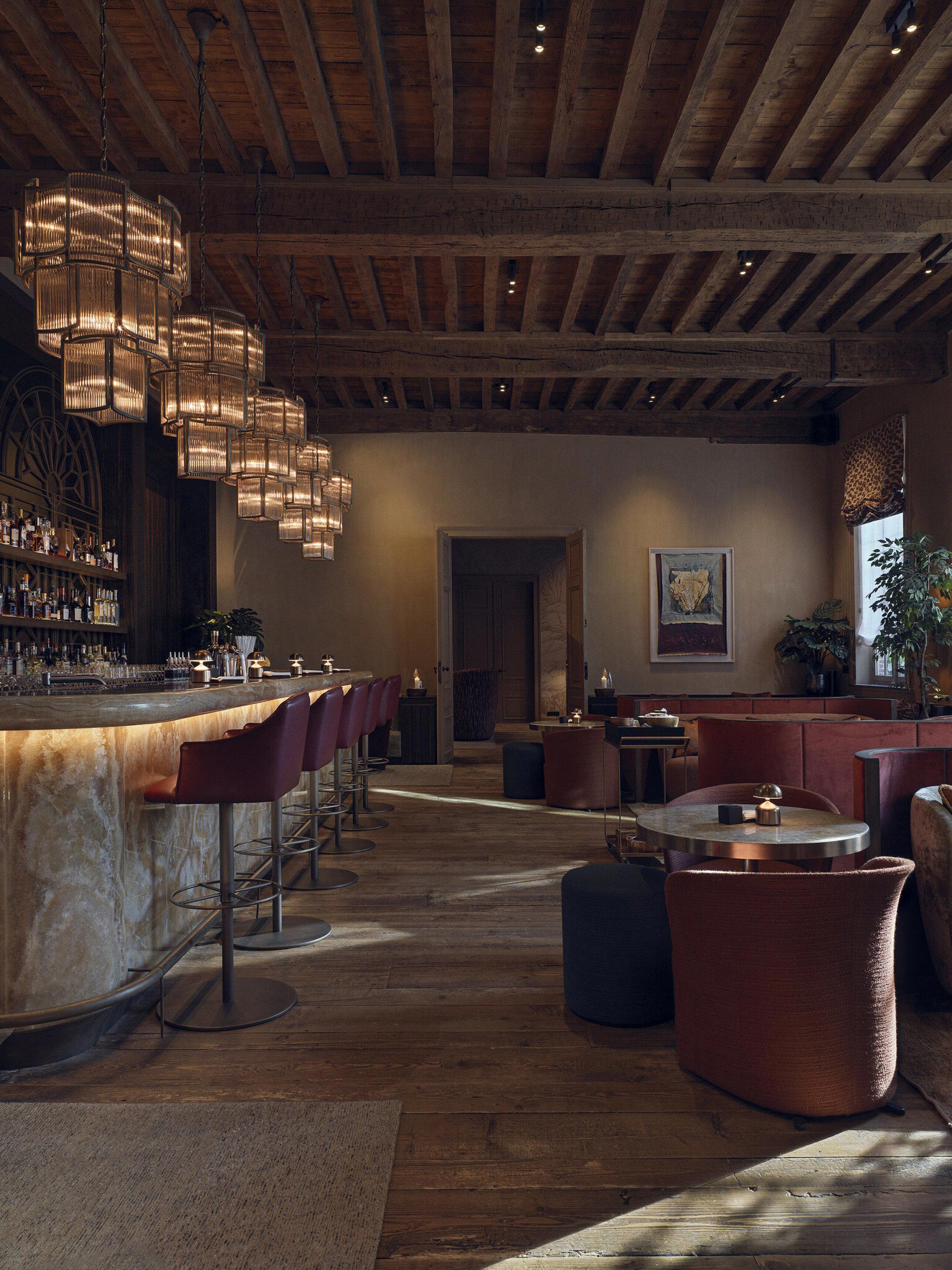
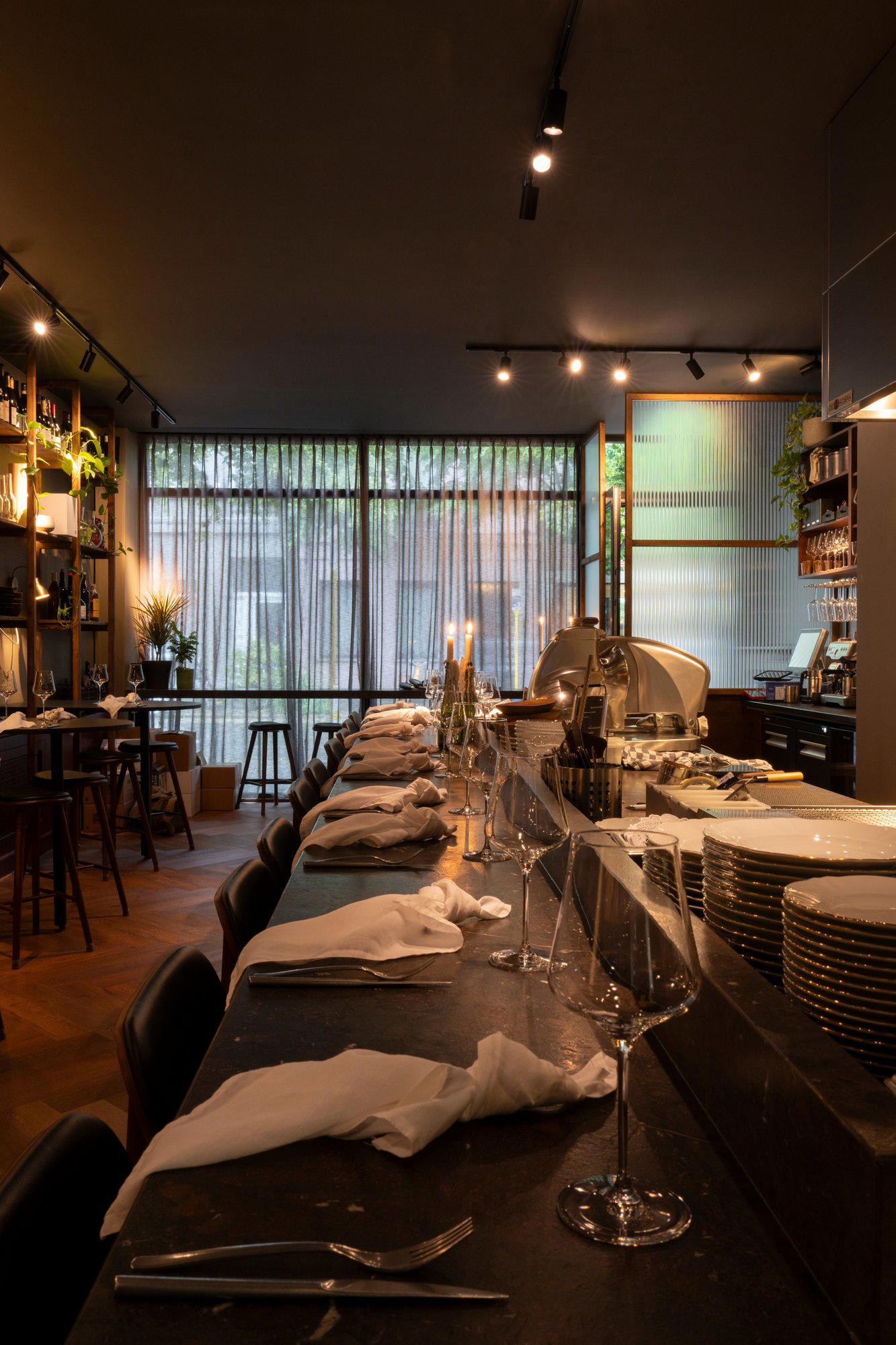
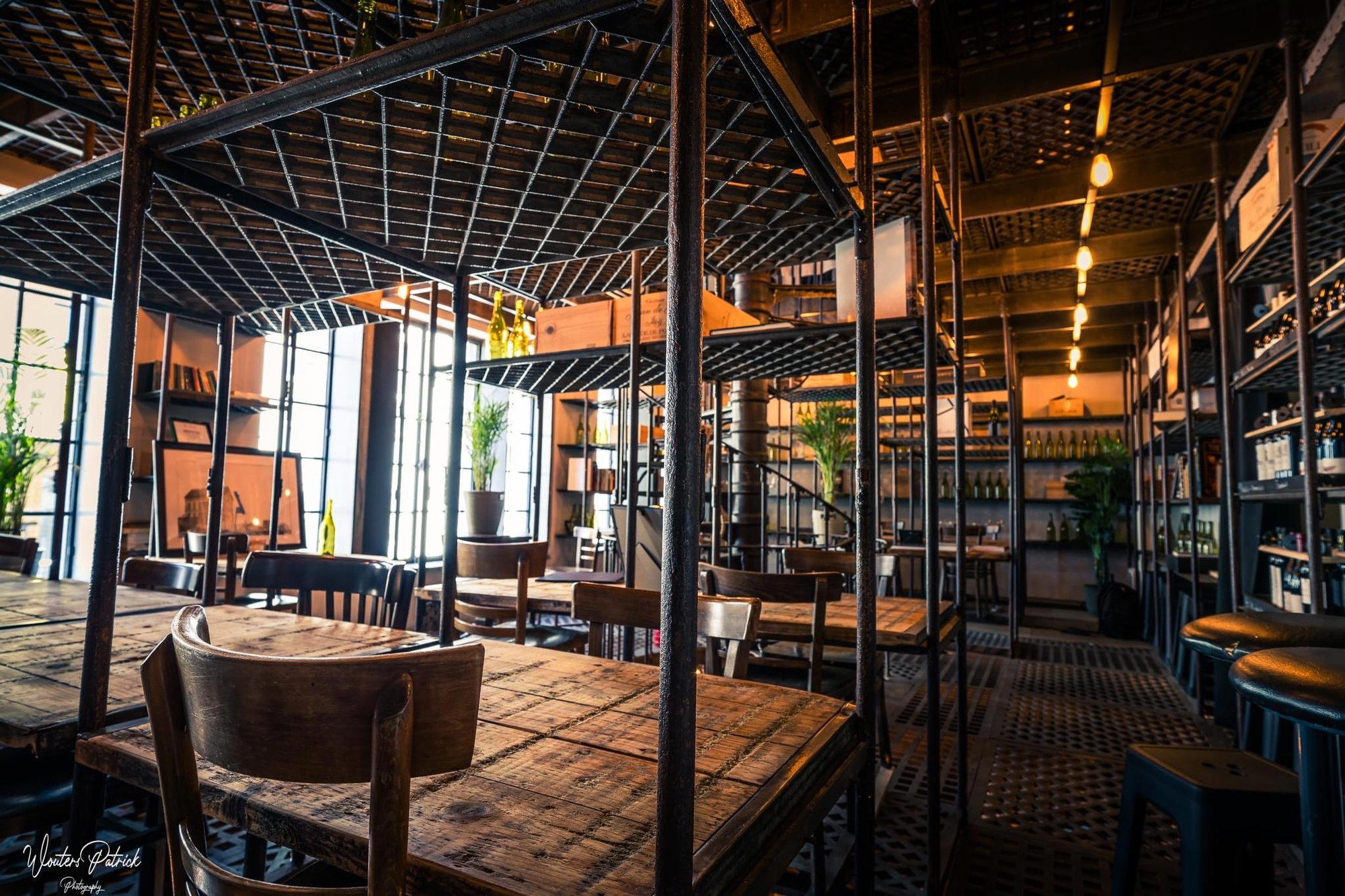
Cozy space with wooden tiles, cushioned banquettes, and open kitchen creating a warm, inviting atmosphere.