On Muntstraat in Antwerp's medieval city centre, Camino occupies a street that sits between the cathedral quarter and the retail core, a location that shapes the kind of crowd it draws and the pace at which it operates. Compared to Antwerp's higher-tier tasting-menu houses, Camino positions itself at a more accessible register, making it a useful reference point for the city's mid-range dining conversation.
Pearl is the En Primeur Club membership app — saves, bookings, and concierge access live there. Same editors, same standards.
- Address
- Muntstraat 4, 2000 Antwerpen, Belgium
- Phone
- +3232899197
- Website
- caminoantwerp.com
- Directions
- Get directions
 Saves & bookings on Pearl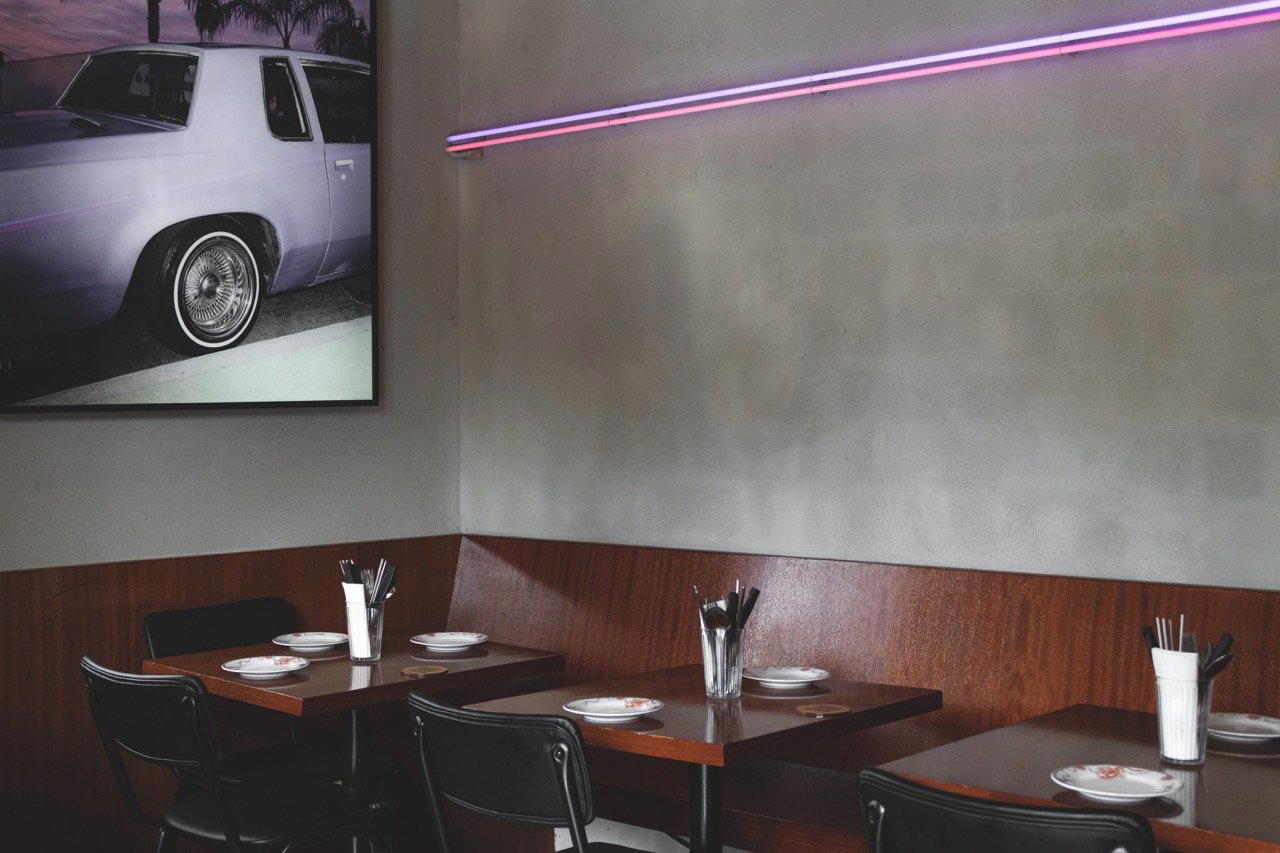
A Street That Sets the Terms
Muntstraat cuts through the oldest part of Antwerp, running close enough to the Onze-Lieve-Vrouwekathedraal that the foot traffic is genuinely mixed: tourists moving between the cathedral and the Grote Markt, local office workers at lunch, and the kind of neighbourhood regulars who return not because there are few options, but because they have made a considered choice. A restaurant on this street does not operate in a vacuum. It sits inside a dense web of competing pulls, which means the ones that survive and attract repeat custom tend to have a clear point of view about what they are offering and why.
Antwerp's dining scene has consolidated in interesting ways over the past decade. The city now has a recognisable upper tier anchored by Michelin-recognised houses such as Zilte and Hertog Jan at Botanic, a strong classic-Flemish middle ground represented by addresses like 't Fornuis, and a growing number of destination-format rooms operating at the €€€€ bracket, including DIM Dining. It sits outside that formal awards circuit, which puts it in a different kind of conversation: one about neighbourhood utility, everyday sustainability, and what a city-centre restaurant owes its immediate community rather than a guidebook jury.
Sourcing as Architecture
Across Europe's more considered restaurant sector, the sourcing question has moved from marketing footnote to structural decision. In Belgium specifically, a cohort of restaurants has built their entire format around supply-chain logic: who grows the vegetables, how far the protein travels, how much of the animal or the harvest actually reaches the plate. This is not merely an ethical preference; it changes the economics of a kitchen, the shape of the menu, and the relationship between a restaurant and its region. Vrijmoed in Gent and Willem Hiele in Oudenburg both operate within this logic at recognised levels, and the approach has filtered into the broader Belgian dining consciousness in ways that now set a baseline expectation even at more accessible price points.
For a city-centre address like Camino, the sustainability story is partly geographical. Antwerp's position as a port city historically made it a transit point for goods moving through northern Europe, and that legacy still shapes how ingredient sourcing is conceived in the city's kitchens. Working with local producers, whether from the Kempen agricultural region to the north or the coastal producers accessible via Belgium's compact geography, is a practical option in a way it might not be in more landlocked urban centres. The question for any Antwerp restaurant operating with environmental consciousness is less whether to source regionally and more how transparently and consistently that commitment is structured into the menu's rotation and the kitchen's waste management.
The Mid-Range Sustainability Argument
There is a tendency, in food criticism and travel editorial alike, to treat ethical sourcing as a premium-tier concern: something that happens at tasting-menu restaurants with long tasting notes about heritage breeds. The more interesting argument is that the restaurants doing durable work on waste reduction and supply-chain ethics are often the ones operating at moderate price points, where margins are tighter and the incentive to use every part of an ingredient is financial as much as philosophical. In Belgium, this pattern is visible across several cities. Boury in Roeselare and La Durée in Izegem each demonstrate, at different price registers, that rigorous sourcing does not require a Michelin podium to be credible.
Camino's address on Muntstraat places it squarely in the city-centre category where the daily turnover of covers, the proximity to a major tourist corridor, and the practical demands of consistent supply require real systems rather than aspirational language. That context is worth understanding before you visit: what you are engaging with is not a destination restaurant making a statement about fine dining and the environment, but a neighbourhood-register address where the sustainability argument, if it holds, is embedded in operational decisions rather than plated theatrics.
Antwerp in Comparison
Belgium as a country punches well above its size in terms of recognised restaurant culture. Hof van Cleve in Kruishoutem, Le Chalet de la Forêt in Uccle, and Bozar Restaurant in Brussels each represent different expressions of what serious Belgian cooking can achieve when given the right format and backing. Antwerp specifically has developed a dining identity that is distinct from Brussels: more port-city pragmatic, less institutional, with a stronger emphasis on fashion, design, and a certain Dutch-inflected directness that carries through into how food is presented and discussed. The Bistrot du Nord format, leaning into French traditional cooking at the €€€ level, and addresses like Cuchara in Lommel further afield illustrate how Belgian dining diversity operates across registers and geographies.
Against that backdrop, Camino's Muntstraat location is less an anomaly and more a logical product of the city's geography. The medieval core generates consistent footfall, and a restaurant that reads its neighbourhood well can sustain itself through local loyalty rather than purely destination traffic. That is, in its own way, a sustainability argument: a restaurant that serves its street rather than performing for a category jury is doing something structurally durable.
For context on how Antwerp's full dining range maps across the city, the EP Club Antwerp restaurants guide covers the city by neighbourhood and format. Internationally, addresses like Le Bernardin in New York and Lazy Bear in San Francisco offer reference points for how sustainability-conscious cooking is positioned at the upper end of the market elsewhere, though the comparison with a Muntstraat address is one of contrast rather than equivalence.
Planning Your Visit
Camino is located at Muntstraat 4 in the 2000 postcode, Antwerp's city centre. The address is walkable from Groenplaats and within easy reach of the cathedral quarter on foot. Given its city-centre position on a well-trafficked street, weekday lunches tend to draw a different crowd than weekend evenings, and adjusting timing accordingly can meaningfully change the pace of a meal. For broader planning, Ralf Berendsen in Neerharen and d'Eugénie à Emilie in Baudour offer contrast for those building a longer Belgian itinerary around this visit.
A Lean Comparison
Comparable venues nearby, for context on price, style, and recognition.
| Venue | Cuisine | Price | Notes |
|---|---|---|---|
| CaminoThis venue — the venue you are viewing | Historisch Centrum, Pan-Asian Fusion | $$ | Not listed |
| The Village | Zuid, Asian Fusion Sushi & Dim Sum | $$ | Not listed |
| I Ro HA | Oud-Stadscentrum, Authentic Japanese | $$ | Not listed |
| Bourla | Graanmarkt, Classic Belgian Brasserie | $$ | Not listed |
| L'Enoteca | Not listed | $$ | Zurenborg, Authentic Italian Pasta & Wine |
| De Troubadour | Berchem, Modern Belgian | $$ | Not listed |

At a Glance
- Lively
- Trendy
- Casual Hangout
- Group Dining
- Terrace
- Open Kitchen
- Craft Cocktails
- Street Scene
Current opening hours
- Monday
- Closed
- Tuesday
- 12–3 PM, 5:30–10 PM
- Wednesday
- 12–3 PM, 5:30–10 PM
- Thursday
- 12–3 PM, 5:30–10 PM
- Friday
- 12–3 PM, 5:30–10 PM
- Saturday
- 12–3 PM, 5:30–10 PM
- Sunday
- Closed
Hours can change for holidays and private events. Last verified .
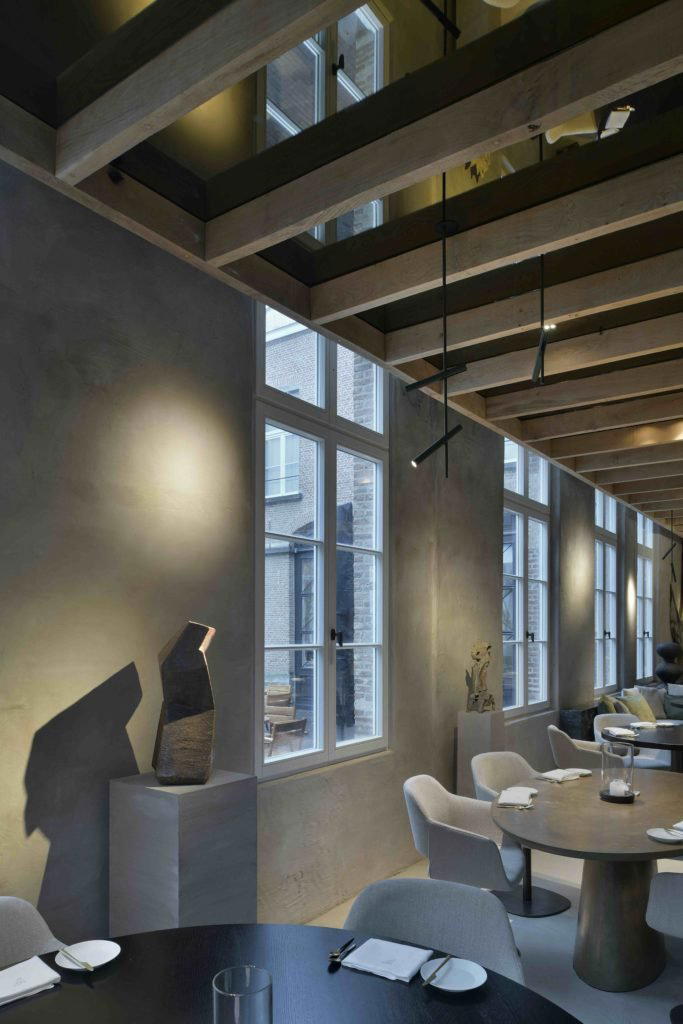
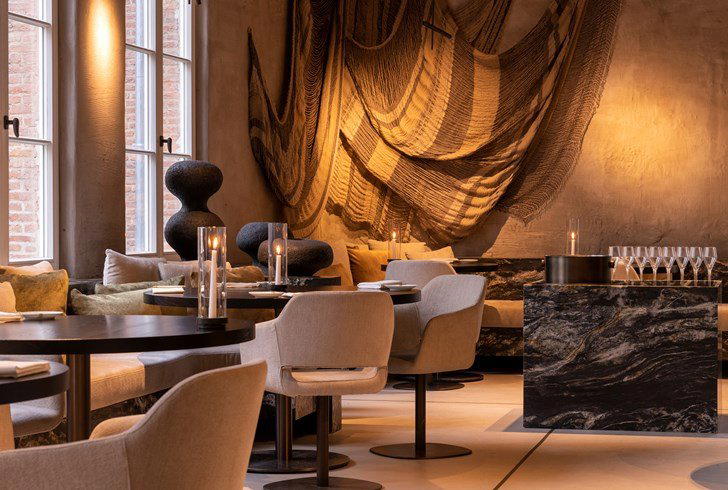
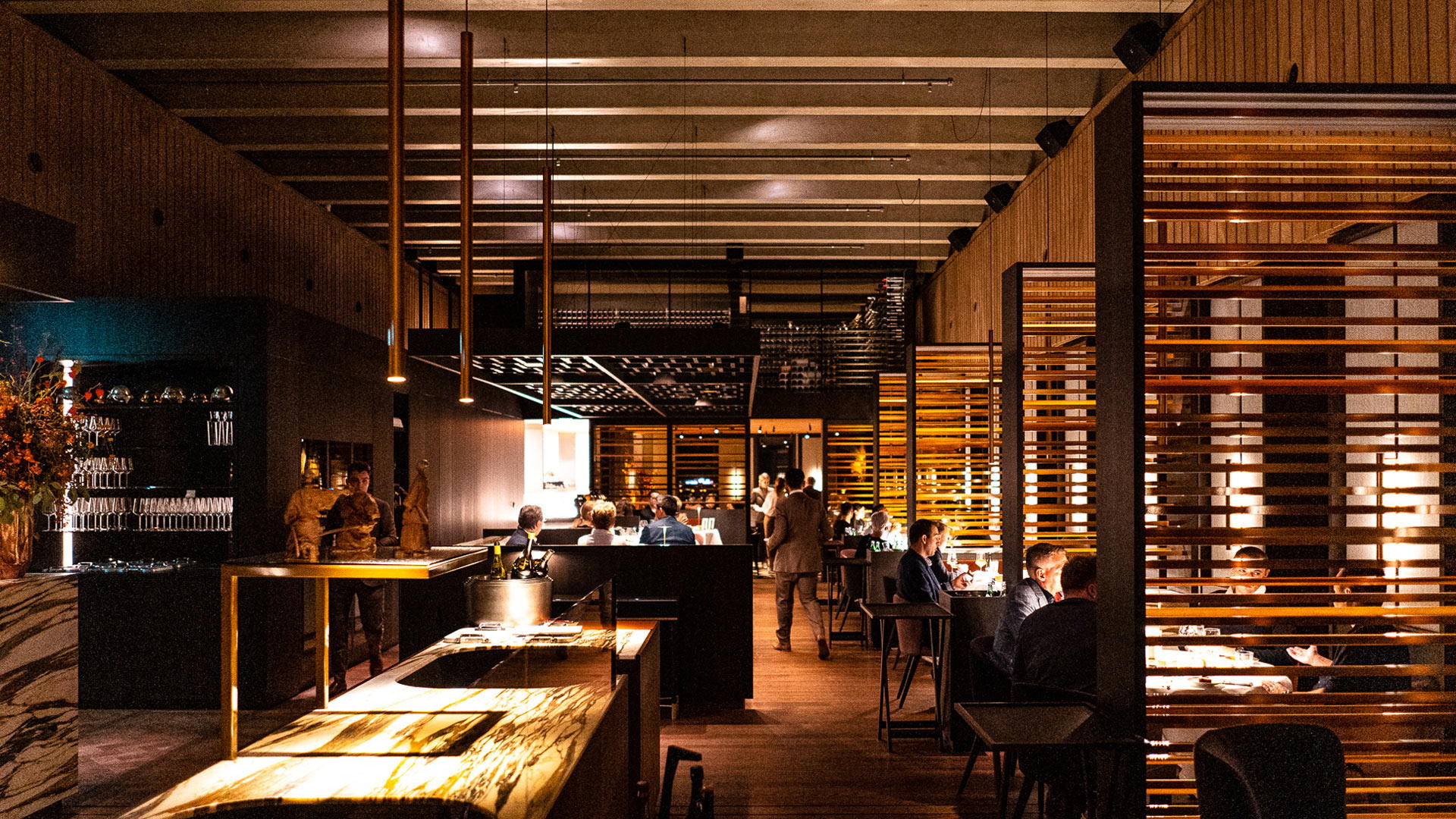
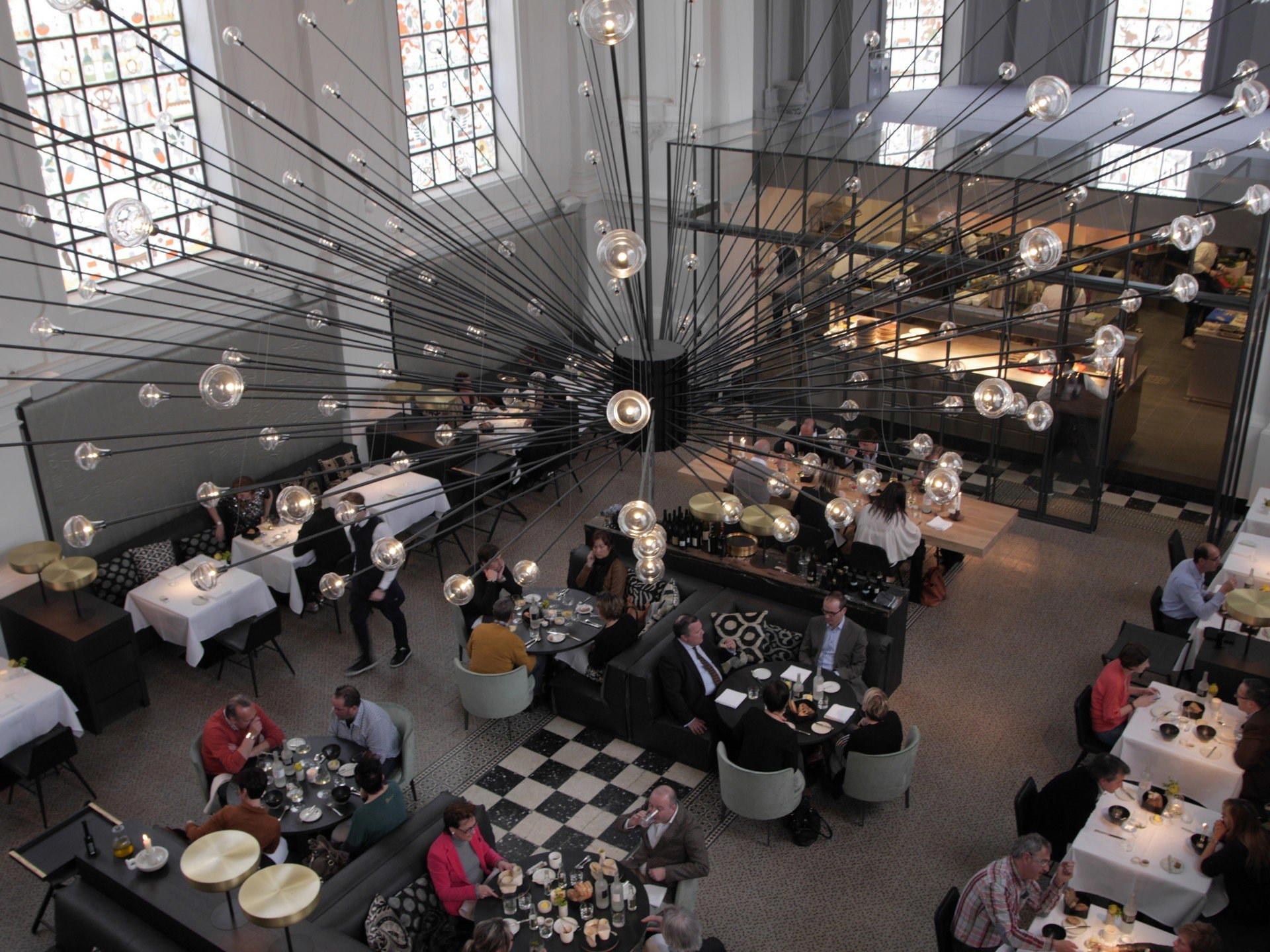
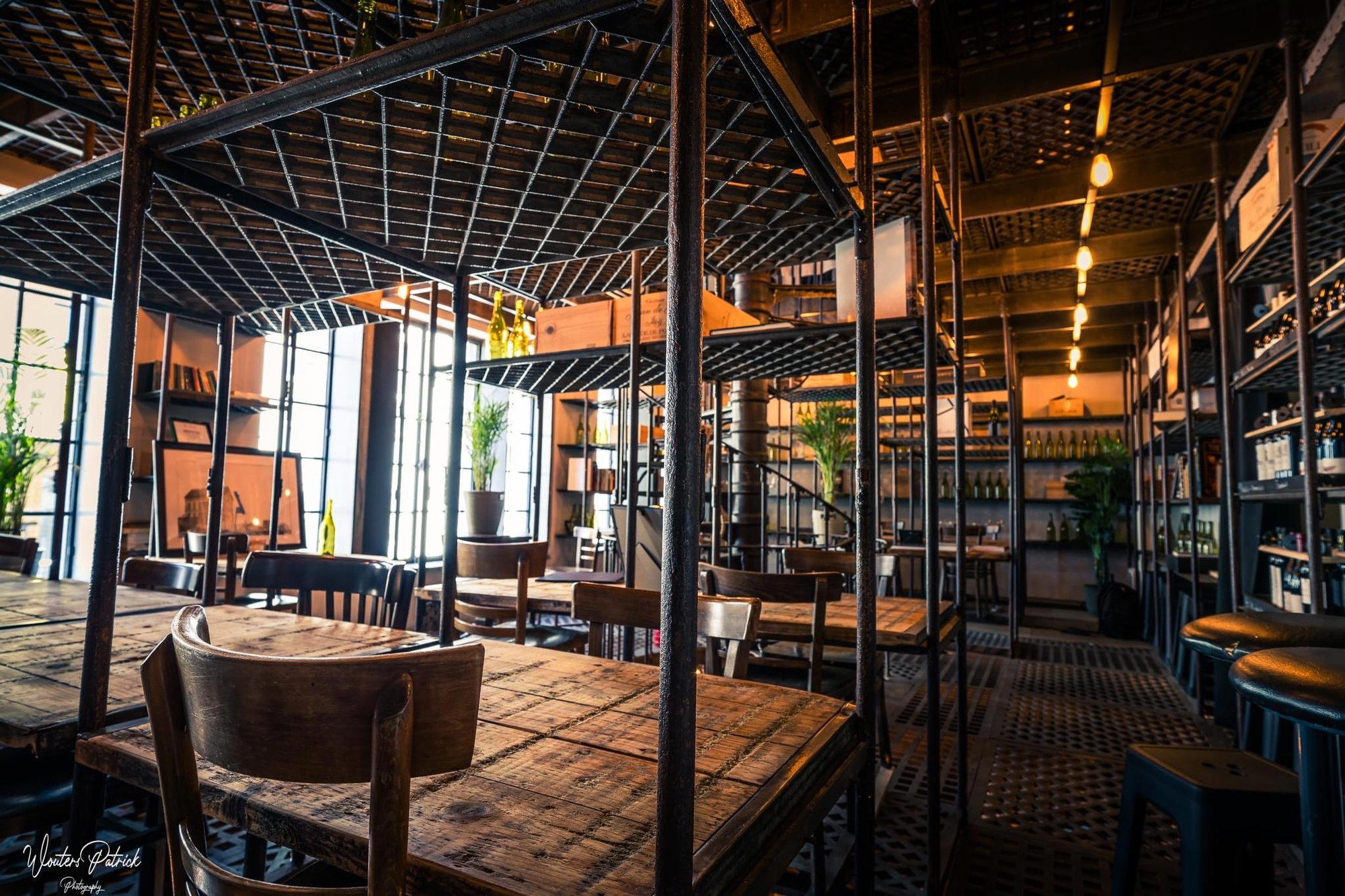
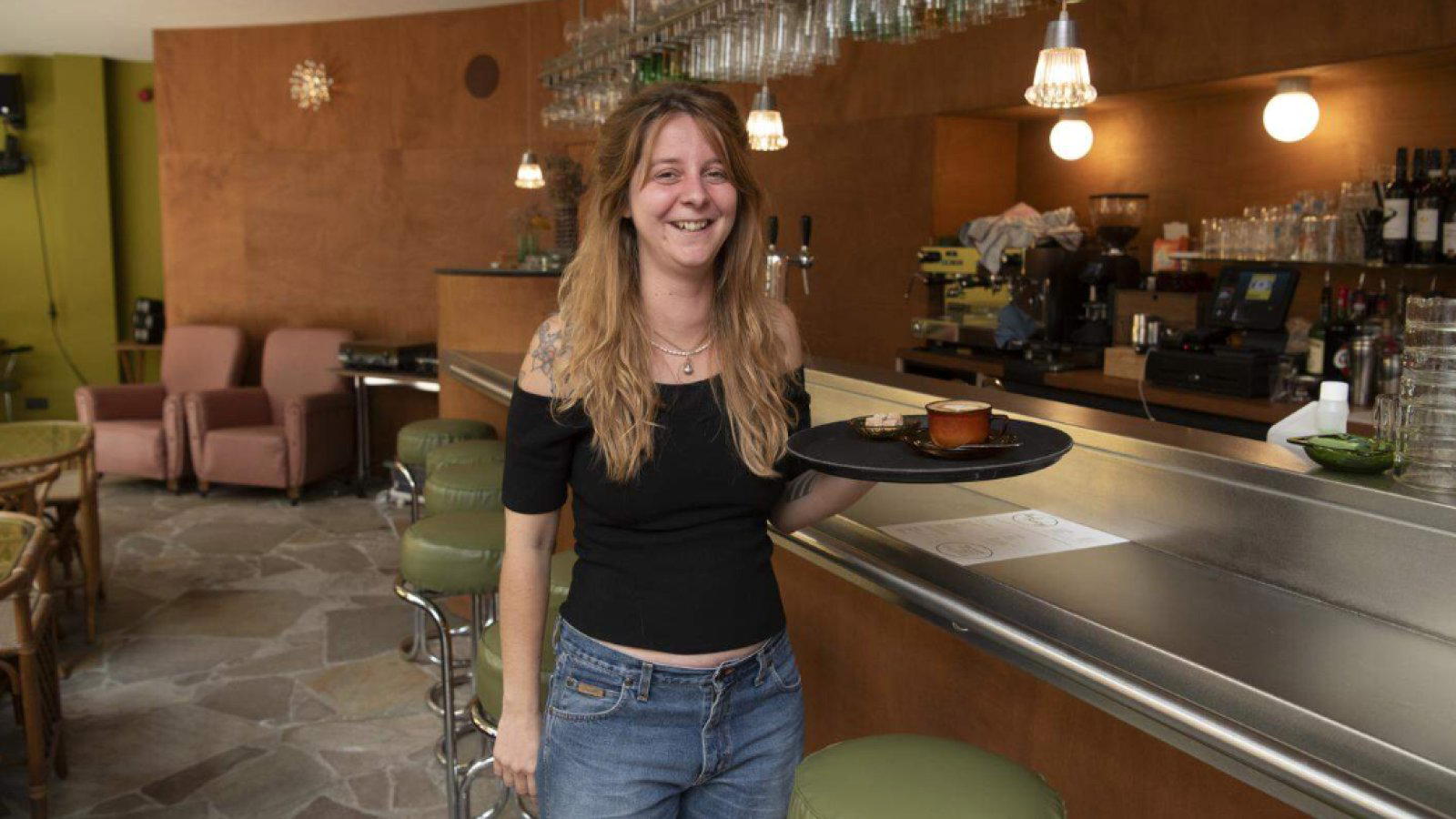
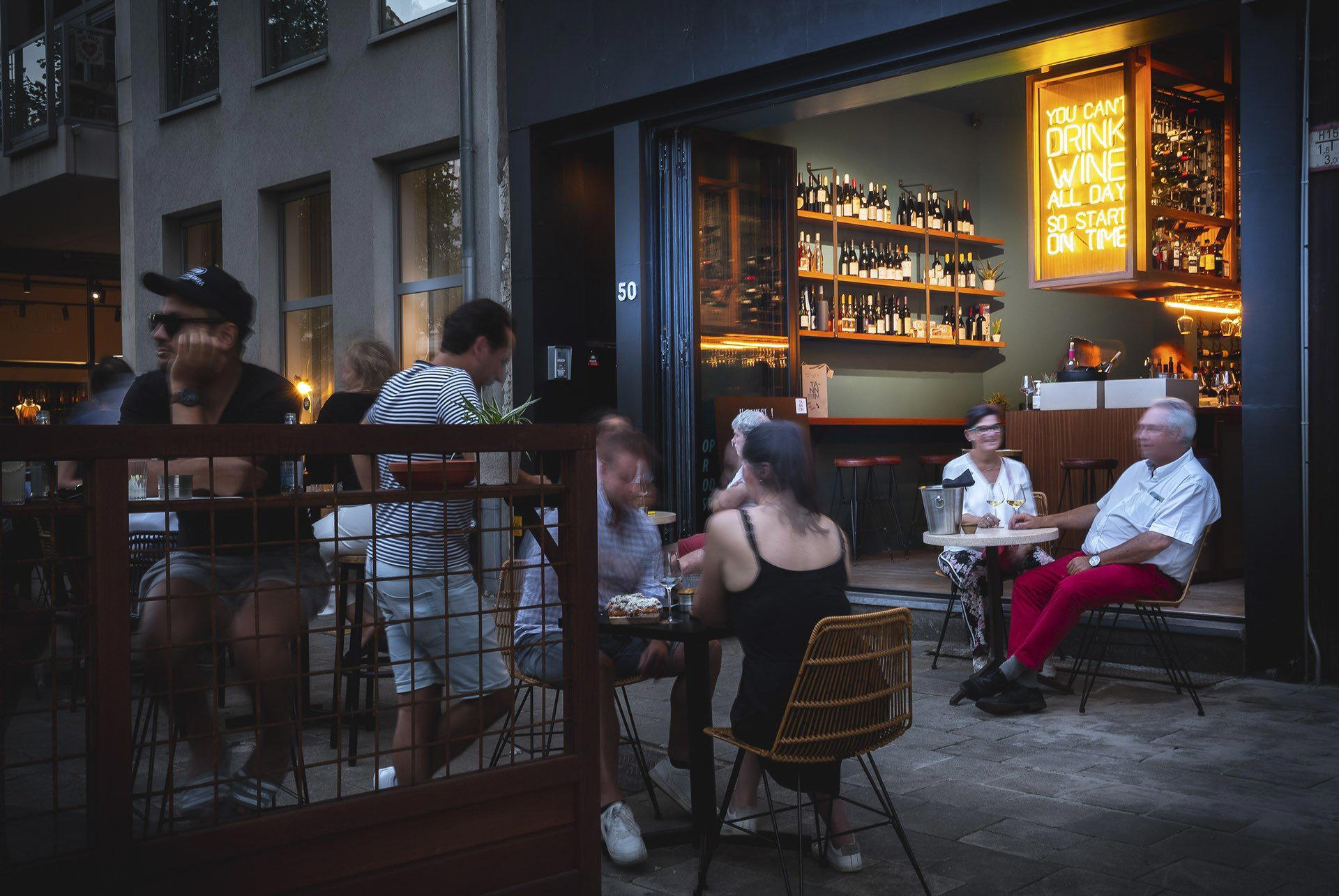
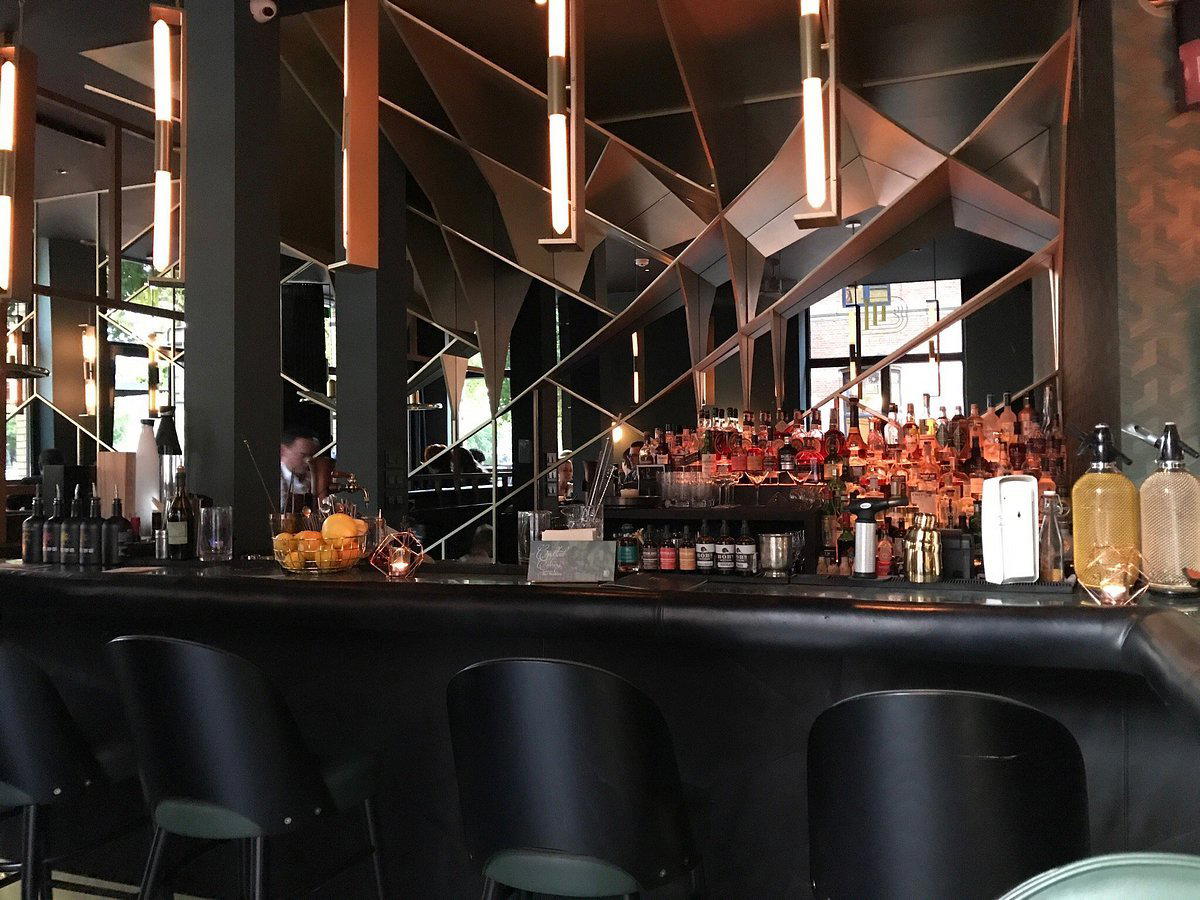
Lively no-nonsense atmosphere with a large sun-bathed terrace for relaxed outdoor dining.