On the main artery between Makale and Rantepao, Bakso Babi Alang-alang occupies a specific niche in Toraja's food culture: pork-forward bakso in a highland region where pigs carry deep ceremonial and culinary significance. The meatball format here is a lens onto local ingredient traditions, drawing on a protein that sits at the centre of Torajan social life. For visitors passing through the highlands, it is a practical and culturally grounded stop.
Pearl is the En Primeur Club membership app — saves, bookings, and concierge access live there. Same editors, same standards.
- Address
- Jalan Poros Makale-Rantepao, Toraja, Sulawesi Selatan
 Saves & bookings on Pearl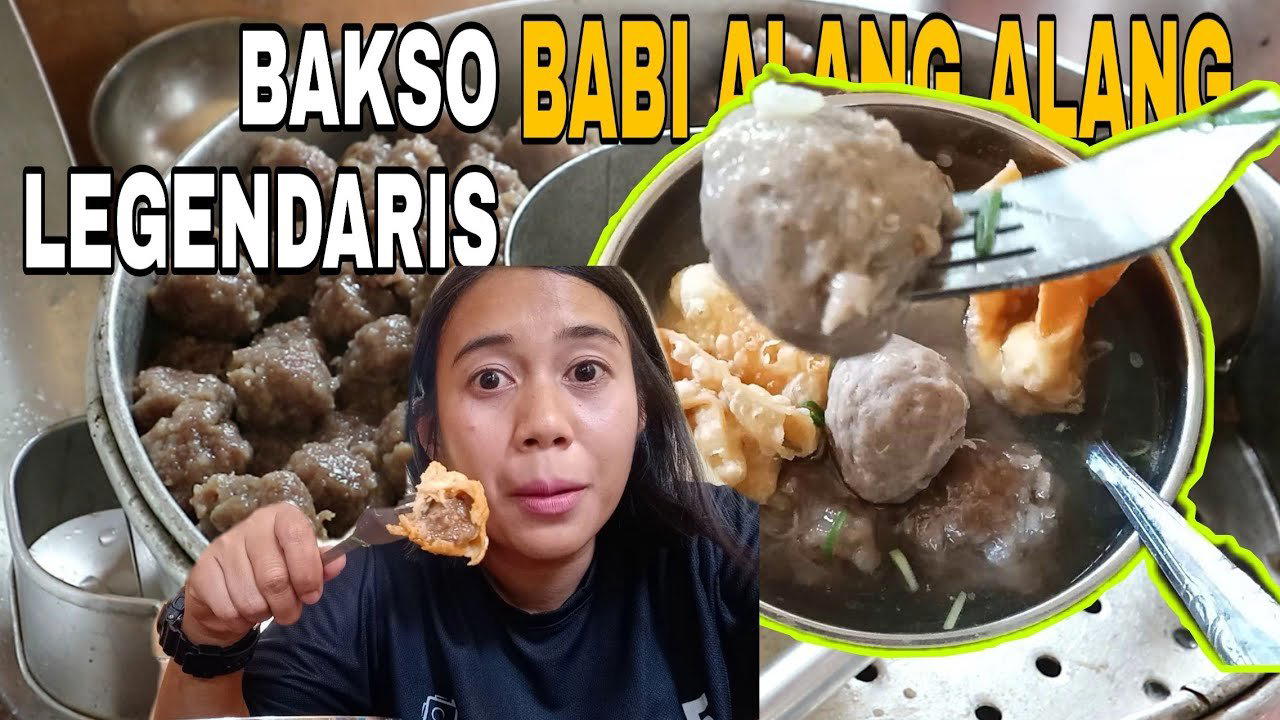
Where Pork Means Something Different
The road between Makale and Rantepao is one of the more loaded stretches of tarmac in eastern Indonesia. It cuts through the Sa'dan highlands, past rice terraces and tongkonan houses with their upswept rooflines, and it connects the two administrative centres of Tana Toraja. Bakso Babi Alang-alang is a restaurant on Jalan Poros Makale-Rantepao in Toraja, Sulawesi Selatan. Some are basic warungs serving rice and tempeh. Others, like Bakso Babi Alang-alang, address a more specific appetite: the appetite for pork, prepared simply and eaten without ceremony, in a region where pork is anything but ordinary.
In Torajan culture, pigs are not incidental livestock. They are ritual currency, slaughtered at funerals and thanksgiving feasts, and their quality is assessed publicly and seriously. That cultural weight does not vanish when pork enters a bowl of bakso. If anything, it reinforces why pork-based meatball soup in Toraja reads differently than the same dish served elsewhere in Sulawesi or across the archipelago. The ingredient carries local meaning that a beef or chicken equivalent simply does not.
Bakso as a Format and What Toraja Does With It
Bakso is one of Indonesia's most democratic dishes: a clear or lightly spiced broth, bouncy meatballs, noodles or rice vermicelli, and a table's worth of condiments for adjustment. The format arrived through Chinese-Indonesian culinary exchange and spread so thoroughly that it now operates as a kind of shared national food language. Regional variations are less about reinventing the structure and more about what goes into the meatball itself.
In areas where pork is eaten freely, as it is across the Christian highlands of Tana Toraja, bakso babi (pork meatball soup) is a natural expression of local protein preference. The meatball's texture and flavour shift noticeably when pork replaces beef: the fat content behaves differently in the broth, the meatball tends toward a slightly softer, more yielding bite, and the overall bowl carries a richer baseline. For travellers more familiar with bakso from Java or South Jakarta's food courts, the Torajan version registers as a regional variant with a genuine point of difference rooted in what the land and its people actually produce and value.
This is the broader pattern that venues like Bakso Babi Alang-alang fit into: Indonesian food at its most local is rarely about fusion or innovation, but about applying a widely understood format to whatever the surrounding area does best.
The Ingredient Logic of the Highlands
Tana Toraja sits at elevations between 800 and 2,800 metres above sea level, a geography that shapes what is raised and grown locally. The highlands are cooler than coastal Sulawesi, which affects how animals are kept and how ingredients behave. Pigs raised in this environment develop differently from those in lowland industrial settings, and while no production claims can be attributed to this specific venue without verified sourcing data, the regional context is relevant: Torajan pork has a local reputation grounded in traditional smallholder rearing, where pigs move freely and feed on kitchen scraps and foraged material rather than formulated feed.
That sourcing logic, even if informal and unverified at the venue level, is part of why pork-specific restaurants in Toraja attract a loyal local following. The ingredient is not imported from elsewhere in Indonesia; it is produced within the cultural and geographic system that gives it meaning. This places Torajan pork eateries in a different conceptual category from, say, the farm-to-table framing deployed at venues like Locavore NXT in Ubud, where sourcing is articulated as an editorial position. In Toraja, the sourcing is simply the way things have always been done, which is a different kind of credential.
For comparison, ingredient-led restaurants operating in more formalised frameworks across the archipelago, from August in Jakarta to Kunyit Restaurant in Bandung, often reference local sourcing as a marketing distinction. In Toraja, the same logic operates without the language of marketing, which is either a limitation or a purity, depending on how you read it.
Getting There and What to Expect
The venue sits on Jalan Poros Makale-Rantepao, the main arterial road connecting the two highland towns. Visitors travelling between Rantepao (the tourist hub, where most guesthouses and cultural sites are based) and Makale (the administrative capital) will pass through this corridor naturally. The road is well-travelled by bemos, private cars, and the occasional tourist minibus shuttling between Toraja's funeral sites and village visits.
Visitors also moving through Indonesia's wider dining circuit, from the hotpot formats at Chongqing Liuyishou in South Jakarta or Hai Di Lao in Central Jakarta to the local Javanese traditions at Gudeg Yu Djum in Yogyakarta, will find the restaurant on the opposite end of the formality spectrum. There is no dress consideration, no reservation infrastructure, and no price tier to navigate. It operates in the register most Indonesian food exists in: accessible, direct, and built around a single dish done without distraction.
Quick Comparison
Comparable venues nearby, for context on price, style, and recognition.
| Venue | Cuisine | Price | Notes |
|---|---|---|---|
| Bakso Babi Alang-alangThis venue — the venue you are viewing | Indonesian Pork Meatballs (Bakso Babi) | $ | Not listed |
| Saung Abah Ayam Bakar Bambu Bogor | Sunda Ayam Bakar Bambu | $ | Panaragan |
| CARANO Masakan Padang | Masakan Padang | $ | Kali Abang Tengah |
| Richeese Factory Tanjung Pinang Barat | Korean-Style Fried Chicken | $ | Tanjung Pinang Barat |
| Warung Babi Guling Sari Dewi Bp. Dobil | Balinese Babi Guling | $ | Nusa Dua |
| Cafe Organic Canggu | Organic Plant-Based Cafe | $$ | Canggu |
At a Glance
- Rustic
- Cozy
- Casual Hangout
- Standalone
Casual roadside eatery atmosphere suitable for quick, satisfying meals.