Kronenhalle



Michelin Plate · World's 50 Best #32
Our verdict
Few restaurants in Switzerland carry the cultural weight of Kronenhalle. Since the early twentieth century, this Zurich institution on Rämistrasse has attracted artists, writers, and financiers to its dining room hung with original works by Miró, Matisse, and Chagall. The cooking is rooted in classical Swiss and Central European tradition, and the room itself functions as much as archive as restaurant.

Pearl is the En Primeur Club membership app — saves, bookings, and concierge access live there. Same editors, same standards.
- Address
- Rämistrasse 4, 8001 Zürich, Switzerland
- Phone
- +41 44 262 99 00
- Hours
- Daily 12 PM–12 AM
- Website
- kronenhalle.com
- Directions
- Get directions
- Booking
- Book on the venue's website
The menu
What to order
- Sliced veal Kronenhalle with rösti
- Veal steak with morel sauce
- Entrecôte Café de Paris
- Zurich Geschnetzeltes
A Room That Precedes Its Reputation
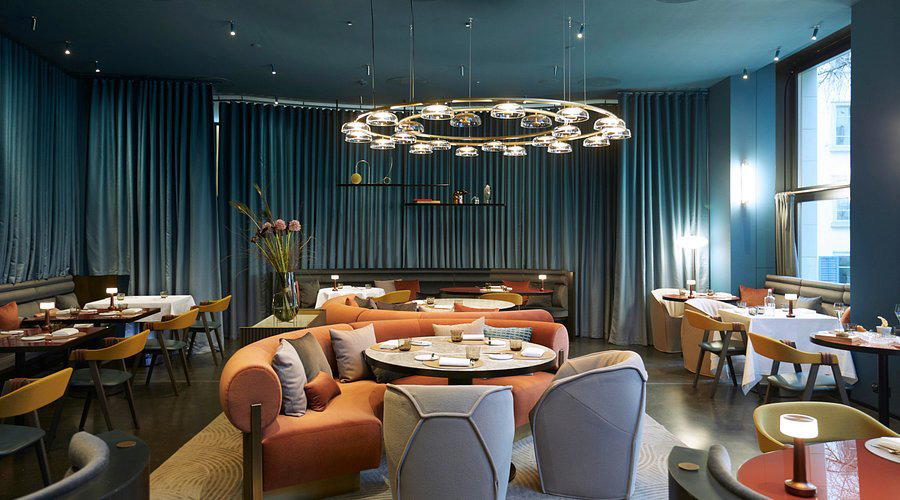
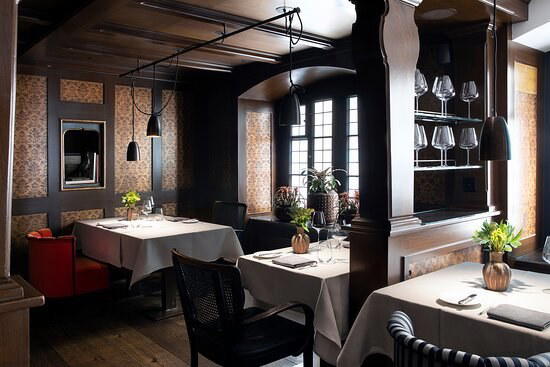
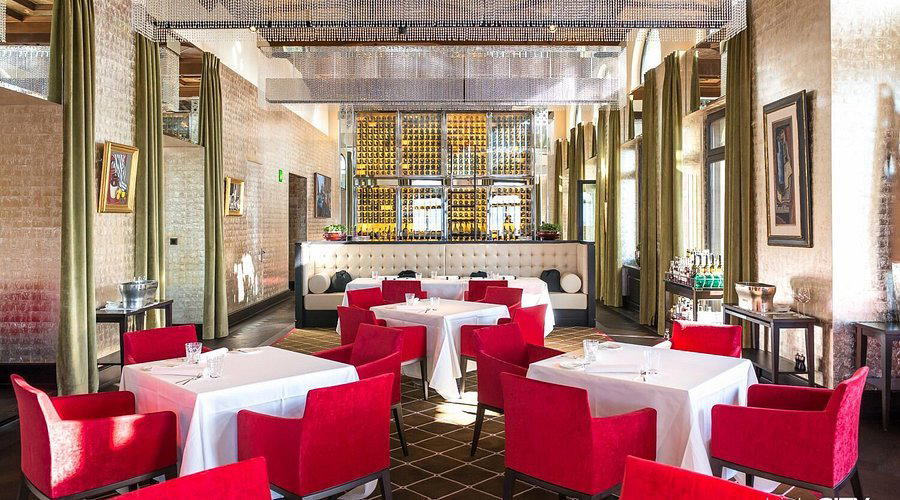
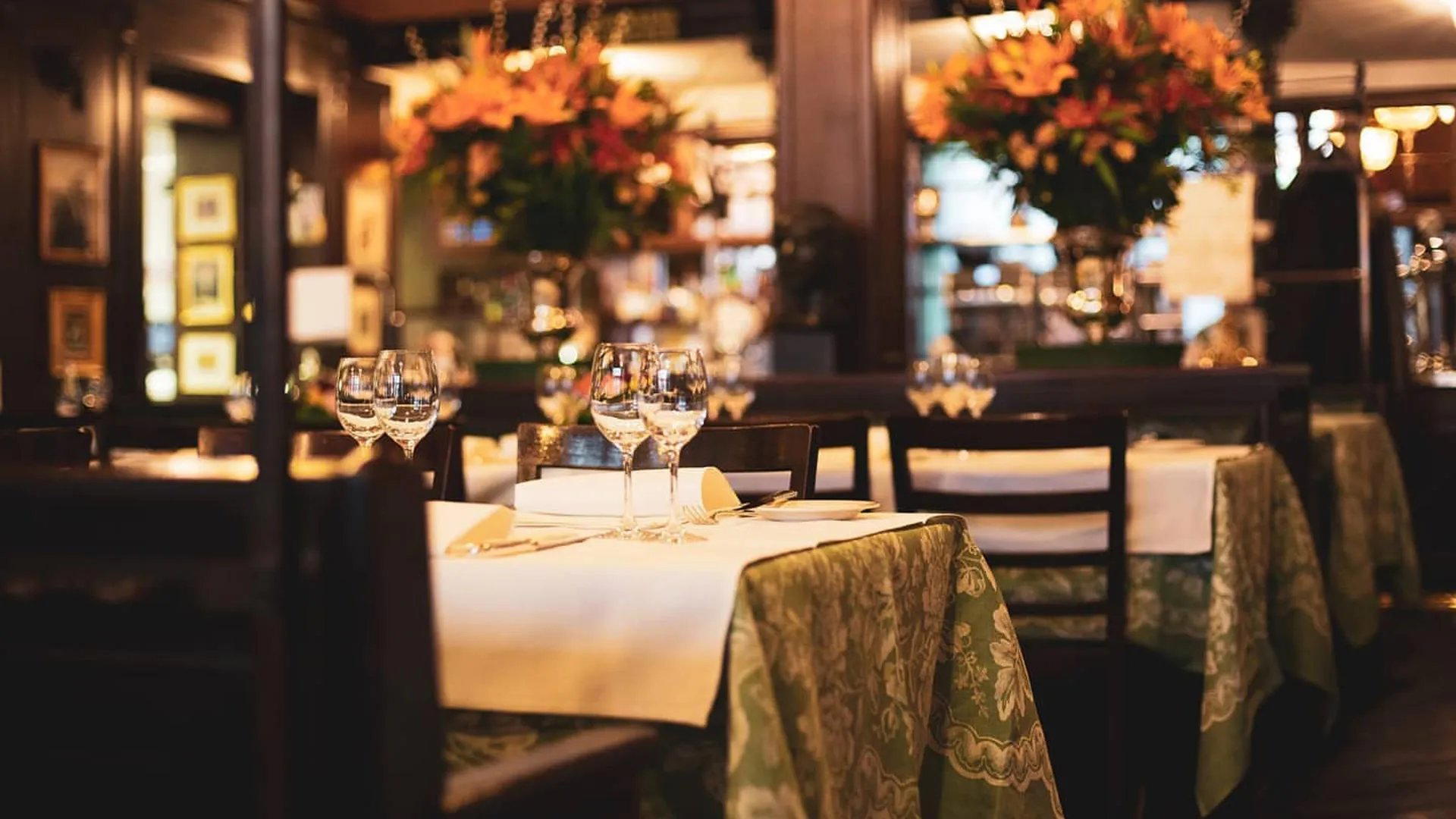
There are restaurants where the physical environment arrives before the food does, where the accumulated weight of the space — its light, its objects, its sound — sets the terms of the meal before a menu is opened. Kronenhalle on Rämistrasse operates exactly this way. The dining room holds original works by Joan Miró, Henri Matisse, and Marc Chagall, not reproductions or rotating loans but pieces that have been fixtures of the room for decades. The panelled walls, the white tablecloths, the amber-tinted light catching the gilt frames: this is an interior that has been photographed and described for nearly a century, and it still earns that attention.
In Zurich's dining scene, which has moved decisively toward high-concept tasting menus and imported culinary frameworks, Kronenhalle represents a different axis entirely. The city now holds a concentrated cluster of Michelin-starred modern restaurants, IGNIV Zürich by Andreas Caminada, The Counter, and The Restaurant among them, where experimental technique and seasonal architecture drive the proposition. Kronenhalle is not in that cohort. It belongs to a rarer category: the grand European brasserie that functions simultaneously as cultural institution, social hub, and serious table.
The Weight of the Walls
The art collection is not decorative in the usual sense. The works were acquired over decades by the Zumsteg family, who ran the restaurant through much of the twentieth century, in some cases accepted directly from artists who were regulars. The result is an environment that European restaurant rooms almost never achieve: genuine art-historical depth in a working dining room. Comparable contexts exist in Paris, a handful of brasseries carry similar institutional artwork, but in Switzerland, this density of authenticated modernist work in a restaurant setting is singular.
The visual register of the room is matched by its acoustic character. Kronenhalle runs at a specific volume, the layered sound of a room genuinely in use, not the curated silence of a tasting-menu counter, not the ambient noise management of a cocktail bar. Conversations carry, glasses ring, and the service rhythm is deliberately unhurried. For visitors arriving from Zurich's more restrained dining formats, the room's energy registers as a kind of permission.
Classical Swiss Cooking in a Contemporary City
Kitchen at Kronenhalle works within Swiss and Central European classical tradition. In Zurich's current restaurant market, that positioning is increasingly distinct. The city's most-discussed restaurants in recent years have largely been defined by Michelin logic: IGNIV at the two-star level, The Counter at two stars, Eden Kitchen and Bar at one star. Kronenhalle sits outside that awards architecture, holding a Michelin Plate rather than stars, which in the Michelin system indicates good cooking without the tasting-menu innovation criteria that drive star allocation.
Michelin Plate is a deliberately understated signal. It means the inspectors eat well and return, without the format meeting the criteria for star consideration. For a restaurant of Kronenhalle's type, that reading is accurate: the cooking here is not designed to impress inspectors with technique or surprise. It is designed to satisfy, consistently, a room full of people who expect the Wiener Schnitzel, the roast meats, the classic preparations to arrive correctly and on time. Chef Peter Schärer oversees a kitchen where the standards are continuity and execution, not innovation.
Opinionated About Dining rankings add a useful coordinate. The guide ranked Kronenhalle at number 58 in its European Casual list in 2025, up from 122 in 2024, and placed it in Highly Recommended in its Classical Europe category in 2023. OAD's methodology is crowd-sourced from frequent serious diners rather than anonymous inspectors, which means its Casual Europe rankings reflect sustained dining-room satisfaction across a wide pool of visits. A jump from 122 to 58 in a single year suggests the room's following is not only loyal but actively recommending.
The Social Architecture of Dinner
To understand what Kronenhalle actually is, it helps to compare it to what it is not. It is not a destination for diners chasing the progression of Switzerland's starred kitchens, for that, the relevant coordinates include Schloss Schauenstein in Fürstenau, Hotel de Ville Crissier, Cheval Blanc by Peter Knogl in Basel, or Memories in Bad Ragaz. It is not a wine-focused destination in the way that Widder has positioned itself. And it is not a format experiment.
Kronenhalle is a grand European restaurant in the classical sense, where the point is the room, the occasion, and the sustained quality of a long dinner. Zurich has very few venues that can carry that weight credibly. The city's financial culture generates demand for serious occasion dining, and the alternatives at the €€€ price tier lean either toward contemporary hotel restaurants or more casual neighbourhood formats. Within that context, Kronenhalle occupies space that is genuinely difficult for newer openings to contest: cultural authority accumulates over decades and cannot be replicated by investment or concept alone.
The comparison point at the broader European level is instructive. The restaurant placed 32nd at the World's 50 Best in 2002, a ranking that captures the period when the list still weighted classical European establishments more heavily. That credential reads differently now than it did then, but it remains a documented signal of the international standing the restaurant once held, and it explains why the room's guest list has historically included figures from across European and international cultural life.
Planning Your Visit
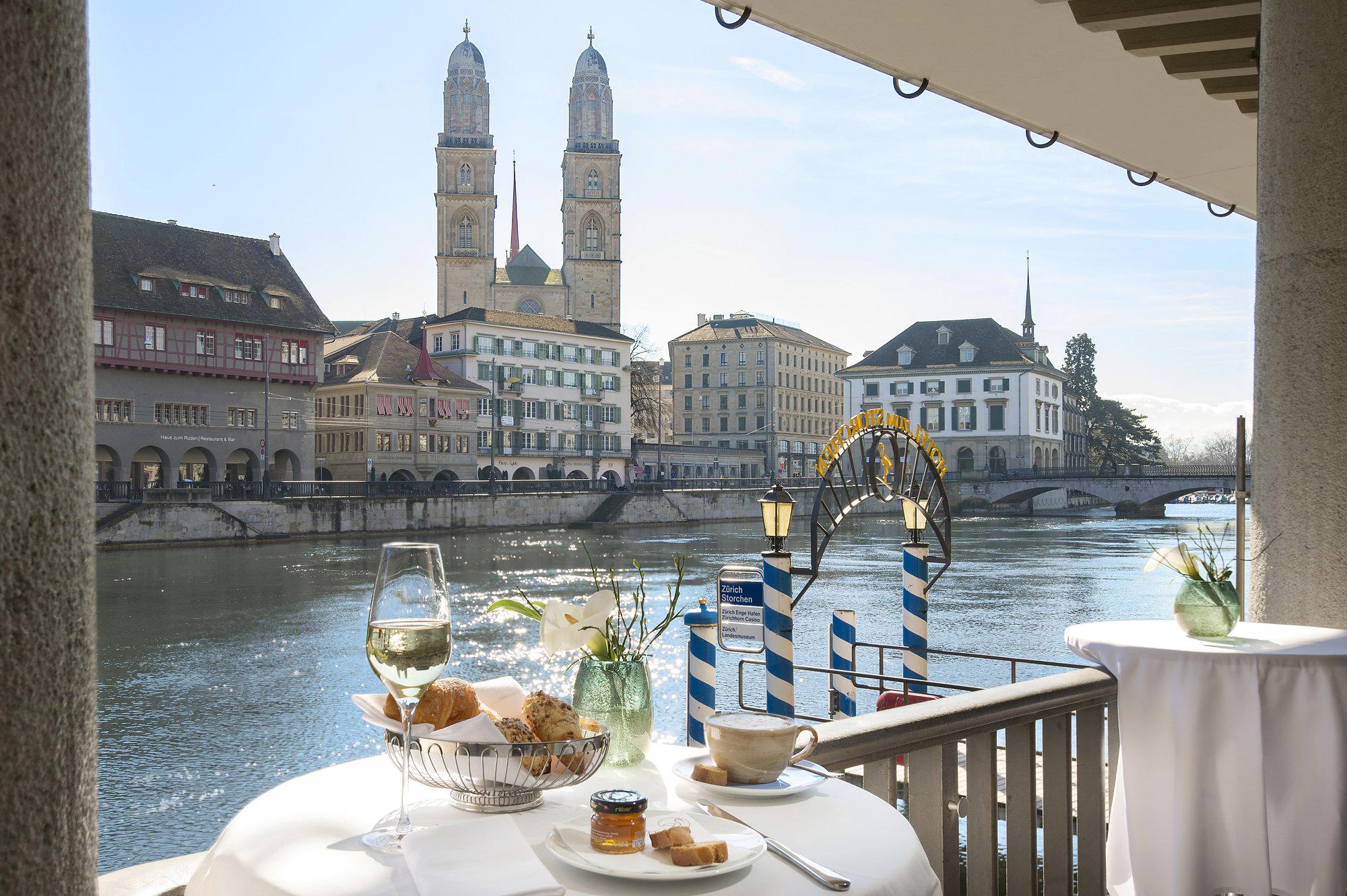
Kronenhalle is open seven days a week from noon until midnight, which gives it a flexibility that most serious Zurich restaurants do not offer. The long service window means it absorbs both lunch and dinner with equal seriousness, and late sittings are genuinely available rather than nominal. The restaurant is on Rämistrasse 4 in the 8001 postal district, on the edge of the Altstadt near the Kunsthaus, which places it within walking distance of Zurich's main museum quarter. For visitors combining serious dining with cultural programming, the Kunsthaus holds one of Central Europe's substantial art collections, the geography is convenient and deliberate.
At the €€€ price tier, Kronenhalle sits below the city's tasting-menu destinations. Compared to the €€€€ positioning of IGNIV or The Counter, it represents a more accessible price point for the room and cultural experience it delivers. That is a meaningful distinction in Zurich, where the cost of dining at the top tier is among the highest in Europe. For visitors to Zurich's broader scene, see our full Zurich restaurants guide, and for accommodation, cultural programming, and wine, the relevant EP Club guides for hotels, experiences, bars, and wineries in Zurich cover the full context. For visitors extending into Switzerland more broadly, 7132 Silver in Vals and Colonnade in Lucerne offer distinct reference points across different culinary registers.
These are not competing options but calibration points that clarify what kind of dining experience Kronenhalle is actually delivering.
What Dish Is Kronenhalle Famous For?
Kronenhalle is most closely associated with classical Central European preparations: Wiener Schnitzel, roast meats, and the kind of Swiss brasserie cooking that the restaurant has refined over the course of nearly a century. The menu does not rotate around seasonal experimentation. Its authority comes from the execution of dishes that have been served in this room for generations, with Chef Peter Schärer maintaining continuity rather than reinterpreting the repertoire. The Michelin Plate recognition in both 2024 and 2025, combined with the OAD Casual Europe ranking of 58, reflects exactly this: a kitchen that earns its standing through reliability, not novelty.
Frequently asked questions
Where is Kronenhalle located?
Kronenhalle is located at Rämistrasse 4, 8001 Zürich, Switzerland, Zurich.
Is there a head chef associated with Kronenhalle?
The chef associated with Kronenhalle is Peter Schärer.
What dish is Kronenhalle famous for?
Kronenhalle is most closely associated with Wiener Schnitzel and classical Central European roast preparations — the kind of Swiss brasserie cooking that defined the restaurant long before Zurich's contemporary dining scene took shape. These are dishes built on technique and consistency rather than novelty. The kitchen under chef Peter Schärer works within that same tradition, which is part of what earned Kronenhalle a Michelin Plate in 2025 and a place in the Opinionated About Dining Casual Europe Top 60 the same year.
What's the cuisine at Kronenhalle?
At a Glance
| Venue | Cuisine | Price | Awards | Notes |
|---|---|---|---|---|
| KronenhalleThis venue — the venue you are viewing | Classic Swiss Fine Dining | $100–150 | Michelin Plate · World's 50 Best #32 | Not listed |
| IGNIV Zürich by Andreas Caminada | Modern Swiss Fusion Sharing | $150–200 | 2 Michelin Stars · La Liste Top Restaurants | Sharing |
| KLE | Modern Vegan Fine Dining | $100–150 | 1 Michelin Star · The Best Chef One Knife | Vegan |
| The Counter | Modern Cosmopolitan Omakase with East Asian Influences | $300–500 | 2 Michelin Stars · La Liste Top Restaurants | Creative |
| Eden Kitchen & Bar | Mediterranean-Italian | $100–150 | 1 Michelin Star · Falstaff Bar - 94 Falstaff Points | Italian |
| La Rôtisserie | Modern Swiss Fine Dining | $200–300 | 1 Michelin Star · Falstaff Restaurant - 93 Falstaff Points | Contemporary |
Recognition history
Dated appearances from independent guides and award organizations, with the underlying list record or original source where available.
Michelin Plate
Michelin
World's 50 Best Restaurants #32
World's 50 Best
Opinionated About Dining Casual in Europe Ranked #118
Opinionated About Dining
Full recognition history (7 entries)
Opinionated About Dining Casual in Europe Ranked #58
Opinionated About Dining
Michelin Plate
Michelin
Opinionated About Dining Casual in Europe Ranked #122
Opinionated About Dining
Opinionated About Dining Classical in Europe Highly Recommended
Opinionated About Dining