Rössli
Our verdict
Rössli sits on Marktgasse in the centre of Bülach, a market-town address that places it squarely within the everyday dining fabric of the Zurich Unterland rather than its destination-restaurant circuit. The setting is a traditional Swiss Gasthaus format, and the kitchen works within a regional tradition that rewards locals who know to return. For visitors passing through northern Switzerland, it offers an honest read on how the canton eats away from the city.

Pearl is the En Primeur Club membership app, where members save venues, book tables and use the concierge.

A Market Street Address in the Zurich Unterland
Marktgasse is the kind of street that tells you something about a Swiss town before you walk through any door. In Bülach, it runs through the preserved old town, past painted facades and the kind of ground-floor businesses that have served the same neighbourhood for generations. Number 22 is where Rössli sits, and the address is not incidental: a Gasthaus on a market street in a mid-sized Swiss cantonal town occupies a specific cultural position, one that functions simultaneously as community dining room, midweek lunch stop, and occasional special-occasion table for residents who have no intention of driving to Zurich for dinner.
That distinction matters when you are calibrating expectations. Bülach is not on the Swiss fine-dining map the way, say, Schloss Schauenstein in Fürstenau or Memories in Bad Ragaz are. The town has roughly 20,000 residents, a regional rail connection to Zurich Hauptbahnhof that keeps the commute under 30 minutes, and a dining culture that skews toward the reliable and the local rather than the experimental and the destination-driven. Rössli, by virtue of its Marktgasse position, sits at the centre of that culture rather than at its edge.
The Regional Gasthaus Tradition and What It Actually Means
The word Gasthaus carries freight that does not fully translate. It is not a pub, not a brasserie, not quite a trattoria. The Swiss Gasthaus at its finest operates as a keeper of regional cooking tradition: dishes rooted in what the surrounding agricultural area produces, prepared in formats that have been refined through repetition rather than through seasonal reinvention for its own sake. Across the Zurich Unterland and the broader Swiss Mittelland, this means a kitchen vocabulary built on proximity to dairy farming, orchards, root vegetable cultivation, and the kind of lake and river fishing that defines northern Swiss food culture without announcing itself loudly.
Ingredient provenance in this tradition is not a marketing claim but a structural fact. The short distance between farm and kitchen in a town like Bülach is a logistical reality, and kitchens working within the Gasthaus format have historically sourced within a tight radius by default, long before farm-to-table became a positioning statement. When the ingredient sourcing is honest and the kitchen is competent, the result is food that reads as coherent rather than composed: a plate that makes sense because everything on it comes from the same few kilometres of countryside.
For comparison, the distinction between this kind of regionally-anchored cooking and the modernist Swiss kitchens at venues like focus ATELIER in Vitznau or IGNIV Zürich by Andreas Caminada in Zurich is not one of quality but of intention. The Gasthaus format does not aspire to the territory those restaurants occupy, and it should not be judged against them. It is a different project entirely, and in the right context it is the more useful one.
Bülach in the Context of Swiss Regional Dining
Switzerland's restaurant geography is more stratified than it appears from the outside. The country has a concentration of high-awarded kitchens, places like Hotel de Ville Crissier in Crissier, Cheval Blanc by Peter Knogl in Basel, and La Table du Lausanne Palace in Lausanne, that sit at one end of a long spectrum. At the other end are the Gasthäuser and Beizen that make up the actual daily dining infrastructure of Swiss towns and villages. The gap between those poles is where most Swiss people eat most of the time, and the Zurich Unterland, with its market towns and commuter geography, is a reasonably good place to read that middle register.
Bülach has a small restaurant economy. The options within the old town include Arlecchino Bülach, which works the Italian-Swiss crossover format common across the region, and bistro13, which takes a more contemporary casual approach. Rössli on Marktgasse occupies a different register: the traditional Gasthaus slot, with all the expectations and obligations that come with it. Our full Bülach restaurants guide covers how these options sit relative to each other.
For context outside Switzerland, the Gasthaus tradition is structurally closer to what Le Bernardin in New York City or Atomix in New York City explicitly reject: cooking that derives authority from place and repetition rather than from innovation and individual authorship. That is not a criticism; it is a description of where the value lies.
Planning a Visit
Bülach is accessible from Zurich in under 30 minutes by S-Bahn, with the Bülach station placing you a short walk from Marktgasse and the old town centre. For visitors staying in the Zurich area, or passing through en route to the Rhine Falls region or the Thurgau, Rössli is positioned as a midday or early-evening stop rather than a destination in itself. The market-street setting means the surrounding area repays a short walk before or after a meal, particularly if the Bülach Altstadt is new to you.
Frequently asked questions
Does Rössli work for a family meal?
The Gasthaus format on Marktgasse 22 in Bülach has historically served the full range of a town's residents, from working lunches to multigenerational tables. That tradition positions a venue like Rössli closer to a communal dining room than a destination restaurant with a fixed tasting format. Bülach itself is a compact market town, not a city dining circuit, which typically means a room that accommodates mixed groups without the formality that would make children feel out of place.
What kind of setting is Rössli?
Rössli sits at Marktgasse 22, the market street running through Bülach's preserved old town core. That address places it within a Swiss Gasthaus tradition: rooms built around regulars, regional produce, and the rhythms of a town rather than a tourist trail. The Gasthaus category in Switzerland occupies a distinct register, somewhere between a neighbourhood inn and a civic dining room, with none of the studied casualness of a modern bistro.
Is Rössli a good option for visitors arriving from Zurich by public transport?
Bülach is on the S-Bahn network and sits under 30 minutes from Zurich's main station, with the Bülach stop placing you within walking distance of Marktgasse and the old town. That access makes Rössli at Marktgasse 22 a realistic half-day or evening trip without a car. For visitors looking to move beyond Zurich's city restaurants into Swiss regional Gasthaus dining, the rail connection removes the main logistical barrier.
What should I order at Rössli?
What the Gasthaus tradition in the Zurich Unterland typically anchors to is Swiss-German regional cooking: braised meats, rösti, seasonal vegetable preparations, and local wine or beer pairings. Arriving with the assumption that the kitchen follows the market and the season is a reasonable approach for any Gasthaus on Marktgasse.
What's Rössli's location?
Rössli is located at Marktgasse 22, 8180 Bülach, Switzerland, Bulach.
How hard is it to get a table at Rössli?
No booking data or confirmed reservation policy is available for Rössli at Marktgasse 22, Bülach. Regional Gasthaus venues in Swiss market towns of this scale tend to operate with walk-in capacity at lunch and a mix of reservations and drop-ins at dinner, though that varies by operator. Contacting the venue directly before arriving on a Friday or Saturday evening is the practical approach.
How It Stacks Up
| Venue | Cuisine | Price | Awards | Notes |
|---|---|---|---|---|
| RössliThis venue (the venue you are viewing) | Swiss with Sushi and European Influences | $30–50 | Not listed | Not listed |
| Schloss Schauenstein | Creative Swiss Country Fine Dining | $300–500 | 3 Michelin Stars · World's 50 Best #39 | Modern European, Creative |
| Memories | Modern Swiss Alpine Cuisine | $300–500 | 3 Michelin Stars · La Liste Top Restaurants | Modern Swiss |
| focus ATELIER | Modern French Fine Dining | $200–300 | 2 Michelin Stars · La Liste Top Restaurants | Modern Swiss, Creative |
| IGNIV Zürich by Andreas Caminada | Modern Swiss Fusion Sharing | $150–200 | 2 Michelin Stars · La Liste Top Restaurants | Sharing |
| La Table du Lausanne Palace | Contemporary French Fine Dining | $200–300 | 2 Michelin Stars · La Liste Top Restaurants | Modern French |
Continue exploring
More in Bulach
Restaurants in Bulach
All restaurants in Bulach →
Bars in Bulach
Browse all →

Details
- Classic
- Cozy
- Casual Hangout
- Terrace
- Historic Building
- A La Carte
- Vegetarian Friendly
- Vegan Options
- Gluten Free Options
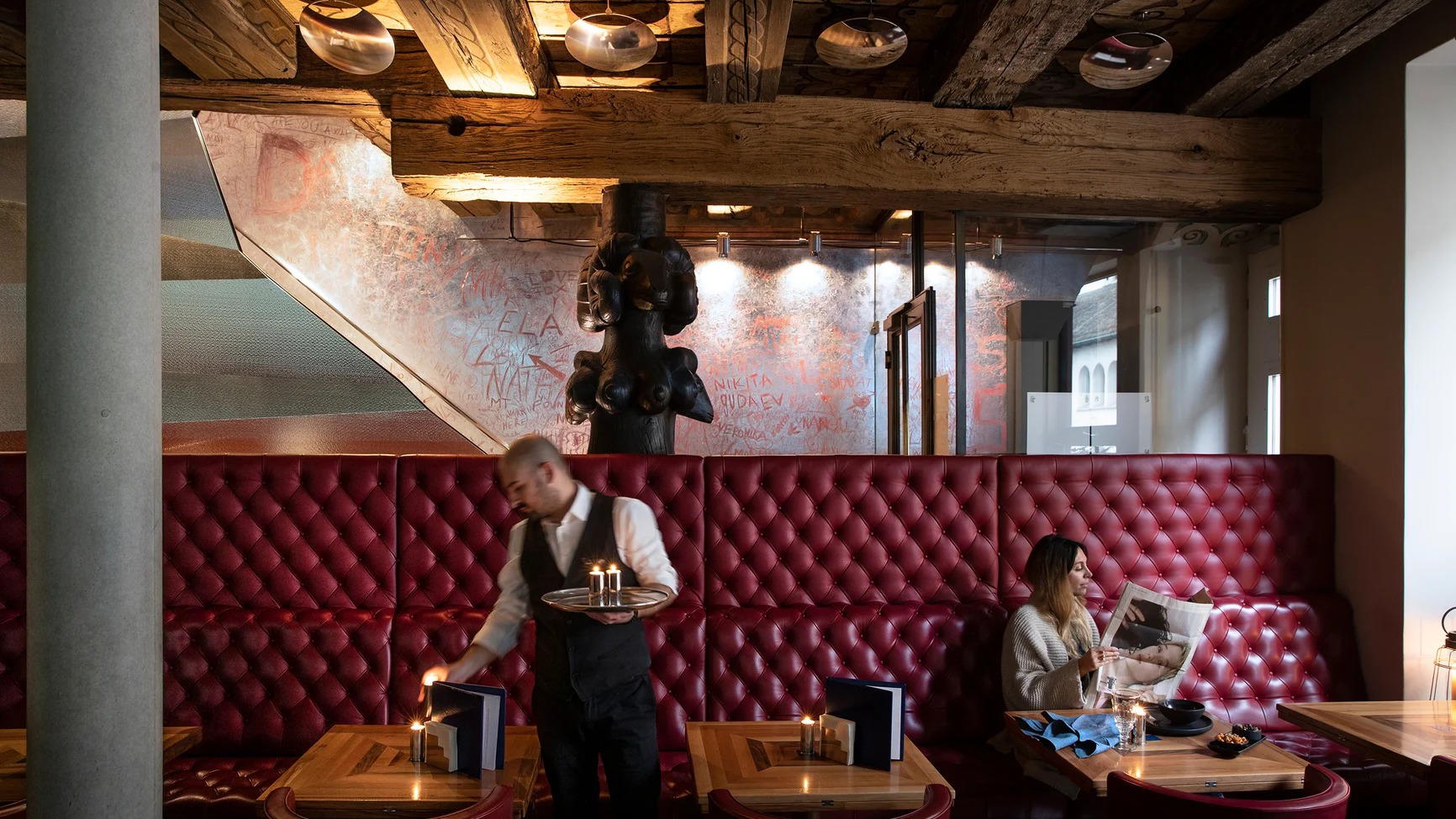
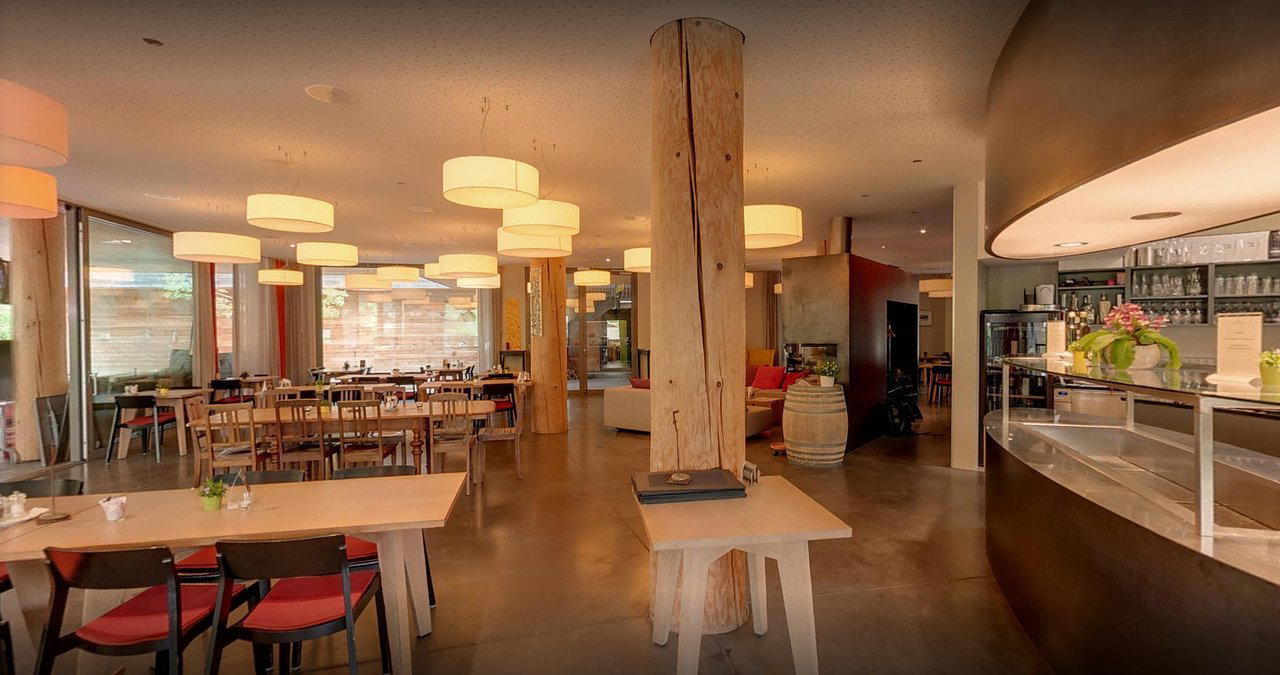
Charming historic atmosphere in the heart of the old town with attentive service and cozy terrace seating.