The Dolder Grand

Falstaff Wine Bar - 90 Falstaff Points
Perched on the Adlisberg hill above Zurich, The Dolder Grand occupies a tier of Swiss hotel hospitality that few properties in the country match. Its bar and food programme sits within a tradition of grand European hotel drinking, where the pairing of serious kitchen craft with considered beverage lists defines the guest experience. For visitors comparing grand-hotel options across Switzerland, it belongs in the same conversation as the Grand Hotel Les Trois Rois in Basel.

Pearl is the En Primeur Club membership app, where members save venues, book tables and use the concierge.
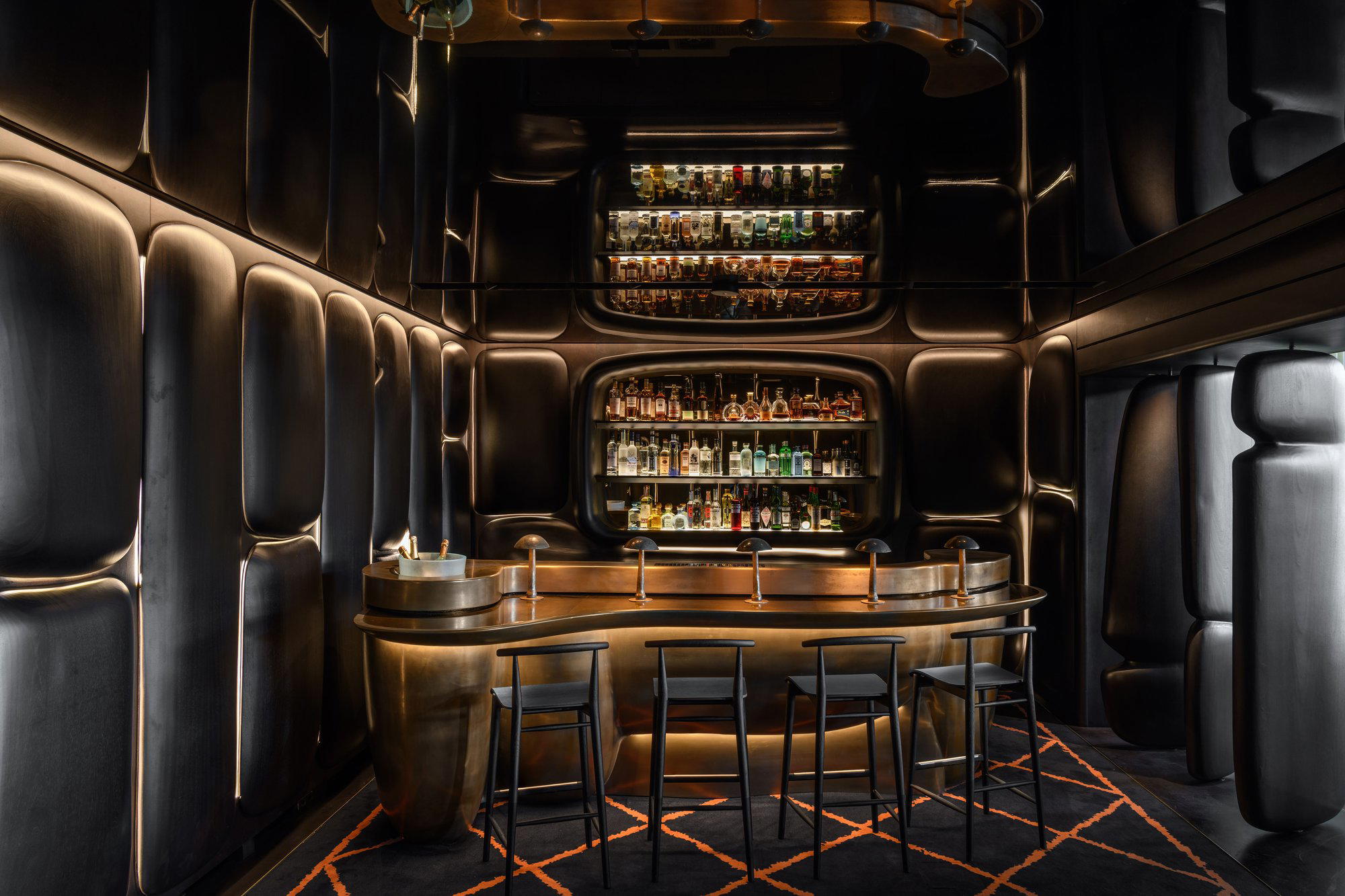
The Hill Above the City
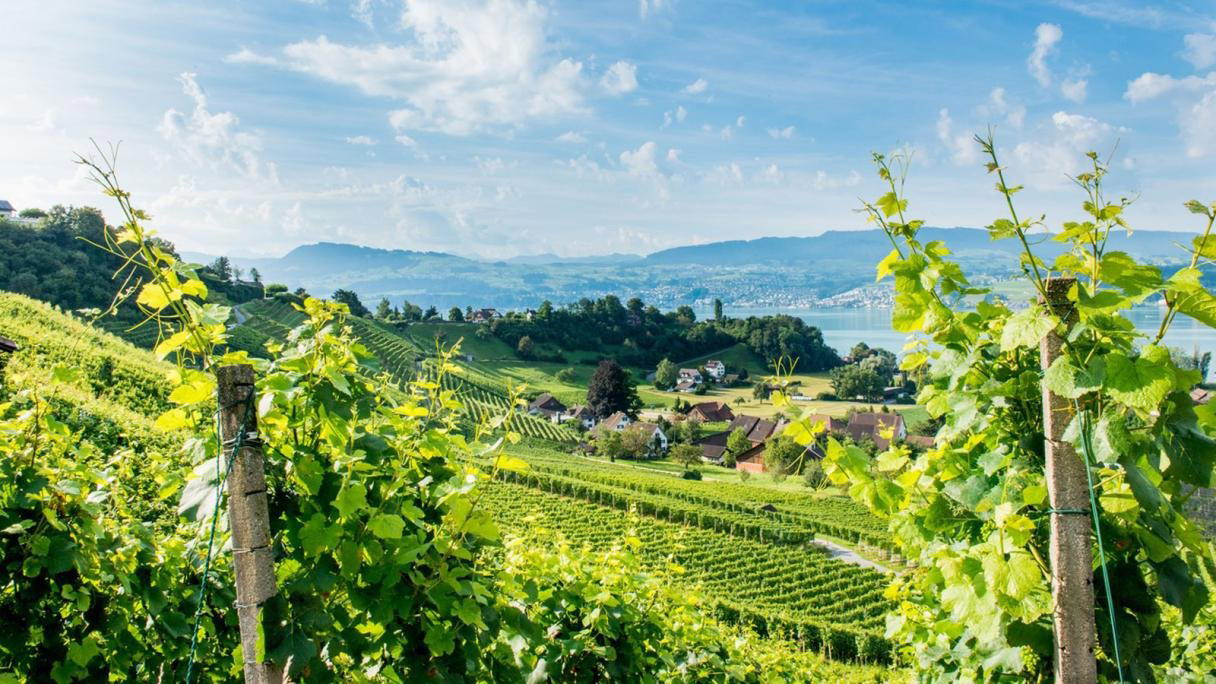
There is a particular grammar to grand hilltop hotels in European cities: the deliberate separation from the street, the approach that functions as a kind of decompression chamber, and the sense that arriving already constitutes an event. The Dolder Grand, set on the Adlisberg above Zurich at Kurhausstrasse 65, follows that grammar precisely. The city spreads below across the lake basin, and the hotel's position means that the bar and dining spaces open onto views that most urban properties can only approximate with rooftop terraces and careful window placement. This is not a venue you drift into casually; getting here by road or funicular from the Römerhof station frames the experience before you've ordered a drink.
Within Switzerland's grand-hotel tier, the Dolder sits in a small peer group that includes properties like the Grand Hotel Les Trois Rois in Basel, where the combination of address prestige, architectural weight, and multi-outlet food and drink programming creates a category distinct from the city's more accessible hotel bars. Understanding that peer group matters when deciding how the Dolder fits your Zurich itinerary: this is not a drop-in neighbourhood bar. It is a destination that repays planning.
The Logic of Pairing at Grand Hotel Bars
The food-and-drink pairing tradition in European grand hotels has its own distinct history. These properties built their reputations on cellars stocked decades before current management arrived, on kitchen brigades organised around classical brigade structure, and on the assumption that guests would spend several hours rather than one. The result, when the model works, is a drinks list and a food programme that are genuinely designed in relation to each other rather than developed by separate departments that occasionally share a corridor.
At the Dolder, that integrated approach shapes the entire bar food proposition. Switzerland's position at the intersection of French, German, and Italian culinary traditions means that a well-run kitchen here draws on a wider palette than most single-nation contexts allow: the precision of classical French technique, the directness of Germanic flavour profiles, and the clean product focus associated with northern Italian cooking. When these traditions feed a bar kitchen rather than a formal dining room, the results tend toward dishes that hold their integrity alongside a drink without demanding the full choreography of a tasting menu. A properly made barsnack or small plate paired with a considered Swiss wine or a well-executed cocktail is one of the more underrated pleasures of this format.
For context on how Zurich's bar food scene works across different registers, the city offers considerable range: the Bar am Wasser and properties like 25hours Hotel Zürich Langstrasse and 25hours Hotel Zürich West sit in a more casual, accessible register. Bar 3000 represents a different kind of seriousness, more focused on the drink itself. The Dolder's format, with its emphasis on the full hotel experience and the relationship between kitchen and bar, positions it at the formal end of that spectrum.
Switzerland's Grand Hotel Drinking Tradition
Swiss hotel bar culture draws on a specific European inheritance: the nineteenth-century grands hotels that made Switzerland a destination for prolonged stays rather than transit. In that tradition, the hotel bar was understood as a social room, a place where guests moved between the formal dining room and the lounge without the register changing dramatically. The leading Swiss hotel bars have preserved elements of that continuity, maintaining proper barwork and kitchen output as complementary expressions of the same hospitality standard.
This contrasts with the more recent trend, visible across European cities, toward hotel bars that operate as independent branded concepts within a hotel shell, optimised for an Instagram-literate crowd that may never book a room. Both models have their logic, but they produce different experiences. The Dolder's position, shaped by the weight of the building and the nature of its clientele, keeps it closer to the older model. That is not conservatism for its own sake; it reflects the reality that some guests arrive specifically for continuity and coherence rather than novelty.
Beyond Zurich, the Swiss grand-hotel bar tradition continues in properties across the country. The Champagner Bar in Saas Fee represents the alpine variant of the same impulse, while Vieil Ouchy in Lausanne and the Jamming Corner in Unterseen show how the tradition adapts across different Swiss contexts. For a broader picture of how these properties compare within a single city, our full Zurich restaurants guide maps the complete range.
Planning Your Visit
The Dolder Grand's remove from central Zurich is not a drawback so much as a structural feature of the experience. The funicular connection from Römerhof makes the approach practical, and the hotel's position means that an evening here works better as a dedicated plan than as part of a bar-hopping circuit. Properties like 169 West and Puregold Bar and Lounge in Glattpark serve that more mobile, multi-stop approach more efficiently.
For international visitors comparing grand-hotel bar experiences across time zones, the format here is broadly comparable to what Bar Leather Apron in Honolulu achieves in a Pacific context: a serious beverage programme anchored by kitchen craft, designed for guests who measure an evening in hours rather than rounds. The structural difference is that the Dolder's European grand-hotel inheritance gives it a depth of cellar and kitchen tradition that newer properties build toward over decades.
Given the hotel's position in Zurich's premium tier, reservations for dining outlets are advisable, particularly on weekends and during trade fair periods when the city's luxury accommodation operates under pressure. The bar itself tends to be more accessible on a walk-in basis, though weekend evenings in peak season are a different proposition. Those travelling from outside Zurich should treat the approach time as part of the plan; the funicular runs regularly and the journey from the city centre is well under thirty minutes, but it warrants factoring into any time-sensitive itinerary.
Just the Basics
| Venue | Price | Awards |
|---|---|---|
| The Dolder GrandThis venue (the venue you are viewing) | $50–100 | Falstaff Wine Bar - 90 Falstaff Points |
| Bar am Wasser | $20–30 | Star Wine List · Top 500 Bars Best Bars #313 |
| Dr. Zhivago Bar | $20–30 | Falstaff Bar - 93 Falstaff Points · Pinnacle Guide 1 Pin |
| Late Bloomers | Not listed | World's 50 Best #44 · Falstaff Bar - 93 Falstaff Points |
| Old Crow | $20–30 | Top 500 Bars Best Bars #307 |
| Widder Bar | $20–30 | Star Wine List · Top 500 Bars Best Bars #302 |
Recognition history
Dated appearances from independent guides and award organizations, with the underlying list record or original source where available.
Falstaff Wine Bar - 90 Falstaff Points
Falstaff
Continue exploring
More in Zürich
Bars in Zürich
All bars in Zürich →
Restaurants in Zürich
All restaurants in Zürich →
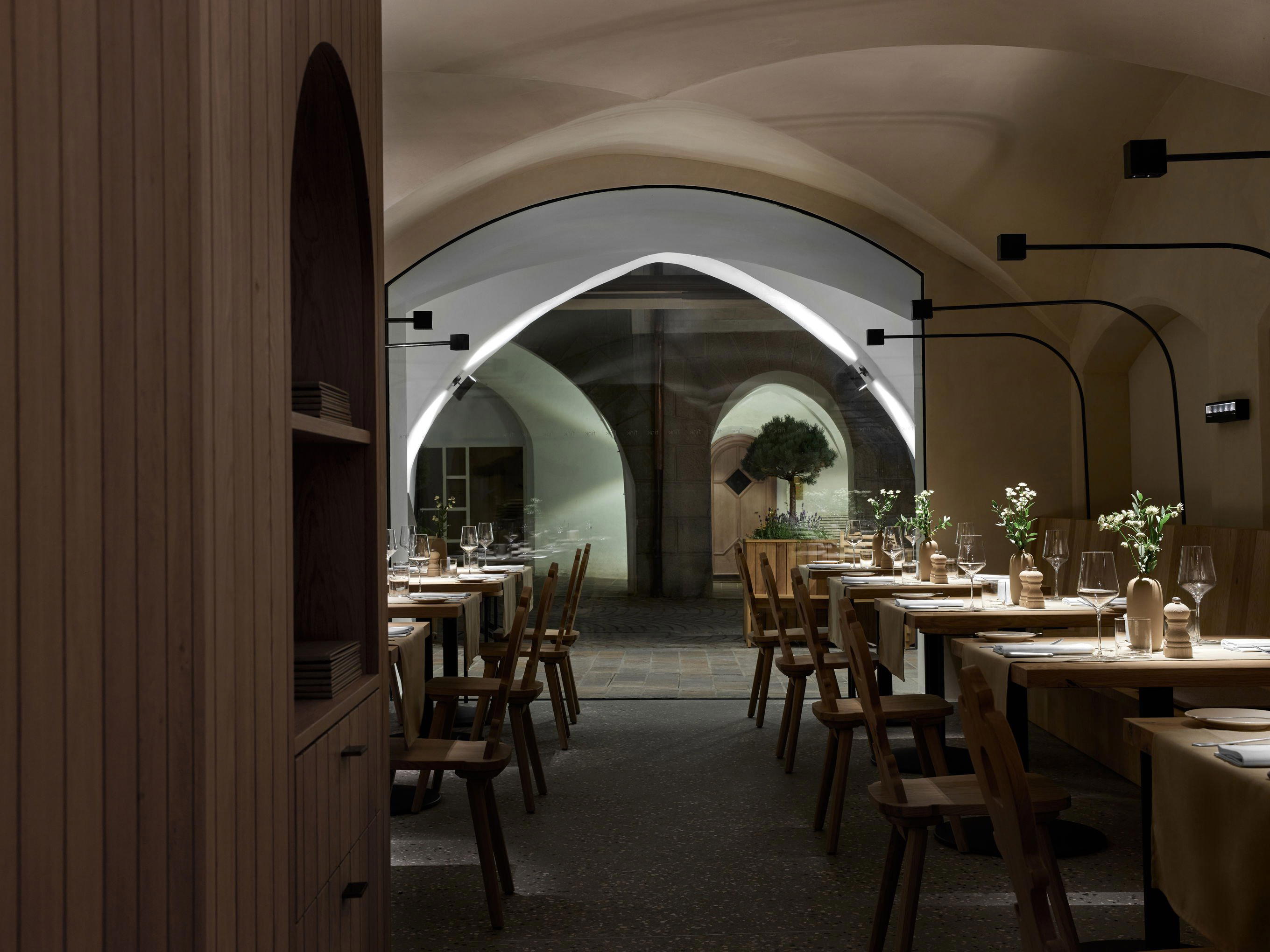
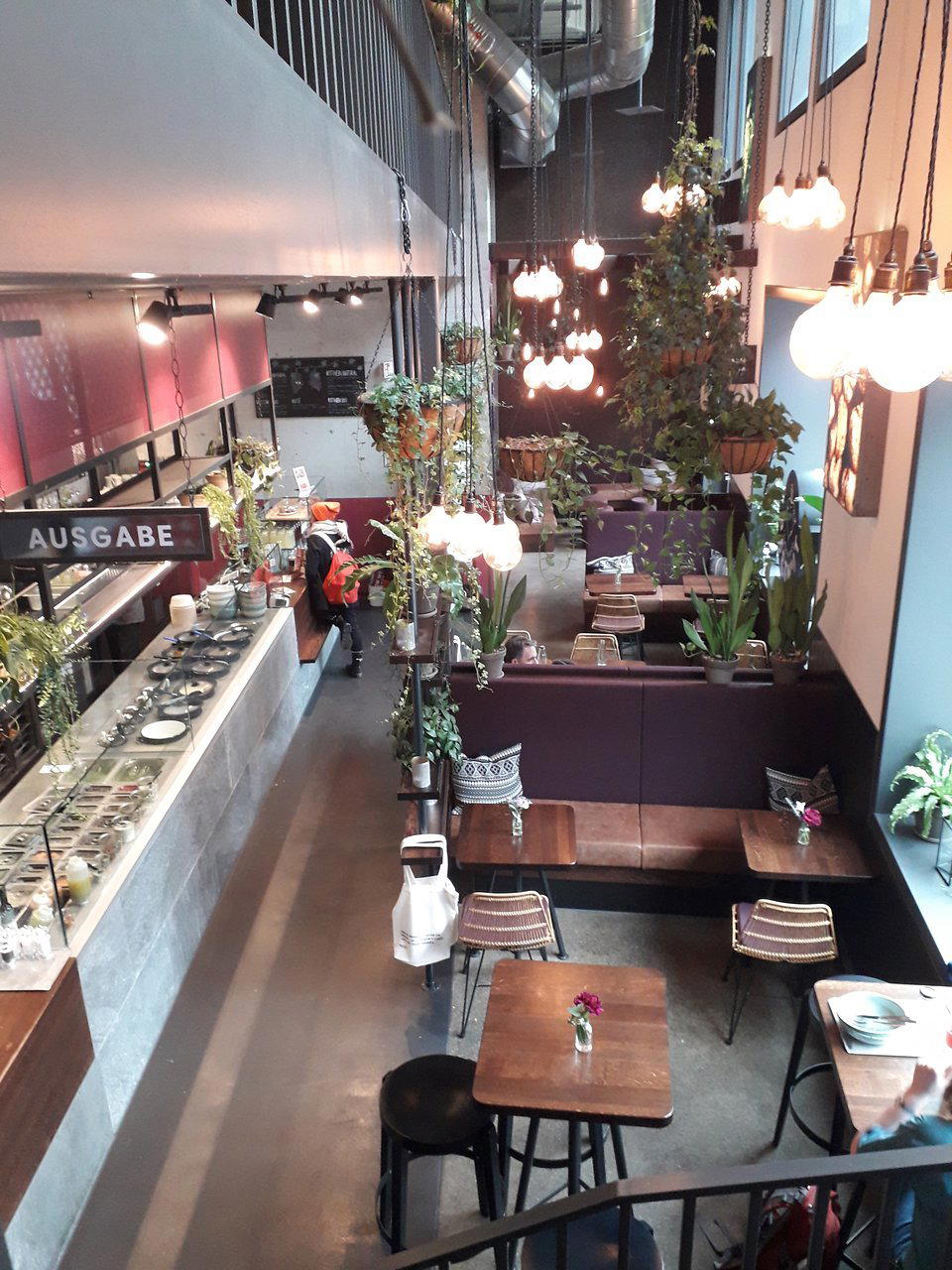
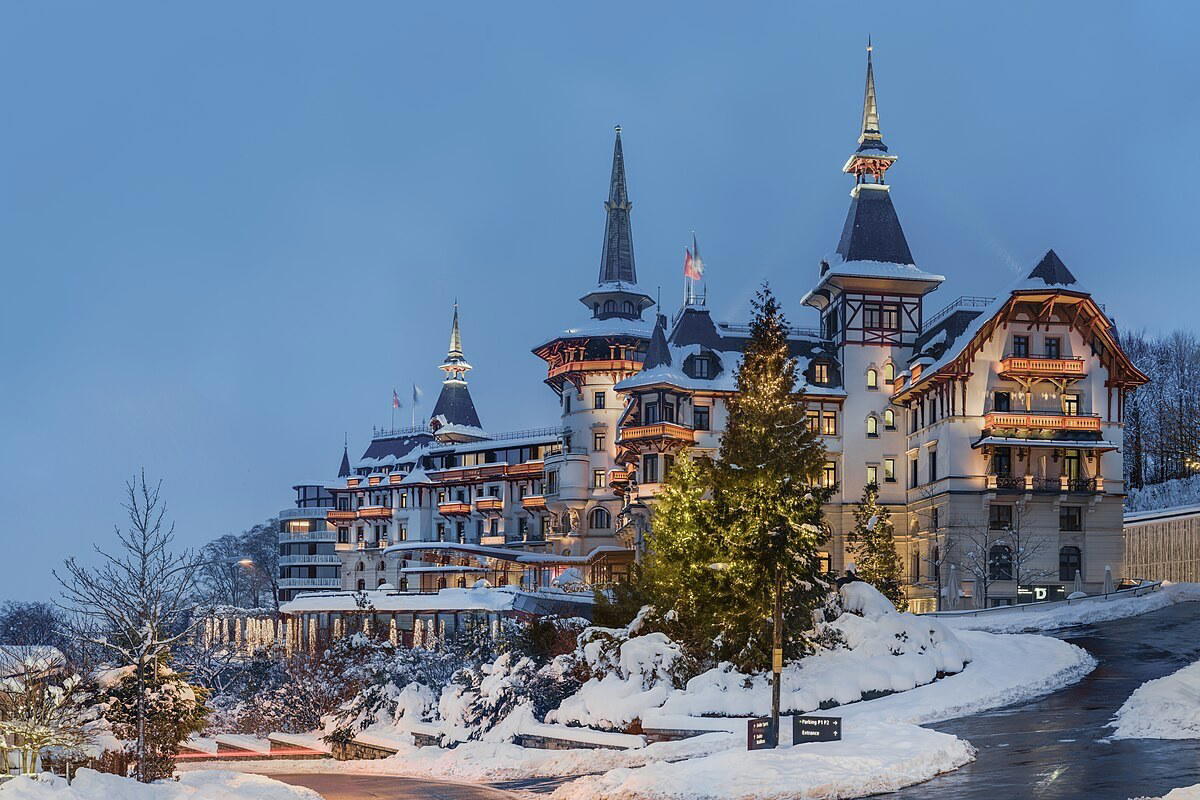
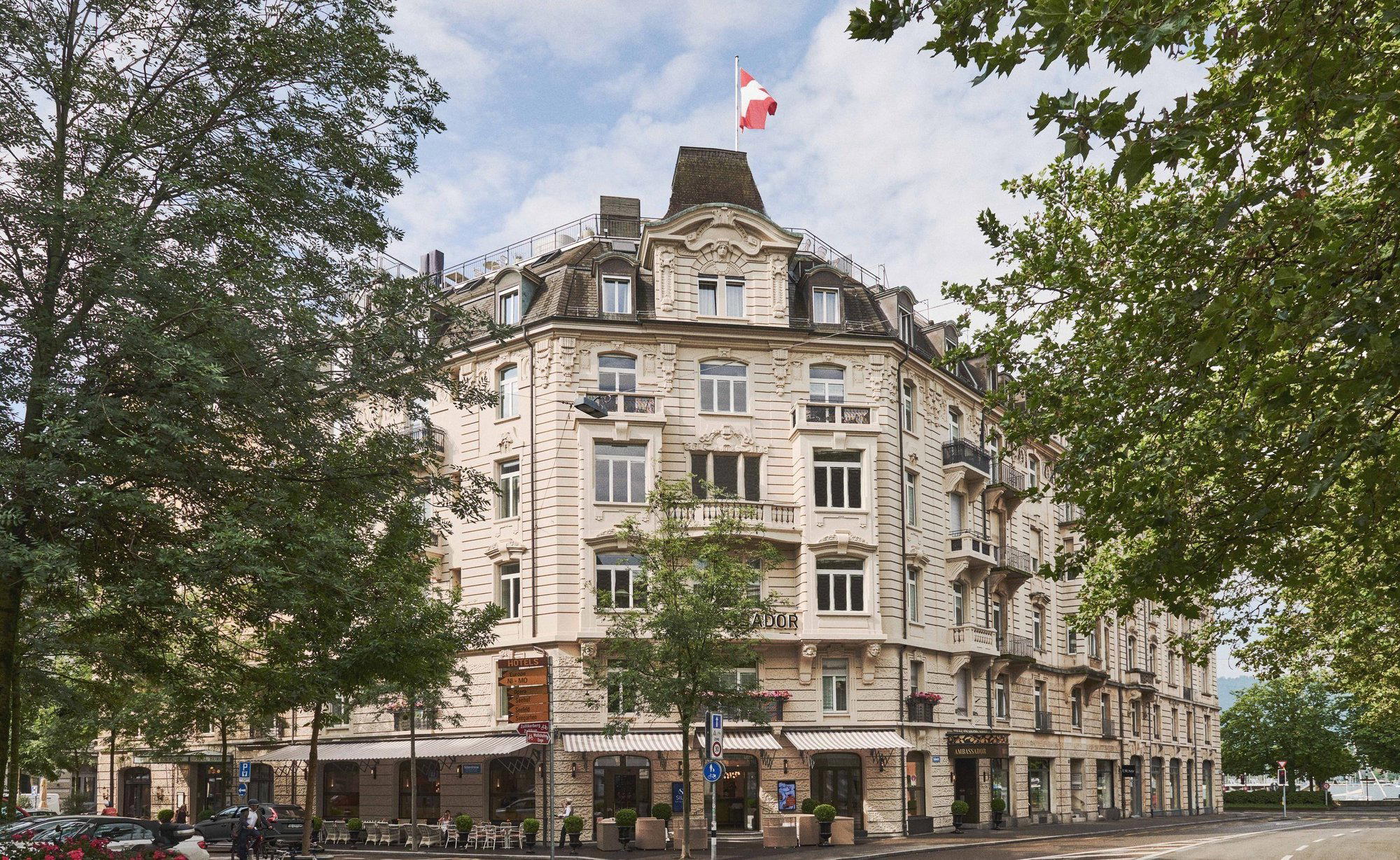
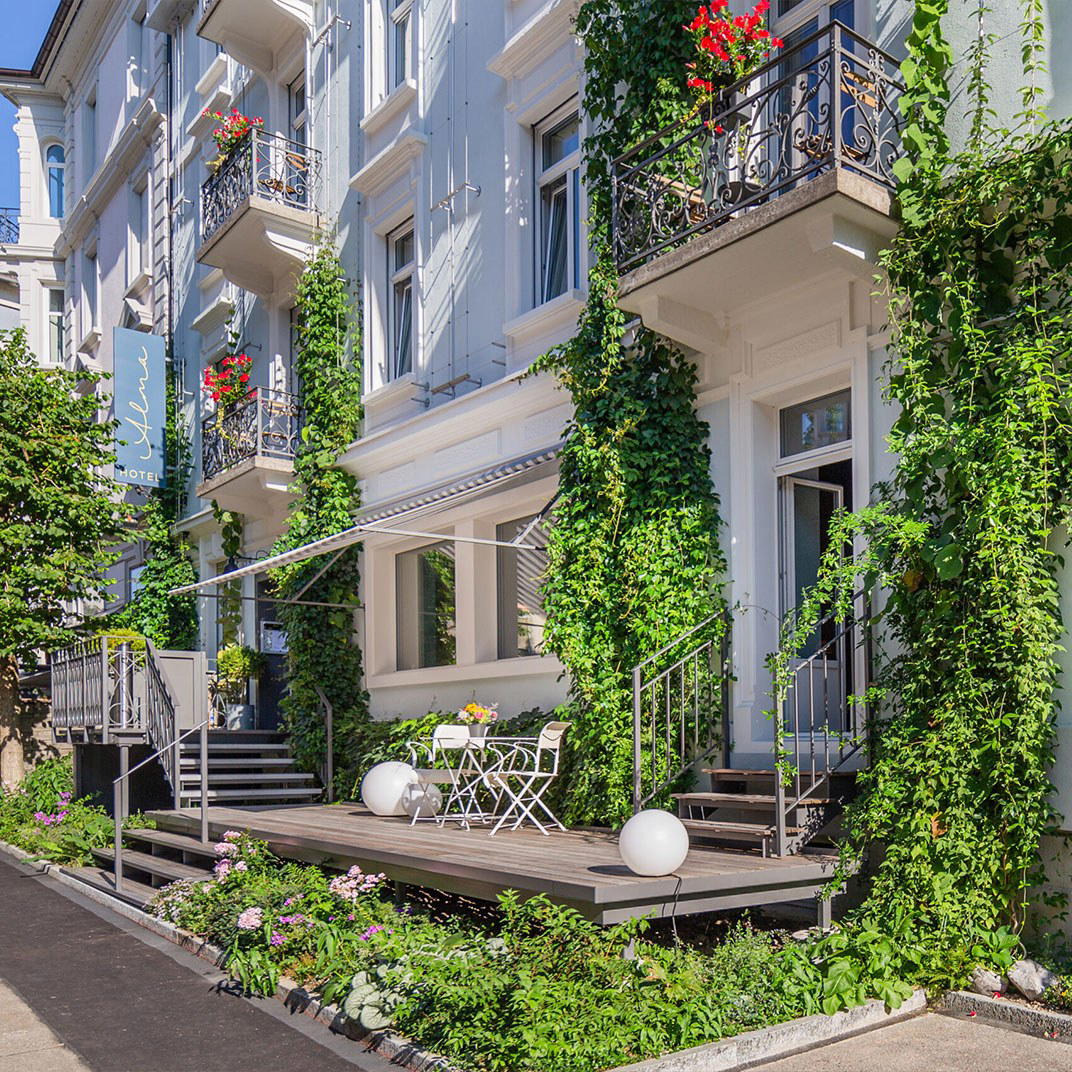
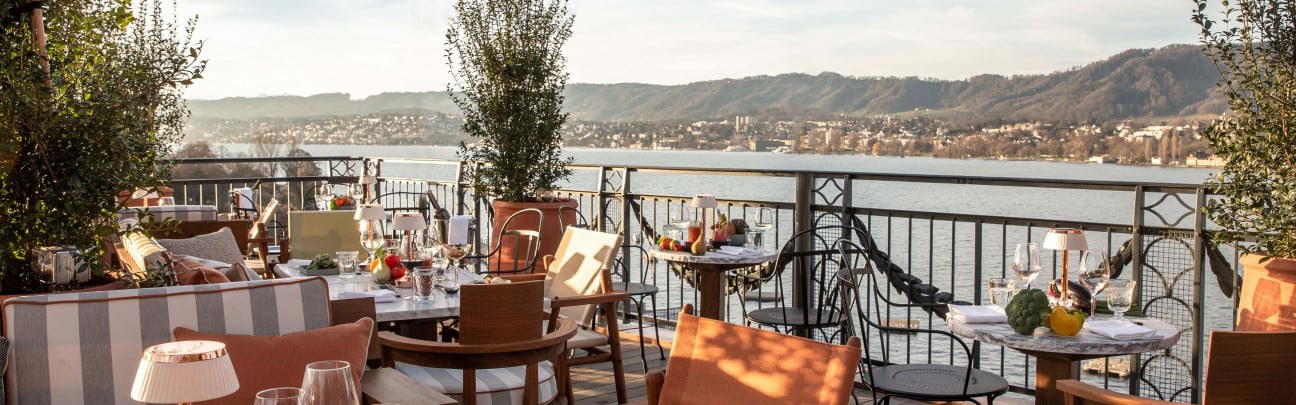
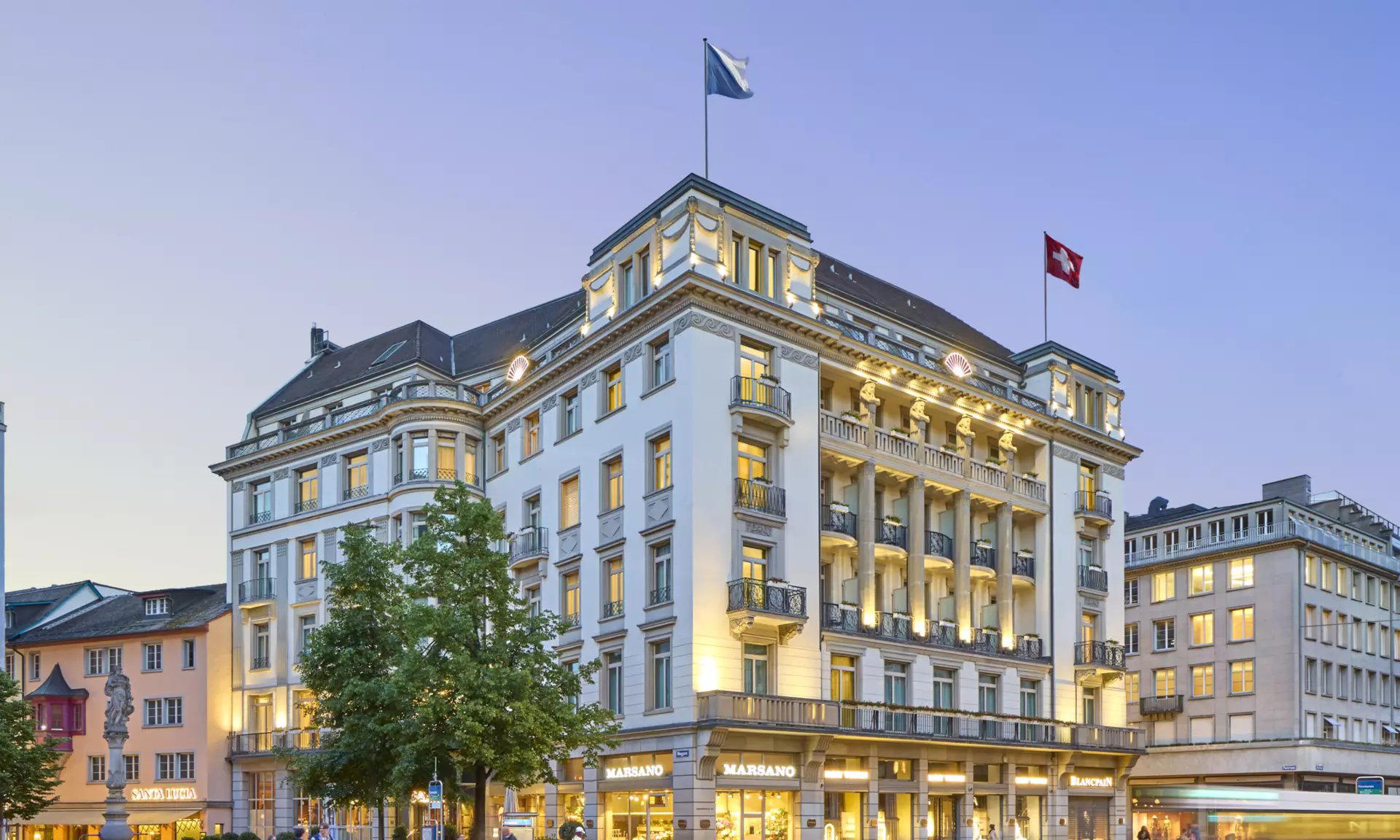

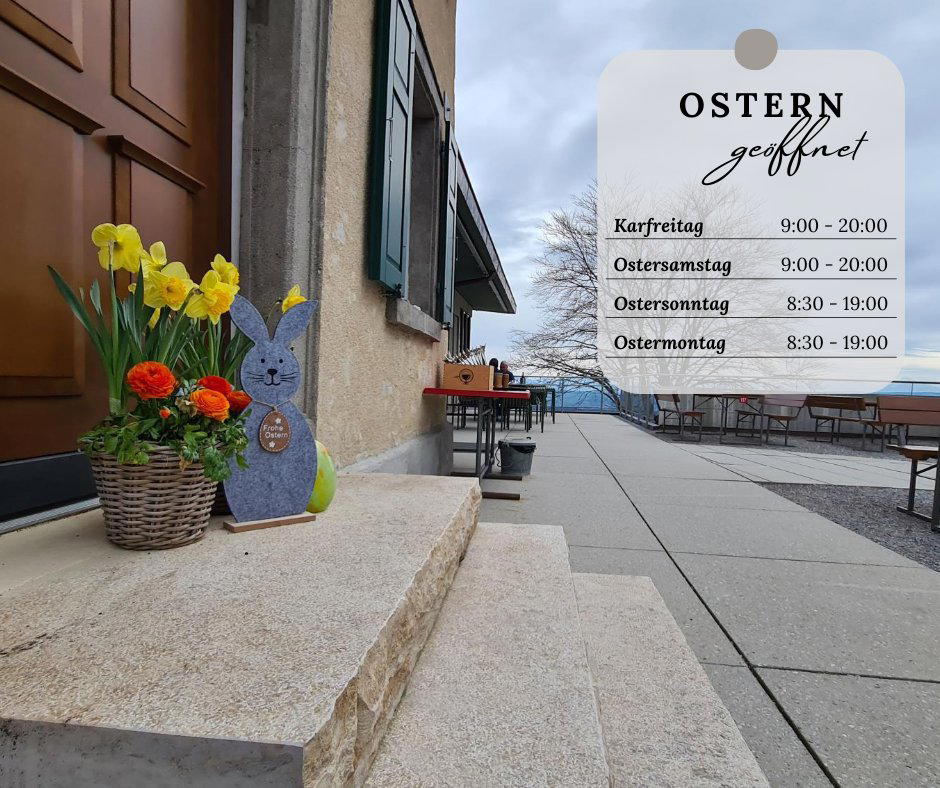
The Dolder Grand
The drinks
- Craft cocktails
- Classic cocktails
- Zero-proof drinks
Signature drinks: Dolder Negroni, Grand Espresso Martini.
Details
- Elegant
- Sophisticated
- Ornate
- Date Night
- Special Occasion
- Celebration
- Live Music
- Panoramic View
- Hotel Bar
- Lounge Seating
- Classic Cocktails
- Craft Cocktails
- Zero Proof
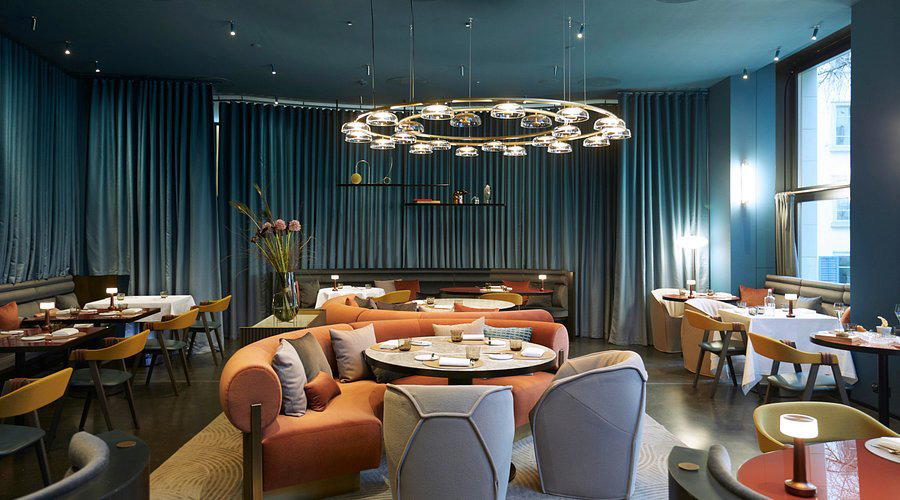
Warm, inviting atmosphere with avant-garde design, high ceilings, unusual art, elegant historical elements, and live music creating a relaxed yet stylish social vibe.