Suya Joint
Suya Joint at 185 Dudley Street brings West African suya culture to Roxbury, one of Boston's most culturally layered neighborhoods. The restaurant occupies a distinct space in the city's dining scene, where grilled-meat traditions rooted in Nigerian street food meet a neighborhood with deep community ties. For travelers oriented toward culinary specificity over trend-chasing, it represents a grounded alternative to the city's more conspicuous dining options.
Pearl is the En Primeur Club membership app — saves, bookings, and concierge access live there. Same editors, same standards.
- Address
- 185 Dudley St, Boston, MA 02119
- Phone
- +18573513717
- Website
- suyajoint.com
- Directions
- Get directions
 Saves & bookings on Pearl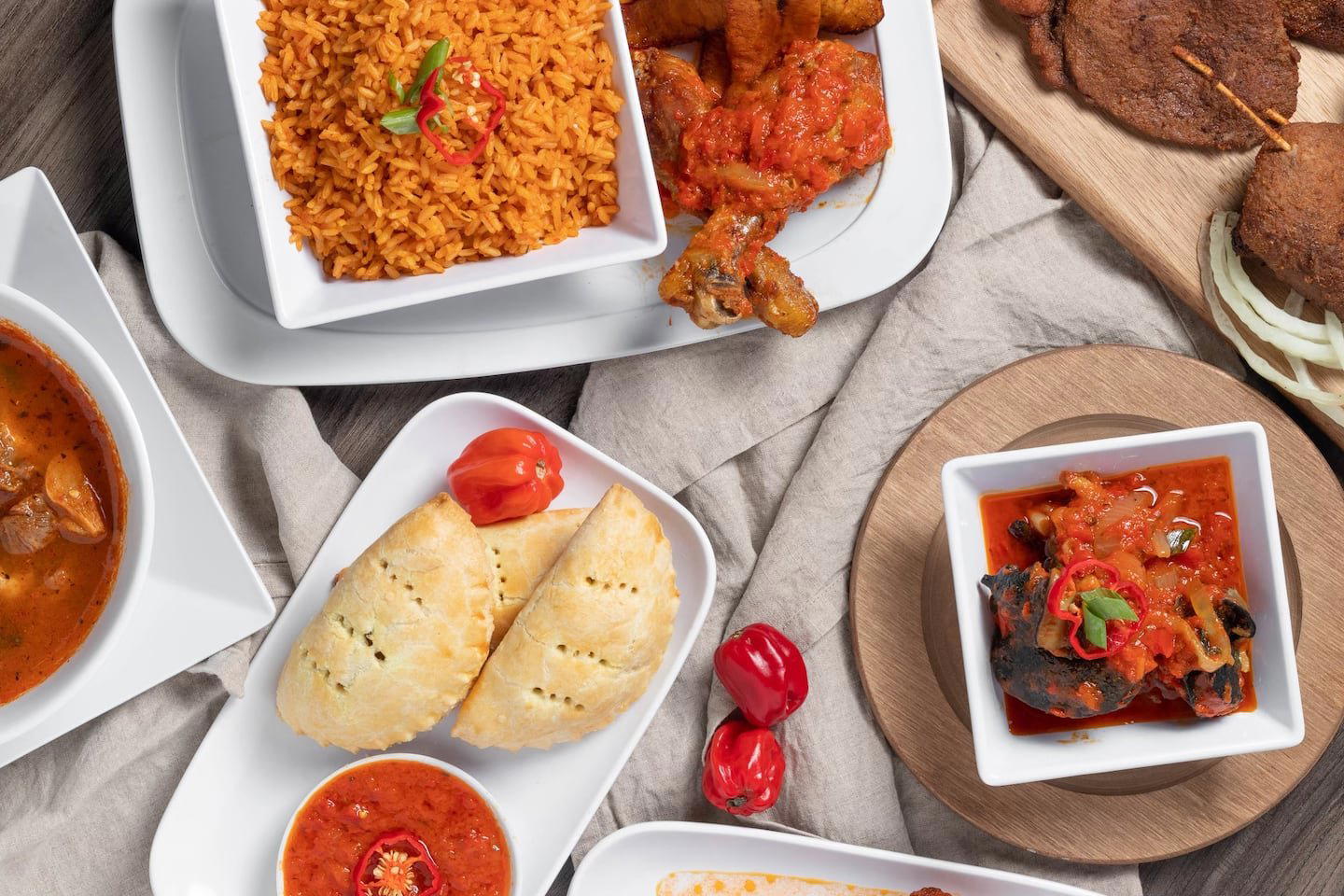
Suya and the Street-Food Tradition Behind It
Suya is not a concept that was invented for Western restaurant formats. Across Nigeria and the broader Sahel region, suya is roadside food: spiced, skewered beef or chicken grilled over open flame and served with raw onion, tomatoes, and a dusting of ground spice mix called yaji. The mai suya, the grillmaster, is a fixture of night markets in Lagos, Kano, and Abuja, and the practice carries social weight well beyond the transaction of buying meat. It is communal, informal, and deeply tied to Hausa culinary tradition. When suya moves into a fixed restaurant setting abroad, the interesting question is always which elements of that tradition survive the translation.
At Suya Joint on Dudley Street in Roxbury, that translation happens within one of Boston's most historically significant neighborhoods. Roxbury has long been the geographic and cultural center of Boston's Black community, and Dudley Street itself has been a focal point of neighborhood organizing and identity for decades. A suya-focused restaurant on this particular block is not incidental geography. It places West African culinary tradition in direct conversation with a neighborhood whose residents have maintained diasporic connections to African and Caribbean food culture across generations.
Where This Fits in Boston's Dining Progression
Boston's restaurant conversation tends to orbit neighborhoods like the South End, Back Bay, and the Seaport, where capital concentration and media attention have produced a dense cluster of recognized addresses. The fine-dining tier in American cities more broadly has pushed toward tasting-menu formats and price points that position places like Le Bernardin in New York City, Alinea in Chicago, and The French Laundry in Napa as aspirational reference points. That tier is real and has its place. But a separate and more consequential shift has been the growing critical recognition that neighborhood-rooted, cuisine-specific restaurants in working-class districts often carry more culinary integrity than their downtown counterparts. Suya Joint operates in that second register.
Within Roxbury itself, the dining options span a range of traditions. Dona Habana anchors the Latin American side of the neighborhood's food identity, while Victoria's Diner represents the longer-established American diner tradition that has served the area for decades. Suya Joint occupies a different lane: West African street food in a fixed format, serving a community with direct cultural ties to the cuisine and drawing in visitors oriented toward specificity.
The Cultural Architecture of Suya
Understanding suya as a dish requires understanding yaji, the spice blend that defines it. The mix varies by region and by the individual mai suya, but the core components typically include ground peanuts, ginger, paprika, garlic, cloves, and sometimes kuli-kuli, a fried peanut cake ground into powder. The heat level and texture of the crust the spice forms on the grilled meat are the primary variables that distinguish one suya preparation from another. This is not a cuisine of elaborate saucing or complex plating. The craft is in the spice ratio, the fire management, and the quality of the meat itself.
That specificity puts suya in an interesting comparative position relative to other grilled-meat traditions that have found footing in American cities. Brazilian churrascaria, Argentine parrilla, Korean BBQ, and Turkish kebab have all developed established dining formats in the United States, with varying degrees of fidelity to their source traditions. West African suya has been slower to acquire the same infrastructure, which makes dedicated venues like Suya Joint more notable as data points in the evolution of African cuisine's presence in American dining. Cities like Washington D.C. Atlanta, and Houston have seen African restaurant counts grow meaningfully over the past decade, with places like Causa in Washington, D.C. and Bacchanalia in Atlanta representing the kind of serious culinary investment that raises the visibility of their respective cities' dining scenes. The same dynamic is beginning to play out for African cuisines in Boston.
Reading the Roxbury Context
185 Dudley Street sits in a part of Boston that has historically received less restaurant investment than its demographics and cultural density would suggest. That gap has been narrowing. The neighborhood's food identity is increasingly legible to visitors who know where to look, and the restaurant is part of the reason why. Roxbury's dining scene rewards the kind of deliberate navigation that puts ingredient sourcing and cultural authenticity ahead of ambient lighting and tasting-menu theater. The comparison venues that tend to anchor national dining conversations, places like Lazy Bear in San Francisco, Blue Hill at Stone Barns in Tarrytown, or Atomix in New York City, are building their reputations on narrative and technique. The restaurant's proposition is different: a cuisine with centuries of practice behind it, brought to a neighborhood that already understands its value.
Other cities have seen similar patterns, where specific immigrant food traditions anchor neighborhood identity in ways that eventually attract broader recognition. Emeril's in New Orleans, Providence in Los Angeles, and Addison in San Diego represent the formal end of that spectrum. The informal end, where the restaurant operates, is often where the more durable culinary traditions actually live.
Planning a Visit
The restaurant is located at 185 Dudley St, Boston, MA 02119, in the Roxbury neighborhood. It is walk-in friendly.
Cost Snapshot
Comparable venues nearby, for context on price, style, and recognition.
| Venue | Cuisine | Price | Notes |
|---|---|---|---|
| Suya JointThis venue — the venue you are viewing | Roxbury, Nigerian & West African | $$ | Not listed |
| Cafe sauvage | Back Bay, Modern French Bistro | $$ | Not listed |
| Tiger Mama | Not listed | $$ | West Fens, Southeast Asian Fusion (Thai, Malaysian, Vietnamese) |
| Yellow Door Taqueria | Dorchester, Traditional Mexican Taqueria | $$ | Not listed |
| Legal Seafood | Dining | Not listed | Not listed |
| Sanbada | Union Square, Korean Wood-Fired | $$ | Not listed |
Continue exploring
More in Boston
Restaurants in Boston
Browse all →
Bars in Boston
Browse all →
Hotels in Boston
Browse all →



Wineries in Boston
Browse all →
At a Glance
- Casual
- Lively
- Casual Hangout
- Group Dining
- Standalone
Current opening hours
- Monday
- Closed
- Tuesday
- 12–9 PM
- Wednesday
- 12–9 PM
- Thursday
- 12–9 PM
- Friday
- 12–9 PM
- Saturday
- 12–9 PM
- Sunday
- 2–8 PM
Hours can change for holidays and private events. Last verified .
Casual neighborhood spot with authentic African dining atmosphere.