Tiger Mama
Tiger Mama at 1363 Boylston Street sits in Boston's Fenway corridor, where Southeast Asian-inflected cooking meets a room designed for energy rather than ceremony. The space channels the casual confidence of a neighborhood haunt with the kitchen ambition of a destination, placing it in a different register than Boston's more formal dining rooms along the waterfront or in Back Bay.
- Address
- 1363 Boylston St, Boston, MA 02215
- Phone
- +1 617 425 6262
- Directions
- Get directions
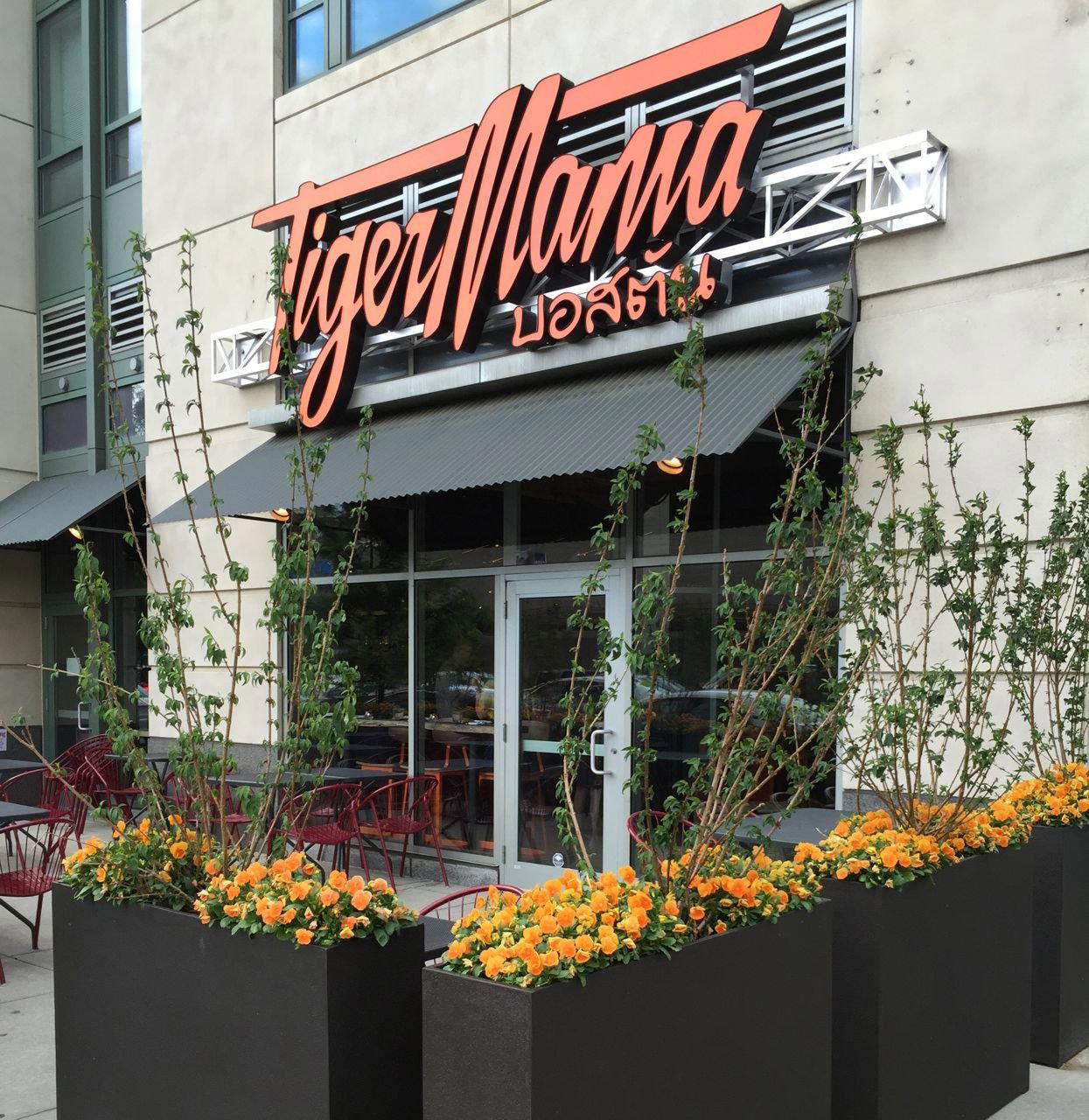
Fenway's Southeast Asian Anchor
Boylston Street between Kenmore Square and the Fenway neighborhood occupies an interesting position in Boston's dining geography. It runs parallel to the more composed dining rooms of Back Bay and the waterfront destinations like 1928 Rowes Wharf and 75 on Liberty Wharf, but the energy here is different. This stretch draws a crowd that includes game-night spillover, college-adjacent locals, and a younger professional set looking for something with kitchen credibility that doesn't require dress codes or tasting-menu pacing. Tiger Mama, at 1363 Boylston, is now closed.
The restaurant operated in a register that Boston's dining scene has historically underserved: Southeast Asian cooking with enough technical investment to hold its own against more formally positioned kitchens, delivered inside a room that read as animated rather than austere. The physical container matters here. The design telegraphs intent before a dish arrives.
The Room as Argument
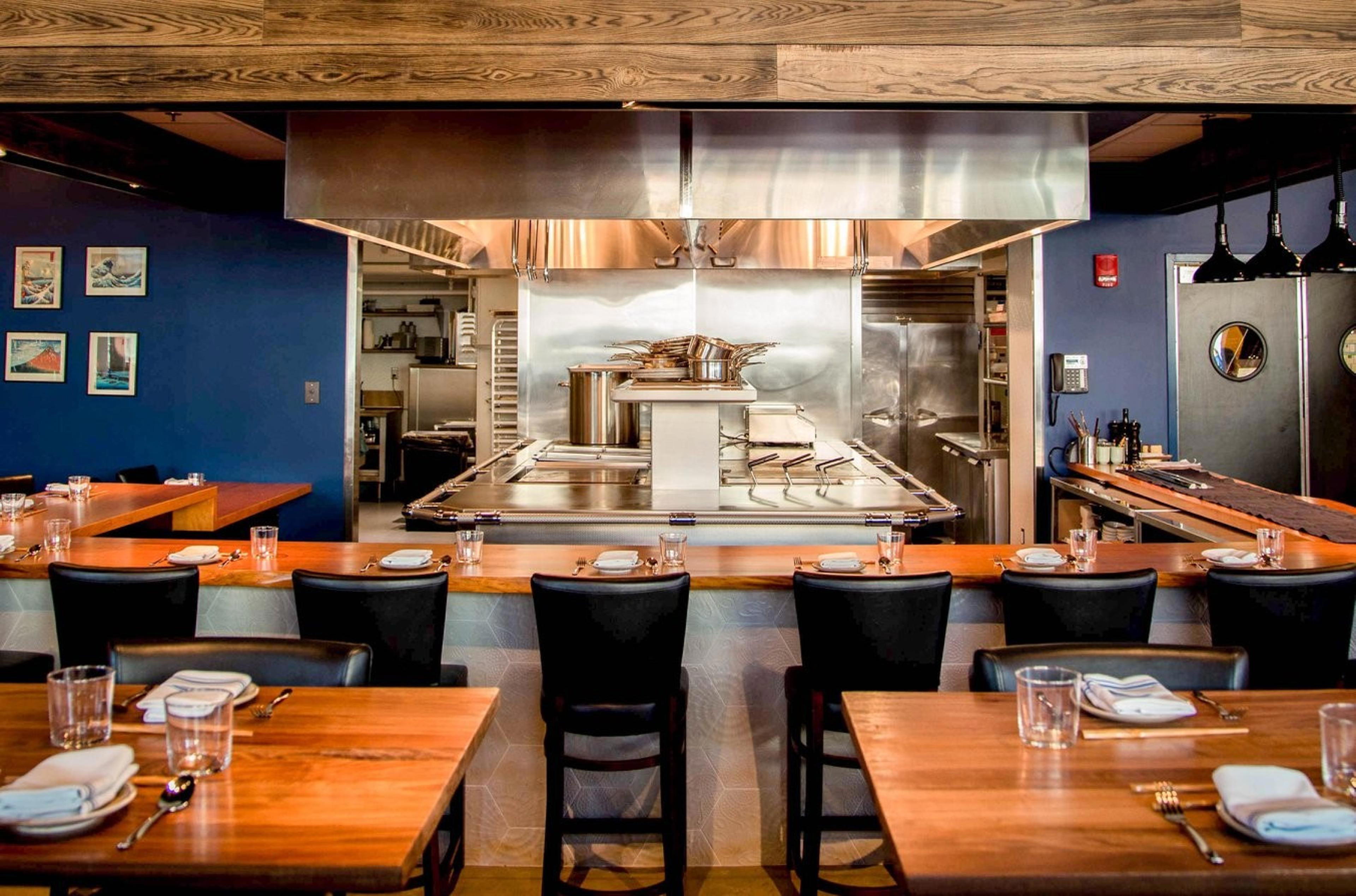
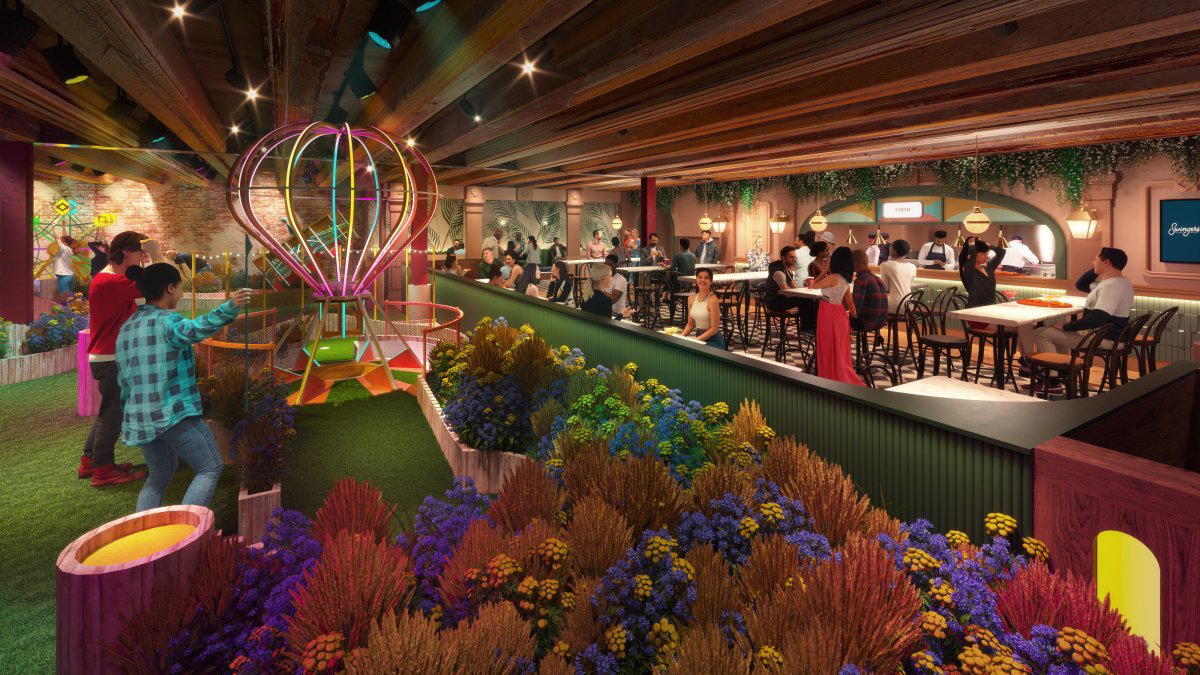
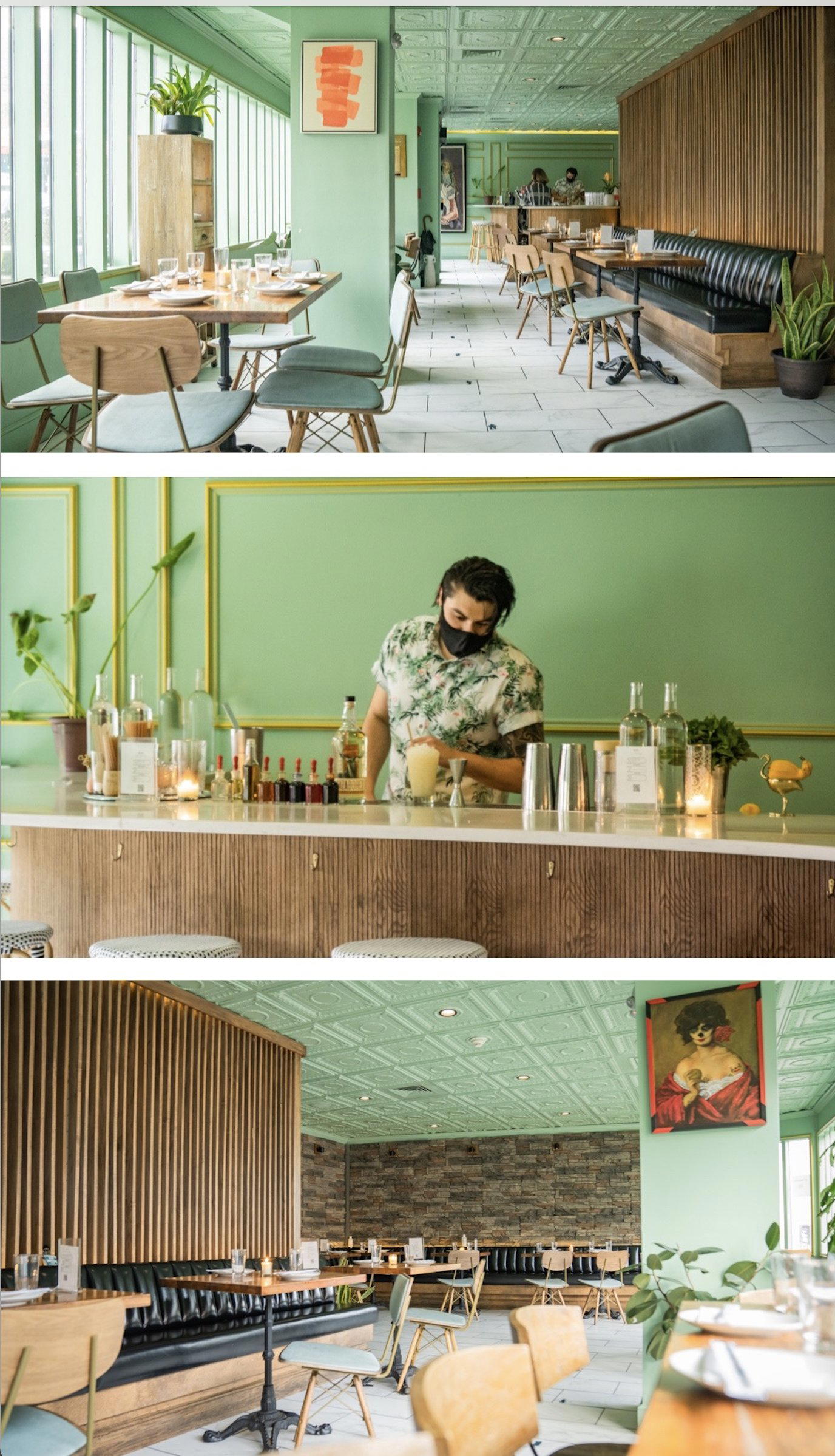
The interior at Tiger Mama functioned as the first editorial statement the restaurant made. In a city where formal dining rooms tend toward navy and white nautical restraint, or the warm wood tones of a steakhouse like Abe & Louie's, a Southeast Asian concept that leans into graphic warmth and kinetic energy occupies clear territory. The space signaled that ceremony had been deliberately set aside in favor of atmosphere that encouraged staying, drinking, and talking loudly. Tiger Mama is permanently closed.
This is not the intimate, low-capacity counter format that defines Boston's more reservation-intensive experiences. The city's omakase tier, represented by places like 311 Omakase, operates on an entirely different spatial logic: eight to twelve seats, controlled lighting, minimal surface noise. The restaurant's spatial argument runs in the opposite direction. A larger room, bar seating, and a layout that encourages multiple touchpoints across a meal rather than a linear progression through courses.
That spatial structure shapes the menu logic. Dishes are designed for sharing and lateral eating rather than sequential tasting. The Southeast Asian tradition that informs the kitchen, drawing from Thai, Vietnamese, and broader regional references, is inherently communal in its presentation grammar, and the room reflects that.
Where It Sits in Boston's Broader Scene
Boston has deepened its dining credentials considerably over the past decade, and the city's more ambitious rooms now draw comparisons to destinations like Agosto, the Portuguese-inflected chef's counter in the South End, or the technically precise Japanese work at 311 Omakase. These are high-concentration, low-capacity experiences where the kitchen-to-guest ratio is deliberately compressed.
The restaurant belongs to a different but equally legitimate tier. Southeast Asian cooking in the United States has, for much of the past two decades, been distributed between fast-casual pho and banh mi operations on one end and the occasional high-investment tasting menu format on the other. The middle range, where technically grounded cooking meets a social dining format at accessible price points, has been thinner. In Boston specifically, the Fenway location allows the restaurant to serve a demographic that the waterfront and Back Bay rooms don't reach as naturally.
The comparison set for the restaurant is less about peer restaurants in Boston and more about what the category looks like nationally. Sarma, the Turkish mezze room in Somerville, operates on similar principles of communal format and regional specificity without formal pretension. La Brasa brings analogous energy to Mexican cooking. These are restaurants where the kitchen has a genuine point of view and the room supports a particular kind of social experience rather than simply functioning as a delivery mechanism for food.
Southeast Asian Cooking in an American Context
The broader context for a restaurant like Tiger Mama is the ongoing negotiation between Southeast Asian culinary traditions and American dining expectations. Markets in Bangkok, Ho Chi Minh City, or Kuala Lumpur position this cooking as street-level, high-frequency, and inherently casual. Translating it into a sit-down American restaurant requires decisions about which registers to preserve and which to adapt.
Most successful American interpretations of Southeast Asian cooking, whether in New York, Los Angeles, or Boston, tend to preserve the flavor architecture while adjusting the pace and format for the table-service context. The cooking relies on layered sourness, heat, and aromatics in combinations that reward attentive eating. The technical investment required to execute those flavor profiles consistently at restaurant volume is genuinely high, which is why the category's middle tier has remained thin.
Nationally, the reference points for ambitious American interpretations of Asian cooking at this price tier include kitchens operating in a different register entirely, from the Korean tasting-menu precision of Atomix in New York to the produce-led American cooking at Blue Hill at Stone Barns. The restaurant's positioning is deliberately between those extremes: kitchen-serious without the formality that those experiences require.
Planning a Visit
The restaurant sat at 1363 Boylston Street in the Fenway neighborhood, accessible from the Kenmore or Fenway MBTA stops on the Green Line. The restaurant drew heavily on game nights and weekend evenings given its proximity to Fenway Park, which meant walk-in availability fluctuated significantly with the Red Sox schedule.
The format rewarded the approach of arriving with a group. The sharing-plate structure and cocktail program made it more naturally suited to three or four guests than to a solo dinner or a tightly timed pre-theater meal. The restaurant is permanently closed.
A Minimal comparable set
Comparable venues nearby, for context on price, style, and recognition.
| Venue | Cuisine | Price | Notes |
|---|---|---|---|
| Tiger MamaThis venue — the venue you are viewing | Not listed | $$ | Not listed |
| Hobgoblin | Not listed | $$ | Downtown Crossing, Thai-Inspired Gastropub |
| Cheeky Monkey Brewing Company | Not listed | $$ | Kenmore, American Brewpub with Global Street Food |
| The Bebop | Symphony, Irish Gastropub | $$ | Not listed |
| MIDA | Not listed | $$ | South End, Modern Italian Neighborhood Pasta |
| The Salty Pig | Not listed | $$ | Back Bay, Italian Charcuterie & Wood-Fired Pizza |
Continue exploring
More in Boston
Restaurants in Boston
Browse all →
Bars in Boston
Browse all →
Hotels in Boston
Browse all →
Wineries in Boston
Browse all →
At a Glance
- Lively
- Trendy
- Energetic
- Group Dining
- Casual Hangout
- Open Kitchen
- Craft Cocktails
Busy with energy, lively atmosphere featuring open kitchen, disco decor, and lively sharing-plate dining.