Sanbada

Sanbada brings wood-fired Korean cooking to Allston, one of Boston's most restaurant-dense neighborhoods outside the downtown core. The kitchen centers on wood-fired meats and fish paired with banchan, a format that sits between the casual Korean BBQ houses common to Greater Boston and the more refined Korean-inflected restaurants emerging across the city.
Pearl is the En Primeur Club membership app — saves, bookings, and concierge access live there. Same editors, same standards.
- Address
- 165 Brighton Ave, Allston, MA 02134
- Directions
- Get directions
 Saves & bookings on Pearl
Fire and Form in Allston
Brighton Avenue in Allston runs through one of Boston's most densely international dining corridors, a stretch where Vietnamese soup kitchens, Ethiopian injera houses, and Korean spots have operated side by side for decades. It is not a neighborhood that rewards theatrical design or precious plating. What it rewards is substance: cooking that earns repeat visits from a student-and-young-professional population that eats out constantly and has low tolerance for pretense. Sanbada occupies that environment at 165 Brighton Ave, and its format, wood-fired meats and fish served alongside banchan, positions it at a more considered point on the spectrum than the casual Korean BBQ grills that have long anchored the area.
Wood fire changes the terms of Korean meat cookery in ways that gas-burner tabletop grills cannot replicate. The temperature control is different, the char reads differently against fatty cuts, and the smoke becomes part of the flavor grammar rather than an afterthought. A handful of restaurants across the United States, particularly in Los Angeles and New York, have built serious reputations around this approach over the past decade. In Boston, where Korean dining has historically been concentrated in Koreatown-adjacent pockets and suburban enclaves, a wood-fire-centered Korean kitchen represents a less common format. That context matters when placing Sanbada within the city's broader dining pattern.
What the Space Communicates
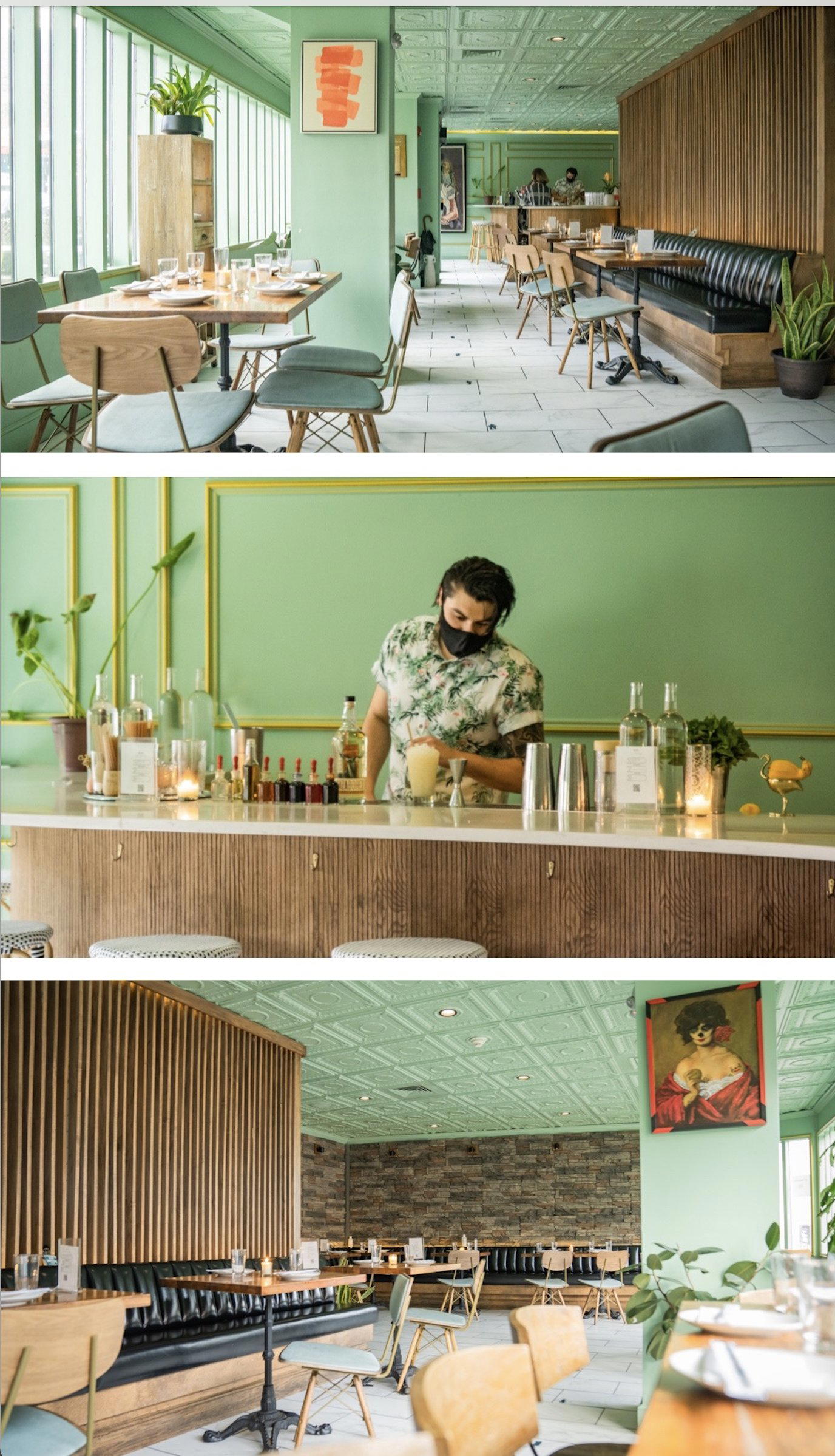
The editorial angle assigned to any serious assessment of Sanbada is the physical space itself, because the room communicates the restaurant's ambitions before a single dish arrives. Allston's dining rooms tend toward the functional: tiled floors, wall-mounted menus, fluorescent or warm-LED lighting with no particular intention behind it. A wood-fired kitchen, by contrast, requires a different infrastructure commitment. The ventilation system alone, necessary for managing smoke in a contained dining room, signals capital investment and operational seriousness. The presence of an open or semi-open fire source changes the sensory register of the entire room: the smell of charcoal or hardwood, the ambient warmth, the sound of active fire. These are design elements whether the operator intends them as such or not.
That sensory architecture pulls Sanbada away from the comparison set of grab-and-go Korean on the Avenue and toward a different tier of intentionality. For diners accustomed to the Agosto-style chef's counter format or the precision of 311 Omakase, the register will feel different but the underlying seriousness about technique and sourcing is comparable. The room does not need to be minimalist or architecturally provocative to communicate that seriousness. Fire does the communicating.
Banchan as Editorial Statement
The inclusion of banchan alongside wood-fired proteins is not decorative. In Korean culinary tradition, banchan are the context in which a centerpiece protein is experienced: fermented, pickled, and braised small dishes that modulate the meal's flavor arc, provide acid and textural contrast, and reflect the cook's range as clearly as the main event. Restaurants that treat banchan as an afterthought, arriving in factory-produced kimchi and a single spinach preparation, announce something about their priorities. Restaurants that invest in banchan tell you they understand the structure of the meal they are serving.
At a wood-fire-forward Korean restaurant, the banchan selection also functions as a bridge between tradition and the contemporary format. It anchors the meal in Korean culinary logic even as the wood-fire technique might attract diners drawn to parallels with live-fire restaurants in other traditions, whether South American asado-influenced kitchens or the wood-oven operations that have proliferated in American fine dining over the past fifteen years. For context, Lazy Bear in San Francisco helped normalize the communal, fire-centered tasting format in American dining; Single Thread Farm in Healdsburg applies Japanese kaiseki logic to California ingredients. Sanbada's approach, Korean structure with wood-fire execution in a neighborhood restaurant format, occupies its own position on that map.
Allston's Dining Position in Boston
Understanding what Sanbada is requires understanding where it operates. Allston is not the South End, where restaurants like Ama at the Atlas and Alcove draw a more destination-dining crowd. It is not the financial district, where Abe and Louie's steakhouse operates against a corporate expense-account backdrop. Allston functions as a neighborhood first and a dining destination second, which means a restaurant there needs to justify itself to locals on a weekly basis, not just to out-of-neighborhood visitors looking for an occasion meal.
That pressure tends to produce one of two outcomes: restaurants that default entirely to price-and-volume efficiency, or restaurants with genuine conviction that have chosen the neighborhood for reasons of rent, community, or philosophy rather than foot traffic from tourism or business dining. The wood-fire Korean format at Sanbada suggests the latter logic. The format requires more equipment, more operational attention, and more sourcing care than a standard gas-grill Korean BBQ setup. A restaurant does not install a wood-fire kitchen in Allston to coast.
Planning Your Visit
Sanbada is located at 165 Brighton Ave in Allston, accessible by the MBTA Green Line B branch (Harvard Ave stop is the closest practical option) or by car, with Allston's street parking requiring patience during evening hours. Given the format, a wood-fire kitchen with multiple proteins and a banchan spread, this is a meal that benefits from arriving unhurried and with at least two diners, which allows a broader range of the menu.
Price and Recognition
Comparable venues nearby, for context on price, style, and recognition.
| Venue | Cuisine | Price | Notes |
|---|---|---|---|
| SanbadaThis venue — the venue you are viewing | Union Square, Korean Wood-Fired | $$ | Not listed |
| Nowon Seaport | Not listed | $$ | South Boston Waterfront, Korean-American Gastropub |
| Jinjee | Allston, Korean BBQ | $$ | Not listed |
| Kingfish | Dining | Not listed | Not listed |
| Pauli's | Not listed | $$ | North End, Fast-Casual Italian Sandwiches & Lobster Rolls |
| Panza | North End, Traditional Italian | $$ | Not listed |
Recognition history
Dated appearances from independent guides and award organizations, with the underlying list record or original source where available.
Star Wine List
Star Wine List
Continue exploring
More in Boston
Restaurants in Boston
Browse all →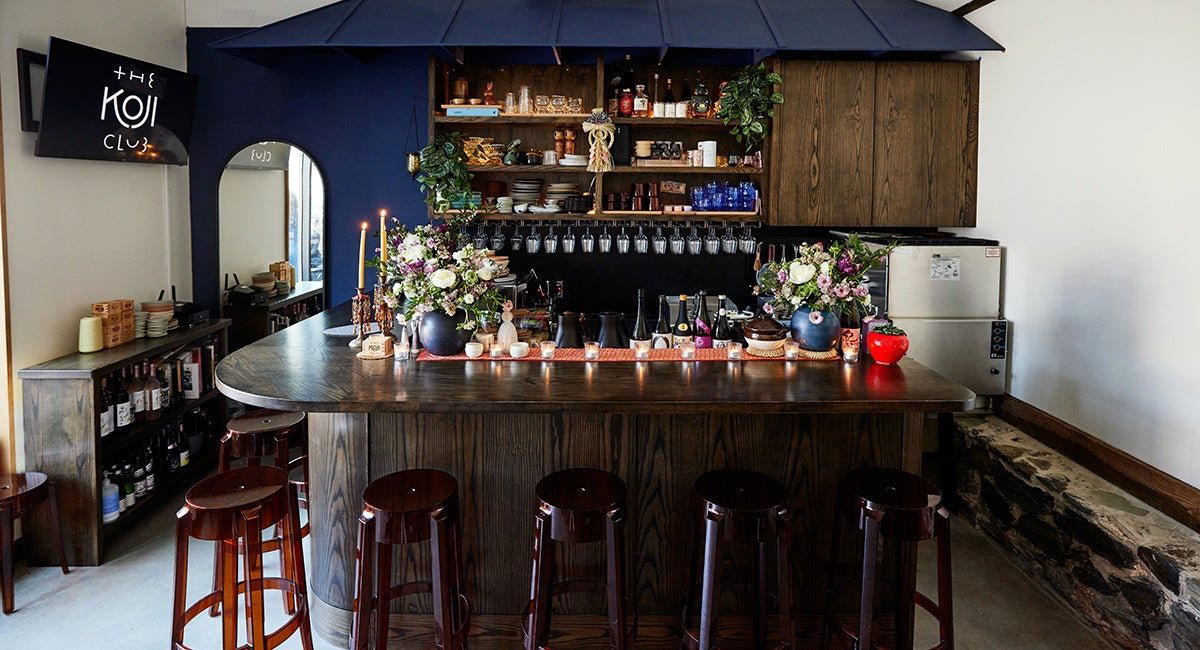
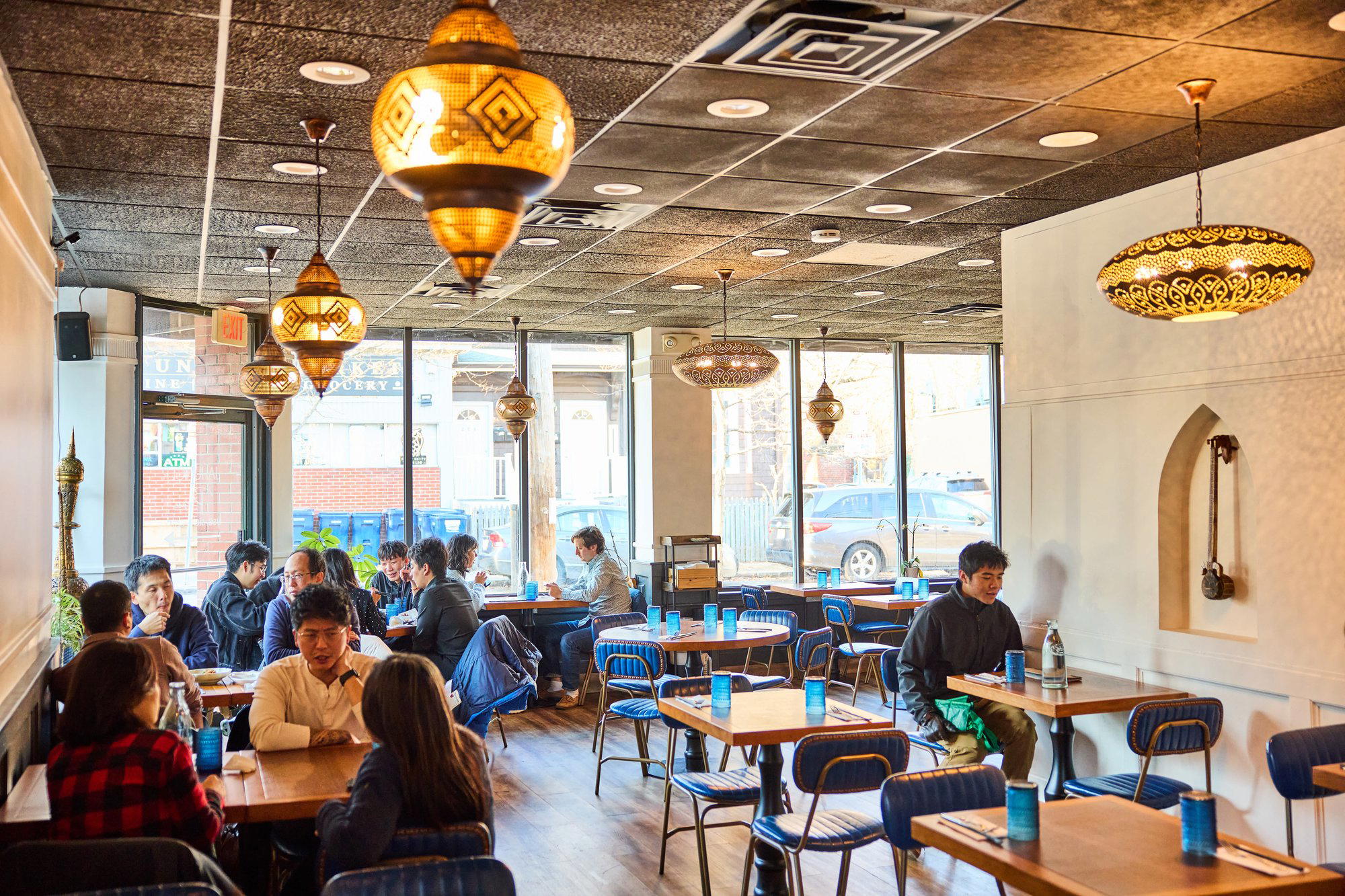
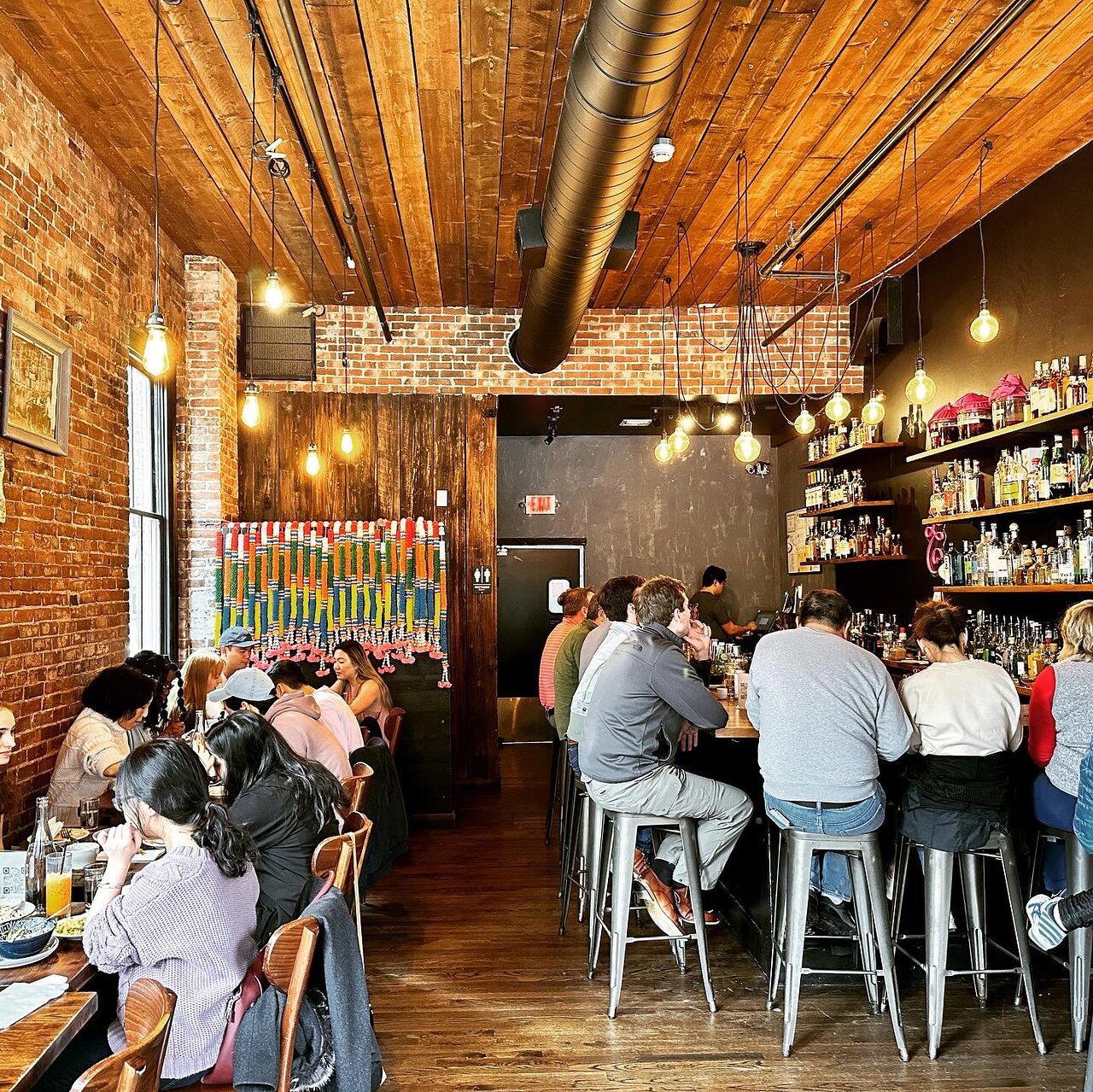
Bars in Boston
Browse all →
Hotels in Boston
Browse all →
Wineries in Boston
Browse all →
At a Glance
- Casual Hangout
- Open Kitchen
Current opening hours
- Monday
- 11 AM–10 PM
- Tuesday
- 11 AM–10 PM
- Wednesday
- 11 AM–10 PM
- Thursday
- 11 AM–10 PM
- Friday
- 11 AM–10 PM
- Saturday
- 11 AM–10 PM
- Sunday
- 11 AM–10 PM
Hours can change for holidays and private events. Last verified .