

Tabelog Silver #133
Our verdict
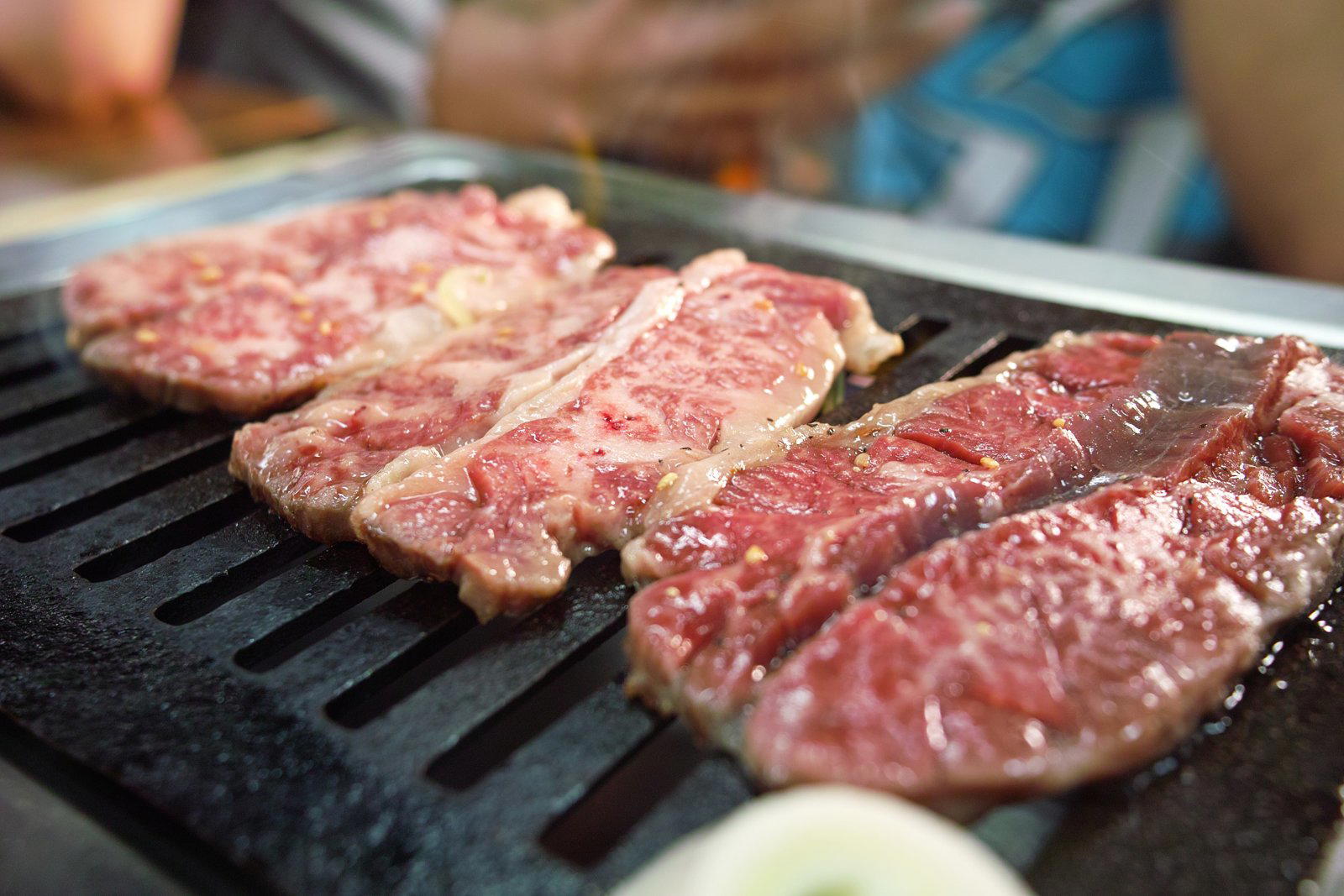
Sutamina-en puts Tokyo yakiniku in its old-school, queue-driven register rather than the polished Ginza beef-room mode. The Adachi address, no-reservations policy, 52-seat format, Tabelog Silver recognition, and OAD Japan ranking make it a serious study in grilled beef culture without the choreography of a tasting counter.

Pearl is the En Primeur Club membership app, where members save venues, book tables and use the concierge.
The menu
What to order
- Mixed Horumon
- Upper Tongue
- Premium Harami
That distinction matters. Sutamina-en sits in the last camp, with enough national attention to be a destination and enough local friction to stay grounded. Tabelog’s 2026 Silver Award, 4. Visitors often misread yakiniku as beef to grill at will. The diner controls part of the arc, but the restaurant’s category choices define the range. Tripe in the listed cuisine is not incidental; it signals a wider yakiniku vocabulary than steakhouse-style Wagyu worship. The meal rewards diners who like managing doneness, moving between textures, and letting the table build momentum. Chef Masanobu Toyoshima’s name is attached, but this is not chef mythology. The point is the format: reputation earned through repetition, queue pressure, and a compact grammar of beef and offal rather than a scripted tasting menu. Hours shape the experience. Monday, Thursday, and Friday run from late afternoon into night service; weekends and public holidays begin earlier. Tuesday and Wednesday closures compress the week and push demand into a narrower band. Published first-seating guidance is specific: around 14:00 on weekdays and around 13:00 on Saturdays and Sundays. Access depends less on luck than on respecting the restaurant’s rhythm.
The location reinforces that. The nearest rail options do not create the easy five-minute station-to-counter flow common in touristed neighbourhoods. Buses from Akabane, Jujo, and Nishi-Arai are part of the practical map; taxi planning is often cleaner than late improvisation. Parking behind the restaurant also signals its local dining pattern.
Payment and room logistics add old-school specificity. Cash is required, private rooms are not part of the format, and the room includes tatami seating and wheelchair accessibility. It is non-smoking inside, with an outside smoking area. Children of school age are welcome, placing it within family-and-friends yakiniku culture rather than hushed destination dining. Sake and shochu are part of the drinks language, and a sommelier is listed, unusual in a category where alcohol programs often receive less attention than beef sourcing. The Tabelog dinner budget is JPY 6,000 to JPY 7,999, while review-based spending bands run higher, so the final bill depends heavily on ordering style, group appetite, and drinks. That elasticity is common in yakiniku and part of the format.
The editorial case is strongest for diners who care about category depth. Serious yakiniku teaches sequence, heat, fat, offal, and restraint. Sutamina-en belongs on an itinerary for that lesson. It is less useful for diners who want a guaranteed seat, card payment, private-room quiet, or a central neighbourhood crawl.cafe in Osaka.know in Kumamoto, (Shoku) Vietnam in Kawasaki, [Curry Senmon Ten] Maruyama Kyoju. in Sapporo, and [ki:] in Kyoto, works better when approached through local format rather than generic cuisine labels.
For city planning, pair this with broader context rather than another demanding queue the same evening. Give this meal space: arrive early, bring cash, keep the party together, and treat the grill as the evening’s main event.
Frequently asked questions
When can I go to Sutamina-en?
Hours at Sutamina-en: Hours: Monday 4–10 pm Tuesday Closed Wednesday Closed Thursday 4–10 pm Friday 4–10 pm Saturday 3–10 pm Sunday 3–10 pm.
Where exactly is Sutamina-en?
Sutamina-en is located in Tokyo.
What type of food is Sutamina-en known for?
Sutamina-en serves Yakiniku cuisine.
What is Sutamina-en known for?
Sutamina-en is primarily known for Yakiniku in Tokyo.
Comparable venues nearby, for context on price, style, and recognition.
| Venue | Cuisine | Price | Awards | Notes |
|---|---|---|---|---|
| Sutamina-enThis venue (the venue you are viewing) | Traditional Yakiniku Specializing in Horumon | $50–100 | Tabelog Silver #133 | Not listed |
| Hayashi | Traditional Tonkotsu-Gyokai Ramen | $10–20 | Tabelog Bronze #104 | Suginami |
| Ginza Asami | Traditional Japanese Kaiseki | $20–30 | Michelin Plate | Chūō |
| Itto | Tsukemen Ramen | $10–20 | Tabelog Bronze #142 | Katsushika |
| Afuri | Modern Yuzu Ramen | $10–20 | Not listed | Chiyoda |
| Tomato | Japanese Curry | $30–50 | Tabelog Bronze #465 | Suginami |
Recognition history
Dated appearances from independent guides and award organizations, with the underlying list record or original source where available.
Opinionated About Dining Top Restaurants in Japan Ranked #50
Opinionated About Dining
Tabelog Silver #133
Tabelog
Full recognition history (7 entries)
Opinionated About Dining Top Restaurants in Japan Ranked #74
Opinionated About Dining
Tabelog Silver
Tabelog
Tabelog 100 #97 · No. 97
Tabelog · Tabelog 100 - Yakiniku - TOKYO - 2025
Opinionated About Dining Top Restaurants in Japan Ranked #90
Opinionated About Dining
Opinionated About Dining Top Restaurants in Japan Ranked #93
Opinionated About Dining
Continue exploring
More in Tokyo
Restaurants in Tokyo
All restaurants in Tokyo →
Bars in Tokyo
All bars in Tokyo →

Details
- Classic
- Cozy
- Group Dining
- Casual Hangout
- After Work
- Open Kitchen
- Sake Program
- A La Carte
- Small Plates
- Sake
- Shochu
Current opening hours
- Monday
- 4–9:30 PM
- Tuesday
- Closed
- Wednesday
- Closed
- Thursday
- 4–9:30 PM
- Friday
- 4–9:30 PM
- Saturday
- 3–9:30 PM
- Sunday
- 3–9:30 PM
Hours can change for holidays and private events. Hours as of .
Casual no-frills Showa-era nostalgic atmosphere with tatami seating, lively crowds, and smoky grills creating a homely, energetic vibe.