SuSu
On West Randolph Street, SuSu occupies a position that few Chicago steakhouses attempt: a menu architecture drawing simultaneously from Lebanese, Thai, and Japanese traditions, reframing the American steakhouse through a Mediterranean and Asian lens. The result is a restaurant where the bread table carries as much weight as the cut list, and where the supporting cast of flavors challenges the genre's conventional hierarchy.
Pearl is the En Primeur Club membership app — saves, bookings, and concierge access live there. Same editors, same standards.
- Address
- 652 W Randolph St, Chicago, IL 60661
- Phone
- (312) 248-8097
- Website
- susuchicago.com
- Directions
- Get directions
 Saves & bookings on Pearl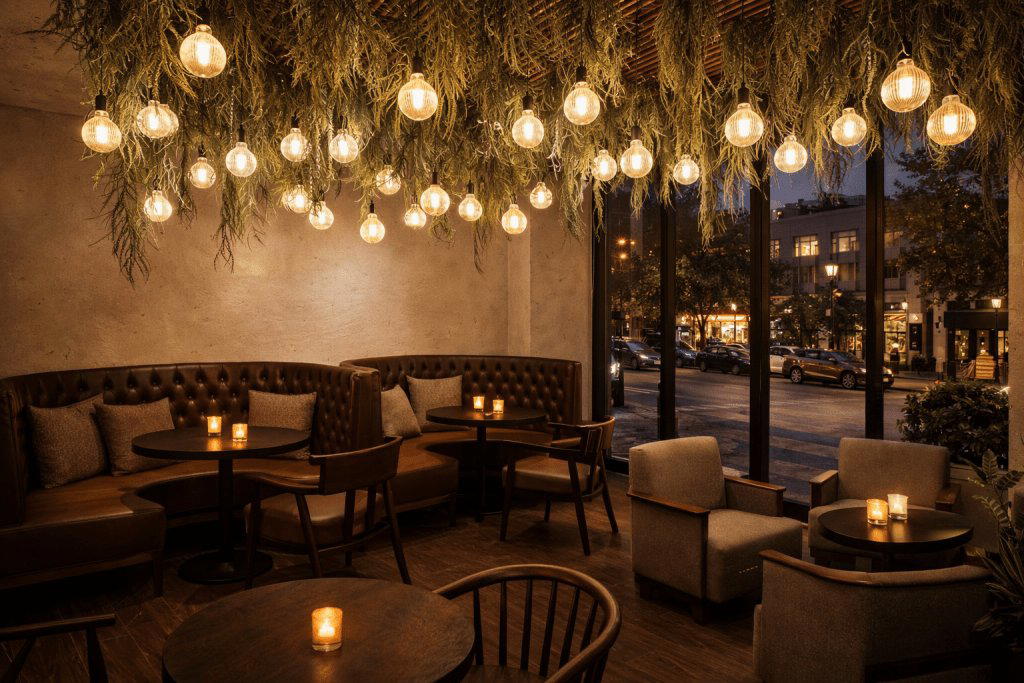
West Randolph and the New Grammar of the Chicago Steakhouse
Chicago's West Randolph Street corridor has, over the past decade, become the city's most concentrated stretch of serious restaurant ambition. Walk the block on any given evening and you move through a cross-section of what the American dining scene is working through right now: genre-blurring formats, kitchen lineages that span multiple continents, and a general refusal to let a single category define the experience. SuSu, at 652 W Randolph, fits that context precisely. It arrives at the steakhouse format from an oblique angle, using Lebanese, Thai, and Japanese references not as decoration but as structural decisions about how the meal is built and what the table looks like before a cut of beef ever arrives.
The steakhouse is among the more convention-bound formats in American dining. SuSu works from a different premise. Here, the carb foundation of the meal draws on traditions where flatbread is not a preamble but a vehicle, a utensil, and a flavor delivery system in its own right. That positioning places SuSu in a small category of American restaurants willing to challenge the steakhouse's internal logic rather than simply dress it in new clothing. For context on how the wider Chicago scene handles format experimentation, the city's progressive American tier, Alinea, Smyth, and Oriole, has long pushed at genre boundaries, but those kitchens tend to operate in fine-dining omakase or tasting-menu formats. SuSu is doing something different: asking the same questions inside a format that most people book when they want certainty.
The Bread Table as Argument
In Lebanese cooking, bread arrives first and stays through the meal. It mops sauces, carries dips, and keeps the table in a constant state of engagement between courses. In Thai cuisine, the analogous role is played by rice, but the underlying logic is the same: a neutral, absorptive base that connects the more assertive flavors on the table. Japanese steakhouse tradition handles this differently, relying on clean presentation and precision over layered accompaniment. SuSu's synthesis of these three reference points means that the bread component is genuinely argumentative. It is not there to fill time while you wait for the steak. It is making a case for how a steakhouse meal should feel: communal, tactile, and built on flavor interaction rather than the isolated contemplation of a single protein.
This approach has direct precedents outside the steakhouse format. The Lebanese-inflected Mediterranean table at its most thoughtful operates on the mezze principle: small, shareable dishes that build a meal laterally rather than vertically. Introducing that logic into a steakhouse context forces the menu to do more work in its early stages. It also sets an expectation for the diner: this is not a meal where you arrive, order a steak with a side, and leave. The table builds through a sequence that owes more to the Mediterranean sharing tradition than to the classic American steakhouse throughline.
Fusion as Architecture, Not Accent
The term "fusion" has accumulated enough baggage over the past thirty years that it obscures more than it explains. What distinguishes SuSu's Mediterranean and Asian framework from the more superficial cross-cultural borrowing that characterized 1990s fusion cooking is the level at which the influences operate. Thai flavors, for instance, tend to carry high contrast: sweet, sour, salty, and spicy in tension within a single dish. Japanese technique at the steakhouse level prioritizes precision in sourcing and preparation. Lebanese cuisine brings depth through spice combinations and slow-cooked bases. When these three traditions are working together at the level of flavor architecture rather than garnish, the result is a menu where each section reinforces the others. The beef does not sit in isolation from the preceding courses; it arrives into a palate already tuned to a specific set of contrasts.
Chicago has seen this kind of cross-cultural seriousness in other formats. Kasama applies Filipino culinary logic to a fine-dining framework with genuine depth. Next Restaurant has used format itself as the variable, cycling through different culinary traditions across seasons. The common thread is a willingness to let the source traditions set the rules rather than simply borrowing their aesthetics. SuSu's steakhouse context makes this harder, because the format carries stronger preconceptions than almost any other in American dining. Working against those expectations while remaining commercially legible in the West Randolph corridor is an editorial challenge as much as a culinary one.
Where SuSu Sits in the Chicago Dining Picture
West Randolph's restaurant density makes it among the more competitive dining stretches in the country. On a national scale, the restaurants that have most successfully reframed the steakhouse through international reference points have tended to cluster in New York, Los Angeles, and Miami, where multicultural dining literacy is higher and diners arrive with fewer fixed expectations. Chicago's dining culture is more accustomed to seriousness than to novelty for its own sake, which cuts both ways for a place like SuSu: the audience is receptive to quality, but skeptical of concept over substance.
For travelers building a Chicago itinerary around restaurants that are doing something formally interesting, SuSu belongs in conversation with the city's more experimental tier while remaining accessible in format.
On a broader American scale, the steakhouse-with-serious-cultural-ambition category is still finding its footing. SuSu is operating in a different register, one where the synthesis itself is the argument, and where the steakhouse format is the stage rather than the destination.
Planning Your Visit
SuSu is located at 652 W Randolph St in the West Loop, Chicago. The restaurant's cross-referencing of Mediterranean and Asian flavors with the steakhouse format makes it a reasonable anchor for a broader evening in the West Loop, where the surrounding blocks offer strong options for pre-dinner drinks and post-dinner bar time, detailed in our Chicago bars guide.
Peers You’d Cross-Shop
Comparable venues nearby, for context on price, style, and recognition.
| Venue | Cuisine | Price | Notes |
|---|---|---|---|
| SuSuThis venue — the venue you are viewing | MediterrAsian Steakhouse | $$$$ | Not listed |
| Nisos Prime | Mediterranean Steakhouse | $$$$ | West Loop |
| Butcher and the Bear | Modern Steakhouse Speakeasy | $$$$ | Lincoln Park |
| Tavern On Rush | Contemporary American Steakhouse | $$$$ | Gold Coast |
| Bazaar Meat - Chicago | Modern Steakhouse with Spanish Influences | $$$$ | Loop |
| Wildfire | Classic American Steakhouse | $$$ | River North |
At a Glance
- Elegant
- Sophisticated
- Lively
- Intimate
- Date Night
- Business Dinner
- Group Dining
- Celebration
- Special Occasion
- Late Night
- Private Event
- Private Dining
- Open Kitchen
- Design Destination
- Craft Cocktails
- Sake Program
- Extensive Wine List
- Corkage Allowed
Current opening hours
- Monday
- 4–10 PM
- Tuesday
- Closed
- Wednesday
- 4–10 PM
- Thursday
- 4–10 PM
- Friday
- 4–11 PM
- Saturday
- 4 PM–12 AM
- Sunday
- 3–9 PM
Hours can change for holidays and private events. Last verified .
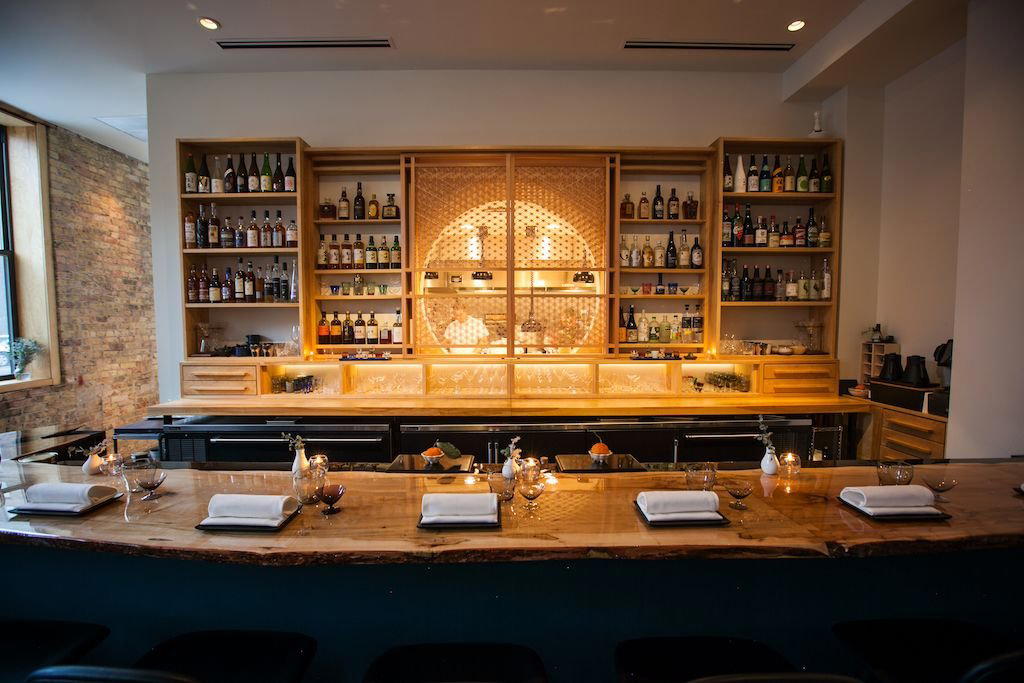
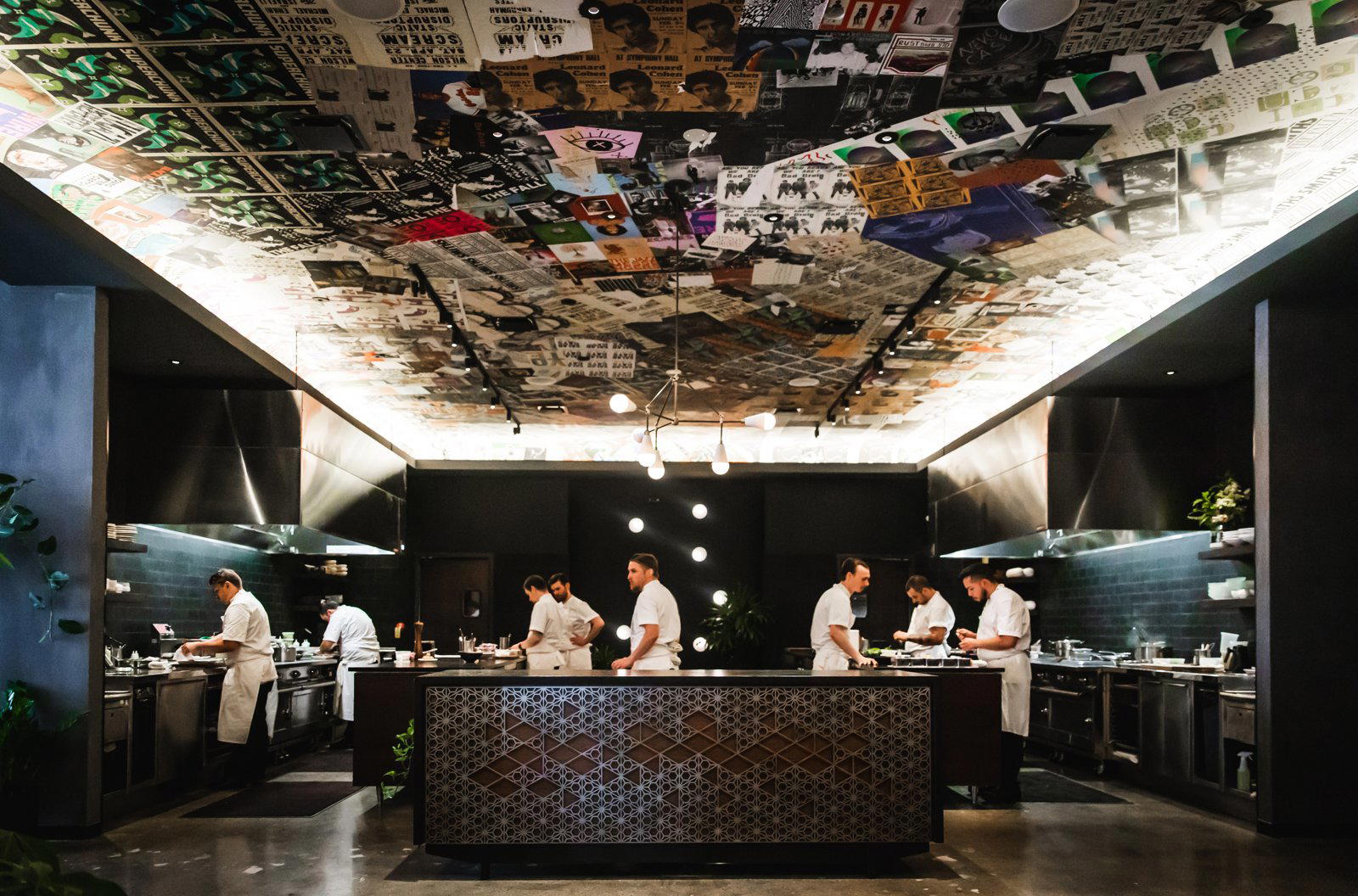
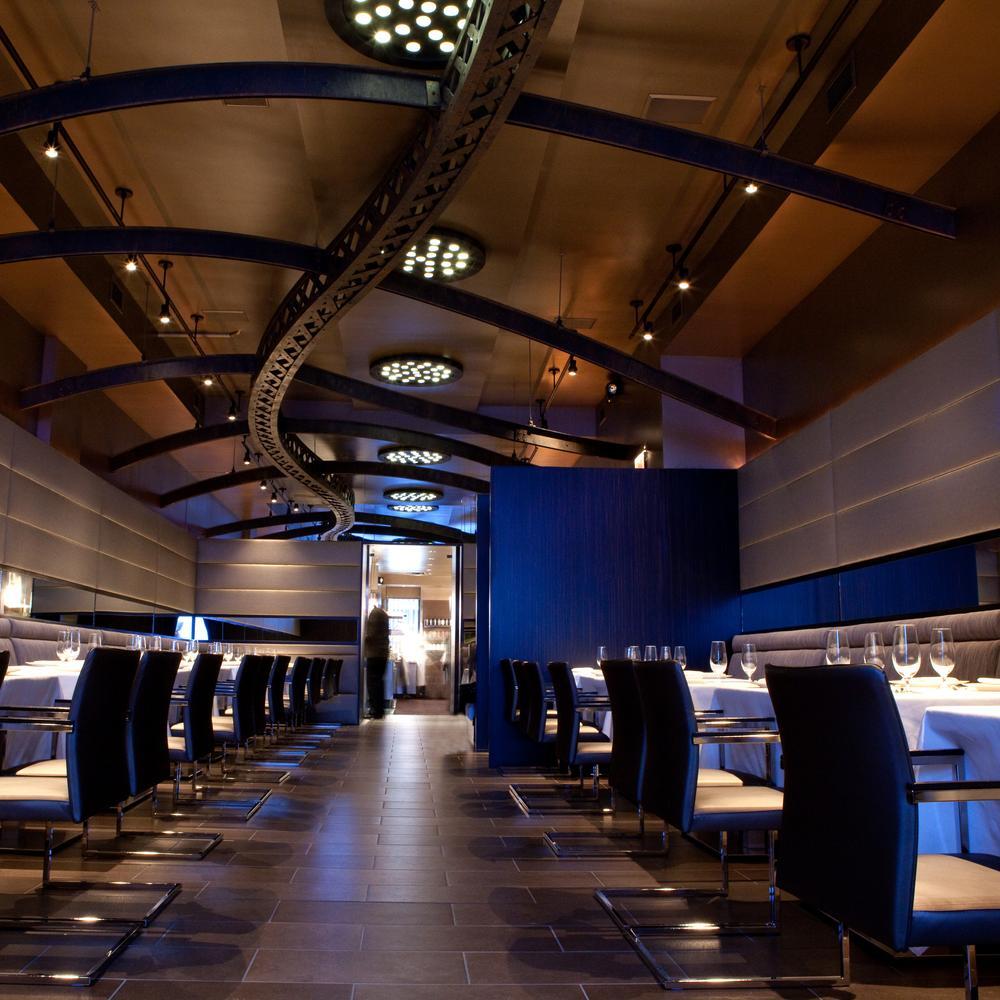
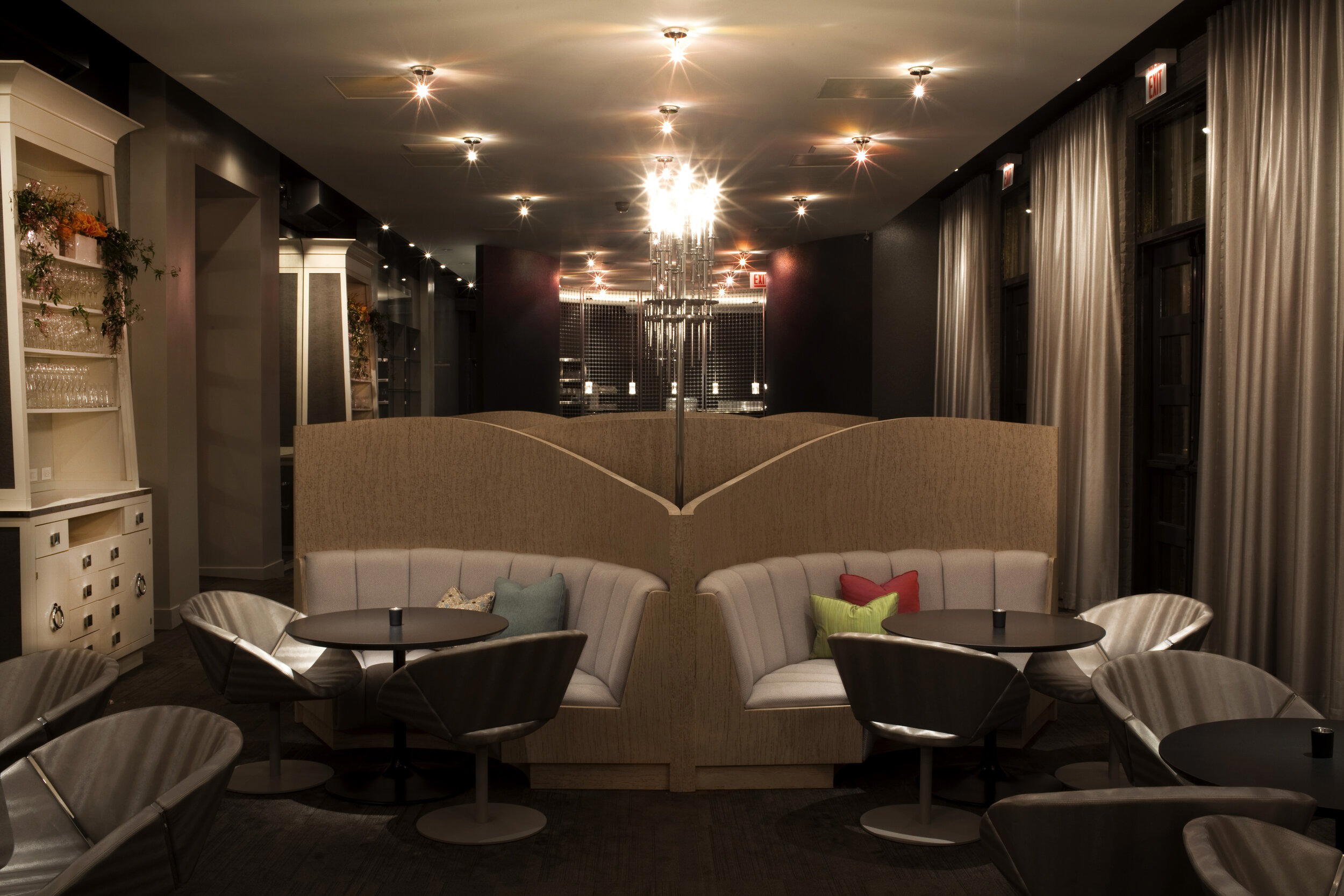
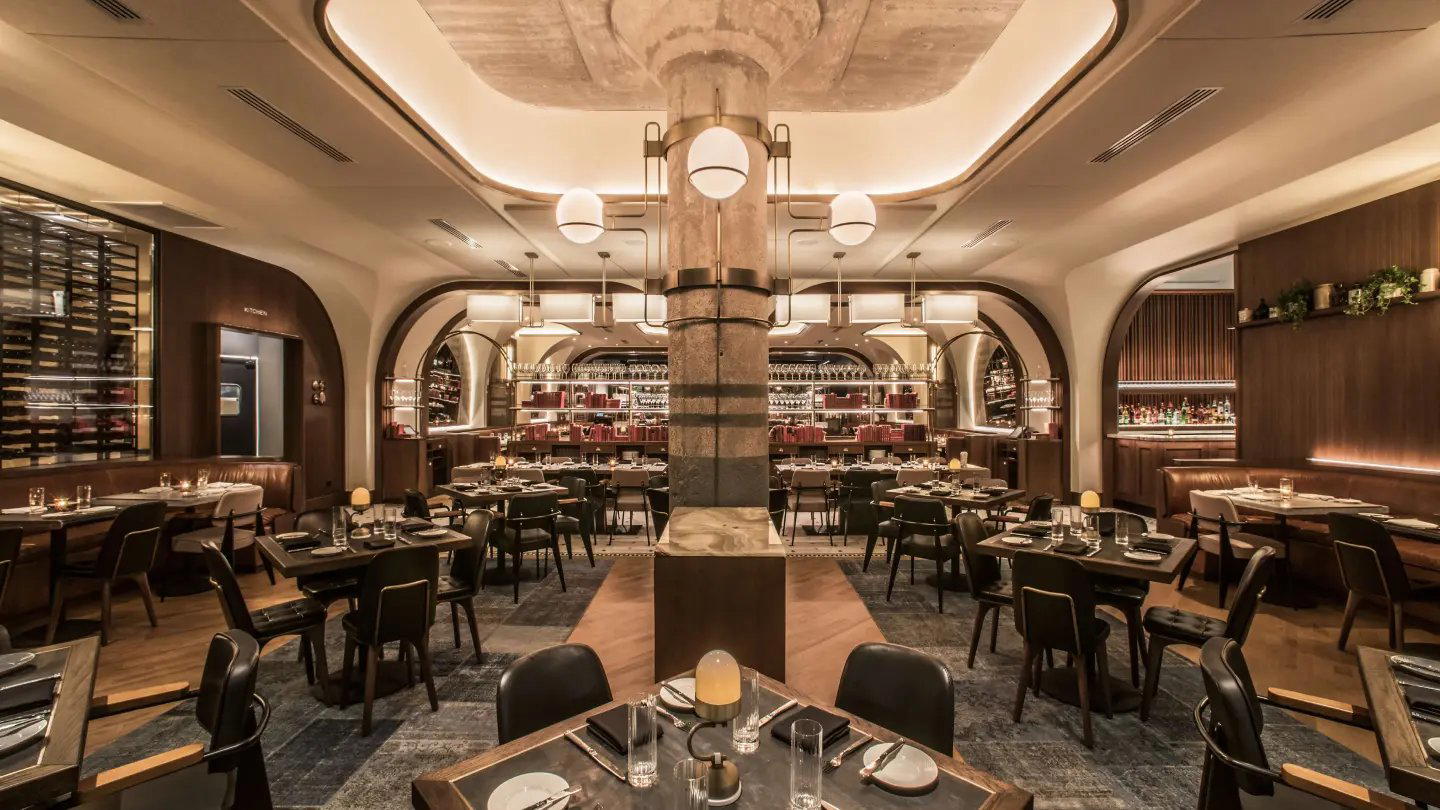
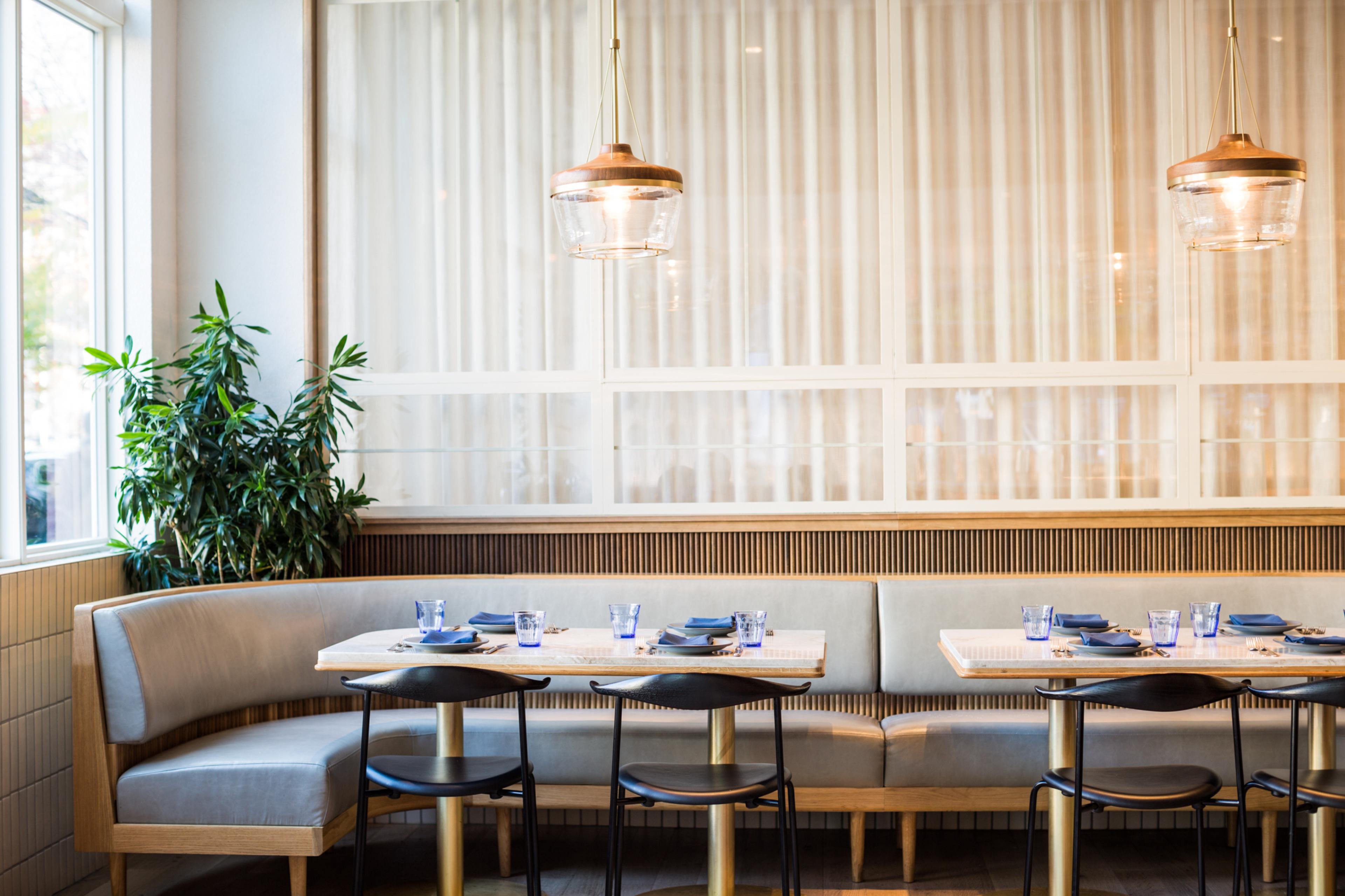
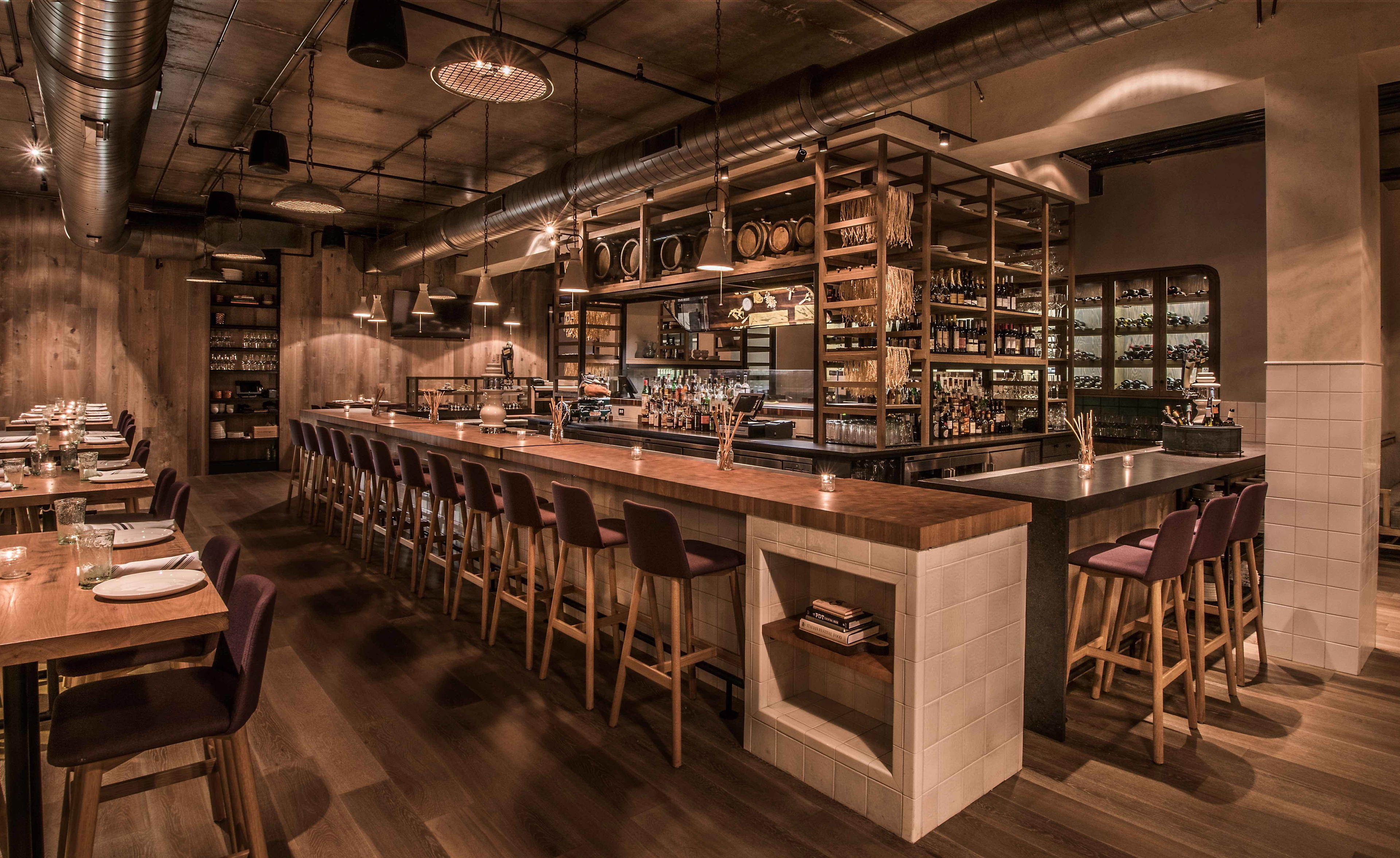
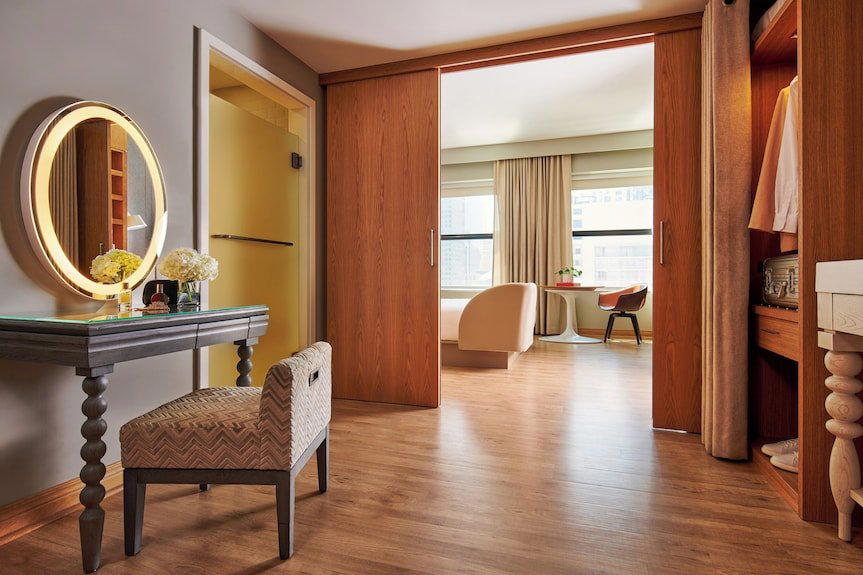
Warm interior with intimate banquettes, handcrafted wooden accents, detailed murals by local artist Won Kim, and wabi-sabi design that transitions from sophisticated fine dining to lively late-night destination as evening progresses.