Sushi Shin


Michelin Plate
Our verdict
Sushi Shin in Redwood City occupies a precise position in the Bay Area's omakase tier: recognized by both Michelin and Opinionated About Dining across multiple consecutive years, with OAD placing it among the top restaurants in Japan and Asia. Chef Shintaro Shin's counter draws serious sushi travelers willing to leave San Francisco proper for a dining room that earns its place on regional and international ranking lists.

Pearl is the En Primeur Club membership app, where members save venues, book tables and use the concierge.
The menu
What to order
- Monkfish liver
- Seared fatty tuna
- Santa Barbara uni
A Counter Worth the Drive South
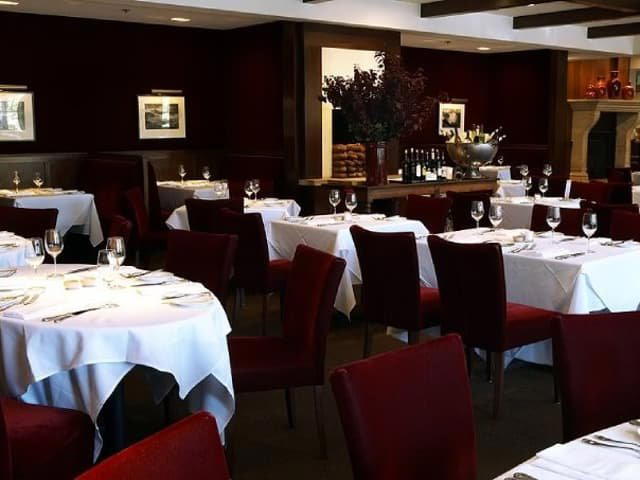
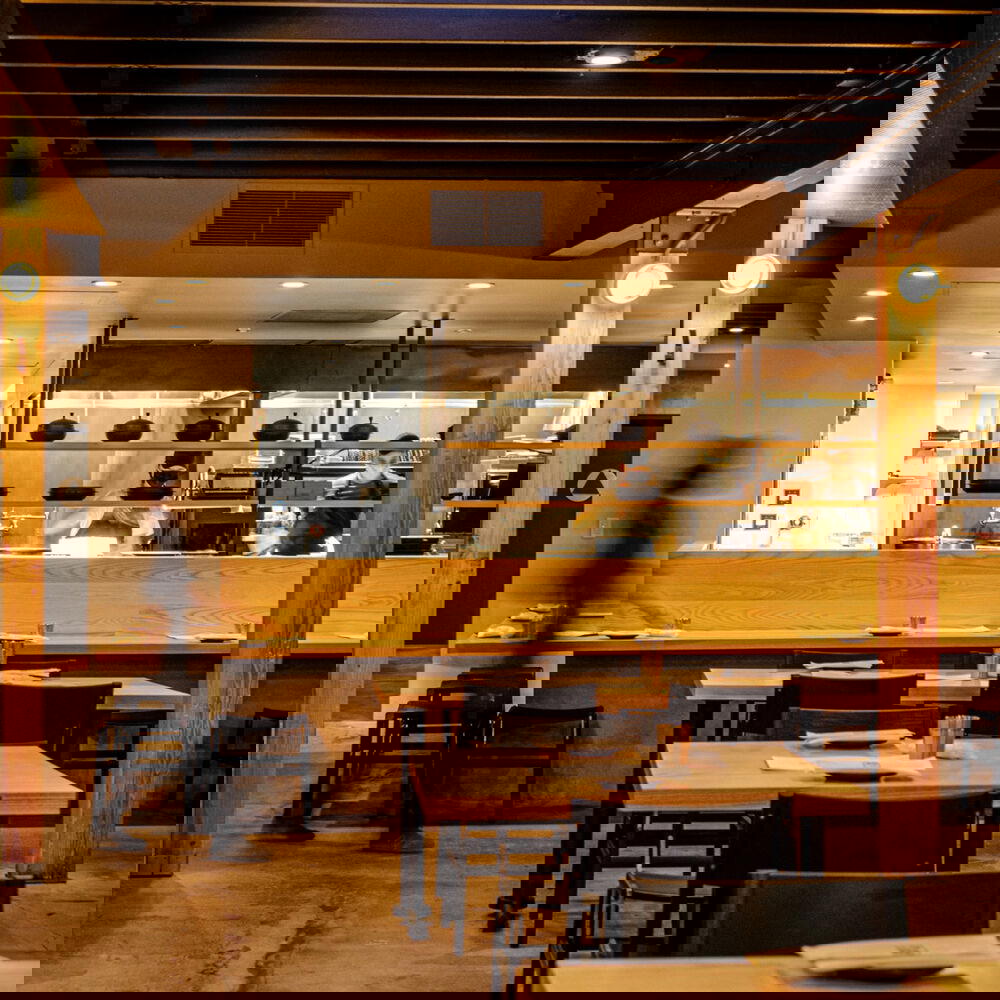
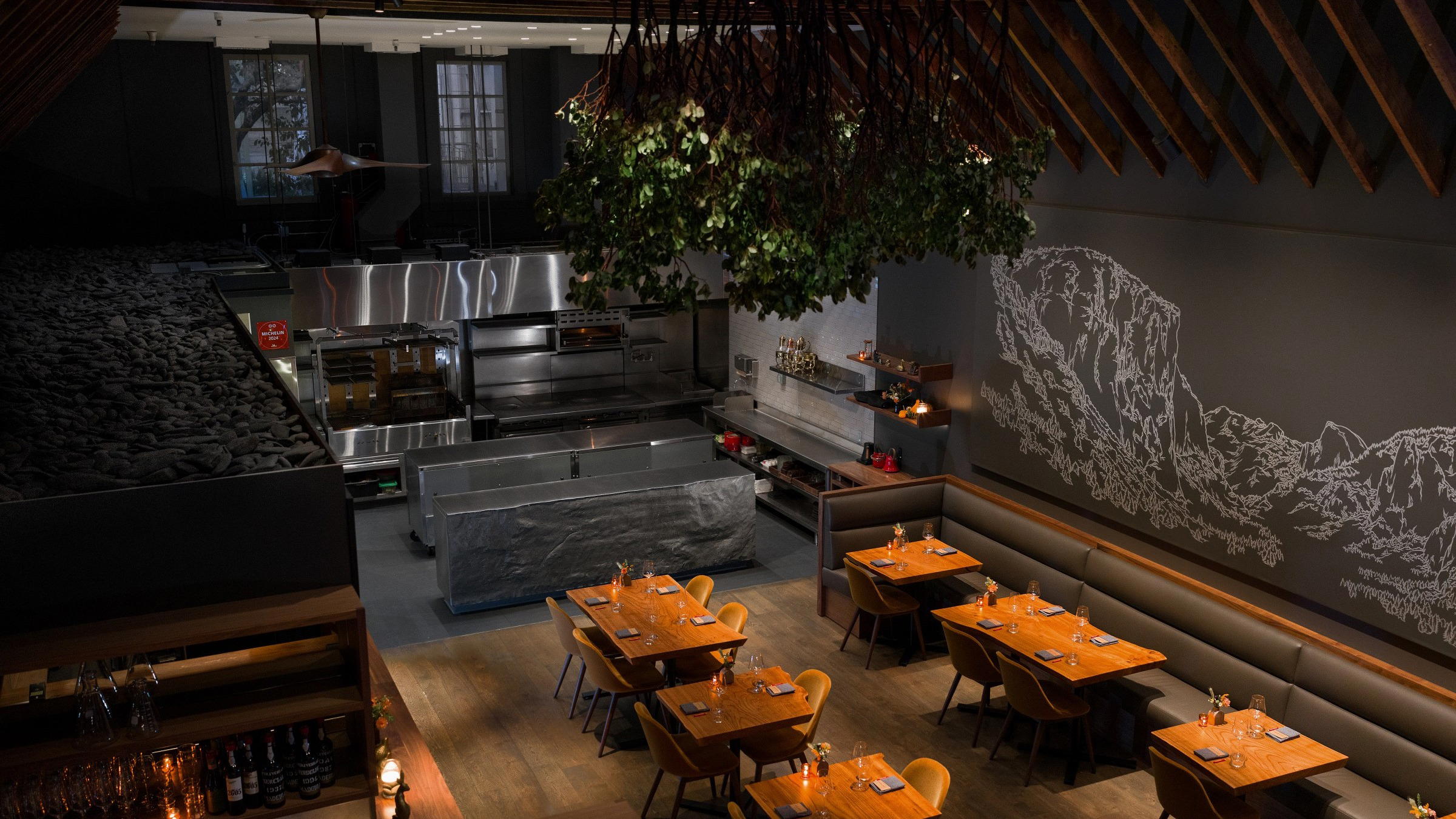
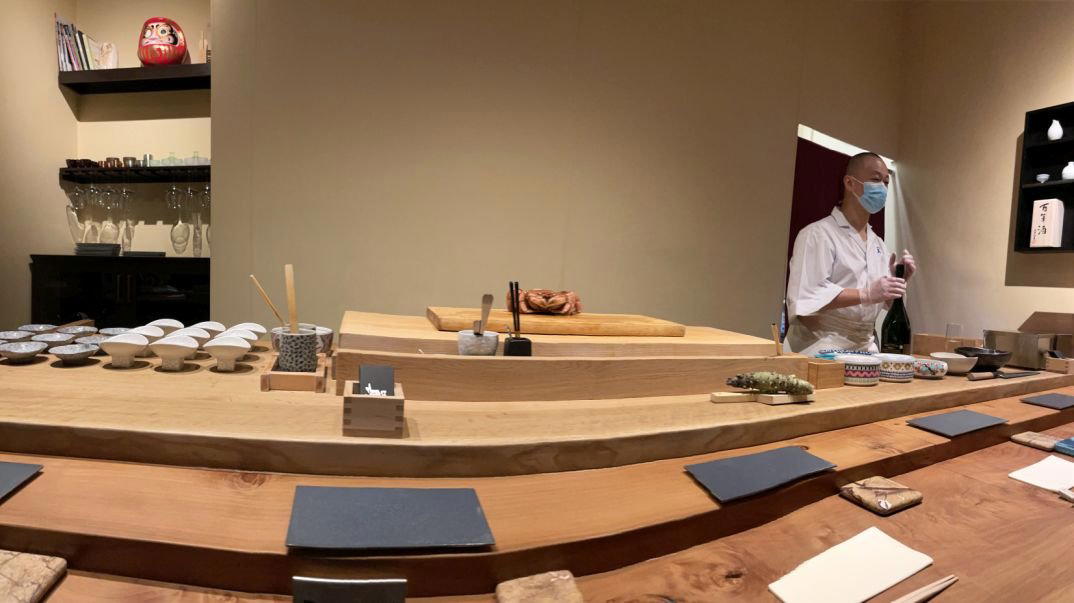
The Bay Area's premium omakase scene has long been anchored in San Francisco proper, where competition for counter seats at high-end Japanese restaurants runs parallel to the city's broader fine-dining density. Redwood City sits about 30 miles south on the Peninsula, and for most food travelers, that address would suggest a step down in ambition. Sushi Shin inverts that assumption. Peninsula dining rooms at this level tend to forgo the maximalist gestures of urban flagship restaurants. The format here aligns with the broader omakase tradition: intimacy over scale, the counter as the dominant architectural fact, the chef's preparation space as the theater. What you bring as a diner is attention.
Where Sushi Shin Sits in the Regional Omakase Market
San Francisco's premium sushi tier has grown more stratified over the past decade. The city now supports multiple omakase counters operating in the $$$$ bracket, the same price tier as Sushi Shin, alongside a wider population of mid-range Japanese restaurants. In that context, the awards record at Sushi Shin is the clearest signal of where it competes. The Michelin Plate recognition (2025) places it within the inspector-approved tier without reaching starred status, while Opinionated About Dining's rankings tell a more internationally comparative story: Leading Restaurants in Asia at #406 (2025) and Leading Restaurants in Japan at #364 (2025). The Japan ranking is particularly notable for a restaurant operating in California, since OAD's methodology aggregates votes from high-frequency diners globally and tends to reward technical precision over concept novelty.
For reference, the other $$$$ restaurants in San Francisco's fine-dining cohort, including progressive American formats like Lazy Bear and Saison, the French-Chinese synthesis at Nisei, and contemporaries like Quince and Atelier Crenn, share a price bracket with Sushi Shin but operate in fundamentally different culinary traditions. The comparison set that matters most for Sushi Shin isn't the city's tasting-menu scene broadly; it's the subset of Bay Area omakase counters tracking against Japanese standards, a peer group that includes venues like Delage. At that level of specificity, consistent OAD recognition across three consecutive years, 2023 Recommended, 2024 at #376 in Asia and #259 in Japan, 2025 at #406 in Asia and #364 in Japan, represents a stable position in a competitive international field.
The Role of Restraint and Sourcing at This Level
Sustainability arguments in premium Japanese cuisine are structurally different from the farm-to-table rhetoric that dominates California's broader fine-dining conversation. At the counter level, the relevant questions are about sourcing discipline: which fish markets, which fishing methods, what relationships with suppliers determine what arrives at the counter each day. Sushi Shin operates within a tradition where ingredient quality is the primary editorial statement, and where the chef's sourcing decisions, which species are in season, which are not, which suppliers meet the standard, constitute the menu's architecture.
This is a point worth making plainly: the sustainability story at a serious omakase counter isn't marketing language about local farms. It's embedded in the classical Japanese approach to seasonal availability, where serving a fish out of its natural window is considered a failure of craft rather than simply an environmental choice. That philosophy connects Sushi Shin to the broader tradition of restaurants tracked by OAD's Japan and Asia lists, venues like Myojaku in Tokyo and Azabu Kadowaki in Tokyo, where seasonality functions as a structural constraint, not a marketing positioning.
Among California's high-end dining options, Single Thread Farm in Healdsburg offers the most explicit farm-to-table integration at the fine-dining tier, while The French Laundry in Napa represents the Californian benchmark for ingredient-driven tasting menus. Sushi Shin's approach to sourcing sits within a different tradition, one where the supply chain runs through specialist fish markets rather than estate gardens, and where the chef's credibility is measured against Japanese rather than Californian culinary norms.
Chef Shintaro Shin and the Peninsula's Quiet Concentration of Serious Cooking
Chef Shintaro Shin's name appears in the OAD rankings as a credential rather than a biography. That's a narrow peer group. The broader Peninsula and South Bay Japanese dining scene includes capable neighborhood sushi, but the OAD Japan ranking in particular signals a precision level that places Sushi Shin in a different category from the area's general Japanese restaurant population.
San Francisco's Japanese restaurant scene spans a wide range, from the izakaya tradition represented by Izakaya Rintaro to the contemporary Japanese-American formats at Nisei, the wagyu-focused counter at Gozu, and the Berkeley-rooted Japanese cooking at Iyasare. Sushi Shin's position on the Peninsula means it operates slightly apart from that urban cluster, drawing a clientele that either lives in the area or travels specifically for the counter rather than combining the dinner with a broader San Francisco evening.
Planning Your Visit
Sushi Shin operates at the $$$$ price tier, consistent with omakase counters at this recognition level across the Bay Area.
| Venue | Cuisine | Price Tier | Location | Key Recognition |
|---|---|---|---|---|
| Sushi Shin | Japanese Omakase | $$$$ | Redwood City (Peninsula) | Michelin Plate 2025; OAD Leading Asia & Japan 2023–2025 |
| Delage | Japanese | $$$$ | San Francisco | See EP Club profile |
| Nisei | Japanese-American | $$$$ | San Francisco | See EP Club profile |
| Benu | French-Chinese/Asian | $$$$ | San Francisco (SoMa) | Three Michelin Stars |
For broader planning across the city, see our full San Francisco restaurants guide, our full San Francisco hotels guide, our full San Francisco bars guide, our full San Francisco wineries guide, and our full San Francisco experiences guide. If you're extending the trip nationally, comparable fine-dining reference points include Le Bernardin in New York City, Alinea in Chicago, Providence in Los Angeles, and Emeril's in New Orleans.
Frequently asked questions
What's Sushi Shin's location?
Sushi Shin is located at 312 Arguello St, Redwood City, CA 94063, San Francisco.
What should I expect cuisine-wise at Sushi Shin?
What kind of recognition has Sushi Shin received?
Sushi Shin has received recognition including: Opinionated About Dining Top Restaurants in Japan Ranked #364 (2025); Opinionated About Dining Top Restaurants in Asia Ranked #406 (2025); Michelin Plate (2025); Opinionated About Dining Top Restaurants in Asia Ranked #376 (2024); Opinionat….
What's the must-try dish at Sushi Shin?
Specific menu items are not published, which is consistent with how most serious omakase counters operate: the chef determines the progression based on the day's sourcing. At the $$$$ price tier with back-to-back OAD recognition in both 2023, 2024, and 2025, the full omakase sequence is the point, ordering around it isn't the format.
How much does it cost to eat at Sushi Shin?
Pricing at Sushi Shin is listed as $$$$.
Who is the chef at Sushi Shin?
The chef associated with Sushi Shin is Shintaro Shin.
Is Sushi Shin reservation-only?
Omakase counters at this recognition level, Michelin Plate 2025, OAD Top Restaurants in Asia ranked #406, operate by reservation as a structural requirement, not a policy choice. Walk-in seats are not a realistic expectation; check the venue's official channels at 312 Arguello St, Redwood City to confirm booking procedures.
Credentials Lens
| Venue | Cuisine | Price | Awards | Notes |
|---|---|---|---|---|
| Sushi ShinThis venue (the venue you are viewing) | Edomae-Style Omakase | $200–300 | Michelin Plate | Not listed |
| Lazy Bear | Modern American Tasting Menu | Not listed | 2 Michelin Stars · World's 50 Best #25 | Progressive American, Contemporary |
| Benu | Modern Asian Fusion Fine Dining | $150–200 | 3 Michelin Stars · World's 50 Best #33 | French - Chinese, Asian |
| Atelier Crenn | Contemporary French Fine Dining | $300–500 | 3 Michelin Stars · World's 50 Best #44 | Modern French, Contemporary |
| Quince | Modern French Fine Dining | $300–500 | 3 Michelin Stars · World's 50 Best #48 | Italian, Contemporary |
| Saison | Modern French-Italian | Not listed | Michelin Plate | Progressive American, Californian |
Recognition history
Dated appearances from independent guides and award organizations, with the underlying list record or original source where available.
Michelin Plate
Michelin · 2026 Michelin Plate
Opinionated About Dining Top Restaurants in Asia Ranked #406
Opinionated About Dining
Full recognition history (7 entries)
Michelin Plate
Michelin
Opinionated About Dining Top Restaurants in Japan Ranked #364
Opinionated About Dining
Opinionated About Dining Top Restaurants in Asia Ranked #376
Opinionated About Dining
Opinionated About Dining Top Restaurants in Japan Ranked #259
Opinionated About Dining
Opinionated About Dining Top Restaurants in Asia Recommended
Opinionated About Dining