Sushi Seki

Our verdict
Sushi Seki on West 23rd Street has built a steady presence in New York's serious omakase conversation, earning consecutive Opinionated About Dining recognition including a North America ranking of #304 in 2025. Chef Seki Shi runs a counter-format operation open six evenings a week until 12:30 am, placing it among the few high-calibre sushi destinations that genuinely accommodate late-night sittings in Chelsea.

Pearl is the En Primeur Club membership app, where members save venues, book tables and use the concierge.
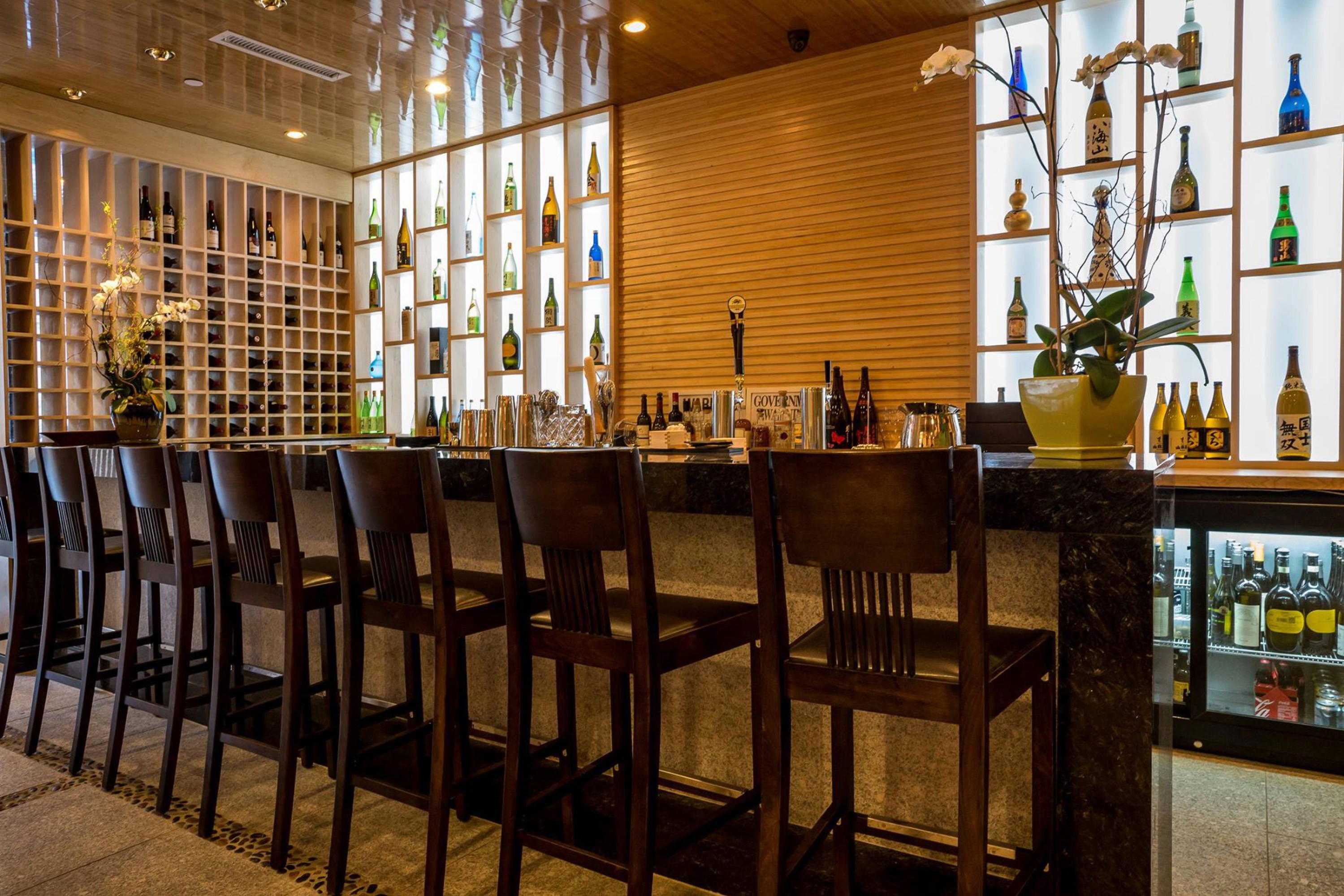
The menu
What to order
- Omakase
- Salmon with tomato
- Yellowtail with jalapeño
- Fatty tuna
Chelsea's Late Counter and the Calendar That Shapes It
New York's sushi scene has always sorted itself by time as much as by tier. The midtown grand formats close early and book weeks out; the downtown omakase counters operate on invitation-only rhythms. Chelsea has sat at the edge of that conversation for years, and Sushi Seki at 208 West 23rd Street represents what happens when a serious counter operates on a different clock entirely, open until 12:30 am Tuesday through Saturday, and on Mondays too. That closing time is not incidental. It positions the restaurant inside a small cohort of credentialed sushi destinations that can absorb a late booking, a post-theatre arrival, or a dinner that begins at ten and runs without pressure.
The case for treating Sushi Seki as a seasonal destination rather than a static one mirrors the broader logic of Japanese sushi tradition, where what the chef can do in March is genuinely different from what is possible in August or November. Edomae technique, the style that shaped New York's most serious counters, was built around the Edo Bay calendar, and while the fish now arrives from a global supply chain rather than local waters, the underlying seasonality argument holds. A counter like this tracks what is optimal in the market at a given moment, and the omakase format exists precisely to hand that decision to the kitchen.
Where It Sits in New York's Omakase Hierarchy
New York's premium sushi segment has compressed toward a smaller, more expensive tier over the past decade. At the top of that bracket, counters like Joji and Shion 69 Leonard Street operate on strict omakase formats with seasonal menus priced to compete with the city's four-star tasting rooms. Bar Masa occupies the accessible flank of the Masa operation in Columbus Circle. Sushi Seki, with an Opinionated About Dining North America ranking of #304 in 2025 (up from #334 in 2024, and recommended without a numerical ranking in 2023), sits in a credible mid-to-upper tier that is not competing on ceremony or price spectacle but on consistent technical execution and the kind of omakase flexibility that a broader range of guests can actually plan around.
That OAD trajectory, recommended, then ranked, then climbing, matters as a trust signal because OAD rankings are crowd-sourced from working food professionals and heavy travellers rather than anonymous reviewers. For comparison, New York's highest-rated sushi destinations sometimes protect their ratings partly through a selective booking process. Sushi Seki's score across a larger general audience suggests something more durable.
For a different calibre of reference outside New York, the seasonal discipline seen at counters like Harutaka in Tokyo or Sushi Shikon in Hong Kong illustrates what the omakase calendar looks like at its most rigorous. Sushi Seki operates within the same tradition, at a different price point and within a very different city context.
The Seasonal Argument: Why Timing Your Visit Matters
In Japanese fish-market logic, the year divides into arrival windows for specific species. Winter brings the peak of fatty tuna, the fish that has been building through the cold months, as well as shirako (cod milt) and snow crab, ingredients that rarely appear in summer menus. Spring marks the transition: sawara (Spanish mackerel) and hamaguri clams arrive as cold-water species taper off. Summer shifts toward lighter, faster fish: shiro ika (squid), anago, and the type of uni that benefits from warm-water production along Japan's coastlines. Autumn re-introduces depth: sanma (Pacific saury), katsuo (bonito) in its second run, and the early signs of the winter fatty-fish cycle beginning again.
A counter running a genuine seasonal omakase will reflect these shifts. Visiting Sushi Seki in January and returning in July should produce materially different meals, not because the kitchen has changed its approach, but because the market has changed what is worth serving. Guests who visit once in peak summer and once in deep winter are effectively eating at two different restaurants. For omakase at this level, that is a feature rather than an inconsistency.
The late-night hours add another temporal dimension that is specific to New York rather than to the omakase tradition in general. The 12:30 am closing time means the kitchen is running serious service when most of the city's high-end restaurants have already closed. That is a logistical fact with real implications: Sushi Seki is available to people who work late, who finish another dinner and want to continue, or who simply prefer their leading meals to begin after nine. That window is essentially uncontested at this quality tier in Chelsea.
Chef Seki Shi and the Counter Format
Chef Seki Shi leads the kitchen. That kind of incremental improvement across three consecutive assessment cycles is more meaningful than a single strong year.
The format is dinner-only, six nights a week. Sunday is the single dark night. The address on West 23rd Street places it within walking distance of the High Line and the broader Chelsea gallery district, which means the neighbourhood context is arts-adjacent rather than financial-district heavy. The guest mix will differ from a Midtown counter that feeds finance tables on expense accounts.
New York Sushi in a National Frame
New York's omakase scene competes on a national level with cities that have developed their own serious Japanese dining cultures. The broader American picture includes high-format tasting rooms across categories: The French Laundry in Napa, Alinea in Chicago, Lazy Bear in San Francisco, Providence in Los Angeles, and Emeril's in New Orleans all represent their cities' most recognised fine-dining addresses. Within sushi specifically, New York remains the deepest American market for counter dining, and Sushi Seki's OAD placement in the top 310 in North America for 2025 puts it in a genuinely competitive bracket.
For guests building a broader New York itinerary, the city's sushi counter scene sits alongside other demanding categories. Sushi Sho and Blue Ribbon Sushi represent different price points and formats within the same tradition. Across the full city dining picture, our full New York City restaurants guide maps the broader field. For accommodation near Chelsea, our New York City hotels guide covers the range of options. After dinner, especially given the late closing time, the bars guide and experiences guide extend the evening. For completeness, the wineries guide covers the city's wine-adjacent options for daytime planning. For international sushi context alongside counters like Single Thread Farm in Healdsburg, the global frame helps calibrate expectations.
Planning Your Visit
Hours: Monday through Saturday, 5:00 pm to 12:30 am; closed Sunday. Address: 208 West 23rd Street, New York, NY 10011. Booking: No booking method is confirmed in available data; contact directly or check current reservation platforms for availability. Dress: No dress code is specified in available data; counter sushi at this tier typically calls for smart-casual at minimum. Budget:
Frequently Asked Questions
at Sushi Seki?
The counter runs an omakase format under Chef Seki Shi, which means ordering decisions sit with the kitchen rather than the guest. The OAD North America ranking (#304 in 2025) reflects the strength of that format as a whole rather than any single dish. Given the kitchen's seasonal orientation, implicit in the omakase structure, the honest answer is that what is worth eating depends on when you visit. Winter sittings will reflect cold-weather market arrivals: fattier fish, richer preparations. Summer shifts to lighter species. The format is designed so that the kitchen's leading available work on a given night is what arrives in front of you. Guests with specific preferences or dietary requirements should note them at the time of booking.
Comparable Spots
A quick peer reference to anchor this venue in its category.
| Venue | Cuisine | Price | Awards | Notes |
|---|---|---|---|---|
| Sushi SekiThis venue (the venue you are viewing) | Japanese Omakase | $150–200 | Not listed | Not listed |
| Le Bernardin | French Seafood Fine Dining | $300–500 | 3 Michelin Stars · World's 50 Best #13 | French, Seafood |
| Atomix | Modern Korean Tasting Menu | $300–500 | 2 Michelin Stars · World's 50 Best #7 | Modern Korean, Korean |
| Masa | Seasonal Hokkaido Tempura Omakase | $150–200 | Tabelog 100 #34 | Sushi, Japanese |
| Per Se | French Fine Dining Tasting Menu | $300–500 | 3 Michelin Stars · World's 50 Best #40 | French, Contemporary |
| Eleven Madison Park | Contemporary Plant-Based Fine Dining | $300–500 | 3 Michelin Stars · World's 50 Best #4 | French, Vegan |
Recognition history
Dated appearances from independent guides and award organizations, with the underlying list record or original source where available.
Opinionated About Dining Top Restaurants in North America Ranked #304
Opinionated About Dining
Full recognition history (3 entries)
Opinionated About Dining Top Restaurants in North America Ranked #334
Opinionated About Dining
Opinionated About Dining Top Restaurants in North America Recommended
Opinionated About Dining
Continue exploring
More in New York City
More from Chef Seki Shi
Browse all →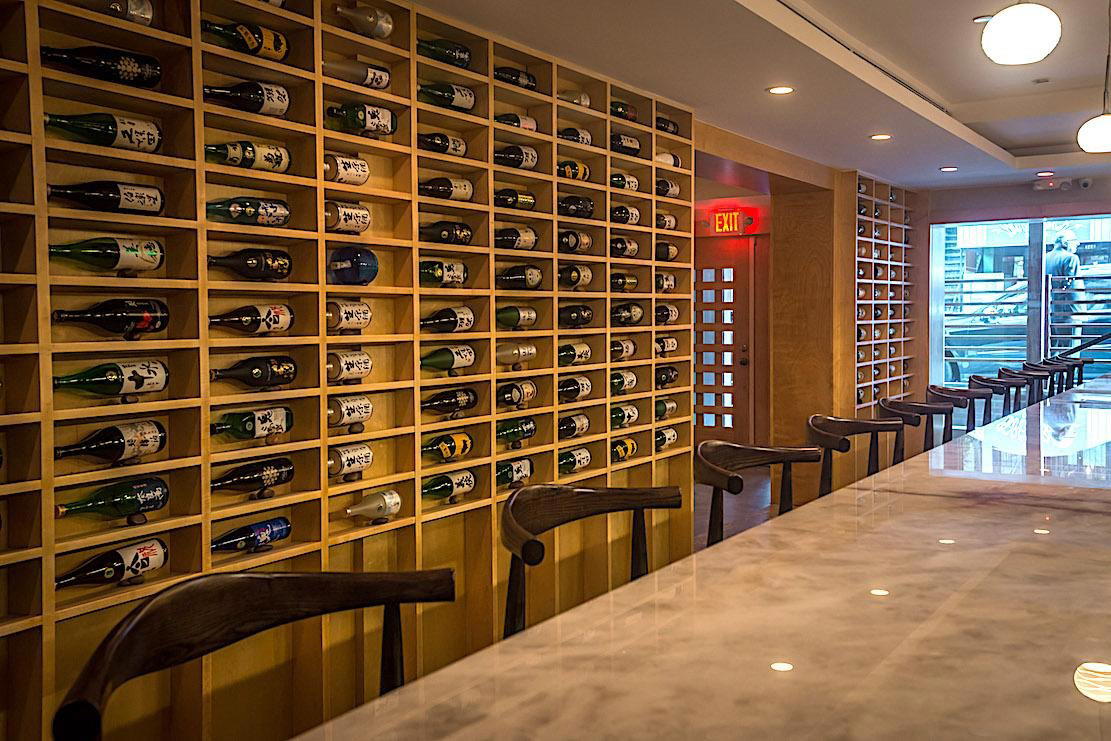
Restaurants in New York City
All restaurants in New York City →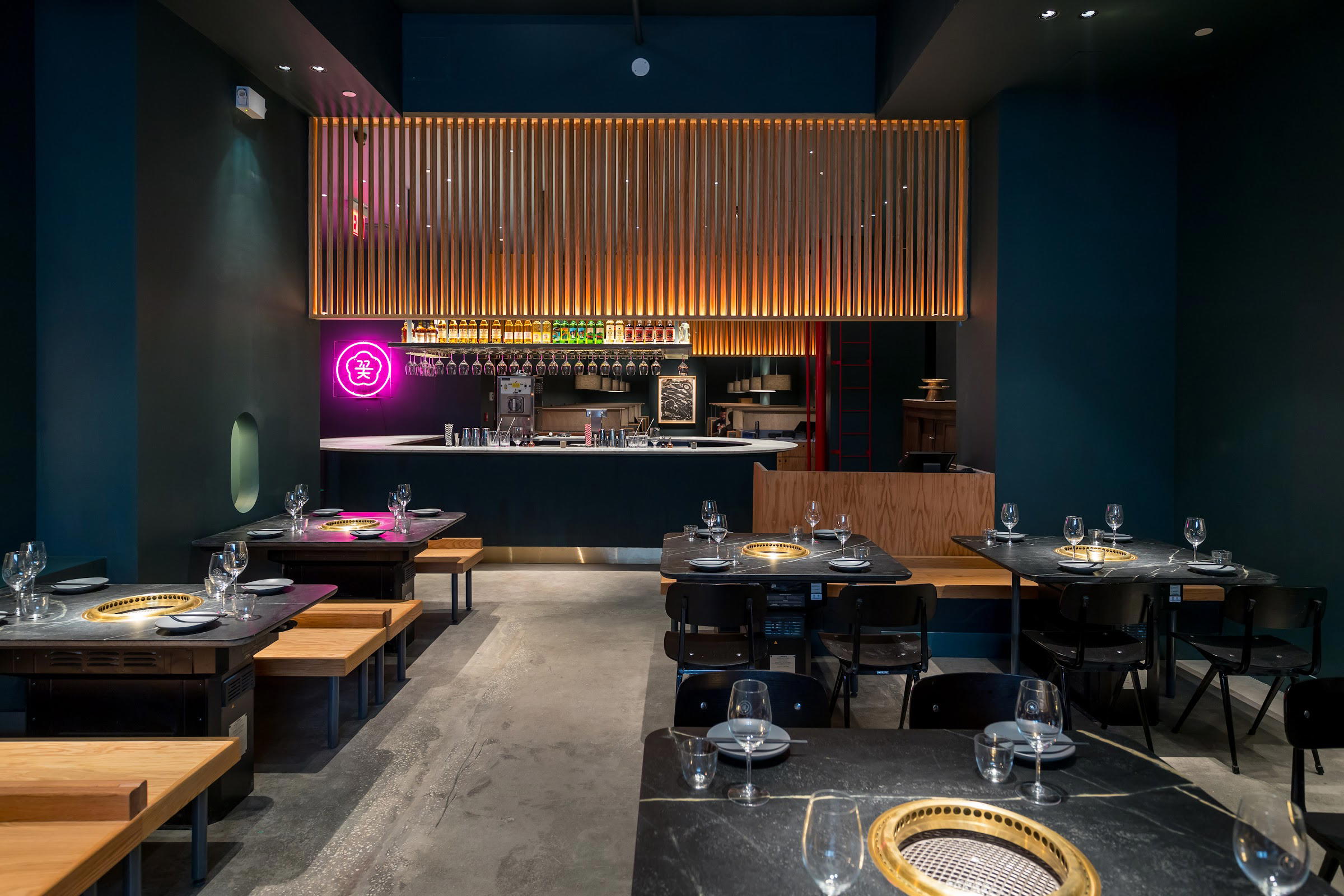
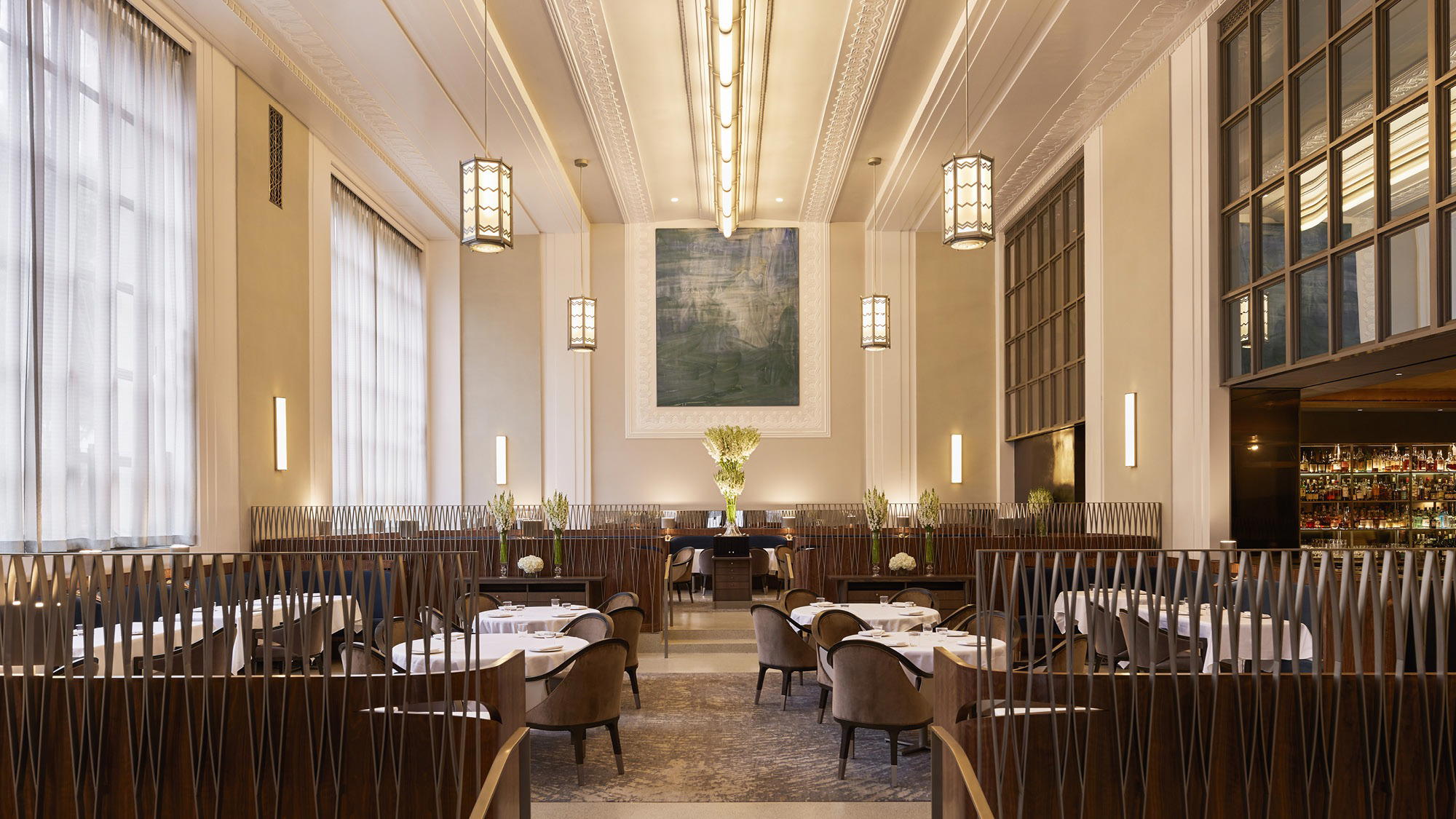
Bars in New York City
All bars in New York City →




Details
- Elegant
- Sophisticated
- Intimate
- Date Night
- Special Occasion
- Chefs Counter
- Private Dining
- Sake Program
- Omakase
- A La Carte
- Counter Dining
- Sake
Current opening hours
- Monday
- 5 PM–12 AM
- Tuesday
- 5 PM–12 AM
- Wednesday
- 5 PM–12 AM
- Thursday
- 5 PM–12 AM
- Friday
- 5 PM–12 AM
- Saturday
- 5 PM–12 AM
- Sunday
- Closed
Hours can change for holidays and private events. Hours as of .
Peaceful and pleasant with attentive service, though some note basic lighting and decor.