Sushi Salon
Oakland's sushi scene has produced a quiet but deliberate counter-format culture, and Sushi Salon sits within that tradition. The restaurant occupies a tier where the meal is designed as a progression rather than a menu of choices, placing it closer to the omakase model that has defined serious sushi dining across the Bay Area. For those tracking where Oakland's restaurant culture is heading, it warrants attention.
Pearl is the En Primeur Club membership app — saves, bookings, and concierge access live there. Same editors, same standards.
- Address
- Oakland, United States
- Website
- sushi-salon.com
- Directions
- Get directions
 Saves & bookings on Pearl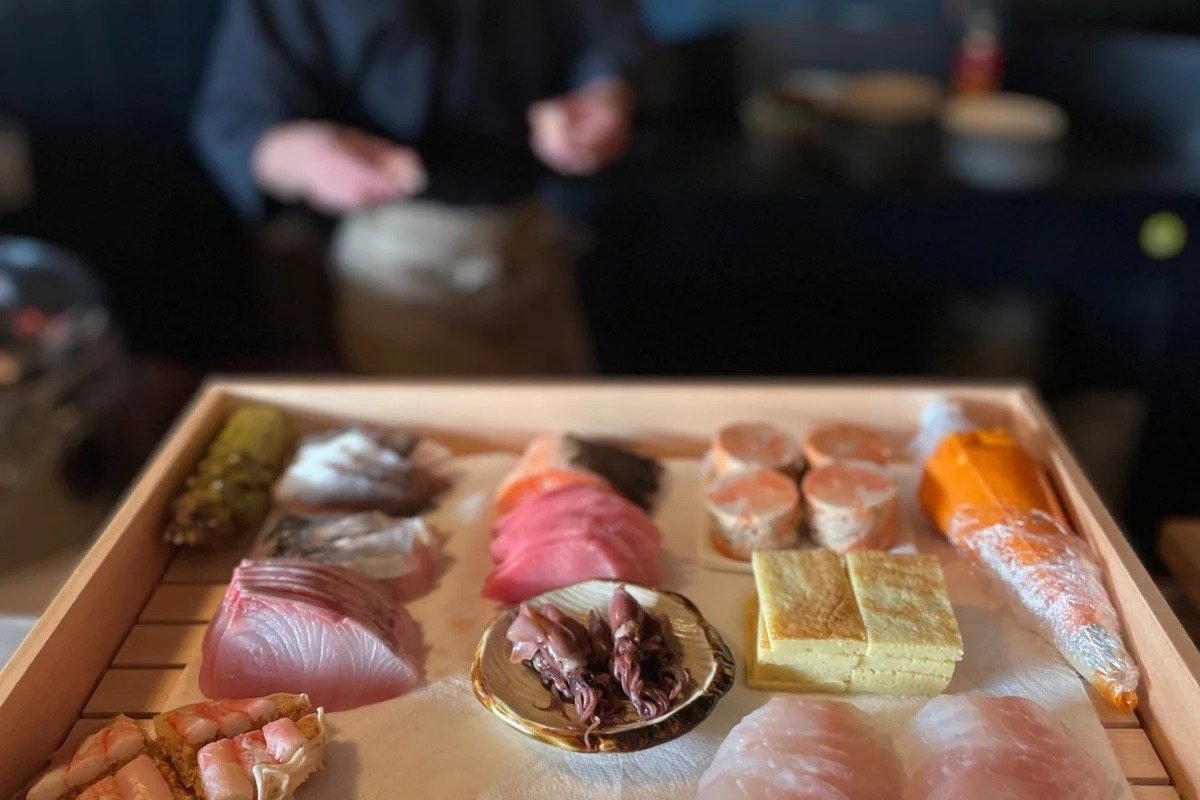
The Counter as Stage: How Oakland's Sushi Scene Sets Its Terms
Sushi Salon is a restaurant in Oakland serving Premium Omakase Nigiri Sushi. Walk into a serious sushi counter in the Bay Area and the room tends to communicate intent before a single piece of fish is placed. The lighting drops, the wood is pale and close-grained, the chef's station sits at the center of a narrow service arc. The physical grammar of the format tells you: this is a meal that moves in sequence, not on your schedule. Oakland's sushi tier has taken that format seriously, and Sushi Salon operates within a local dining culture that increasingly expects the counter experience to carry editorial weight, not just freshness, but argument, from the first small plate to the last sliver of tamago.
That matters because Oakland sits in a genuinely competitive sushi geography. San Francisco's omakase market, where destinations like Lazy Bear in San Francisco have demonstrated how high-format dining can anchor a neighborhood identity, has pushed the wider East Bay to clarify its own position. Oakland has responded not by replicating the Financial District's price-ceiling counters, but by building a sushi culture that feels more community-embedded, still technically serious, but less isolated from the city's broader culinary character.
Reading the Meal as a Sequence
The logic of a well-structured sushi progression is not arbitrary. It mirrors practices developed at counters in Tokyo's Ginza district, where the kaiseki-influenced sequencing, lighter, acidic preparations giving way to richer, fattier cuts, then pulling back to cleansing finishes, has been the structural template for omakase formats worldwide. At its most considered, the sequence is a form of argument: each course shifts the palate's reference point before the next arrives, so the diner is never eating a piece of fish in isolation but always in relation to what just preceded it.
The Bay Area's premium sushi counters, positioned below the tier occupied by destinations like The French Laundry in Napa or Providence in Los Angeles in terms of national profile, have absorbed that structural discipline while adapting it to local sourcing rhythms and diner expectations. Northern California's proximity to strong Pacific fisheries, Dungeness crab seasons, Pacific bluefin runs, local oyster beds, gives Bay Area counters material that Tokyo-trained chefs can work with in ways that Eastern Seaboard sushi markets cannot easily replicate.
Sushi Salon sits inside that framework. The relevant comparable set is not especially-decorated counters in the country, places like Atomix in New York City, which operates in a Korean fine-dining register, or Le Bernardin in New York City, whose seafood seriousness belongs to a different format entirely, but rather the tier of Oakland and East Bay counters where the meal's progression is the point of the experience, and where the room's intimacy is a deliberate design choice rather than a space constraint.
Oakland's Counter Culture in Context
Oakland's restaurant identity has always been more internally varied than its reputation suggests. The same blocks that hold Agave Uptown and alaMar Dominican Kitchen, both expressions of Oakland's appetite for cuisine that carries cultural specificity, also support a sushi culture that has borrowed selectively from the Japanese counter tradition without erasing local character. That coexistence is not accidental. Oakland diners have historically been more willing than San Francisco's to reward restaurants that feel embedded in a neighborhood rather than positioned above it.
The comparison venues active in Oakland's broader dining ecosystem, from the Southeast Asian-inflected seafood at 3 Bottled Fish to the Hong Kong cafe register of 8th St Cafe 文記茶餐廳, suggest a city whose diners move fluidly across culinary traditions and expect each one to be executed on its own terms. A sushi counter in this environment is not competing for status against the city's taquerias or its Ethiopian restaurants; it is making a case that the counter format and its attendant discipline are worth the premium over a la carte sushi. That case is made through the meal's sequencing, not through décor or celebrity.
Where Sushi Salon Fits the Wider Omakase Conversation
Nationally, the omakase format has stratified sharply over the past decade. At one end, counters like Single Thread Farm in Healdsburg operate at a hospitality register that blurs the line between sushi counter and tasting-menu destination. At the other, entry-level omakase formats have multiplied in cities where the word has become more marketing category than structural commitment. The middle tier, counters that maintain sequencing discipline and sourcing seriousness without the full hospitality architecture of a destination restaurant, is where Oakland's sushi scene does its most interesting work.
Internationally, the reference points extend further: 8½ Otto e Mezzo Bombana in Hong Kong represents how a Western fine-dining format can anchor itself in an Asian culinary city through structural rigour rather than local-cuisine deference. The logic is transferable: in a city with strong culinary identity, format discipline creates its own credibility. Oakland's counter-format sushi operates on a version of that principle, even if the scale and price tier differ substantially.
Other national reference points worth knowing: Alinea in Chicago, Addison in San Diego, Blue Hill at Stone Barns in Tarrytown, Emeril's in New Orleans, and The Inn at Little Washington in Washington each demonstrate how tasting-progression formats build their identity through sequence and pacing rather than individual dish notoriety. The lesson applies at any price point: the arc of the meal is the product.
Know Before You Go
Cuisine: Sushi / Japanese counter format
City: Oakland, California
Format: Counter-style; progression-based meal structure typical of the East Bay omakase tier
Booking: Reservations are essential
Nearby context: Oakland's Uptown and Grand Lake neighborhoods hold a concentration of independent restaurants; Alem's Coffee and neighborhood independents in the surrounding blocks reflect the city's food-culture density
Awards: No current award designations
How It Stacks Up
Comparable venues nearby, for context on price, style, and recognition.
| Venue | Cuisine | Price | Notes |
|---|---|---|---|
| Sushi SalonThis venue — the venue you are viewing | Premium Omakase Nigiri Sushi | $$$ | Not listed |
| Judoku Sushi | Japanese Sushi | $$ | Broadway Auto Row |
| Kuidaore | Modern Japanese Temaki Hand Rolls | $$ | Jack London Square |
| Kakui Sushi | Traditional Japanese Sushi | $$ | Montclair Business |
| Mujiri | Authentic Japanese Sushi | $$ | Paradise Park |
| Shinmai | Modern Japanese Izakaya | $$$ | San Pablo Gateway |
Continue exploring
More in Oakland
Restaurants in Oakland
Browse all →
Bars in Oakland
Browse all →
Hotels in Oakland
Browse all →

At a Glance
- Intimate
- Elegant
- Minimalist
- Date Night
- Special Occasion
- Chefs Counter
- Sake Program
- Sustainable Seafood
Current opening hours
- Monday
- Closed
- Tuesday
- Closed
- Wednesday
- Closed
- Thursday
- 5–7:30 PM
- Friday
- 5–7:30 PM
- Saturday
- 5–7:30 PM
- Sunday
- 5:30–7:30 PM
Hours can change for holidays and private events. Last verified .
Intimate sushi counter with just eight seats offering a focused, serene omakase experience.