Shinmai
Located on San Pablo Avenue in Oakland's Uptown corridor, Shinmai occupies a stretch of the city where independent restaurants with serious intentions have quietly taken root. The address places it within walking distance of several neighborhood anchors, and the name itself signals a Japanese sensibility worth tracking. Booking and format details are best confirmed directly with the venue.
- Address
- 1825-3 San Pablo Ave, Oakland, CA 94612
- Phone
- +15102711888
- Website
- shinmaioakland.com
- Directions
- Get directions
San Pablo Avenue and the Art of the Measured Meal
San Pablo Avenue runs like a spine through Oakland's western districts, threading together neighborhoods that have resisted the homogenizing pressure that reshaped much of the Bay Area over the past decade. The corridor between Uptown and the Lower Bottoms has accumulated a particular kind of restaurant: independently operated, format-conscious, not especially interested in being discovered by the wrong crowd. Shinmai, at 1825-3 San Pablo Ave, is a modern Japanese izakaya in Oakland. This is not a location chosen for foot traffic or visibility from the freeway; it is a location chosen by someone who expects their guests to make a deliberate trip.
While San Francisco draws comparison to particularly decorated American programs, operations like Lazy Bear in San Francisco, The French Laundry in Napa, and Single Thread Farm in Healdsburg, Oakland has developed its own register: less ceremony, more specificity, and a commitment to the meal as ritual rather than performance.
The Dining Ritual at the Heart of the Concept
The name Shinmai carries weight in Japanese: it refers to new rice, the first harvest of the season, the freshest and most prized grain before it ages and mellows. As a name for a restaurant, it signals a preoccupation with newness in the sense of immediacy and precision rather than novelty. Japanese dining culture, whether in the omakase counter tradition or the more casual izakaya format, has always treated the meal as a structured sequence rather than a collection of individual choices. The pacing of dishes, the temperature at which food arrives, the moment the server places a bowl, these are not incidental. They are the content.
That framework matters when thinking about where Shinmai fits within Oakland's dining ecology. The city's Japanese-inflected restaurants have historically occupied a wide band, from the ramen shops and sushi counters of the Grand Lake and Temescal neighborhoods to more ambitious programs that borrow Japanese technique without committing to any single format. A name like Shinmai suggests the latter: a kitchen with a point of view on timing, sequence, and restraint, rather than one operating inside a clearly defined genre.
For context on how seriously the broader American fine dining world takes Japanese influence on ritual and pacing, consider the degree to which programs like Atomix in New York City have built entire critical reputations around the structure of the meal itself, the order of arrival, the way courses are narrated, the physical objects that carry food. The name stakes a claim in that direction.
Oakland's Independent Restaurant Tier
To understand what Shinmai is doing on San Pablo Avenue, it helps to understand what San Pablo Avenue has become for Oakland's independent restaurant community. The street functions less as a dining destination in the branded sense and more as a corridor where operators with strong convictions and limited interest in investor-driven scaling have chosen to work. Nearby, venues like Agave Uptown and alaMar Dominican Kitchen represent the range of cuisines finding serious expression in this part of the city, while spots like Alem's Coffee anchor the neighborhood's daily rhythm.
Oakland's cohort of independently owned, format-conscious restaurants has opted out of the validation circuits and into the more demanding work of building a local reputation from scratch.
Japanese Sensibility in a Bay Area Context
The Bay Area has a longer and deeper relationship with Japanese cuisine than almost any other American metropolitan area outside of Hawaii. That history runs from the pre-war Japanese American communities of the East Bay through the post-war restaurant culture of Japantown to the contemporary wave of Japanese-trained or Japanese-influenced chefs who have set up in Oakland and San Francisco over the past fifteen years. The result is a dining public with real fluency: guests who understand the difference between nigiri rice temperature and can tell when a kitchen is serious about dashi.
That sophistication shapes the expectations a restaurant like Shinmai faces. It is also what makes the East Bay an interesting place to operate a Japanese-influenced program. Internationally, the standard for this kind of precision is set by operations like 8 1/2 Otto e Mezzo Bombana in Hong Kong and Emeril's in New Orleans, both of which built identities around a specific culinary inheritance rigorously applied. The local question is whether Oakland's Japanese-inflected programs can reach that level of definition. The address on San Pablo suggests the kitchen is asking that question seriously.
Awards and Standing
Comparable venues nearby, for context on price, style, and recognition.
| Venue | Cuisine | Price | Notes |
|---|---|---|---|
| ShinmaiThis venue — the venue you are viewing | Modern Japanese Izakaya | $$$ | Not listed |
| Kakui Sushi | Traditional Japanese Sushi | $$ | Montclair Business |
| Itani Ramen | Japanese Ramen & Izakaya | $$ | Downtown |
| Shakewell | Spanish-Mediterranean Tapas | $$$ | Grand Lake |
| Haven | Modern California Fine Dining | $$$ | Jack London Square |
| Kuidaore | Modern Japanese Temaki Hand Rolls | $$ | Jack London Square |
Continue exploring
More in Oakland
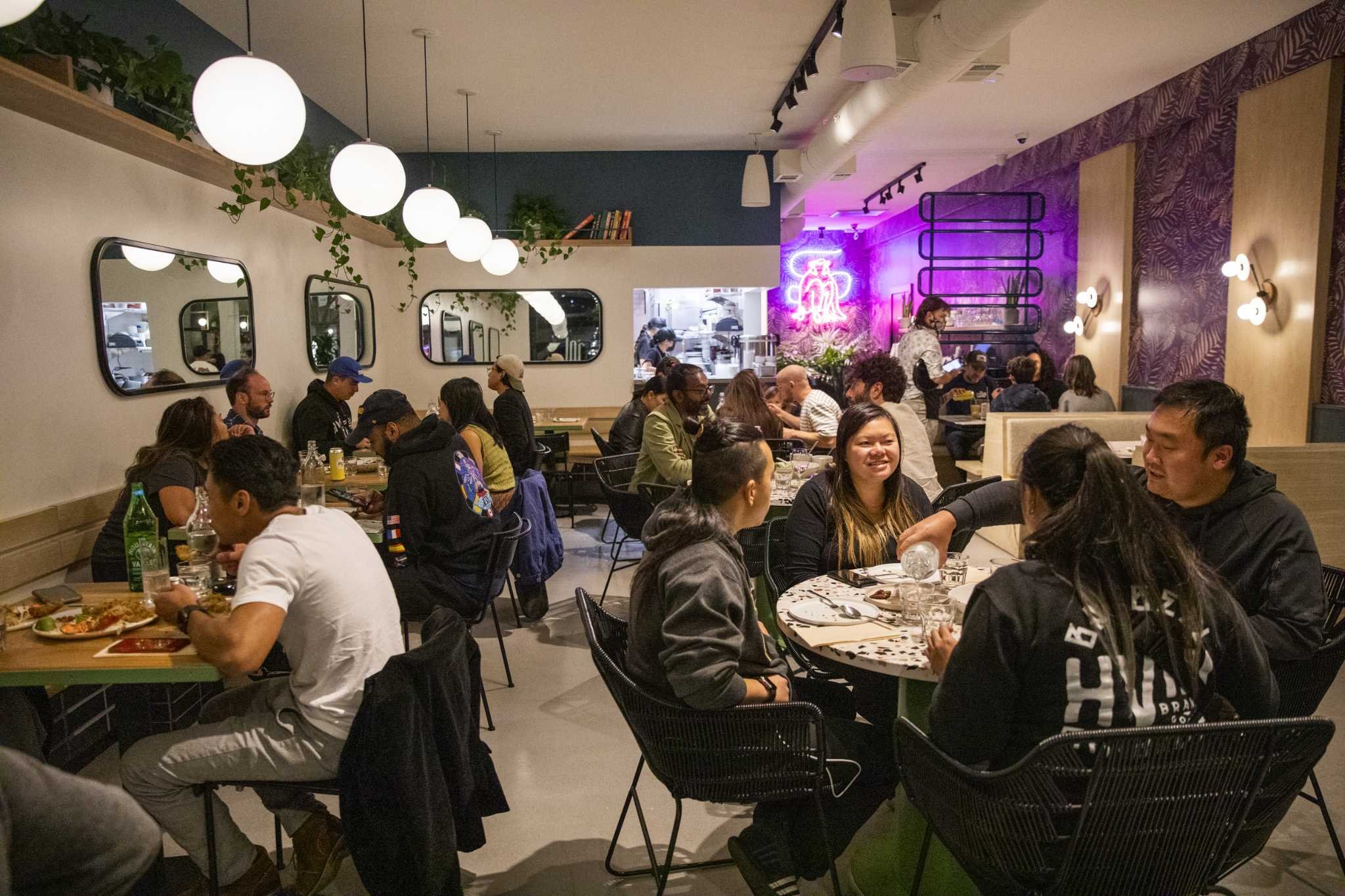
Restaurants in Oakland
Browse all →
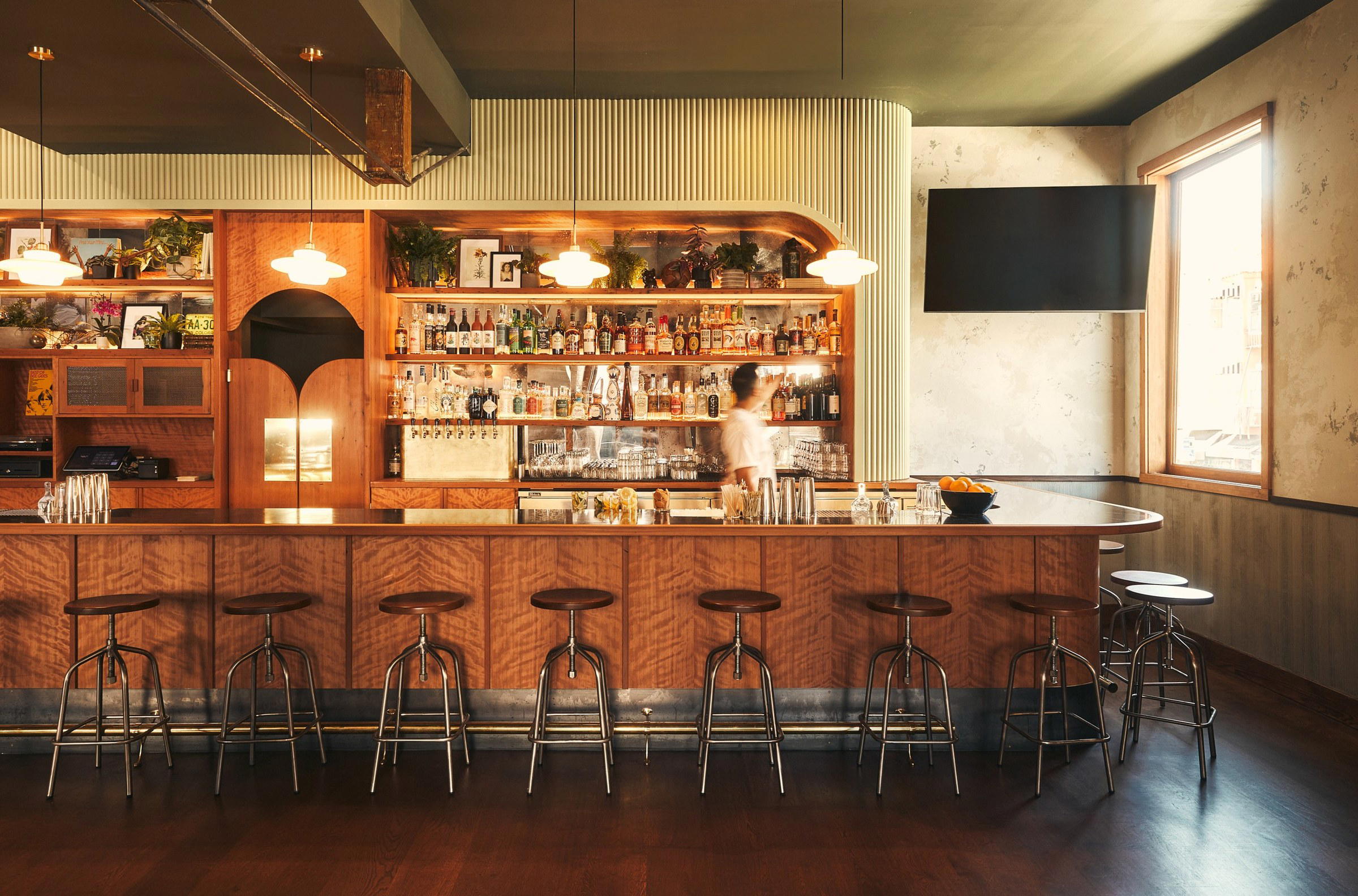
Bars in Oakland
Browse all →
Hotels in Oakland
Browse all →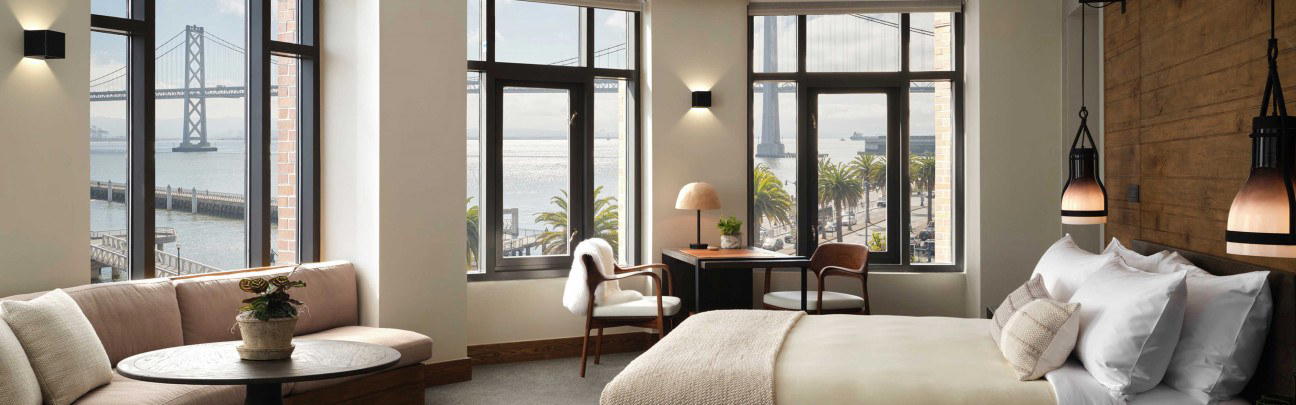

At a Glance
- Modern
- Trendy
- Minimalist
- Lively
- Date Night
- Casual Hangout
- Open Kitchen
- Sake Program
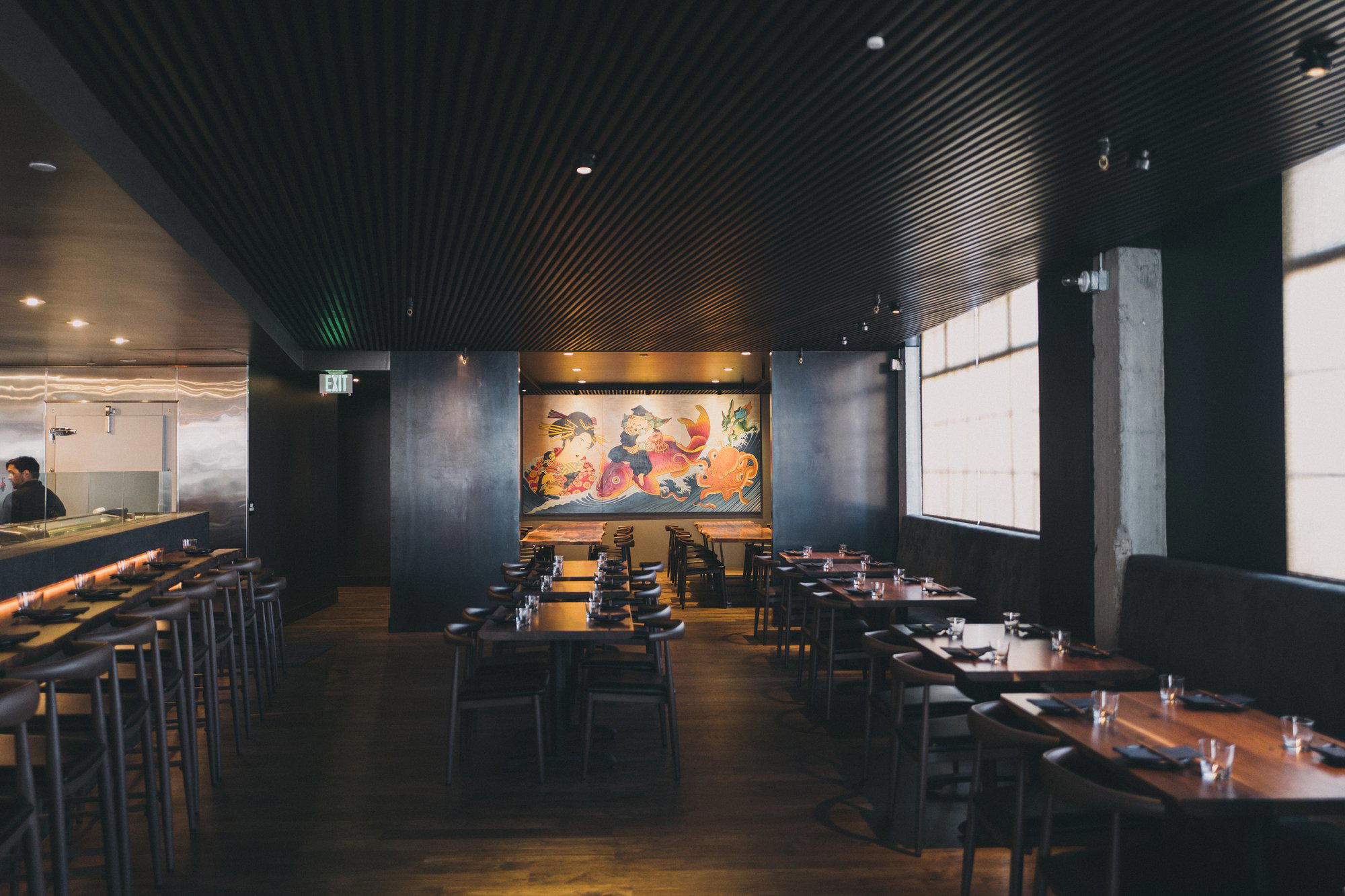
Sleek, sexy, hip, and minimalist atmosphere with contemporary Japanese woodblock print artwork.