Bay Grape
Bay Grape on Grand Avenue is Oakland's neighbourhood wine bar pitched squarely at the intersection of serious selection and unpretentious hospitality. The focus lands on small producers and natural-leaning bottles that pair with a food programme built to hold its own alongside the drinks list. It sits within a stretch of Grand Avenue that draws regulars rather than tourists.
Pearl is the En Primeur Club membership app — saves, bookings, and concierge access live there. Same editors, same standards.
- Address
- 376 Grand Ave, Oakland, CA 94610
- Phone
- +1 510 686 3615
- Website
- baygrapewine.com
- Directions
- Get directions
 Saves & bookings on Pearl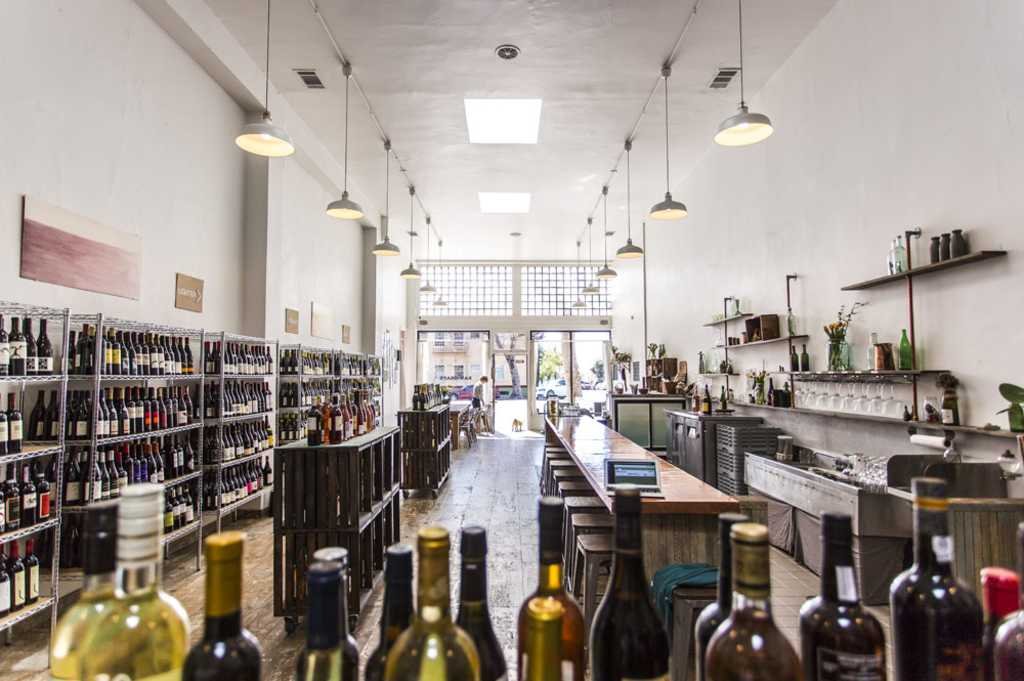
Grand Avenue and the Wine Bar Format Oakland Needed
Grand Avenue has a different rhythm from the more tourist-facing corridors of Oakland. The stretch around the Splash Pad Park end draws a neighbourhood crowd: regulars who walk over, linger longer than they planned, and treat the strip as a local commons rather than a destination checklist. Bay Grape, at 376 Grand Ave, fits that character precisely. The room reads as a shop that decided to stay open past dinnertime: bottles on shelves, a low-key counter arrangement, the kind of lighting that makes a Tuesday feel acceptable. It is the physical form of a wine bar that has decided against performance and toward function.
That format, the hybrid bottle-shop and wine-by-the-glass space, has become one of the more durable concepts in American neighbourhood dining over the past decade. Cities from Chicago (see Kumiko) to New Orleans (see Jewel of the South) have developed their own variations, each shaped by the local drinking culture. Oakland's version, at its finest, leans natural, leans small-producer, and leans casual without sacrificing depth. Bay Grape sits inside that tradition.
The Drinks List as Editorial Statement
Wine bars that take themselves seriously reveal their priorities in the depth of their by-the-glass programme, not the length of the bottle list. A long list with three pours by the glass is a retail shop with seating. A shorter, rotated selection of pours that change as bottles open signals something more considered: a programme shaped by whoever is opening bottles that evening and choosing what the room should drink.
The selection tilts toward producers working with lower intervention, though Bay Grape avoids the dogmatic natural-wine positioning that can make some bars feel like an argument rather than an evening out. The bottles on the shelves function as both inventory and atmosphere, the visual shorthand that tells you immediately whether the person who built this place knows what they are doing. In Oakland's wine bar scene, which also includes Punchdown and Snail Bar among its more producer-focused outlets, Bay Grape occupies a broader, more accessible lane without abandoning the seriousness of its selection. For a full picture of where it sits in context, the full Oakland restaurants guide maps the neighbourhood's current drinking options in more detail.
When Food Is Built for the Glass, Not the Other Way Around
The more interesting editorial question at a place like Bay Grape is not what wine they pour but how the food programme relates to it. Across American drinking culture, the bar snack has been rehabilitated from afterthought to anchor. The better wine bars now design food to function as a pairing mechanism, not a revenue line. At Bar Leather Apron in Honolulu, the food programme is deliberately calibrated to the cocktail list; at Julep in Houston, the snack selection extends and contextualises the drinking. Bay Grape operates on the same logic applied to wine: the food exists to make you want another pour.
That means a food approach built around high-acid, textured, and fat-forward items that work with the kinds of bottles the bar selects. Natural and low-intervention wines, particularly the orange and skin-contact styles that have become more common in this tier of wine bar, carry tannin and oxidative notes that pair differently than conventional whites or reds. Food that understands this, that reaches for cheese with some funk, cured proteins, pickled or fermented elements, is not an accident. It reflects a programme that was thought through from the glass backward.
Oakland's food scene offers plenty of reference points for comparison: Belotti Ristorante E Bottega takes the Italian bottega model and applies serious depth to both kitchen and cellar, while Bombera and alaMar Dominican Kitchen show how Oakland's food identity has diversified well beyond any single regional tradition. Against that backdrop, Bay Grape is making a smaller, quieter argument: that a room built around a well-chosen wine list, supported by food that respects the drinks, is itself a complete idea.
Oakland's Drinking Scene and Where Bay Grape Fits
Oakland's bar culture has matured considerably over the past decade, developing a tier of serious drinking destinations that operate with the same intentionality as the city's better kitchens. 13 Orphans on the cocktail side, Umami Mart for Japanese whisky and spirits retail, and Snail Bar for natural wine with a more explicitly counterculture edge each represent a different angle on the same underlying shift: Oakland drinkers want places with a point of view, not just a licence. Bay Grape fits that evolution. It is not trying to be the most technically ambitious room in the city; it is trying to be the most reliably good version of the neighbourhood wine bar format, which is a more difficult thing to sustain than it sounds.
The international comparison is instructive. Wine bars in cities like Frankfurt, where The Parlour has developed a format around considered selection and food alignment, or New York, where Superbueno shows how a sharp drinks identity can anchor a neighbourhood room, suggest that the format travels well when the underlying editorial conviction is strong. Bay Grape's version is Oakland-specific in its casual register and Grand Avenue character, but the structural logic is part of a wider conversation happening in serious drinking cities.
Planning a Visit
Bay Grape is located at 376 Grand Ave in the Grand Lake neighbourhood of Oakland, easily reachable from BART's Lake Merritt station or by car with street parking generally available in the surrounding blocks. As a neighbourhood wine bar with both retail and by-the-glass service, the format suits drop-in visits, though weekend evenings can fill the space quickly given its size. The retail component means you can also buy bottles to take away if the by-the-glass selection prompts interest in a producer. The experience rewards an unhurried evening rather than a quick stop; the format is built for the second glass and the conversation that follows.
Continue exploring
More in Oakland
Bars in Oakland
Browse all →
Restaurants in Oakland
Browse all →
Hotels in Oakland
Browse all →



At a Glance
- Cozy
- Bohemian
- Whimsical
- Casual Hangout
- Group Outing
- After Work
- Date Night
- Standalone
- Garden
- Terrace
- Seated Bar
- Communal Tables
- Outdoor Terrace
- Standing Room
- Natural Wine
- Conventional Wine
- Craft Beer
- Low Abv
Current opening hours
- Monday
- Closed
- Tuesday
- 2–10 PM
- Wednesday
- 2–10 PM
- Thursday
- 2–10 PM
- Friday
- 12–10 PM
- Saturday
- 12–10 PM
- Sunday
- 1–8 PM
Hours can change for holidays and private events. Last verified .
Comfortable and homey with tall open space, reclaimed wood accents, a big common table, and a lustrous copper tasting bar; lively and inviting on weekend evenings.