
Tabelog 100 #96
Our verdict
Sushi Saitou Azabudai places a small counter-format sushi room inside the newer Azabudai Hills dining orbit, where Tokyo’s high-end sushi culture meets a polished market setting. Its 2025 Tabelog 100 Sushi Tokyo selection, reservation-only format, 12-seat counter, sake and wine focus, and seasonal course pricing put it in the city’s serious omakase conversation rather than the casual market-dining lane.

Pearl is the En Primeur Club membership app, where members save venues, book tables and use the concierge.
The menu
What to order
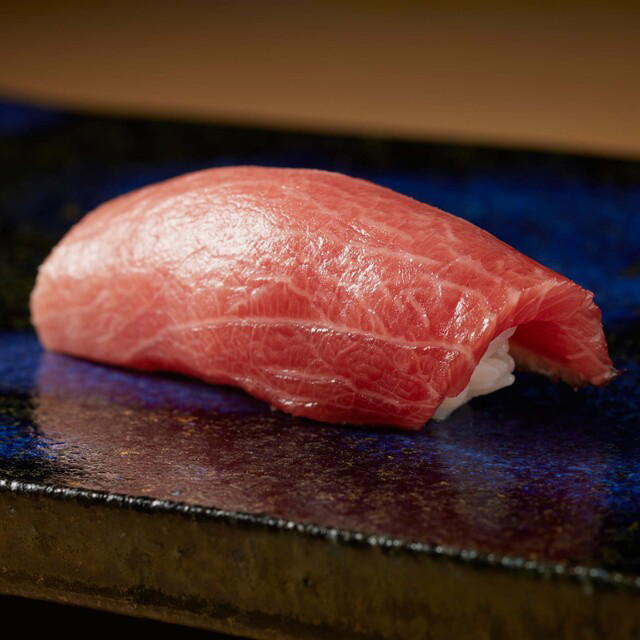
- Tuna from Yamako
- Squid nigiri with salt and sudachi
- Uni mini donburi
- Egg custard / tamago-yaki
Tokyo changes the route to sushi. Instead of treating every sought-after meal as the same kind of occasion, diners have to read the category, the city, and the level of recognition attached to a room. The contrast matters: Tokyo’s premium sushi culture sits inside a dining scene where format, pacing, reservation control where applicable, and guest expectations can vary sharply from one address to another.
Sushi Saitou Azabudai belongs to that contemporary Tokyo frame. The name appears in the city’s sushi conversation through its Tabelog 100 Sushi Tokyo 2025 selection, with a listed score of 3.92. The safer reading is precise rather than inflated: this is a Tokyo sushi listing with category-specific recognition, not a reason to invent details about ownership, room design, counter size, or service style that are not supplied in the listing.
A counter built around omakase logic
Tokyo sushi at this level is often discussed less as casual ordering than as a discipline of sequence, temperature, rice, fish, and timing. That wider context is useful for understanding why a sushi listing can carry so much weight in the city. The experience should still be judged on what is actually encountered at the meal, not on assumed mythology around the name.
The Tokyo setting sharpens the point because the surrounding city is full of restaurants built around broader choice and social flexibility. Dining rooms such as Janu Mercato, Sumi, Iigura, Yoroniku Azabudai Hills, and Janu Grill show the city’s range across different occasions and formats. A sushi listing reads differently here: it belongs to a more specialised category where diners usually pay close attention to sequence, sourcing, and restraint.
The category itself is the first signal. Sushi compresses attention onto small differences: rice condition, seasoning, cut, temperature, timing, and the way each piece or course sits in relation to the next. In a city with a deep sushi field, that places any recognised room in a context where the meal is judged by control and clarity rather than abundance alone.
Drink language can matter too in modern Tokyo dining, although the provided listing does not specify a beverage programme for Sushi Saitou Azabudai. In general, premium sushi rooms may use drinks as practical bridges for international diners and for courses where acidity, minerality, or restraint can meet rice vinegar and seafood fat. The point is balance rather than turning sushi into another style of tasting menu.
What the menu structure says about modern Tokyo sushi
High-end sushi in Tokyo remains one of the city’s clearest examples of format discipline, even when the exact structure of an individual restaurant should not be assumed without a current menu or booking confirmation. The diner often approaches the meal with a different mindset from more flexible dining: less emphasis on browsing a long list, more attention to progression and the kitchen’s timing.
Seasonality is built into the way serious sushi is understood rather than used as decoration. Sushi Saitou Azabudai is listed in the dinner budget range of JPY 40,000 - JPY 49,999 and the lunch budget range of JPY 15,000 - JPY 19,999. That does not guarantee brilliance, but it identifies the economics of serious sushi in Tokyo, where fish, rice, timing, and category discipline define value more than breadth of choice.
The Tabelog 100 Sushi Tokyo 2025 selection is a useful trust signal because it is category-specific. Tokyo’s sushi field is too deep for generic acclaim to mean much; recognition inside a sushi-only Tokyo selection carries more editorial value than broad restaurant visibility. It places Sushi Saitou Azabudai in a sushi-specific field, where small differences in rice, cutting, aging, seasoning, and cadence are often the language of comparison.
The restaurant’s presence in this current Tokyo conversation makes it part of a contemporary dining map rather than only an inherited old-Tokyo story. The city continues to bring serious restaurant formats into international-facing itineraries. Sushi can hold that attention particularly well because the category naturally narrows the guest’s focus onto craft, timing, and the direct relationship between preparation and eating.
How to read it against the wider Tokyo dining map
For visitors, the choice is not simply sushi versus non-sushi. It is whether the evening should be a focused sushi meal or a more flexible Tokyo meal. A yakiniku room such as Yoroniku Azabudai Hills offers heat, smoke, and shared cooking as its grammar. Other Tokyo dining can suit a looser schedule. A serious sushi booking is usually a different commitment: punctuality, restraint with fragrance, and understanding that the meal’s logic may sit in sequence rather than personal customization.
That distinction helps position the restaurant within a Tokyo itinerary. Diners mapping the city by category can use Our full Tokyo restaurants guide for the restaurant field, then branch into Our full Tokyo bars guide, Our full Tokyo hotels guide, Our full Tokyo wineries guide, and Our full Tokyo experiences guide when the trip needs a wider frame than dinner alone.
Within Tokyo, contrast is useful. Casual rooms, specialist counters, cafés, curry shops, yakitori counters, and grill formats show how widely the city’s dining culture stretches beyond sushi. Outside Tokyo, the comparison broadens through regional Japanese dining in other cities and through Japanese drinking and snack culture abroad. The point is not to rank these formats against one another, but to show how precise sushi can feel when placed beside looser, louder, or more social meals.
The editorial case for Sushi Saitou Azabudai is not that it replaces older sushi traditions or that every detail can be assumed from the name. It is a Tokyo sushi venue with Tabelog 100 Sushi Tokyo 2025 recognition, a listed score of 3.92, and a clearly premium budget range. For diners who understand that distinction, the appeal is approaching it as a serious sushi entry in one of the world’s most demanding dining cities.
Price and Recognition
Comparable venues by cuisine and category.
| Venue | Cuisine | Price | Awards | Notes |
|---|---|---|---|---|
| Sushi Saitou AzabudaiThis venue (the venue you are viewing) | High-End Edomae Sushi Omakase | $200–300 | Tabelog 100 #96 | Not listed |
| The Okura | Luxury Japanese Fine Dining Collection | $200–300 | Not listed | Minato, Luxury Japanese Fine Dining Collection |
| Toribayashi | Modern Yakitori Omakase | $150–200 | Tabelog 100 #63 | Minato, Modern Yakitori Omakase |
| Tempura Ginza Onodera Namikidori | Tempura Fine Dining | $150–200 | Not listed | Chūō, Tempura Fine Dining |
| Yasuda | Traditional Edomae Omakase | Not listed | Not listed | Minato, Traditional Edomae Omakase |
| 焼肉Coco Nemaru Ginza | Premium Yakiniku | $200–300 | Not listed | Chiyoda, Premium Yakiniku |
Recognition history
Dated appearances from independent guides and award organizations, with the underlying list record or original source where available.
Tabelog 100 #96 · No. 96
Tabelog · Tabelog 100 - Sushi - TOKYO - 2025
Continue exploring
More in Tokyo
Restaurants in Tokyo
All restaurants in Tokyo →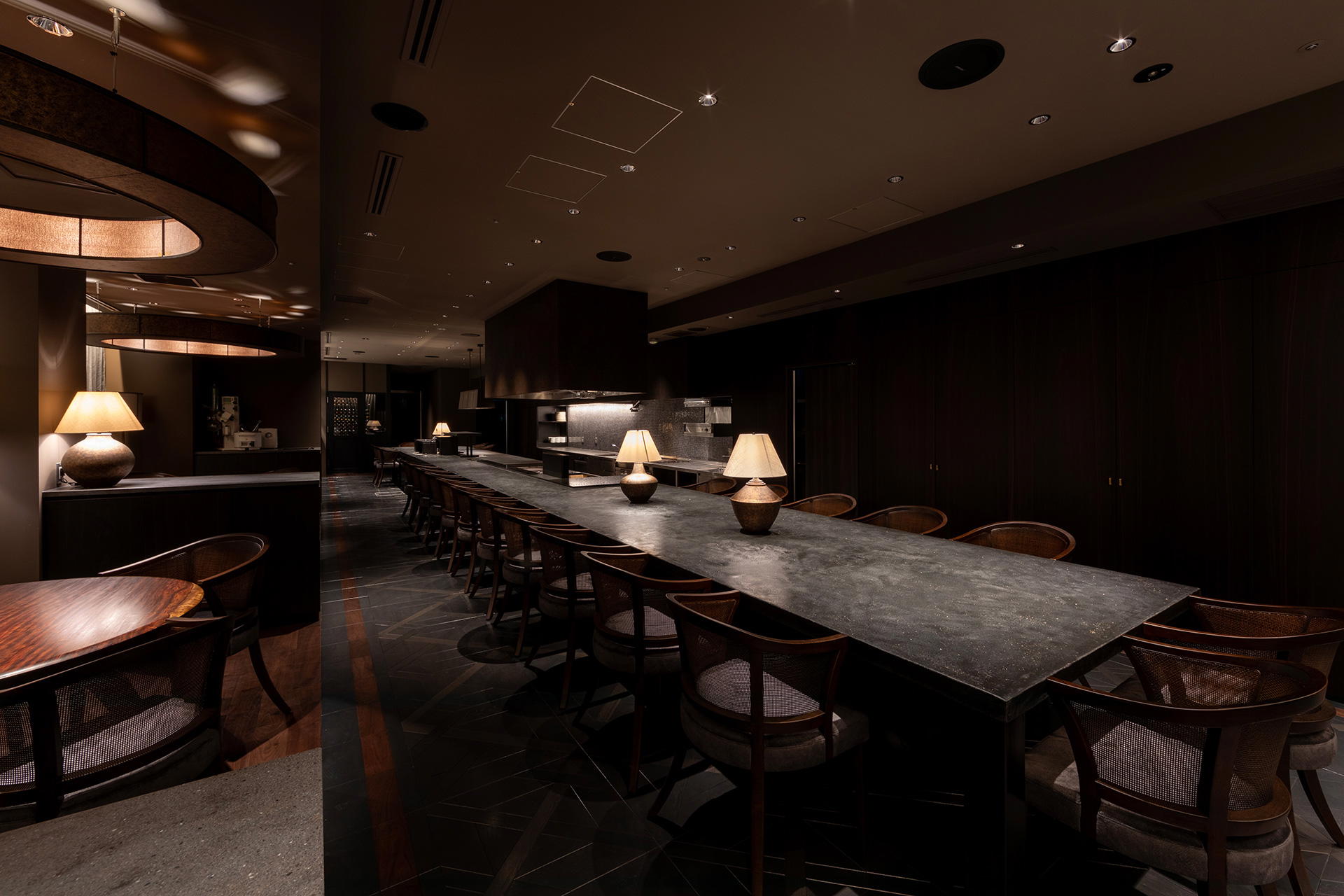
Bars in Tokyo
All bars in Tokyo →

Details
- Elegant
- Modern
- Intimate
- Sophisticated
- Special Occasion
- Date Night
- Solo
- Business Dinner
- Chefs Counter
- Design Destination
- Standalone
- Sake Program
- Extensive Wine List
- Sustainable Seafood
- Local Sourcing
- Omakase
- Tasting Menu
- Counter Dining
- Set Menu
- Sake
- Wine
- Pescatarian Friendly
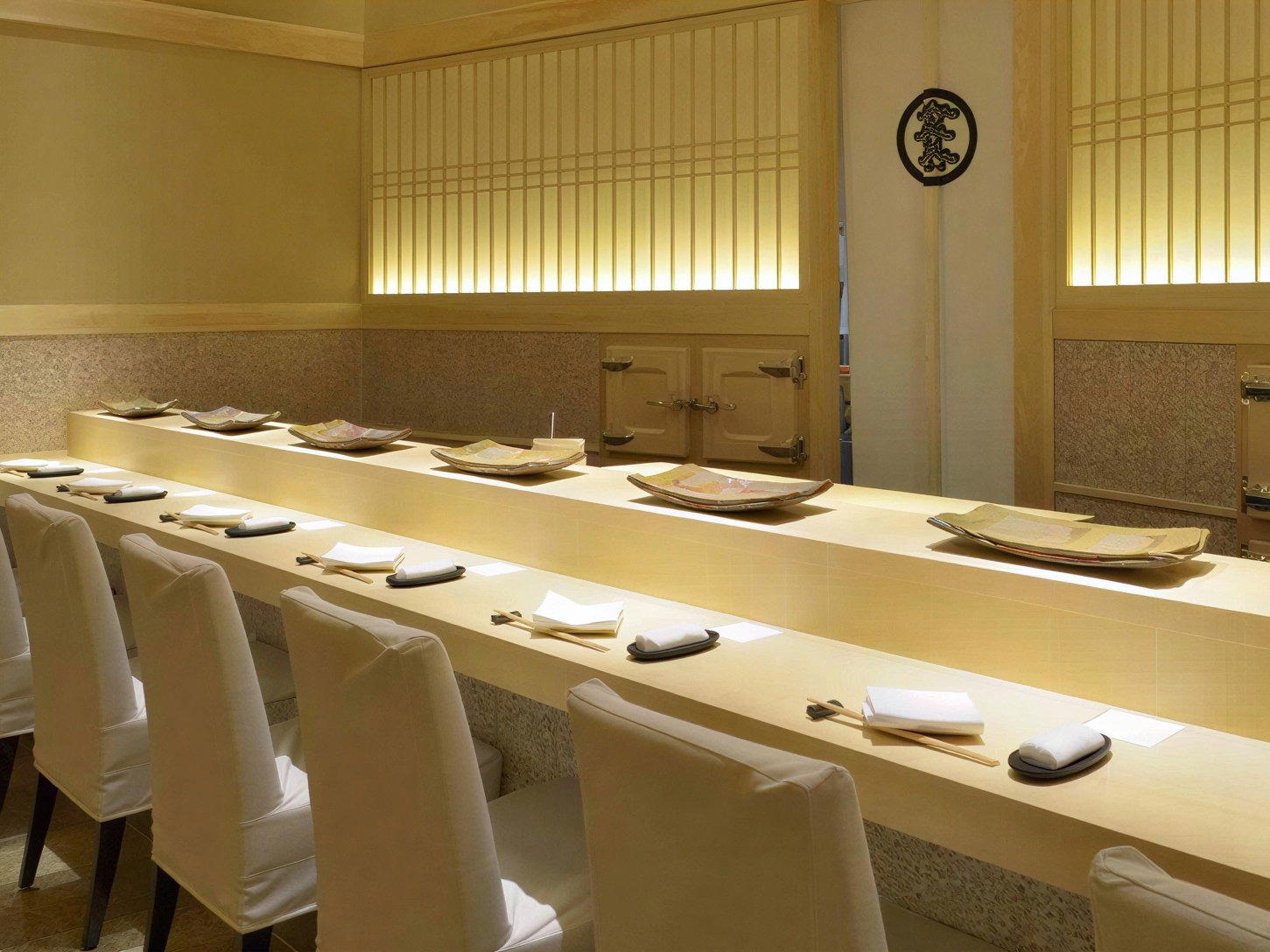
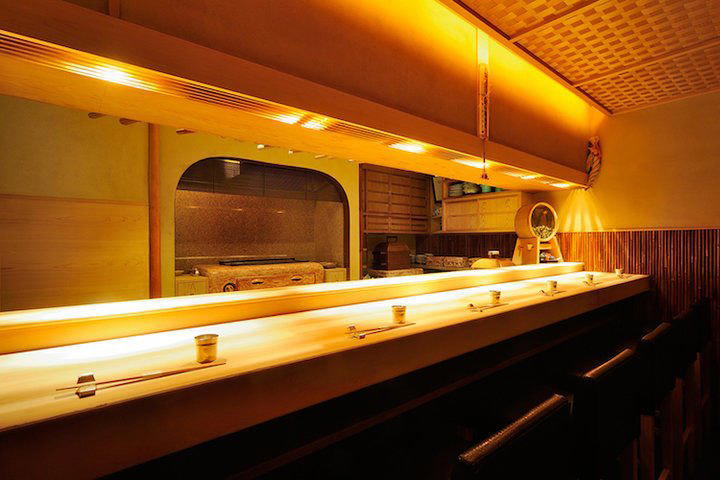
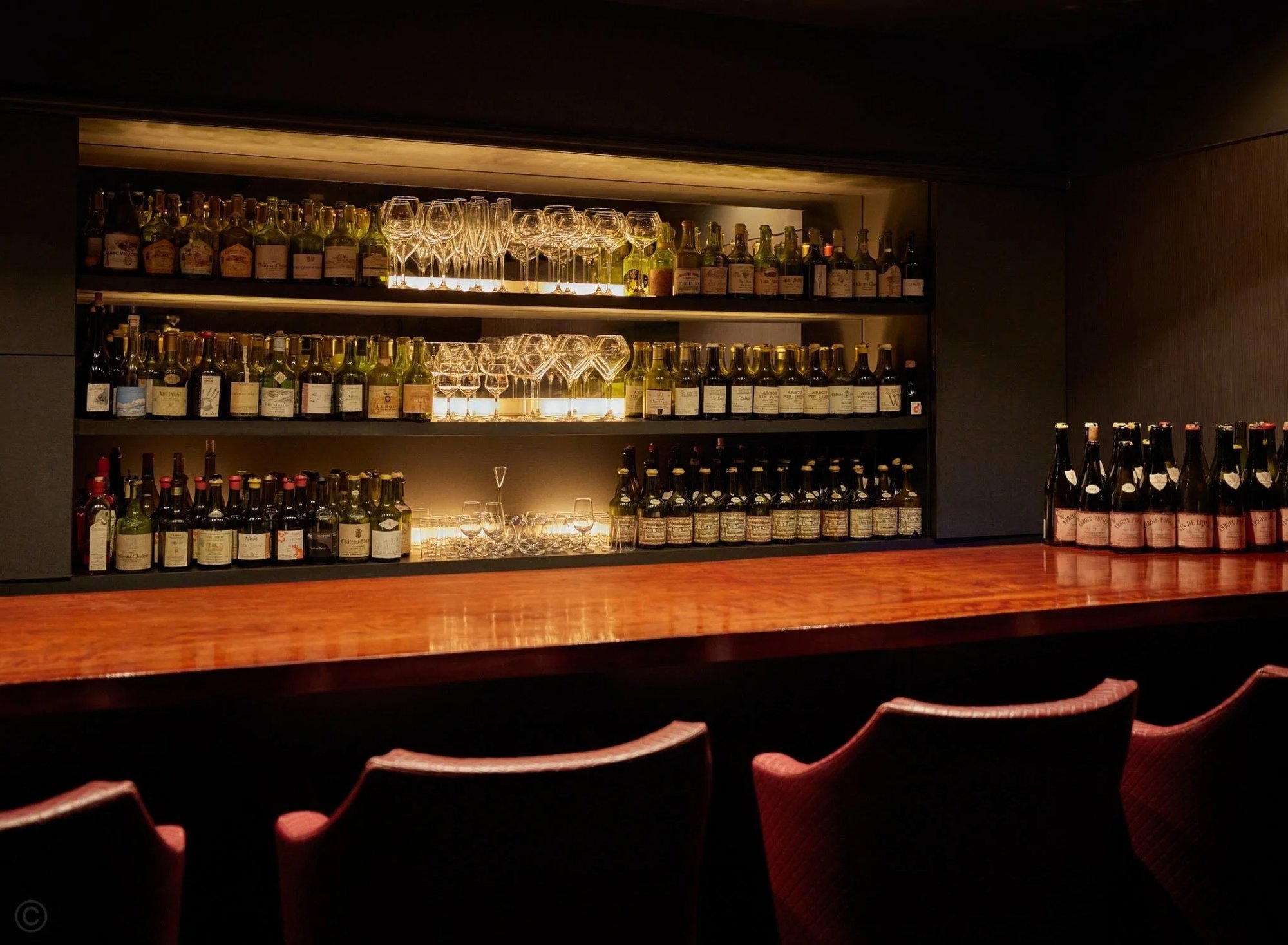
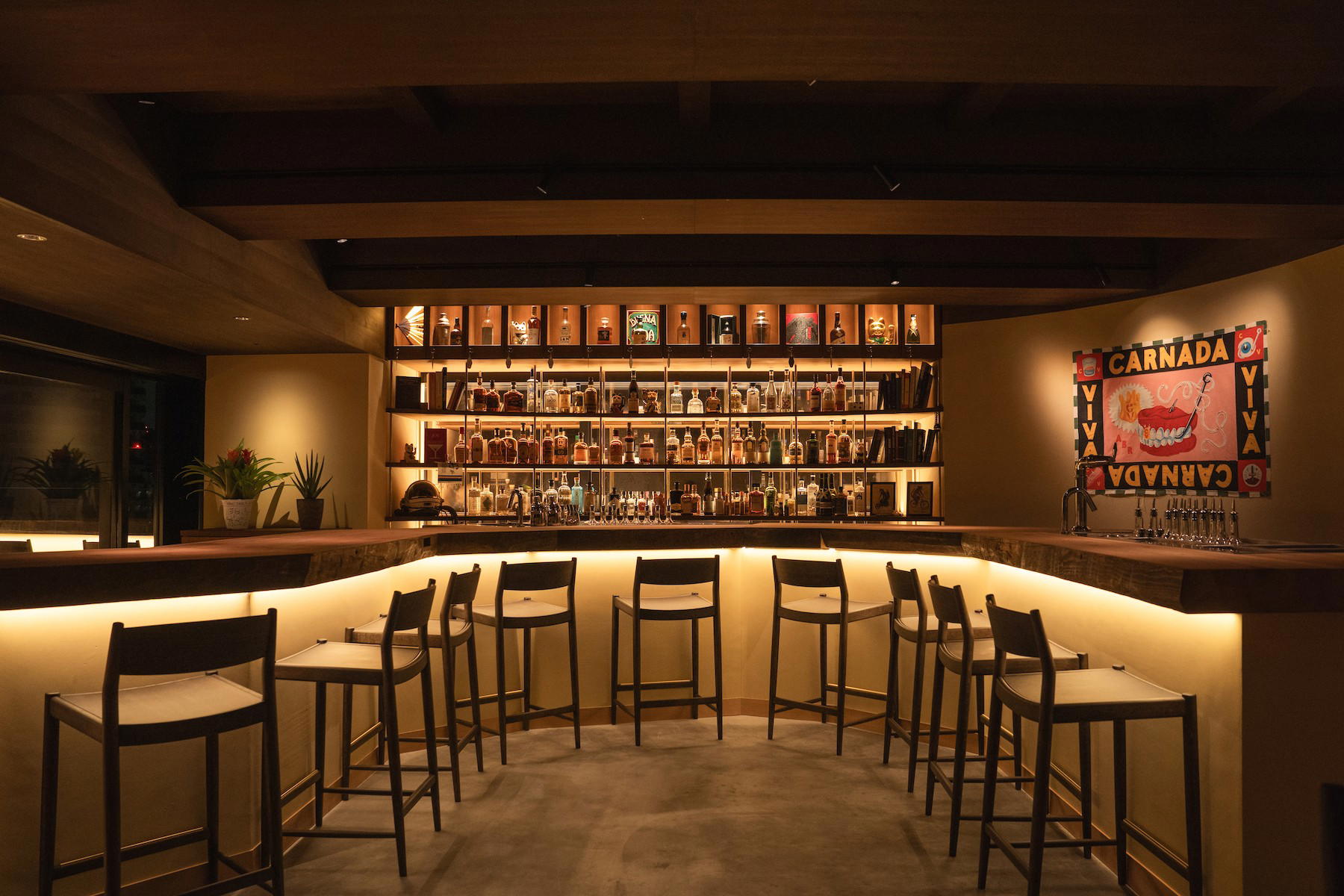
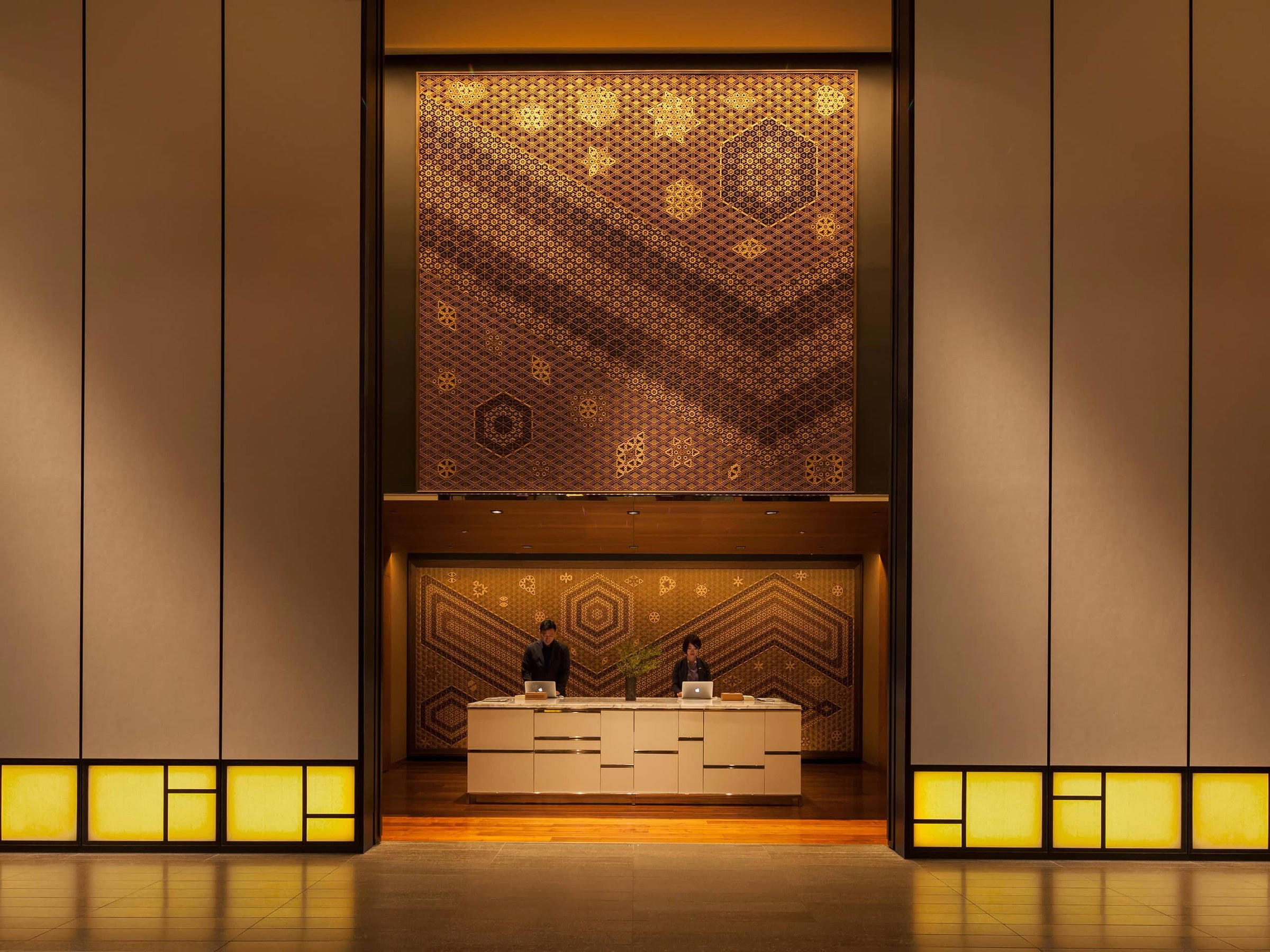
An intimate 12-seat counter tucked inside Azabudai Hills Market, with a calm, refined and modern feel that emphasizes close interaction with the chef and a quietly luxurious atmosphere rather than spectacle.