Sushi Ryusei
Sushi Ryusei operates at 216 E 39th St in Midtown Manhattan, a neighbourhood where the city's mid-market dining density makes counter-format omakase a deliberate choice rather than a default. In a New York market where premium Japanese dining ranges from casual hand-roll bars to per-head experiences exceeding $500, Ryusei occupies a position worth examining against the city's established sushi tier.
Pearl is the En Primeur Club membership app — saves, bookings, and concierge access live there. Same editors, same standards.
- Address
- 216 E 39th St, New York, NY 10016
- Phone
- +12129838880
- Website
- sushiryusei.com
- Directions
- Get directions
 Saves & bookings on Pearl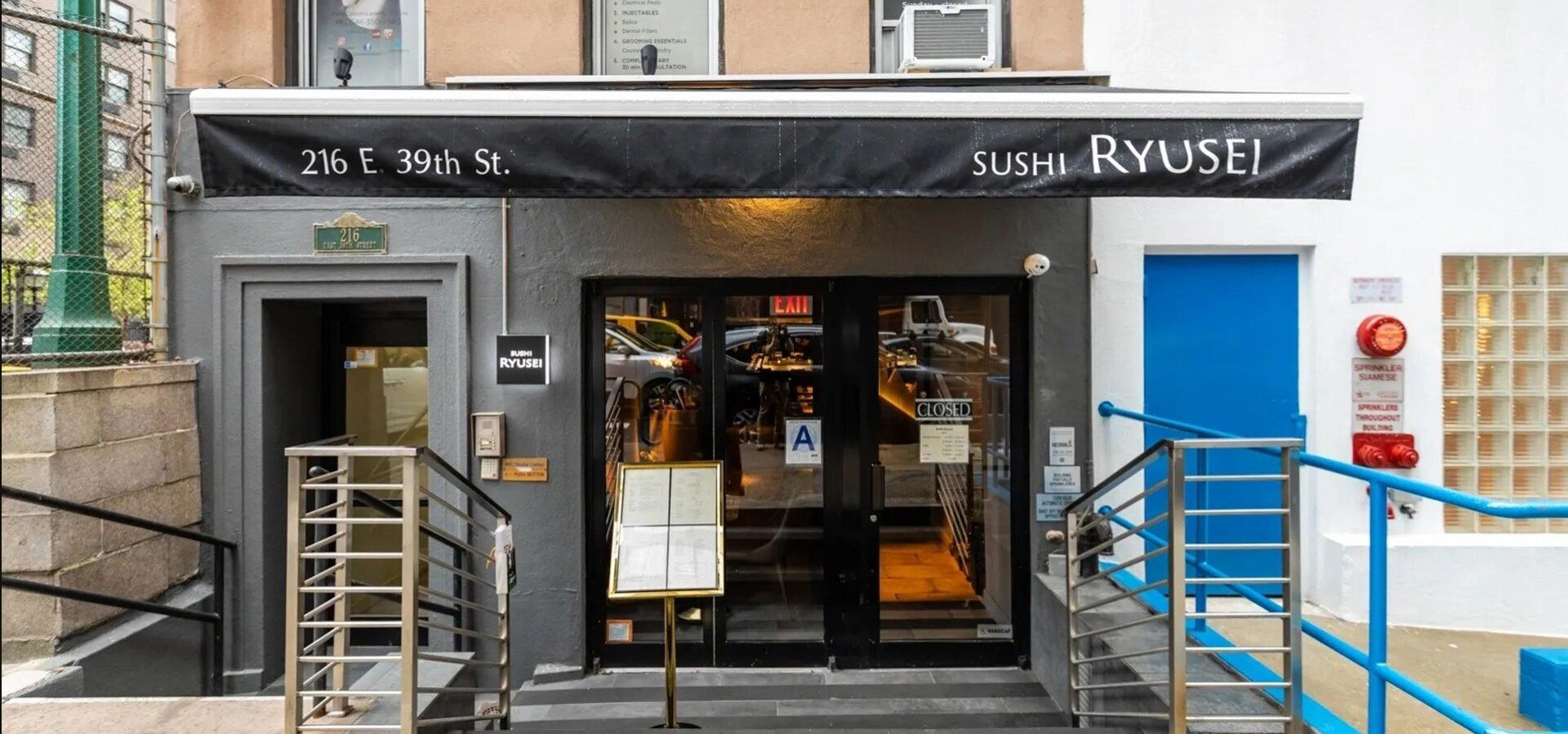
Where Midtown's Sushi Counter Sits in New York's Japanese Dining Spectrum
Sushi Ryusei is an Authentic Japanese Omakase restaurant at 216 E 39th St in New York, New York, with a price tier around $80 per person.Masa in Columbus Circle remains the clearest expression of that ceiling. At the other, a generation of fast-casual hand-roll concepts has pulled the accessible end of Japanese dining toward speed and volume. The counters operating between those poles, neighbourhood omakase rooms, chef-driven small-seat formats without the full-spectrum media apparatus, form a quieter but commercially significant middle tier. Sushi Ryusei, at 216 E 39th St in Murray Hill, works within that bracket.
Murray Hill is not where most food writers send readers looking for serious Japanese dining. The neighbourhood's restaurant character skews toward density and convenience, a function of its residential base and proximity to Midtown's office corridors. That context makes a focused sushi counter here a different kind of proposition than the same format would be in the West Village or on the Upper East Side, where the surrounding dining ecology sets different expectations. Here, the counter format itself signals intent.
The Ingredient Question at the Centre of Counter Sushi
The argument for sourcing in high-end sushi is not decorative. It is structural. Counter omakase, by format, strips away the variables that allow a kitchen to compensate for ingredient variance: there are no stocks to build depth, no sauces to balance acidity, no garnishes to redirect attention. What arrives in front of a diner is fish, rice, and technique, in that order of exposure. This is why the sourcing conversation matters more at a sushi counter than in almost any other format.
New York's upper-tier omakase rooms have progressively shifted toward direct relationships with Japanese fish markets and trusted domestic suppliers for specific species. The logistics are not trivial: Tsukiji-sourced fish requires coordination across time zones and customs, while domestic alternatives from American coasts or Hawaii require their own supplier infrastructure. The counters that have built these networks, or trained under chefs who did, occupy a credibility position that menu description alone cannot replicate. For diners assessing a counter they do not know well, asking about sourcing is not pedantry; it is the fastest route to understanding where the operation sits in the food chain.
This dynamic places sushi counter dining in productive contrast with other ingredient-forward formats in New York. Blue Hill at Stone Barns in Tarrytown has built an entire identity around farm provenance, as has Single Thread Farm in Healdsburg on the West Coast. In sushi, that provenance argument compresses into the fish itself, no farm visit required to trace the chain, but the chain is no less consequential.
Reading Ryusei Against the New York Omakase comparable set
The meaningful peer comparison for a counter at this address is not the city's headline names. Masa and the handful of Michelin-starred counters in Manhattan operate with a level of institutional recognition, and price architecture, that makes direct comparison less useful than understanding how the mid-tier functions on its own terms. The more instructive reference points are the counters that have built local reputations through repeat clientele, consistent execution, and word-of-mouth reach rather than award cycles.
New York's high-density dining market means the competition for any sushi counter's Tuesday seat is genuinely broad. On the same night, a diner choosing between omakase options in Manhattan might also be weighing a tasting menu at Atomix, a seafood-forward French progression at Le Bernardin, or Korean fine dining at Jungsik New York. The decision criteria are partly format, partly price, but substantially about what kind of culinary tradition the diner wants to spend an evening inside. Counter sushi offers a specific covenant: stripped-back, sequential, fish-centred. For diners who want that, the question is which counter delivers it most convincingly at a given price point.
Across the wider American fine-dining spectrum, the tension between provenance-led cooking and technique-led cooking plays out differently by format. At The French Laundry in Napa or Per Se, technique and ingredient quality are co-equal arguments. At Alinea in Chicago, technique is the primary text. In omakase, ingredient quality is the argument, technique exists to serve it. This is the epistemological distinction that makes counter sushi its own genre, and why a counter's sourcing approach is ultimately the editorial question.
The Murray Hill Location and What It Means Practically
East 39th Street sits roughly equidistant from Grand Central Terminal and the Midtown East restaurant cluster around the 50s, closer to the former. For visitors or commuters, the Grand Central access point is the practical anchor: the 4, 5, 6, 7, and S lines converge there, making the address reachable from most Manhattan neighbourhoods and directly from Penn Station via crosstown. The surrounding block is mixed-use without a strong dining destination character, which puts the emphasis squarely on the restaurant rather than any ambient neighbourhood draw.
Comparable sourcing-forward approaches appear elsewhere in American fine dining: Providence in Los Angeles applies similar ingredient rigour to seafood in a French-inflected format, while Addison in San Diego and Emeril's in New Orleans reflect regional sourcing philosophies in different culinary idioms.
A Lean Comparison
Comparable venues nearby, for context on price, style, and recognition.
| Venue | Cuisine | Price | Notes |
|---|---|---|---|
| Sushi RyuseiThis venue — the venue you are viewing | Not listed | $$$ | Not listed |
| NONONO | Not listed | $$$ | Midtown South-Flatiron-Union Square, Japanese Yakitori Grill |
| Sushi Lab | Not listed | $$$ | Midtown-Times Square, Modern Japanese Omakase |
| Odo East Village | East Village, Kaiseki Izakaya | $$$ | Not listed |
| Blue Ribbon Sushi & Steak | Not listed | $$$ | Midtown-Times Square, Japanese Sushi & Steakhouse |
| ChikaLicious | Not listed | $$$ | Greenwich Village, Japanese-Influenced Dessert Tasting Menu |
Continue exploring
More in New York City
Restaurants in New York City
Browse all →
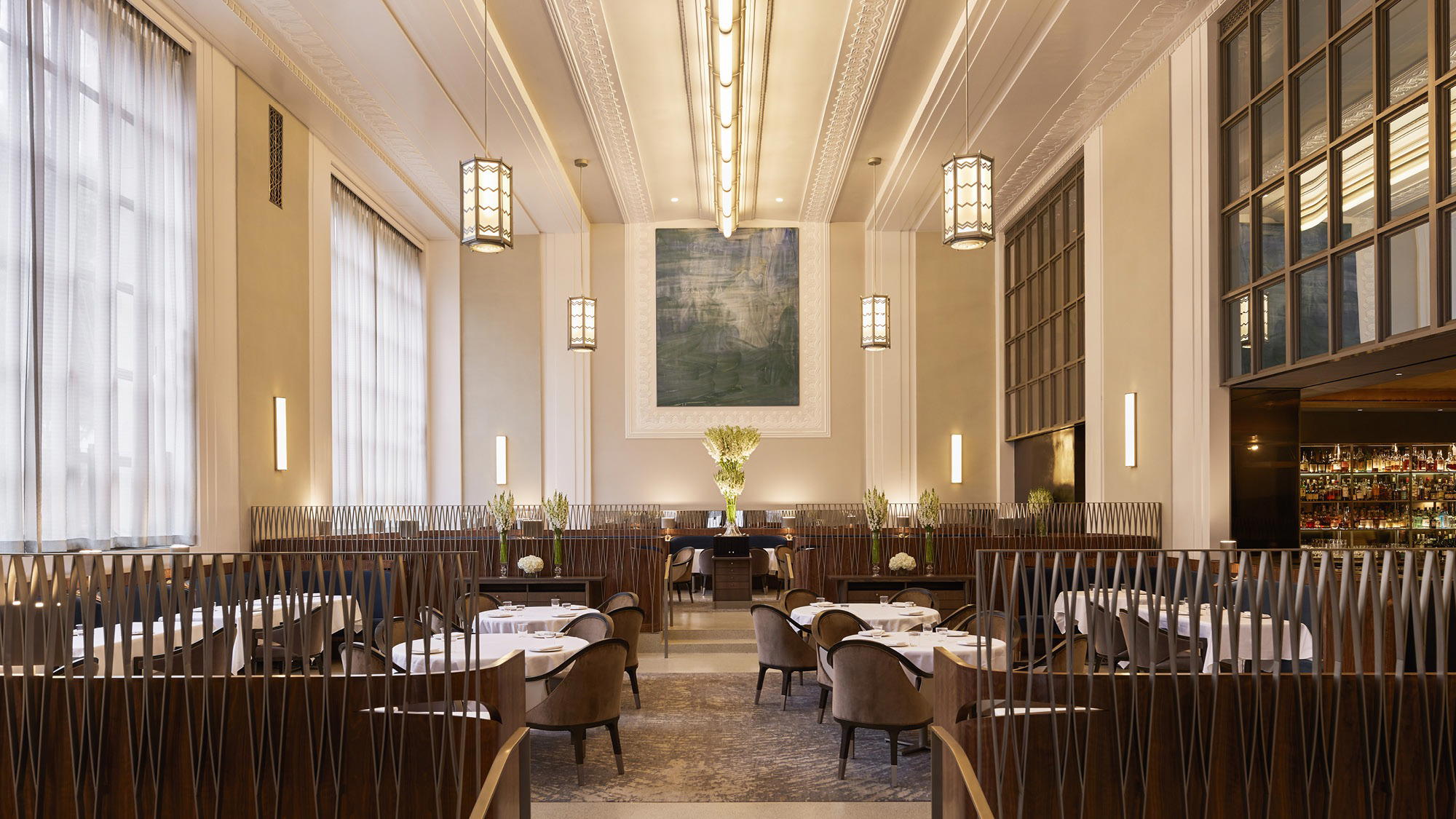
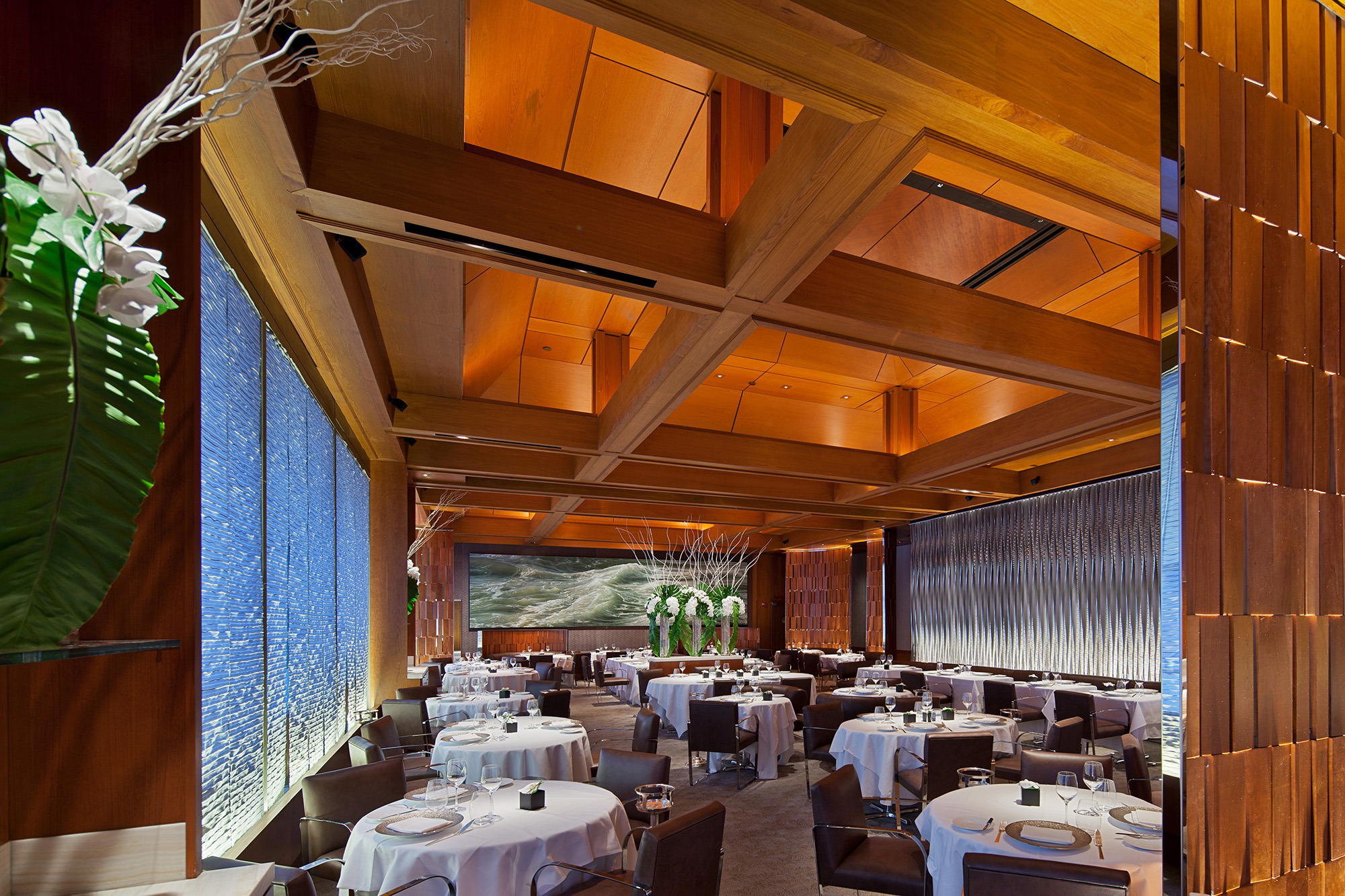
Bars in New York City
Browse all →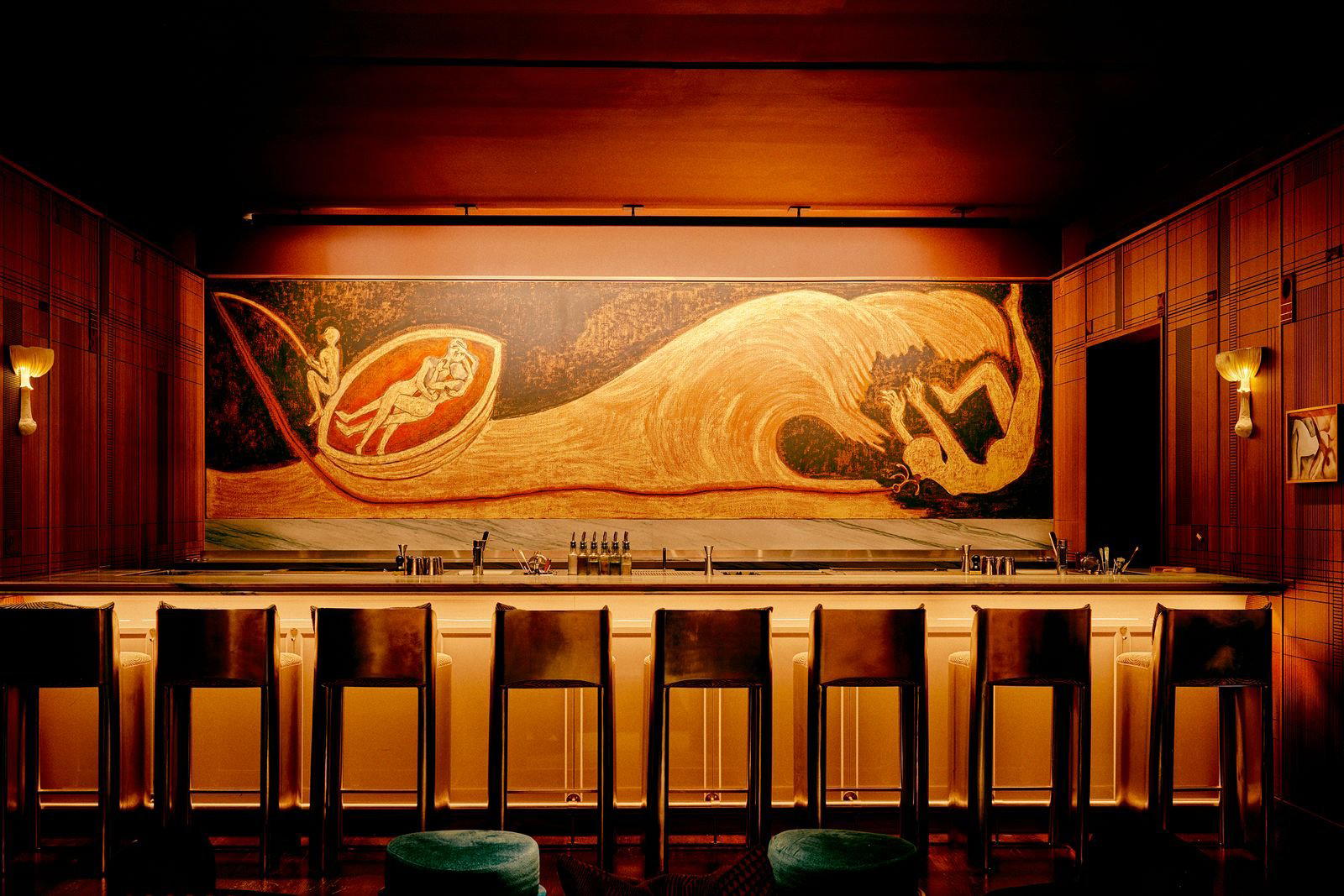
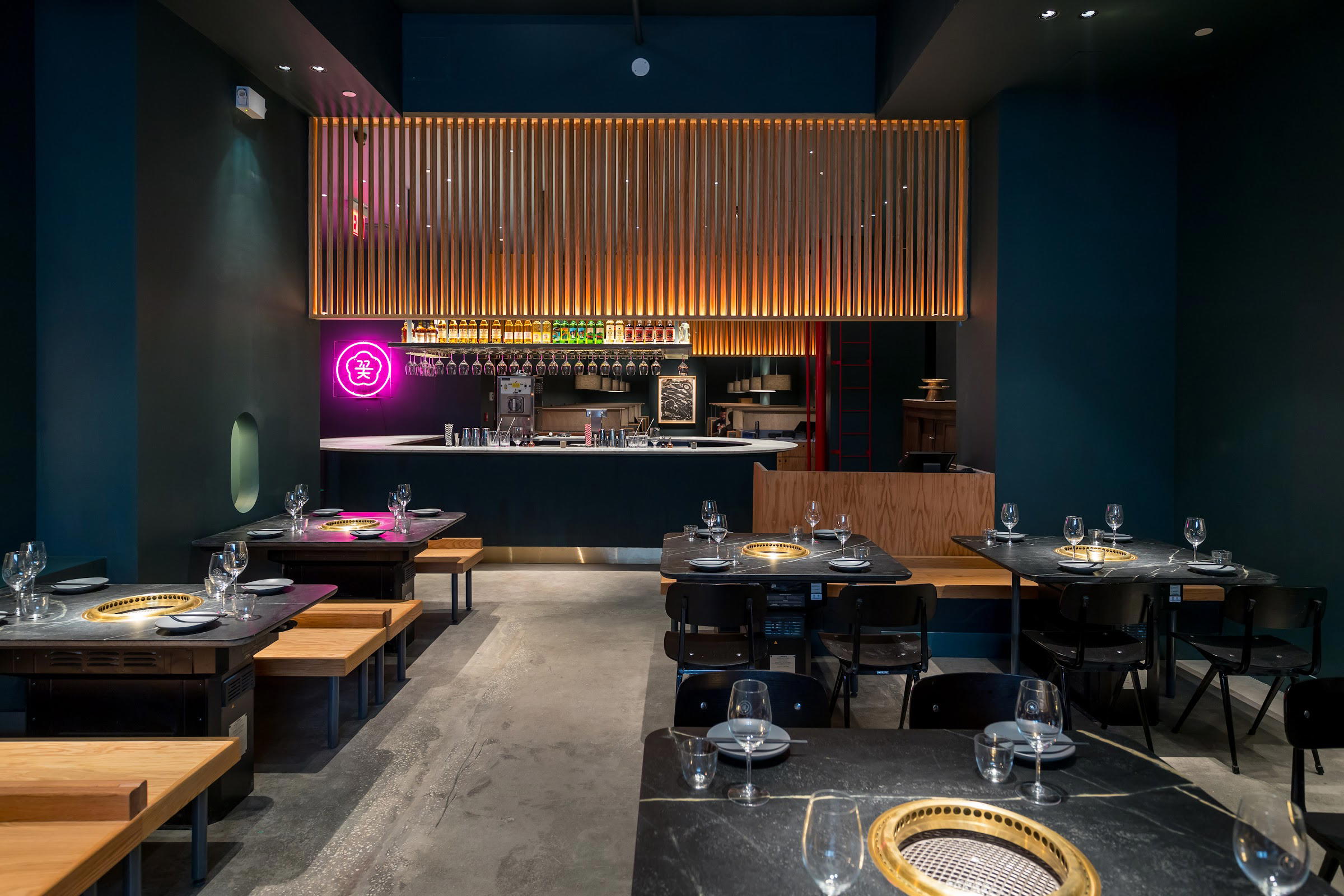
Hotels in New York City
Browse all →





At a Glance
- Intimate
- Cozy
- Elegant
- Modern
- Date Night
- Special Occasion
- Business Dinner
- Chefs Counter
- Sake Program
- Sustainable Seafood
Current opening hours
- Monday
- Closed
- Tuesday
- 12–2 PM, 5–9 PM
- Wednesday
- 12–2 PM, 5–9 PM
- Thursday
- 12–2 PM, 5–9 PM
- Friday
- 12–2 PM, 5–10 PM
- Saturday
- 5–10 PM
- Sunday
- 5–9 PM
Hours can change for holidays and private events. Last verified .
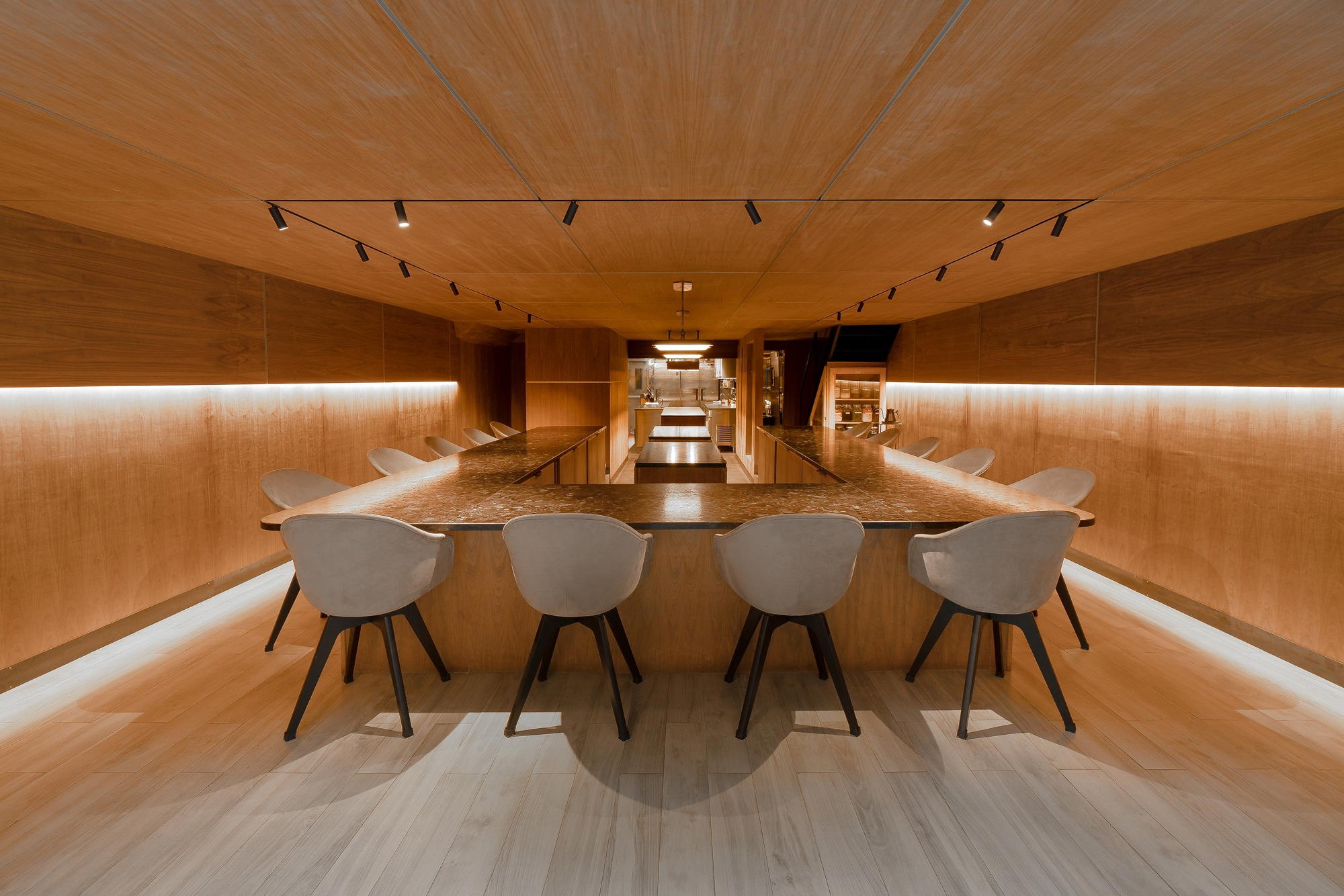
Cozy and serene atmosphere with moderate noise, featuring an intimate sushi bar where diners watch chefs craft nigiri.