Sushi Kozy

An omakase-only counter at 2000 Ross Ave. in Dallas's Arts District, Sushi Kozy pairs kaiseki-influenced composed bites with precise nigiri in a cypress wood counter setting. Chef Paul Ko's format bridges Japanese tradition and international technique, with dishes like kombu-cured sea bass crudo and kanpachi with shiso relish signaling a kitchen that works through restraint rather than spectacle.
Pearl is the En Primeur Club membership app — saves, bookings, and concierge access live there. Same editors, same standards.
- Address
- 2000 Ross Ave., Ste. 150
- Phone
- +1 214-452-2777
- Website
- sushikozy.com
- Directions
- Get directions
 Saves & bookings on Pearl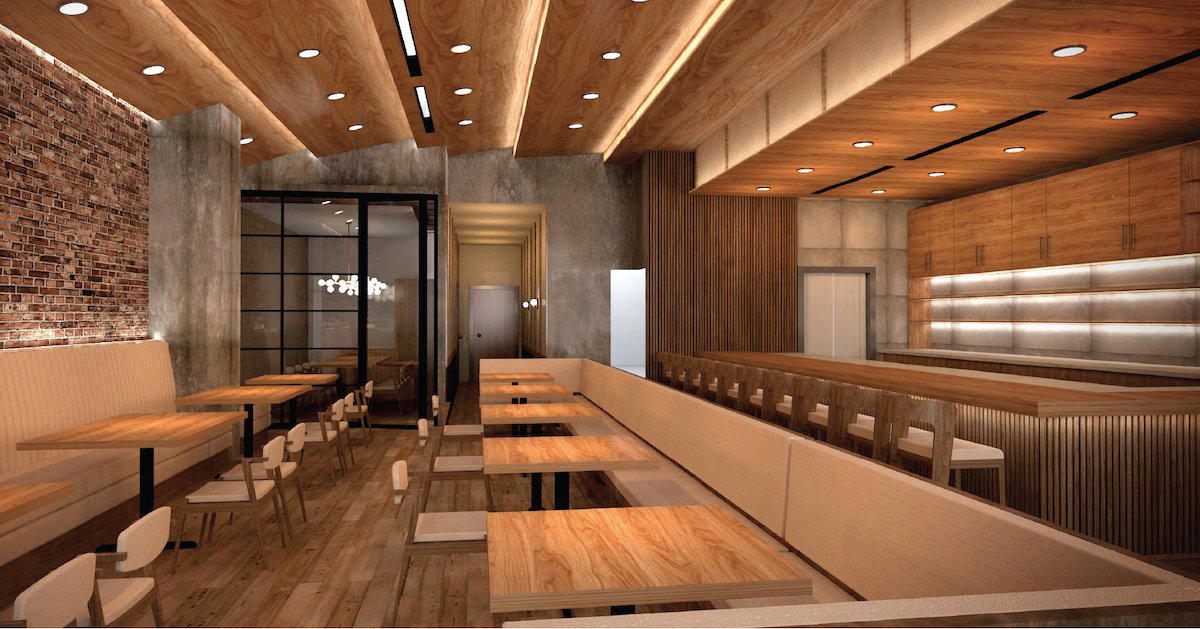
Where Kaiseki Discipline Meets the Dallas Dining Scene
Dallas has built a serious fine dining infrastructure over the past decade, one that now extends well beyond steakhouses and Tex-Mex into chef-driven formats that would hold their own in any major American food city. The city's Japanese dining tier has been part of that shift. Tei-An brought izakaya credibility to downtown years before the neighborhood filled in. Tatsu Dallas pushed the price point and format further. Into that context, Sushi Kozy at 2000 Ross Ave. Suite 150 in the Arts District operates as an omakase-only room that leans on kaiseki structure as much as sushi tradition.
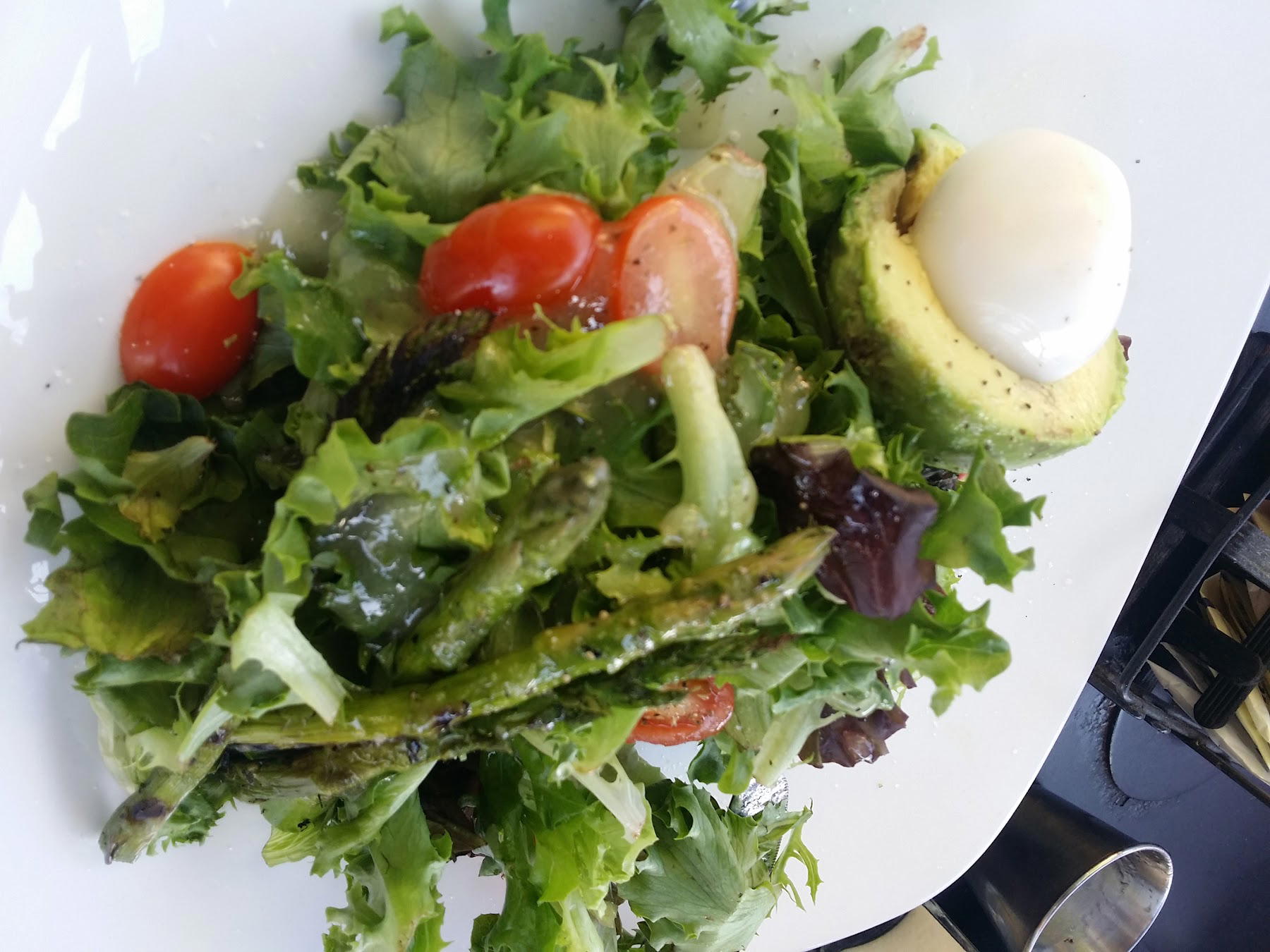
The kaiseki influence matters. Where most American omakase rooms build their identity almost entirely around the nigiri sequence, kaiseki introduces a logic of seasonality, compositional restraint, and course architecture borrowed from Kyoto's formal banquet tradition. The meal at Sushi Kozy begins with composed bites that reflect that influence directly: a crisp phyllo pastry of duck confit with maple and pistachio, or a kombu-cured sea bass crudo paired with tarragon, yuzu kosho, and apple. These are not sushi dishes. They are kaiseki-inflected overtures that establish a different register before the nigiri sequence begins. For diners accustomed to a pure Edomae experience, this is worth understanding in advance. For those who have spent time with the format at places like Single Thread Farm in Healdsburg, where Japanese-influenced multi-course cooking meets California produce, the approach will feel familiar.
The Counter, the Room, and the Format
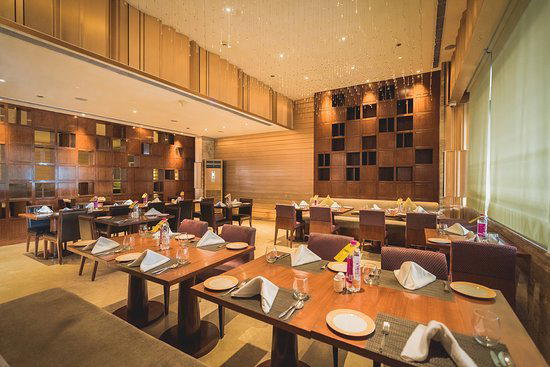
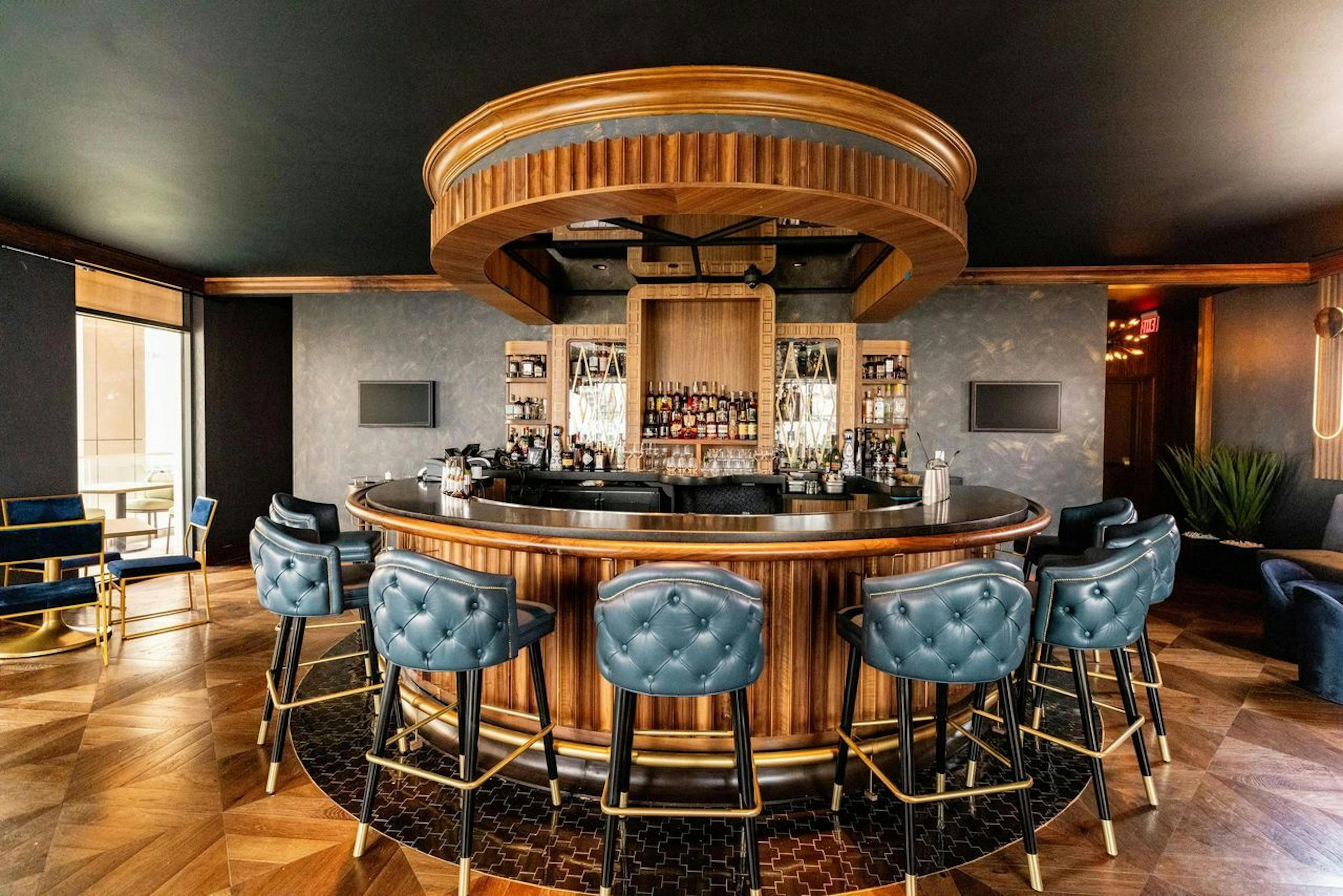
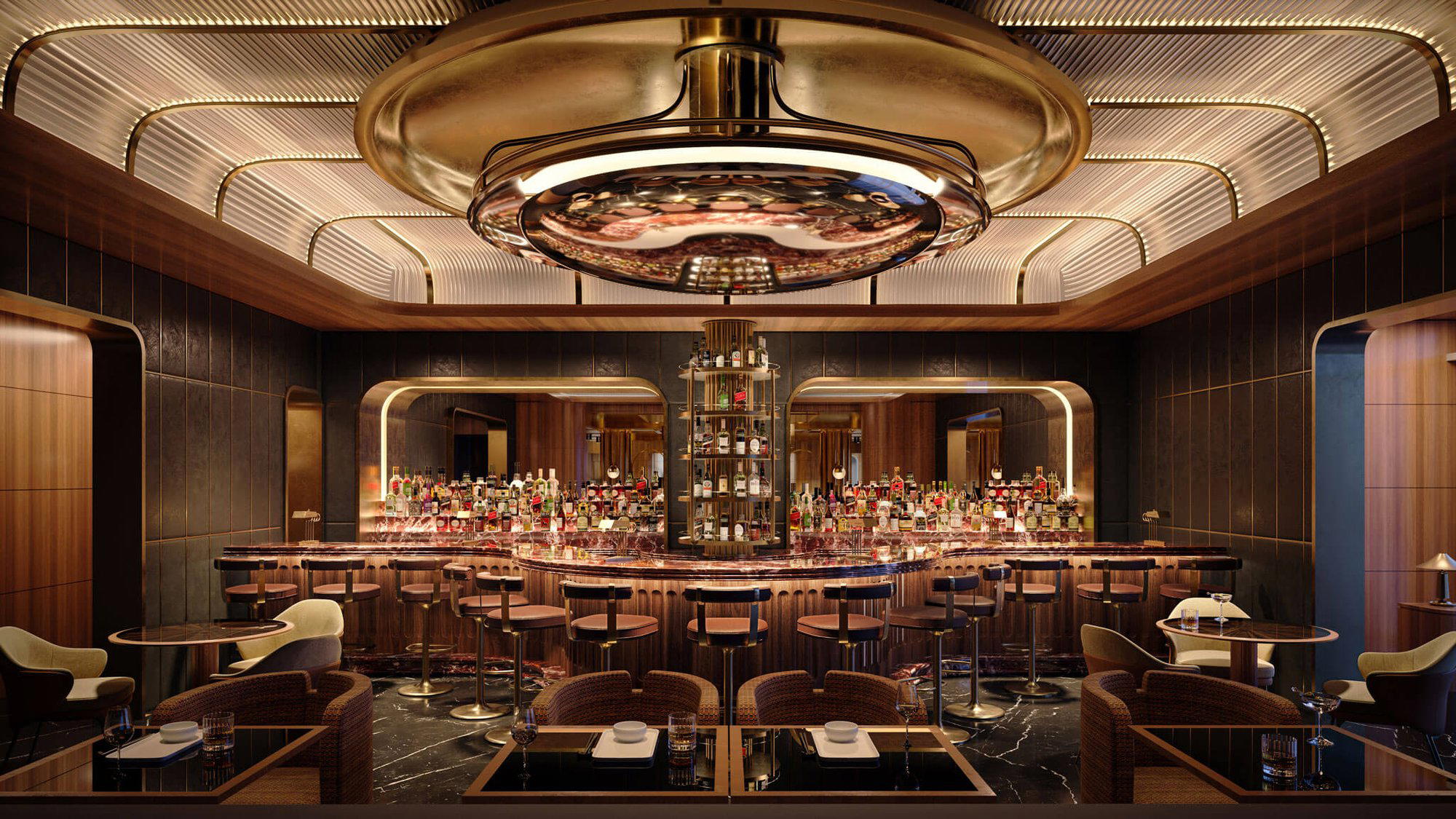
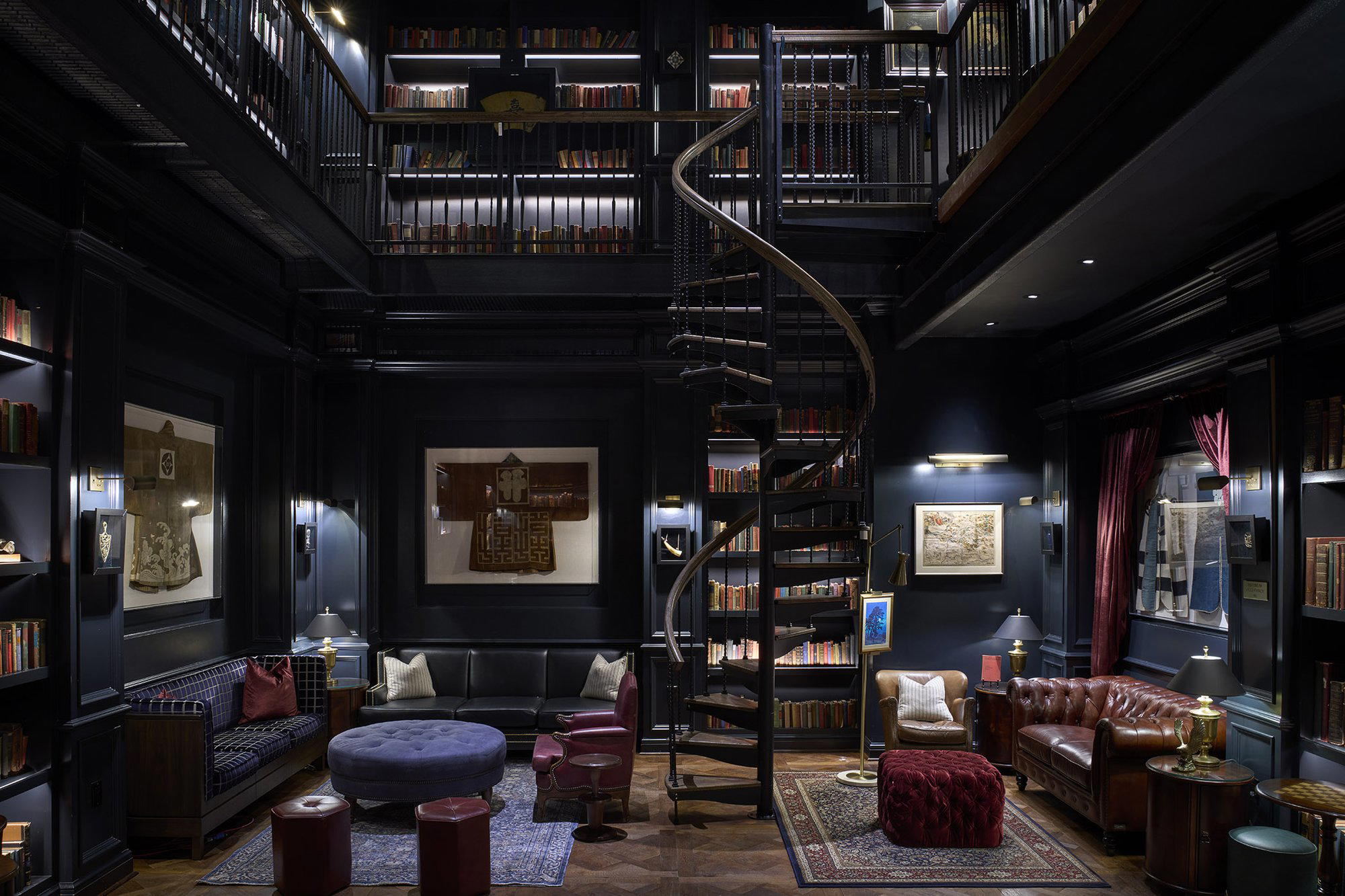
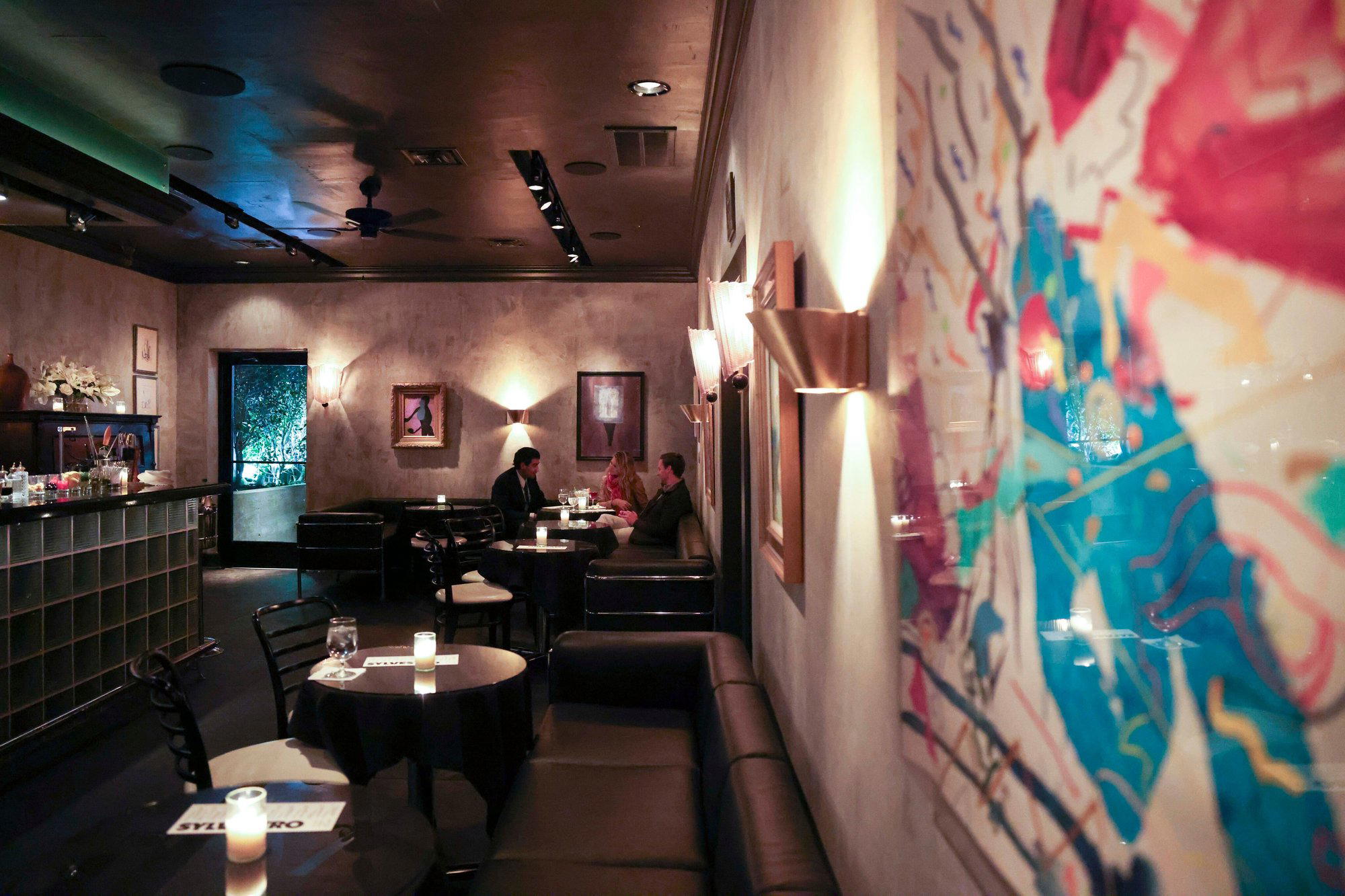
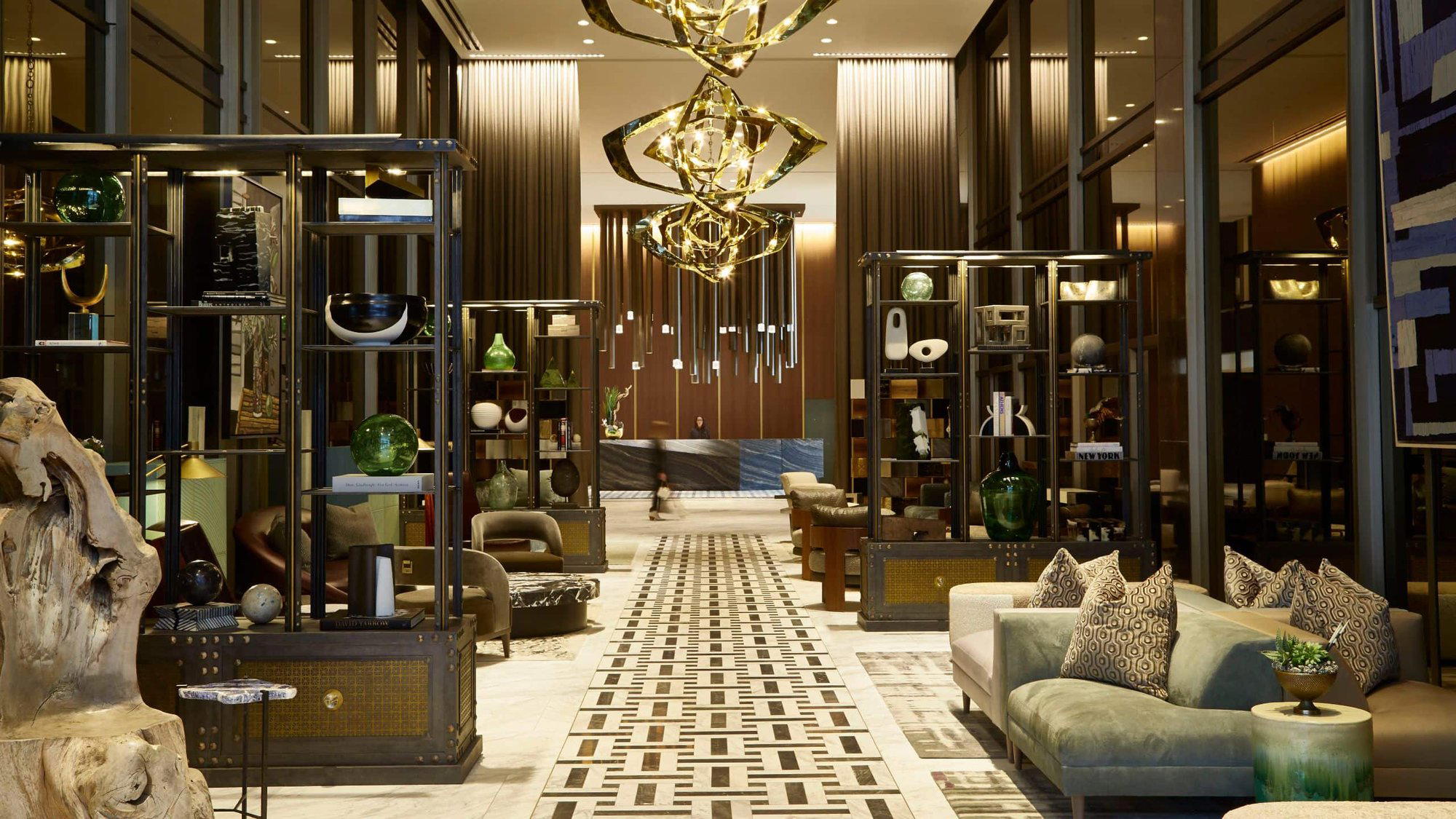
The physical environment at Sushi Kozy registers as more spare and contemporary than the name suggests. The room is spacious by omakase standards, with an assortment of tables alongside the cypress wood counter. Counter seating is the format for which the kitchen is designed: the sequencing of courses, the interaction with the chef, and the physical proximity to the preparation all reward guests who book counter positions over tables. In omakase rooms generally, the counter is where the experience coheres, and Sushi Kozy is no exception to that rule.
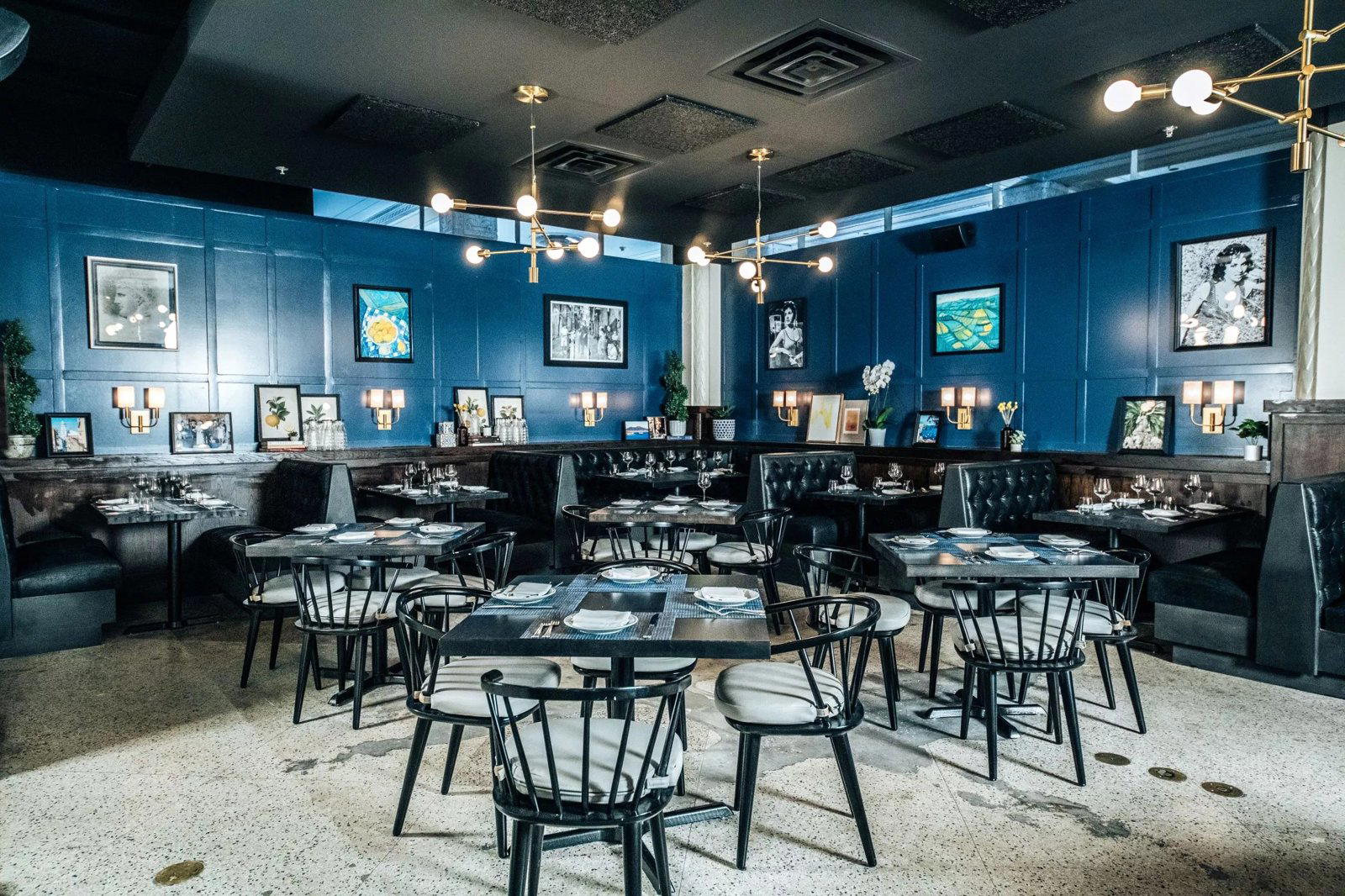
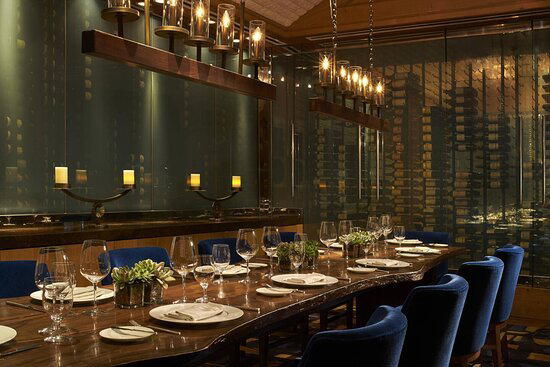
Stylistic approach to the room reflects the broader split visible in American omakase right now. On one end, dark minimalism modeled loosely on Tokyo's leading counters. On the other, rooms that read as contemporary American restaurants that happen to serve Japanese food. The restaurant falls toward the latter, with a modern setting that does not try to replicate a Japanese interior. Whether that choice reads as accessible or as a missed opportunity depends partly on what a diner is seeking from the format. This is a setting that steps back and lets the food occupy the foreground.
Reading the Nigiri Sequence
Nigiri at the restaurant is described, tellingly, as distinguished by subtlety. In an era when American omakase menus have trended toward drama, whether through aged fish, truffle fat, or elaborate saucing, a kitchen that leads with restraint is making a deliberate statement. Kanpachi topped with shiso relish and anago dusted with sansho pepper are both preparations where the fish is the subject and the garnish amplifies rather than obscures. Sansho pepper on anago is a classically grounded pairing: the numbing floral heat of the pepper against the delicate sweetness of conger eel is a combination that rewards attention rather than spectacle.
That restraint positions the restaurant differently from the boldest end of contemporary American omakase, where hybridity and provocation drive the menu. It also means the room functions at a frequency that is closer to what you would find at serious Japanese-American counters in cities with deeper sushi infrastructure, such as the precision-first rooms that have made New York's omakase scene a reference point. Diners who have sat at counters in those cities will recognize the underlying philosophy even if the specific dishes diverge into international territory at the front of the meal.
Dallas Context and the Broader American Omakase Shift
Placing the restaurant within Dallas's dining map requires a moment of honesty about what Dallas has and what it is still building. The city's fine dining benchmark has traditionally been defined by rooms like Al Biernat's and the Southwestern ambition of Fearing's. Newer entrants like Mamani and Casa Brasa signal a city expanding its reference points. Italian anchor Barsotti's holds its own tier. Within that landscape, an omakase-only format with kaiseki ambitions is not a hedge: it is a clear position in a city whose Japanese dining options have historically been limited compared to coastal peers.
The broader American omakase market has split into several pricing tiers. At about $185 per person, the restaurant sits in the higher end of the secondary-city tier. For comparison, the kind of culinary ambition visible at rooms like Le Bernardin in New York City or The French Laundry in Napa took decades of market development to support. Dallas is compressing that timeline.
Chef Paul Ko's role behind the counter places the room in a format where the chef's presence is integral to the experience. This is standard for omakase, and mirrors the structure at recognized rooms globally, from Hong Kong's 8 1/2 Otto e Mezzo Bombana to Alain Ducasse's Louis XV in Monte Carlo, where a named chef anchors the room's identity and its pricing logic. At the opposite end of the American tasting menu spectrum, participatory formats like Lazy Bear in San Francisco or Emeril's in New Orleans take different approaches to the same structural question of what a single-menu, chef-driven room owes its guests.
Planning Your Visit
The restaurant is located at 2000 Ross Ave. Suite 150, in Dallas's Arts District, a neighborhood with growing dining density and proximity to the city's major cultural institutions. The omakase-only format means there is no à la carte option and no partial-menu path in, which is worth confirming at booking. Counter seats, as noted above, are the preferable option for the full experience. Given the format, this is not a room suited to young children: the pacing of an omakase meal, the counter seating, and the absence of a conventional menu all point toward an adult-oriented evening. Those planning a broader Dallas itinerary can find additional context in our full Dallas restaurants guide, our full Dallas hotels guide, our full Dallas bars guide, our full Dallas wineries guide, and our full Dallas experiences guide.
Price Lens
Comparable venues nearby, for context on price, style, and recognition.
| Venue | Cuisine | Price | Awards | Notes |
|---|---|---|---|---|
| Sushi KozyThis venue — the venue you are viewing | Not listed | $$$$ | Michelin Plate | Not listed |
| Knife | Las Colinas, Modern Steakhouse | $$$$ | Not listed | Not listed |
| Mister Charles | Not listed | $$$$ | Michelin Plate | Knox/Henderson, French and Italian Fine Dining |
| 4525 Cole Ave | Not listed | $$$ | Not listed | Oak Lawn, Asian-Fusion Sushi & Steakhouse |
| EVELYN | Not listed | $$$$ | Not listed | Dallas Market Center, Old Hollywood Steakhouse & Seafood |
| Sugoi Sushi | La L'aceate, Edomae-Style Sushi | $$$$ | Not listed | Not listed |
Recognition history
Dated appearances from independent guides and award organizations, with the underlying list record or original source where available.
Michelin Plate
Michelin · 2026 Michelin Plate
At a Glance
- Intimate
- Elegant
- Cozy
- Sophisticated
- Modern
- Date Night
- Special Occasion
- Celebration
- Chefs Counter
- Open Kitchen
- Sake Program
- Craft Cocktails
Current opening hours
- Monday
- Closed
- Tuesday
- 5–9 PM
- Wednesday
- 5–9 PM
- Thursday
- 5–9 PM
- Friday
- 5–9 PM
- Saturday
- 5–9 PM
- Sunday
- 5–8 PM
Hours can change for holidays and private events. Last verified .
Cozy with warm lighting, earth tones inducing zen, stylishly modern, and elegant rather than overly cozy.