
Sushi Konno gives Seki a sushi address that belongs in a wider conversation about regional Japanese counters, not only local dining. Its Tabelog 100 Sushi EAST selections in 2022 and 2025, 14-seat scale, fish-led focus, and sake/shochu program place it above the city’s casual price tier while keeping the format compact and ingredient-driven.
Pearl is the En Primeur Club membership app — saves, bookings, and concierge access live there. Same editors, same standards.
- Address
- 岐阜県関市南出12-1
- Phone
- +81575217050
- Website
- lets-gifu.com
 Saves & bookings on Pearl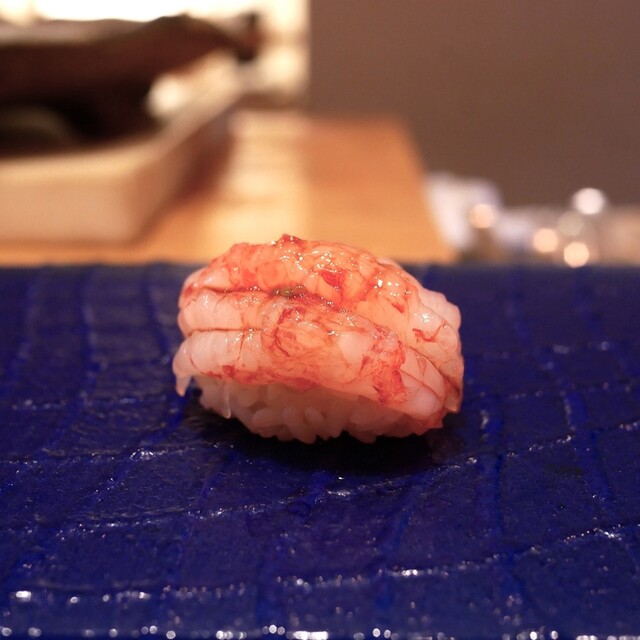
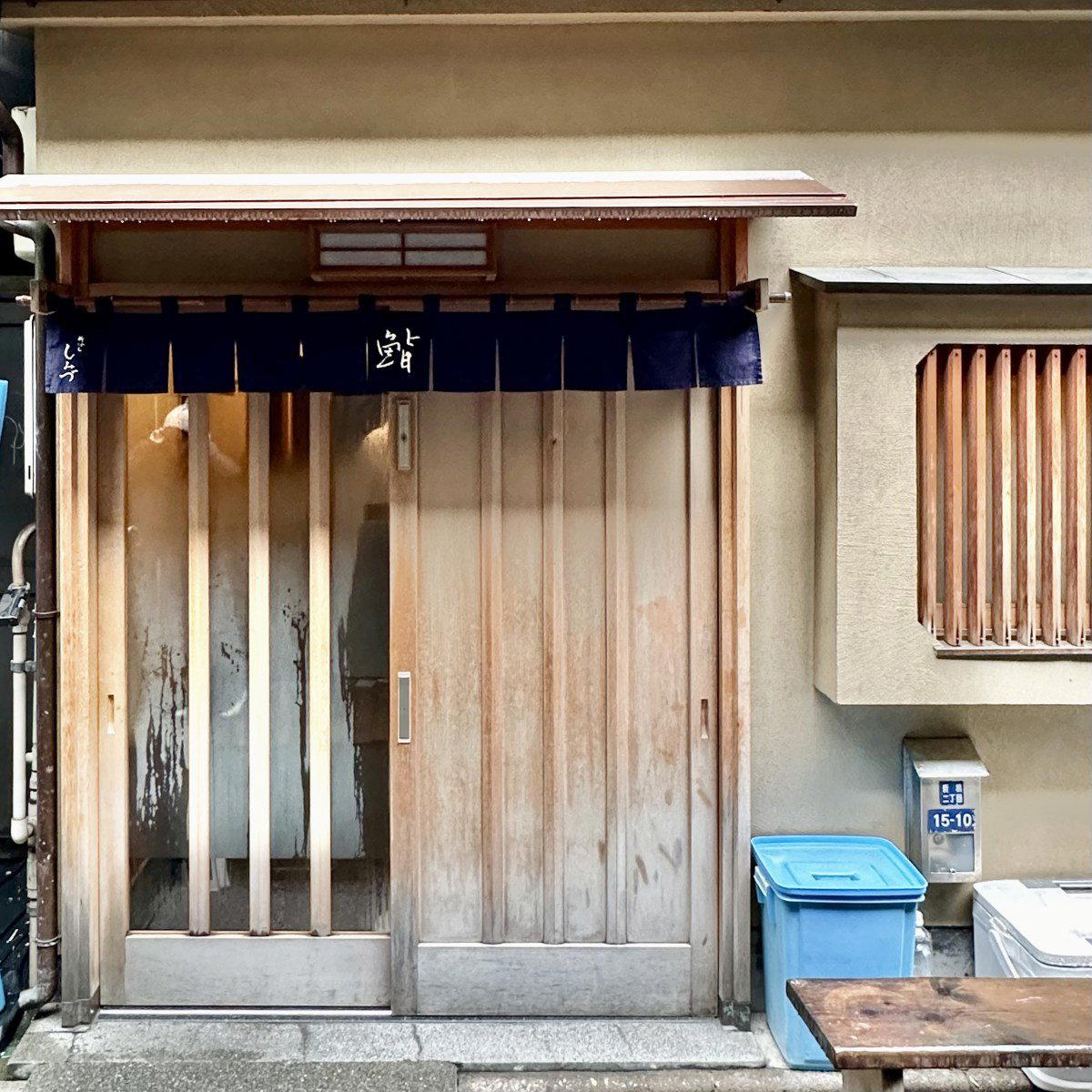
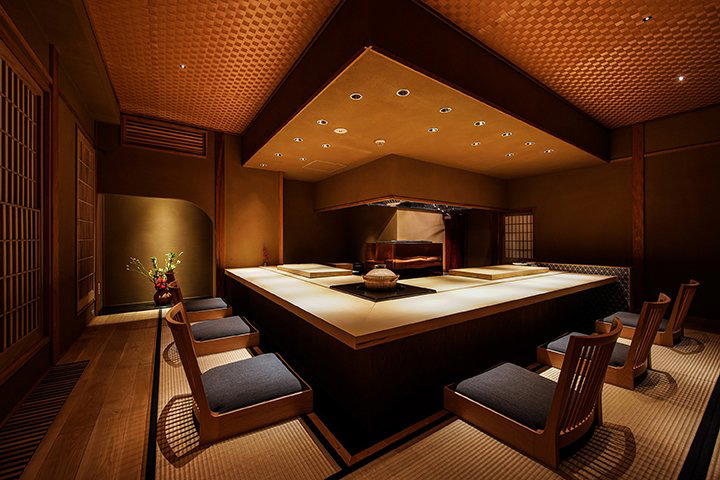
Approach in Seki is less Ginza theatre than residential precision: a house restaurant, counter seating, and a room scaled for concentration rather than spectacle. That matters for sushi. Outside Japan’s major dining capitals, serious counters often earn attention through sourcing discipline and repetition, not grand design. Sushi Konno sits in that lane, with a fish-focused sushi format and a compact 14-seat room that makes the meal feel closer to a specialist workshop than a broad-menu restaurant.
Seki is better known internationally for blades than for sushi tourism, but that is part of the appeal for diners who track regional Japanese restaurants beyond the obvious circuits. Local dining here covers everyday meals, long-running specialists, and occasion restaurants; the city’s upper tier is small, and the gap between casual budgets and destination sushi is visible. Within Seki, Tokiwa 1921 sits in a lower everyday price band, Tsujiya occupies a mid-range bracket, and Shige Yoshi reads as a higher local meal without reaching the same sushi-specialist positioning. Sushi Konno’s Tabelog 100 Sushi EAST selections in 2022 and 2025 move it into a different category: a regional counter judged against a broader eastern Japan sushi field.
Fish sourcing, not theatre, drives the appeal
The defining signal here is ingredient focus. The listing’s own food note is direct, “particular about fish,” which is more useful than a long manifesto. In Japanese sushi culture, that phrase points to selection, handling, and timing: the work that happens before fish reaches rice. At high-performing regional counters, the question is rarely whether the room feels lavish; it is whether the sourcing and preparation justify a trip away from a larger city’s denser restaurant scene.
That framing suits Seki. A smaller city counter cannot rely on the constant international flow that fills famous urban sushi rooms. It has to persuade a more deliberate diner, often one who already understands the difference between sushi as a casual meal and sushi as a controlled sequence of fish, rice, temperature, and pacing. The drink list reinforces the Japanese register rather than chasing a global luxury template: sake, shochu, and wine are all part of the program, with particular attention to sake and shochu. For a fish-led sushi meal, that balance is more meaningful than a huge cellar.
The format also resists overstatement. There are no private rooms, and the emphasis is counter seating inside a relaxed, spacious setting. That makes the experience less about isolation and more about proximity to the craft. In a city where many meals fall into accessible local spending bands, this is the sort of restaurant where the meal’s value depends on fish quality and sequence discipline rather than interior drama.
Where it fits in Seki's dining hierarchy
Seki’s restaurant scene rewards context. A diner planning one meal in town may be choosing between local classics, affordable set-meal culture, eel, Japanese cooking, and sushi. Sushi Konno is not the default choice for a quick meal; it belongs to the category of planned dining, with recognition that extends beyond the city. The Tabelog score of 3.77 adds another useful signal in Japan, where ratings in the high threes can indicate a serious following, especially outside metropolitan dining districts.
The comparison within Seki is blunt. Tokiwa 1921 sits in an everyday bracket. Tsujiya and Shige Yoshi occupy more substantial local meal territory. The restaurant is priced and recognized as a specialist sushi counter, so the better comparison is not simply “where to eat in Seki,” but whether a diner wants a fish-led sushi meal that has already passed a national-style curation filter. That distinction is what separates a useful local address from a reason to adjust an itinerary.
For broader planning, Our full Seki restaurants guide is the natural companion, while Our full Seki hotels guide, Our full Seki bars guide, Our full Seki wineries guide, and Our full Seki experiences guide help place the meal inside a wider stay. The point is not to turn Seki into a sushi capital. It is to recognize that Japan’s serious dining map is full of small-city specialists whose reputations are built through narrow focus.
How to read the counter before committing
The restaurant opened in 2013, which gives it more than a decade of local operating history rather than the volatility of a new counter chasing attention. The room is non-smoking, perfume is not allowed, and payment runs through major credit cards while electronic money and QR code payments are not part of the setup. Those details say something about the intended diner: book deliberately, arrive prepared, and treat the meal as a focused sushi sitting rather than a casual walk-in stop.
There is also a practical advantage to the setting. Parking is available, and the restaurant sits within reach of Sekiguchi Station, so the logistics are less punishing than many destination counters in dense city centers. That does not make it casual. Reservation-only operation and the 14-seat scale mean the constraint is capacity, not navigation. For travelers building a Gifu route, the case for the restaurant is strongest when Seki is already part of the plan, or when regional sushi is the plan.
鮪と炭火焼き うお炭 秋葉原店 in Tokyo to.cafe in Osaka.know in Kumamoto, (Shoku) Vietnam in Kawasaki, [Curry Senmon Ten] Maruyama Kyoju. in Sapporo, [ki:] in Kyoto, and #肉といえば松田 奈良本店 in Kashihara. Overseas Japanese drinking and casual formats, including Jōdo Saké Bar in Los Angeles and Onigiri Time in Pasadena, underline the contrast: this is not Japanese food as lifestyle shorthand, but sushi judged through sourcing, restraint, and seat scarcity.
The verdict is simple: the restaurant is for diners who care about regional sushi seriousness and are willing to let fish quality carry the argument. In Seki, that makes it a high-intent meal rather than a convenient one.
At-a-Glance Comparison
Comparable venues by cuisine and price in the same metro.
| Venue | Cuisine | Price | Notes |
|---|---|---|---|
| Sushi KonnoThis venue — the venue you are viewing | Modern Seasonal Sushi Omakase | $$$$ | Not listed |
| Shige Yoshi | Japanese Unagi (Eel) | $$ | Sannodori |
| Tokiwa 1921 | Japanese yoshoku (omurice & hamburger steak) | $ | Imojiya, Seki |
| Tsujiya | Traditional Unagi (Freshwater Eel) Restaurant | $$ | Honmachi |
| 八や | Omakase Sushi | $$$$ | Shimeno Nakamachi |
| Bettei Oborozukiyo | Traditional Japanese Kaiseki | $$$$ | Dogo Onsen |
Recognition history
Dated appearances from independent guides and award organizations, with the underlying list record or original source where available.
Tabelog 100 #84 · No. 84
Tabelog · Tabelog 100 - Sushi - EAST - 2025
Continue exploring
More in Seki
Restaurants in Seki
Browse all →
At a Glance
- Modern
- Elegant
- Intimate
- Sophisticated
- Cozy
- Date Night
- Business Dinner
- Celebration
- Special Occasion
- Solo
- Private Event
- Chefs Counter
- Standalone
- Design Destination
- Sake Program
- Extensive Wine List
- Local Sourcing
- Sustainable Seafood
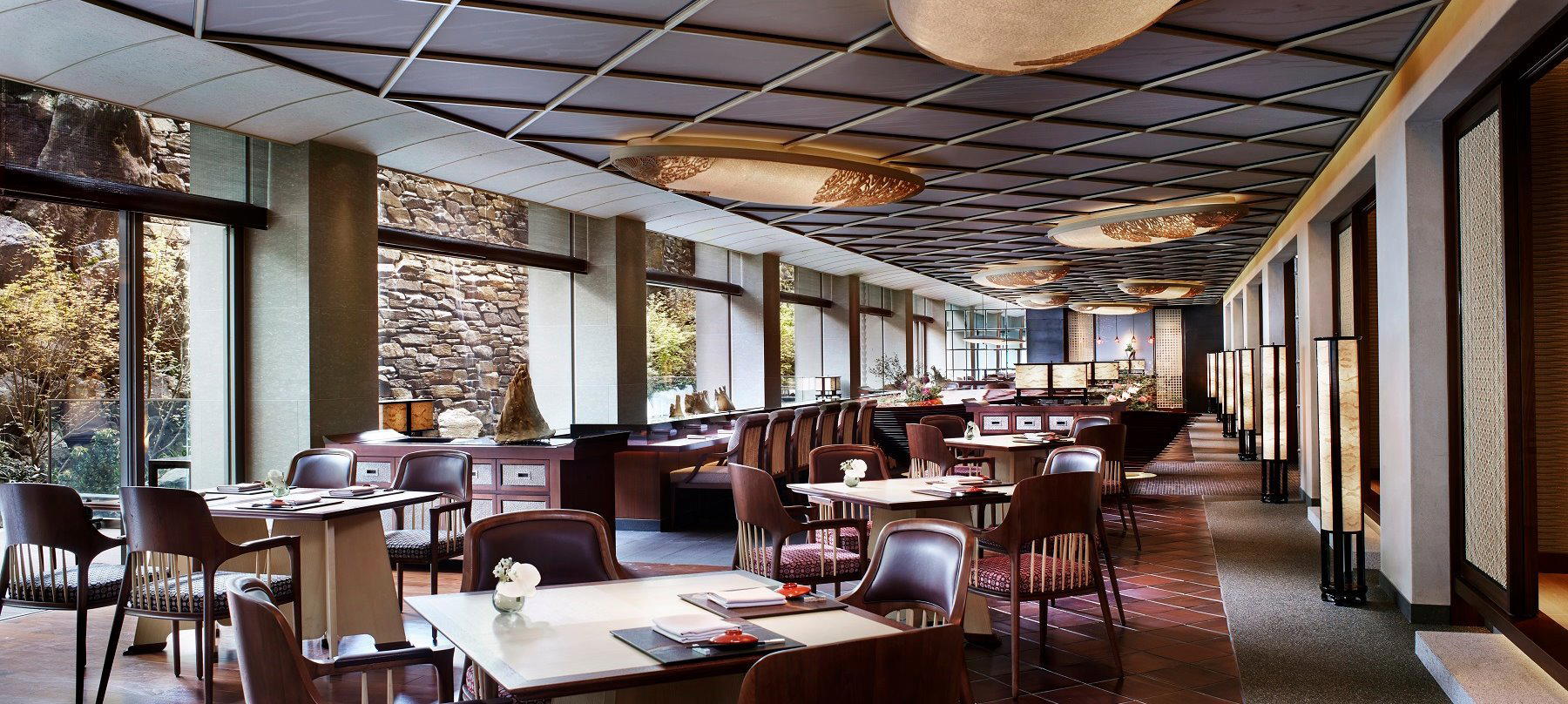
A small, counter-only space with a modern, quietly luxurious feel; lighting is soft and focused on the counter, and guests describe it as a hidden, non-ordinary retreat where the chef’s meticulous dishes, curated tableware, and attentive omotenashi create a calm yet refined atmosphere suited to celebrations and high-end entertaining.