
Tokiwa 1921 puts Seki’s yoshoku tradition in a modest, old-line register: omurice and hamburger steak rather than ceremonial dining. Its 2025 selection for Tabelog 100 - Yoshoku - EAST gives it a useful credential, but the appeal is just as much about how Japanese Western cooking survives outside the big-city restaurant circuit.
Pearl is the En Primeur Club membership app — saves, bookings, and concierge access live there. Same editors, same standards.
- Address
- 5 Chome-9-6 Imojiya, Seki, Gifu 501-3914, Japan
- Phone
- +81 575-25-2922
- Website
- tabelog.com
- Directions
- Get directions
 Saves & bookings on Pearl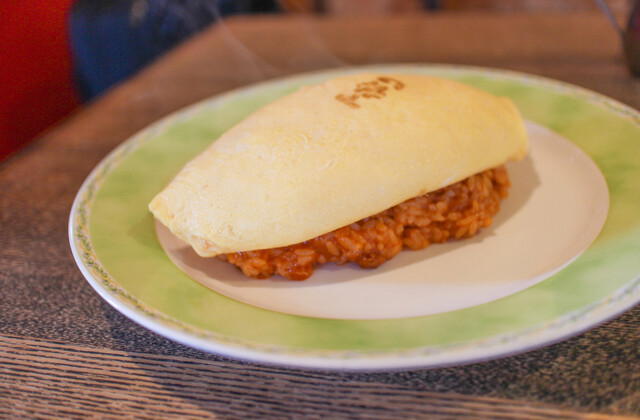
The approach to yoshoku in regional Japan rarely announces itself with grand dining-room theatre. It is usually quieter: a house restaurant, a compact room, tables set for families and regulars, and a menu built around Japanese interpretations of Western comfort cooking. In Seki, a city better known nationally for blades than restaurant pilgrimages, that format carries particular weight. Tokiwa 1921 belongs to the old-school branch of the category, where omurice and hamburger steak are not retro gestures but the grammar of the meal.
Yoshoku has always been a translation rather than an imitation. Omelette rice, demi-glace-style sauces, fried cutlets, gratins and hamburger steak entered Japanese dining through Meiji- and Taisho-era encounters with Western cooking, then became domestic food in their own right. The category’s serious restaurants are judged less by novelty than by control: rice texture, egg handling, sauce depth, portion discipline and whether a familiar dish can hold attention without luxury ingredients doing the work.
Yoshoku in Seki, read through omurice and hamburger steak
That context matters because Seki’s stronger dining names sit across different registers. Sushi Konno occupies a higher-price sushi lane, while Tsujiya and Shige Yoshi point toward more classical Japanese formats. Tokiwa 1921 works in a lower-cost, everyday genre, but its selection for Tabelog 100 - Yoshoku - EAST - 2025 places it inside a national conversation about Japanese Western cooking rather than merely local convenience dining.
The Tabelog score of 3.63 gives a second signal: this is not an anonymous neighbourhood lunch counter, yet it is not positioned like a luxury destination. The restaurant’s history is part of the point. Opened on 15 February 1921 and previously known as Tokiwa Cafeterias and Kitchen 1921, it sits in a lineage that predates the current boom in reservation-led dining. In a country where tasting menus often dominate international attention, a century-old yoshoku address reminds the reader that Japanese restaurant culture also runs through practical, repeatable dishes served at accessible scale.
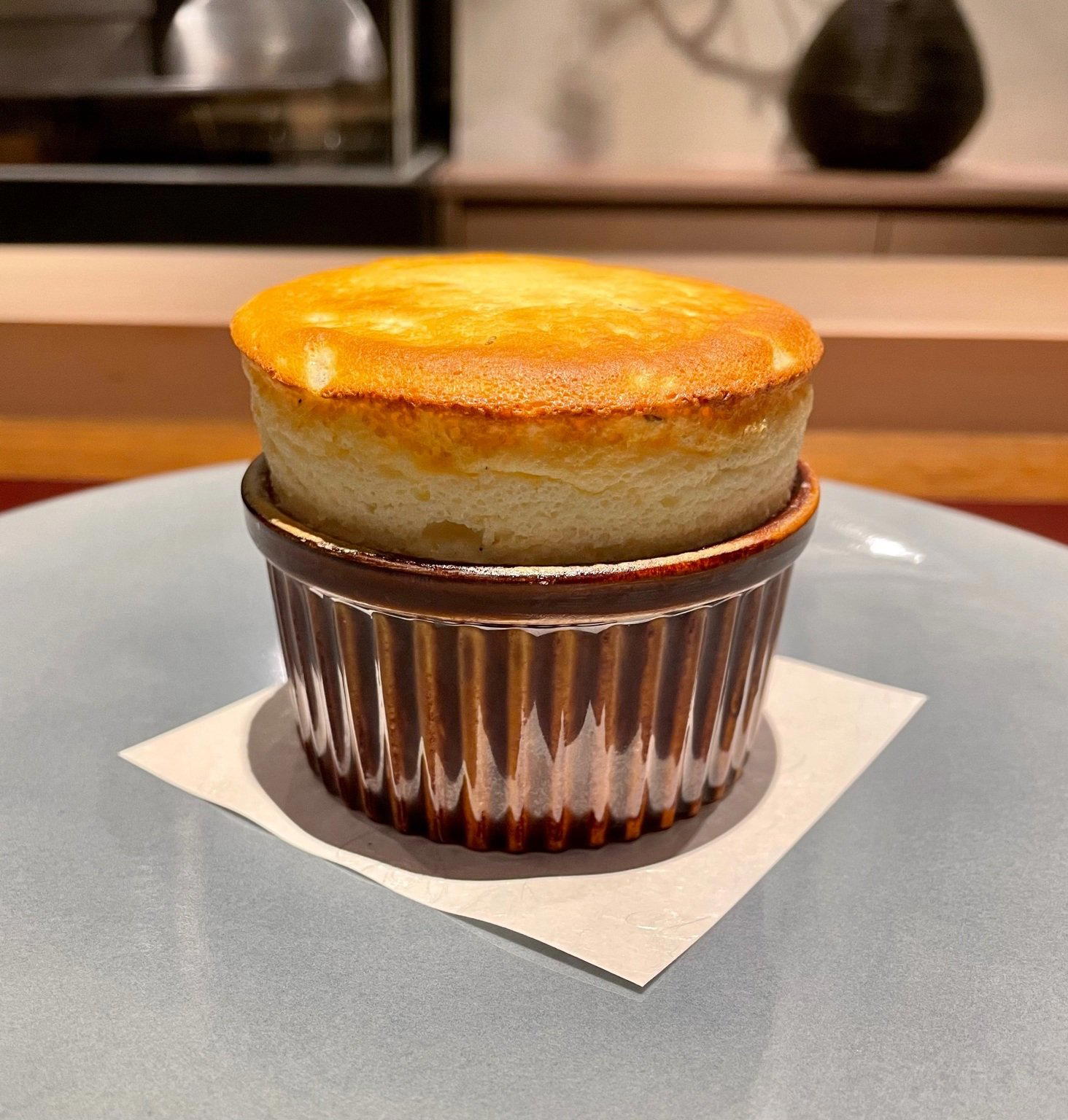
The categories listed are direct and useful: omurice and hamburger steak. No extended chef narrative is needed to understand the place. The editorial interest is the endurance of the format itself. Omurice is a Japanese domestic classic, often treated casually, but in a serious yoshoku setting it becomes a test of timing and balance. Hamburger steak plays a similar role: Western in origin, Japanese in execution, and closely tied to the postwar family-restaurant imagination, though older yoshoku houses tend to carry it with more craft than chain-restaurant uniformity.
A small room, a practical format, and a century-old category
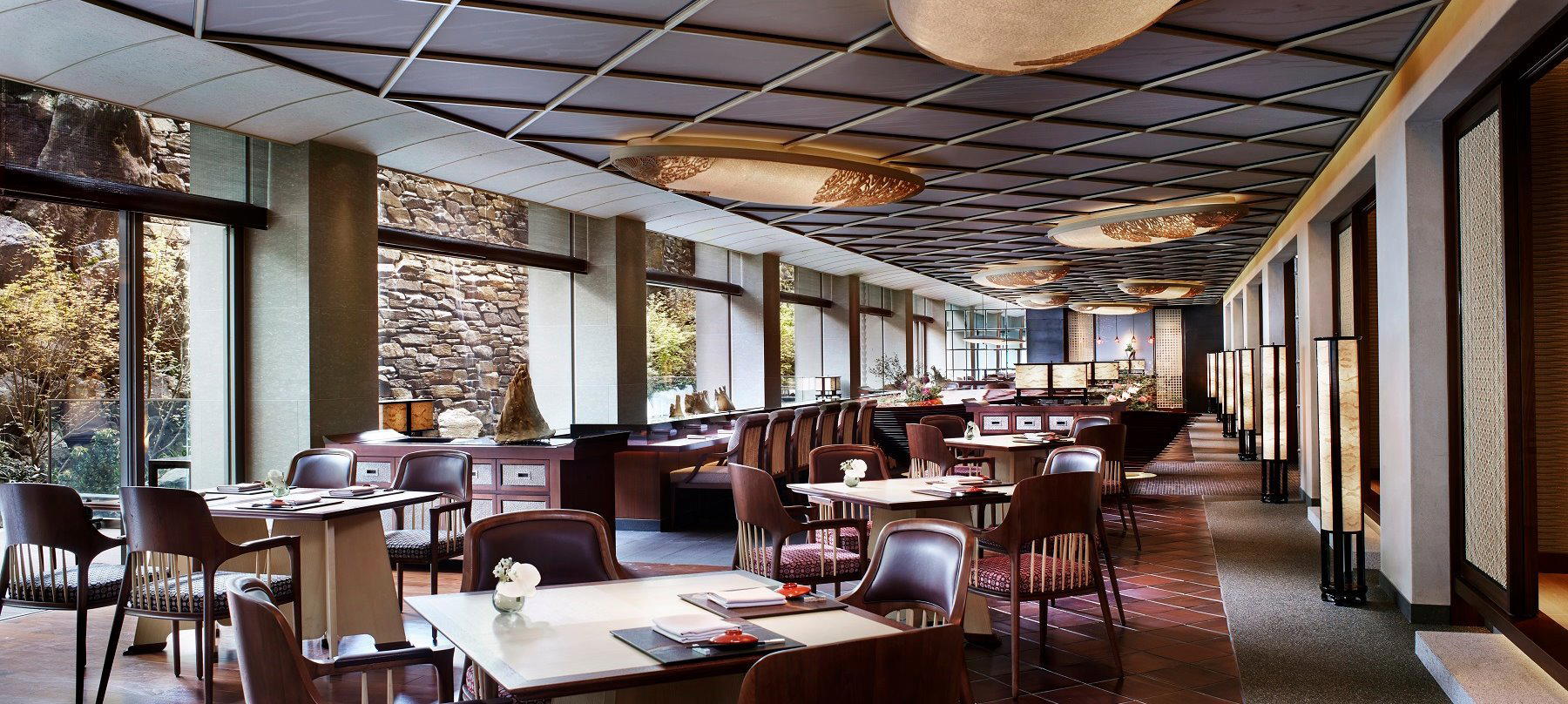
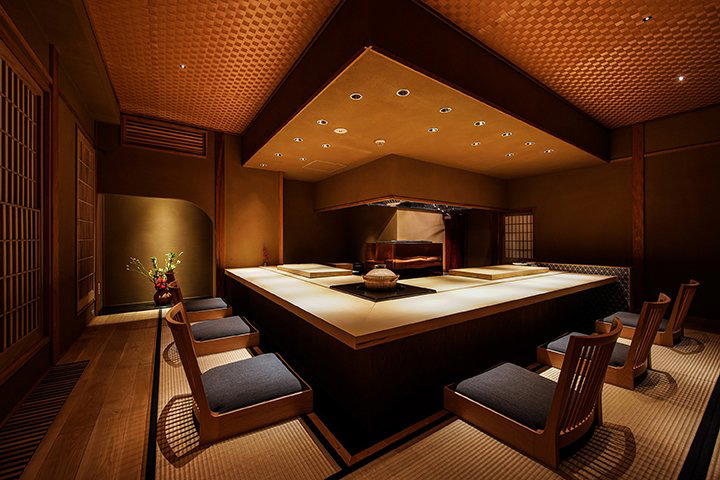
Room is compact rather than ceremonial, with 28 seats arranged around tables for two and four. That scale suits the cuisine. Yoshoku is not improved by excessive solemnity; it needs pace, heat and the feeling that lunch and dinner are both legitimate uses of the same dining room. Non-smoking status and children-welcome positioning make it easier to read as a family-friendly restaurant, while the lack of private rooms keeps the experience communal rather than secluded.
There is also a useful contrast between recognition and access. Many award-listed restaurants in Japan move immediately into booking anxiety, but this format remains closer to daily dining: practical seating, parking, electronic money and QR code payment support, and no credit-card acceptance. Those details matter for travellers because Seki is not Tokyo, Kyoto or Osaka. A meal here is usually part of a Gifu itinerary, a knife-making visit, or a regional food detour, not a single-purpose international trip.
For readers mapping the city, our full Seki restaurants guide gives the broader dining spread, while our full Seki hotels guide, our full Seki bars guide, our full Seki wineries guide and our full Seki experiences guide help place the meal inside a wider stay. The stronger editorial move is not to treat Seki as a miniature version of a capital-city dining scene. Its value lies in how regional restaurants preserve categories that urban dining sometimes repackages as nostalgia.
How to read the detour
Tokiwa 1921 makes sense for travellers who care about Japanese food beyond sushi counters and kaiseki rooms. The comparison with Seki’s higher-priced Japanese restaurants is instructive: a lower spend does not mean a lesser cultural signal, only a different one. Yoshoku is one of Japan’s clearest examples of adaptation becoming tradition, and this address gives that tradition a concrete regional anchor.
Use the meal as a calibration point. In Kamakura, beef formats such as -Grilled beef Sukiyaki- KAMAKURA TANUKIAN 鎌倉 たぬき庵 in Kamakura show another side of Japanese adaptation around Western-style richness and native technique. In Tokyo. 鮪と炭火焼き うお炭 秋葉原店 in Tokyo points toward urban casual specialization. Further afield.cafe in Osaka.know in Kumamoto, (Shoku) Vietnam in Kawasaki, [Curry Senmon Ten] Maruyama Kyoju. in Sapporo, [ki:] in Kyoto and #肉といえば松田 奈良本店 in Kashihara broaden the same question: how does everyday Japanese dining earn specialist attention without becoming formal? Outside Japan, Jōdo Saké Bar in Los Angeles and Onigiri Time in Pasadena show how narrower Japanese formats travel, adapt and find new audiences.
The verdict is deliberately restrained: this is a culturally useful Seki table, not a trophy reservation. Its strength lies in category clarity, longevity and a recognized place within the 2025 Tabelog yoshoku selection. For a traveller building a Gifu route around craft, regional food and small-city texture, that combination is more persuasive than another expensive meal that could belong anywhere.
Booking and Cost Snapshot
Nearby venues at a similar price tier for orientation.
| Venue | Cuisine | Price | Notes |
|---|---|---|---|
| Tokiwa 1921 | Not listed | $ | Imojiya, Seki, Japanese yoshoku (omurice & hamburger steak) |
| Tsujiya | Not listed | $$ | Honmachi, Traditional Unagi (Freshwater Eel) Restaurant |
| Shige Yoshi | Not listed | $$ | Sannodori, Japanese Unagi (Eel) |
| Sushi Konno | Seki, Modern Seasonal Sushi Omakase | $$$$ | Not listed |
| 旭がのぼるまで | Susukino, Miso Ramen | $ | Not listed |
| ラーメン亭「十五夜」 | Kushiro, Japanese Ramen | $ | Not listed |
Recognition history
Dated appearances from independent guides and award organizations, with the underlying list record or original source where available.
Tabelog 100 #27 · No. 27
Tabelog · Tabelog 100 - Yoshoku - EAST - 2025
At a Glance
- Cozy
- Classic
- Family
- Casual Hangout
- Group Dining
- Solo
- Standalone
- Historic Building
Current opening hours
- Monday
- 11:30 AM–2:30 PM
- Tuesday
- Closed
- Wednesday
- 11:30 AM–2:30 PM, 6–9 PM
- Thursday
- 11:30 AM–2:30 PM, 6–9 PM
- Friday
- 11:30 AM–2:30 PM, 6–9 PM
- Saturday
- 11:30 AM–2:30 PM, 6–9 PM
- Sunday
- 11:30 AM–2:30 PM, 6–9 PM
Hours can change for holidays and private events. Last verified .
A stylish yet relaxed house-restaurant with spacious, non-smoking table seating that feels like a cozy neighborhood hideout, popular with families and friends for casual Western-style Japanese comfort food.