Our verdict
Sensei Sushi sits in a modest strip of shops on Pitt Road in North Curl Curl, one of Sydney's northern beaches suburbs where the dining culture runs closer to the water than to the CBD. The restaurant brings Japanese sushi and fish-forward cooking to a neighbourhood that rewards venues willing to source carefully and serve simply. For visitors exploring Sydney's coastal dining corridor, it represents the kind of local institution that outlasts trends by staying focused.

Pearl is the En Primeur Club membership app, where members save venues, book tables and use the concierge.
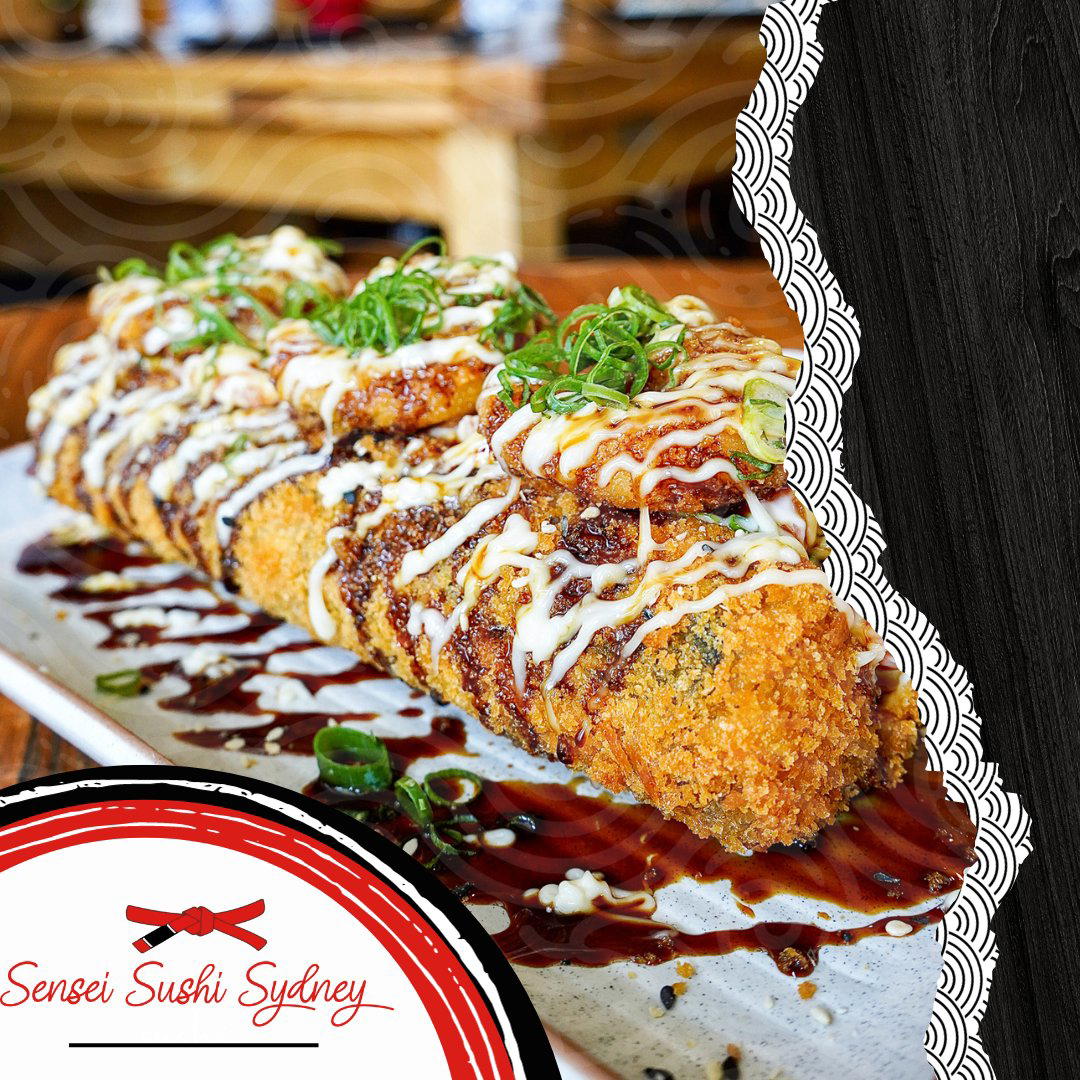
Sushi on the Northern Beaches: What the Setting Says
Sydney's northern beaches dining scene operates by different logic than the CBD or inner suburbs. Venues here serve communities who value proximity to the ocean, and that proximity shapes what ends up on the plate. Seafood-forward cooking dominates because the market supports it: suppliers moving product up the Northern Beaches Highway keep local restaurants closer to their catch than most inner-city equivalents. Sensei Sushi, located at Shop 3, 64 Pitt Road in North Curl Curl, sits inside this pattern, a Japanese restaurant positioned in a coastal suburb where the local appetite for fresh fish aligns naturally with the demands of sushi preparation.
North Curl Curl itself is the kind of suburb that doesn't draw food-media attention but sustains a consistent dining culture through repeat local custom. It sits between Dee Why and Curl Curl Beach, well north of the Harbour Bridge, and the trade-off for the drive is a neighbourhood where restaurants earn loyalty through consistency rather than visibility. That dynamic tends to filter out venues that rely on novelty, and reward those that get the fundamentals right across hundreds of services.
The Sustainability Frame: How Northern Beaches Sushi Can Do It Differently
Australian sushi restaurants occupy a specific ethical position relative to their Japanese counterparts. In Japan, where the omakase tradition places enormous cultural weight on the mastery of a single ingredient, the sourcing conversation is baked into the format. In Australia, the same weight rarely applies to neighbourhood sushi, yet the proximity to local fisheries creates a genuine opportunity that the better operators in Sydney's coastal suburbs have started to act on.
Responsible sourcing at a sushi venue comes down to a few practical decisions: which species appear on the menu, whether those species are sourced from sustainable fisheries, and how the kitchen handles waste across a service. Sushi prep generates significant trim, offcuts from fish portioning that represent both a cost and an environmental consideration. Venues that treat trim as an ingredient rather than a loss signal a kitchen culture oriented toward efficiency and reduced waste, which in the sushi context often translates to more interesting specials and a less static menu. For a point of comparison, Saint Peter in Paddington has built a widely discussed program around exactly this principle, using species and cuts that other Sydney seafood kitchens routinely discard.
The broader question for any sushi restaurant in a coastal suburb is whether proximity to the ocean translates into genuine sourcing discipline or merely a decorative claim. Sydney's northern beaches are close enough to local fish markets and boat-direct suppliers that the infrastructure exists for meaningful provenance. How individual venues use that infrastructure separates the ones worth tracking from the ones running frozen imports behind a Japanese-language chalkboard.
Where Sensei Sushi Sits in Sydney's Sushi Tier
Sydney's sushi market stratifies clearly. At the leading sit the omakase counters, chef-driven, seat-scarce, priced against Tokyo peers rather than local competition. Below that, a mid-tier of Japanese restaurants offering à la carte sushi alongside cooked dishes, often with wine lists and a broader dining format. Then a large base of neighbourhood sushi shops operating on volume, lunch specials, and convenience. Sensei Sushi at North Curl Curl occupies the neighbourhood tier geographically, but the name and format suggest aspirations toward something more considered than a high-volume roll shop.
For context on how Sydney's serious end of Japanese dining operates, Atomix in New York City, a Korean fine-dining counter with structural parallels to the Japanese omakase format, illustrates how a focused tasting format with serious sourcing credentials positions itself against peers globally. Locally, Rockpool represents the kind of Australian restaurant that has spent decades treating sourcing as a non-negotiable part of the proposition. Neither is a direct peer to a neighbourhood sushi venue in North Curl Curl, but both demonstrate the tier that serious sourcing and kitchen discipline can reach.
Comparable northern beaches dining, Bayly's Bistro in Kirribilli and Johnny Bird in Crows Nest represent the kind of north-side Sydney venues that have built neighbourhood reputations through consistent cooking rather than destination marketing. Sensei Sushi operates in that same geography of loyalists rather than tourists.
What to Order and What to Know
What holds true across competent neighbourhood sushi venues in Sydney is that the most reliable signals are the simplest preparations: nigiri over decorated rolls, fish that varies with what's available rather than a fixed list, and rice temperature that suggests the kitchen treats it as an ingredient rather than a vehicle. A sushi restaurant whose specials board changes more than its core menu is generally operating with fresher product.
Japanese-Australian dining in the coastal suburbs has also moved toward a format that suits the climate: lighter omakase-adjacent lunches, casual counter seating, and menus that function as much for a quick weekday dinner as a planned weekend meal. bills in Bondi Beach demonstrated two decades ago that a relaxed coastal format doesn't require sacrificing kitchen seriousness, the northern beaches market has absorbed that lesson gradually. Venues like 10 William St in Paddington show a different version of the same principle: focused format, quality product, local community.
For Sydney visitors building a broader itinerary, our full Sydney restaurants guide covers the range from waterfront institutions to the kind of strip-mall neighbourhood venues that sustain the city's actual daily dining culture. Regionally, Brae in Birregurra and Attica in Melbourne represent the Australian end of the sustainability-forward fine dining argument, where sourcing ethics and kitchen creativity have converged into internationally recognised programs.
Planning Your Visit
Address: Shop 3, 64 Pitt Road, North Curl Curl NSW 2099. Getting There: North Curl Curl is accessible by car from the CBD via the Spit Bridge and Pittwater Road, approximately 25 kilometres north. Public transport to this suburb is limited; driving or rideshare is the practical option for most visitors. Reservations: Budget: Timing: Coastal suburb sushi venues in Sydney tend to be busiest Friday evenings and weekend lunches when beach-adjacent foot traffic peaks.
Frequently asked questions
What do people recommend at Sensei Sushi North Curl Curl?
At venues of this type in Sydney's northern beaches, the recommended approach is to focus on nigiri and daily specials rather than complex rolls, as these preparations reflect the kitchen's actual sourcing on any given day. Ask staff what has come in that morning, a kitchen that answers specifically rather than generically is one operating with real daily product.
Can I walk in to Sensei Sushi North Curl Curl?
Walk-in availability at North Curl Curl's neighbourhood restaurants is generally higher on weekday evenings than on weekend services, when local demand peaks. Sydney's northern beaches dining corridor, while quieter than the CBD, sees consistent local demand at popular venues, so arriving early in a service or calling ahead reduces the risk of a wait.
What is Sensei Sushi North Curl Curl known for?
Sensei Sushi is a Japanese sushi restaurant in North Curl Curl, positioned in a coastal suburb where fresh fish supply and local community loyalty are the primary business drivers. The venue is known within its neighbourhood rather than on the broader Sydney dining circuit, which means its reputation is built through repeat custom rather than media coverage or award recognition. That dynamic tends to favour consistency and value over experimentation.
How does Sensei Sushi North Curl Curl handle allergies?
In Sydney, venues are required under New South Wales food safety regulations to disclose major allergens when asked, and sushi restaurants specifically should be consulted about sesame, soy, shellfish cross-contamination, and wasabi.
Is Sensei Sushi North Curl Curl overpriced or worth every penny?
Neighbourhood sushi in Sydney's northern beaches generally prices between mid-tier lunch and moderate dinner ranges, with value determined largely by fish quality relative to spend. A useful benchmark: if the price per piece of nigiri is comparable to inner-city suburban Japanese restaurants rather than CBD omakase counters, and the fish quality reflects coastal sourcing, the proposition tends to hold. Confirming current pricing directly with the venue is advised.
How does Sensei Sushi's North Curl Curl location compare to other sushi options along Sydney's northern beaches corridor?
The northern beaches stretch from Manly north through Dee Why, Curl Curl, Collaroy, and Narrabeen, a long corridor with uneven Japanese dining coverage. Manly captures most of the visitor-facing sushi trade, leaving suburbs further north, including North Curl Curl, to serve primarily local residential demand. A venue operating in that quieter zone competes less on location and more on repeat-customer loyalty, which in the context of Japanese cuisine in Australia tends to mean stable sourcing relationships and consistent rice quality matter more than décor or format novelty. For broader Sydney seafood context, Saint Peter and Le Bernardin in New York anchor opposite ends of the sourcing-to-plate argument that neighbourhood sushi venues in coastal Australia are, in their own way, also navigating.
Recognition, Side-by-Side
Comparable venues nearby, for context on price, style, and recognition.
| Venue | Cuisine | Price | Notes |
|---|---|---|---|
| Sensei Sushi North Curl CurlThis venue (the venue you are viewing) | Japanese-Brazilian Fusion Sushi | Not listed | Not listed |
| Yakitori Yurippi | Authentic Japanese Yakitori | $50–100 | Crows Nest |
| Jazushi | Japanese Fusion with Live Jazz | $30–50 | Surry Hills |
| Pepper Lunch | Japanese DIY Teppan Pepper Rice | $20–30 | Sydney |
| Sushi Jones | Casual Japanese Sushi & Izakaya | $30–50 | Alexandria |
| IKI Dining - Ramen and Izakaya | Ramen and Izakaya | $30–50 | Potts Point |
Continue exploring
More in Sydney
Restaurants in Sydney
All restaurants in Sydney →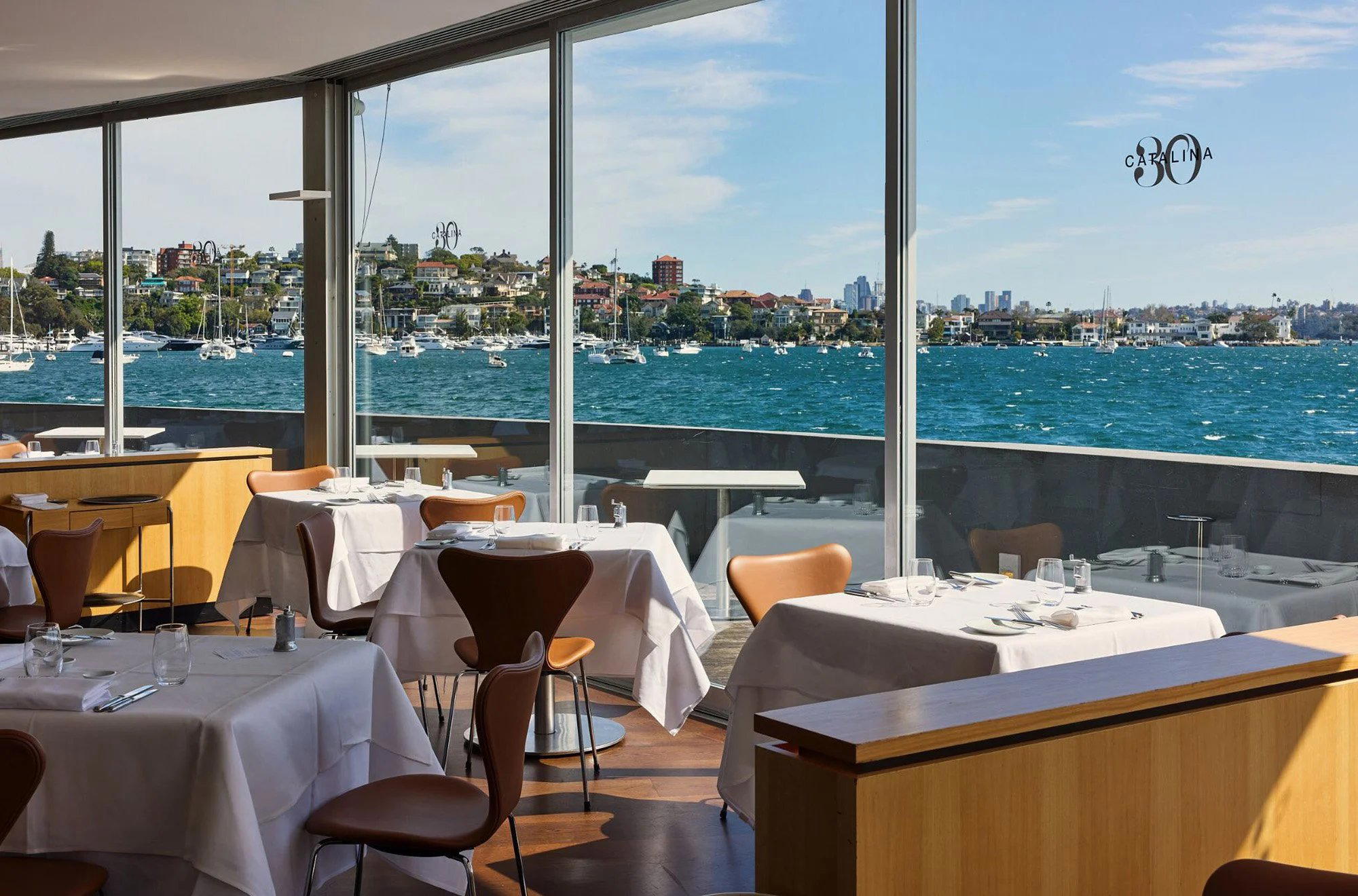
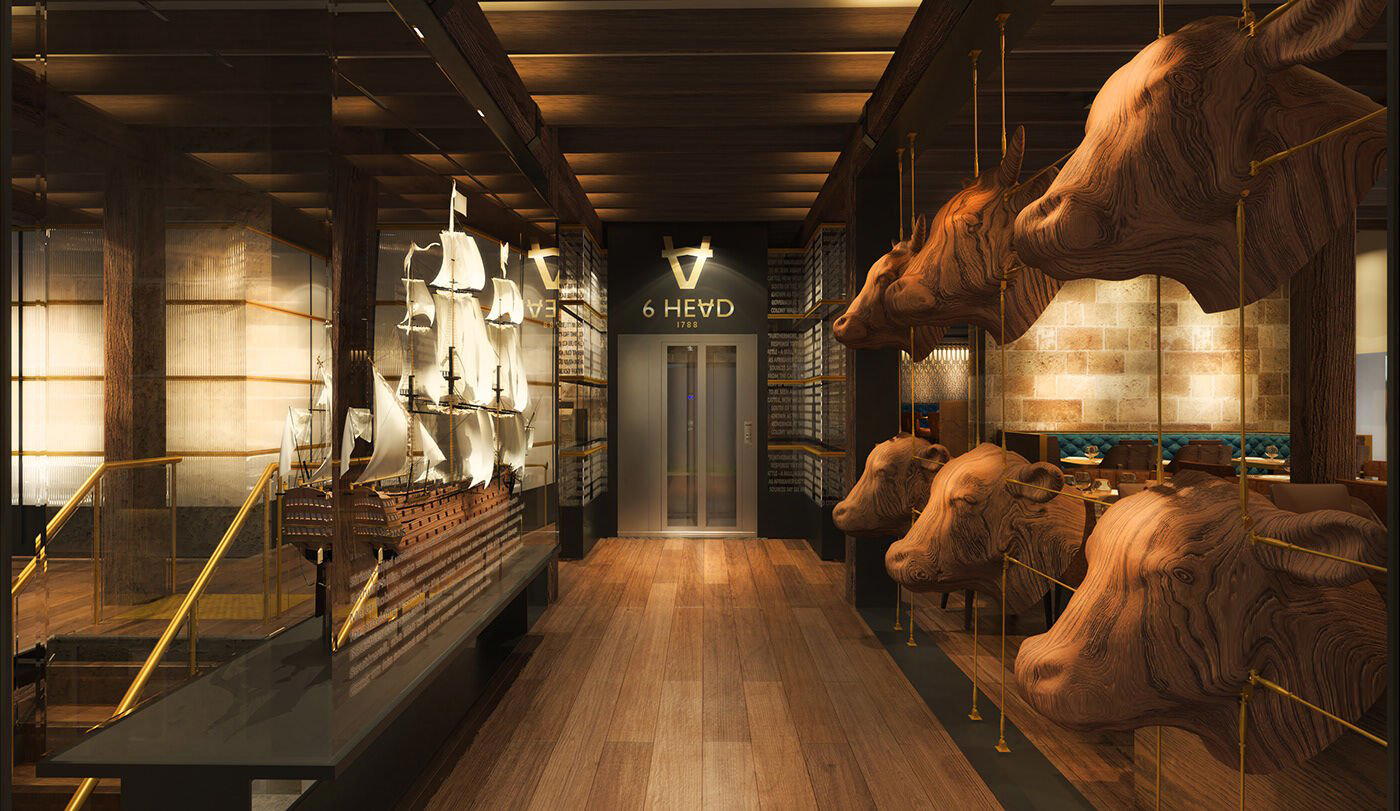
Bars in Sydney
All bars in Sydney →

Details
- Cozy
- Modern
- Trendy
- Casual Hangout
- Date Night
- Sake Program
- A La Carte
Current opening hours
- Monday
- Closed
- Tuesday
- 5–9 PM
- Wednesday
- 5–9 PM
- Thursday
- 5–9 PM
- Friday
- 5–10 PM
- Saturday
- 12–3 PM, 5–10 PM
- Sunday
- 12–3 PM, 5–8:30 PM
Hours can change for holidays and private events. Last verified .
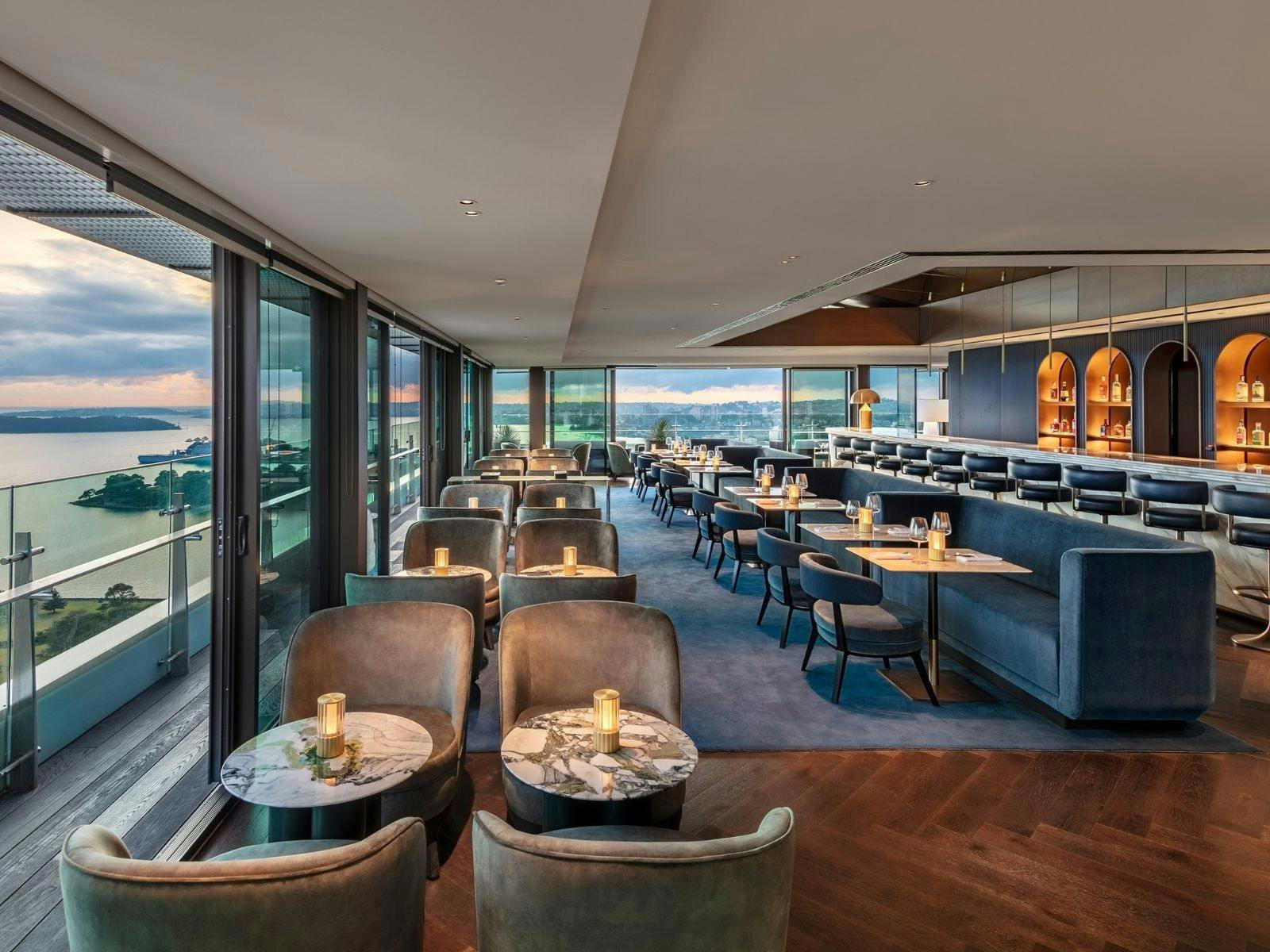
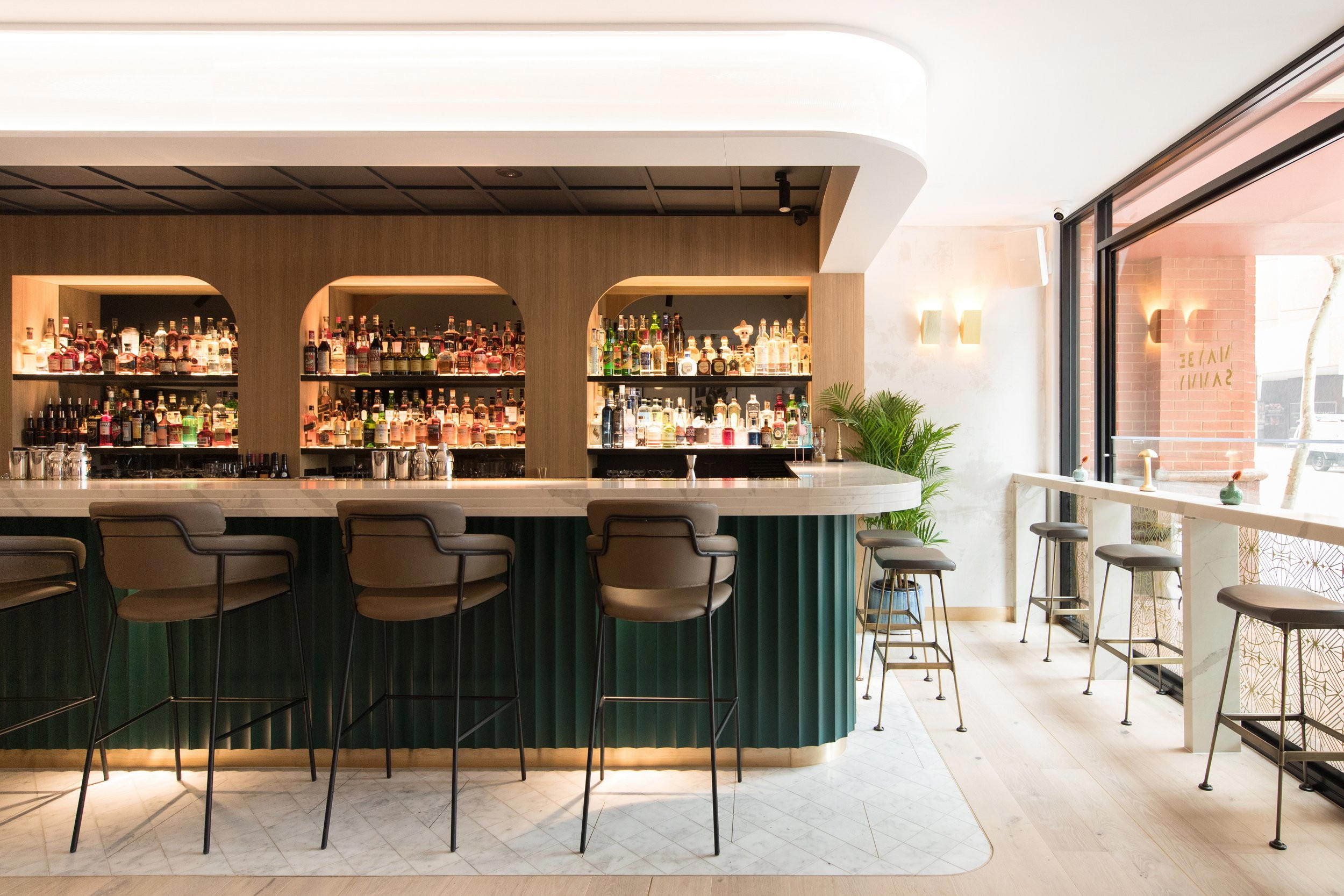
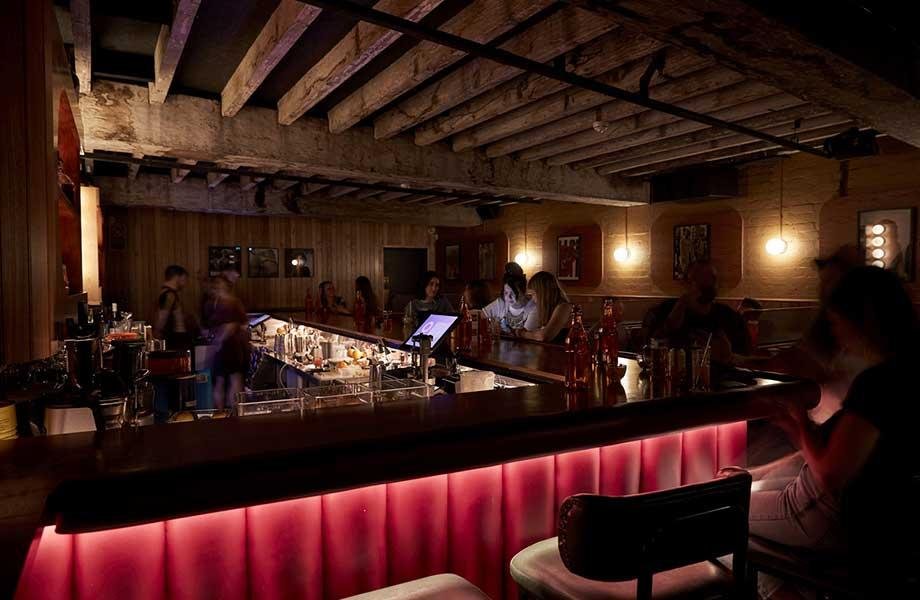
Cozy atmosphere with friendly service and moderate noise.