Kokumai occupies a shop-front address at 300 Barangaroo Avenue, positioning it within one of Sydney's most architecturally considered waterfront precincts. The venue sits inside a dining quarter that has drawn serious attention from both local and interstate audiences since Barangaroo's commercial hospitality tier matured. For visitors mapping Sydney's contemporary dining circuit, it represents a Barangaroo entry point worth placing alongside the precinct's broader offer.
Pearl is the En Primeur Club membership app — saves, bookings, and concierge access live there. Same editors, same standards.
- Address
- Shop T3/300 Barangaroo Ave, Barangaroo NSW 2000, Australia
- Phone
- +61292622443
- Website
- kokumai.com.au
- Directions
- Get directions
 Saves & bookings on Pearl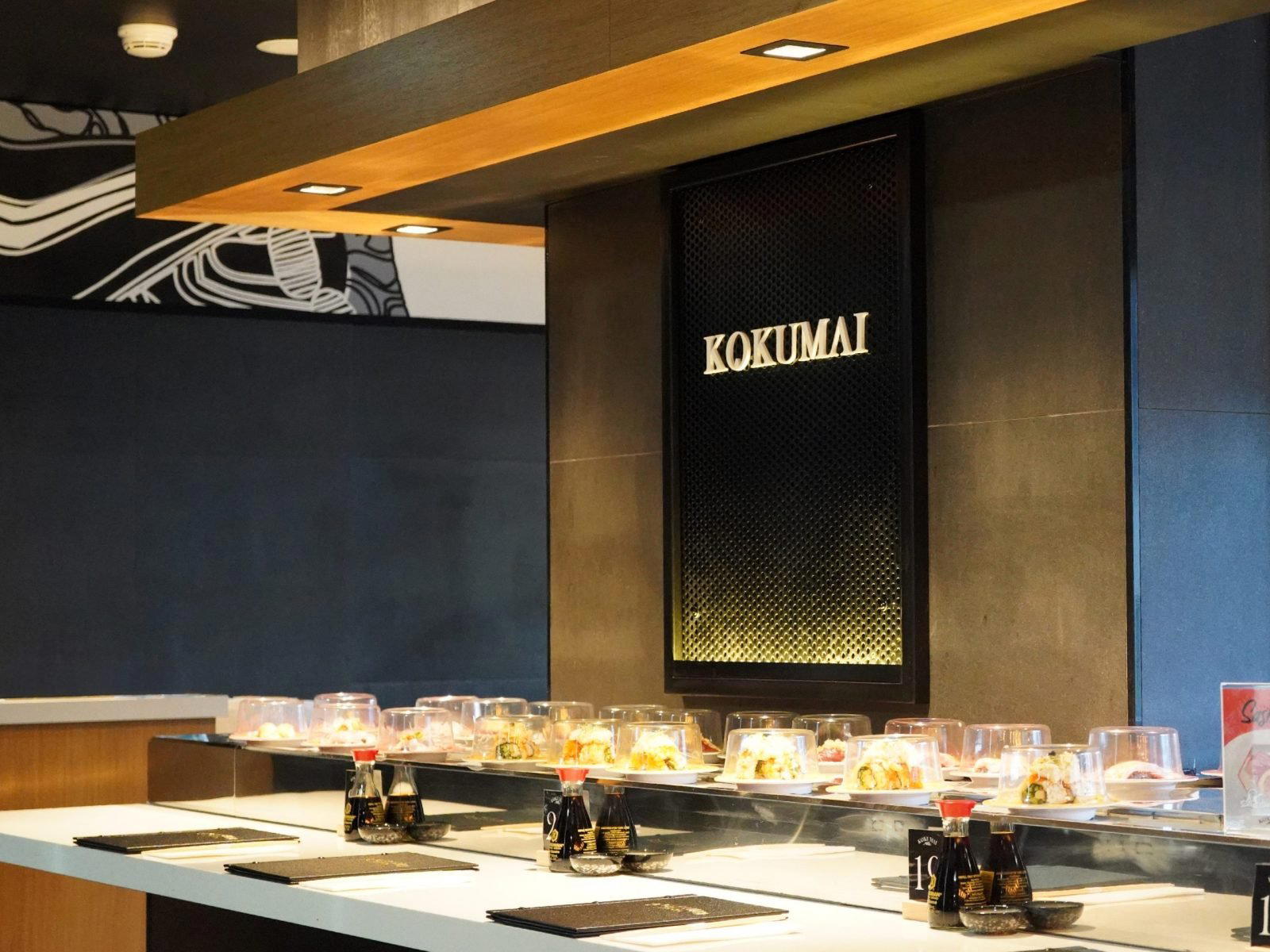
What Barangaroo Demands of Its Restaurants
Barangaroo is not a forgiving address. The waterfront precinct on Sydney's western harbour edge was designed with a level of architectural ambition that places pressure on every venue inside it — the built environment is too considered, and the foot traffic too discerning in the commercial sense, for casual execution to go unnoticed. Restaurants here compete not just against each other but against the physical context itself: a precinct where the interiors of Crown Towers and the clean lines of the International Towers set a visual baseline that dining rooms have had to meet. Kokumai, at Shop T3 within 300 Barangaroo Avenue, operates inside that framework.
The T3 designation within Barangaroo's retail and hospitality podium is not incidental. The precinct's ground-level tenancies were planned to animate the base of a high-density office and residential tower cluster, meaning the physical container any operator inherits here comes with a specific spatial logic: high ceilings, broad frontage, and a relationship to the surrounding streetscape that few Sydney dining addresses can replicate. What a kitchen does with that container — how it calibrates the room's proportions to the dining pace it wants, how it uses materiality to pull the eye inward rather than letting the exterior views dominate, is where Barangaroo restaurants either commit to a position or drift.
The Architecture of Eating: How Barangaroo Shapes the Room
Across Sydney's better dining precincts, interior architecture has become as much a part of the proposition as the menu. In the CBD and on the harbourfront, this has historically meant grand rooms with water views: the Opera House forecourt approach that Rockpool (Australian Cuisine) exemplified in its earlier harbour-adjacent incarnations, or the way Saint Peter (Australian Seafood) in Paddington uses a deliberately compressed room to concentrate attention on the counter and the cook. Barangaroo represents a third path: purpose-built hospitality infrastructure where the space is generous but not accidental, and where the challenge is making a planned commercial tenancy feel inhabited rather than leased.
The T3 podium position at 300 Barangaroo Avenue gives Kokumai access to the precinct's primary pedestrian circulation, the avenue that connects the Headland Park end of Barangaroo to the International Towers cluster draws consistent foot traffic from the financial district's working population during lunch hours and from ferry and Wynyard Gate arrivals in the evening. That positioning matters because it means the venue's street presence is part of the hospitality experience before anyone reaches a table. In a precinct this deliberately designed, the approach is part of the room.
For context on how the wider Sydney scene has thought about space and setting, the contrast with venues outside the CBD is instructive. Bayly's Bistro in Kirribilli and Johnny Bird in Crows Nest each operate in neighbourhood contexts where the room's intimacy is part of the draw. Barangaroo venues, by contrast, have to do something more complex: create warmth and intention inside commercial-scale infrastructure.
Sydney's Waterfront Dining Tier: Where Barangaroo Sits
Sydney's harbour and waterfront dining market has stratified over the past decade. At the upper end, long-running institutions with harbour-view real estate command prices and reputations built over years. In the middle, newer precincts, Barangaroo and the adjacent Darling Harbour redevelopments, have created a second tier of waterfront dining that competes on freshness of environment rather than accumulated reputation. Operators in this tier have to build audience faster and without the legacy brand recognition that older Sydney restaurants carry.
That dynamic is visible across the EP Club Sydney portfolio. 10 Pounds and 10 William St operate in established inner-city neighbourhoods where the street-level context is already legible to the diner. 1021 Mediterranean brings a distinct cuisine frame to its setting. Barangaroo venues, including Kokumai, are working within a precinct that is still accumulating the kind of neighbourhood identity that makes a dining destination feel organic rather than planned. That is not a disadvantage, it is simply the operational reality of a precinct that is less than a decade old in its current hospitality form.
For readers mapping Australia's broader dining geography, the comparison with Melbourne is useful. Attica in Melbourne and Brae in Birregurra represent the destination-restaurant model, where the venue's setting is itself part of the journey. Bar Carolina in South Yarra and Barry Cafe in Northcote show how Melbourne's neighbourhood precincts generate dining identity organically over time. Barangaroo is Sydney's attempt to compress that process through deliberate precinct design, with mixed results across the tenancy portfolio, but with a physical environment that gives individual operators a strong foundation to work from.
Planning a Visit: What to Know Before You Go
Kokumai is located at Shop T3, 300 Barangaroo Avenue, accessible from Wynyard station via the Barangaroo pedestrian link, or directly from Barangaroo ferry wharf. The precinct's office population drives strong weekday lunch demand across its hospitality tenancies, while evenings draw a broader mix of CBD visitors and residents from the surrounding towers. Readers building a broader Sydney itinerary should consult our full Sydney restaurants guide for context across precincts and price tiers.
For those extending their research beyond Sydney, the EP Club covers the broader Australian dining scene and international comparisons. bills in Bondi Beach represents a different Sydney register entirely, neighbourhood casual versus Barangaroo's commercial formality. Further afield, Hungry Wolfs Italian Restaurant in Newcastle, Kulcha Restaurant Wollongong in Wollongong, and Jaani Street Food in Ballarat show how the regional dining circuit beyond Sydney's CBD has developed its own distinct character. For international reference points, Le Bernardin in New York City and Atomix in New York City represent how purpose-built hospitality environments in dense urban precincts can define a city's dining conversation at the highest level.
Continue exploring
More in Sydney
Restaurants in Sydney
Browse all →
Bars in Sydney
Browse all →
Hotels in Sydney
Browse all →

At a Glance
- Modern
- Trendy
- Elegant
- Date Night
- Casual Hangout
- Chefs Counter
- Open Kitchen
- Sake Program
- Craft Cocktails
- Local Sourcing
Current opening hours
- Monday
- 11:30 AM–3:30 PM
- Tuesday
- 11:30 AM–8:30 PM
- Wednesday
- 11:30 AM–8:30 PM
- Thursday
- 11:30 AM–8:30 PM
- Friday
- 11:30 AM–8:30 PM
- Saturday
- 12–8 PM
- Sunday
- Closed
Hours can change for holidays and private events. Last verified .
Elegant and serene setting with energetic noise levels, featuring an omakase bar where chefs prepare sushi in front of diners.
Know Before You Go
- Getting there
- Shop T3/300 Barangaroo Ave, Barangaroo NSW 2000, Australia