Sushi Den
On South Pearl Street, Sushi Den occupies a distinct position in Denver's dining scene: a Japanese seafood counter that has outlasted trends and built a loyal following in a landlocked city not historically associated with serious sushi. The restaurant draws comparisons to coastal peers through its sourcing discipline and the pacing of its service, placing it in a different tier from Denver's newer omakase arrivals.
Pearl is the En Primeur Club membership app — saves, bookings, and concierge access live there. Same editors, same standards.
- Address
- 1487 S Pearl St, Denver, CO 80210
- Phone
- (303) 777-0826
- Website
- sushiden.net
- Directions
- Get directions
 Saves & bookings on Pearl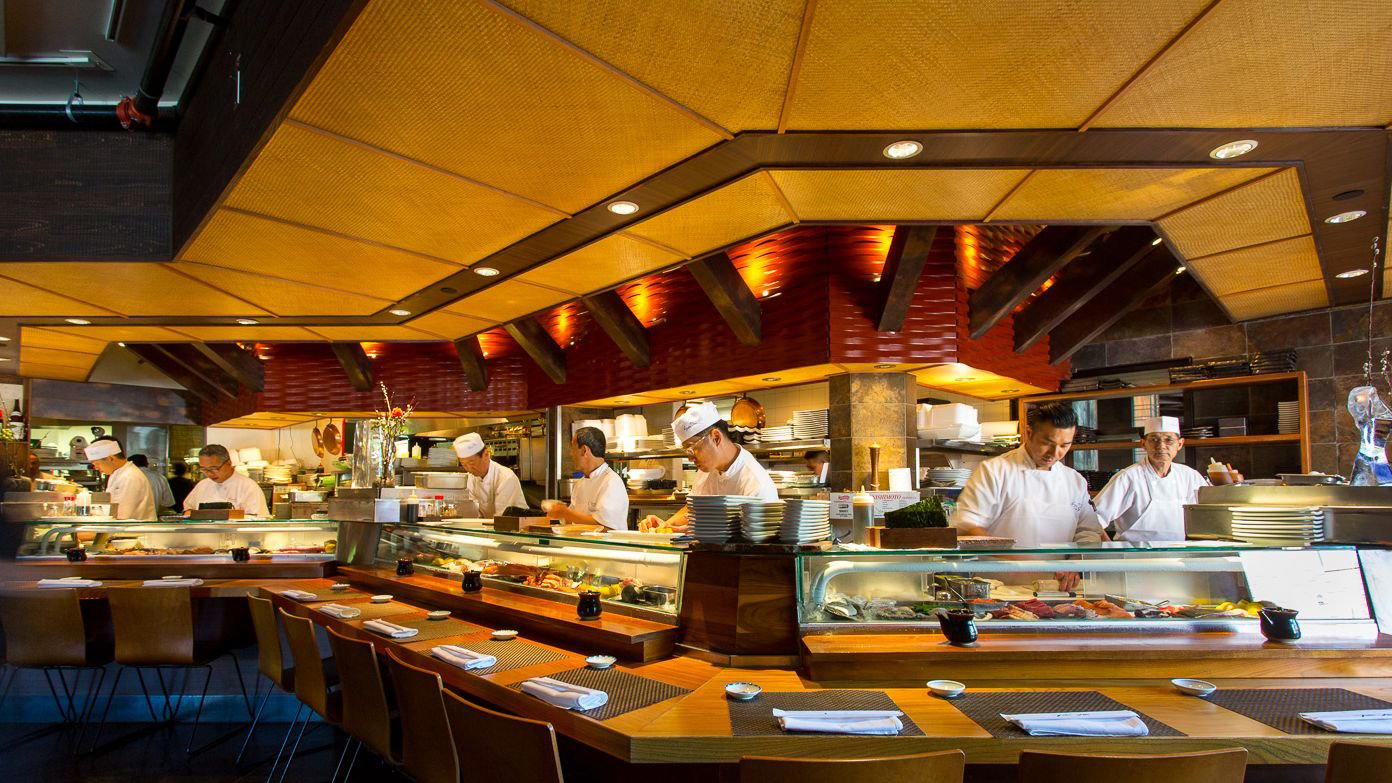
South Pearl Street and the Weight of Expectation
South Pearl Street in Denver runs through one of the city's more settled residential dining corridors, a stretch where neighborhood regulars and destination seekers occupy the same room without obvious friction. The address at 1487 S Pearl St positions Sushi Den in that mix: not in the downtown core where new openings cluster, but in a part of the city where longevity is its own credential. In a market like Denver, where Japanese cuisine has expanded rapidly from conveyor-belt formats to high-ticket omakase, a restaurant that holds its ground on Pearl Street without chasing trends says something about how it earns its room.
Denver's broader dining scene has matured considerably over the past decade. Restaurants like Brutø and Beckon have pushed contemporary tasting menus toward national conversations, while Alma Fonda Fina and Annette have deepened the city's range across cuisines and price points. Sushi Den operates somewhat apart from that wave, representing an older model of neighborhood institution that predates Denver's current restaurant moment and has survived it.
The Ritual of the Meal
What distinguishes a serious sushi counter from a competent Japanese restaurant is largely a matter of ritual: the ordering sequence, the pace of courses, the degree to which the guest surrenders control to the kitchen. In the American context, that spectrum runs from à la carte rolls eaten in any order a diner chooses, to omakase formats where the chef sets both the menu and the tempo. Sushi Den sits in a middle register that remains relatively rare in landlocked cities: a full-service Japanese seafood operation where the sourcing is taken seriously enough to inform what appears on the menu on any given night, rather than relying entirely on fixed lists.
That approach to sourcing has particular significance in Colorado. Unlike coastal markets in Los Angeles, New York, or San Francisco, where fish arrives through dense distribution networks with multiple daily deliveries, Denver restaurants serving fresh Japanese-style seafood have historically operated with narrower margins for quality. The discipline required to maintain standards in that environment shapes the dining ritual in ways that guests familiar only with coastal sushi may not immediately register. A dish that arrives with less ceremony than expected at a Tokyo counter might represent considerably more logistical effort than it appears.
The pacing at a restaurant like Sushi Den reflects this: courses are structured around what is available and at its peak rather than what a static menu promises. For a diner accustomed to choosing freely from a laminated card, the experience of deferring to the kitchen's knowledge of that day's fish is a different kind of meal entirely. It requires a different posture from the guest, closer to the trust relationship at counters like Atomix in New York or Providence in Los Angeles, where the kitchen's authority over the menu is understood as part of the value.
Denver Sushi in Its Competitive Context
The sushi tier in Denver has fragmented. At one end sit fast-casual Japanese concepts and grocery-adjacent counters; at the other, newer omakase formats with fixed price points and reservation windows that stretch months ahead. The restaurant occupies neither extreme. Its position in the Pearl Street neighborhood, its age relative to Denver's sushi scene, and its approach to service place it in a category that functions less like a tasting menu event and more like a genuine Japanese seafood house, the kind of restaurant where return visits reveal more than first impressions.
That positioning places it in a different conversation than the destination dining operations that define Denver's current critical attention. Where The Wolf's Tailor and similar new-American operations compete for national recognition, the restaurant's competition is better understood as the set of serious Japanese seafood restaurants in mid-sized American cities that have built sustained audiences without relying on Michelin proximity or 50 Best adjacency. The relevant peer comparison is not Le Bernardin in New York or The French Laundry in Napa, but rather the category of regionally essential restaurants that anchor a city's serious dining identity over time.
For travelers already planning a Denver itinerary that includes Brutø or Beckon for the tasting menu format, the restaurant offers a counterpoint: a meal structured by different logic, less theatrical in presentation, more focused on the quality of individual fish over the arc of a composed sequence.
Etiquette and the Informed Guest
The customs that govern a serious sushi meal are worth understanding before arrival. In Japanese tradition, nigiri is designed to be eaten immediately after it is served, at the temperature at which the chef intended it. Allowing pieces to sit undermines the texture calibration that the kitchen has controlled. At American counters interpreting that tradition with varying degrees of fidelity, the same principle holds where the kitchen takes sourcing seriously.
Soy sauce and wasabi usage is another register of etiquette that separates informed diners from less experienced ones. At higher-end counters, nigiri is typically seasoned by the chef before it reaches the guest; adding soy sauce after the fact is not always the intended approach. The degree to which the restaurant adheres to or departs from these conventions is part of what a first visit reveals, and part of why the restaurant rewards repeat attendance. In this respect, the experience resembles the progression more common at counters in San Francisco or Chicago than at typical Denver Japanese restaurants, where guest familiarity with sushi ritual varies considerably.
For guests coming from other serious seafood operations, whether Single Thread Farm in Healdsburg, Addison in San Diego, or Blue Hill at Stone Barns in Tarrytown, the framing at the restaurant will feel familiar in its sourcing-first logic, even if the aesthetic vocabulary is different. The meal is structured around what arrived that day, not what the printed menu promised last month.
Know Before You Go
Address: 1487 S Pearl St, Denver, CO 80210
Neighbourhood: South Pearl Street corridor, Denver
Reservations: Essential
Compact Comparison
Comparable venues nearby, for context on price, style, and recognition.
| Venue | Cuisine | Price | Notes |
|---|---|---|---|
| Sushi DenThis venue — the venue you are viewing | Platt Park, Premier Japanese Sushi | $$$ | Not listed |
| Sushi Sasa | Not listed | $$$ | Highland, Modern Japanese Omakase & Sushi |
| Ebisu Sushi and Ramen Star | Sunnyside, Japanese Ramen and Sushi | $$ | Not listed |
| Matsuhisa | Not listed | $$$$ | Cherry Creek, New-Style Japanese Peruvian Fusion |
| Le Bilboquet Denver | Not listed | $$$ | Cherry Creek, Classic French Bistro with Modern Influences |
| Ellyngton's | Not listed | $$$ | Central Business District, Classic American Breakfast & Brunch |
Continue exploring
More in Denver
Restaurants in Denver
Browse all →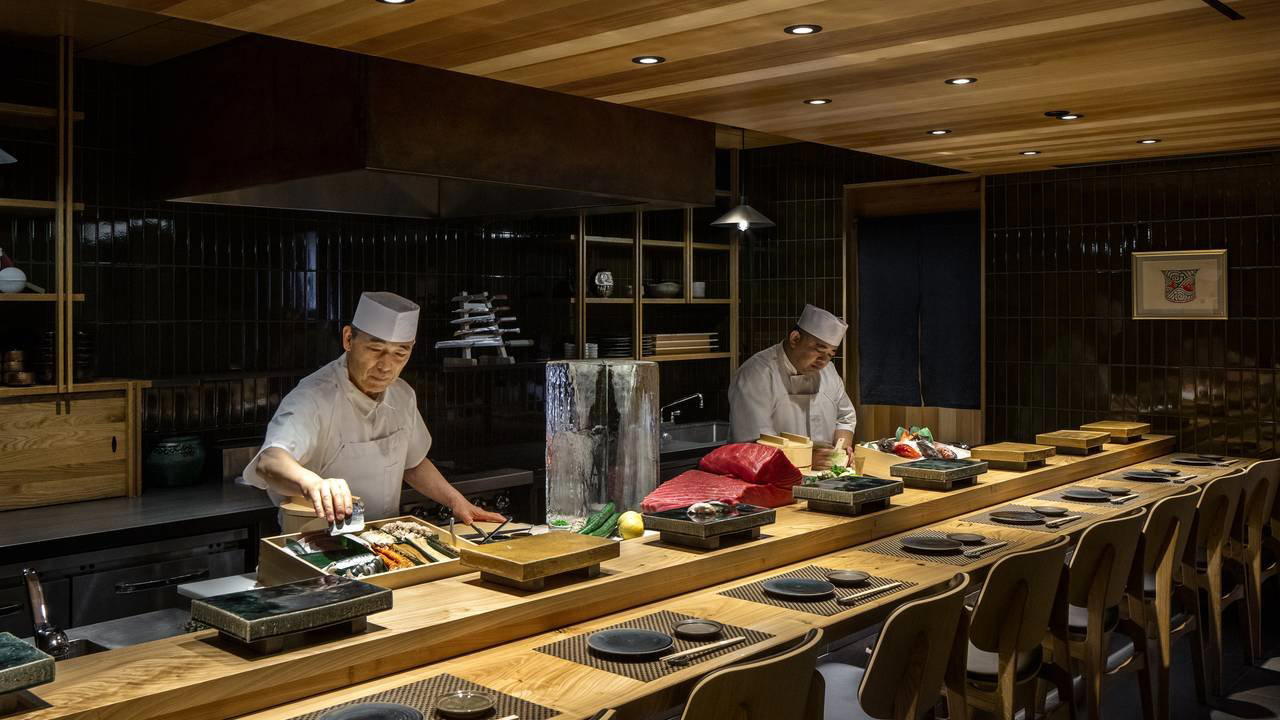
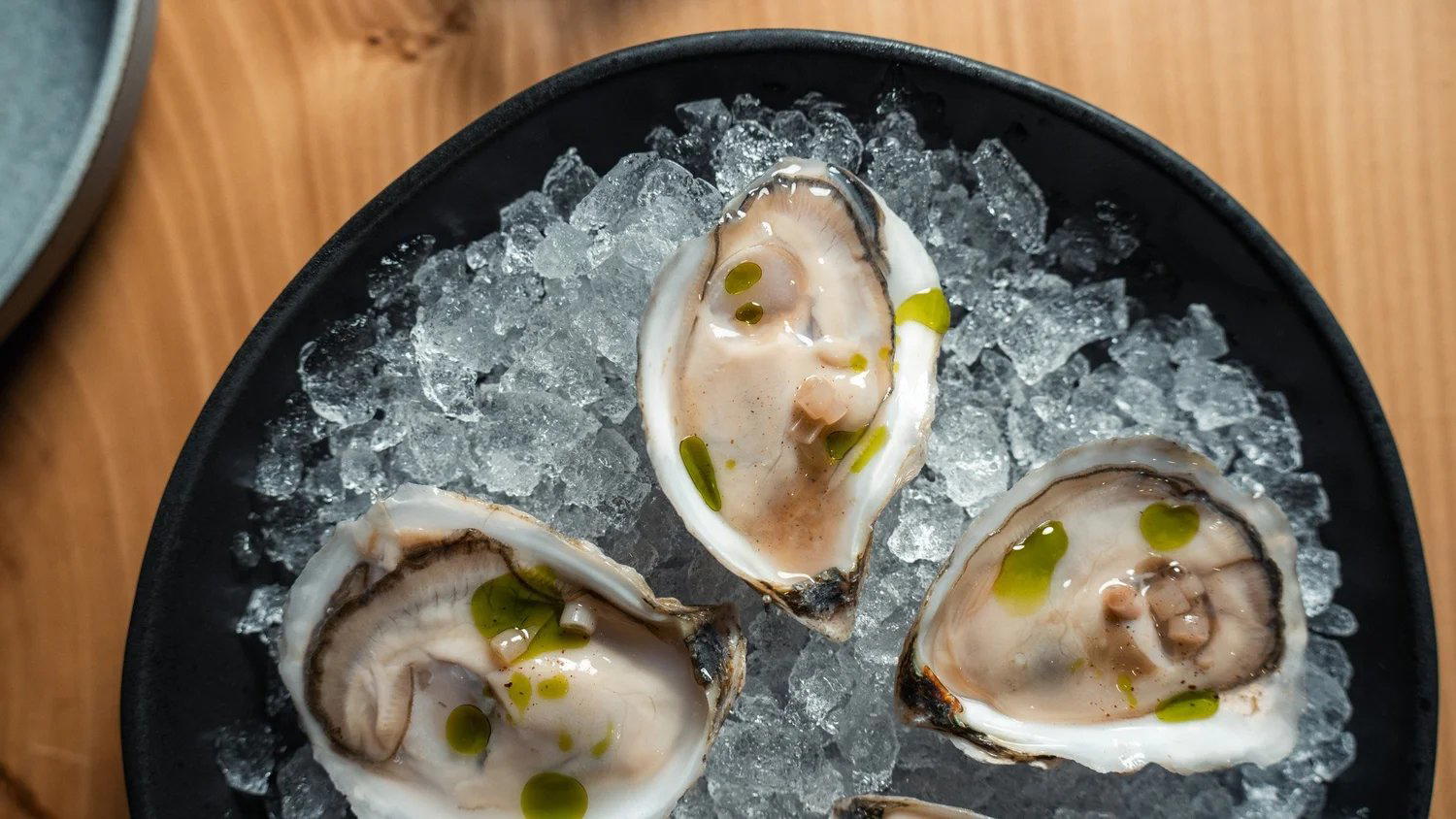
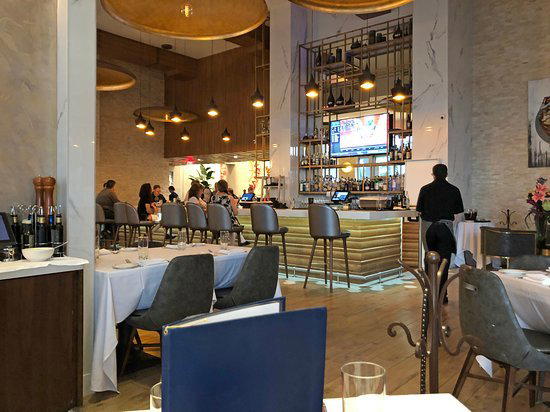
Bars in Denver
Browse all →
Hotels in Denver
Browse all →



At a Glance
- Elegant
- Intimate
- Sophisticated
- Well Known
- Date Night
- Special Occasion
- Solo
- Chefs Counter
- Private Dining
- Open Kitchen
- Sake Program
- Sustainable Seafood
Current opening hours
- Monday
- 11:30 AM–2 PM, 5–9:30 PM
- Tuesday
- 11:30 AM–2 PM, 5–9:30 PM
- Wednesday
- 11:30 AM–2 PM, 5–9:30 PM
- Thursday
- 11:30 AM–2 PM, 5–9:30 PM
- Friday
- 11:30 AM–2 PM, 4:30–10 PM
- Saturday
- 4:30–10 PM
- Sunday
- 5–9:30 PM
Hours can change for holidays and private events. Last verified .
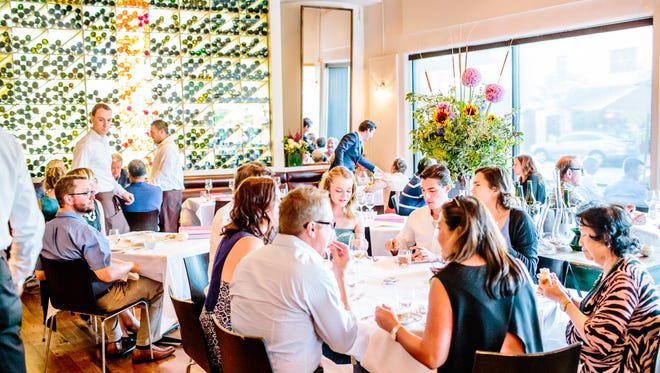
Cozy and elegant atmosphere with attentive service, crowded yet comfortable even on busy nights.