Ebisu Sushi and Ramen Star
Ebisu Sushi and Ramen Star brings Japanese sushi and ramen traditions to Denver's increasingly confident dining scene. Positioned within a city that has developed genuine range across Asian cuisines, Ebisu offers the communal, convivial spirit of izakaya-style eating alongside the focused craft of the sushi counter and the long-cooked depth of the ramen bowl.
Pearl is the En Primeur Club membership app — saves, bookings, and concierge access live there. Same editors, same standards.
- Address
- 4044 Tejon St, Denver, CO 80211
- Phone
- (303) 455-3787
- Directions
- Get directions
 Saves & bookings on Pearl
Denver and the Japanese Table: A Scene Finding Its Footing
Japanese cuisine in Denver occupies an interesting position. The city's dining culture has matured considerably over the past decade, producing serious contemporary restaurants like Brutø and The Wolf's Tailor that draw attention, while the broader dining population has grown more technically literate. Against that backdrop, Japanese restaurants in Denver face a more demanding audience than they did even five years ago. Diners who have eaten omakase in New York, ramen in Tokyo, or izakaya-style in Los Angeles bring those frames of reference to every bowl and piece of nigiri they order in the Mile High City.
Ebisu Sushi and Ramen Star operates within this context. The combination of sushi and ramen under one roof is a deliberate positioning choice, one that speaks to the izakaya tradition more than to the hyper-specialist counter model that defines the upper tier of Japanese dining in larger markets. In Japan, the izakaya is not primarily a food venue; it is a social institution. Eating and drinking are inseparable, the menu is designed for sharing and grazing across multiple formats, and the atmosphere carries as much weight as the technique. Ebisu's dual-format approach signals an allegiance to that communal logic rather than to the single-discipline precision of a dedicated sushi bar or ramen shop.
The Izakaya Tradition and What It Demands of a Kitchen
The izakaya format is less forgiving than it looks. Because it spans multiple techniques, raw fish preparation, broth management, hot small plates, a kitchen that attempts it genuinely has to be competent across several disciplines simultaneously. The ramen side alone involves days of stock production; the sushi side requires consistent sourcing, temperature discipline, and knife skill. When both appear on the same menu, the kitchen is making an implicit claim: that it can hold quality across registers, not just in one specialty lane.
This is worth noting because Denver diners now have meaningful reference points. Places like Beckon and Alma Fonda Fina have raised expectations around technique and sourcing in their respective categories. The question for any Japanese restaurant in the city is where it places itself on the spectrum from casual Japanese-American comfort food to technically rigorous traditional cooking. Ebisu's sushi-and-ramen pairing situates it in the convivial middle: not a destination omakase counter, not a fast-casual bowl operation, but a venue that takes both forms seriously enough to offer them together as a coherent meal.
The omakase tier in cities like San Francisco or New York, where Le Bernardin defines what precision at the summit of the price curve looks like in general, operates at a different level of cost and ceremonial weight than what a sushi-and-ramen house in Denver represents. That is not a criticism. It is a clarification of format: Ebisu sits in the category of venues where the social experience and the quality of the food are of roughly equal importance, which is precisely the izakaya ethos.
Ramen, Sushi, and the Logic of Pairing Them
In Japan, the idea of a restaurant serving both sushi and ramen would be unusual; the two formats come from different culinary traditions and are typically separated by geography and specialization. In the United States, the pairing is more common, and it reflects a practical reality: American diners often want range and flexibility at the table, particularly in a shared, convivial format. The sushi side of the menu draws on the fresh fish tradition, with the cold precision of nigiri and rolls sitting alongside the warmth and depth of the ramen side.
Ramen in particular has developed a serious American following, with diners increasingly aware of the distinctions between tonkotsu, shoyu, shio, and miso bases, and between the slow-cooked pork-bone richness of Fukuoka-style broths and the cleaner seafood dashi traditions of Tokyo. A ramen program that wants to be taken seriously in 2024 needs to demonstrate that the kitchen is doing the work on the broth: that it is cooked long enough, seasoned with enough precision, and composed with toppings that complement rather than overwhelm. The bar is higher than it was ten years ago.
Placing Ebisu in Denver's Broader Dining Map
Denver's dining scene has diversified well beyond its steakhouse-and-burger origins. The city now has genuine depth across Mexican cooking at places like Alma Fonda Fina, contemporary American at Annette, and Israeli cuisine at Safta. Asian cuisines have benefited from the same demographic and culinary growth, with a broader range of formats and price points available than in previous generations of the city's restaurant culture.
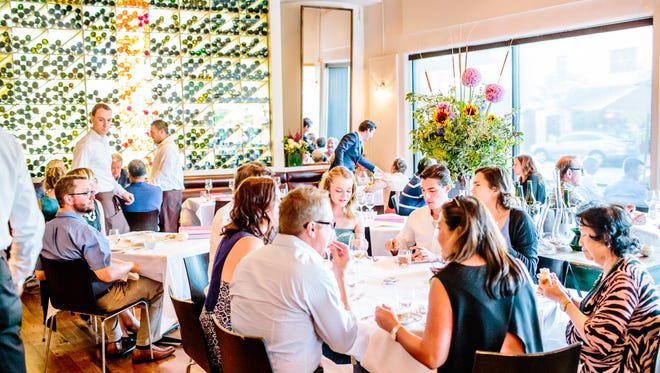
Within that context, a Japanese venue offering sushi and ramen occupies a comfortable middle tier: accessible enough to function as a regular neighbourhood option, technically ambitious enough to reward diners who are paying attention. The izakaya spirit suits Denver's social dining culture well. The city's restaurant-goers tend to favour warmth and energy over formality, and the shared-plate, shared-experience model of izakaya eating aligns with that instinct.
For travelers building a Denver itinerary, the full range of the city's offerings spans from the kind of high-investment contemporary cooking visible at Brutø down through mid-range specialists.
Planning Your Visit
Walk-in-friendly service makes Ebisu an easy choice for casual meals, though weekend evenings can be busier. Dress expectations are casual, consistent with izakaya-style eating.
Budget and Context
Comparable venues nearby, for context on price, style, and recognition.
| Venue | Cuisine | Price | Notes |
|---|---|---|---|
| Ebisu Sushi and Ramen StarThis venue — the venue you are viewing | Sunnyside, Japanese Ramen and Sushi | $$ | Not listed |
| Banzai Sushi | Not listed | $$ | Washington Virginia Vale, Japanese Sushi with 100 Rolls |
| Kobe An LoHi | Not listed | $$$ | Highland, Traditional Japanese Shabu Shabu and Sushi |
| Taki Sushi | Speer, Japanese Sushi & Fusion | $$ | Not listed |
| Sushi Den | Platt Park, Premier Japanese Sushi | $$$ | Not listed |
| Champagne Tiger’s Country Club | Uptown, French-American Diner | $$ | Not listed |
Continue exploring
More in Denver
Restaurants in Denver
Browse all →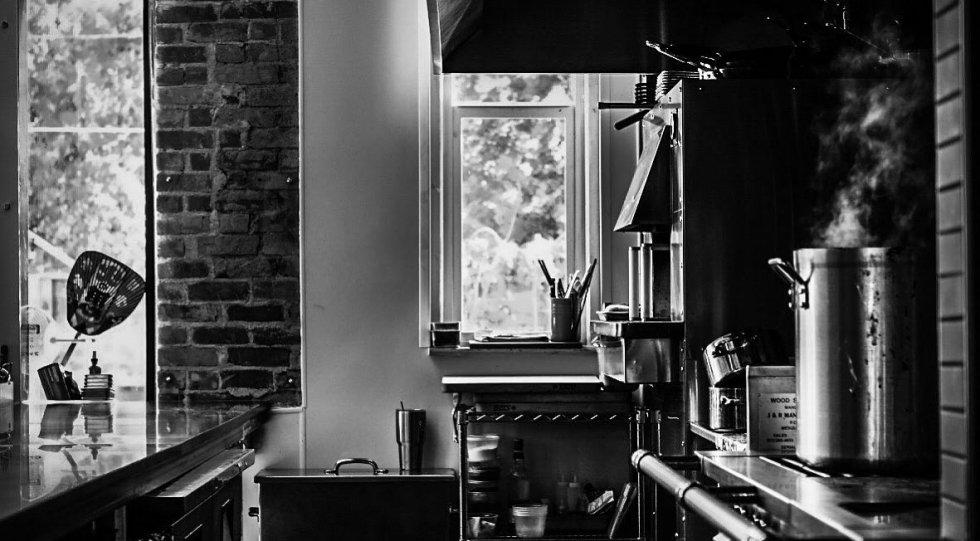
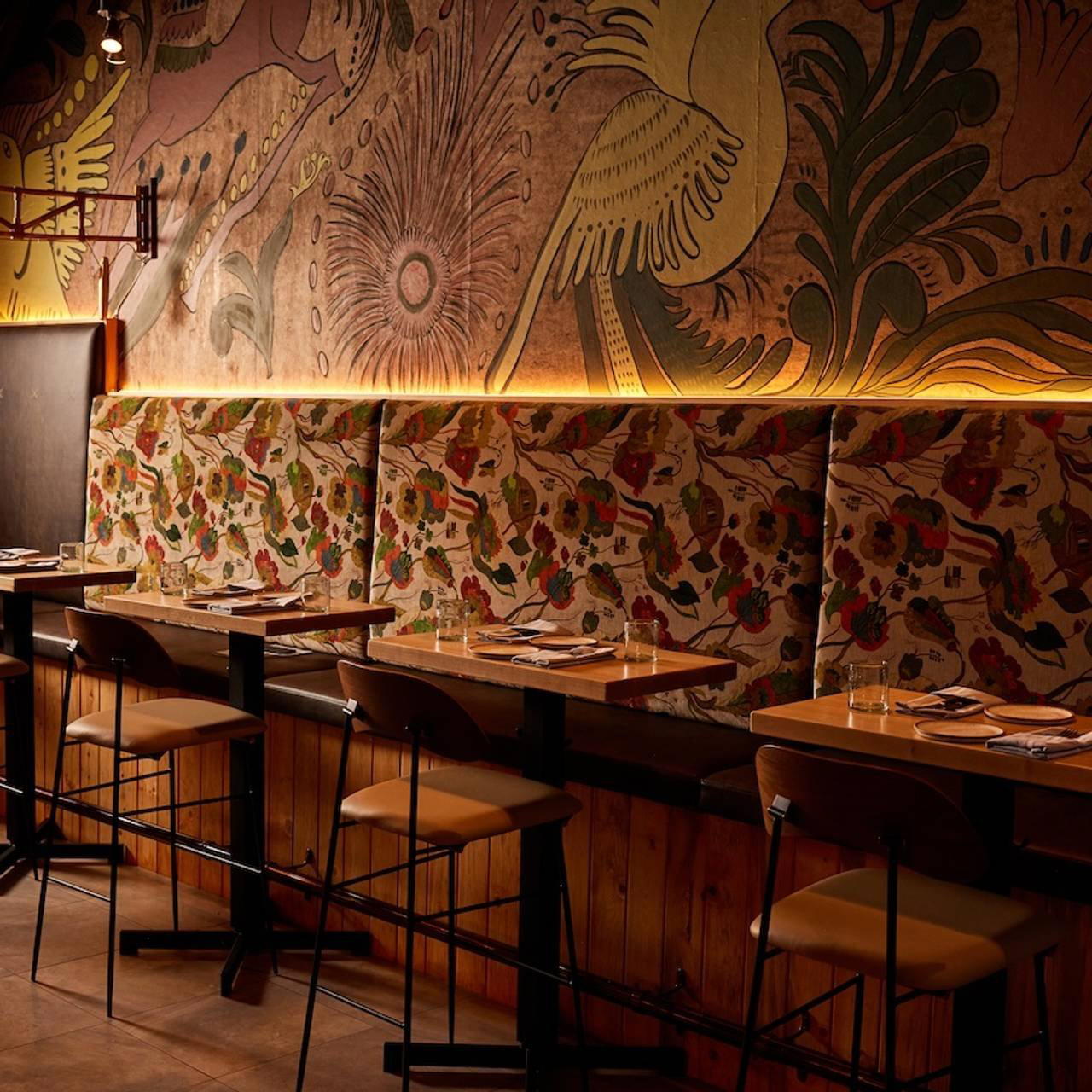
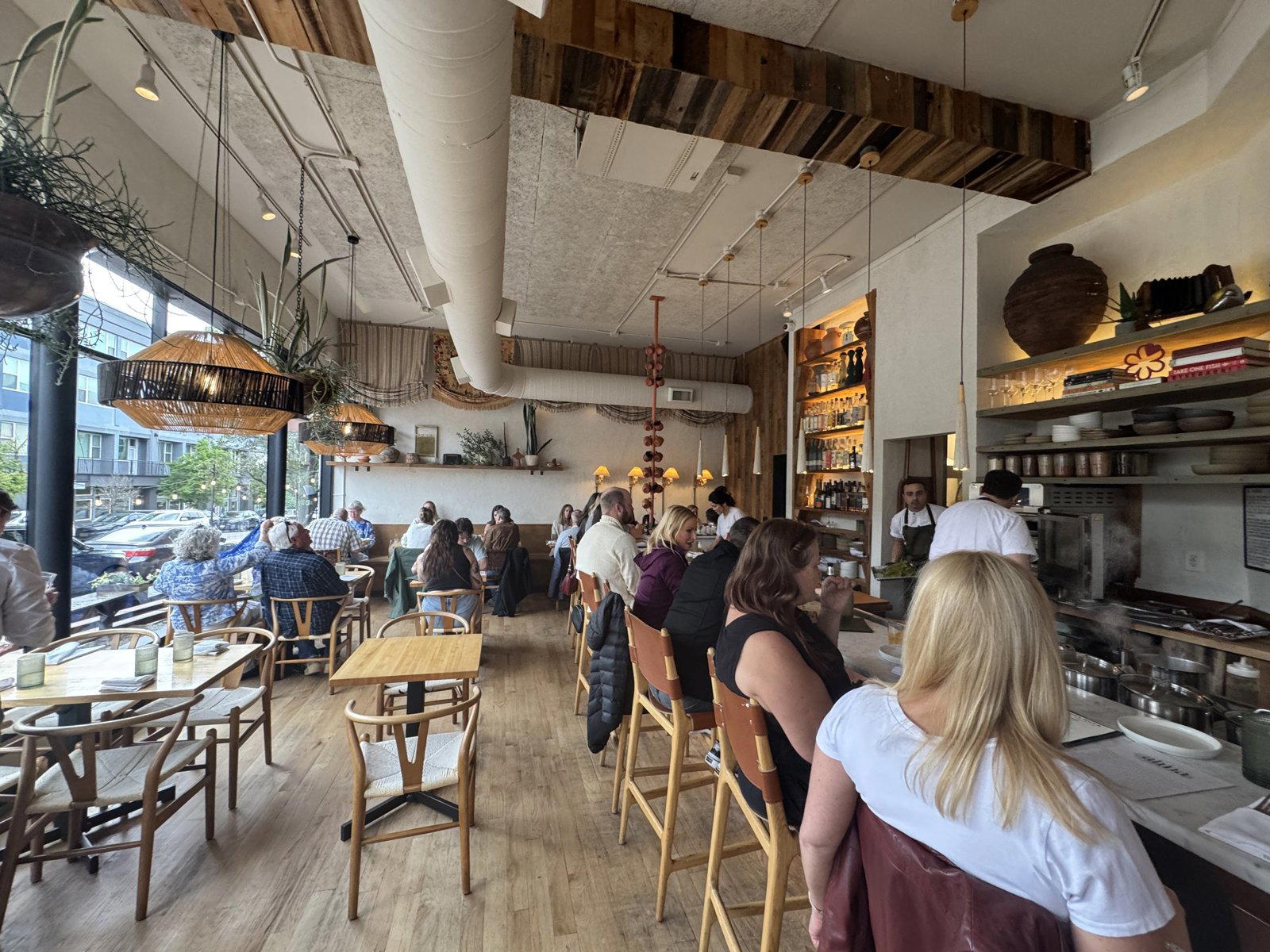
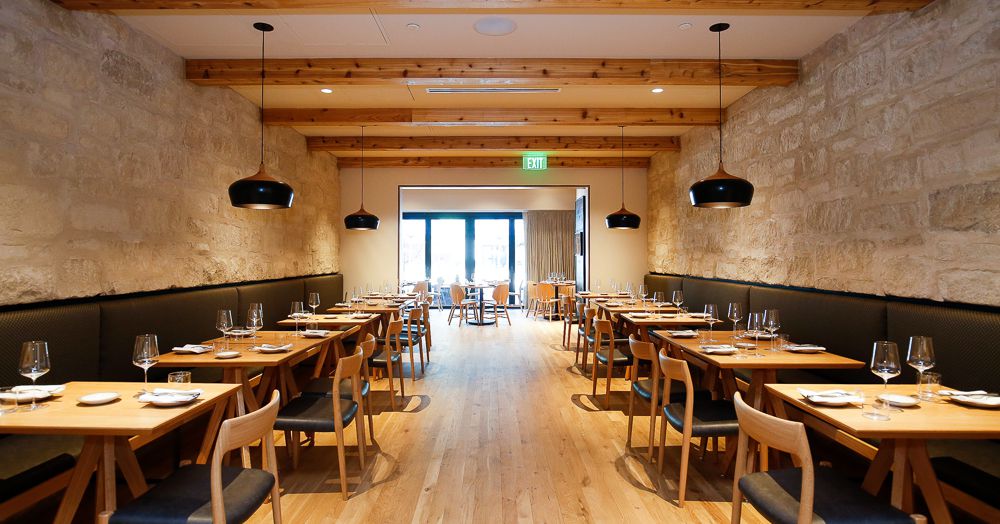
Bars in Denver
Browse all →
Hotels in Denver
Browse all →





At a Glance
- Trendy
- Cozy
- Casual Hangout
- Group Dining
- Open Kitchen
- Sake Program
Current opening hours
- Monday
- 5–9 PM
- Tuesday
- 11:30 AM–2 PM, 5–9 PM
- Wednesday
- 11:30 AM–2 PM, 5–9 PM
- Thursday
- 11:30 AM–2 PM, 5–9 PM
- Friday
- 11:30 AM–2 PM, 5–9 PM
- Saturday
- 11:30 AM–9 PM
- Sunday
- 11:30 AM–9 PM
Hours can change for holidays and private events. Last verified .
Casual neighborhood atmosphere with focus on authentic Japanese flavors.