
Sushi Aoki places Shanghai’s Japanese dining conversation in the disciplined register of sushi ritual rather than spectacle. Its Black Pearl Restaurant Guide 2026 one-diamond recognition gives it a clear trust signal in a city where premium dining spans Cantonese banquets, steakhouse formality, and tightly paced counter formats.

Pearl is the En Primeur Club membership app — saves, bookings, and concierge access live there. Same editors, same standards.
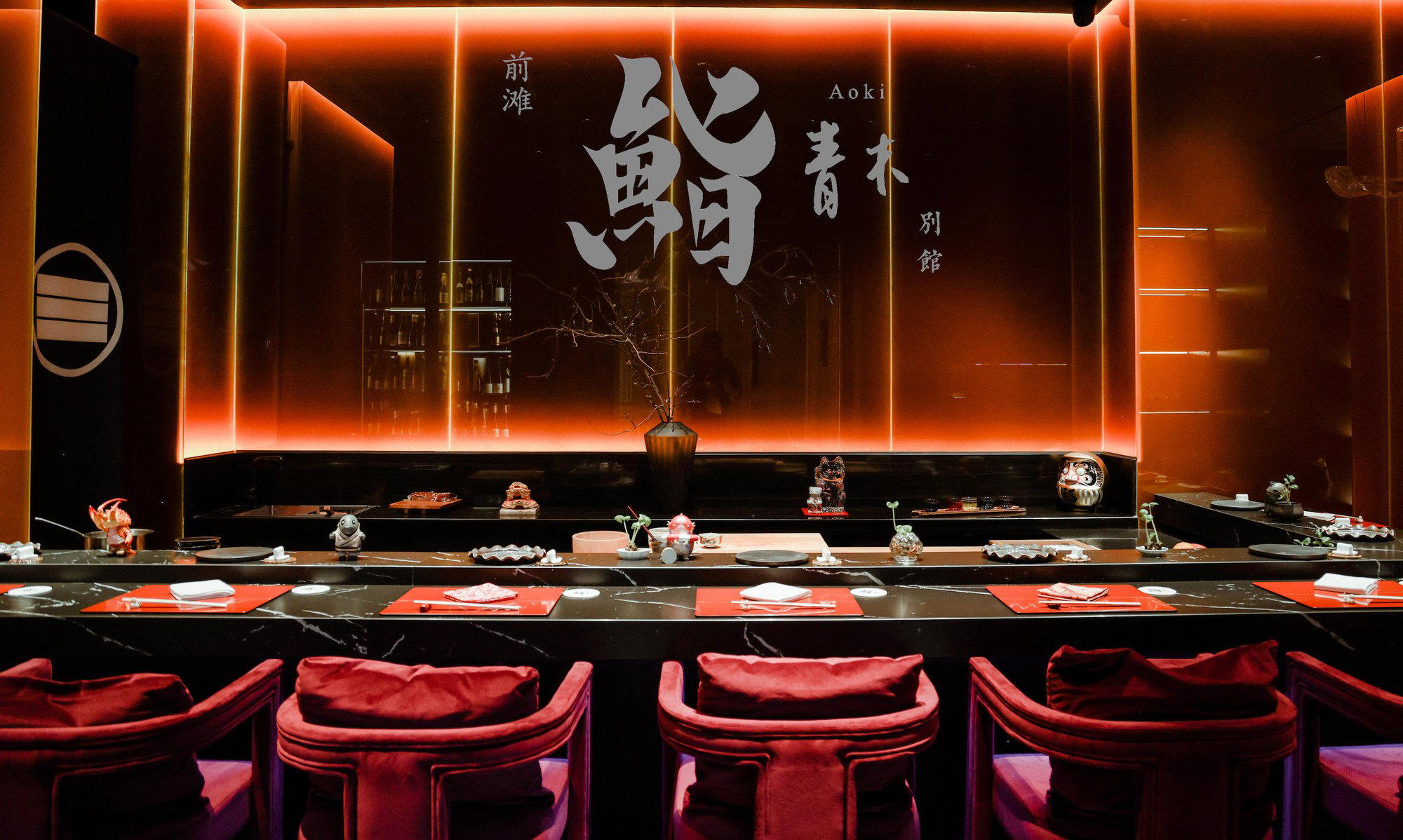
At a serious sushi meal, the room is only part of the point. The deeper signal is rhythm: the pause before the next piece, the compact exchange across the counter, the expectation that rice, fish, temperature, and timing are treated as a single system. Sushi Aoki belongs to that ritual-led side of Shanghai dining, where the meal is judged less by theatrical abundance than by control.
Shanghai has become one of mainland China’s more fluent cities for imported dining codes. French tasting menus, Cantonese private rooms, Japanese counters, steakhouse dining, and hotel-led restaurants all compete for the same premium diner, but they ask for different forms of attention. Sushi is the format that leaves the least room for distraction. The guest submits to pacing, sequence, and proportion; the restaurant’s authority is measured in restraint.
Shanghai's sushi ritual rewards pacing over display
The Black Restaurant Guide 2026 lists Sushi Aoki among its one-diamond restaurants, a useful marker in China because Black speaks directly to the domestic luxury dining audience rather than importing only Michelin-era assumptions. A one-diamond listing does not make a restaurant interchangeable with every other award holder. It places the room inside a recognized tier, then leaves the more interesting question: what kind of premium meal is being promised?
In sushi, that promise is narrow by design. The meal’s logic usually runs through sequence: lighter, cleaner flavors before richer cuts; rice serving as structure rather than filler; a counter pace that discourages long interruptions. Even without a public dish list, the format itself tells the diner what to expect from the category. A serious sushi counter is not built for maximal choice. It is built for a controlled progression.
That matters in Shanghai, where luxury dining can be expansive and socially driven. Cantonese rooms often reward group ordering, large-format dishes, and wine-service choreography; see the city’s broader Chinese dining conversation through 100 Century Avenue Cantonese, 102 House (Cantonese), and 102 House Shanghai. Steakhouse dining, represented elsewhere by 100 Century Avenue Steakhouse and 1515 West Chophouse (Steakhouse), tends to frame luxury through cut, cellar, and service cadence. Sushi asks the diner to read smaller signals.
The Black signal matters because China's luxury diner reads awards locally
Awards are not a substitute for judgment, but they explain where a restaurant sits in the conversation. Black recognition carries particular weight for restaurants serving Chinese luxury diners, because it maps premium dining through a guide native to the market. For an imported Japanese format in Shanghai, that is relevant: it suggests the restaurant is being evaluated not only as sushi, but as part of the city’s high-spend dining culture.
The category also resists casual browsing. Sushi counters at the premium end generally function around preparation discipline, limited seating logic, and a meal that loses force when treated like a flexible à la carte stop. Diners who value conversation above concentration may prefer a banquet room or chophouse. Diners who want precision, quiet sequence, and a shorter distance between craft and guest will understand the appeal.
Shanghai’s dining audience is sophisticated enough to separate imported form from imported cosplay. The better Japanese meals in the city do not need to imitate Tokyo in every surface detail; they need to respect the grammar of the cuisine while serving a local audience that knows how to compare formats. Sushi Aoki’s award placement gives it a credible position in that discussion without requiring inflated claims.
How to read Sushi Aoki before choosing it
The useful way to approach the restaurant is as a decision about occasion. This is not the category for a loose, late group dinner or a table that wants to improvise heavily. It suits a diner who accepts the etiquette of a paced meal and understands that the strongest part of sushi is often the absence of excess. The restaurant’s public recognition gives enough signal to place it above casual Japanese dining, while the lack of widely listed operational detail makes advance planning sensible through the venue’s current booking channel.
For readers mapping the wider city, our full Shanghai restaurants guide gives the clearest view of how Japanese counters sit beside Cantonese, steakhouse, and hotel dining. The surrounding trip can be built through our full Shanghai hotels guide, our full Shanghai bars guide, our full Shanghai wineries guide, and our full Shanghai experiences guide.
China’s broader premium dining map is useful context, too. Regional restaurants such as #8 in Chengdu, 167 Shan Hai Li in Fuzhou, 1913 in Hangzhou, 1927 Dong Yuan Si Chu in Xiamen, 1949 - Duck de Chine in Beijing, and 1980烧肉粽 in 厦门市 show how regional identity, service format, and guide recognition shape dining decisions across the country. For a trans-Pacific Japanese reference point, Jōdo Saké Bar in Los Angeles and Onigiri Time in Pasadena point to a different, more casual register of Japanese dining abroad.
Comparable Venues Nearby
Comparable venues nearby, for context on price, style, and recognition.
| Venue | Cuisine | Price | Notes |
|---|---|---|---|
| Sushi AokiThis venue — the venue you are viewing | High-End Traditional Omakase Sushi | $$$$ | Not listed |
| Ginza Onodera | Traditional Japanese Sushi Omakase | $$$$ | Lan Ni Du |
| Nabi | Modern Korean Tasting Menu | $$$$ | Changning |
| Scena | Michelin-Starred Italian-Mediterranean | $$$$ | Lan Ni Du |
| M on the Bund | Modern European with Mediterranean and Australian influences | $$$$ | Lan Ni Du |
| Horita | Traditional Japanese Kaiseki | $$$$ | Xujiahui |
Recognition history
Dated appearances from independent guides and award organizations, with the underlying list record or original source where available.
Black Pearl 1 Diamond
Black Pearl

At a Glance
- Intimate
- Elegant
- Sophisticated
- Cozy
- Date Night
- Business Dinner
- Special Occasion
- Celebration
- Solo
- Chefs Counter
- Private Dining
- Standalone
- Sake Program
- Sustainable Seafood
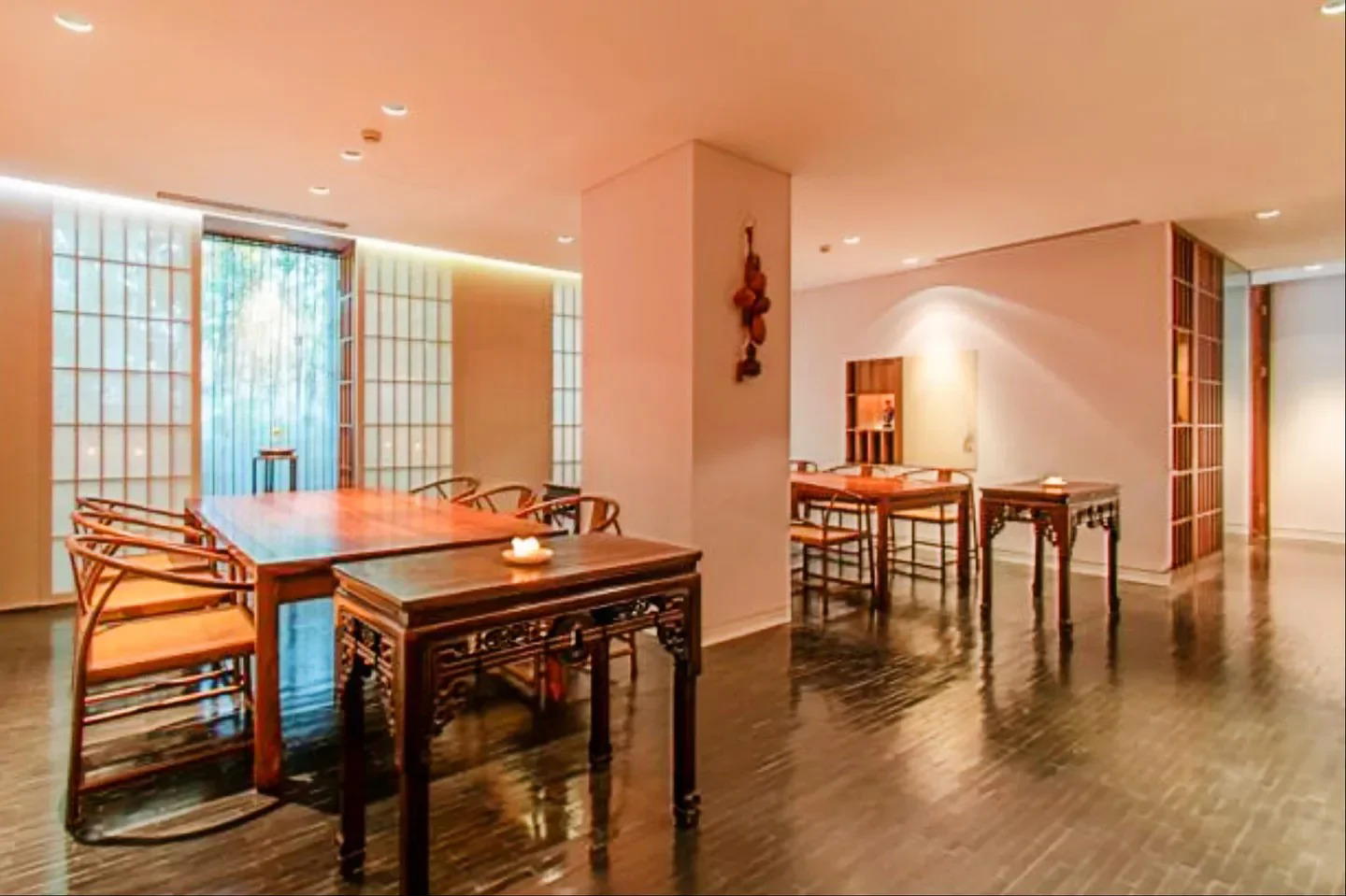
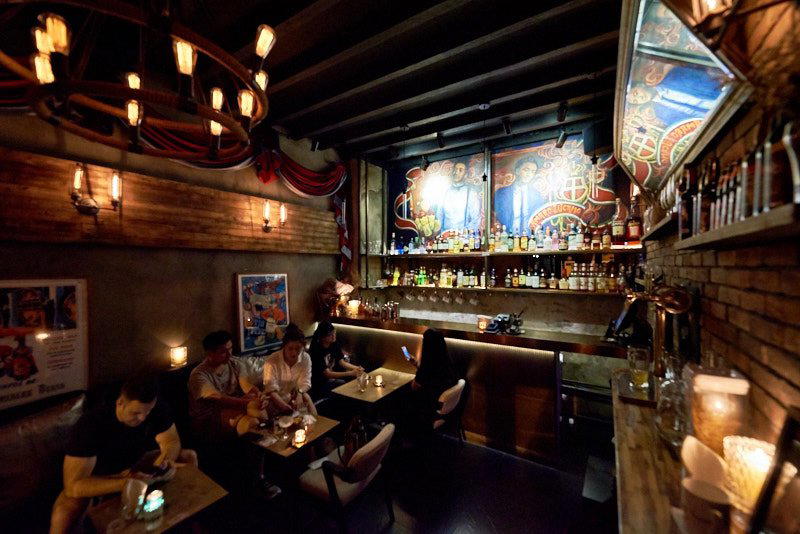
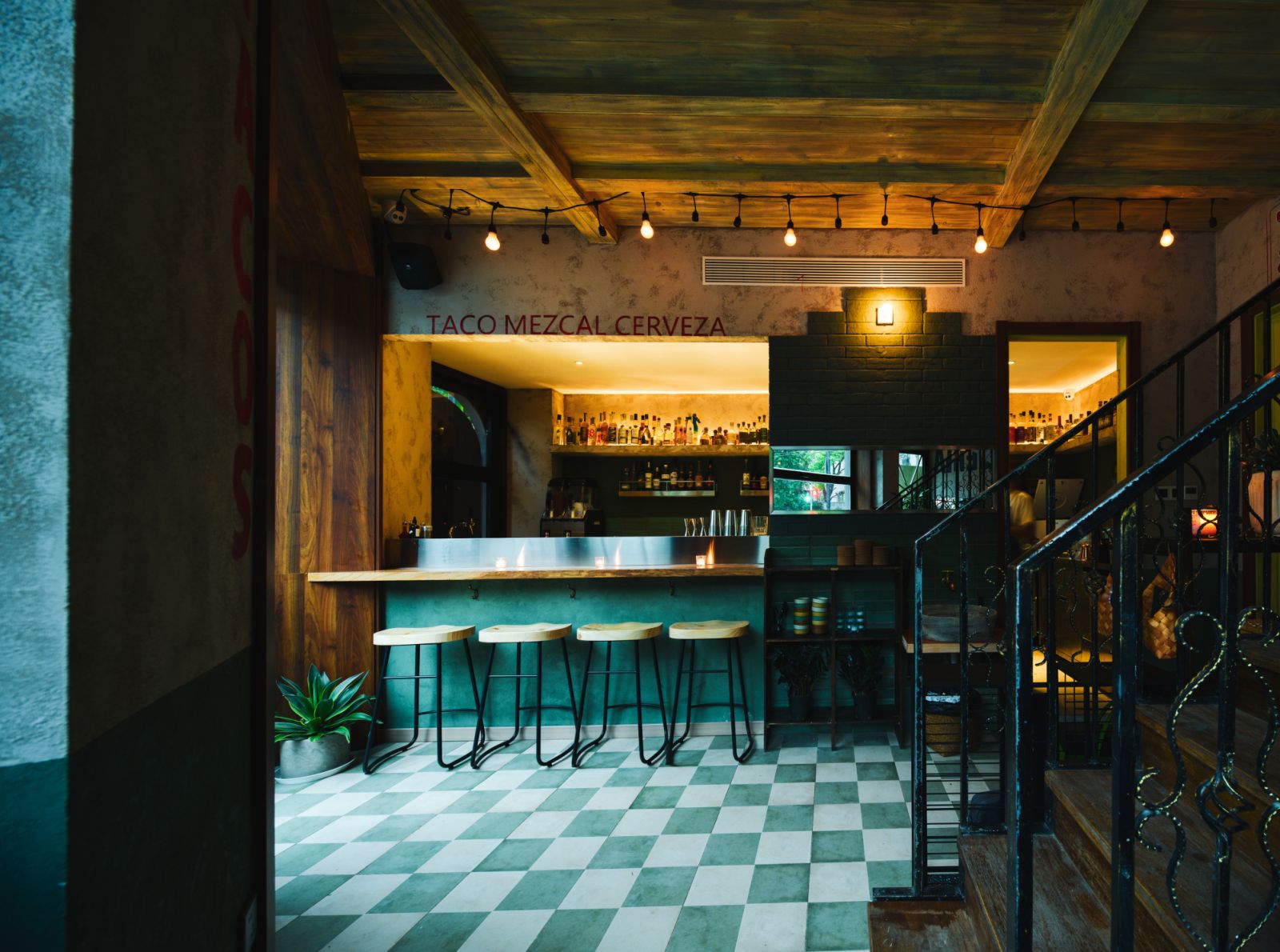
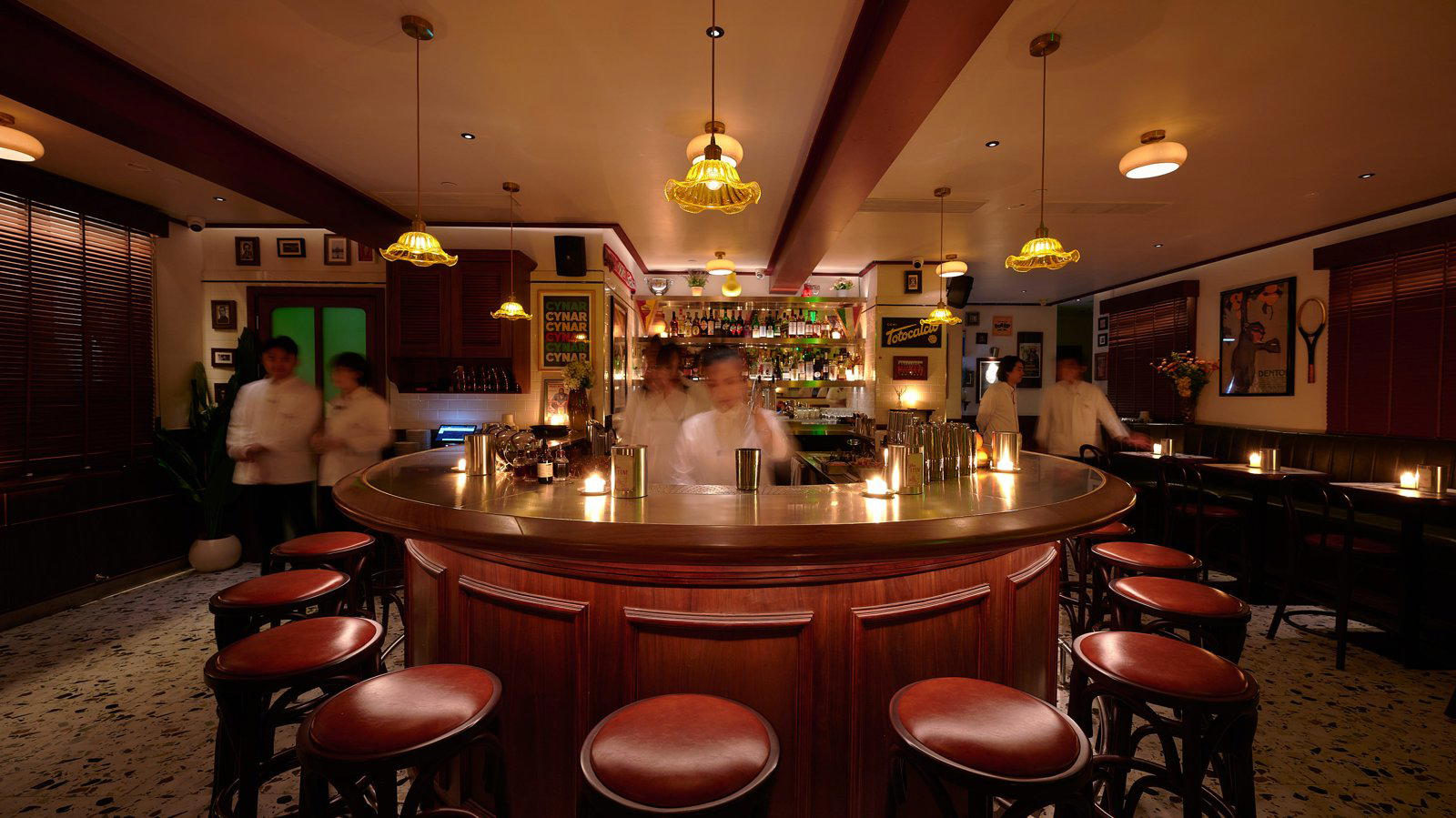
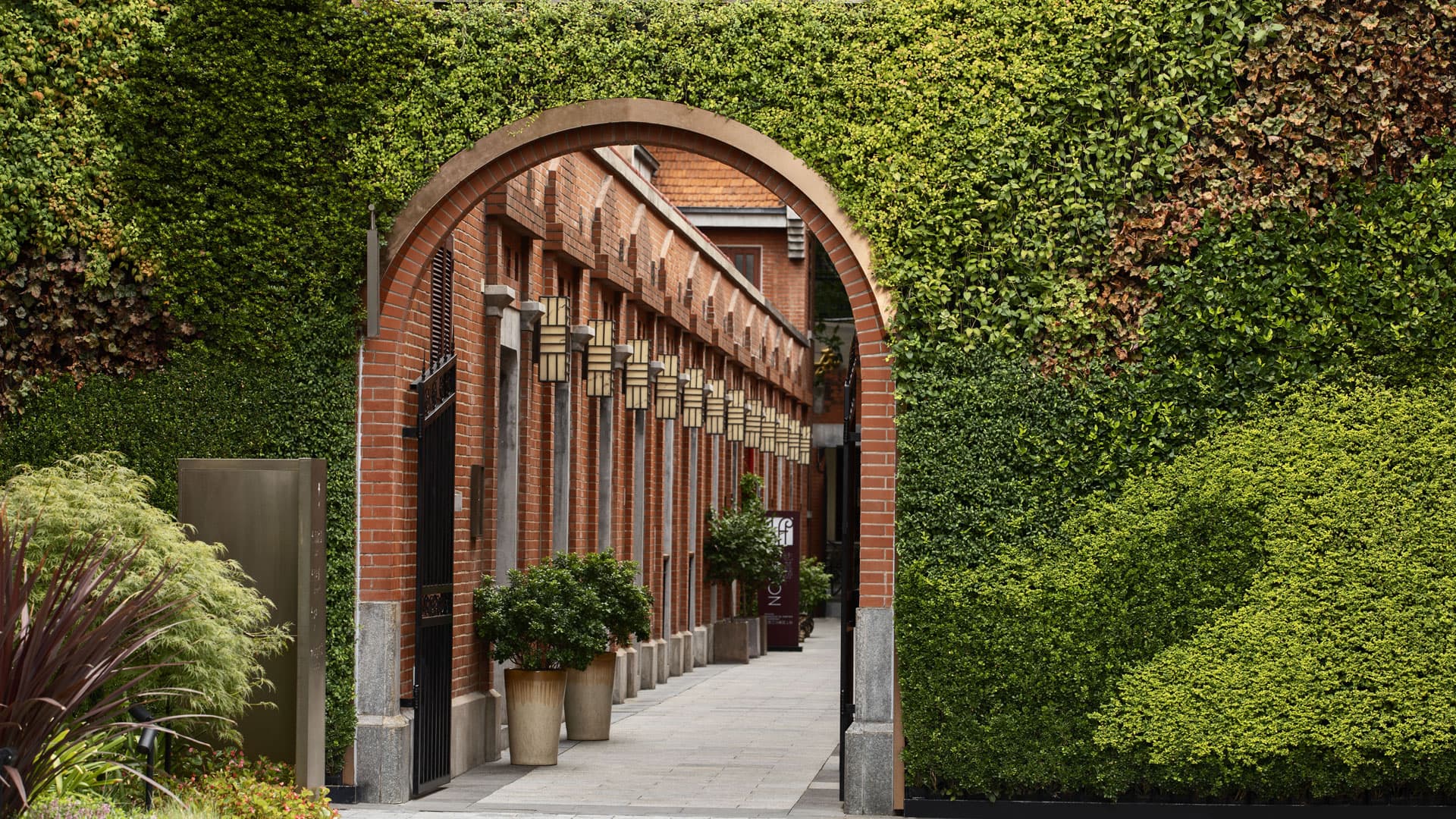
An intimate, quiet sushi bar with only a handful of seats and small private rooms, tucked on a residential lane in the former French Concession; the feel is understated and traditional rather than flashy, emphasizing the chef’s counter and seasonal fish over decor.