
Black Pearl 1 Diamond
Our verdict
Horita holds a Black Pearl 1 Diamond (2025) in Shanghai's Changning District, operating from a low-key address on Panyu Road that sits well outside the city's more trafficked dining corridors. The restaurant has earned recognition in a city where that distinction requires sustained precision, placing it among a selective tier of independently recognized dining rooms across Shanghai.

Pearl is the En Primeur Club membership app, where members save venues, book tables and use the concierge.
The menu
What to order
- Miso-glazed black cod
- Crab chawanmushi
- Simmered wagyu
- Seasonal sashimi
Panyu Road and the Case for Quieter Dining
Shanghai's most decorated dining rooms tend to cluster in predictable postcodes: the Bund waterfront, Xintiandi's polished lanes, Jing'an's tower-level rooms. Changning District operates on a different register. Panyu Road, where Horita occupies rooms 105 to 107 in Building 6 of a mid-rise compound at number 381, sits in a residential-commercial stretch that draws residents rather than tourists. The approach matters: in a city that rewards spectacle, a room that earns recognition without marquee location or celebrity-circuit foot traffic is making a different argument about what dining in Shanghai can be.
That argument has now been formally acknowledged. Horita received a Black Pearl 1 Diamond in 2025, placing it inside the tier of restaurants that China's most closely watched fine-dining guide considers worth a deliberate journey. The Black Pearl Guide, operated by Meituan, has become a primary axis of credibility for serious dining across mainland China, and its 2025 cohort across Shanghai represents a rigorously selection. A 1 Diamond designation in that system puts Horita in company with rooms whose kitchens are operating with measurable discipline, not just local goodwill.
Shanghai's Recognition Hierarchy and Where Horita Sits
To understand what a Black Pearl 1 Diamond signals in practice, it helps to map the broader Shanghai recognition structure. At the upper end, venues like Taian Table hold multiple Michelin stars alongside Black Pearl recognition, operating at the intersection of international press attention and local critical consensus. Vegetarian-focused rooms such as Fu He Hui carry two Michelin stars and represent a niche that Shanghai's high-end market has supported more consistently than most Chinese cities. Cantonese specialists, including 102 House, anchor the Cantonese premium tier. Italian addresses at the higher end, such as 8 1/2 Otto e Mezzo Bombana, bring international brand equity to the city's European dining circuit.
Horita operates without the cross-listing advantage of multiple international guides or the visibility that comes from a hotel partnership or a well-known group affiliation. Its single Black Pearl Diamond, earned in 2025, is the entire public record of formal recognition. In a city as competitive as Shanghai, that is not a limitation so much as a marker of a room that is earning its position through the work itself. For the reader comparing options across Shanghai's full restaurant roster, our full Shanghai restaurants guide maps the city's dining tiers in greater depth.
The Sustainability Angle in Shanghai's Fine-Dining Tier
Across China's premium dining circuit, environmental sourcing practices have moved from optional to expected at the recognized tier. In cities like Hangzhou, rooms such as Ru Yuan have built their identity around ingredient provenance and seasonal discipline. In Macau, Chef Tam's Seasons operates with a clear philosophy around premium Chinese ingredients sourced with traceability in mind. The pattern repeats across mainland China's recognized dining rooms: the Black Pearl and Michelin systems both reward kitchens that demonstrate ingredient coherence, which in practice means tighter relationships with producers, shorter supply chains, and menus that track availability rather than override it.
Changning's residential character gives a kitchen like Horita's structural advantages in this area. Proximity to local wet markets, less pressure to perform international spectacle, and a clientele that returns regularly rather than arriving once for a landmark occasion all push toward sourcing decisions made on quality and consistency rather than brand visibility. The rooms at Panyu Road are not designed to impress a passing audience. The result, when it works, is cooking that reflects what is available and in season rather than what photographs well in a globally distributed press kit.
This pattern is not unique to Shanghai. At the recognized tier in China's major cities, from Xin Rong Ji in Beijing to its Chengdu outpost, and among Cantonese specialists including Imperial Treasure Fine Chinese Cuisine in Guangzhou and Dai Yuet Heen in Nanjing, the shift toward ingredient-led cooking with traceable sourcing has been consistent and accelerating. Taizhou-focused rooms like Xin Rong Ji (West Nanjing Road) in Shanghai illustrate how regional Chinese cuisine at the premium tier increasingly foregrounds the provenance of its core ingredients as a point of differentiation. Globally, the same logic applies at precision-focused rooms like Le Bernardin in New York City, where sourcing discipline has long been central to the critical case for the kitchen.
Planning a Visit to Horita
Changning District sits west of the city center, accessible from Jing'an or Xuhui by metro or a direct ride. Building 6 at 381 Panyu Road requires a moment of orientation on arrival, as the compound address is more residential than commercial in character. The restaurant occupies rooms 105 to 107 on the ground level. Given the 2025 Black Pearl Diamond and the room's off-circuit position, demand from informed diners has been growing without a corresponding expansion in visibility or seat count. Booking ahead is the practical move. For the wider picture of where to stay and what else to do while in the city, our full Shanghai hotels guide, bars guide, wineries guide, and experiences guide cover the relevant ground.
For comparison, internationally oriented diners benchmarking China's recognized dining circuit against global peers may find it useful to look at how precision-led tasting formats operate in other markets, including Atomix in New York City, where the structure of a tightly controlled omakase-adjacent format at the recognized tier offers a useful reference point for what Black Pearl-caliber rooms in mainland China are measured against.
The Editorial Case for Horita
The case for Horita is not built on scale, visibility, or cross-listed guide recognition. It rests on a Black Pearl 1 Diamond earned in 2025 in a city where that distinction is hard to secure, awarded to a room in a district that generates no ambient foot traffic and carries none of the built-in attention that Bund addresses or luxury hotel dining rooms receive automatically. That is precisely the condition under which a kitchen either earns its standing on merit or disappears into the residential background. Horita is on the record as having earned it.
Reputation First
Comparable venues nearby, for context on price, style, and recognition.
| Venue | Cuisine | Price | Awards | Notes |
|---|---|---|---|---|
| HoritaThis venue (the venue you are viewing) | Traditional Japanese Kaiseki | $300–500 | Black Pearl 1 Diamond | Not listed |
| MIYAHATO | Modern Japanese Fine Dining | Not listed | Black Pearl 1 Diamond | Not listed |
| Kurogi Shanghai | Modern Japanese Kaiseki Omakase | $300–500 | Not listed | Hongkou |
| Tie Wu | High-End Japanese Yakiniku | Not listed | Black Pearl 1 Diamond | Hongqiao / Minhang |
| MIND YAKINIKU | Traditional Japanese Yakiniku | $100–150 | Black Pearl 1 Diamond | Da Pu Qiao |
| Torikaze | Tokyo-Style Yakitori | $100–150 | Michelin Plate · Star Wine List | Da Pu Qiao |
Recognition history
Dated appearances from independent guides and award organizations, with the underlying list record or original source where available.
Black Pearl 1 Diamond
Black Pearl
Full recognition history (2 entries)
Black Pearl 1 Diamond
Black Pearl
Continue exploring
More in Shanghai
Restaurants in Shanghai
All restaurants in Shanghai →
Bars in Shanghai
All bars in Shanghai →
Details
- Intimate
- Elegant
- Sophisticated
- Special Occasion
- Business Dinner
- Private Dining
- Tasting Menu
Current opening hours
- Monday
- 6:30–11 PM
- Tuesday
- 6:30–11 PM
- Wednesday
- 6:30–11 PM
- Thursday
- 6:30–11 PM
- Friday
- 6:30–11 PM
- Saturday
- 6:30–11 PM
- Sunday
- Closed
Hours can change for holidays and private events. Hours as of .
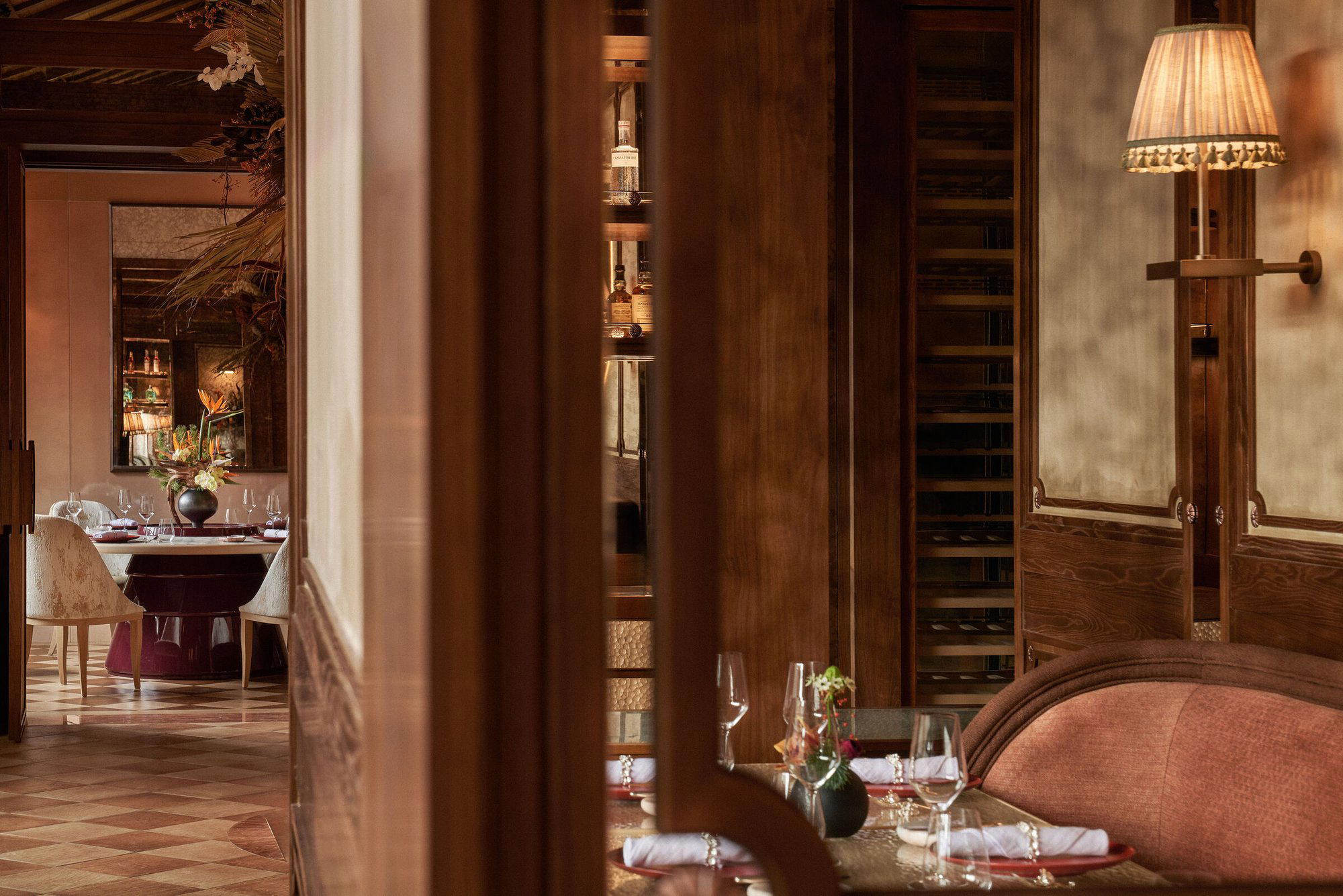
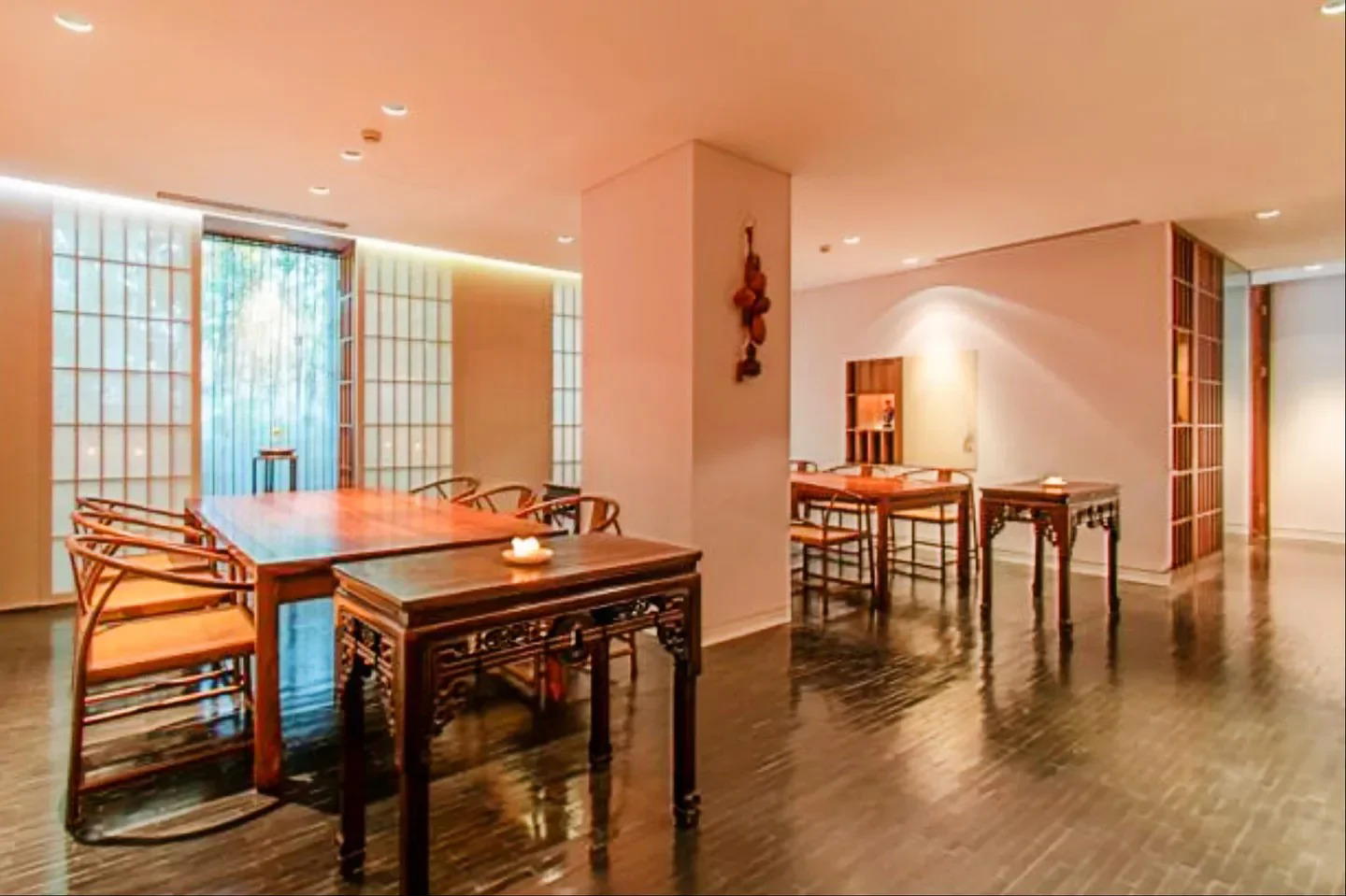
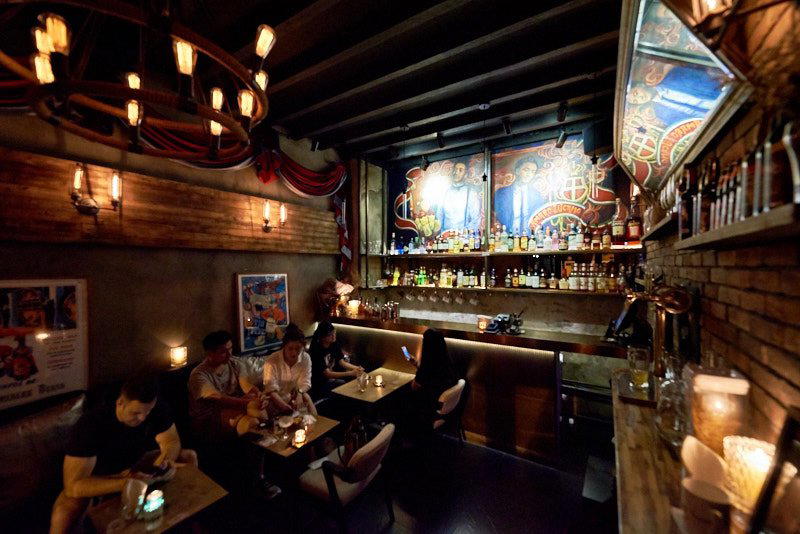
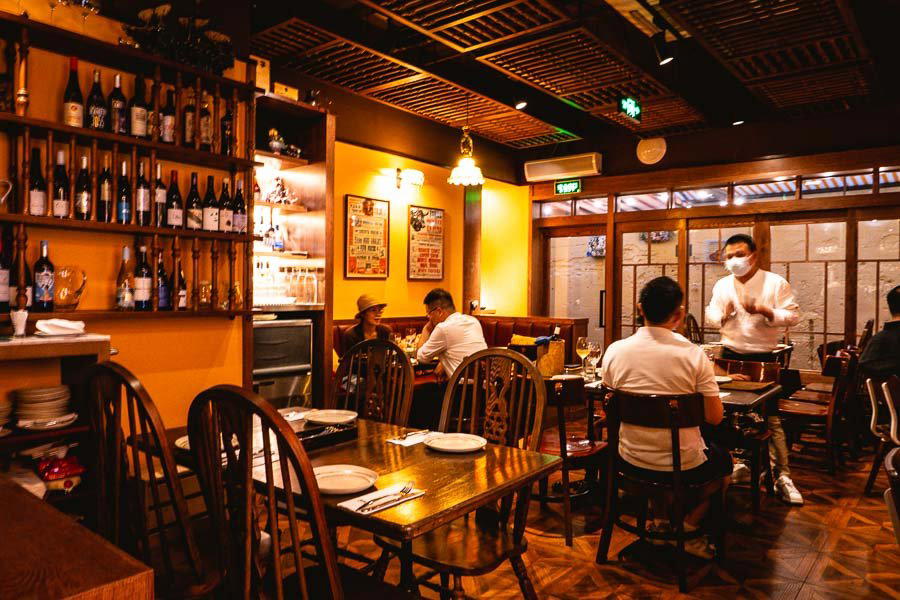
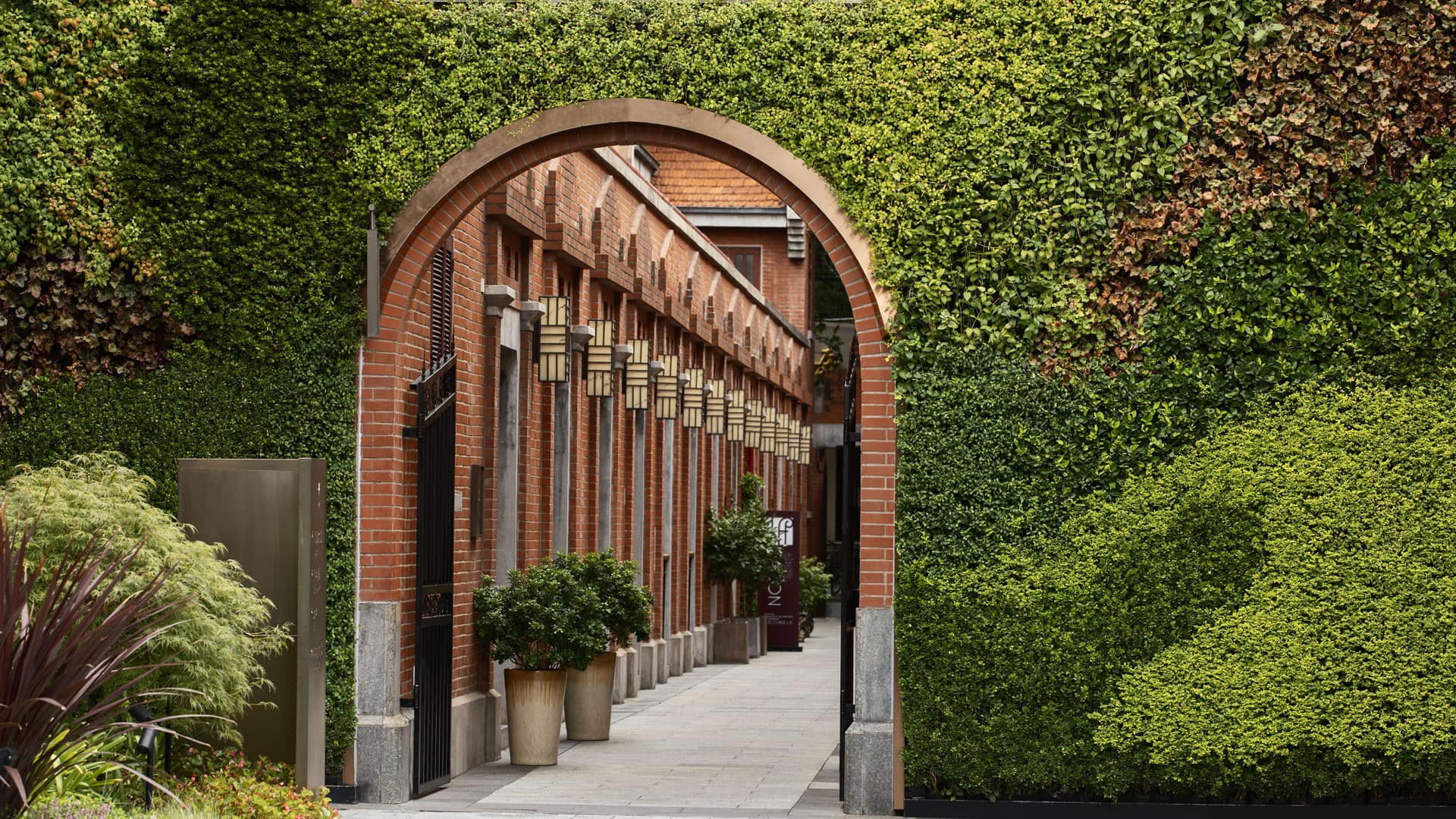
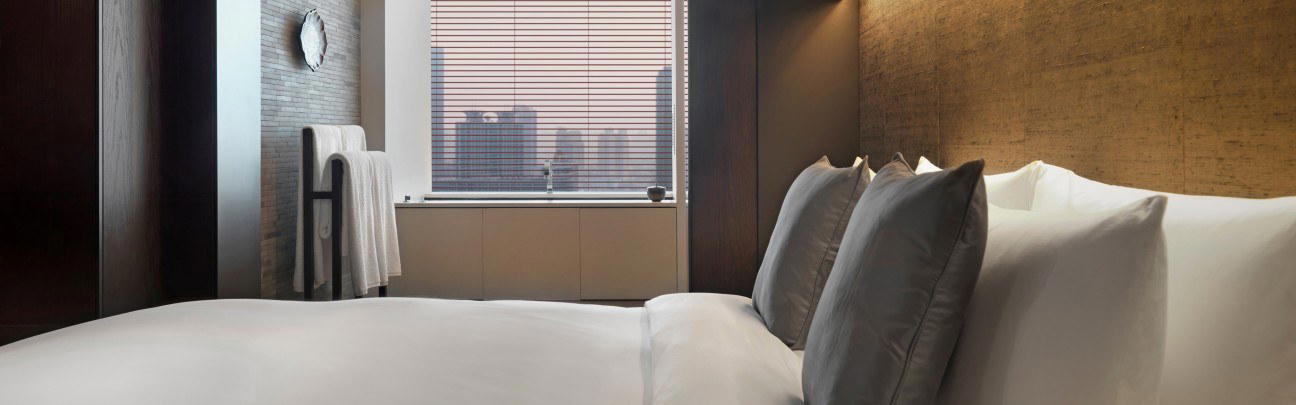
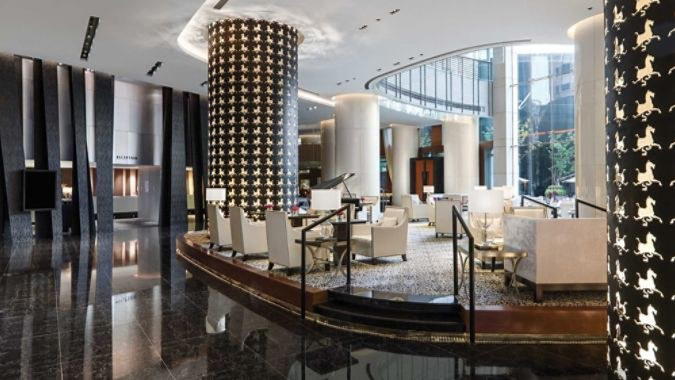
Warm inviting atmosphere with clean lines, natural materials, and restrained detailing supporting a food-centered ceremonial experience.