Our verdict
São Paulo's Itaim Bibi neighbourhood has quietly developed one of Brazil's more coherent Korean dining corridors, and Surah Korean Cuisine Brasil on Rua Bandeira Paulista sits squarely within that conversation. The address draws a crowd that takes Korean table customs seriously, from banchan sequencing to shared-grill protocol. For visitors tracking the city's international dining scene, it represents a category worth understanding on its own terms.

Pearl is the En Primeur Club membership app, where members save venues, book tables and use the concierge.
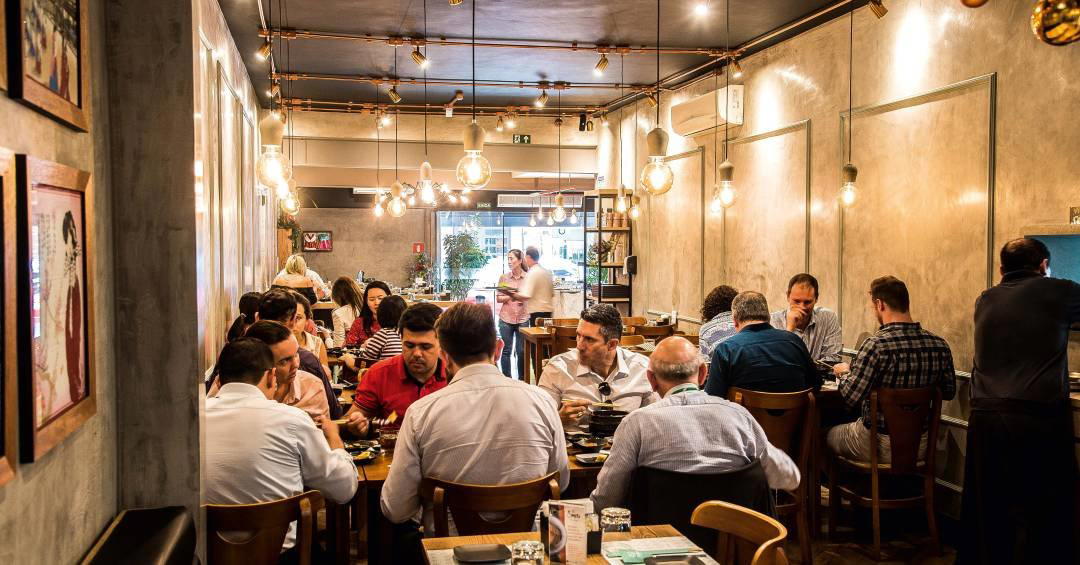
The menu
What to order
- Bulgogi
- Korean barbecue
- Guiozas
- Korean fried chicken
Korean Dining in São Paulo: The Itaim Bibi Context
Korean cuisine in São Paulo has followed a trajectory distinct from the city's more-documented Japanese food scene. Where Japanese restaurants in Vila Madalena and Liberdade built their identities around decades of settled community cooking, Korean establishments have proliferated more recently and with greater concentration in Itaim Bibi, a neighbourhood that also anchors some of the city's most ambitious contemporary Brazilian tables. D.O.M., one of the neighbourhood's long-standing reference points for creative Brazilian cooking at the $$$ tier, occupies the same general radius. So does Evvai, which brought a disciplined contemporary Italian sensibility to a street-level format. Korean dining, by contrast, operates in a different register entirely: communal, tactile, and structured around a meal ritual that the room itself must accommodate.
Surah Korean Cuisine Brasil, located at Rua Bandeira Paulista 455 in Itaim Bibi, sits within this developing corridor. The address is direct to reach from the neighbourhood's main commercial spine, and the surrounding blocks mix corporate lunch spots with serious dinner destinations. That context matters because it shapes the clientele: this is not a neighbourhood where diners arrive without a point of view about what they want from a meal.
The Architecture of a Korean Meal
Understanding what to expect at a Korean restaurant in São Paulo requires some grounding in the meal structure itself. Korean dining protocol is among the more codified of East Asian culinary traditions, and that structure does not bend significantly for a Brazilian context. The meal arrives in layers. Banchan, the small shared side dishes that precede or accompany the main course, establish the table before any centrepiece arrives. They are not appetisers in the Western sense; they remain on the table throughout the meal, to be returned to, refilled, and eaten alongside rice and protein rather than consumed sequentially and cleared.
That rhythm places demands on a dining room. Tables need surface area. Service needs to understand the choreography of refilling without interrupting. The pacing is conversational rather than progressive, which is an adjustment for diners conditioned by European tasting-menu formats. São Paulo's more cerebral contemporary tables, including Tuju and Maní, build drama through sequence. Korean dining builds it through accumulation and simultaneity. Both are disciplined approaches; they just operate on opposite structural principles.
Where grilled proteins are involved, the etiquette layers further. The grill at the table is a shared instrument, and in Korean dining culture, the person with the least seniority at the table typically manages it. That custom does not always survive translation into a Brazilian setting, where service staff frequently step in to handle the grill, but the underlying logic of shared preparation remains present in the format.
The Korean Diaspora Table in Brazil
Brazil holds one of the largest Korean diaspora communities in Latin America, concentrated predominantly in São Paulo. That population has sustained a restaurant culture that predates the current international visibility of Korean cuisine, and it means that Korean restaurants in the city are often cooking for an audience with genuine reference points, not just for diners encountering the food through cultural novelty. That distinction matters for quality calibration. A kitchen serving a diaspora community tends to be measured against a different standard than one trading on exotic appeal.
The São Paulo Korean dining scene therefore occupies a different position than, say, the Korean restaurant scenes in cities where the food arrived primarily through the global K-culture wave. The community grounding here is longer and more anchored. For a comparable dynamic in Brazilian fine dining from another angle, Lasai in Rio de Janeiro demonstrates how a kitchen cooking for a sophisticated local audience develops differently than one oriented toward tourism. The mechanism is different, but the underlying pressure is the same: proximity to a knowing audience raises the floor.
Internationally, Korean fine dining has moved toward a format that pairs traditional technique with contemporary plating, as seen at Atomix in New York City, which has built sustained recognition on exactly that synthesis. Korean restaurants in São Paulo are not all operating at that tier, but the presence of a knowledgeable local audience creates conditions where technical honesty is more visible.
Placing Surah in the Broader São Paulo Dining Map
São Paulo's dining scene is often discussed through its Brazilian-cuisine flagship tier, represented by addresses like Fame Osteria at the contemporary Italian end and the broader creative-Brazilian cohort. Korean cuisine sits outside that frame, operating in a category defined by different metrics: fidelity to source tradition, quality of raw materials in a country where Korean ingredients require either importing or local substitution, and the capacity to hold a room through a meal format that rewards patience.
For travellers building a São Paulo itinerary around dining, the practical question is where Korean cooking fits relative to the city's other strong suits. The answer is that it fills a structural gap: communal, protein-forward, and better suited to groups than the tasting-menu formats that dominate the city's most-discussed contemporary addresses. If your party includes more than two diners, the Korean table format scales more naturally than a chef's counter. Rua Bandeira Paulista 455 is accessible from Itaim Bibi's main transport corridors, and the neighbourhood concentration of dining options means that pre- or post-meal drinks can be arranged within easy walking distance.
For a broader view of where this fits within the city's full dining picture, our full São Paulo restaurants guide maps the category tiers more completely. Across Brazil, the range extends well beyond the capital, from Bistro Fitz Carraldo in Manaus to Cantina Pozzobon in Santa Maria, each operating within its own regional logic. São Paulo's Korean corridor is one node in a much larger, more varied national picture.
Planning Your Visit
Surah Korean Cuisine Brasil is located at Rua Bandeira Paulista 455, Itaim Bibi, São Paulo. The neighbourhood is well served by taxis and ride-share services from the city centre, and the address is direct for anyone already dining in Itaim Bibi. Given the communal format of Korean dining, the experience scales with group size; arriving with four or more diners gives the banchan spread and shared-grill dynamic room to develop properly.
Frequently asked questions
What should I order at Surah Korean Cuisine Brasil?
EP Club does not hold confirmed menu data for Surah Korean Cuisine Brasil, so we cannot responsibly specify dishes or pricing. What the Korean dining format generally makes reliable: begin by scanning the banchan selection, which signals kitchen range, and anchor the meal around one grilled protein and one braised or stewed dish rather than ordering across too many categories. In São Paulo's Korean restaurants, the kitchen's strength tends to cluster around a smaller set of preparations rather than being evenly distributed across a long menu. Cross-reference with São Paulo dining community forums for current dish intelligence before visiting. For high-credential creative cooking in the same neighbourhood, D.O.M. and Tuju offer documented tasting formats as a structural contrast.
Do they take walk-ins at Surah Korean Cuisine Brasil?
EP Club does not hold confirmed booking policy data for Surah Korean Cuisine Brasil. In Itaim Bibi generally, Korean restaurants at the mid-range tier tend to accommodate walk-ins more readily than the neighbourhood's fine-dining tier, where tasting-menu formats require advance reservation. That said, São Paulo's dining scene at this address level can fill quickly on Friday and Saturday evenings, and a confirmed reservation is always the more reliable approach.
What has Surah Korean Cuisine Brasil built its reputation on?
Surah Korean Cuisine Brasil operates within São Paulo's Itaim Bibi Korean dining corridor, a neighbourhood that also holds some of the city's most-discussed contemporary addresses. The restaurant's positioning within a community where Korean diaspora dining culture has deep local roots means the kitchen is measured against an audience with genuine reference points. The communal, banchan-anchored format that defines Korean meal structure is the operating framework, and its reputation, to the degree it has developed one within the neighbourhood, rests on that tradition rather than on a branded chef narrative or formal awards trail. For comparison, Atomix in New York City represents what Korean cuisine can reach at the highest-recognition tier, providing a useful benchmark for understanding the category's range.
How does Korean dining in São Paulo differ from the Japanese dining scene the city is better known for?
São Paulo's Japanese dining culture, built over more than a century of immigration concentrated in Liberdade and spreading across the city, is among the most developed outside Japan, with addresses like Jun Sakamoto holding sustained credibility at the precision end of the spectrum. Korean dining in the city is a more recent and smaller-scale phenomenon, concentrated in Itaim Bibi rather than in a single historic neighbourhood, and shaped by a diaspora community that arrived in significant numbers from the 1960s onward. The meal formats are structurally different: where Japanese omakase or izakaya formats build through sequence and restraint, Korean dining at addresses like Surah is built around simultaneity, shared preparation, and the cumulative logic of banchan alongside a centrepiece protein. Both traditions are serious; they reward different kinds of attention from the diner.
Fast Comparison
Comparable venues nearby, for context on price, style, and recognition.
| Venue | Cuisine | Price | Awards | Notes |
|---|---|---|---|---|
| Surah Korean Cuisine BrasilThis venue (the venue you are viewing) | Traditional Korean Cuisine | $20–30 | Not listed | Not listed |
| Restaurante Portal da Coreia | Traditional Korean | Not listed | Not listed | Liberdade |
| A Pizza da Mooca | Modern Neapolitan Pizza | $20–30 | 50 Top Pizza World Best Pizza #36 | Cambuci |
| Osaka Japanese Cusine | Nikkei Japanese-Peruvian Fusion | Not listed | Not listed | Pinheiros |
| Daiki Sushi | Classic Japanese Sushi | $20–30 | Not listed | Moema |
| Baio Cozinha Sulista | Creative Southern Brazilian cuisine with contemporary flair | $50–100 | Not listed | Itaim Bibi |
Continue exploring
More in São Paulo
Restaurants in São Paulo
All restaurants in São Paulo →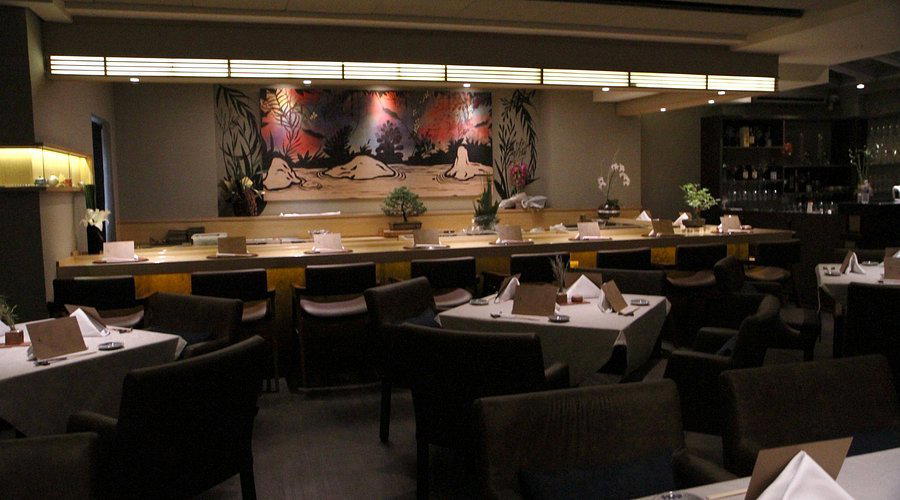
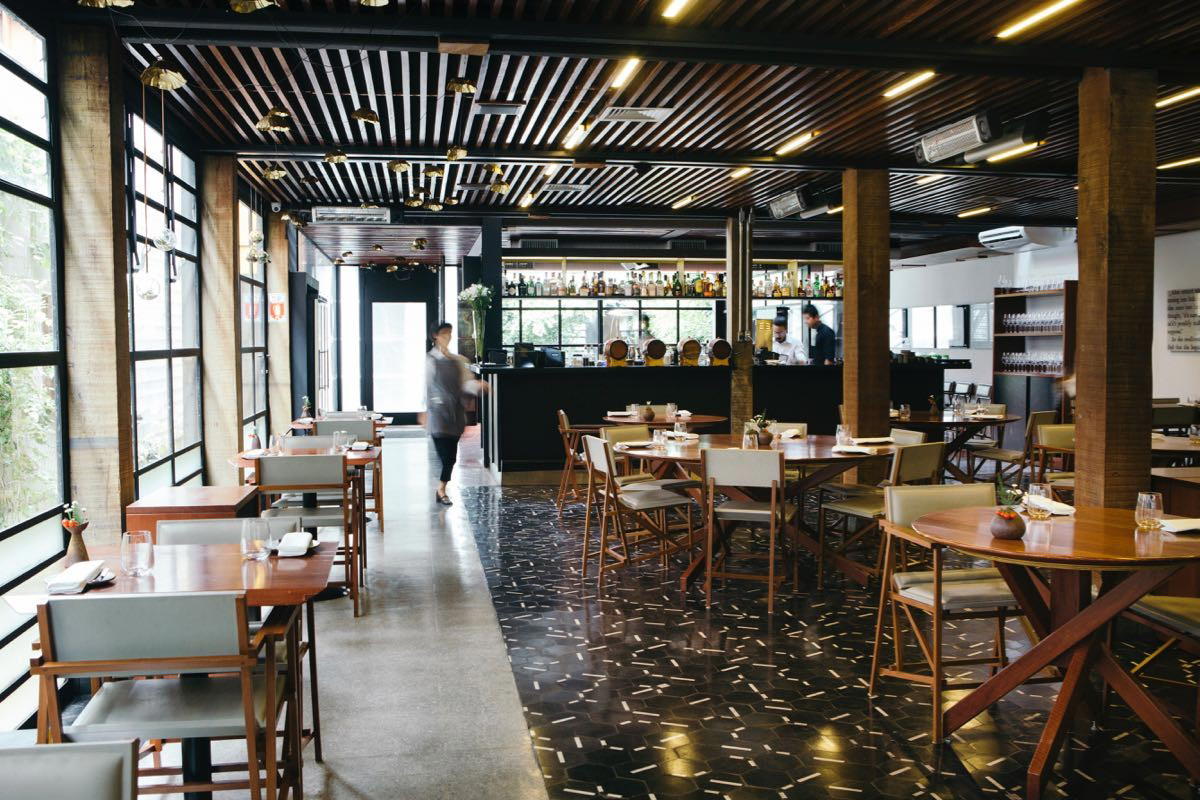
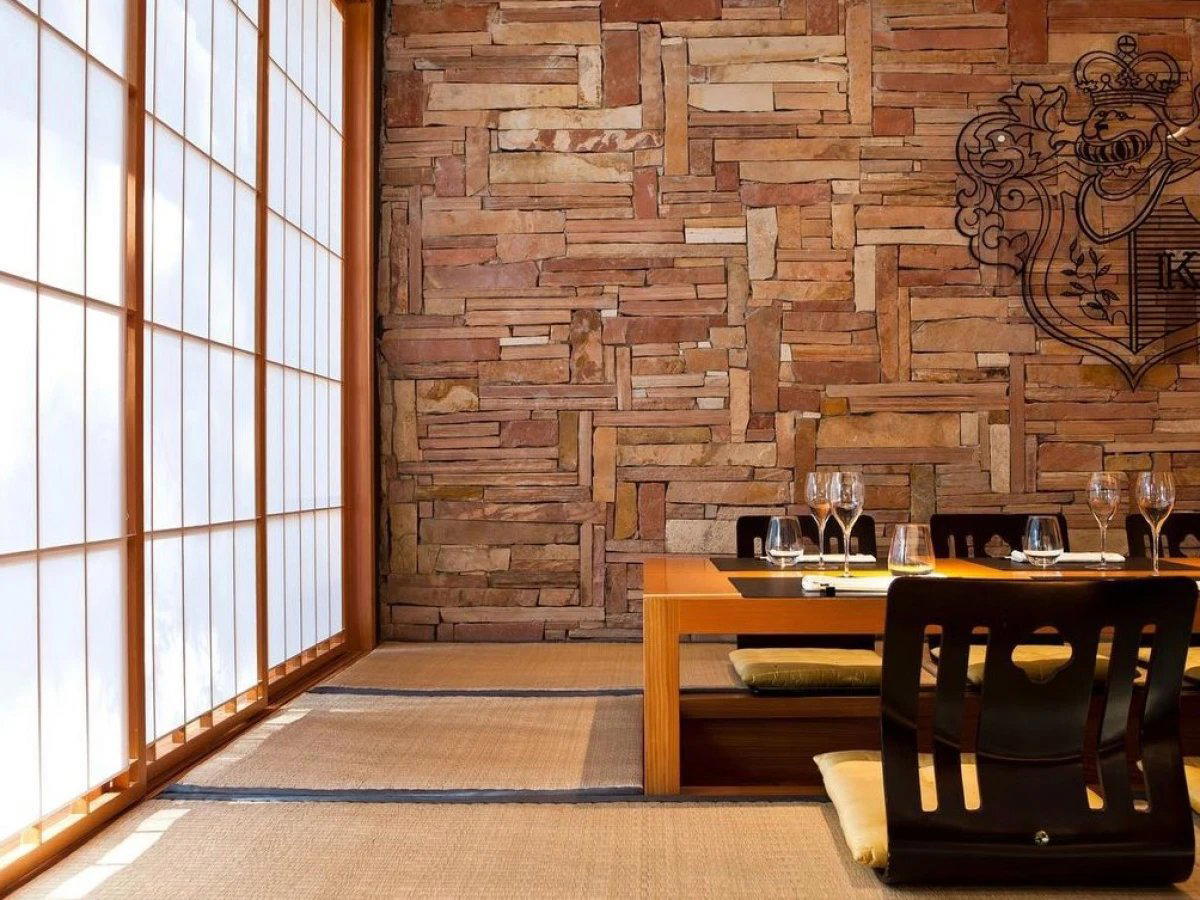
Bars in São Paulo
All bars in São Paulo →
Details
- Cozy
- Modern
- Date Night
- Casual Hangout
- A La Carte
Current opening hours
- Monday
- Closed
- Tuesday
- 12–2 PM, 7–11 PM
- Wednesday
- 12–2 PM, 7–11 PM
- Thursday
- 12–2 PM, 7–11 PM
- Friday
- 12–2 PM, 7–11 PM
- Saturday
- 12–3 PM, 7–11 PM
- Sunday
- Closed
Hours can change for holidays and private events. Hours as of .
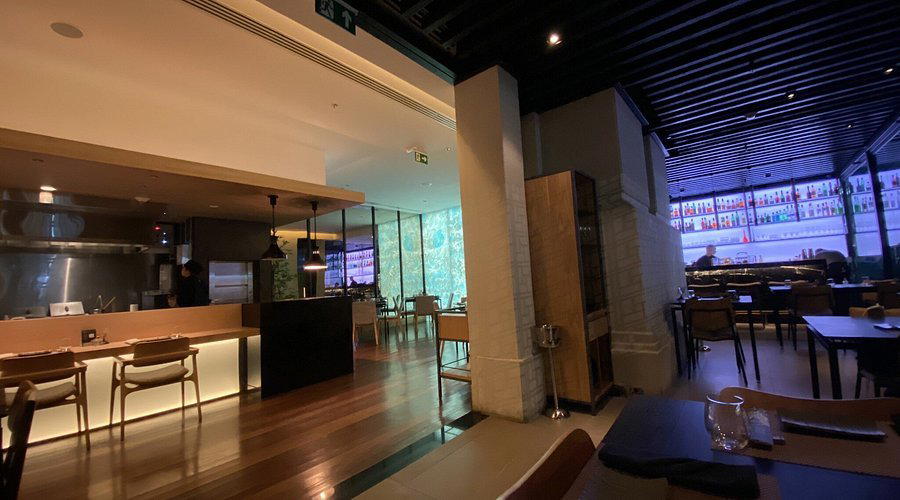
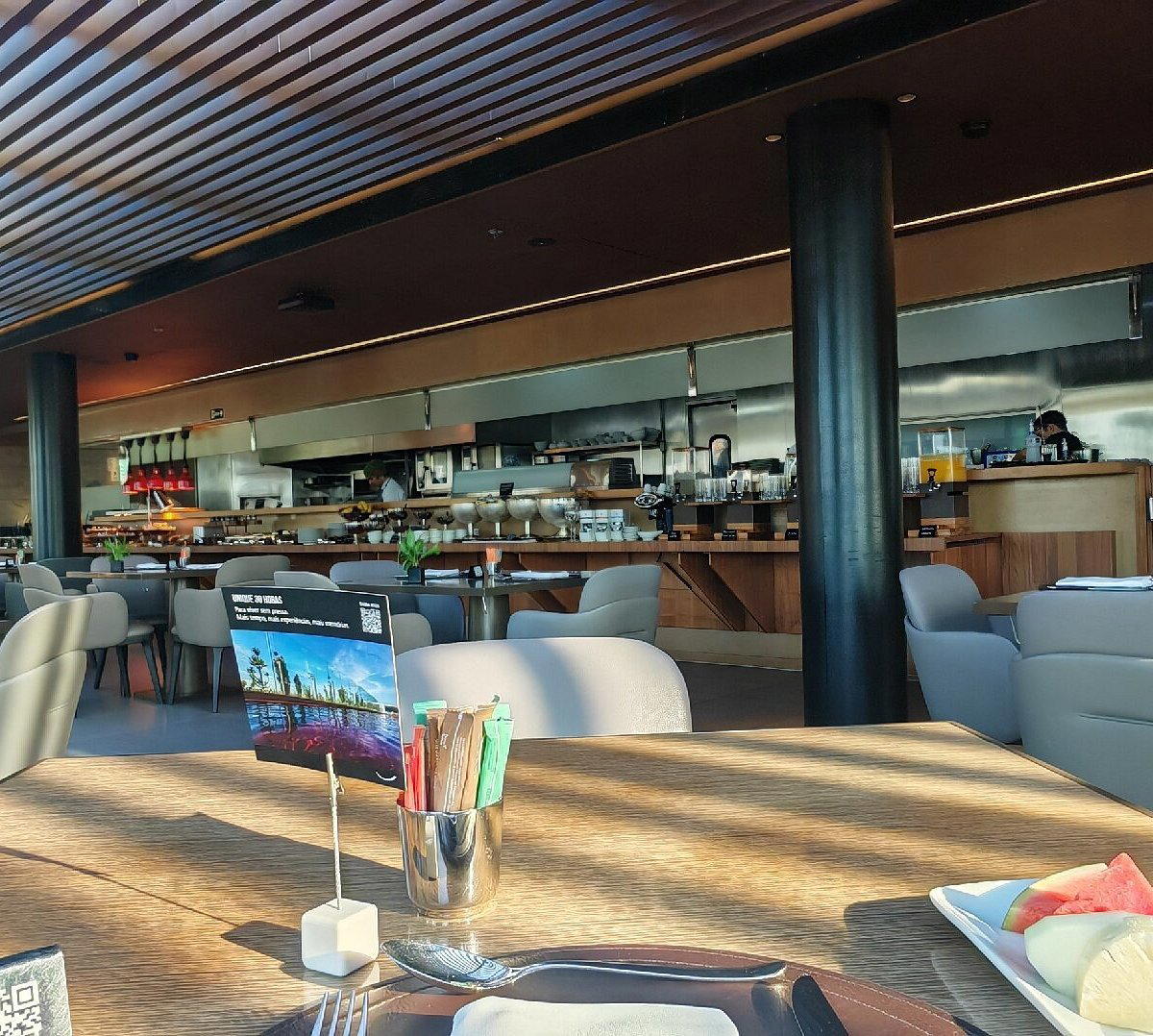
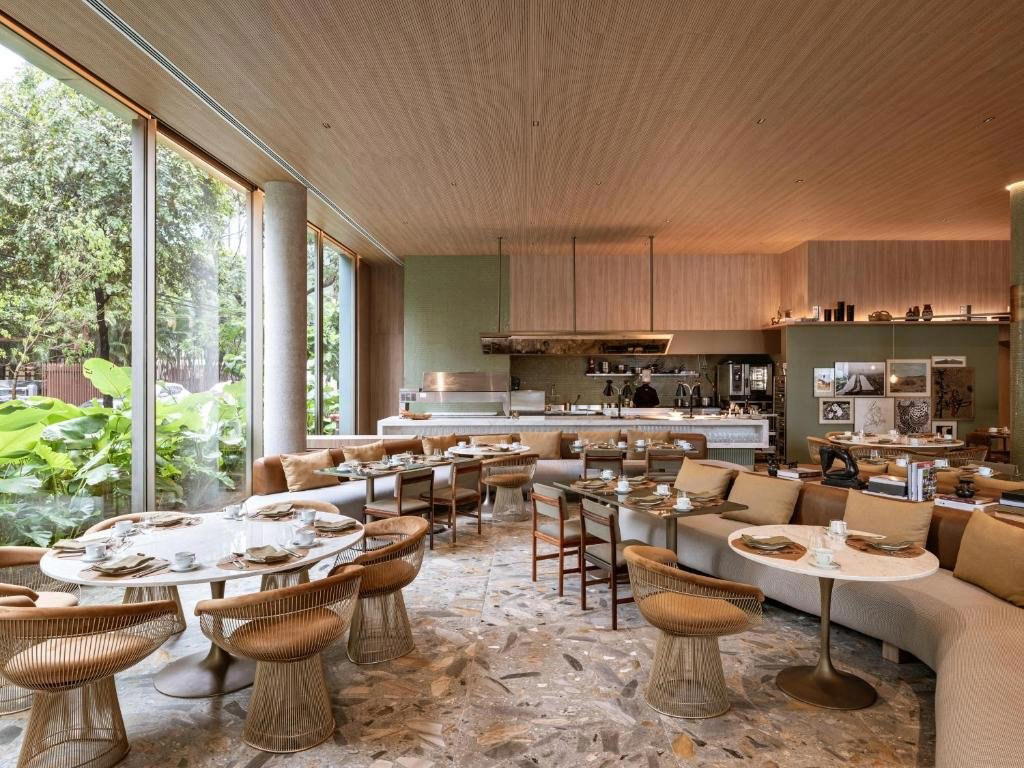
Cozy and clean atmosphere with good service, suitable for both Korean food lovers and newcomers.