Baio Cozinha Sulista brings Southern Brazilian cooking into São Paulo’s corporate west side, where Vila Olímpia’s glass towers usually favor expense-account sushi, steak, and international formats. The useful lens here is grain and regional memory: corn, cassava, rice, beans, smoked meats, dairy, and borderland technique rather than a chef-driven tasting-menu narrative.
Pearl is the En Primeur Club membership app — saves, bookings, and concierge access live there. Same editors, same standards.
- Address
- R. Funchal, 65 - 23º andar - Vila Olímpia, São Paulo - SP, 04551-060, Brazil
- Phone
- +55 11 93452-2626
- Directions
- Get directions
 Saves & bookings on Pearl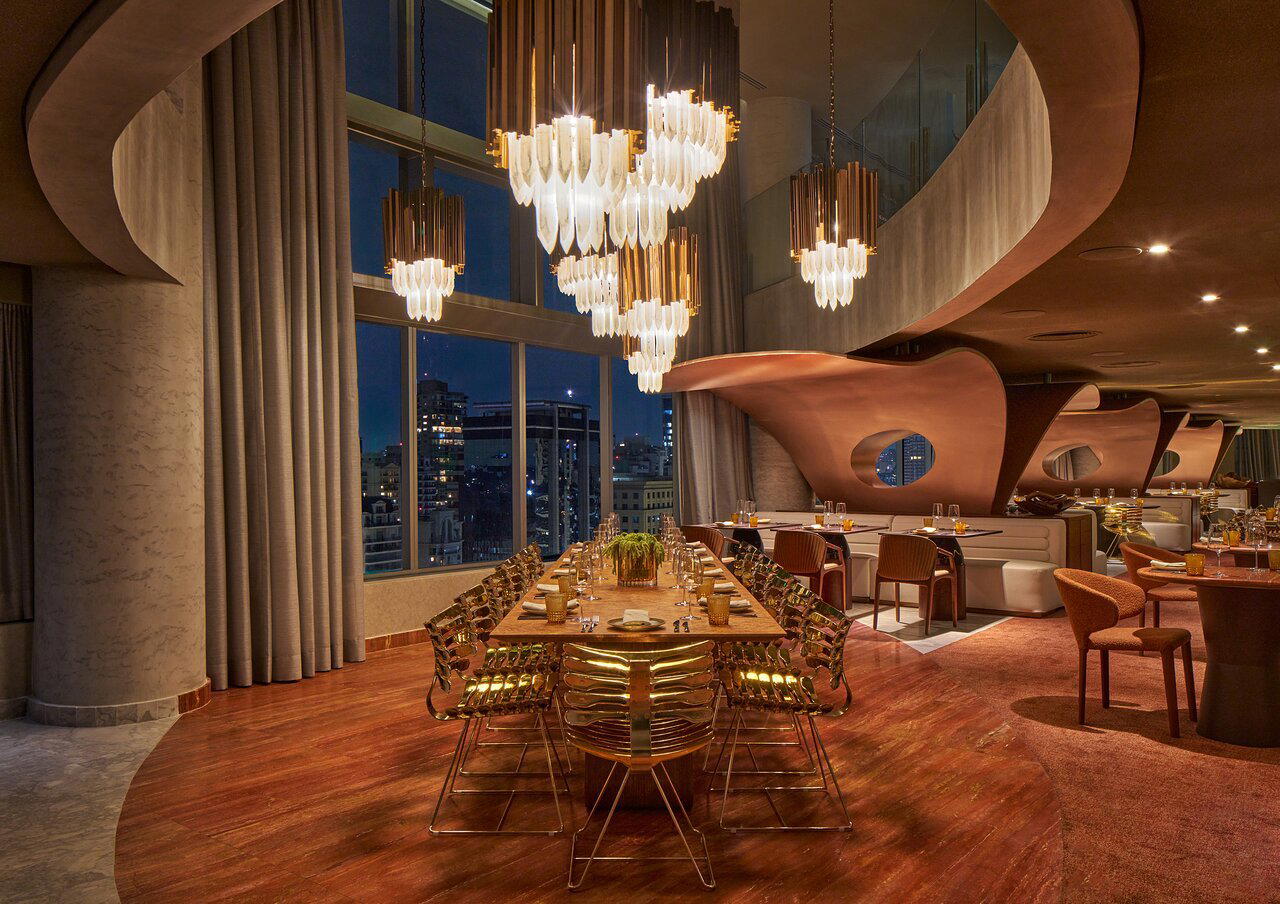
By the time the lift reaches the 23rd floor in Vila Olímpia, São Paulo has changed register: street traffic gives way to office-tower altitude, and restaurant grammar shifts to lunch meetings, hotel-adjacent dining, polished rooms, and schedules over folklore. Baio Cozinha Sulista sits in that high-rise context, but its subject is Southern Brazilian cooking, with a pantry and tempo distinct from the city’s usual business-district repertoire.
Southern Brazilian food is often reduced to barbecue shorthand, especially outside Brazil. That misses a broader table of cornmeal, cassava, rice, beans, dairy, pork, smoked elements, stews, breads, and Indigenous, Portuguese, Italian, German, and borderland foodways. For a São Paulo diner, the translation is key: a southern kitchen in Vila Olímpia must make regional cooking legible in a neighborhood shaped by finance, hotels, and corporate dining, without costume.
Southern grain culture, read from a São Paulo tower
The assigned lens is corn and masa, but Brazil needs local vocabulary. Nixtamalized masa belongs most directly to Mesoamerican tortilla cultures; Southern Brazil’s corn traditions speak through milho verde, fubá, broa, polenta, canjica, pamonha, and farm cooking where corn sits beside cassava rather than replacing it. A serious regional Brazilian table should be judged not by whether it mimics Mexico’s tortilla craft, but by how it handles grain, starch, and texture within its own history.
In southern Brazil, cornmeal and polenta carry migration history and comfort. Italian communities folded polenta into everyday eating; rural kitchens treated corn as sustenance before urban restaurants made it identity. Cassava predates those migrations and remains central to Brazilian texture, from flour to purée to crisped forms. When a São Paulo restaurant calls itself Southern Brazilian, those ingredients test credibility: not every plate must announce a regional archive, but the cooking should understand starch as structure, not garnish.
That is the useful way to read Baio Cozinha Sulista. The category separates it from São Paulo’s heavily represented Italian, Japanese, steakhouse, and contemporary tasting-menu circuits, and from generic “Brazilian” branding that can blur Bahia, Minas Gerais, Pará, Rio Grande do Sul, and the Northeast into one vague national plate. Southern Brazilian cooking has its own weather, cattle culture, border proximity, and grain logic. São Paulo can sustain that specificity if the kitchen keeps the regional line clear.
Vila Olímpia rewards clarity, not nostalgia
Vila Olímpia is not a folkloric stage. It is one of São Paulo’s sharper business districts, dense with towers, traffic, shopping, hotel rooms, and restaurants working across breakfast, lunch, dinner, and Sunday service. That schedule suggests a venue built for multiple urban uses rather than one destination ritual. A regional restaurant here must satisfy both a time-limited weekday table and a weekend diner seeking fuller place.
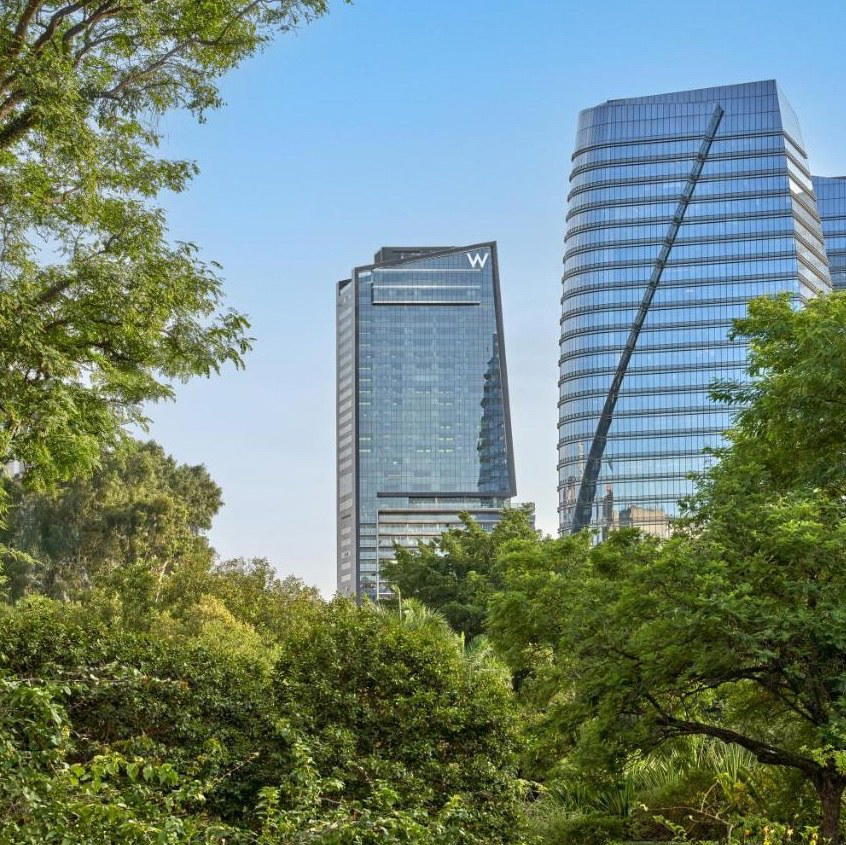
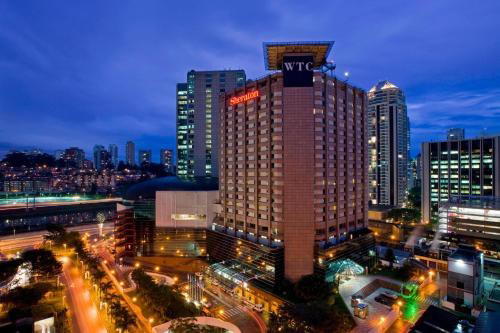
The address places the experience in vertical São Paulo, unlike the low, street-facing intimacy of older dining neighborhoods. Height changes expectation: a 23rd-floor room in Vila Olímpia asks for composure, clean pacing, and business-dining fluency. The regional idea has to survive that polish. Too rustic can feel staged; too corporate and the southern identity disappears. That tension is the interest.
São Paulo’s dining scene can absorb this tension better than almost any Brazilian city. A diner can move from pizza culture to regional Brazilian cooking, from meat-centric rooms to Japanese counters, without leaving the serious restaurant conversation. For broader mapping, start with our full São Paulo restaurants guide, then read across formats: 1900 Pizzeria and A Pizza da Mooca show how immigrant food became local habit; A Baianeira and A Casa do Porco point to different readings of Brazilian regional identity; A Figueira Rubaiyat sits in the long-running meat-and-grill conversation.
That spread keeps Baio Cozinha Sulista in proportion. Its role is not to represent all Brazilian food, and it does not need chef mythology to justify itself. Its value lies in adding a southern register to a city that often rewards international fluency or codified regional fame. In dining culture this large, specificity is the stronger signal.
How to place it in a São Paulo itinerary
For travelers, the practical decision is fit more than rarity. Vila Olímpia works when the day is already anchored in the west side: meetings, hotel stays, shopping, or transfers through the business corridor. Food-focused visitors should not treat the neighborhood as a substitute for older dining zones, but it can be a useful counterpoint: a polished, high-rise setting for regional Brazilian cooking rather than a street-level historic room.
The published schedule spans breakfast, lunch, dinner, and Sunday service, giving it more flexibility than a dinner-only address. That makes it easier to use as a controlled meal in a city where travel times stretch and neighborhood choice matters. The trade-off is context: this is São Paulo’s corporate west, not a slow regional town. Go for a southern Brazilian vocabulary interpreted inside business architecture.
EP Club readers planning around the city rather than a single meal should pair restaurant choices with the rest of the trip: our full São Paulo hotels guide for where to base, full São Paulo bars guide for after-dinner pacing, full São Paulo wineries guide for wine-led planning, and full São Paulo experiences guide for cultural structure beyond the table.
For a wider Brazil comparison, the national map shows how regional identity changes from coast to interior and from snack culture to full-service restaurants:. Org Bistrô in Rio de Janeiro, 1929 Trattoria Moderna in Goiania, 360 Terra e Mar in Santa Cruz Do Sul, 74 Restaurant in Armacao Dos Buzios, Açaí Cuiabano in Cuiaba, and Açai da Barra - Presidente Prudente in Presidente Prudente all sit in different Brazilian food conversations. For an international contrast in concise, format-driven eating, Jōdo Saké Bar in Los Angeles and Onigiri Time in Pasadena show how tightly defined concepts travel in another city altogether.
The verdict is narrow by design: Baio Cozinha Sulista is most compelling as a São Paulo business-district address using Southern Brazilian cuisine as its organizing language. The grain question is the editorial key. Look for how corn, cassava, rice, beans, and meat are treated as foundations of a regional table rather than decorative references. In a city full of imported formats, that focus gives the room a reason to exist beyond altitude and convenience.
Comparable venues nearby, for context on price, style, and recognition.
| Venue | Cuisine | Price | Awards | Notes |
|---|---|---|---|---|
| Baio Cozinha SulistaThis venue — the venue you are viewing | Creative Southern Brazilian cuisine with contemporary flair | $$$ | Not listed | Not listed |
| Exímia | Contemporary Brazilian Cocktail Bar | $$$ | Not listed | Pinheiros |
| Rodeio | Traditional Brazilian Churrascaria | $$$$ | Not listed | Jardim Paulista |
| Charco | Modern Brazilian with South American and Asian influences | $$$ | Not listed | Jardim Paulista |
| Rota do Acarajé | Bahian Brazilian | $$ | Not listed | Santa Cecilia |
| Sal Gastronomia | Modern Brazilian | $$$ | Michelin Plate | Jardim Paulista |
Continue exploring
More in São Paulo
Restaurants in São Paulo
Browse all →
Bars in São Paulo
Browse all →
At a Glance
- Modern
- Elegant
- Trendy
- Scenic
- Sophisticated
- Energetic
- Date Night
- Business Dinner
- Group Dining
- Celebration
- After Work
- Brunch
- Late Night
- Rooftop
- Live Music
- Design Destination
- Hotel Restaurant
- Craft Cocktails
- Local Sourcing
- Farm To Table
- Skyline
Current opening hours
- Monday
- 6:30–10:30 AM, 12–3 PM, 7–11 PM
- Tuesday
- 6:30–10:30 AM, 12–3 PM, 7–11 PM
- Wednesday
- 6:30–10:30 AM, 12–3 PM, 7–11 PM
- Thursday
- 6:30–10:30 AM, 12–3 PM, 7–11 PM
- Friday
- 6:30–10:30 AM, 12–3 PM, 7–11 PM
- Saturday
- 6:30–10:30 AM, 1–4 PM, 7–11 PM
- Sunday
- 7 AM–3 PM, 7–11 PM
Hours can change for holidays and private events. Last verified .
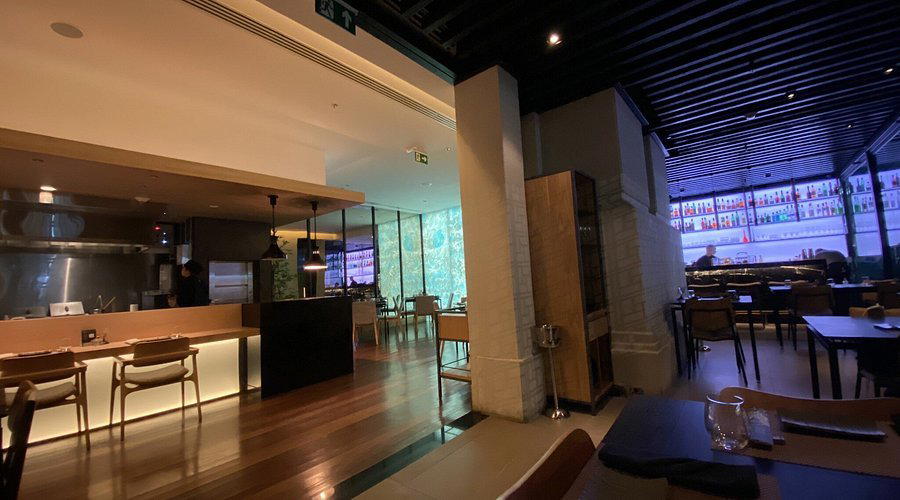
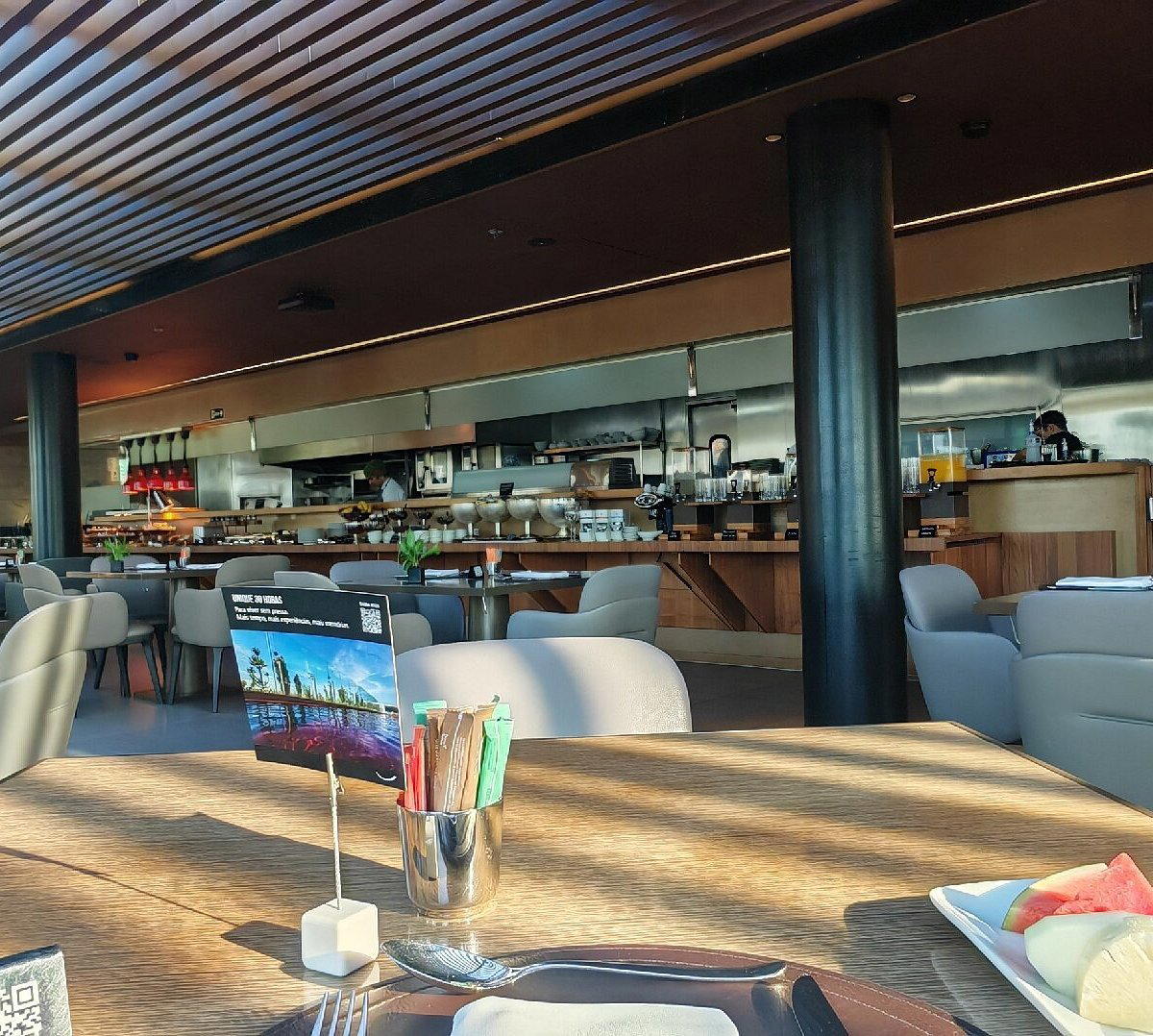
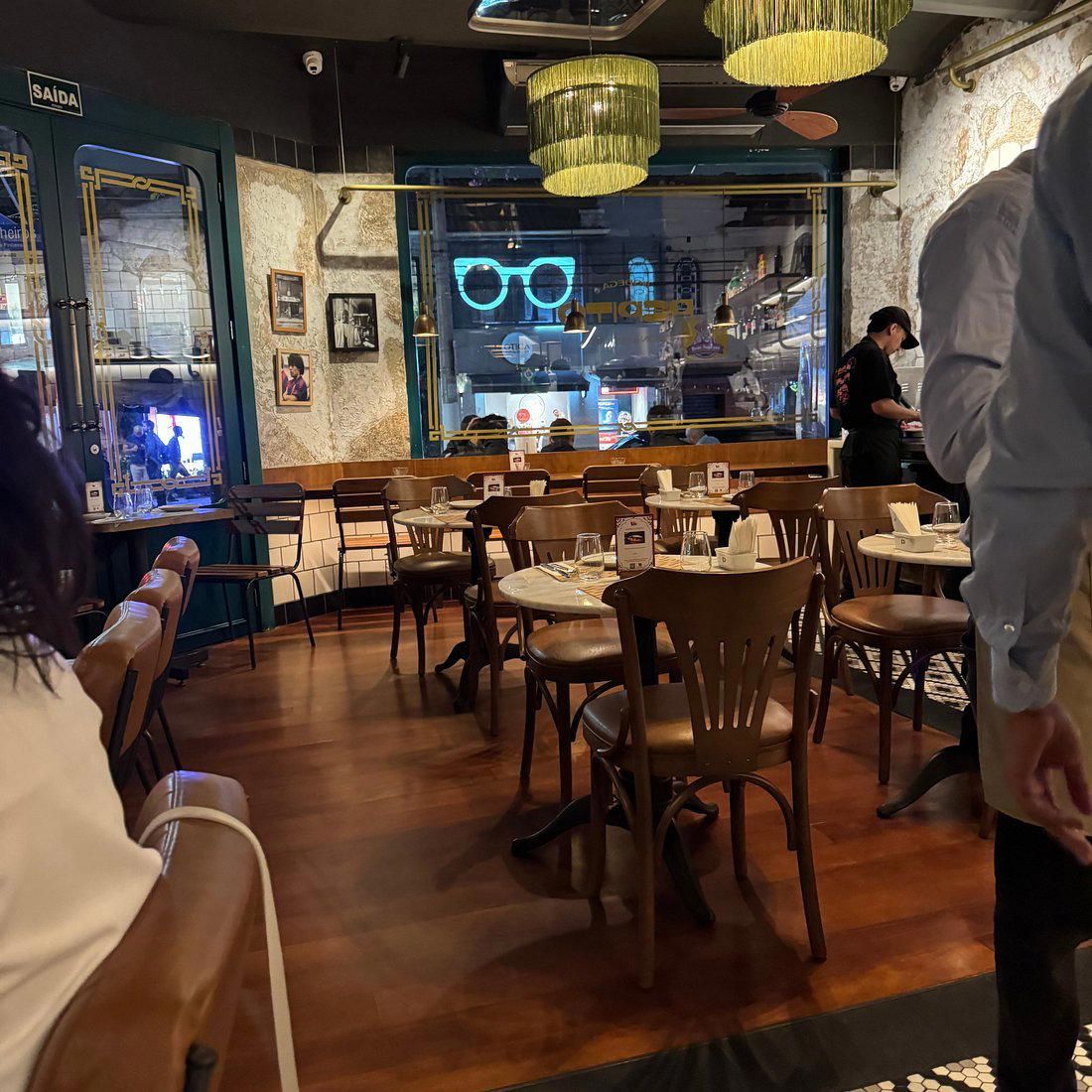
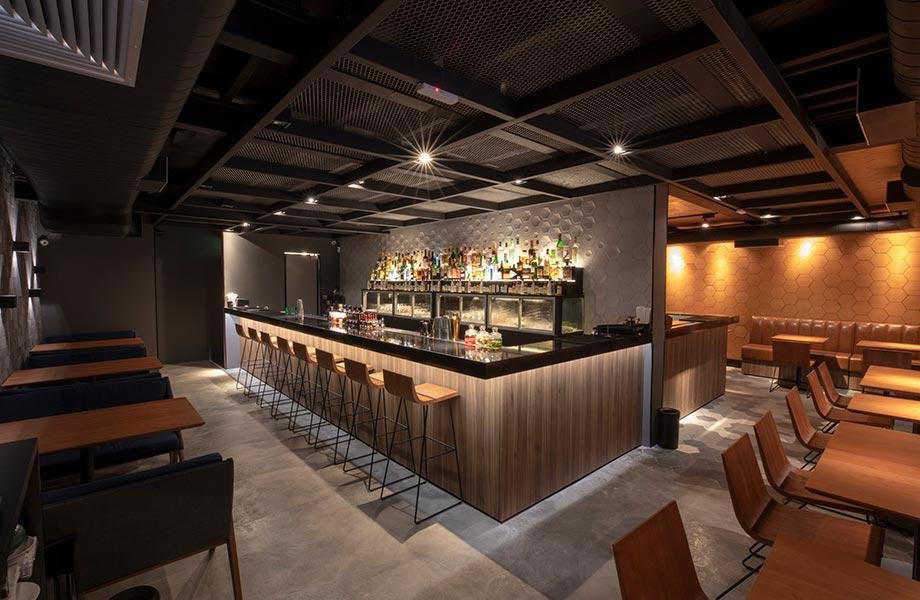
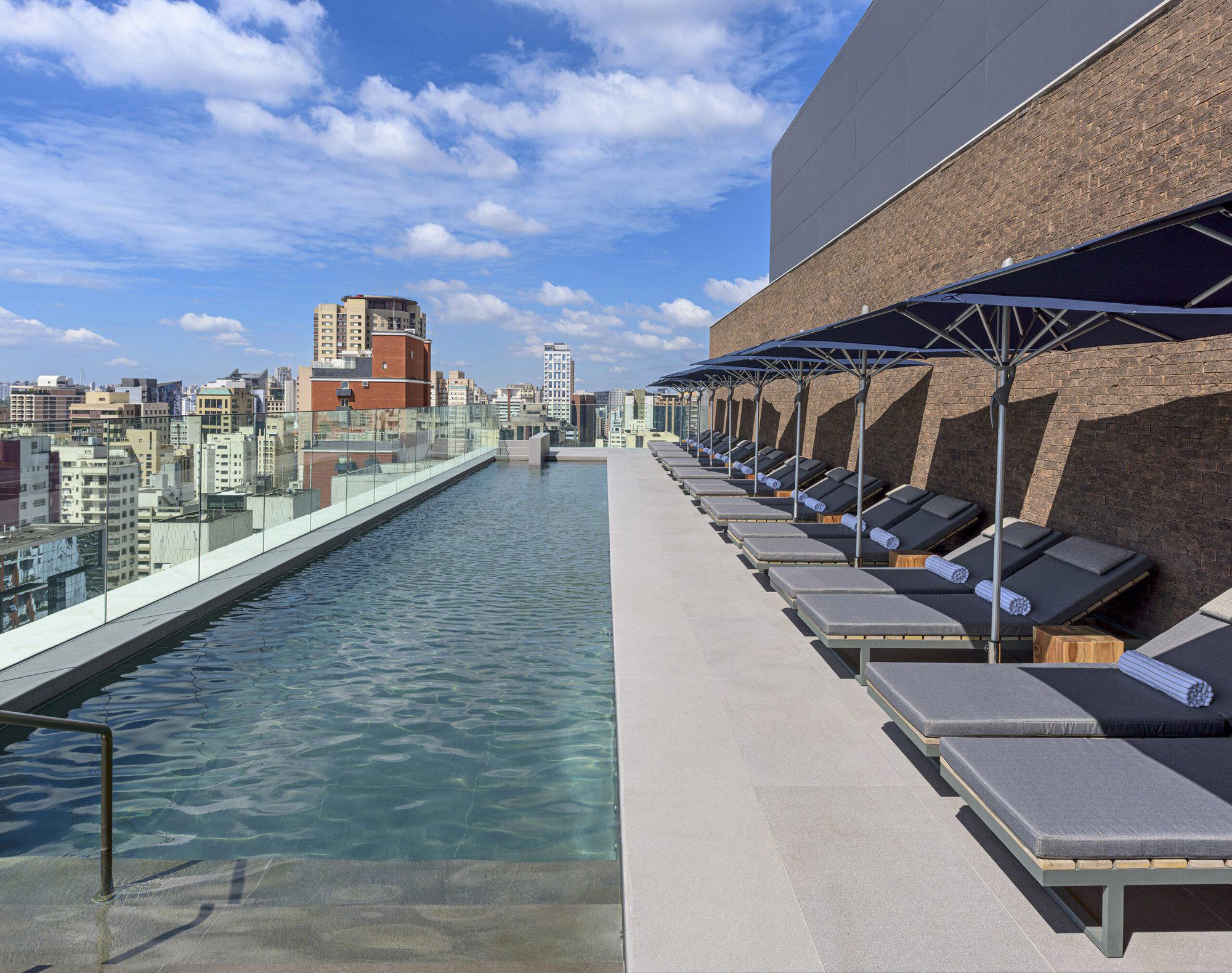
Contemporary hotel-restaurant setting with floor‑to‑ceiling windows, city views, a stylish bar, and a lively atmosphere that mixes sophisticated dining with an energetic cocktail and live‑music scene.