Summer Buffalo (Melrose)
Summer Buffalo on Melrose Avenue sits in one of Los Angeles's most concentrated blocks for independent dining, where the format and feel of a meal often matters as much as the menu. With limited publicly available data on cuisine type and pricing, it occupies that particular stratum of Melrose spots that trade on atmosphere and local reputation rather than awards-circuit visibility. Worth tracking for those building an itinerary around the neighbourhood's dining character.
Pearl is the En Primeur Club membership app — saves, bookings, and concierge access live there. Same editors, same standards.
- Address
- 7275 Melrose Ave A, Los Angeles, CA 90046
- Phone
- +1 323 938 8808
- Website
- instagram.com
- Directions
- Get directions
 Saves & bookings on Pearl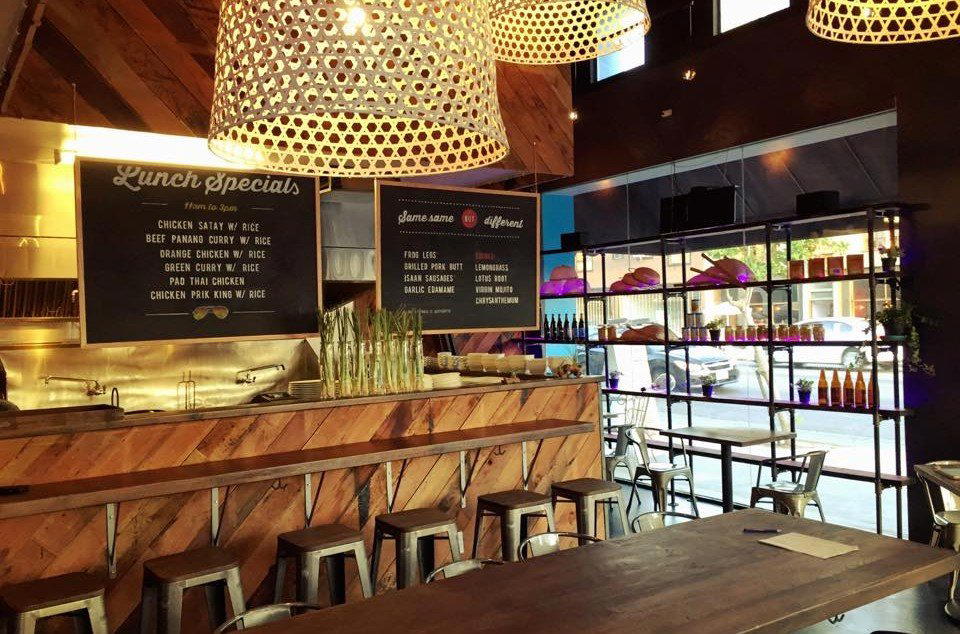
Melrose Avenue and the Art of the Neighbourhood Meal
There is a particular category of Los Angeles restaurant that operates almost entirely outside the awards-circuit conversation, and yet defines how the city actually eats. Melrose Avenue, the stretch running through West Hollywood toward Fairfax, has long been one of those corridors where format and feel carry as much weight as a tasting menu pedigree. Summer Buffalo, at 7275 Melrose Ave, sits inside that ecosystem, on a block that has historically cycled through independent operators willing to bet on foot traffic, neighbourhood loyalty, and a dining culture that values energy over ceremony.
Los Angeles dining has fractured into fairly distinct tiers over the past decade. At one end, destination restaurants like Providence (Contemporary Seafood) and Somni (Molecular) anchor the city's critical reputation and draw visitors who plan meals months in advance. At the other, neighbourhood spots absorb the daily rhythm of the city, functioning less as culinary events and more as reliable cultural coordinates. Summer Buffalo appears to operate in the latter register, drawing from the dense residential and creative professional community that populates the Melrose corridor.
How a Meal Takes Shape on This Street
The editorial angle worth applying to any Melrose restaurant is progression, not destination. On a strip where the experience of walking to a table, ordering without ceremony, and eating through a meal at your own pace is part of the contract, the narrative arc of a visit tends to unfold differently than it would at a counter-format omakase or a structured tasting room. Compare that to the rigid sequencing at Hayato (Japanese), where a kaiseki framework disciplines every transition, or the Taiwanese progression at Kato (New Taiwanese, Asian), where the kitchen controls the arc completely. Melrose's independent spots tend to return that control to the diner.
That structural freedom is part of what makes the neighbourhood's dining culture distinct from the tasting-menu tier. At venues like Osteria Mozza (Italian), a few blocks east in spirit if not geography, the sequencing is still legible, Italian-derived, anchored in recognizable antipasto-to-dolce logic. The further you move from that European framework, the more Los Angeles dining tends to invent its own ordering conventions, mixing cuisines and formats in ways that reflect the city's demographic layering rather than any inherited European template.
The Melrose Dining Corridor in Context
To understand where Summer Buffalo sits competitively, it helps to map the broader Melrose dining corridor against Los Angeles's wider restaurant geography. The strip has never been the city's fine-dining address. That function belongs to Beverly Hills and the Westside for traditional formats, and to Arts District for the more recent wave of chef-driven, design-conscious independents. Melrose occupies a different role, closer in character to the neighbourhood-driven dining culture of, say, the Mission District in San Francisco, where Lazy Bear in San Francisco emerged from an underground supper club before formalizing into a tasting-menu format. The Melrose corridor has rarely produced that kind of upward trajectory, but it sustains a steady population of places that serve the actual working life of the city.
For context on what those award-tier restaurants look like at the national level, venues like Le Bernardin in New York City, The French Laundry in Napa, Smyth in Chicago, or Addison in San Diego operate with documented critical credentials, booking infrastructure, and pricing that signals their tier immediately. Summer Buffalo's public profile, with no published awards, no confirmed cuisine type, and no documented star rating in available records, places it firmly outside that conversation, which for a Melrose neighbourhood spot is not a criticism. It is simply a different operating logic.
Other high-credential American restaurants, from Blue Hill at Stone Barns in Tarrytown and Single Thread Farm in Healdsburg to The Inn at Little Washington and Frasca Food and Wine in Boulder, share a commitment to defined format and documented pedigree. Even internationally, places like Atelier Moessmer Norbert Niederkofler in Brunico or Atomix in New York City operate within legible critical frameworks. The independent neighbourhood restaurant, by contrast, operates on different evidence: repeat customers, local word-of-mouth, and the kind of quotidian reliability that does not generate press releases.
What the Neighbourhood Tells You Before You Sit Down
Approaching any restaurant on Melrose, the street itself is part of the experience in ways that more insular fine-dining environments actively suppress. The block around 7275 Melrose is visually dense, with independent retail, coffee operations, and a pedestrian culture that bleeds into the dining room's energy. That is typical of the Melrose model, where the boundary between street and interior tends to be porous. For visitors building an itinerary around Los Angeles dining, this stretch is worth treating as a neighbourhood exploration rather than a single-destination meal. The city's dining culture has always rewarded that kind of lateral movement across a neighbourhood over the point-to-point logic of destination restaurant tourism.
For a fuller map of where Summer Buffalo sits within the city's broader dining architecture, our full Los Angeles restaurants guide covers the range from Michelin-recognised destination dining to neighbourhood-level independents across multiple districts. The Melrose corridor features as a distinct character within that map, useful for visitors who want to experience the city's dining culture from the inside rather than from a reservation queue.
Visitors with a comparative interest in how other cities handle the neighbourhood restaurant tier might also look at Emeril's in New Orleans, which occupies a different but analogous role as a local institution operating outside the most formal critical frameworks while remaining a durable address in its city's dining conversation.
Know Before You Go
- Address: 7275 Melrose Ave A, Los Angeles, CA 90046
- Neighbourhood: Melrose / West Hollywood corridor, between Fairfax and La Brea
- Cuisine type: Not confirmed in current records
- Price range: Not confirmed in current records
- Hours: Not confirmed; verify directly before visiting
- Reservations: Booking method not confirmed; walk-in policy unverified
- Parking: Street parking on Melrose; side streets recommended during peak evening hours
- Getting there: Accessible via Metro Bus on Melrose; rideshare drop-off direct on the avenue
Similar Picks
| Venue | Cuisine | Price |
|---|---|---|
| Summer Buffalo (Melrose)This venue — the venue you are viewing | This venue | Not listed |
| Kato | New Taiwanese, Asian | $$$$ |
| Hayato | Japanese | $$$$ |
| Vespertine | Progressive, Contemporary | $$$$ |
| Holbox | Mexican Seafood, Mexican | $$ |
| Sushi Kaneyoshi | Sushi, Japanese | $$$$ |
Continue exploring
More in Los Angeles
Restaurants in Los Angeles
Browse all →
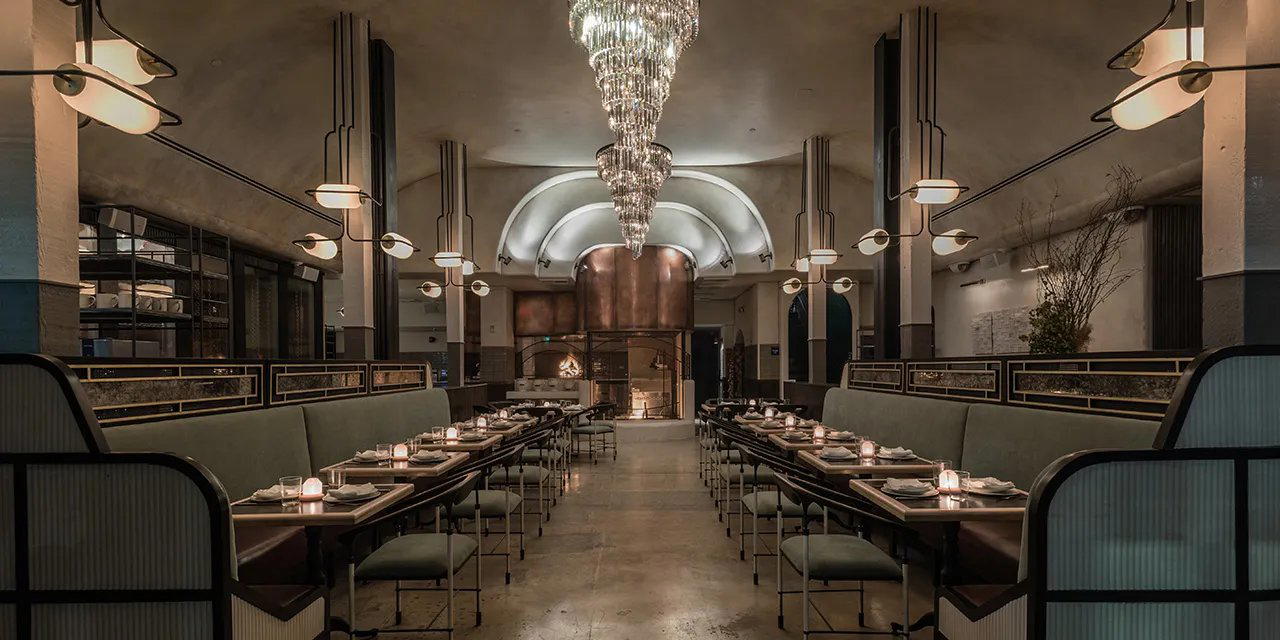
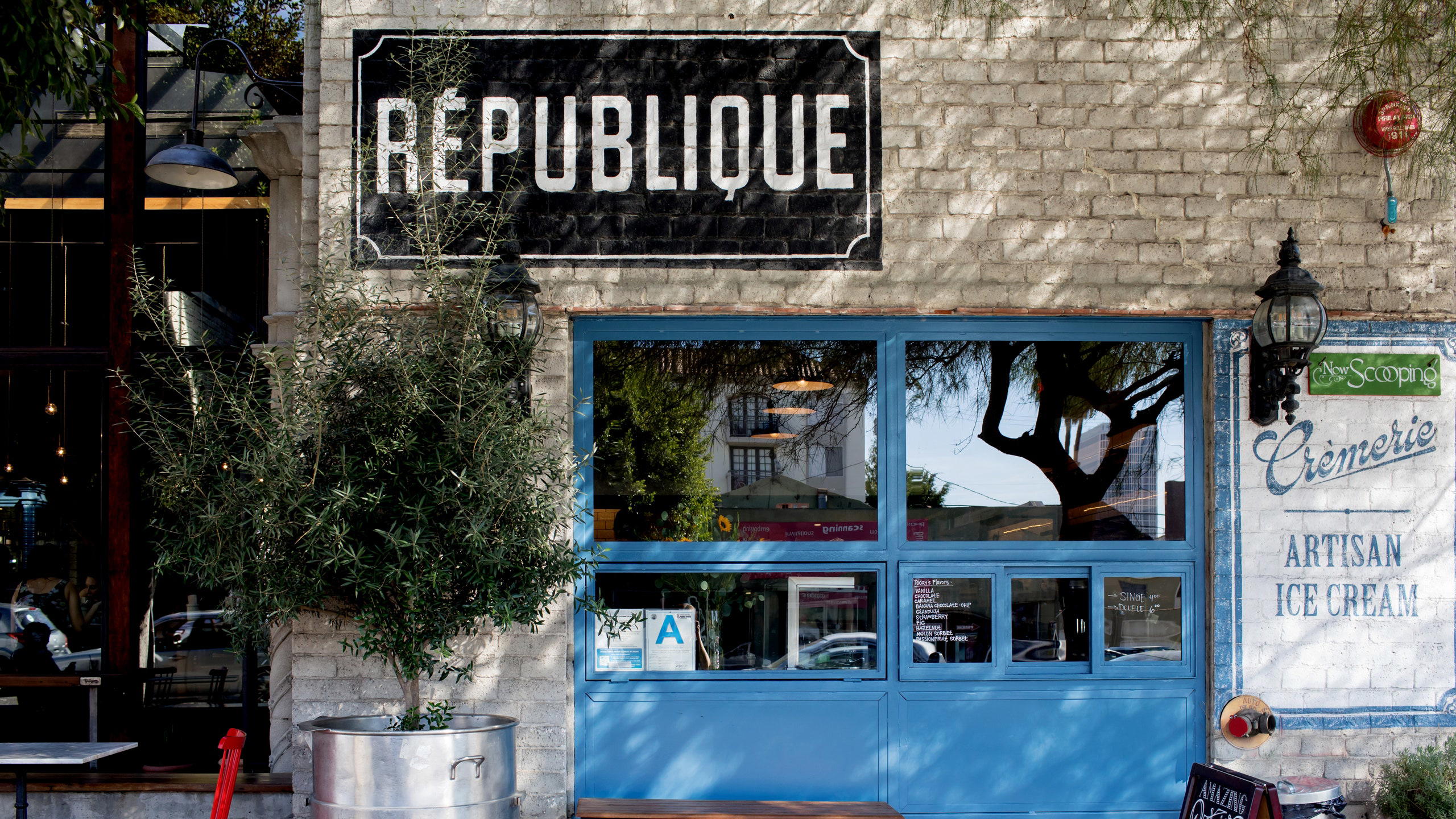
Bars in Los Angeles
Browse all →
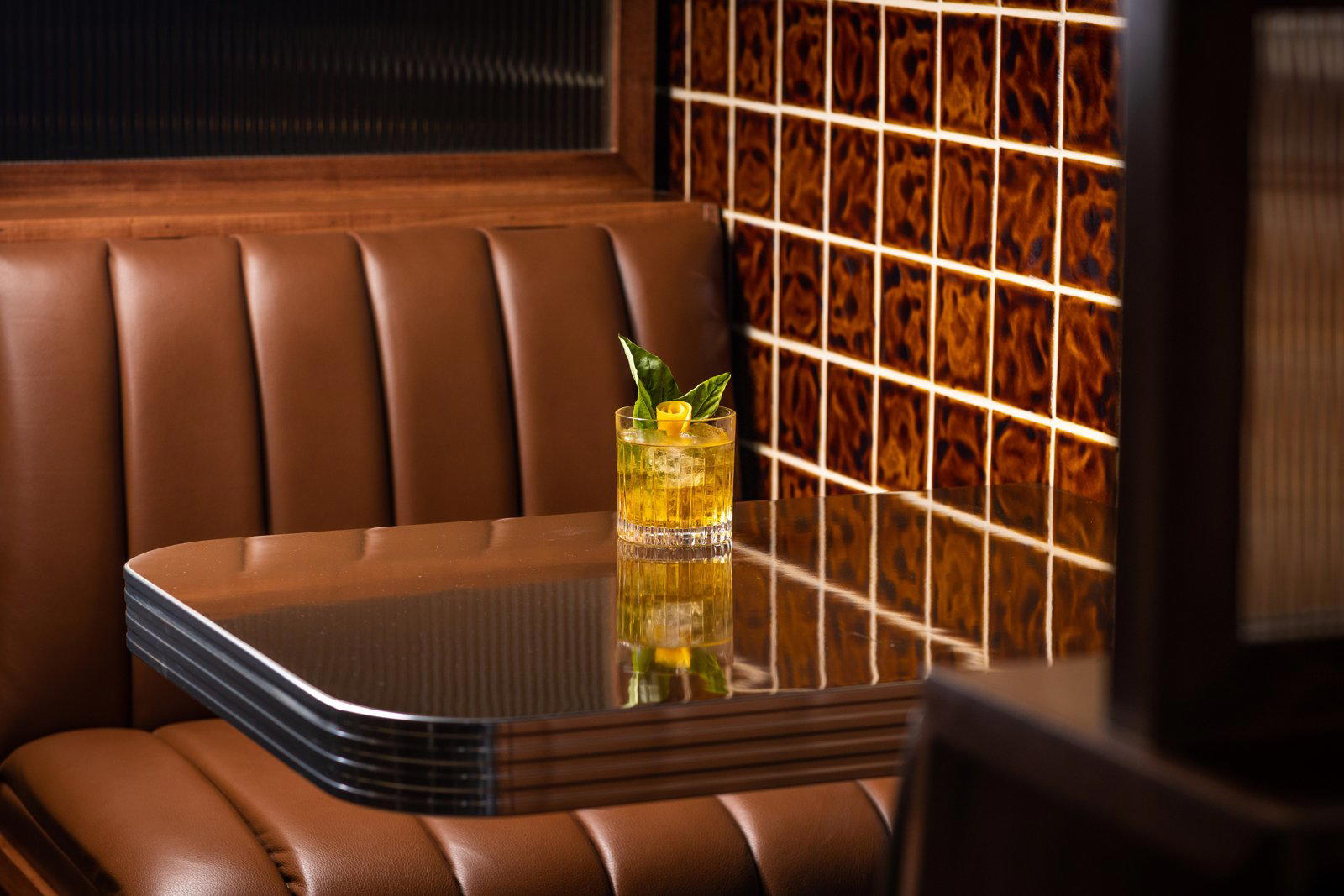
Hotels in Los Angeles
Browse all →
Wineries in Los Angeles
Browse all →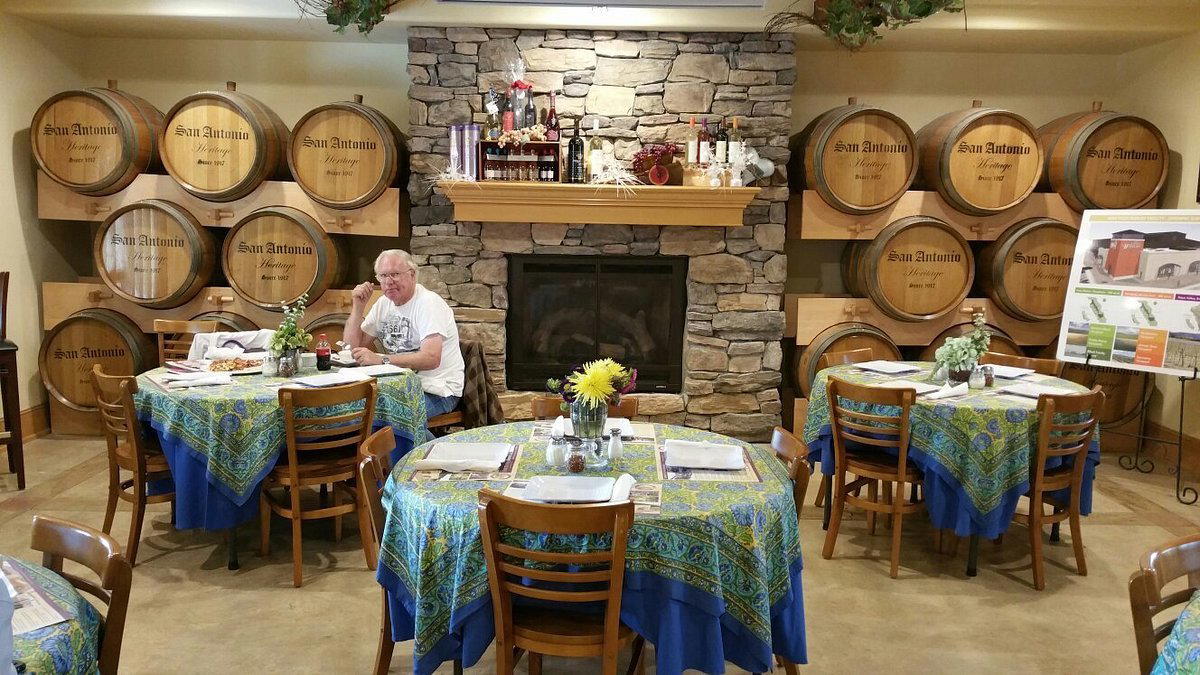
At a Glance
- Trendy
- Rustic
- Casual Hangout
- Group Dining
Current opening hours
- Monday
- 4–9:30 PM
- Tuesday
- 11 AM–3:30 PM, 4:30–9:30 PM
- Wednesday
- 11 AM–3:30 PM, 4:30–9:30 PM
- Thursday
- 11 AM–3:30 PM, 4:30–9:30 PM
- Friday
- 11 AM–3:30 PM, 4:30–9:30 PM
- Saturday
- 12–9:30 PM
- Sunday
- 12–9:30 PM
Hours can change for holidays and private events. Last verified .
Trendy and rustic-chic atmosphere.
Know Before You Go
- Getting there
- 7275 Melrose Ave A, Los Angeles, CA 90046