Salaya
On Hollywood Boulevard near Los Feliz, Salaya occupies a stretch of the city where ingredient-focused cooking has quietly taken hold alongside the neighborhood's well-documented cultural density. The restaurant sits in a tier of Los Angeles dining that trades on sourcing discipline over spectacle, placing it in conversation with the city's broader shift toward produce-driven, regionally grounded menus.
Pearl is the En Primeur Club membership app — saves, bookings, and concierge access live there. Same editors, same standards.
- Address
- 5185 Hollywood Blvd, Los Angeles, CA 90027
- Phone
- +13237410074
- Website
- salayala.com
- Directions
- Get directions
 Saves & bookings on Pearl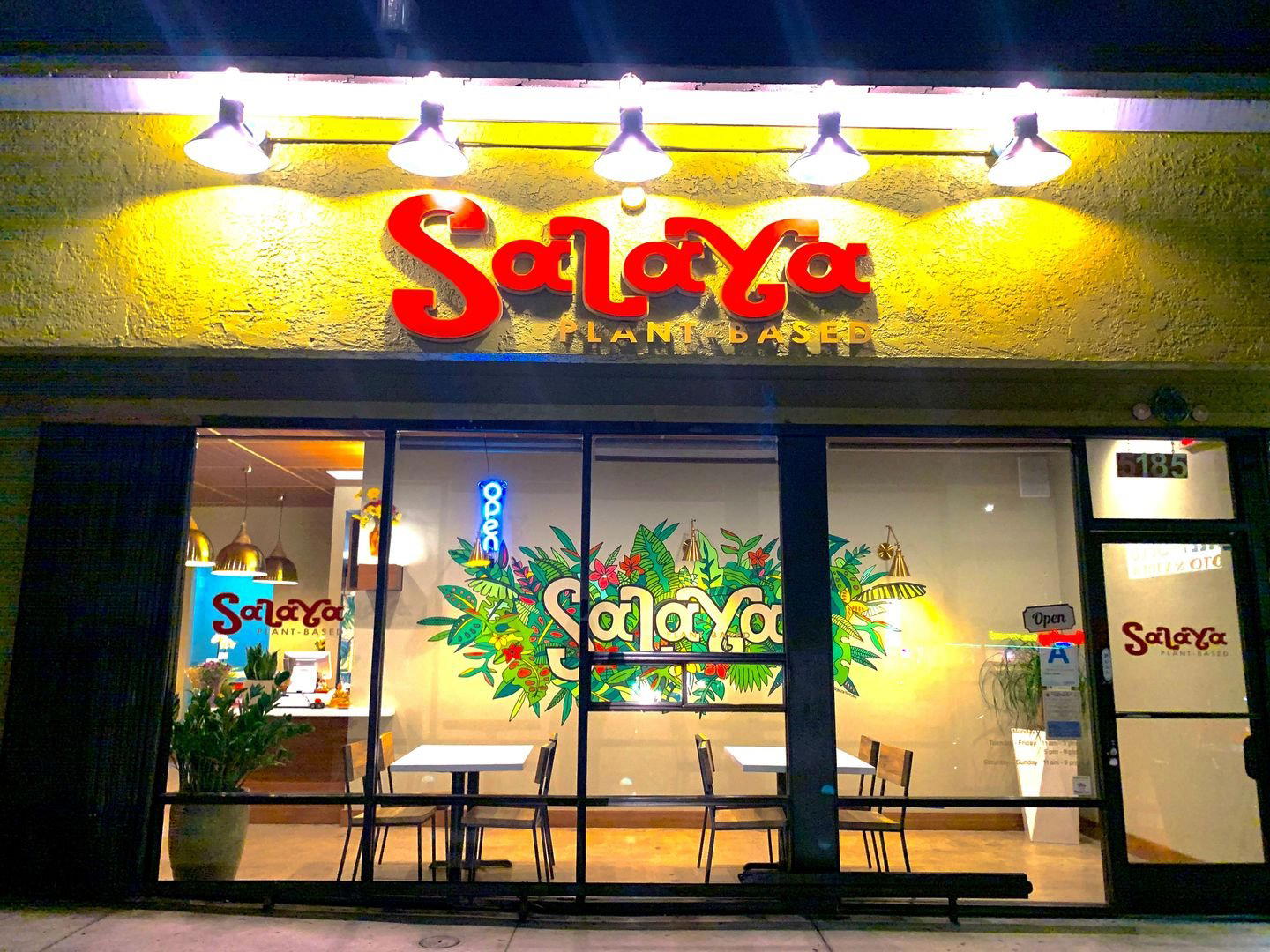
Hollywood Boulevard at Table Level
The section of Hollywood Boulevard running through Los Feliz and into East Hollywood reads differently from the tourist corridor to the west. At 5185, the street is quieter, more residential in feeling, and lined with the kind of businesses that serve the neighborhood rather than visitors passing through. It is in this context that Salaya operates, and the setting matters to how the food lands. Los Angeles dining has spent the better part of a decade fragmenting along geographic lines, with serious kitchens spreading from the Westside into Silver Lake, Los Feliz, and Highland Park rather than clustering around a single district. Salaya belongs to that eastward dispersal.
The broader Hollywood Boulevard corridor has rarely been the address for ambitious ingredient-led cooking, which makes a restaurant committed to sourcing discipline here worth placing in context. The city's most scrutinized kitchens have tended to anchor around Larchmont, downtown, or the Westside, with Providence on Melrose representing the long-established pole for serious seafood, and Kato in West LA defining what meticulous New Taiwanese cooking looks like at the top of the price tier. Salaya's location positions it as a neighborhood anchor rather than a destination-dining address in the conventional sense, which changes the calculus for who goes and how often.
Where the Produce Comes From and Why That Question Matters
California's ingredient sourcing infrastructure is, by any honest accounting, among the most developed in the country. The state's farm network, concentrated in the Central Valley and supplemented by coastal specialty producers, gives Los Angeles kitchens access to a supply chain that restaurants in most American cities cannot replicate. This matters to how you read sourcing claims at any LA restaurant: the baseline is already high, which means genuine differentiation requires going further than simply listing farmers on a menu.
The restaurants in Los Angeles that have built the most durable reputations around ingredient sourcing tend to share certain structural commitments: direct producer relationships rather than distributor intermediaries, menu flexibility calibrated to what is actually available rather than what was planned three weeks prior, and a kitchen culture that treats the raw material as the primary variable. Single Thread Farm in Healdsburg represents the maximal version of this in the Northern California context, with on-property farming feeding into a fixed kaiseki-influenced format. Blue Hill at Stone Barns in Tarrytown is the national reference point for farm-to-table as a genuinely structural proposition rather than a marketing posture. These are the frameworks against which ingredient sourcing claims at any ambitious American restaurant are implicitly measured.
Salaya's address on Hollywood Boulevard places it in a neighborhood with year-round farmers market access, including the Hollywood Farmers Market on Ivar Avenue, one of the city's larger weekly markets and a consistent source for specialty producers who do not sell through wholesale channels. Kitchens that build sourcing relationships through market attendance rather than distributor catalogues tend to produce menus with more seasonal responsiveness, and that responsiveness is one of the clearest indicators of genuine sourcing commitment rather than performative localism.
The Los Angeles Ingredient-Led Tier
Los Angeles has developed a recognizable cohort of kitchens where the sourcing question is architectural rather than decorative. Hayato in the Row DTLA applies Japanese kaiseki discipline to California ingredients, with Brandon Go's kitchen treating seasonal availability as a structural constraint rather than an inconvenience. Somni operates at the technical end of the spectrum, where sourcing feeds into a tasting format that treats each course as a self-contained argument. These kitchens occupy the upper tier of the city's dining hierarchy and price accordingly.
Below that tier, and sometimes more interesting for it, sits a range of neighborhood-anchored restaurants where ingredient quality is the primary lever and the format is less codified. This is where Salaya's Hollywood Boulevard address places it contextually. The question the kitchen is implicitly answering is not how to compete with Michelin-recognized tasting menus but how to make produce-driven cooking work at a scale and price point that sustains a neighborhood clientele. That is a more difficult editorial problem than it sounds, and the restaurants that solve it well tend to develop loyal regulars rather than one-time destination diners.
For comparison across the national ingredient-sourcing conversation, Bacchanalia in Atlanta has maintained a farm relationship model since the 1990s, predating the current enthusiasm for provenance by two decades. Addison in San Diego applies similar sourcing discipline within a more formal fine-dining frame. In the Northeast, The Inn at Little Washington has long demonstrated that ingredient sourcing and luxury dining are not competing priorities. The point is that sourcing-led cooking as a structural commitment, rather than a seasonal marketing angle, has a documented lineage in American fine dining that predates the farm-to-table branding wave and survives beyond it.
Seasonal Timing and When to Go
Southern California's produce calendar differs materially from the rest of the country. Restaurants built around seasonal sourcing in Los Angeles are, in effect, operating a continuous seasonal rotation rather than a binary summer-winter split, which rewards repeat visits at different points in the year rather than a single annual trip.
Spring, when the Central Valley sends the first strawberries and English peas into the market, and late summer, when stone fruit and dry-farmed produce peak simultaneously, are the two moments when sourcing-led kitchens in Los Angeles tend to produce their most expressive cooking. Planning a visit to Salaya around either window is a more calibrated approach than arriving without seasonal awareness.
In the City's Wider Map
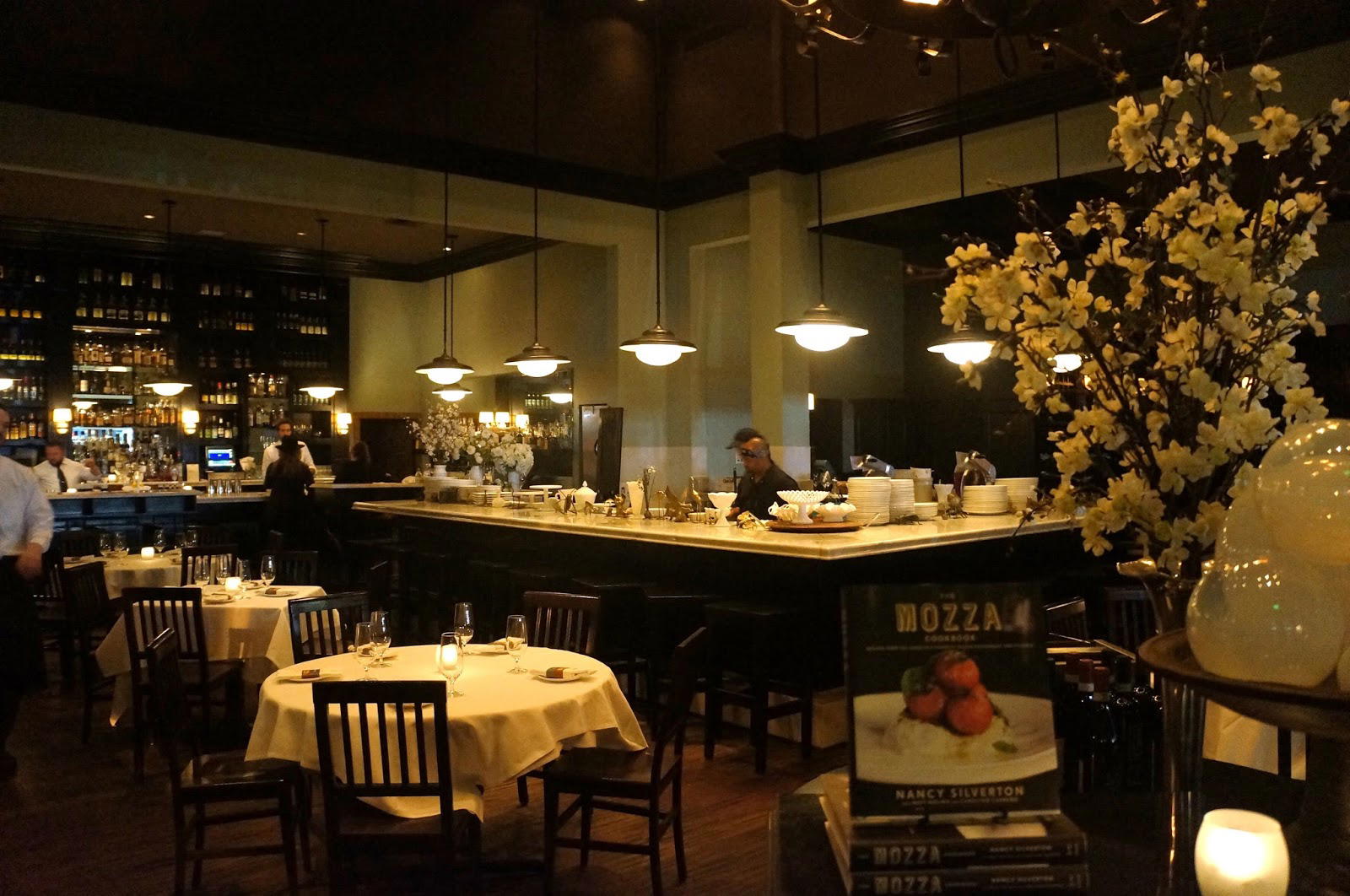
The Los Feliz and East Hollywood dining corridor connects northward to Los Feliz proper and southward toward East Hollywood's denser commercial strip. For visitors building a multi-restaurant itinerary, Salaya's location sits at a reasonable distance from the Larchmont corridor and downtown, making it a viable addition to a day that might also include Osteria Mozza for comparison against a kitchen where Italian sourcing discipline and California produce intersect differently. For broader context on where Salaya sits in the city's full dining map, the EP Club Los Angeles restaurants guide covers the city's tiers and neighborhoods in full.
Nationally, the restaurants that most clearly define what ingredient sourcing as a structural commitment looks like include Lazy Bear in San Francisco, Alinea in Chicago at the technical extreme, and Le Bernardin in New York City for seafood sourcing specifically. The French Laundry in Napa and Atomix in New York City apply sourcing frameworks within tasting menus where the provenance of each ingredient is treated as part of the narrative. Emeril's in New Orleans offers a different regional reference point, where Louisiana's hyper-local seafood and produce supply shapes the menu differently from California's agricultural infrastructure. And 8 1/2 Otto e Mezzo Bombana in Hong Kong demonstrates that ingredient sourcing as a premium signal translates across contexts, with Italian produce flown to Asia as an argument about quality standards. Salaya operates in a city where the sourcing conversation is both more accessible and more contested than in most American markets, which is part of what makes the Hollywood Boulevard address worth watching.
Quick reference: Salaya, 5185 Hollywood Blvd, Los Angeles, CA 90027.
How Salaya Los Angeles compares with similar nearby venues.
| Venue | Cuisine |
|---|---|
| Sapp Coffee Shop | Thai |
| Sushi|Bar | Japanese Sushi |
| Ruen Pair | Greek Island |
Continue exploring
More in Los Angeles
Restaurants in Los Angeles
Browse all →
Bars in Los Angeles
Browse all →


Hotels in Los Angeles
Browse all →
Wineries in Los Angeles
Browse all →
At a Glance
- Lively
- Modern
- Trendy
- Casual Hangout
- Group Dining
- Open Kitchen
- Craft Cocktails
Current opening hours
- Monday
- 11 AM–10 PM
- Tuesday
- 11 AM–10 PM
- Wednesday
- 11 AM–10 PM
- Thursday
- 11 AM–10 PM
- Friday
- 11 AM–10 PM
- Saturday
- 11 AM–10 PM
- Sunday
- 11 AM–10 PM
Hours can change for holidays and private events. Last verified .
Bright and welcoming with high ceilings and open seating, creating a lively and energetic atmosphere.
Know Before You Go
- Getting there
- 5185 Hollywood Blvd, Los Angeles, CA 90027