ABL brings Jamaican-Chinese cooking into Los Angeles, a city where regional Asian dining is often discussed in Cantonese, Sichuan, Hunan, Shanghainese, or Japanese terms before Caribbean-Chinese food enters the frame. Its value lies in that correction: a cuisine shaped by migration, trade, and household adaptation rather than a familiar restaurant category.

Pearl is the En Primeur Club membership app — saves, bookings, and concierge access live there. Same editors, same standards.
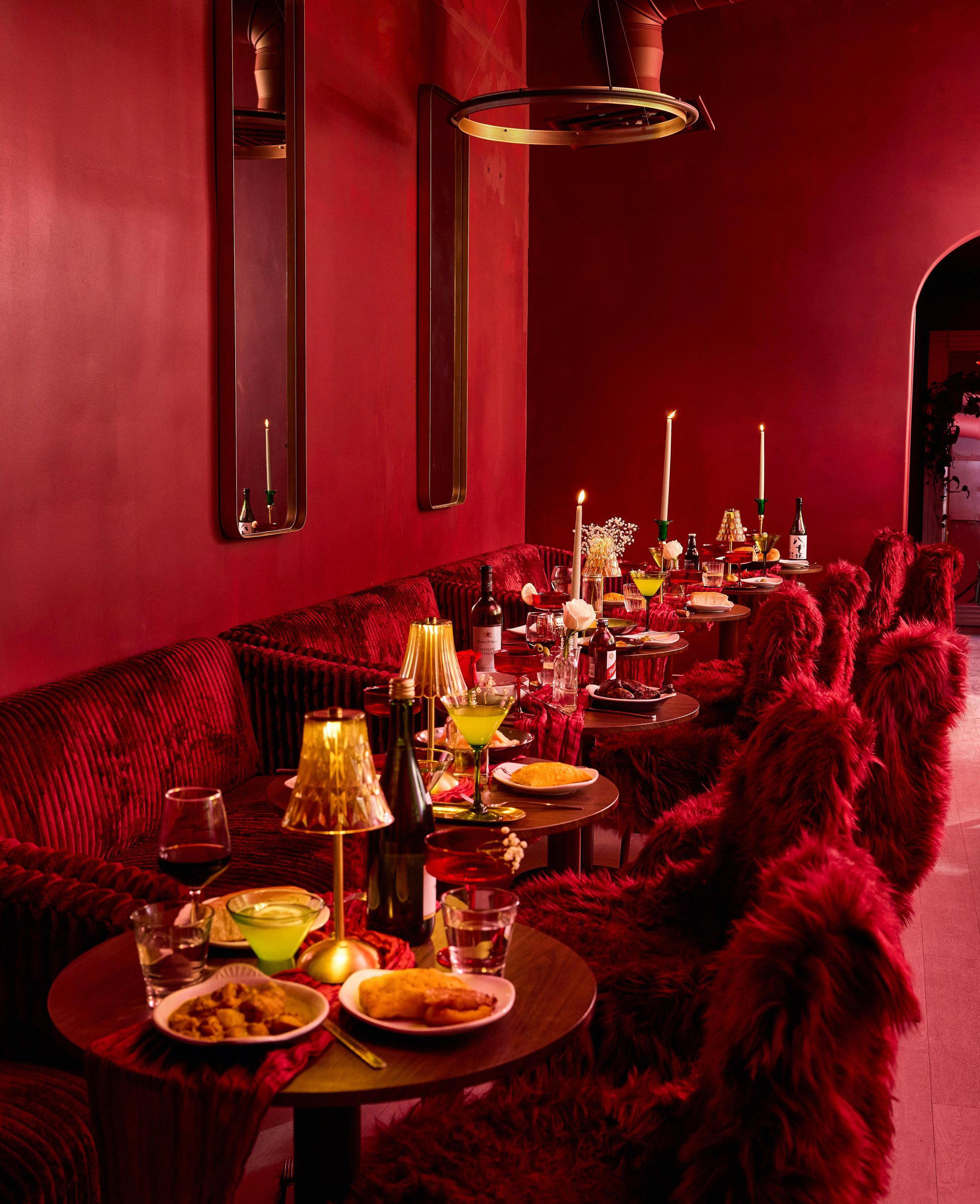
Approaching a Jamaican-Chinese table in Los Angeles means entering a conversation the city does not stage often enough. The familiar markers of Chinese regional dining, Cantonese restraint, Sichuan heat, Hunan smoke and chile, Shanghainese sweetness, usually dominate the taxonomy. ABL asks for a wider map: Chinese technique and pantry logic filtered through Jamaica’s island produce, spice routes, and diasporic cooking habits.
That matters in Los Angeles because the city is fluent in Asian dining but uneven in how it frames Caribbean food. Japanese counters, Korean barbecue rooms, regional Thai specialists, and Cantonese seafood houses have established vocabularies here; Jamaican-Chinese cooking sits outside those standard lanes. The point is not novelty for its own sake. It is the reminder that Chinese foodways did not move in a single direction, and that the Caribbean has its own claim on soy, ginger, scallion, wok heat, rice, and slow-built spice.
Jamaican-Chinese cooking belongs in the regional conversation
Regional Chinese dining is often explained through province, dialect, and technique: the clean seafood and roast meats associated with Cantonese kitchens; the chile oil, peppercorn and layered heat of Sichuan; the sharper, smokier intensity often linked to Hunan; the soy-braised and gently sweet profile of Shanghainese cooking; the coastal, soup-and-seafood grammar of Fujianese tables. Jamaican-Chinese cuisine complicates that tidy grid. It is not a province, but it is a regional expression, formed by Chinese migration into the Caribbean and by the ingredients, labor histories, and home cooking patterns of Jamaica.
In that context, ABL Hollywood is useful because its cuisine label is specific rather than generic. “Asian fusion” would flatten the idea; Jamaican-Chinese names a route, a pantry, and a cultural exchange. Los Angeles has enough restaurants trading on broad pan-Asian shorthand. A kitchen that declares this narrower lineage gives diners a clearer way to read the meal before the first order is placed.
The comparison should not be with a Cantonese banquet room or a Sichuan specialist. The better lens is migration cuisine: food that carries technique across oceans, then adapts to local markets and social life. That puts Jamaican-Chinese cooking in the same broader American conversation as Hawaiian local food, Japanese American lunch counters, and Mexican regional cooking reframed by West Coast produce. For that wider map, EP Club’s city coverage ranges from Onigiri Time in Pasadena to Jōdo Saké Bar in Los Angeles, each useful for seeing how transplanted food traditions become legible in Southern California.
Los Angeles rewards specificity, not broad fusion
The city’s dining strength is not a single restaurant type; it is the density of narrowly defined formats. A seafood room such as 1 Pico (Californian Seafood), a burger-driven address like 25 Degrees, a Japanese listing such as 715 (Japanese), and a high-floor New American room like 71above (New American) do not need to resemble one another to belong to the same city. Their value is in how clearly each defines its lane.
That is the useful way to read ABL. The restaurant’s Jamaican-Chinese identity is not a decorative hyphen; it is the organizing principle. Los Angeles diners are used to parsing regional Japanese, Korean, Thai, Mexican, and Chinese distinctions. This category asks them to apply the same seriousness to Caribbean-Chinese food, where technique, seasoning, and diaspora history matter more than a simplified fusion label.
There is a practical editorial caution here: without relying on invented signature dishes or chef mythology, the cuisine alone carries enough weight. Jamaican-Chinese cooking deserves attention because it expands the city’s regional vocabulary. It also resists the habit of treating Caribbean restaurants only through jerk, rum, and beach imagery, or Chinese restaurants only through provincial orthodoxy. The overlap is the subject.
How to place it within a wider West Coast food map
Los Angeles is a useful base for this kind of cross-cultural reading because the broader West Coast and Pacific dining map is full of cuisines shaped by movement. Hawaiian plant-based cooking at 'Ai Love Nalo in Waimanalo Beach, resort-era Hawaiian dining at 'Ama 'Ama in Kapolei, and island-inflected San Francisco cooking at 'āina in San Francisco all show how place changes a cuisine without erasing its roots. Outside California, ¿Por Qué No? in Portland and 'Dashery in Baltimore point to the same editorial question: when does adaptation become a tradition of its own?
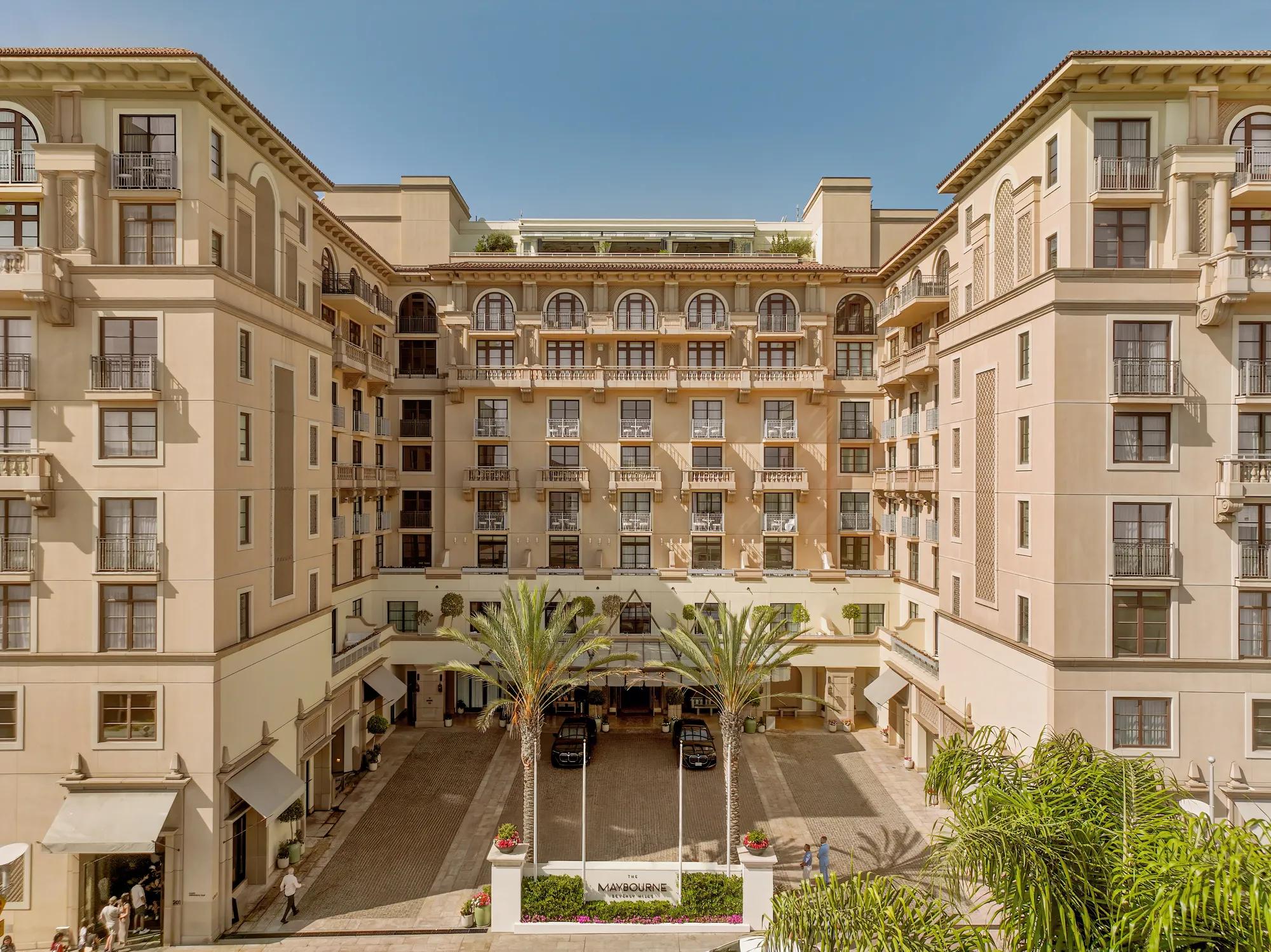
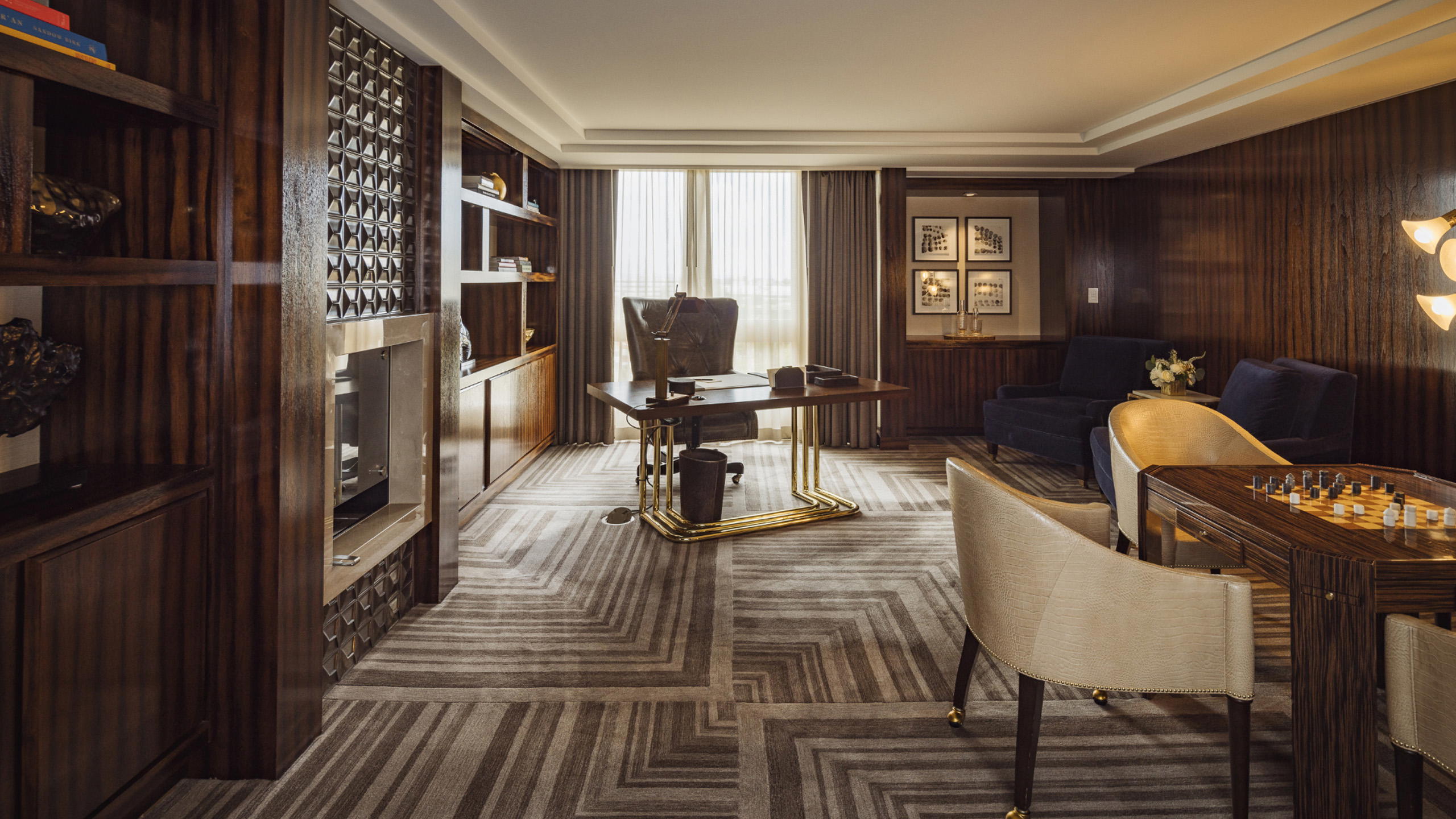
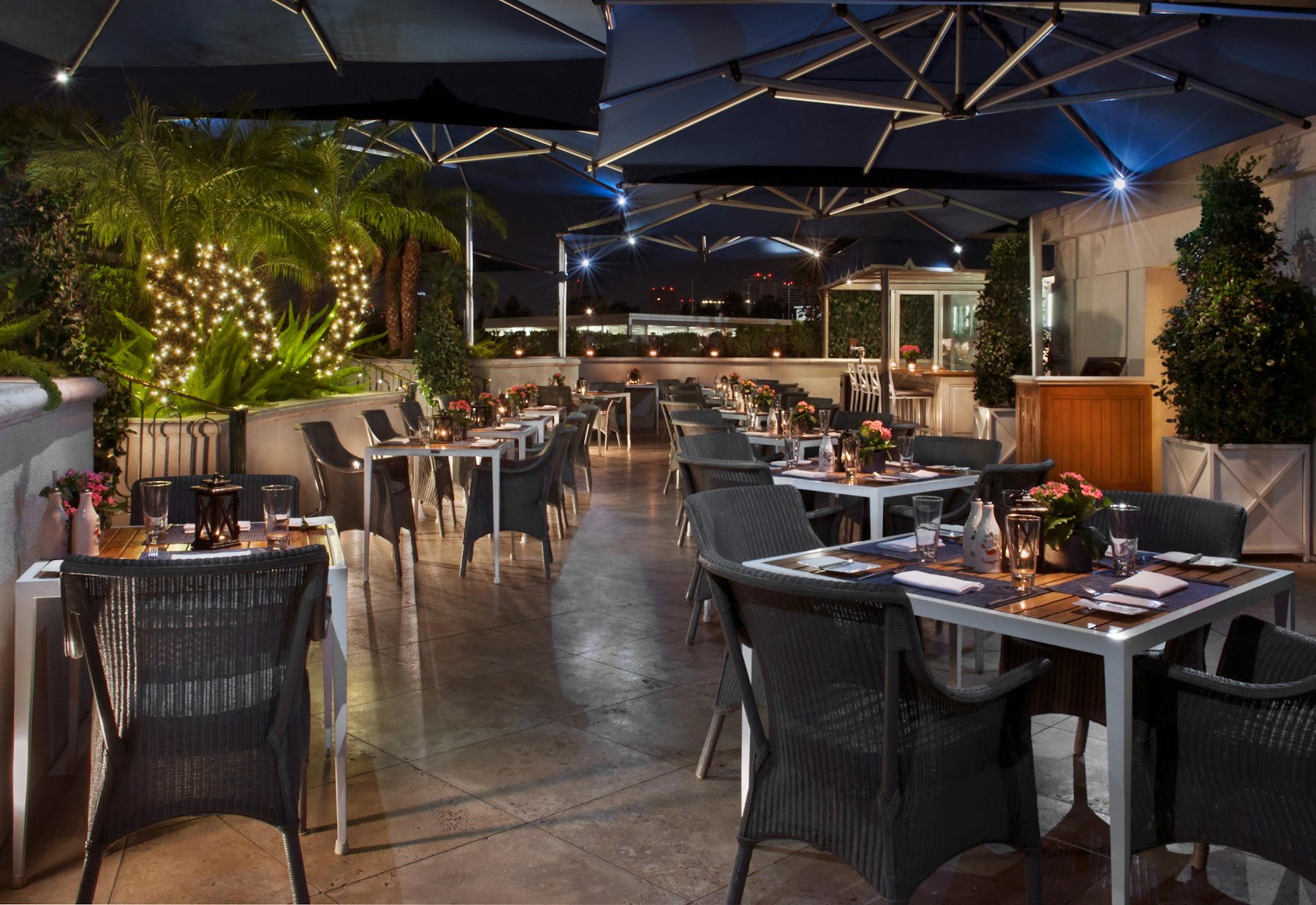
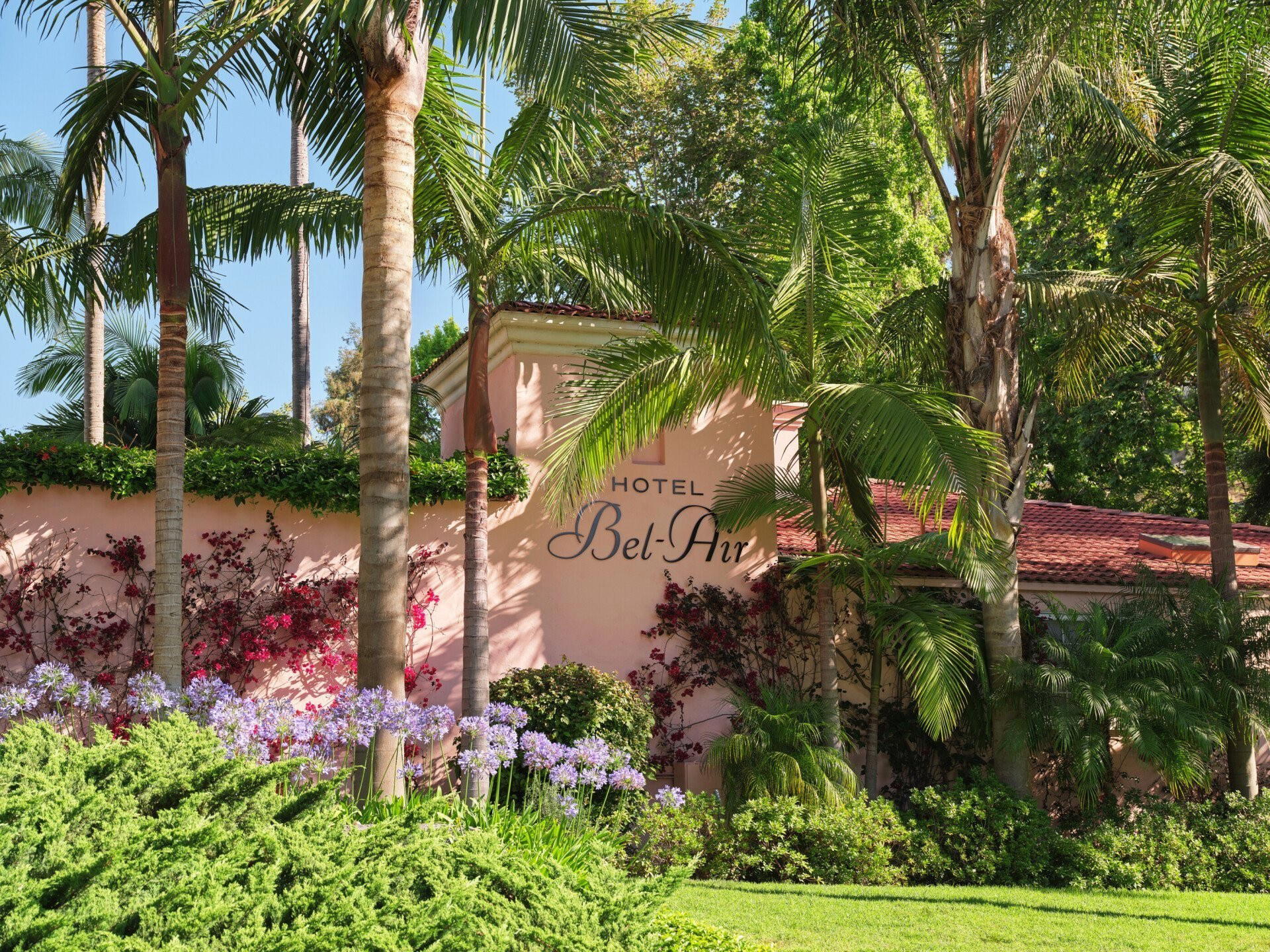
ABL belongs in that discussion rather than in a narrow novelty file. The restaurant gives Los Angeles diners a way to think beyond the standard regional-China checklist while staying anchored to Chinese culinary logic. It also belongs beside the city’s broader hospitality map, where restaurants, bars, hotels, wineries, and experiences form separate but connected ways of reading a place. For wider planning, use Our full Los Angeles restaurants guide, Our full Los Angeles hotels guide, Our full Los Angeles bars guide, Our full Los Angeles wineries guide, and Our full Los Angeles experiences guide.
The clearest reason to seek out this restaurant is intellectual as much as culinary: it sharpens the way Los Angeles diners talk about Chinese food, Caribbean food, and the long history between them. For a broader contrast in how deeply specific formats travel, even a far-removed listing such as -Grilled beef Sukiyaki- KAMAKURA TANUKIAN 鎌倉 たぬき庵 in Kamakura is a reminder that a precise category can carry more meaning than a fashionable one. ABL’s promise is that same precision applied to a Los Angeles table the city should learn to read with more care.
Comparable venues nearby, for context on price, style, and recognition.
| Venue | Cuisine | Price | Notes |
|---|---|---|---|
| ABLThis venue — the venue you are viewing | Modern Jamaican-Chinese-Soul | $$ | Not listed |
| Sorry Not Sorry | Vietnamese-Mexican Fusion | $$ | Sawtelle |
| Kye's | Health-Focused Fusion Burritos | $$ | Sawtelle |
| Sampa | Filipino-American Fusion | $$$ | Arts District |
| Sora - Permanently Closed | Modern Turkish-Asian Fusion | $$$ | Financial District |
| Farmers Market | International Market Food Hall | $ | Fairfax |
Continue exploring
More in Los Angeles
Restaurants in Los Angeles
Browse all →
Bars in Los Angeles
Browse all →
Hotels in Los Angeles
Browse all →
Wineries in Los Angeles
Browse all →
At a Glance
- Trendy
- Lively
- Modern
- Energetic
- Cozy
- Date Night
- Group Dining
- Celebration
- Casual Hangout
- Late Night
- After Work
- Design Destination
- Standalone
- Craft Cocktails