The Thai Thing
On West 3rd Street in the Fairfax corridor, The Thai Thing occupies a section of Los Angeles where Southeast Asian cooking has quietly moved past the familiar and into something more technically considered. The restaurant draws on Thai culinary tradition while engaging methods and frameworks more commonly associated with contemporary fine dining, placing it in a growing niche of Los Angeles kitchens where imported technique meets ingredient specificity.
Pearl is the En Primeur Club membership app — saves, bookings, and concierge access live there. Same editors, same standards.
- Address
- 6015 W 3rd St, Los Angeles, CA 90036
- Phone
- +13239548424
- Website
- thethaithingeatery.com
- Directions
- Get directions
 Saves & bookings on Pearl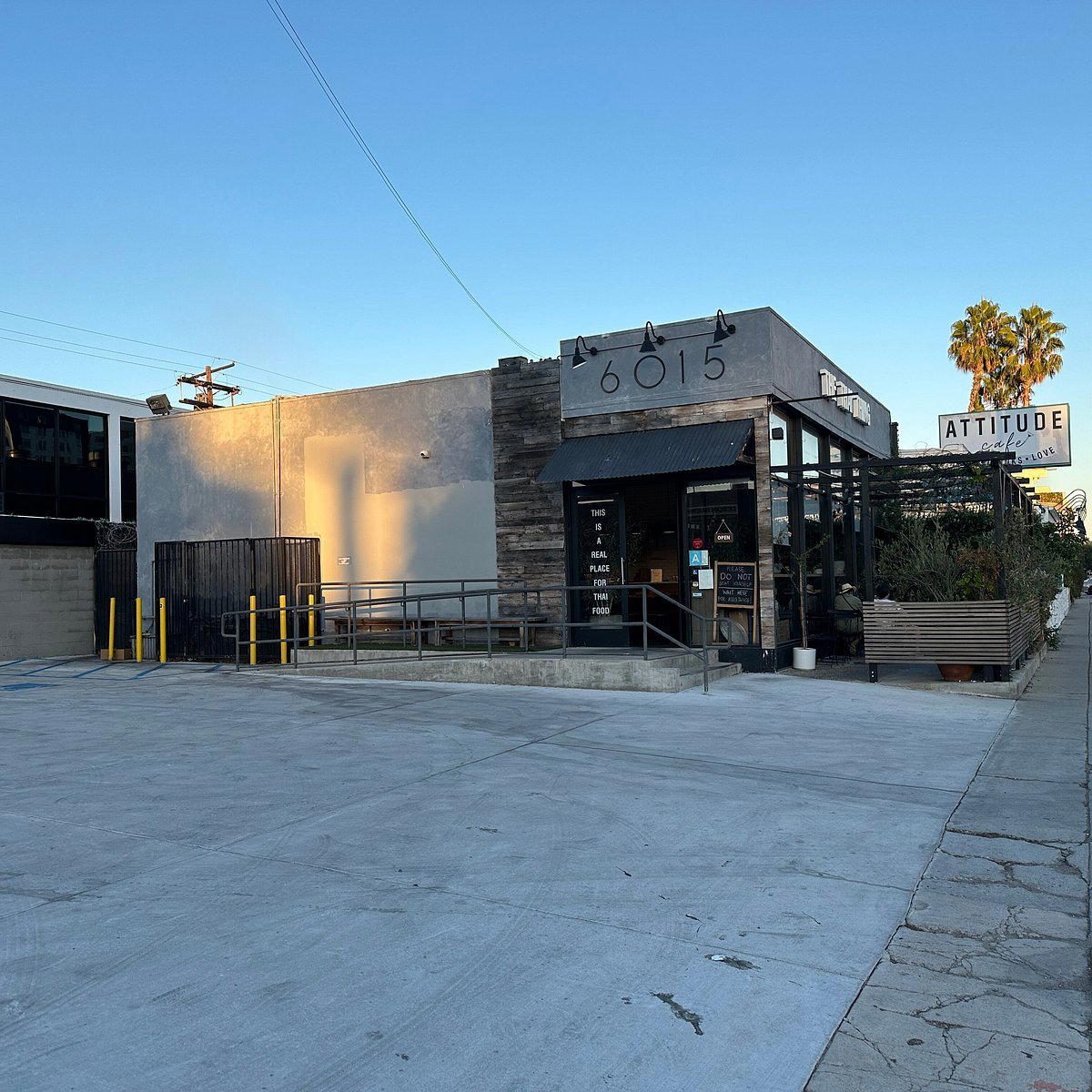
Where West 3rd Street Meets the Thai Pantry
Los Angeles has long maintained one of the most culturally layered Thai food scenes in the United States, a consequence of the city's deep Thai-American population anchored around Thai Town on Hollywood Boulevard and spreading through a wider network of neighborhood restaurants from Koreatown to the Valley. That foundation matters when situating a restaurant like The Thai Thing, which operates on West 3rd Street at address 6015 in the Fairfax corridor — a stretch that skews toward design-conscious, mid-to-high-end dining rather than the community-driven Thai kitchens of the northeast neighborhoods. The location signals something: this is a Thai kitchen positioned against a different competitive set, in a room where guests are likely to have also visited Osteria Mozza (Italian) or Providence (Contemporary Seafood) in the same week.
That positioning — geographically and culturally, shapes what The Thai Thing is trying to accomplish. The broader national moment for Southeast Asian fine dining has been defined by kitchens willing to apply classical or progressive technique to ingredients and flavor frameworks that Western fine dining historically undervalued. Kato (New Taiwanese, Asian) made that argument convincingly for Taiwanese cooking in Los Angeles. Atomix in New York City has done the same for Korean cuisine. The Thai Thing enters that conversation from a different pantry but a recognizable editorial position: Thai tradition, contemporary discipline.
The Technique Argument in LA's Thai Dining Scene
The intersection of imported culinary method and indigenous ingredients is not a new concept in American fine dining. What changes city to city is which traditions get that treatment and how rigorously the kitchen applies it. In Los Angeles, that conversation is particularly active. Hayato (Japanese) operates with a kaiseki framework that draws heavily on Japanese seasonal logic applied to California produce. Somni (Molecular) applies modernist technique at a level that places it in the company of Alinea in Chicago or comparable tasting-menu programs.
Thai cooking presents a specific technical challenge for this kind of translation. The cuisine is built around balance, the interplay of sour, sweet, salty, and spicy in a single dish, and that balance is often achieved through fermented pastes, fish sauce, and aromatics that have very specific provenance implications. When kitchens in cities like Los Angeles, New York, and San Francisco attempt to apply contemporary precision to this framework, the risk is that technique sterilizes the very sourness and funk that gives the cuisine its character. The kitchens that succeed are the ones that use technique to amplify the original pantry rather than substitute a cleaner, more palatable approximation of it. That editorial standard applies here as much as at any other restaurant operating in this space.
Across the broader fine dining tier in the United States, there is a growing pattern of kitchens that situate themselves at this junction. Blue Hill at Stone Barns in Tarrytown made the case for hyper-local ingredient sourcing inside a formal tasting structure. Single Thread Farm in Healdsburg applies Japanese shun philosophy to Northern California produce. The question for any kitchen working at the Thai-technique intersection is whether the discipline imposed on sourcing and method is serving the cuisine's native logic or reframing it for a different audience entirely.
The Fairfax Corridor and Its Dining Expectations
West 3rd Street between Fairfax and La Cienega operates as one of the more commercially dense dining corridors in the city, with price points and formats that span from fast-casual to destination tasting menus. The neighborhood draws a mix of design and media industry professionals alongside tourists staying in adjacent West Hollywood hotels, and the dining expectations in that corridor lean toward polish and intentionality. A Thai kitchen in this location is implicitly asking a different set of questions than a Thai kitchen in Thai Town, not better or more important questions, but different ones, oriented toward a guest who is likely to have opinions about The French Laundry in Napa or Le Bernardin in New York City and who brings that frame of reference to the table.
That creates both an opportunity and a risk. The opportunity is to introduce Thai flavors to a guest base that may have limited exposure to the cuisine's depth. The risk is that the kitchen softens or exoticizes what should be direct and specific, trading the authority of a particular regional Thai dish for a version that performs ethnicity rather than expressing it. The most compelling kitchens working this terrain, from Lazy Bear in San Francisco to Addison in San Diego, succeed by having a clear point of view about which tradition they serve and why. The format and setting are secondary to that conviction.
Los Angeles gives any serious Thai kitchen a material advantage that few other American cities can match: direct access to an established community of Thai producers, importers, and suppliers who have been serving the city's Thai restaurant ecosystem for decades. Ingredients that require workarounds in other cities, particular cultivars of Thai eggplant, fresh galangal, specific grades of shrimp paste, are available in Los Angeles with relative regularity. That supply chain is not a small thing. It is the difference between a kitchen that can cook Thai food and one that can cook it correctly.
Planning Your Visit
The Thai Thing is located at 6015 W 3rd Street in Los Angeles, CA 90036, in the heart of the Fairfax corridor. Given the density of the surrounding dining options and the neighborhood's general pace, arriving with a reservation rather than walking in is the more reliable approach, particularly on weekend evenings when West 3rd draws consistent foot traffic from the broader area. For readers building a wider Los Angeles dining itinerary, our full Los Angeles restaurants guide maps the city's more technically ambitious kitchens across neighborhoods and price tiers. Comparable programs in other cities, including Bacchanalia in Atlanta, The Inn at Little Washington in Washington, Emeril's in New Orleans, and 8 1/2 Otto e Mezzo Bombana in Hong Kong, offer a useful calibration for what deliberate, technique-driven cooking looks like when it engages a specific culinary tradition at depth.
How The Thai Thing Los Angeles compares with similar nearby venues.
| Venue | Cuisine | Price |
|---|---|---|
| Angelini Osteria | Italian | $$$ |
Continue exploring
More in Los Angeles
Restaurants in Los Angeles
Browse all →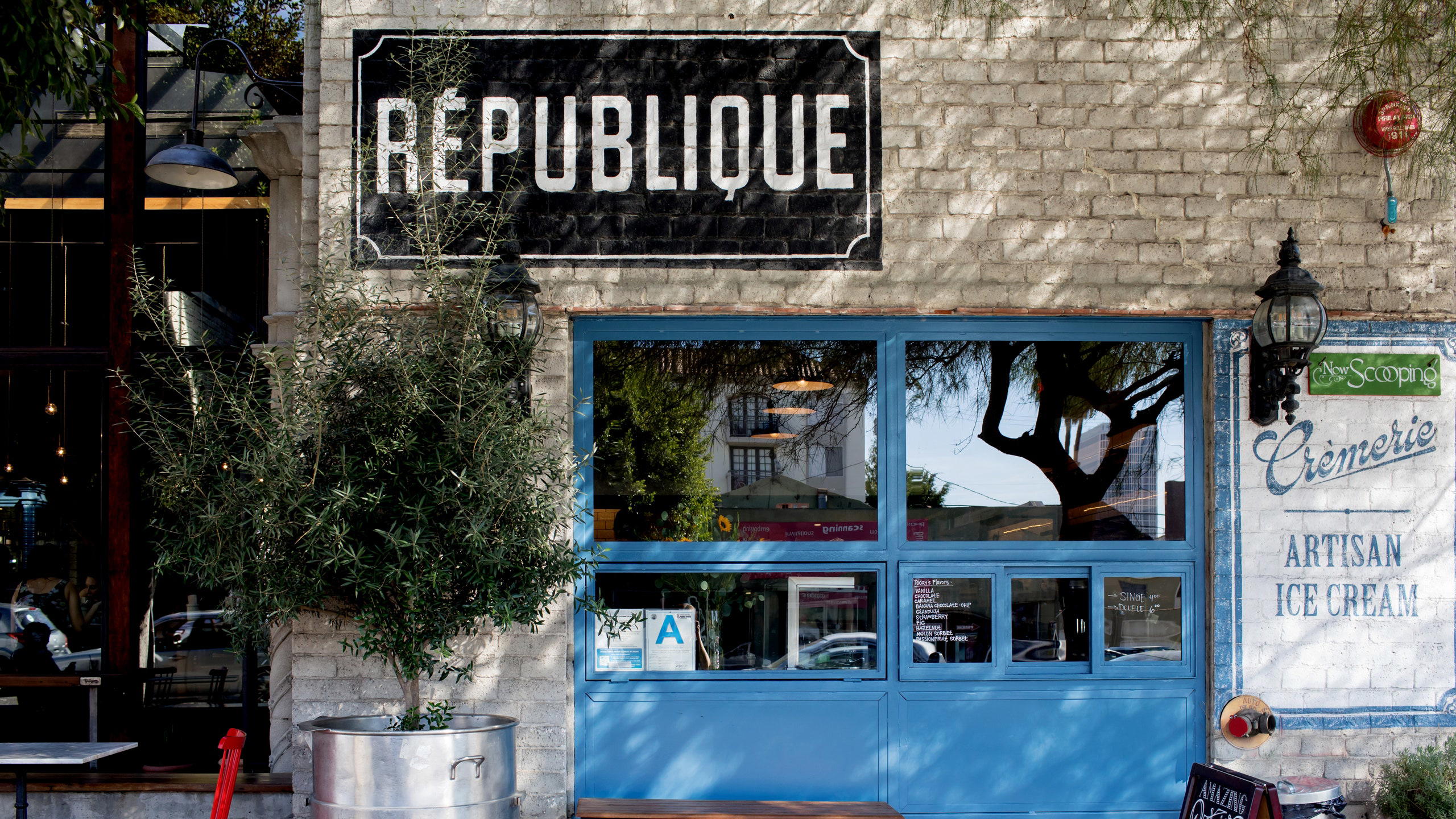
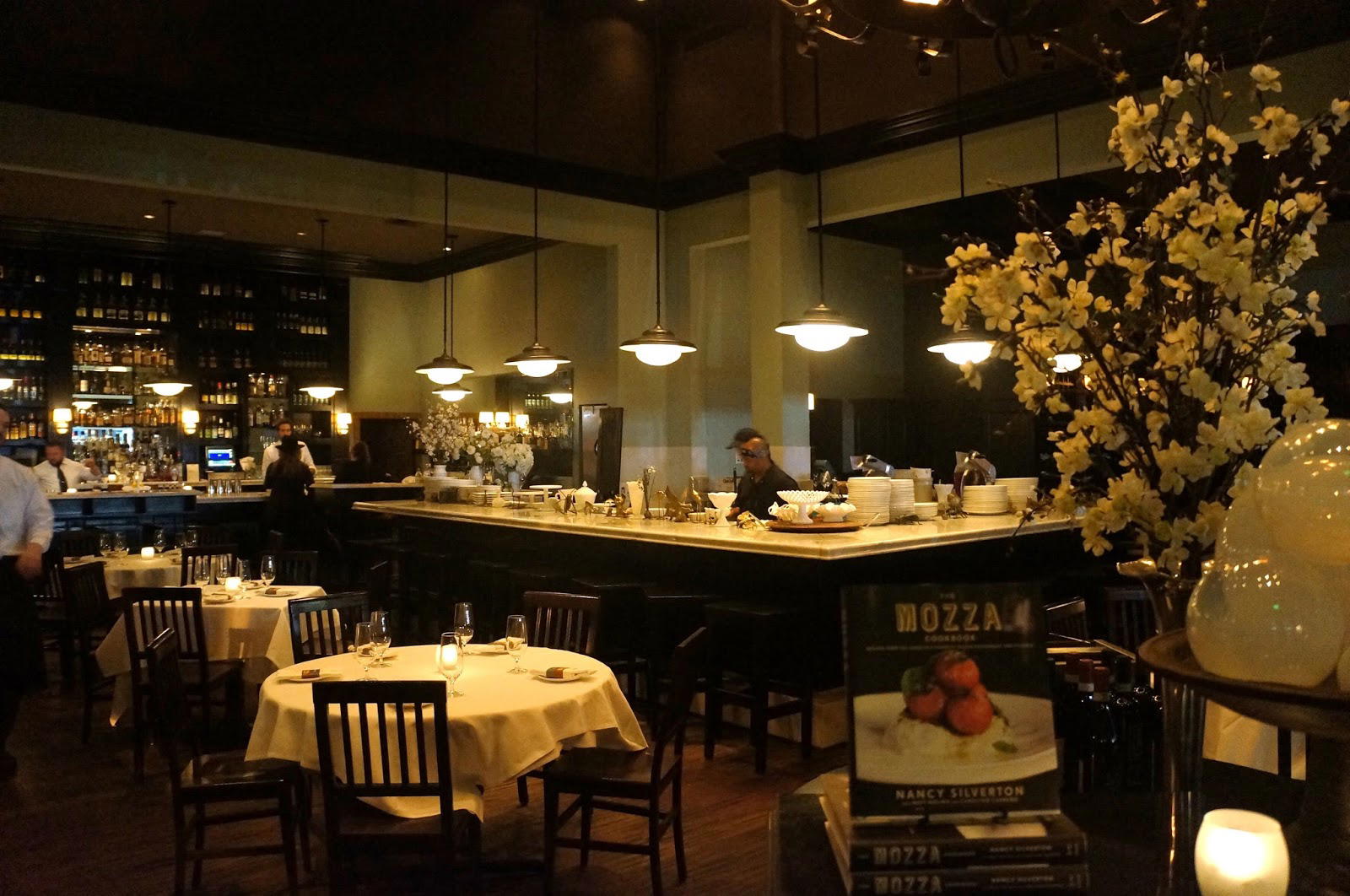
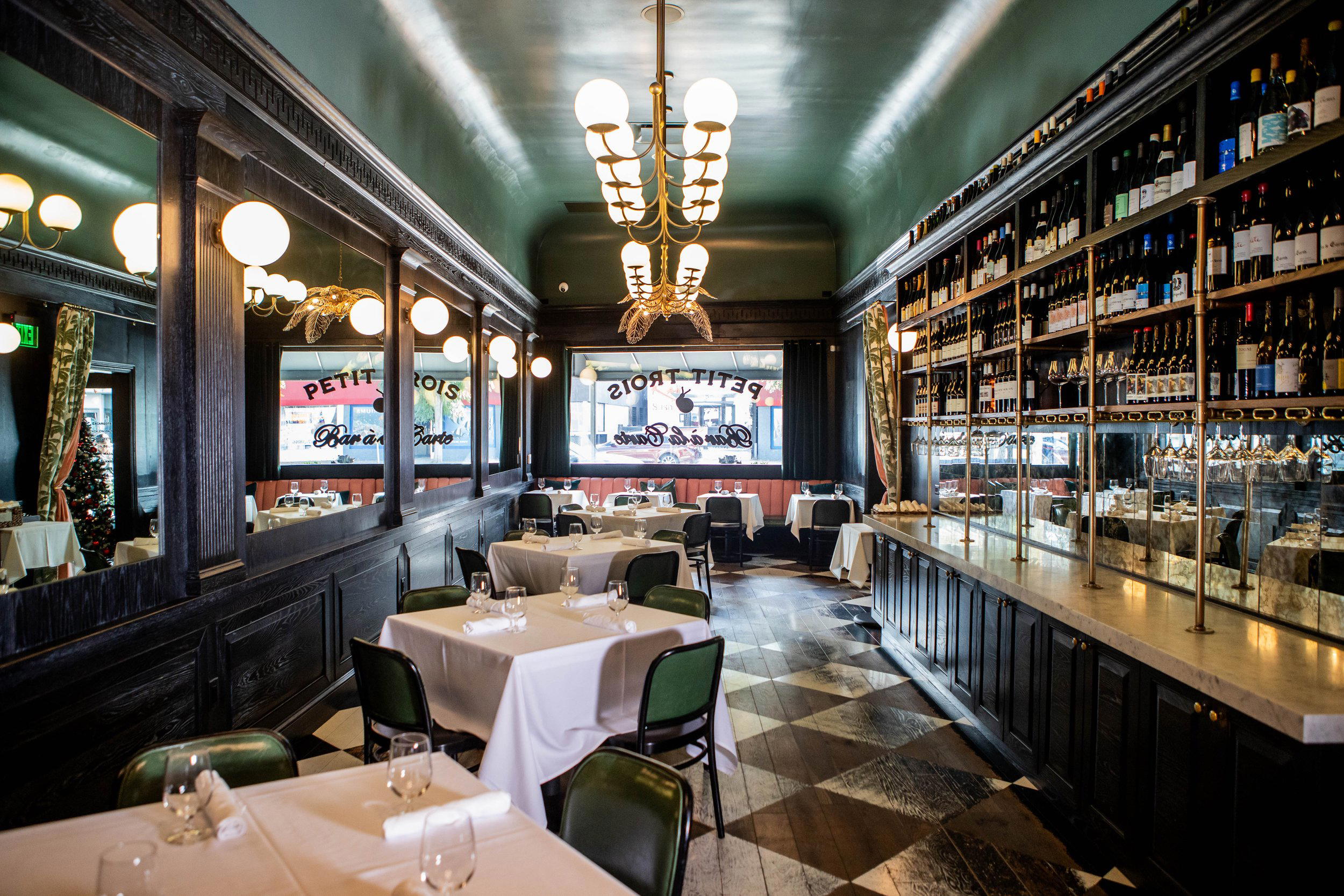
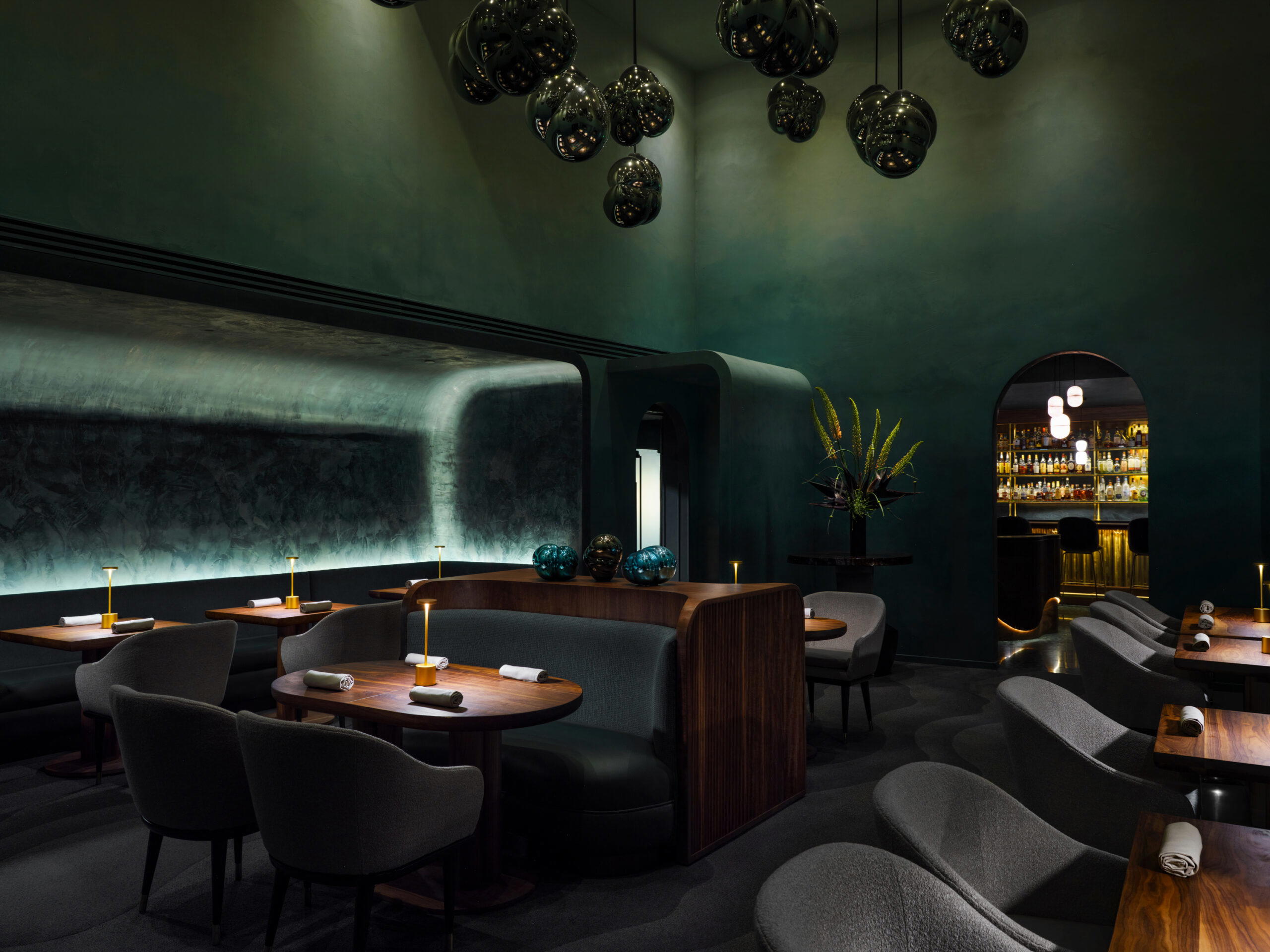
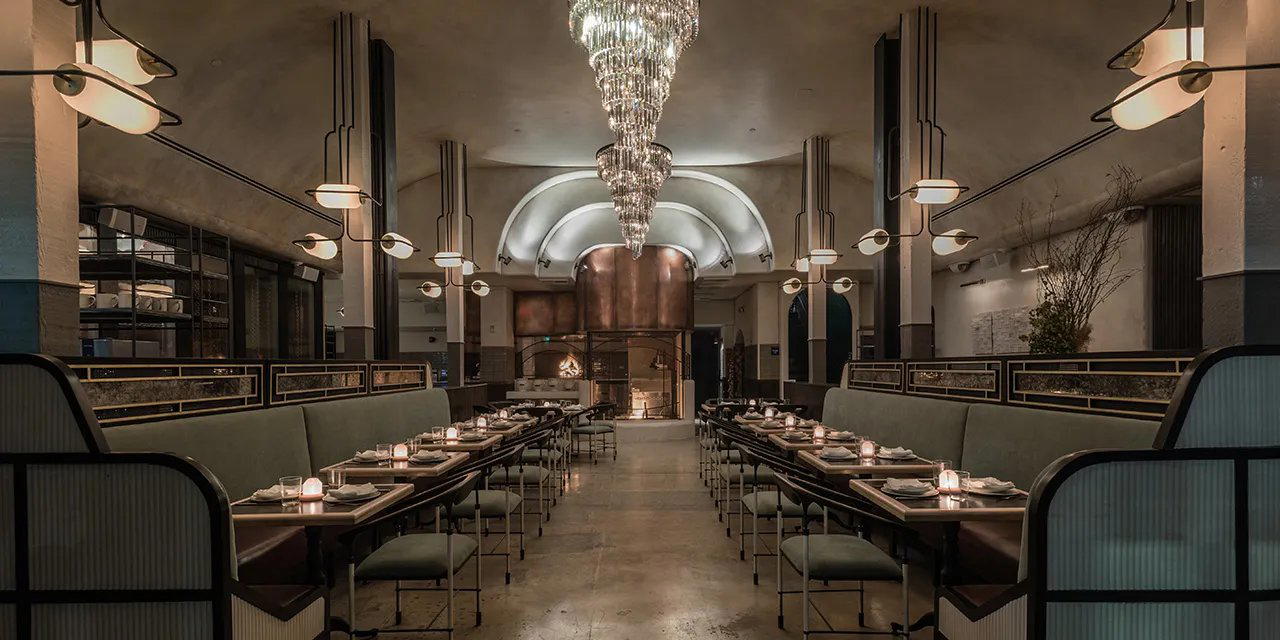
Bars in Los Angeles
Browse all →
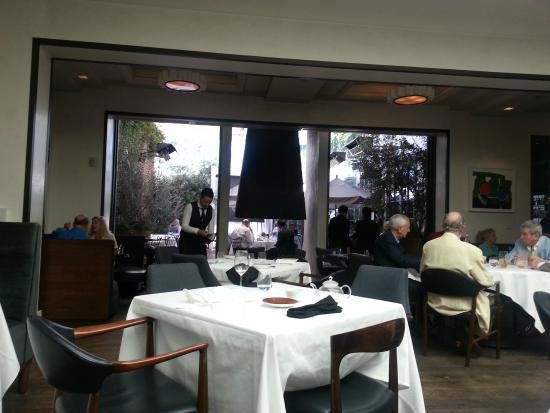
Hotels in Los Angeles
Browse all →
Wineries in Los Angeles
Browse all →
At a Glance
- Trendy
- Lively
- Group Dining
- Casual Hangout
- Open Kitchen
- Local Sourcing
- Street Scene
Current opening hours
- Monday
- 5–10 PM
- Tuesday
- 5–10 PM
- Wednesday
- 5–10 PM
- Thursday
- 5–10 PM
- Friday
- 12–3 PM, 5–10 PM
- Saturday
- 12–3 PM, 5–10 PM
- Sunday
- 12–3 PM, 5–10 PM
Hours can change for holidays and private events. Last verified .
Bright space with big front patio.
Know Before You Go
- Getting there
- 6015 W 3rd St, Los Angeles, CA 90036