
A Michelin Plate recipient in consecutive years (2024 and 2025), Octopus Garden on Cornwall Avenue brings high-end Japanese dining to Vancouver's Kitsilano neighbourhood. The $$$$-tier pricing places it firmly in the city's premium Japanese tier alongside other Michelin-recognised counters, making it a serious option for diners tracking the evolution of the city's Japanese scene.
Pearl is the En Primeur Club membership app — saves, bookings, and concierge access live there. Same editors, same standards.
- Address
- 1995 Cornwall Ave, Vancouver, BC V6J 1C9, Canada
- Phone
- +1 604-734-8971
- Website
- octopusgarden-canada.com
- Directions
- Get directions
 Saves & bookings on Pearl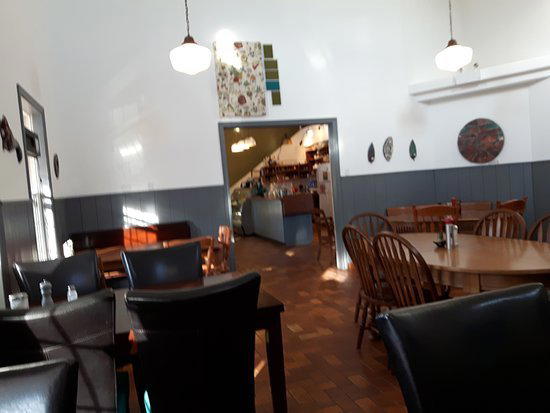
Cornwall Avenue and the Discipline of Japanese Craft in Vancouver
The stretch of Cornwall Avenue that runs along Kitsilano's edge, with Vanier Park to the west and the low residential streets of Kits to the north, is not where most visitors expect to find a Michelin Plate restaurant. Yet that mild displacement from the downtown dining corridor is exactly the kind of condition that allows a Japanese kitchen to do its work without the noise of foot traffic and trend pressure. Octopus Garden sits in this setting, and the address itself is an editorial point: Vancouver's premium Japanese tier has never concentrated in a single district the way Ginza or even parts of Tokyo's Minami-Aoyama have. It is distributed, and the quality signals tend to come from credentialing bodies rather than neighbourhood reputation.
The restaurant holds a Michelin Plate in both 2024 and 2025. In Vancouver's Japanese category, that is a meaningful distinction. The city now has a small but serious cluster of Michelin-recognised Japanese restaurants, and Octopus Garden is part of the cohort that has maintained that recognition across consecutive years, which suggests consistency rather than a single strong season.
The Kaiseki Tradition and What It Demands of a Kitchen
Japanese fine dining in the kaiseki lineage operates under a different set of pressures than a la carte or even Western tasting-menu formats. The kaiseki form, which developed in Kyoto as a structured sequence tied to tea ceremony hospitality, requires the kitchen to think in terms of progression, seasonality, and aesthetic restraint simultaneously. Each course in a kaiseki sequence is intended to communicate a specific moment in the season through ingredient selection, preparation method, and presentation. The format does not reward improvisation or a strong personal signature in the way that a Western chef-driven tasting menu might; it rewards fidelity to an accumulated tradition and the discipline to edit rather than add.
What this means practically for diners at $$$$-tier Japanese restaurants in Vancouver is that the experience is legible in a particular way. You are reading a season as interpreted by a kitchen, not a personality. Cities like Vancouver, which have attracted Japanese chefs and Japanese-trained cooks over several decades, are producing more kitchens that understand and can execute this distinction. Masayoshi and Okeya Kyujiro both operate in the premium Japanese tier in Vancouver, as does Sushi Masuda, each with their own formal emphasis. Sumibiyaki Arashi and Sushi Bar Maumi extend the city's Japanese fine dining breadth further. Octopus Garden's positioning within this group, and its Michelin Plate recognition across two consecutive years, suggests it is holding its place in this competitive tier rather than coasting on early momentum.
Vancouver's Japanese Fine Dining Tier: What the Michelin Recognition Means
When Michelin expanded its coverage to Vancouver, the guide's selections in the Japanese category told a story about the city's depth in this cuisine. A Plate designation indicates that the inspector found good cooking, specifically in terms of technique and ingredient quality, but not yet the additional layer of distinction that earns a star. For a $$$$-tier Japanese restaurant, being in the Plate category for two consecutive years means the kitchen is being assessed against a high base level of expectation and meeting it.
For context outside Vancouver, the kaiseki tradition at the highest level in Canada runs through a small number of addresses. Kaiseki Yu-zen Hashimoto in Toronto is one directly comparable Canadian reference point for the form. Internationally, the kaiseki framework informs particularly technically demanding kitchens in fine dining, and its influence appears across the multi-course programs of restaurants that have little surface resemblance to Japanese cuisine, including Le Bernardin in New York City in the discipline it brings to seafood sequencing.
Within Canada's broader fine dining conversation, Vancouver's Japanese tier occupies a different register than the Nordic-influenced tasting menus of Tanière³ in Québec City or the French-rooted precision of Alo in Toronto and Jérôme Ferrer - Europea in Montréal. The Japanese tradition is its own system, and Vancouver's proximity to Japan, its significant Japanese-Canadian community, and its access to Pacific seafood have created conditions for that system to take root with more credibility than in most North American cities.
Planning a Visit: What to Know Before You Go
The restaurant is located at 1995 Cornwall Avenue in Kitsilano, a neighbourhood that sits west of downtown Vancouver. The $$$$-tier pricing bracket puts it at the upper end of Vancouver's dining spend, comparable to other Michelin Plate addresses in the city. For a multi-course Japanese format, that price point is consistent with what the form requires in terms of sourcing and kitchen time.
Booking is recommended. Reservations are recommended. Kitsilano itself pairs well with a pre-dinner walk along the seawall toward Vanier Park, which provides a tonal contrast to the focused, interior discipline of a kaiseki-style meal.
For those tracking Canada's fine dining circuit more broadly, the seasonal and place-rooted philosophy that underlies kaiseki finds interesting parallels in other formats: Narval in Rimouski, The Pine in Creemore, and Restaurant Pearl Morissette in Lincoln each approach the seasonal tasting format from a distinctly Canadian perspective, and the comparison illuminates how different culinary traditions answer the same fundamental question about what a meal should communicate about where and when it was prepared.
A Credentials Check
Comparable venues nearby, for context on price, style, and recognition.
| Venue | Cuisine | Price | Awards | Notes |
|---|---|---|---|---|
| Octopus GardenThis venue — the venue you are viewing | Japanese Sushi Omakase | $$$$ | Michelin Plate | Not listed |
| Miku | Modern Aburi Sushi | $$$$ | Michelin Plate | Downtown |
| Tom Sushi | Authentic Japanese Sushi | $$$ | Not listed | West End |
| Alley 16 | Japanese Yakiniku BBQ | $$$ | Not listed | Mount Pleasant |
| Bacchus Restaurant | European-Inspired Fine Dining | $$$$ | Michelin Plate | Downtown |
| Ophelía | Pan-Regional Mexican | $$$ | Michelin Plate | Mount Pleasant |
Recognition history
Dated appearances from independent guides and award organizations, with the underlying list record or original source where available.
Michelin Plate
Michelin
Michelin Plate
Michelin
Continue exploring
More in Vancouver
Restaurants in Vancouver
Browse all →
Bars in Vancouver
Browse all →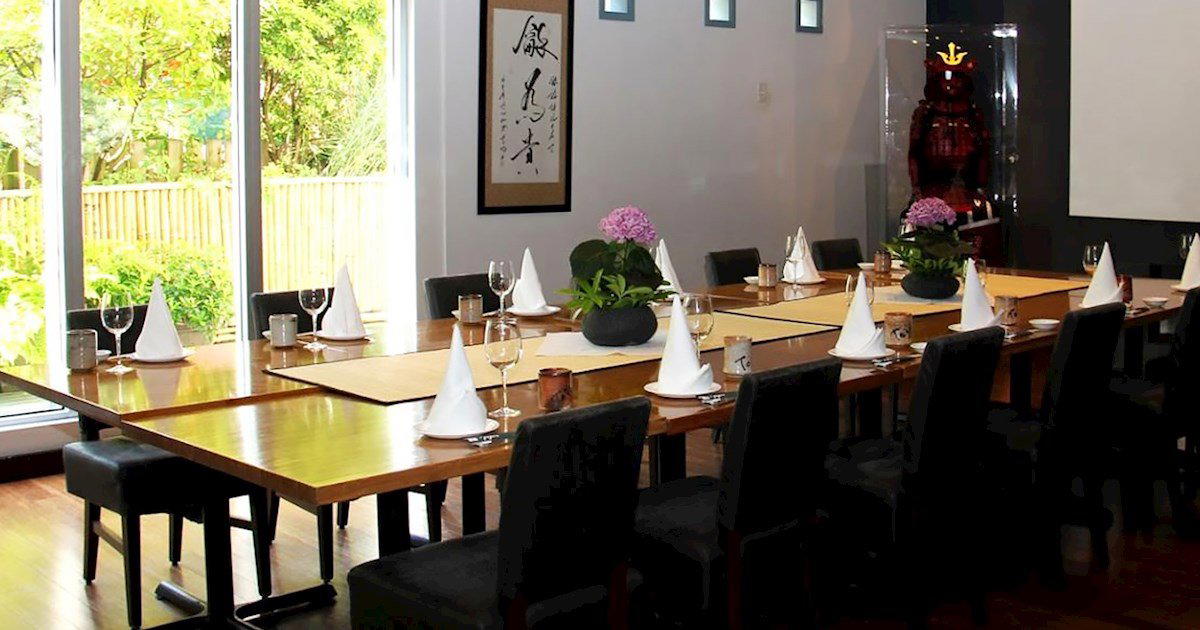
At a Glance
- Cozy
- Whimsical
- Intimate
- Date Night
- Special Occasion
- Sake Program
- Local Sourcing
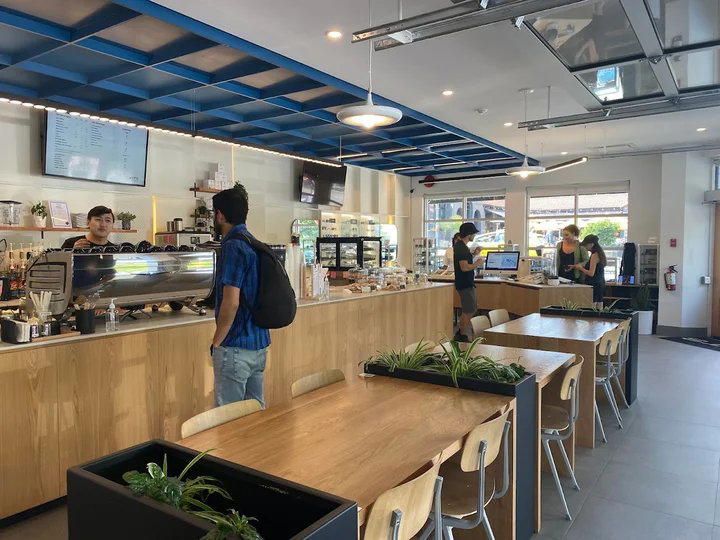
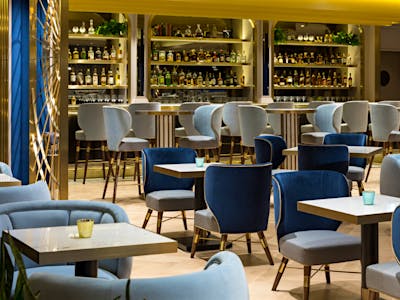
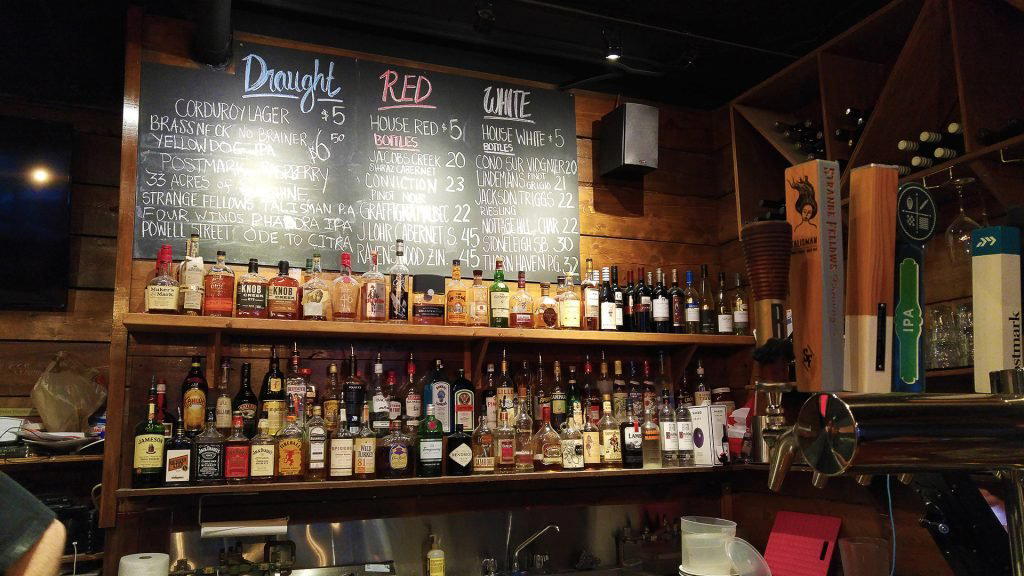
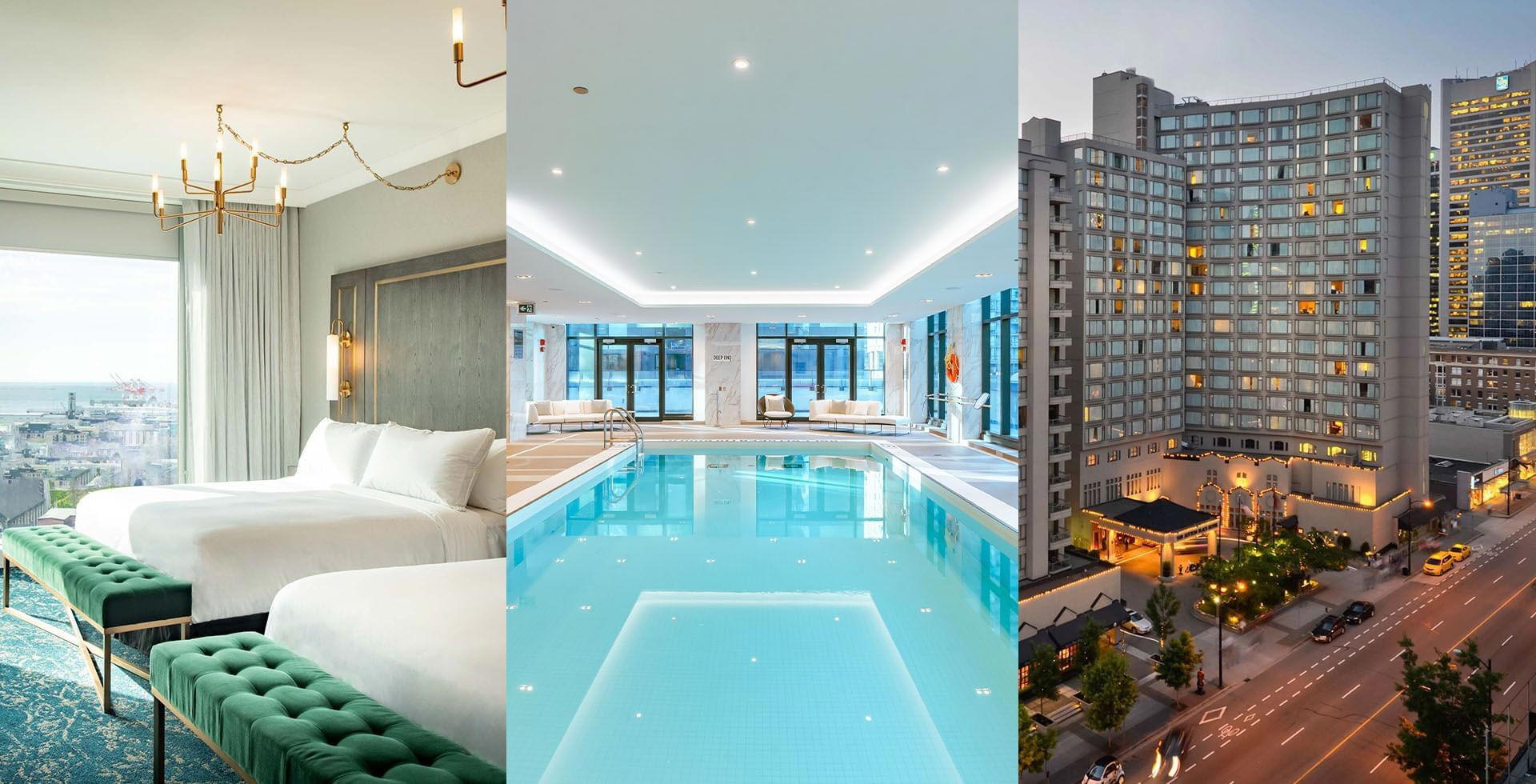
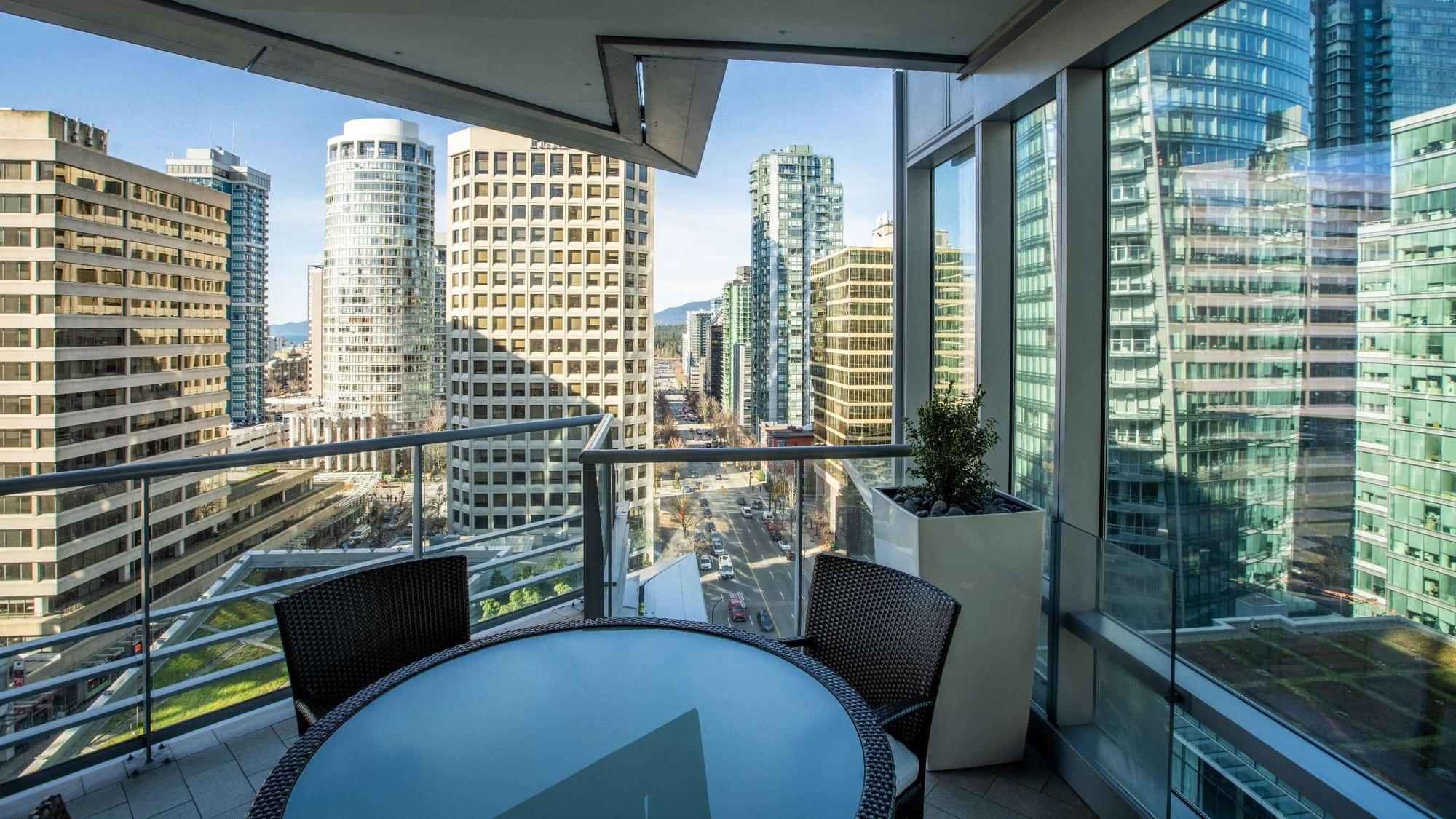
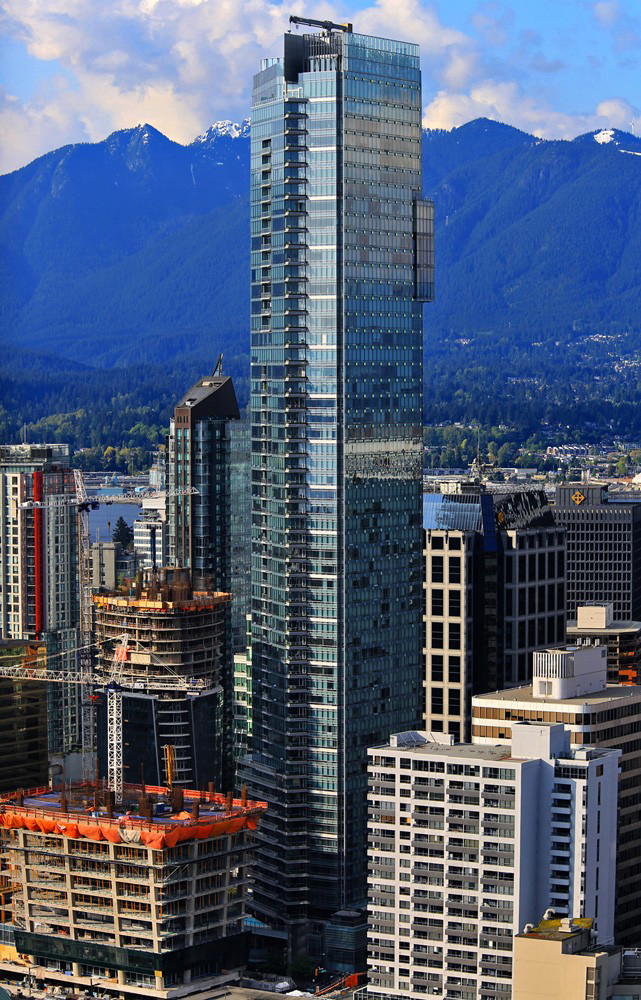
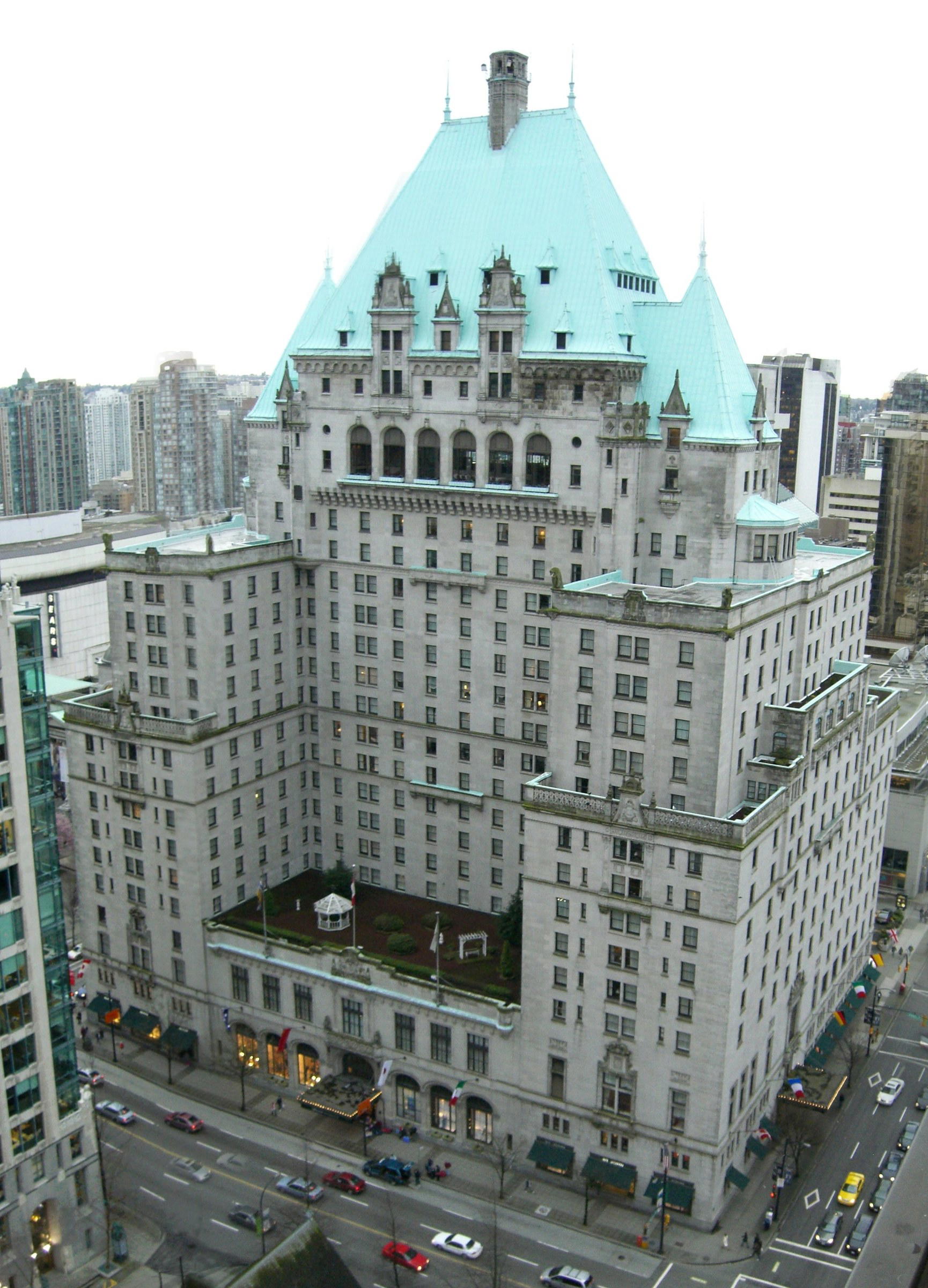
Cozy interior adorned with octopus decorations and Japanese cultural references, creating a warm, homey, and welcoming atmosphere.