
Tabelog 100 #77
Our verdict
Sumibi Yakiniku Takenouchi Honten sits in Nagoya’s charcoal-grill tradition rather than the city’s flashier tasting-menu tier. The draw is the ritual of yakiniku itself: table heat, shared pacing, beef and tripe, shochu or wine, and a room built for families and friends. Tabelog 100 recognition for Yakiniku EAST in 2025 gives it a clear signal inside Japan’s crowded grill category.

Pearl is the En Primeur Club membership app, where members save venues, book tables and use the concierge.
The menu
What to order
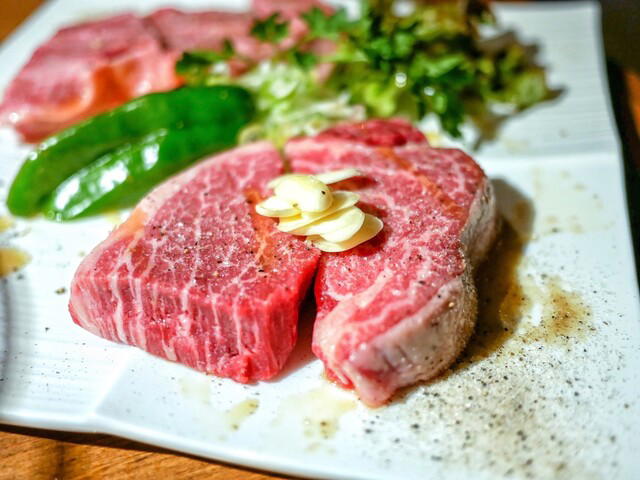
- Charcoal-grilled kuroge wagyu red meat
- Fresh horumon (offal) platter
Approach Nagoya yakiniku with the wrong expectations and the meal can look deceptively casual: a table, a grill, plates arriving in sequence, conversation moving around smoke and heat. The discipline is in the pacing. Yakiniku rewards diners who understand that the table is not passive service but part of the cooking process, where timing, shared portions, and restraint matter as much as appetite.
Sumibi Yakiniku Takenouchi Honten belongs to that tradition. Its public identity is direct rather than theatrical: yakiniku and tripe, with the meal built around grilling and shared ordering rather than ceremony. In Nagoya, where dining ranges from casual local rooms to more formal counters and restaurants, this is a different kind of confidence. The meal is social, hands-on, and built around control of heat rather than chef-led choreography.
Table grilling as a shared dining ritual
Yakiniku is often misunderstood by travelers as simply Japanese barbecue. The better reading is more precise: it is a table ritual shaped by Japanese grilling culture, informal group dining, and a strong after-work and family-dinner grammar. The grill changes the tempo of the table. Diners cook in small rounds, reset the grate mentally after each cut, and build the meal through contrast rather than a fixed progression.
That format explains why grilled cuts and tripe sit comfortably together here. Tripe is not a side note in serious yakiniku culture; it is part of the genre’s texture, price logic, and appetite for variety. A table that orders only familiar cuts misses the point. The meal works when leaner pieces, richer pieces, and tripe create shifts in chew, fat, and smoke. The format also keeps the room flexible: one table may treat the meal casually, while another may approach each round with more deliberate attention.
The Tabelog 100 selection in 2025 matters because yakiniku in Japan is densely competitive and locally judged. This is not the same kind of signal as Michelin tasting-menu recognition; it points instead to sustained approval inside a category where regular diners notice sourcing, cut handling, grill management, ventilation, and value. The restaurant’s Tabelog score of 3.63 gives further context: in Japan’s review culture, that is a meaningful mark for a specialist venue, especially in a category with fierce neighborhood loyalty.
Where Nagoya's grill culture differs from the tasting-menu circuit
Nagoya’s restaurant conversation is often pulled between local comfort food, business-dinner formality, and a growing group of reservation-focused counters. In that spread, yakiniku occupies useful middle ground. It can carry a serious grill program without forcing the evening into a hushed dégustation rhythm. It suits groups, repeat visits, and cross-generational meals, which is why the shared-grill format is not an incidental detail. It shapes the kind of dinner this restaurant supports.
That distinction becomes clearer when set beside other Nagoya rooms. Other Nagoya dining rooms point to the city’s breadth rather than one single dining identity. Among comparison venues, Tenichi sits in a different everyday price conversation, Osteria Orcadoro occupies another dining lane, and Chambre d'enfants moves into a higher-spend register. Sumibi Yakiniku Takenouchi Honten reads differently: not luxury theater, not quick casual, but a yakiniku specialist with category recognition.
The restaurant’s format also matters in a city where some destination dining has drifted toward polished anonymity. Yakiniku benefits from rooms that can handle conversation, heat, shared decisions, and groups without turning the meal into a performance. The emphasis on yakiniku and tripe reinforces the point. This is not a counter where the diner submits to the sequence; it is a room where the table negotiates its own rhythm.
How to read the meal before sitting down
The right expectation is not a chef biography or a signature-dish chase. No named chef is central to the public story, and no single named dish defines the restaurant. The defining idea is category discipline: yakiniku with tripe in the mix, recognized on a 2025 Tabelog 100 list, in a Nagoya setting that suits shared meals and friend groups. For travelers used to omakase logic, that is the key adjustment. The intelligence of the meal is distributed across the table.
Planning should follow the same logic. This is a restaurant to place in an evening when conversation matters and the group is willing to cook carefully rather than rush through plates. The listed dinner budget of JPY 5,000 - JPY 5,999 gives the operational frame, but the editorial decision is simpler: choose it when the goal is Nagoya’s grill culture at a serious specialist level, not when the night calls for a quiet tasting menu or a solo counter seat.
For broader context around the city, start with Our full Nagoya restaurants guide, then map the rest of the trip through Our full Nagoya hotels guide, Our full Nagoya bars guide, Our full Nagoya wineries guide, and Our full Nagoya experiences guide. For other Japan and Japanese-dining references, consider unnamed dining in other cities as broader context, but keep Sumibi Yakiniku Takenouchi Honten in focus when the brief is Nagoya yakiniku with recognized category standing.
Frequently asked questions
What's the price range at Sumibi Yakiniku Takenouchi Honten?
Pricing at Sumibi Yakiniku Takenouchi Honten is listed as JPY 5,000 - JPY 5,999.
Where is Sumibi Yakiniku Takenouchi Honten located?
Nagoya.
How far ahead should I plan for Sumibi Yakiniku Takenouchi Honten?
Planning ahead makes sense for dinner at a Nagoya yakiniku specialist recognized in the 2025 Tabelog 100 selection, especially if the meal is built around a group rather than a quick solo stop.
What's the defining dish or idea at Sumibi Yakiniku Takenouchi Honten?
The defining idea is yakiniku, with tripe also listed among the categories. The format is shared grilling rather than a chef-led tasting menu.
Cuisine and Awards Snapshot
Comparable venues to anchor price and recognition.
| Venue | Cuisine | Price | Awards | Notes |
|---|---|---|---|---|
| Sumibi Yakiniku Takenouchi HontenThis venue (the venue you are viewing) | Traditional Japanese Yakiniku | $50–100 | Tabelog 100 #77 | Not listed |
| Tempura Niitome (天風良 にい留) | Modern Tempura Omakase | Not listed | Not listed | Naka |
| Unagiya Shibafukuya | Traditional Nagoya Unagi (Grilled Eel) | $30–50 | Tabelog 100 #69 | Nishi |
| Unagi Okafuji | Nagoya-style eel and hitsumabushi | $30–50 | Tabelog 100 #4 | Naka |
| 雪月花たなかさとる | Modern Japanese Yakiniku | $200–300 | Tabelog Bronze #398 | Naka |
| Kamisono | Japanese Kaiseki Omakase | $50–100 | Tabelog 100 #29 | Higashi |
Recognition history
Dated appearances from independent guides and award organizations, with the underlying list record or original source where available.
Tabelog 100 #77 · No. 77
Tabelog · Tabelog 100 - Yakiniku - EAST - 2025
Continue exploring
More in Nagoya
Restaurants in Nagoya
All restaurants in Nagoya →
Details
- Cozy
- Lively
- Classic
- Family
- Group Dining
- Casual Hangout
- Celebration
- After Work
- Standalone
- Private Dining
- Local Sourcing
- A La Carte
- Family Style
- Beer
- Sake
- Shochu
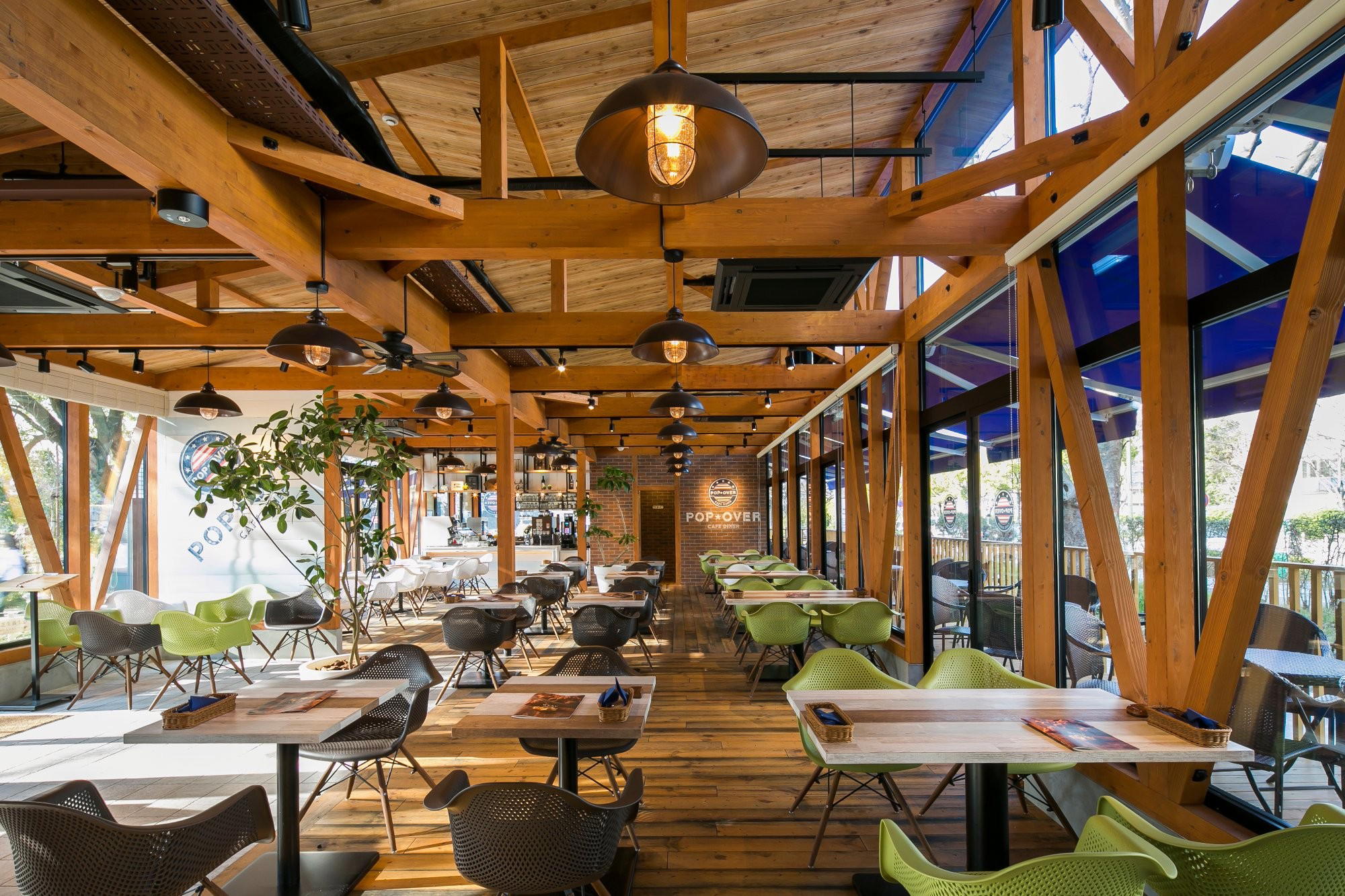
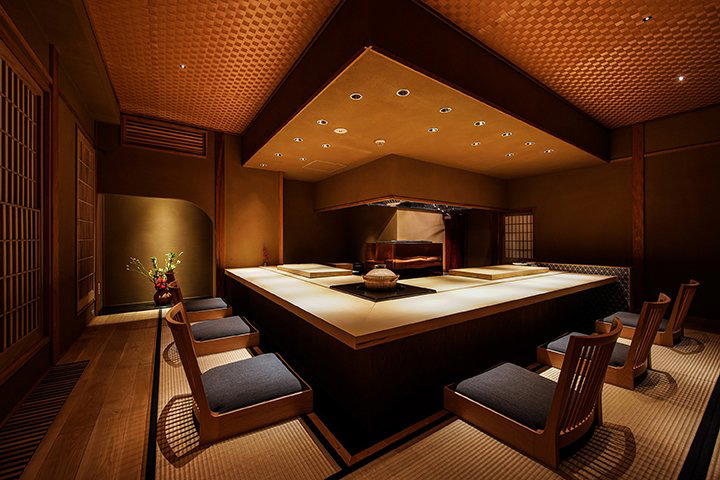
A classic house-style yakiniku restaurant with a warm, slightly bustling atmosphere, table seating on the first floor and tatami rooms upstairs, focused on enjoying high-quality charcoal-grilled meat in a relaxed, everyday setting.