Skip to Main Content
Mediterranean Grilled Seafood
← Collection
Palma, Spain

Guethary

CuisineMediterranean Cuisine
Price€€€
Dress CodeSmart Casual
ServiceUpscale Casual
NoiseConversational
CapacitySmall
Michelin

A Basque coastal tradition transplanted to Mallorca, Guethary operates inside the Iberostar Selection Playa de Palma hotel and carries a Michelin Plate (2025) for its grilled fish and seafood sourced from Mallorcan waters. Chef Aitor Arregui, whose original restaurant in Guetaria built its reputation on open-flame cooking, replicates that discipline here with an à la carte and two tasting menus. John Dory is among the standout preparations, with half-plate options available on select dishes.

Pearl is the En Primeur Club membership app — saves, bookings, and concierge access live there. Same editors, same standards.

Plan your visit on PearlPlan Your Visit
Address
Carrer de Marbella 36, Palma, 07610, Spain
Phone
+34 671 70 97 29
Guethary restaurant in Palma, Spain
About

Where the Basque Grill Meets the Mediterranean Shore

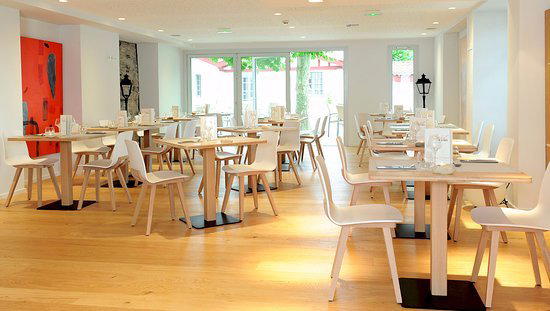
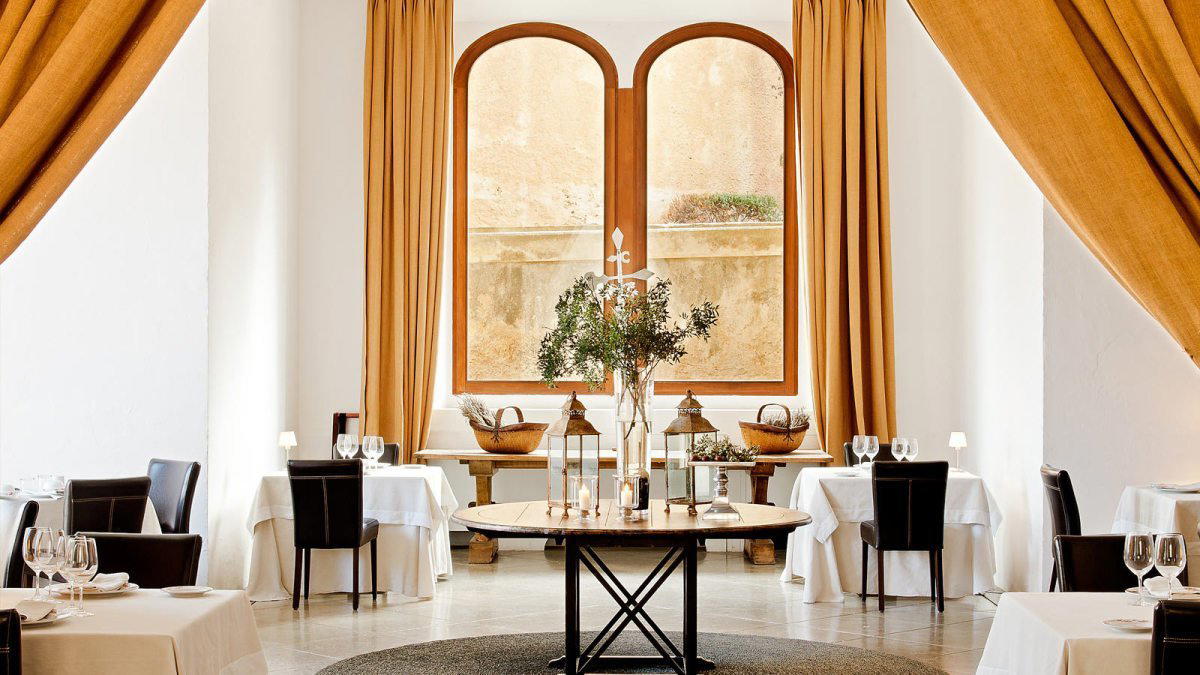
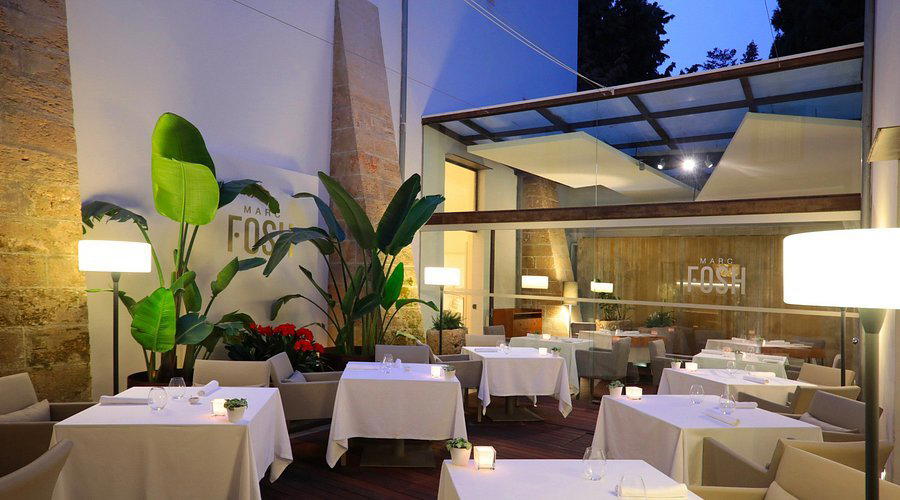
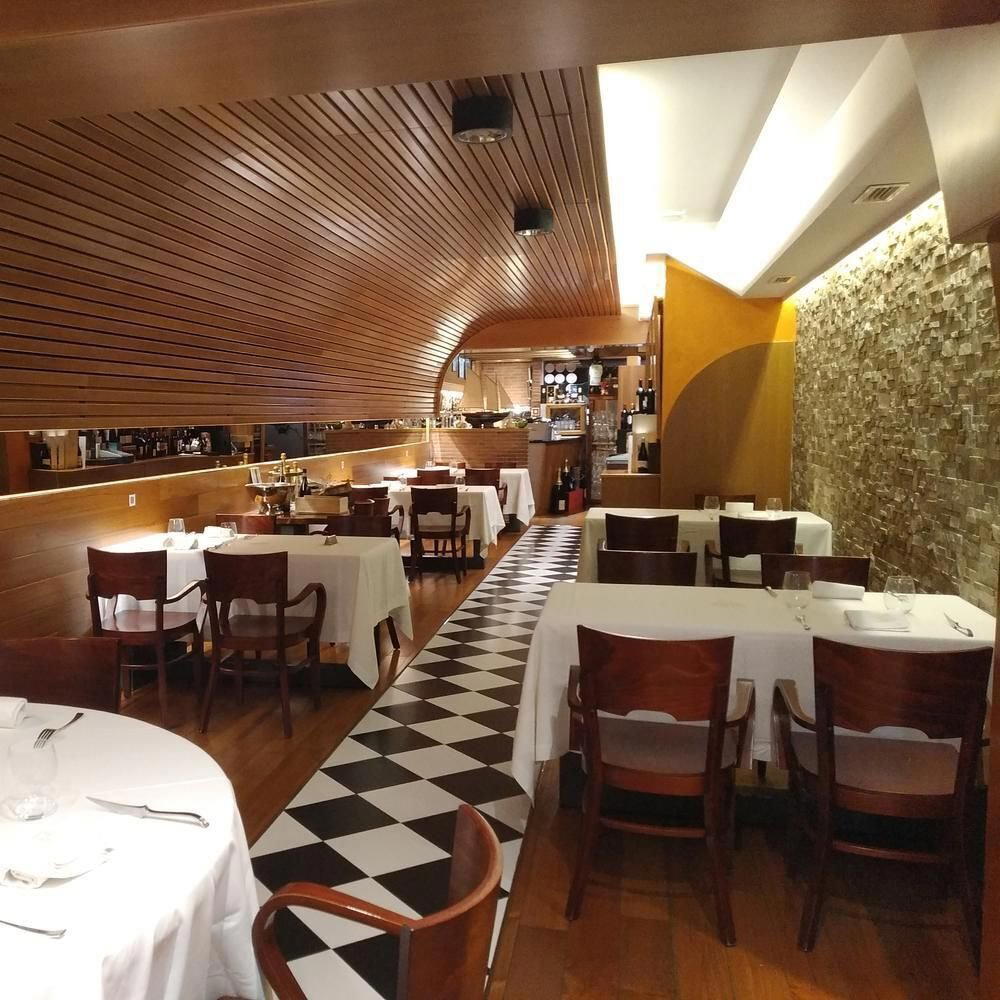
Palma's dining scene has developed two distinct registers over the past decade: a tier of creative, technique-driven restaurants pursuing Michelin recognition through transformation and complexity, and a quieter parallel track built on sourcing discipline and the reductive logic of fire. Guethary sits firmly in the second category. Inside the Iberostar Selection Playa de Palma hotel on Carrer de Marbella, the room arrives in white, a deliberate visual quiet that focuses attention on what comes to the table rather than the space itself. There is no theatrical provocation in the design, no attempt to compete with Palma's more architecture-forward dining rooms. The point is the fish.

A Name That Carries Weight

The restaurant takes its name as a tribute to Elkano, the celebrated grill house in Guetaria on Spain's Basque coast, widely regarded as a reference point for open-flame fish cookery in Spain. That is not a casual gesture. Elkano's approach, whole fish over charcoal, fat rendered and skin crisped, the animal returned to you with minimal interruption, represents a culinary discipline that is considerably harder to execute well than it appears. The philosophy demands product quality above all else, because there is no sauce architecture or textural contrast to compensate for a mediocre catch. By invoking that tradition and then working with Mallorcan waters as the sourcing base, Guethary sets its own terms of evaluation: the measure is the fish, and the fire.

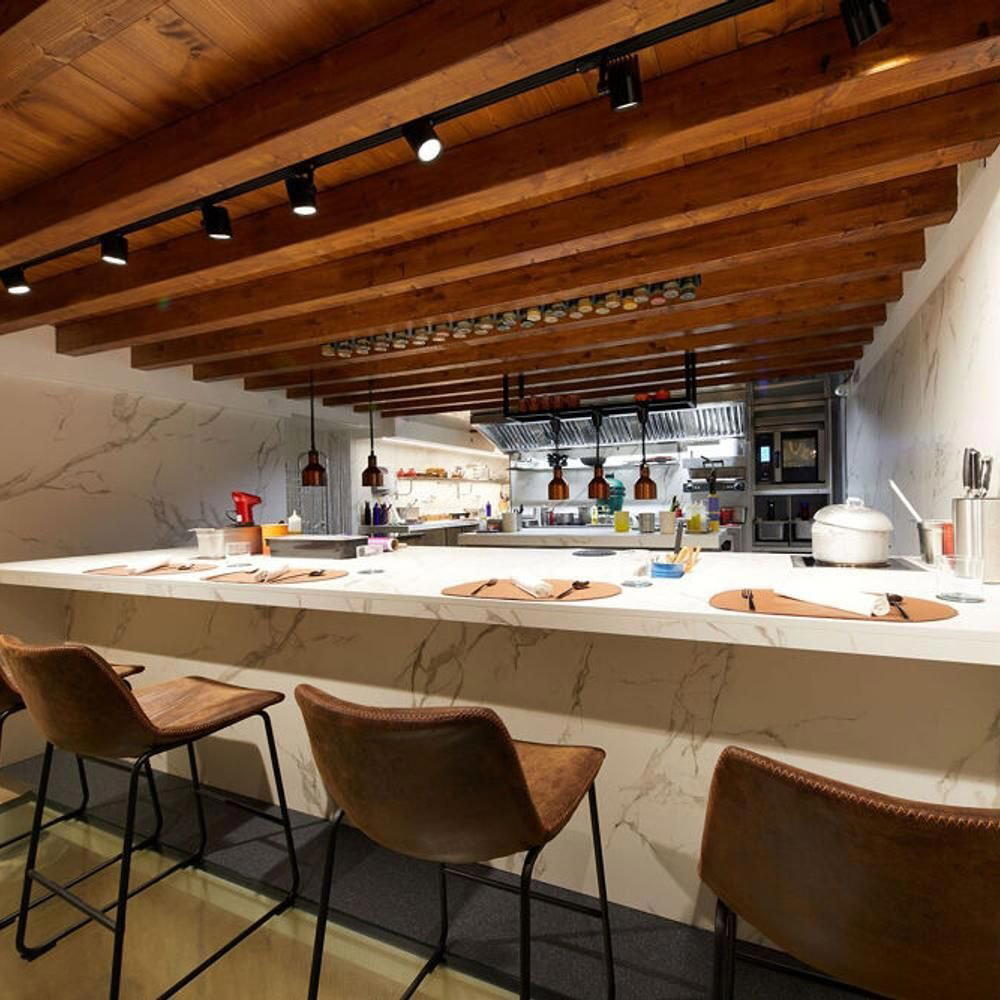
The Palma outpost applies the same logic to a different coastline, drawing on the seasonal catch from Mallorcan waters and treating the grill as the primary tool rather than one technique among many. In a Spanish fine-dining context where laboratories and fermentation chambers have become standard equipment at the leading end, see DiverXO in Madrid or El Celler de Can Roca in Girona for the outer reach of that tendency, a kitchen that organises itself around open flame occupies a genuinely distinct position.

The Basque Grill Tradition in a Mediterranean Context

Open-flame fish cookery is not a Basque invention in the strict sense, but the Basque Country codified it into a fine-dining proposition, giving it the same serious treatment that French kitchens gave to classical sauce work. Restaurants like Arzak in San Sebastián and Azurmendi in Larrabetzu represent the region's creative edge, but running alongside that innovation has always been a parallel current of restraint: the txokos and asadores where the argument is product and heat, nothing more. Guethary imports that restraint to Mallorca, where the Mediterranean offers a different but equally serious set of raw materials.

The Mediterranean has its own strong tradition of simply prepared fish, from Catalan a la brasa preparations to the wood-fired approaches you find across the Balearics and along the Valencian coast. That broader regional context, also visible in places like La Brezza in Ascona and Arnaud Donckele at Louis Vuitton in Saint-Tropez, reinforces the point: the minimal-intervention grill is not a Basque novelty but a Mediterranean constant that the Basques refined and formalised. Guethary sits at the intersection of those two lineages.

On the Plate: John Dory and the Logic of Half-Plates

John Dory appears among the à la carte's standout preparations, a fish that rewards the grill more than most, its dense white flesh holding structure under direct heat while the skin delivers texture and fat. It is the kind of fish that exposes a kitchen immediately: there is nowhere to redirect attention if the timing is off or the sourcing is mediocre. The fact that it features prominently here is itself an editorial statement about the kitchen's confidence in its sourcing chain from Mallorcan waters.

The menu offers half-plate portions on select dishes, a structural choice that allows a more exploratory approach to the à la carte without committing to full portions across multiple courses. This is not a common feature at the €€€ price point and reflects a format awareness that sits closer to sharing-table logic than to the fixed-progression tasting format. Two tasting menus run alongside the à la carte, giving the table a choice of structure: self-directed or guided. For a grill-focused kitchen, the à la carte route arguably makes more sense, since it allows the sourcing and the fire to be assessed directly rather than filtered through a composed progression.

Where Guethary Sits in Palma's Competitive Field

Palma has a well-developed top tier. Zaranda and Marc Fosh both carry Michelin stars and operate at €€€€, working in creative and modern idioms respectively. Adrián Quetglas occupies the same €€€ bracket as Guethary, with a modern cuisine approach. Periplo Portixol and Quadrat represent the city's newer editorial-driven dining. Against this field, Guethary's proposition is specific: it is not competing on creative originality or local Mallorcan interpretation in the way that Zaranda does. It is competing on the quality of the catch and the precision of the grill, a narrower argument, but one that doesn't require comparison to win on its own terms.

The Michelin Plate recognition in 2025 places it inside the guide's acknowledged tier without a star, which in this context reads as recognition of consistent quality in a format that isn't chasing the structural complexity Michelin inspectors tend to reward with higher distinctions. For grilled fish, that is a reasonable position to occupy. Aponiente in El Puerto de Santa María demonstrates what the outer boundary of marine-focused fine dining looks like in Spain; Guethary operates at a different register, one defined by directness rather than transformation.

Planning Your Visit

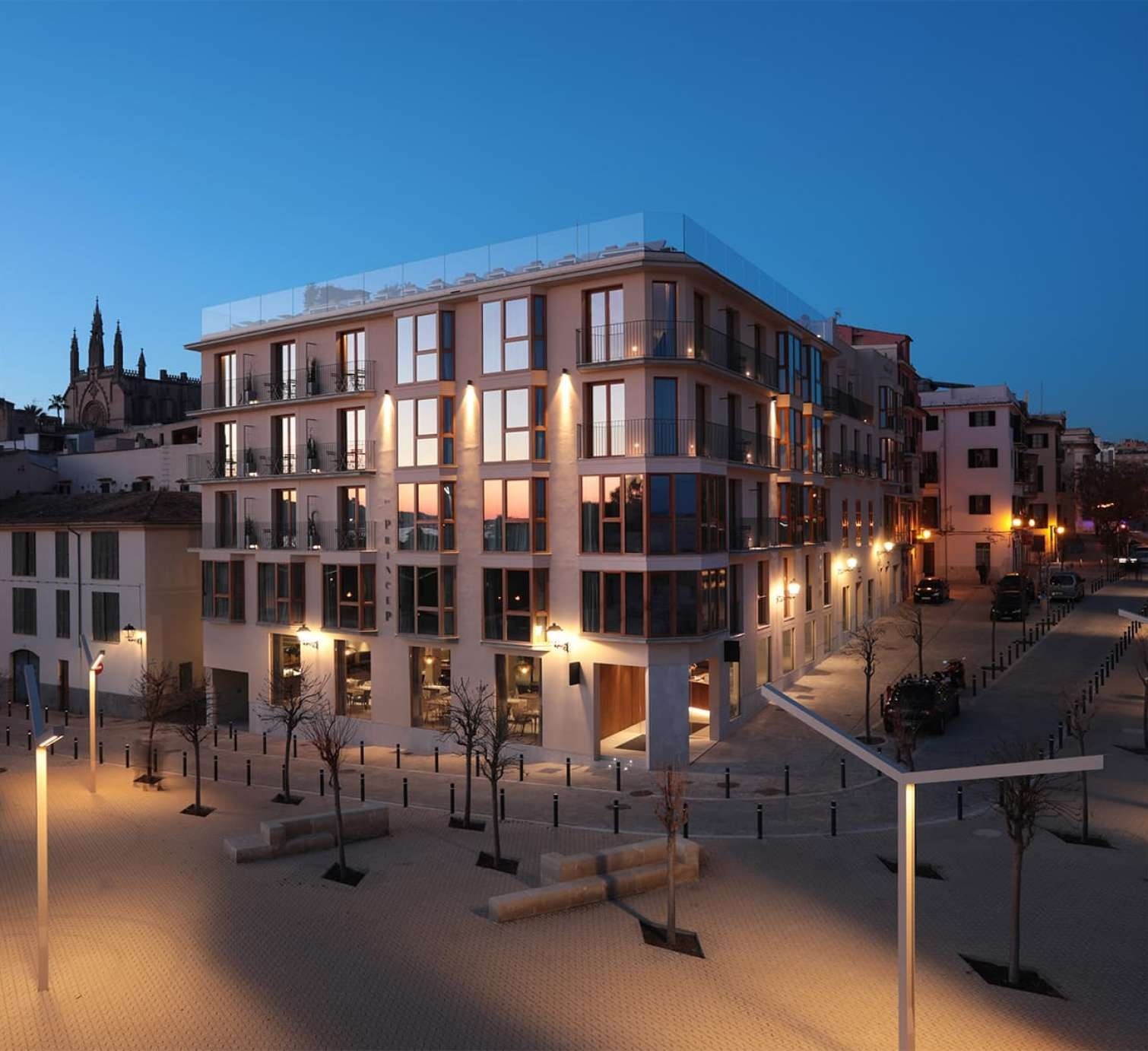
Guethary is located at Carrer de Marbella 36, within the Iberostar Selection Playa de Palma hotel, placing it in the Playa de Palma stretch east of the city centre rather than in Palma's old town or the Portixol neighbourhood where several of the city's independent restaurants cluster. The €€€ pricing positions it accessibly below the city's starred tier, making it a considered option for a fish-focused dinner without the full commitment of a €€€€ tasting-menu evening.

Signature Dishes
grilled cap roigseafood chowderJohn Dory
Frequently asked questions

Recognition, Side-by-Side

Comparable venues nearby, for context on price, style, and recognition.

At a Glance
Vibe
  • Elegant
  • Minimalist
  • Sophisticated
Best For
  • Date Night
  • Special Occasion
  • Celebration
Experience
  • Terrace
  • Waterfront
Sourcing
  • Local Sourcing
  • Sustainable Seafood
Dress CodeSmart Casual
Noise LevelConversational
CapacitySmall
Service StyleUpscale Casual
Meal PacingLeisurely

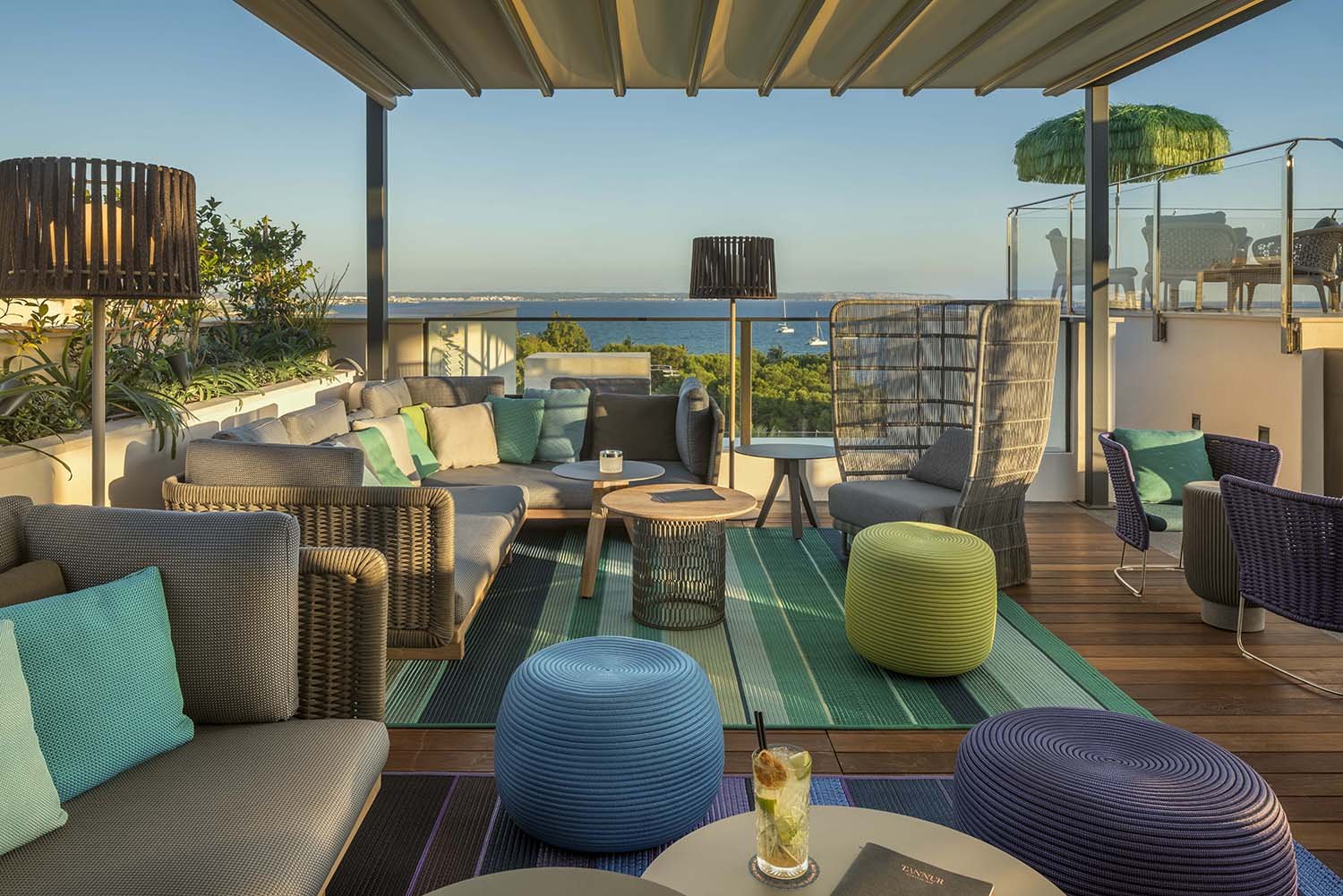
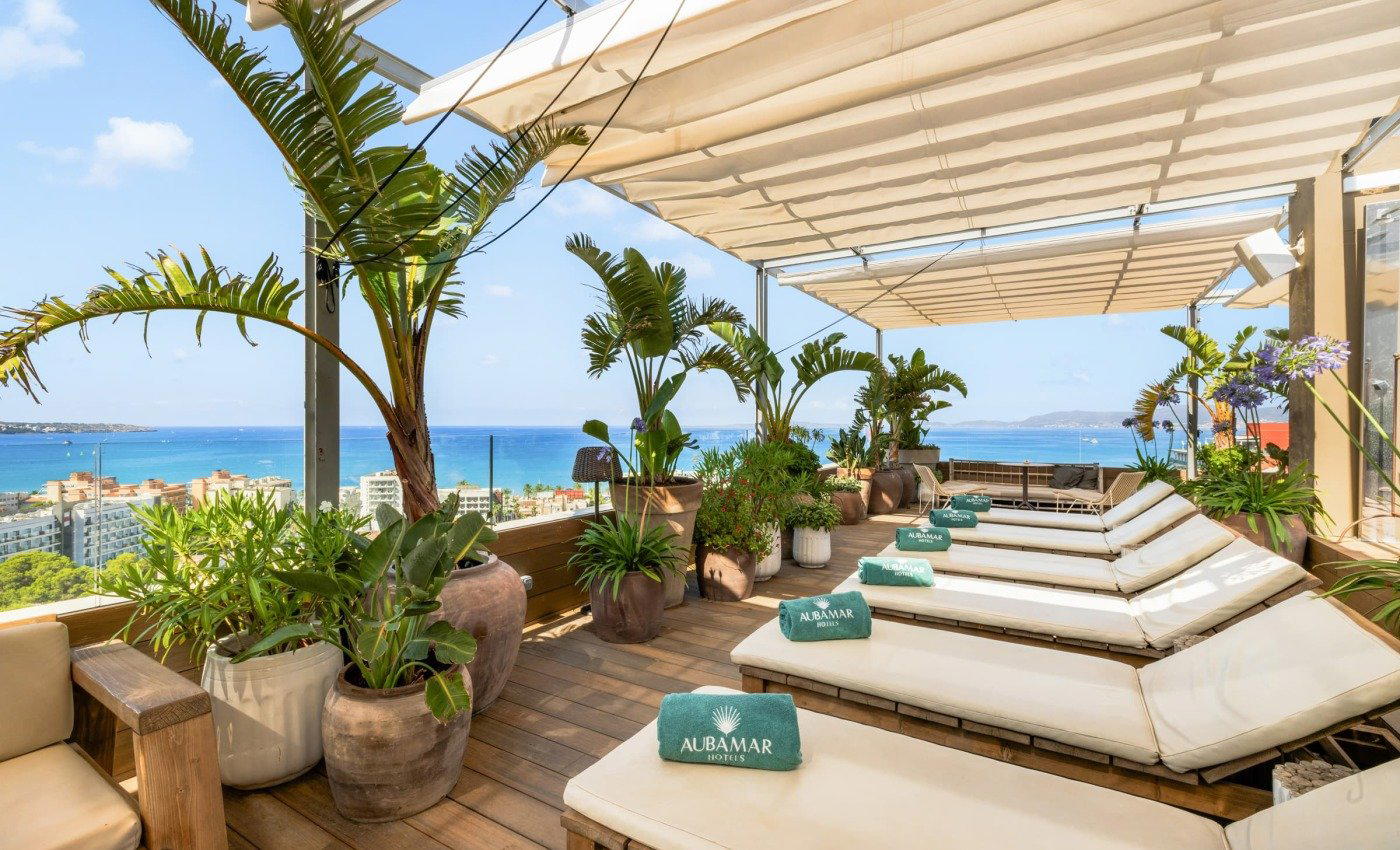
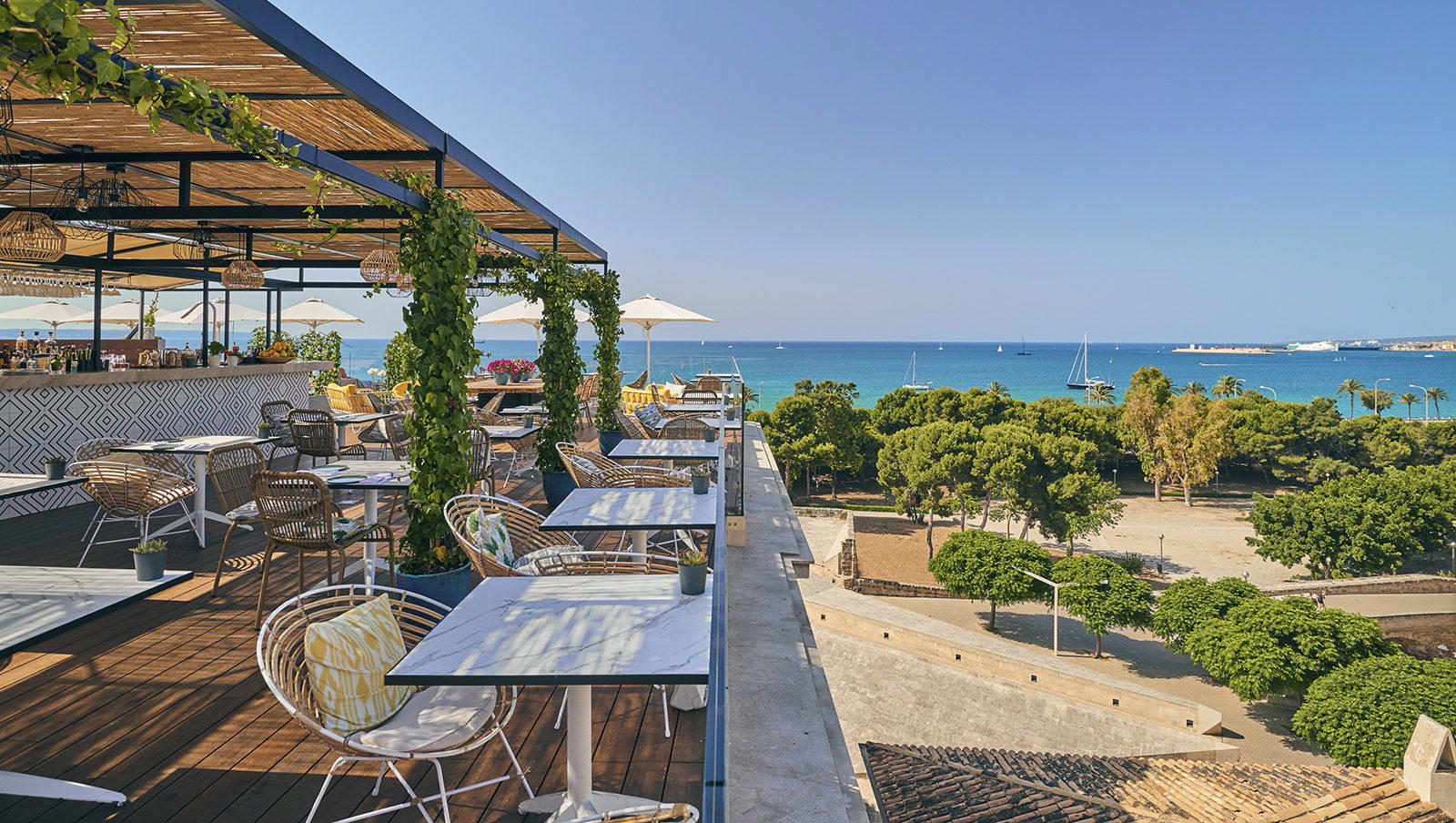
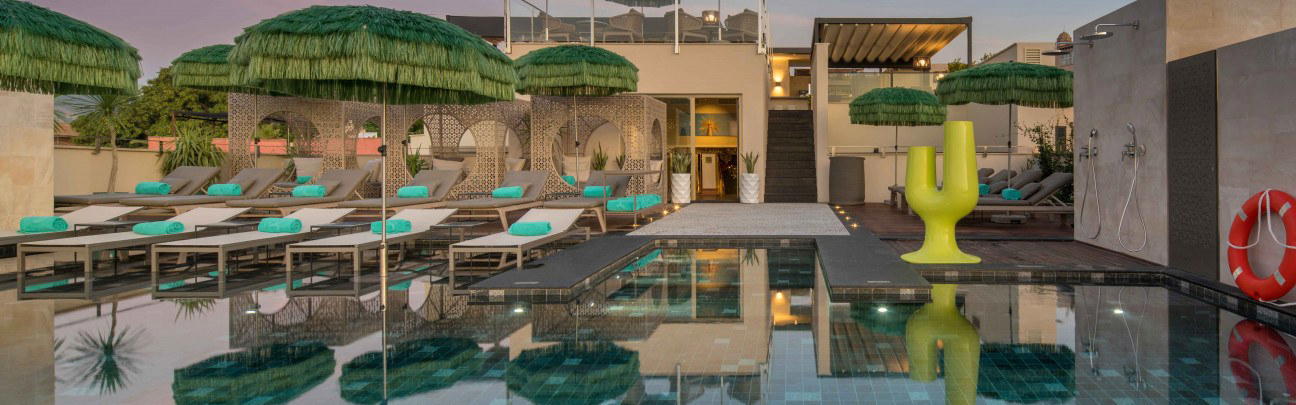
Minimalist decor with inviting, warm atmosphere enhanced by outdoor seating overlooking Platja de Palma; vibrant yet refined dining environment.

Signature Dishes
grilled cap roigseafood chowderJohn Dory