Sticks'n'Sushi
Sticks'n'Sushi occupies a distinct position in Copenhagen's dining scene, pairing Japanese yakitori and sushi formats within a Scandinavian design sensibility. Where the city's upper-tier Nordic tables push abstraction and provenance-first tasting menus, this is a more accessible entry point into Japanese technique filtered through Danish restraint. The address at Arni Magnussons Gade places it close to the Meatpacking District's cluster of destination restaurants.
Pearl is the En Primeur Club membership app — saves, bookings, and concierge access live there. Same editors, same standards.
- Address
- Arni Magnussons Gade 2, 1577 København, Denmark
- Phone
- +4588329595
- Website
- sticksnsushi.com
- Directions
- Get directions
 Saves & bookings on Pearl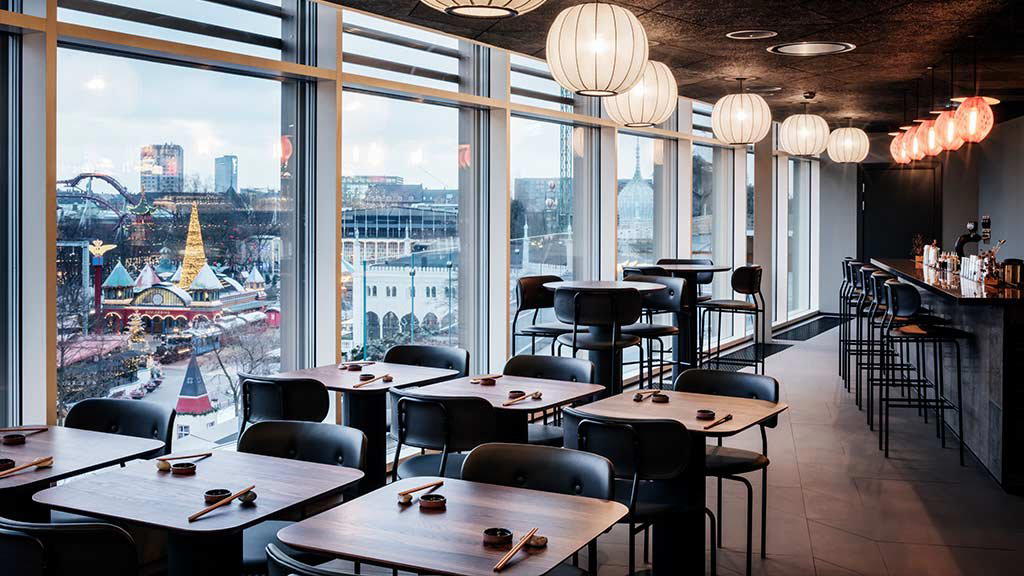
Where Japanese Format Meets Scandinavian Setting
Copenhagen is home to Sticks'n'Sushi, a Japanese sushi and yakitori restaurant at Arni Magnussons Gade 2, 1577 København, Denmark, with a mid-range price point of about $50 per person. Copenhagen has spent two decades building a reputation on restraint: clean lines, Nordic ingredients, and a certain ethical seriousness about where food comes from. That sensibility has shaped not only the city's fine-dining tier, where places like Geranium and Koan have fused Japanese precision with New Nordic philosophy, but also the mid-market restaurants that absorb those values without the tasting-menu price point. Sticks'n'Sushi sits inside that second current. The Arni Magnussons Gade address, close to the Meatpacking District, puts it in a neighbourhood that has consistently attracted restaurants serious about product quality without demanding the full ceremony of a Michelin-starred counter.
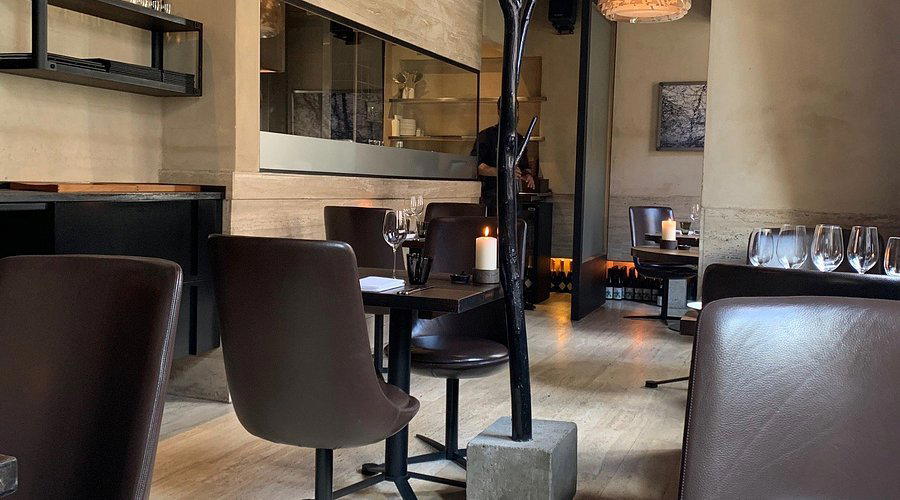
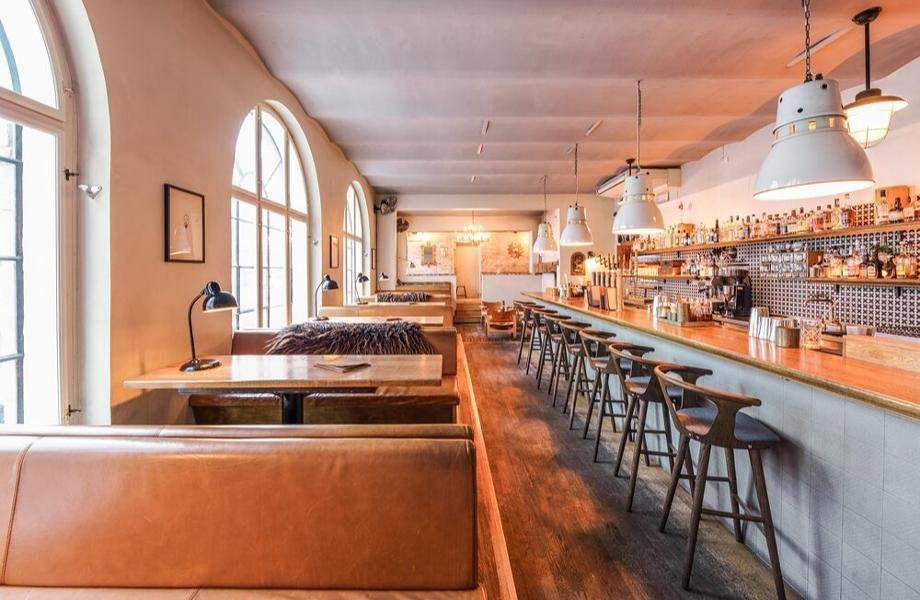
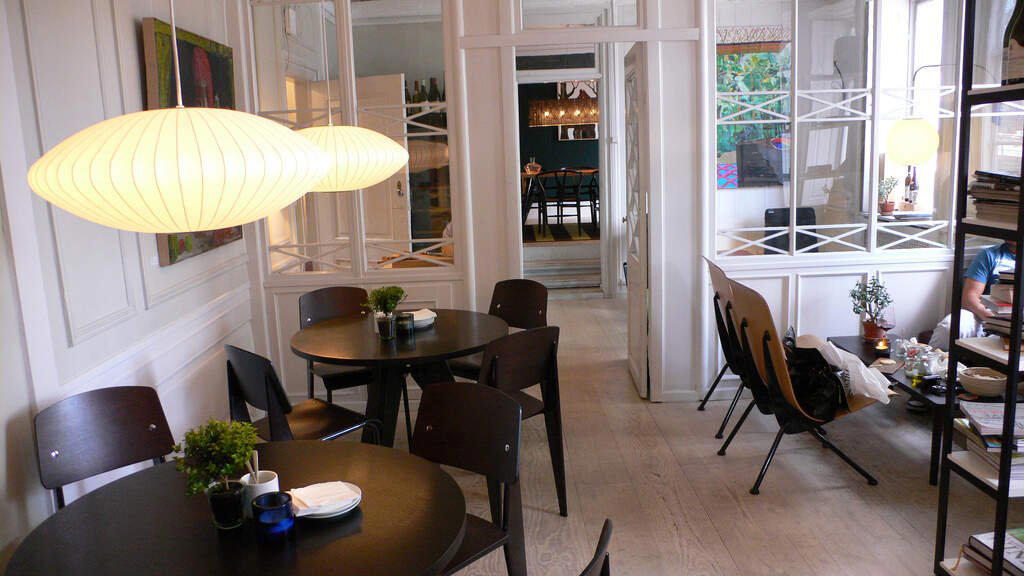
Approaching the space, the visual language is Scandinavian before it is Japanese: considered interiors, muted tones, the kind of design restraint that Copenhagen restaurants treat as table stakes. The format itself, combining sushi and yakitori skewers under one menu, reflects a Japanese izakaya logic repurposed for a city that has long been comfortable with informal, ingredient-led eating. The pairing of raw fish preparations with grilled meat skewers is not a gimmick in Japan; it is a structural approach to building a meal from contrasting textures and temperatures. In Copenhagen, where Noma's influence normalised produce-first thinking across all price points, that logic reads clearly.
The Sourcing Framework Behind the Format
Sustainability in Copenhagen dining is not a marketing position; it is an operational expectation shaped by years of New Nordic doctrine. Restaurants across the city, from Kadeau's Bornholm-centred larder to Alchemist's systems-level thinking about food and environment, have set a standard where sourcing provenance is disclosed and waste reduction is treated as craft rather than compliance. A Japanese-Scandinavian hybrid concept operating in this environment absorbs those pressures by default.
The yakitori format is, structurally, one of the more waste-conscious cooking traditions in Japanese cuisine. Whole-animal grilling disciplines, where every part of the bird moves across the skewer, align naturally with the nose-to-tail ethic that Copenhagen's food culture has endorsed since the early 2000s. Sushi, when anchored to seasonal fish availability rather than fixed menus, carries similar logic: the species you serve shifts with what the sea can sustain.
That compatibility matters commercially. Copenhagen diners at this price tier are trained by years of high-profile Nordic restaurants to ask where things come from. Operating a concept that can speak to that question through its format is a structural advantage over operators importing a fixed international formula without local adaptation.
How It Sits Among Copenhagen's Japanese-Influenced Tier
Copenhagen's engagement with Japanese technique has moved well beyond novelty. Koan operates at the intersection of kaiseki and New Nordic, with a format that demands full-evening commitment and a tasting structure that prices against the city's leading omakase rooms. At the other end, sushi chains and casual conveyor formats serve the volume end of the market. Sticks'n'Sushi holds a position between those poles: a la carte accessibility, a recognisable format, and an aesthetic that signals quality without the barrier to entry that a reservation-only, multi-course counter implies.
That positioning has international reference points. In New York, where Atomix occupies the high-rigour Korean fine-dining tier and mid-market Japanese concepts crowd a different bracket, the challenge for any operator in the middle is differentiation. Copenhagen's smaller restaurant ecosystem creates a less fragmented competitive field, which means a well-executed dual-format Japanese concept holds a clearer position than it might in a larger city. The comparison with Denmark's broader restaurant scene reinforces that point: outside Copenhagen, the density of internationally influenced mid-market options thins considerably. Restaurants like Jordnær in Gentofte or Frederikshøj in Aarhus operate in fine-dining registers, while destinations like Henne Kirkeby Kro, Alimentum in Aalborg, ARO in Odense, Domæne in Herning, Dragsholm Slot Gourmet, Frederiksminde in Præstø, LYST in Vejle, and MOTA in Nykøbing Sjælland define their regions through Nordic frameworks rather than imported Japanese formats. Copenhagen remains the primary Danish address for the sushi-yakitori format at this level.
Planning Your Visit
Logistics at a Glance
| Factor | The restaurant | Koan (peer reference) | Geranium (upper tier) |
|---|---|---|---|
| Format | A la carte sushi and yakitori | Tasting menu, kaiseki-Nordic | Tasting menu, New Nordic |
| Price tier | Mid-market | €€€€ | €€€€ |
| Booking lead time | Shorter than fine-dining peers | Weeks to months ahead | Months ahead |
| Evening commitment | Flexible, no set duration | Multi-hour structured meal | Multi-hour structured meal |
| Walk-in viability | Higher than tasting-menu peers | Low | low |
A Minimal comparable set
Comparable venues nearby, for context on price, style, and recognition.
| Venue | Cuisine | Price | Notes |
|---|---|---|---|
| Sticks'n'SushiThis venue — the venue you are viewing | Not listed | $$$ | Not listed |
| Aotori & Akaton | Østerbro, Japanese Yakitori & Tonkatsu | $$$ | Not listed |
| MAYA | Not listed | $$$ | Vesterbro-Kongens Enghave, Latin American Inspired |
| The Standard | Not listed | $$$ | Inner City, Nordic Fine Dining & Modern Danish |
| Krebsegaarden | Not listed | $$$ | Indre By, Art-Inspired Scandinavian Fine Dining |
| Ramen to Bíiru Vesterbro | Not listed | $$ | Vesterbro-Kongens Enghave, Authentic Japanese Ramen |
Continue exploring
More in Copenhagen
Restaurants in Copenhagen
Browse all →
Bars in Copenhagen
Browse all →




At a Glance
- Modern
- Trendy
- Cozy
- Date Night
- Group Dining
- Casual Hangout
- Open Kitchen
- Sake Program
- Organic
- Local Sourcing
- Sustainable Seafood
- Skyline
Current opening hours
- Monday
- 11 AM–11 PM
- Tuesday
- 11 AM–11 PM
- Wednesday
- 11 AM–11 PM
- Thursday
- 11 AM–12 AM
- Friday
- 11 AM–12 AM
- Saturday
- 11 AM–12 AM
- Sunday
- 11 AM–11 PM
Hours can change for holidays and private events. Last verified .
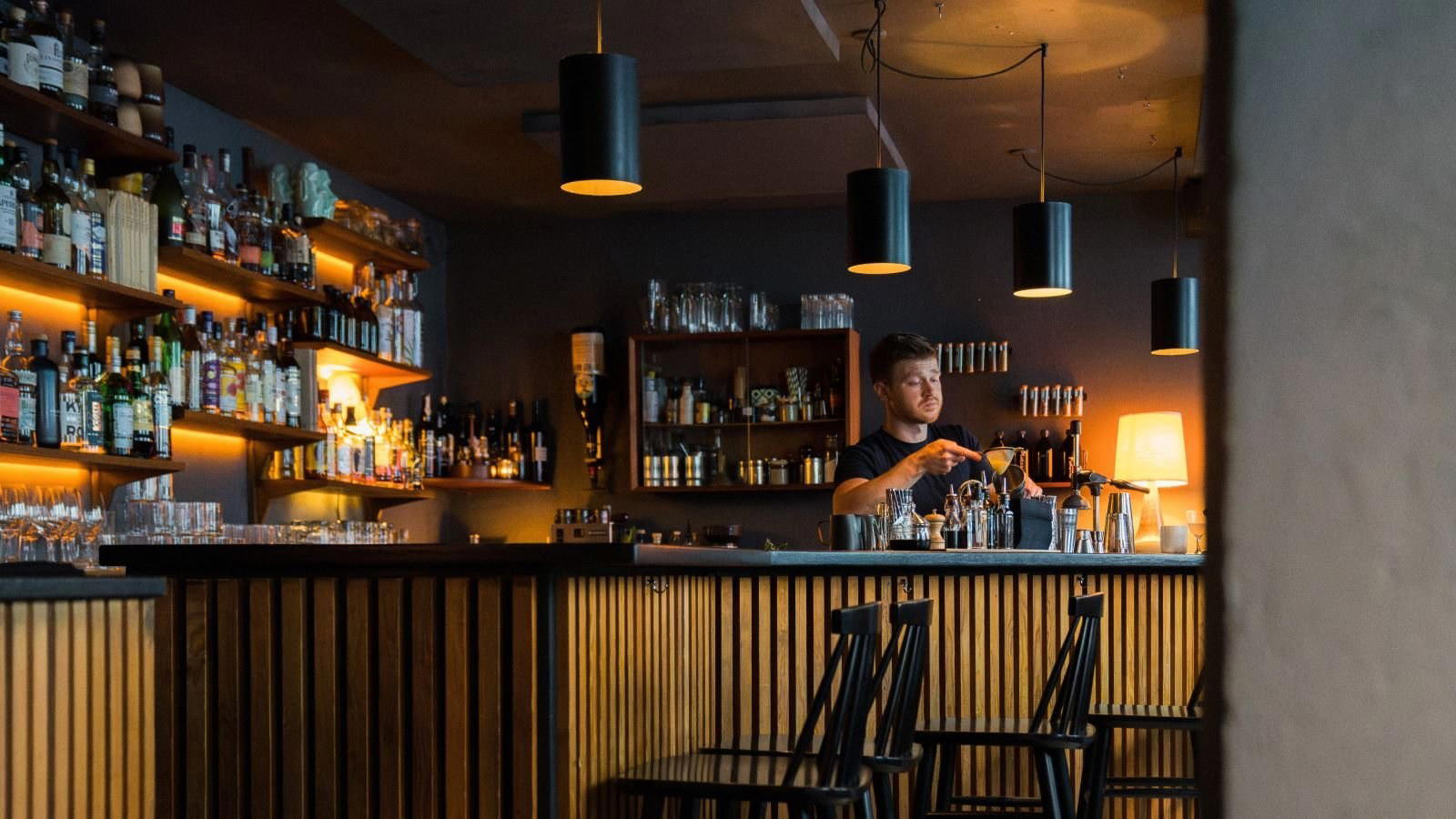
Clean and modern décor with dimmed lights creating a calming yet energetic atmosphere blending Scandinavian design and Japanese elements.