Salon Copenhagen

At Bredgade 63 in Copenhagen's gallery district, Salon brings together fine art and serious cooking under one roof. Gallery owner and cook Claus Christensen has built a space where the visual and the culinary operate as equals, making it one of the more considered dining addresses in a city that already sets a high bar for that conversation.
Pearl is the En Primeur Club membership app — saves, bookings, and concierge access live there. Same editors, same standards.
- Address
- Bredgade 63, 1260 København K, Denmark
- Phone
- +45 33 15 10 60
- Website
- saloncph.dk
- Directions
- Get directions
 Saves & bookings on Pearl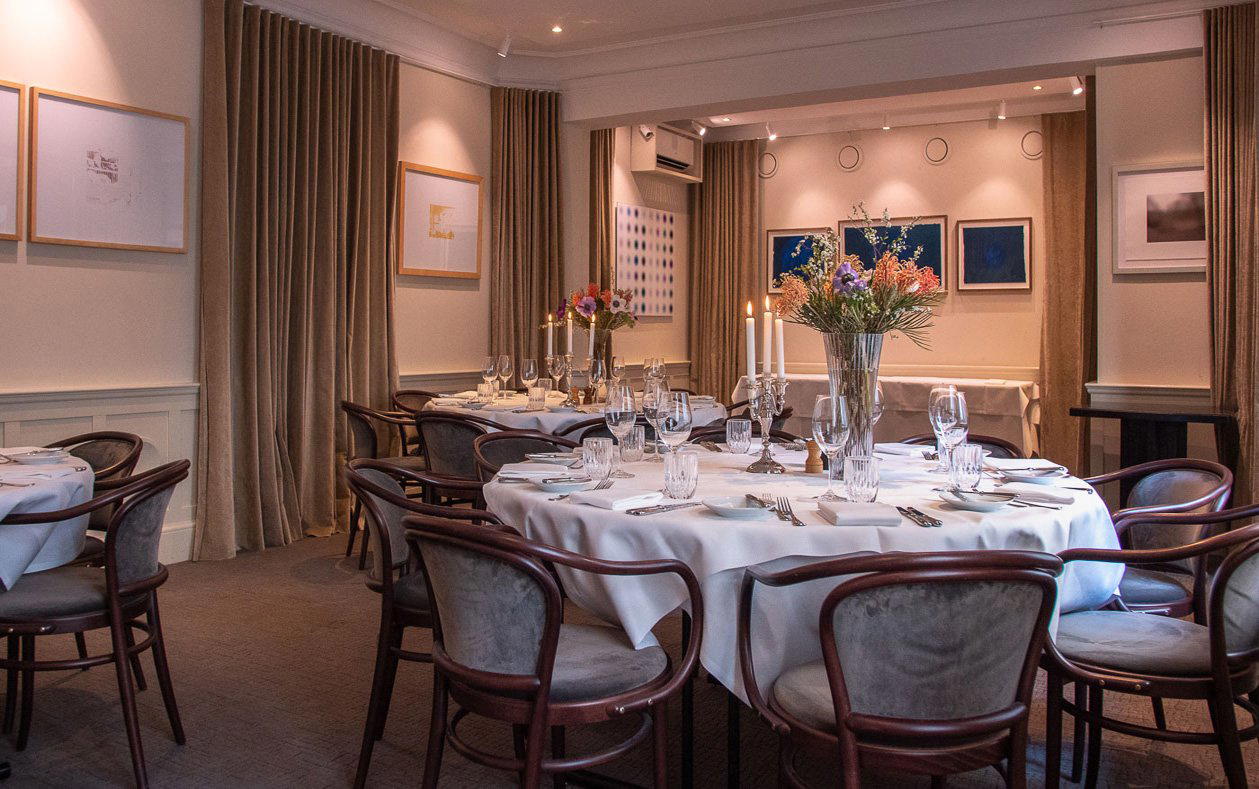
Where Bredgade Puts Art and Food in the Same Room
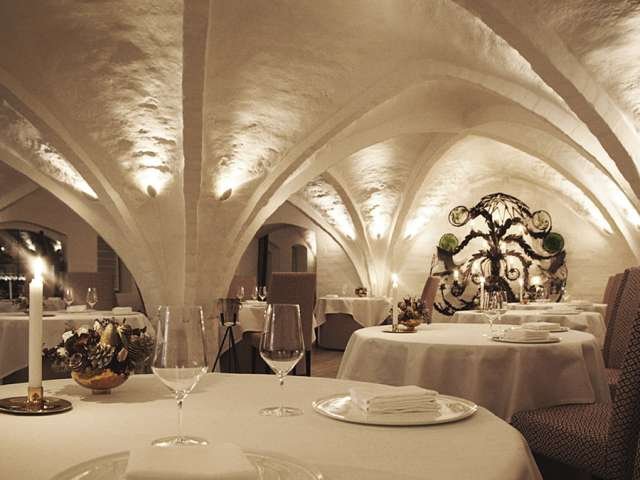
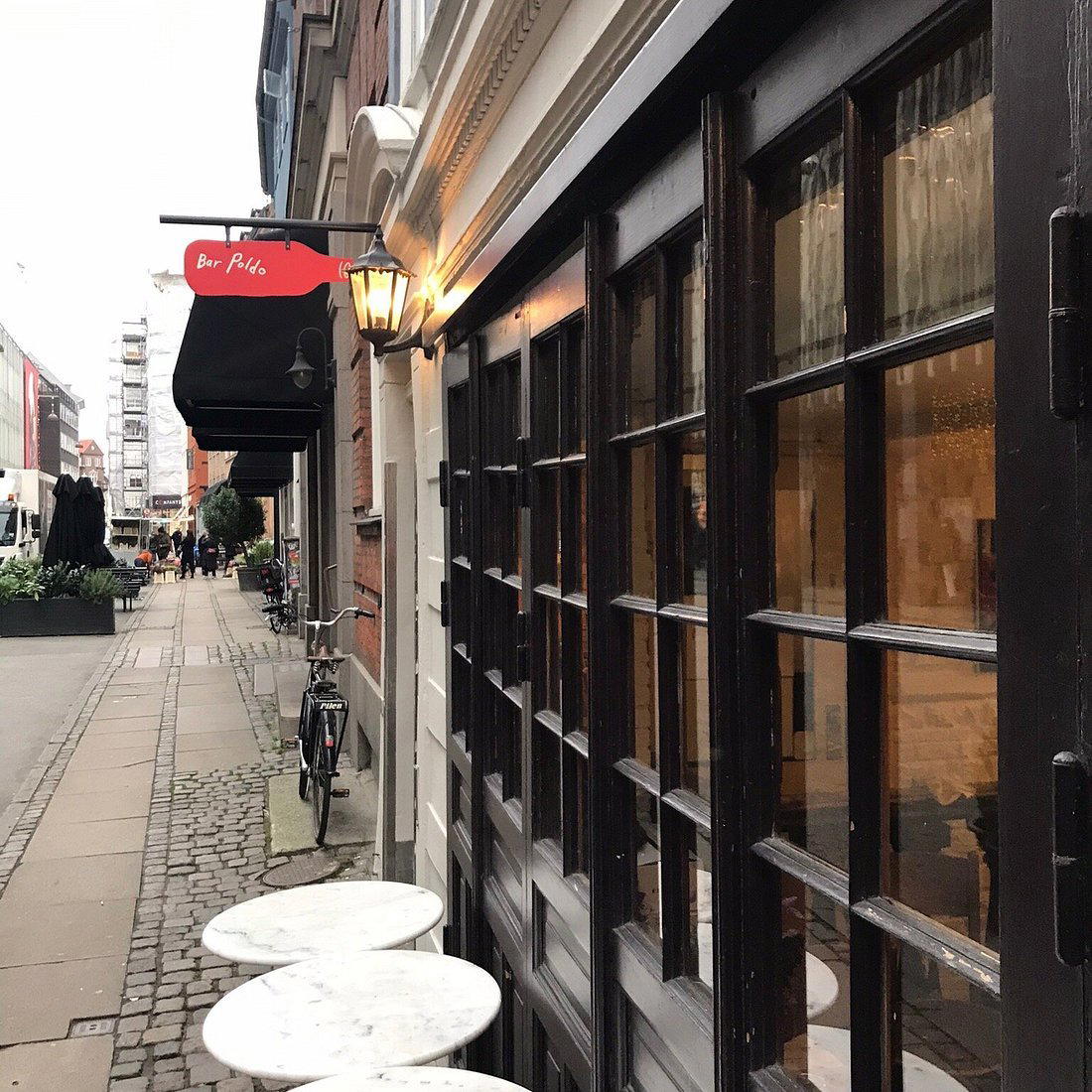
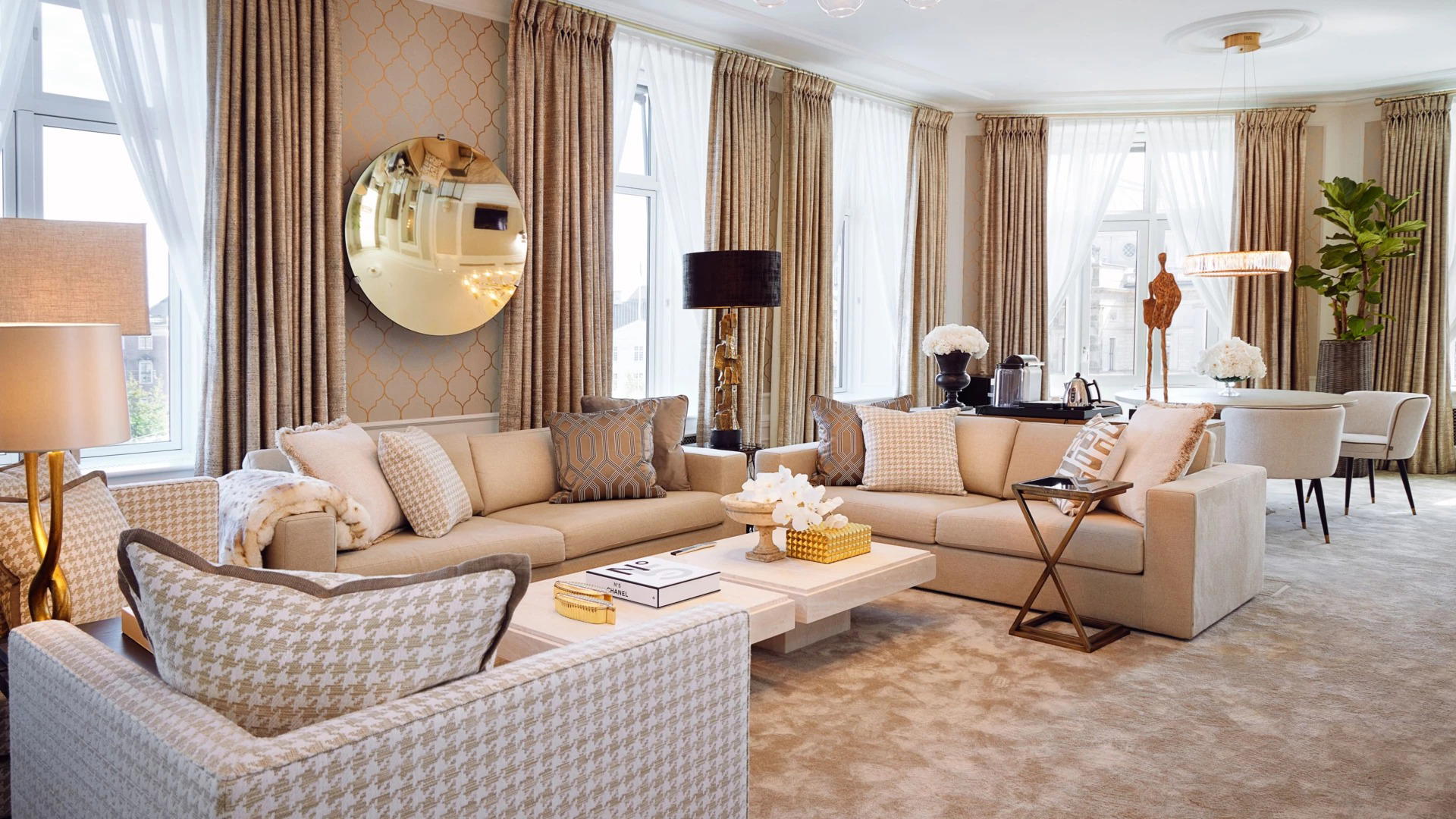
Bredgade is not a restaurant street. It is Copenhagen's gallery corridor, a quiet stretch of 18th-century townhouses between the Marble Church and the harbour, occupied by the kind of dealers who sell oil paintings and bronze casts rather than plates of food. Walking its pavement, you pass linen-curtained windows and discreet brass plaques before arriving at number 63, where Salon Copenhagen makes an argument that the two worlds belong together. The building's character does most of the introductory work: the proportions are generous, the light measured, the atmosphere closer to a private collector's rooms than to a conventional restaurant floor. You are, before you have ordered anything, already in a different register from the city's more performative dining addresses.
Copenhagen has spent two decades producing notable restaurants, from the fermentation-forward ambition of Noma to the three-Michelin-star precision of Geranium and the theatrical scale of Alchemist. That concentration of ambition at the summit of the market has a secondary effect: it creates genuine space for places that operate with a different set of priorities, where the room itself carries meaning and the meal is understood as one element inside a broader sensory programme. Salon sits in that smaller tier.
The Proposition: Art as Context, Not Decoration
The integration of gallery and restaurant at Salon is not a styling decision. Claus Christensen, who operates both functions, has built a venue where the works on the walls are properly exhibited, not simply hung to warm the atmosphere. This distinction matters more than it might initially appear. In most restaurant contexts, art is background. Here, it establishes the conceptual frame within which the cooking is presented, which shapes how a diner's attention moves through the evening. The meal does not compete with the art; the two are in conversation.
This positions Salon within a small international cohort of venues where the gallery function is genuine rather than decorative. That is an unusual orientation for a restaurant in any city, and it is the defining characteristic of the address at Bredgade 63.
Reading the Meal as a Sequence
In multi-course formats, the opening moves set expectations. A first course in a gallery-integrated space carries a different kind of pressure than in a purely gastronomic room. The visual environment has already activated a certain kind of attention before the food arrives, which means the cooking has to hold its own against an unusually prepared audience.
Copenhagen's serious dining scene has broadly moved toward tasting-menu formats at its upper end, with Koan blending New Nordic and kaiseki sequencing, and Kadeau building its progression around preserved and seasonal Nordic ingredients. The multi-course logic at Salon fits within this broader city-wide preference for meals that develop across time rather than arrive at once. The Bredgade setting adds a layer that few of those peers can replicate: the physical context changes as the light shifts through an evening, and the art on the walls reads differently by candlelight than it did at the first course.
Where It Sits in the Copenhagen Dining Picture
A city as restaurant-dense as Copenhagen rewards some mapping. The highest-profile addresses, Geranium, Noma, Alchemist, and the newer generation including Koan, operate at price points and booking pressures that require planning months in advance. Further out, Jordnær in Gentofte has built a serious Michelin reputation north of the city. Denmark's broader fine dining geography extends to Frederikshøj in Aarhus, Henne Kirkeby Kro on the Jutland coast, Alimentum in Aalborg, ARO in Odense, and Domæne in Herning. Within Copenhagen itself, Salon occupies a distinct position: it is not competing for the same diner as Alchemist or Geranium, because it is not primarily selling a technical cuisine statement. It is selling a particular kind of evening, one grounded in the intersection of visual culture and food, in a building that is specifically suited to that purpose.
Internationally, the art-and-dining hybrid has parallels at addresses like Le Bernardin in New York City and, in a different register, Emeril's in New Orleans, both of which have built institutional identities that extend beyond the plate.
Planning a Visit
Salon Copenhagen is located at Bredgade 63, 1260 København K. The address sits in the inner city's gallery district, walkable from the Marble Church and the harbour area, and accessible from the city centre without any particular logistical difficulty. Given the dual gallery-restaurant function, it is worth contacting the venue directly ahead of any visit to confirm current booking availability, seasonal programming, and whether any specific exhibitions are running alongside the dining service, as the two programmes interact. Reservations are recommended.
Comparable Venues
Comparable venues nearby, for context on price, style, and recognition.
| Venue | Cuisine | Price | Notes |
|---|---|---|---|
| Salon CopenhagenThis venue — the venue you are viewing | Classic French-Danish Fine Dining | $$$$ | Not listed |
| Amass | Modern Nordic Fine Dining | $$$$ | Indre By |
| Brasserie Post | French Brasserie | $$$ | Østerbro |
| MASH Frederiksberg | Modern American Steakhouse | $$$$ | Frederiksberg |
| Ewalds Brasserie | French Brasserie | $$ | Frederiksberg |
| Esmée | Modern French Brasserie with Nordic Twist | $$$ | Indre By |
Recognition history
Dated appearances from independent guides and award organizations, with the underlying list record or original source where available.
Star Wine List
Star Wine List
Continue exploring
More in Copenhagen
Restaurants in Copenhagen
Browse all →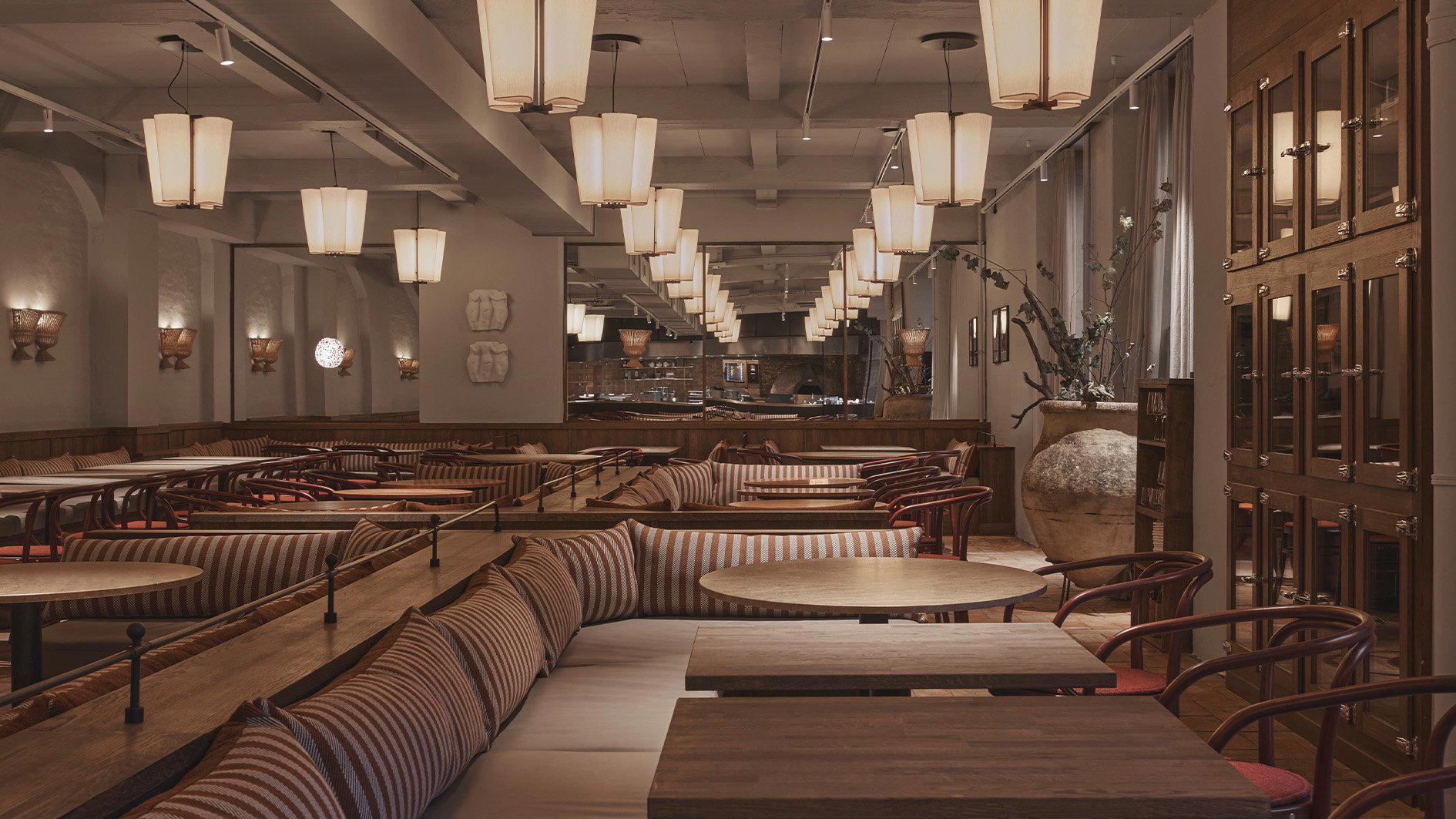
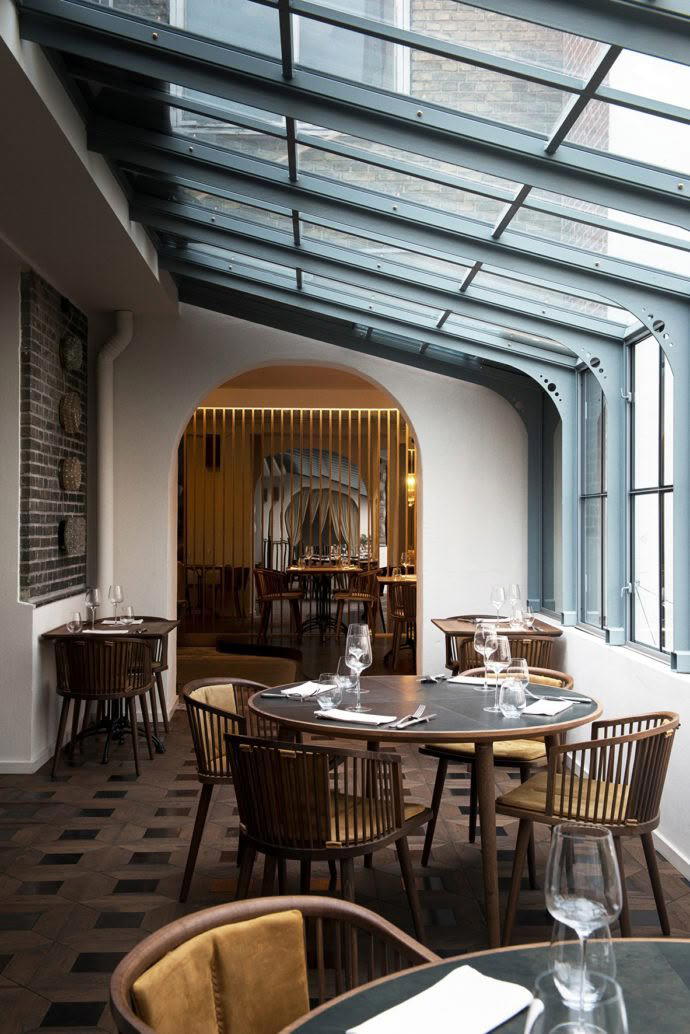
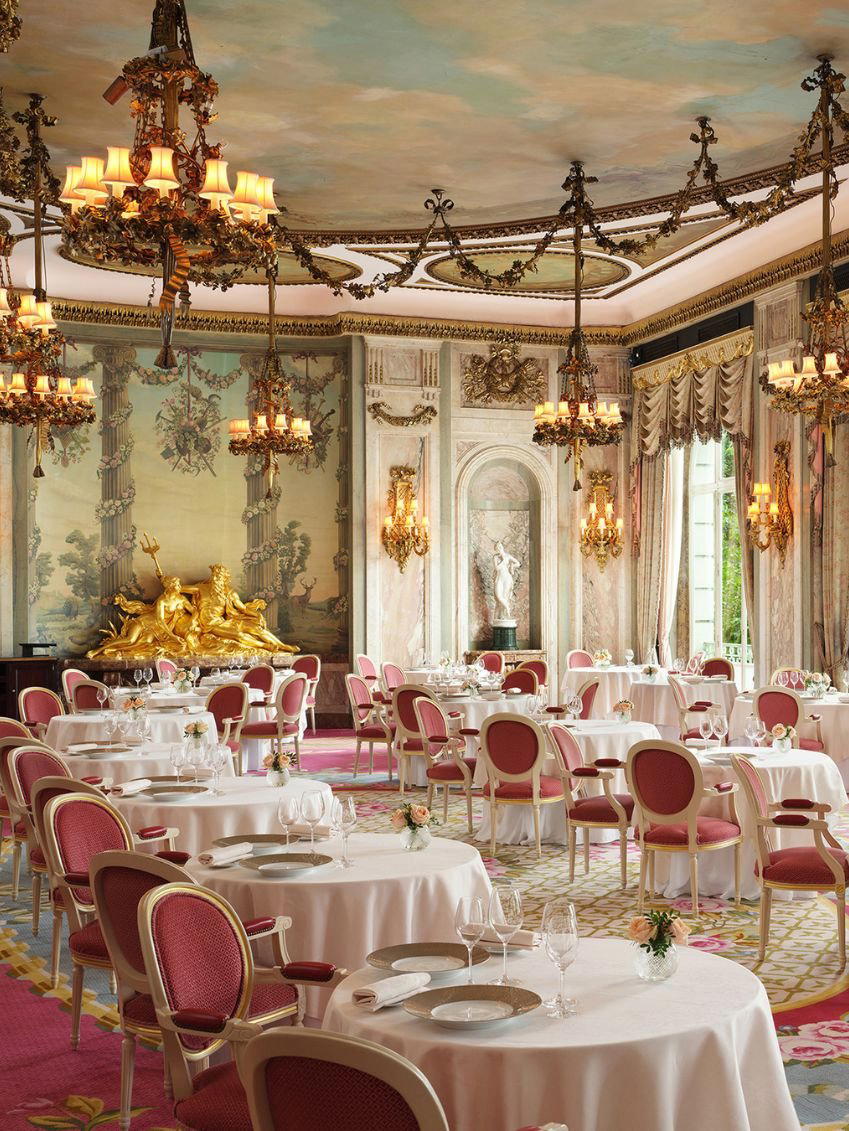
Bars in Copenhagen
Browse all →
At a Glance
- Elegant
- Sophisticated
- Classic
- Intimate
- Business Dinner
- Date Night
- Special Occasion
- Celebration
- Private Dining
- Open Kitchen
- Extensive Wine List
- Street Scene
Current opening hours
- Monday
- 12 PM–12 AM
- Tuesday
- 12 PM–12 AM
- Wednesday
- 12 PM–12 AM
- Thursday
- 12 PM–12 AM
- Friday
- 12 PM–12 AM
- Saturday
- 12 PM–12 AM
- Sunday
- Closed
Hours can change for holidays and private events. Last verified .
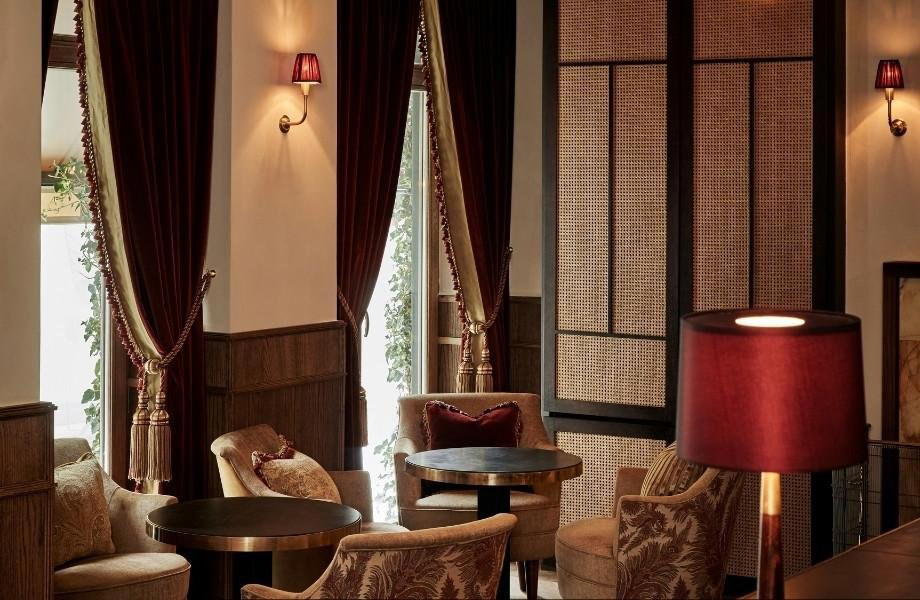
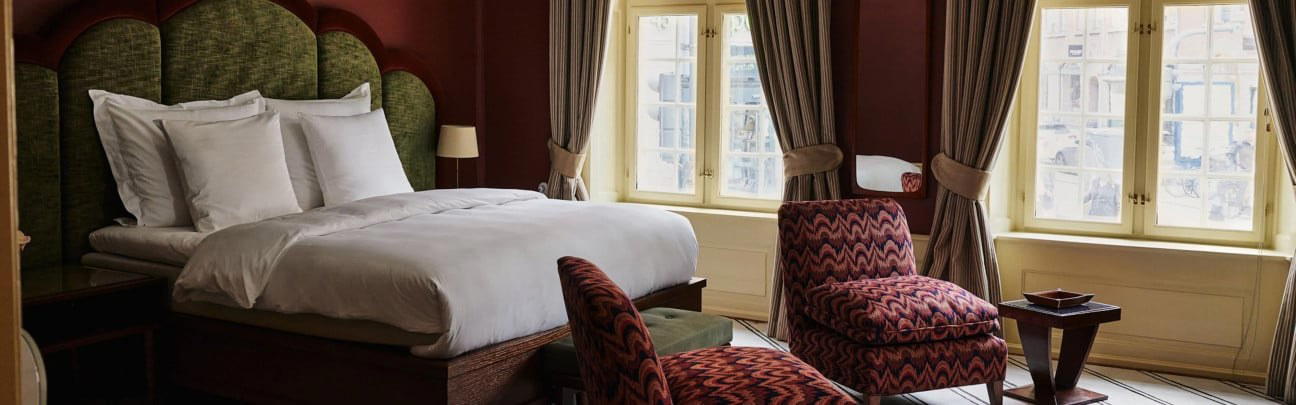
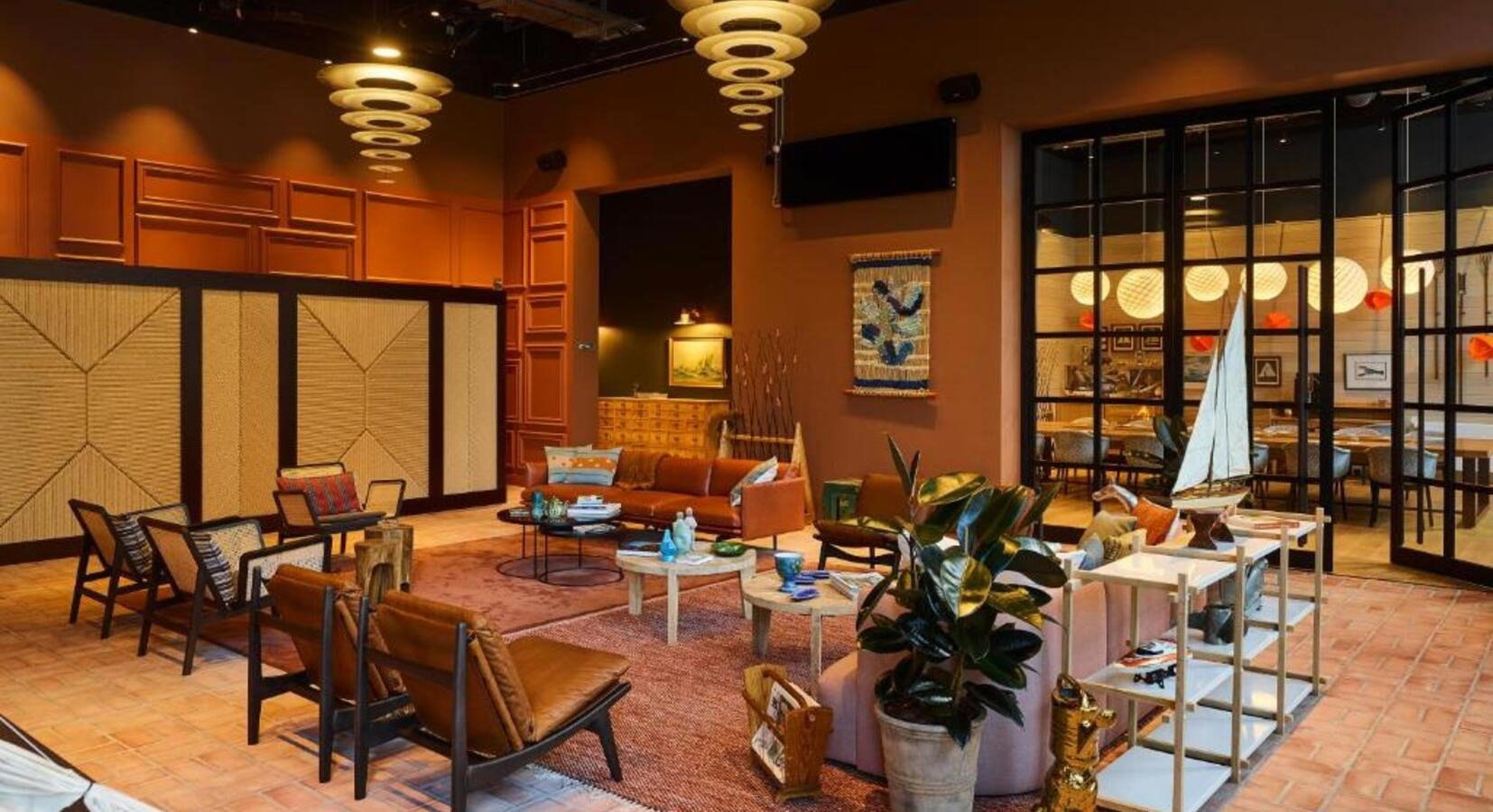
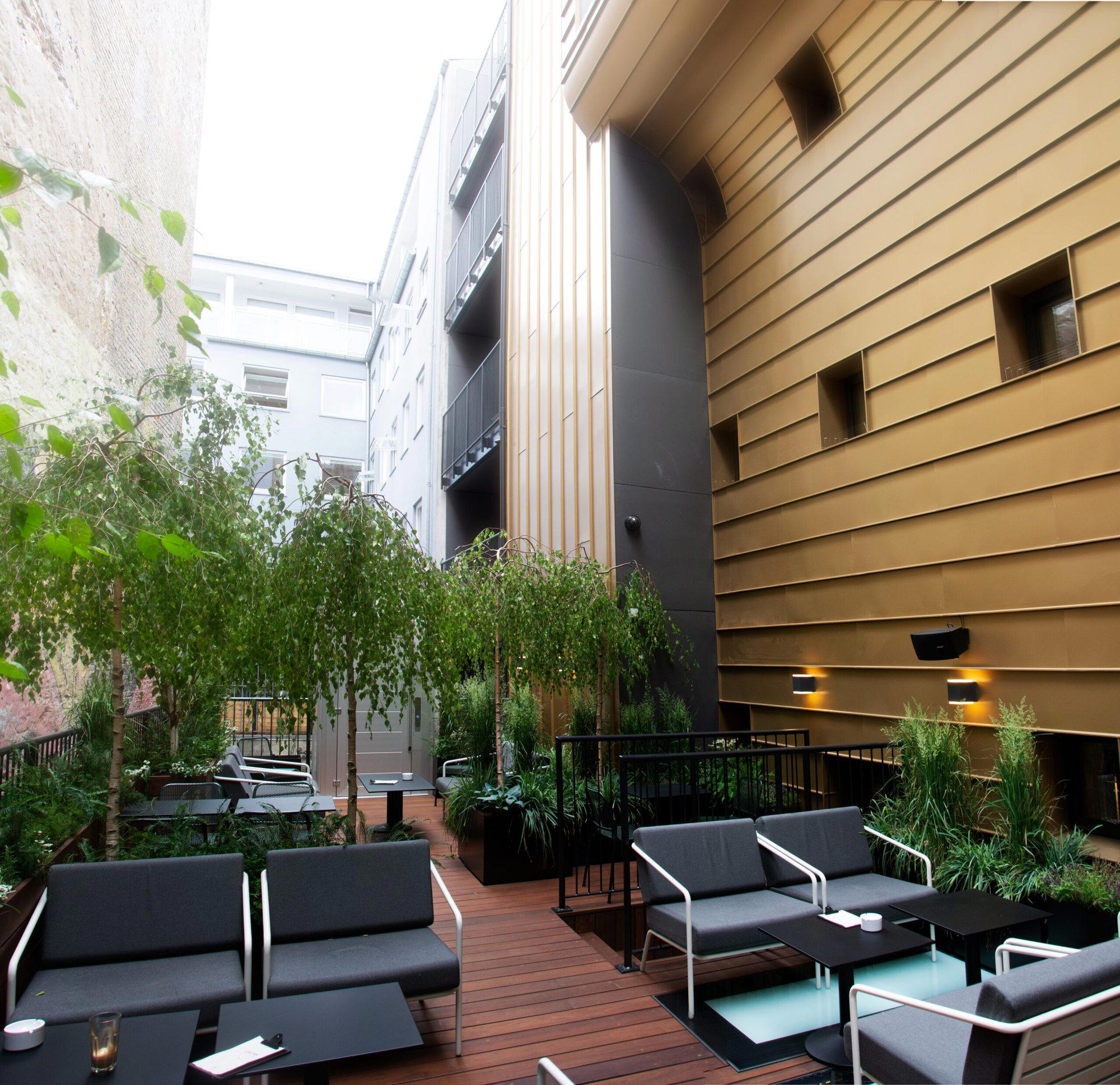
Timeless understated luxury with candlelight, Danish artworks on walls, and a warm, conversational atmosphere.