

A Michelin-starred tasting menu restaurant on Via Roma in Saronno, sui generis. operates a single surprise menu format where chef Alfio Nicolosi draws on Italian culinary tradition alongside pronounced Asian and South American influences. The open-view kitchen and pre-booking allergy consultation signal a format built around precision and personalisation, sitting comfortably in Italy's top tier of creative fine dining at the €€€€ price point.
Pearl is the En Primeur Club membership app — saves, bookings, and concierge access live there. Same editors, same standards.
- Address
- Via Roma, 35, 21047 Saronno VA, Italy
- Phone
- +39 375 668 1925
- Website
- ristorantesuigeneris.com
- Directions
- Get directions
 Saves & bookings on Pearl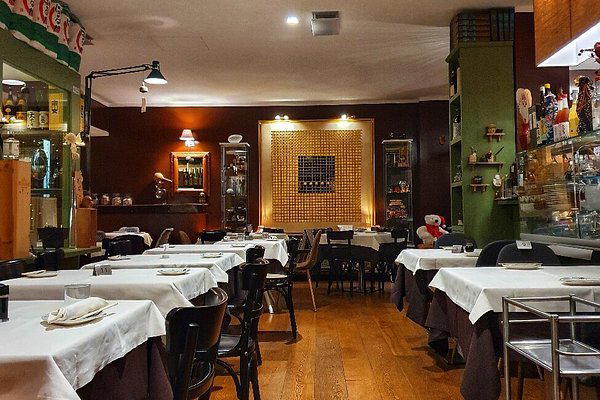
Where Saronno Sits in Italy's Creative Fine Dining Map
Italy's Michelin-starred creative dining scene has long clustered around its major gastronomic capitals: Modena, where Osteria Francescana redefined progressive Italian cooking; Milan, where Enrico Bartolini operates across multiple formats; and Alba, home to Piazza Duomo. The province of Lombardy carries serious culinary weight within that hierarchy, but much of its recognition pools around Milan itself. Saronno, a compact industrial town roughly 25 kilometres north of Milan in the Varese province, does not typically figure in conversations about destination fine dining. That is precisely the context that makes the Michelin star awarded to sui generis. in 2024 worth paying attention to. Located in Saronno, Italy, sui generis. holds one Michelin star and is priced at about $165 per person. A single star in a location outside the established circuit is not a consolation prize; it is a signal that something is happening that the guides feel compelled to document.
The Room and What It Tells You Immediately
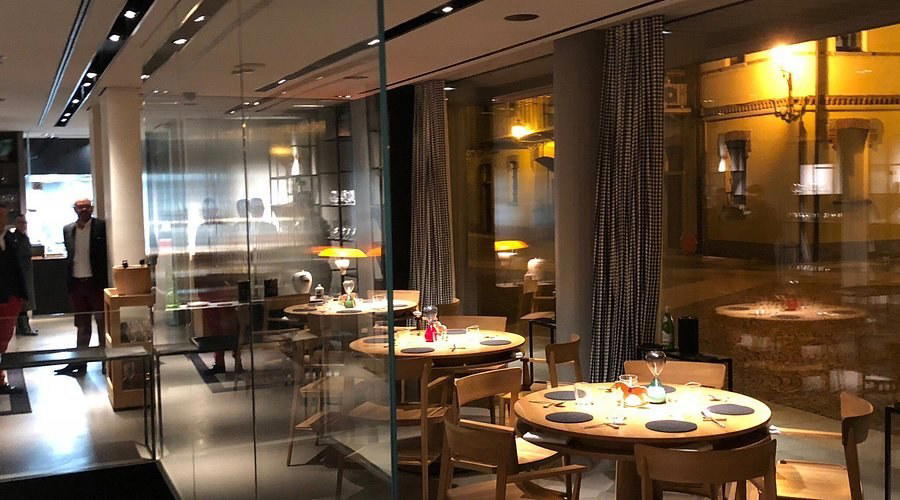
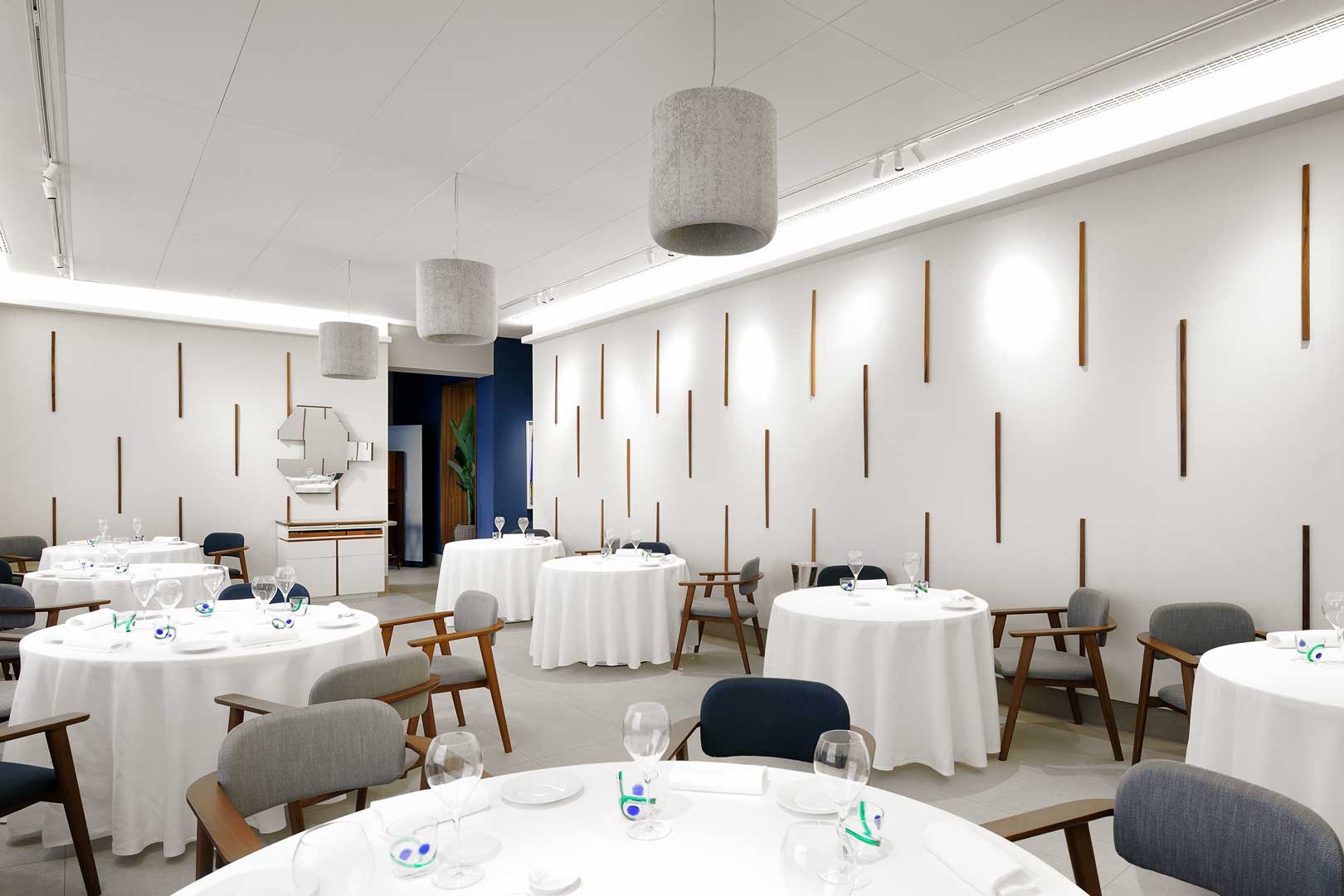
The address, Via Roma, 35, places sui generis. on Saronno's main civic artery, a location that is more workaday than romantic. There is no theatrical approach, no dramatic architecture preparing you for what is inside. The dining room is modern and uncluttered, and its defining physical feature is the open-view kitchen, where chef Alfio Nicolosi and his team work in visible proximity to the tables. This format is now common enough across European fine dining to be unremarkable, but the way it functions here matters: it collapses the distance between kitchen craft and table experience in a room small enough that the connection is genuine rather than theatrical. The front-of-house team operates with a warmth that the Michelin record specifically notes, and that informality reads as intentional rather than accidental, a counter-signal to the stiffness that still haunts some Italian fine dining rooms at this price tier.
The €€€€ positioning places sui generis. in the same bracket as Dal Pescatore in Runate, Le Calandre in Rubano, and Uliassi in Senigallia, all of which operate outside city centres and built their reputations on destination-specific merit. The precedent for serious cooking in unexpected Italian postcodes is well established.
A Single Menu, Calibrated Before You Arrive
Format at the restaurant is fixed: one surprise tasting menu, no alternatives. This is not unusual at the starred level, many of Italy's most discussed creative tables, including Reale in Castel di Sangro and Atelier Moessmer Norbert Niederkofler in Brunico, operate in comparable single-menu structures. What distinguishes the approach here is the pre-booking consultation: guests are asked at the point of reservation about allergies, intolerances, and disliked ingredients. The menu is then built around those parameters.
This matters more than it might appear. A surprise tasting menu without prior consultation places the kitchen's expression above the guest's comfort; the pre-booking dialogue inverts that, making personalisation the structural premise rather than an accommodation. The result is that what arrives at the table is, in a meaningful sense, already calibrated to the person eating it.
Where the Ingredients Come From, and Why the Kitchen's Range Matters
The Michelin record for the restaurant identifies the cuisine as drawing on Italian culinary traditions alongside strong Asian and South American influences. In the context of ingredient sourcing and menu construction, this cross-referencing is more consequential than it first sounds. A kitchen that genuinely works across those traditions is not simply adding flavour variety; it is sourcing and handling ingredients that Italian fine dining supply chains were not built to optimise. The disciplines are different: fermentation timings differ, protein textures are treated differently across Japanese, Korean, and South American grill traditions, and the produce itself varies in ripeness expectation and preparation method.
Grill work of this kind, when it appears in a fine dining context, typically signals familiarity with live-fire traditions from multiple culinary cultures, traditions where ingredient quality is exposed rather than concealed by sauce or transformation. Street food influences in a tasting menu format also tend to compress flavour delivery: dishes are built for intensity rather than accumulation, which changes the pace of a meal. These are not surface aesthetic choices; they are structural decisions about how the sourced material is treated and what it is asked to do.
Italy's leading creative kitchens, among them Enoteca Pinchiorri in Florence and Quattro Passi in Marina del Cantone, have historically grounded their menus in Italian regional produce, with international influence serving as accent rather than architecture. The restaurant appears to operate differently, treating the cross-cultural sourcing as a primary building block rather than a secondary layer. That is a genuine editorial distinction within the Italian fine dining comparable set.
For comparison outside Italy, the approach has points of contact with creative fine dining programmes like Alléno Paris au Pavillon Ledoyen in Paris and JAN in Munich, both of which operate with broad cross-cultural ingredient references at the leading price tier. The distinction at the restaurant is the scale: this is a single kitchen in a mid-size Lombard town achieving a level of technical range that those comparisons contextualise rather than dwarf.
Who This Works For, and the Honest Caveats
The single-menu format requires genuine commitment from the diner. There is no fallback option, no à la carte hedge, and the surprise element means you are agreeing to be directed rather than choosing your path. For guests who find constraint freeing rather than limiting, this is the appeal. For those who need to control what they eat beyond allergy management, it is a material consideration.
The venue's position in Saronno also requires a deliberate journey from Milan. For Milanese diners, that 25-kilometre distance means either a direct train connection or a car, which affects the evening's rhythm. The commitment required, logistical as much as financial, is consistent with the destination fine dining model that venues like Casa Perbellini 12 Apostoli in Verona have built their audiences around. The journey itself becomes part of the decision to take the meal seriously.
On the family question: the personalised menu structure and single-sitting format place this firmly in the adult special occasion tier. For couples, small groups, or solo diners with genuine appetite for the format, the Michelin recognition and the consistently high guest rating indicate a kitchen that is delivering on its premise with regularity.
The Practical Framing
The restaurant operates at Via Roma, 35 in Saronno, in the Varese province of Lombardy. The €€€€ price tier and the single tasting menu format mean this is not a casual drop-in venue; it requires forward booking and the pre-arrival consultation that the kitchen uses to calibrate the menu.
Quick Comparison
Comparable venues nearby, for context on price, style, and recognition.
| Venue | Cuisine | Price | Awards | Notes |
|---|---|---|---|---|
| sui generis.This venue — the venue you are viewing | Modern Italian Omakase with Global Influences | $$$$ | Michelin 1 Star | Not listed |
| Il Cantinone e Sport Hotel Alpina | Contemporary Alpine | $$$$ | Michelin 1 Star | Madesimo |
| FRE | Modern Piedmontese Fine Dining | $$$$ | Michelin 1 Star | Monforte d'Alba |
| Vescovado | Modern Ligurian Fine Dining | $$$$ | Michelin 1 Star | Noli |
| Grow Restaurant | Modern Italian Creative Fine Dining | $$$$ | Michelin 1 Star | Albiate |
| Kitchen | Creative Modern Italian | $$$$ | Michelin 1 Star | Tavernola |
Recognition history
Dated appearances from independent guides and award organizations, with the underlying list record or original source where available.
Michelin 1 Star
Michelin
Opinionated About Dining Top Restaurants in Europe Recommended
Opinionated About Dining
Opinionated About Dining Newly Added European Restaurants
Opinionated About Dining
Michelin 1 Star
Michelin
Michelin 1 Star
Michelin
Continue exploring
More in Saronno
Restaurants in Saronno
Browse all →
Bars in Saronno
Browse all →
Hotels in Saronno
Browse all →
At a Glance
- Elegant
- Modern
- Intimate
- Sophisticated
- Minimalist
- Date Night
- Special Occasion
- Celebration
- Open Kitchen
- Chefs Counter
- Sommelier Led
- Zero Proof
- Local Sourcing
Current opening hours
- Monday
- 7:30–10:30 PM
- Tuesday
- 7:30–10:30 PM
- Wednesday
- 7:30–10:30 PM
- Thursday
- 7:30–10:30 PM
- Friday
- 7:30–10:30 PM
- Saturday
- 7:30–10:30 PM
- Sunday
- Closed
Hours can change for holidays and private events. Last verified .
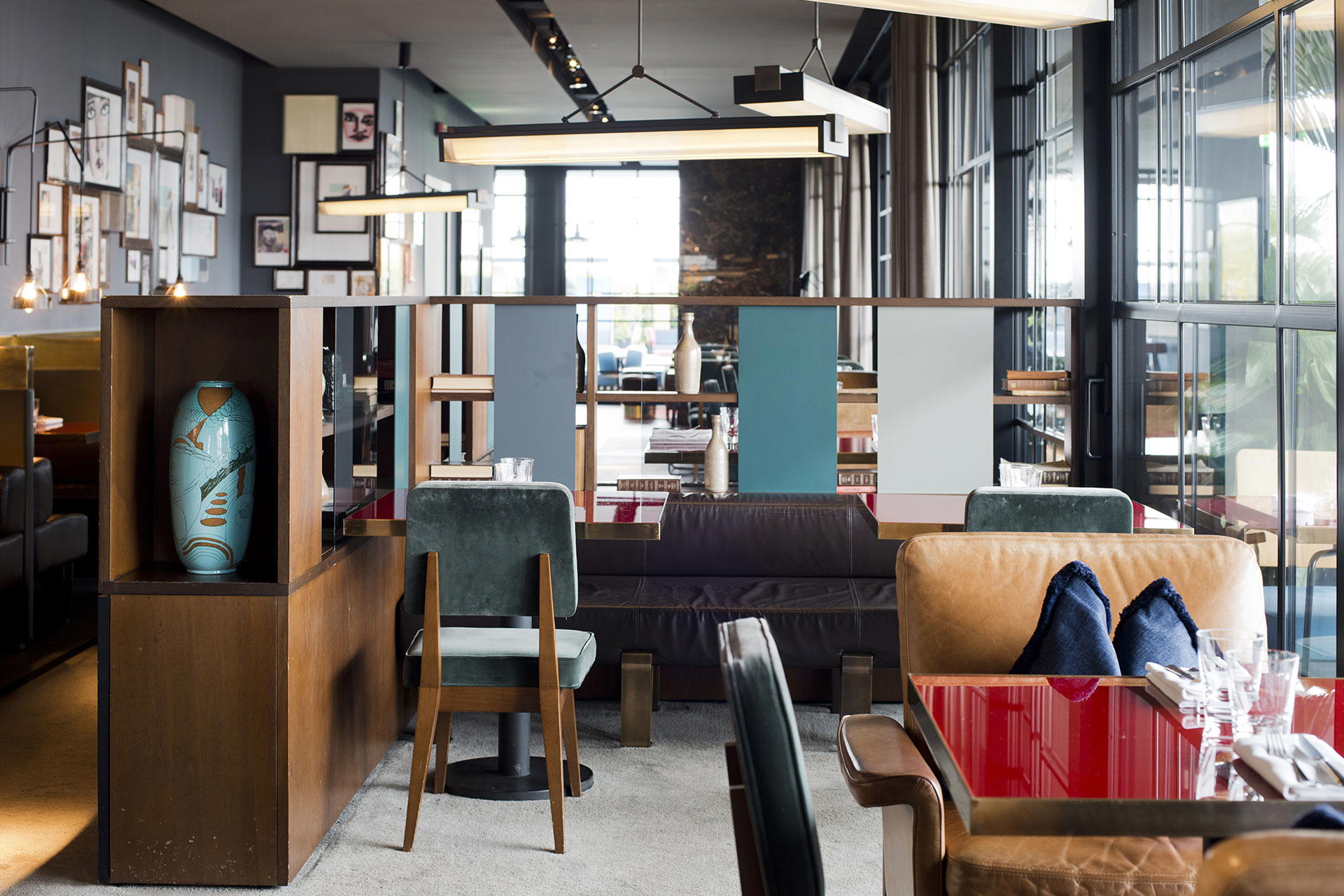
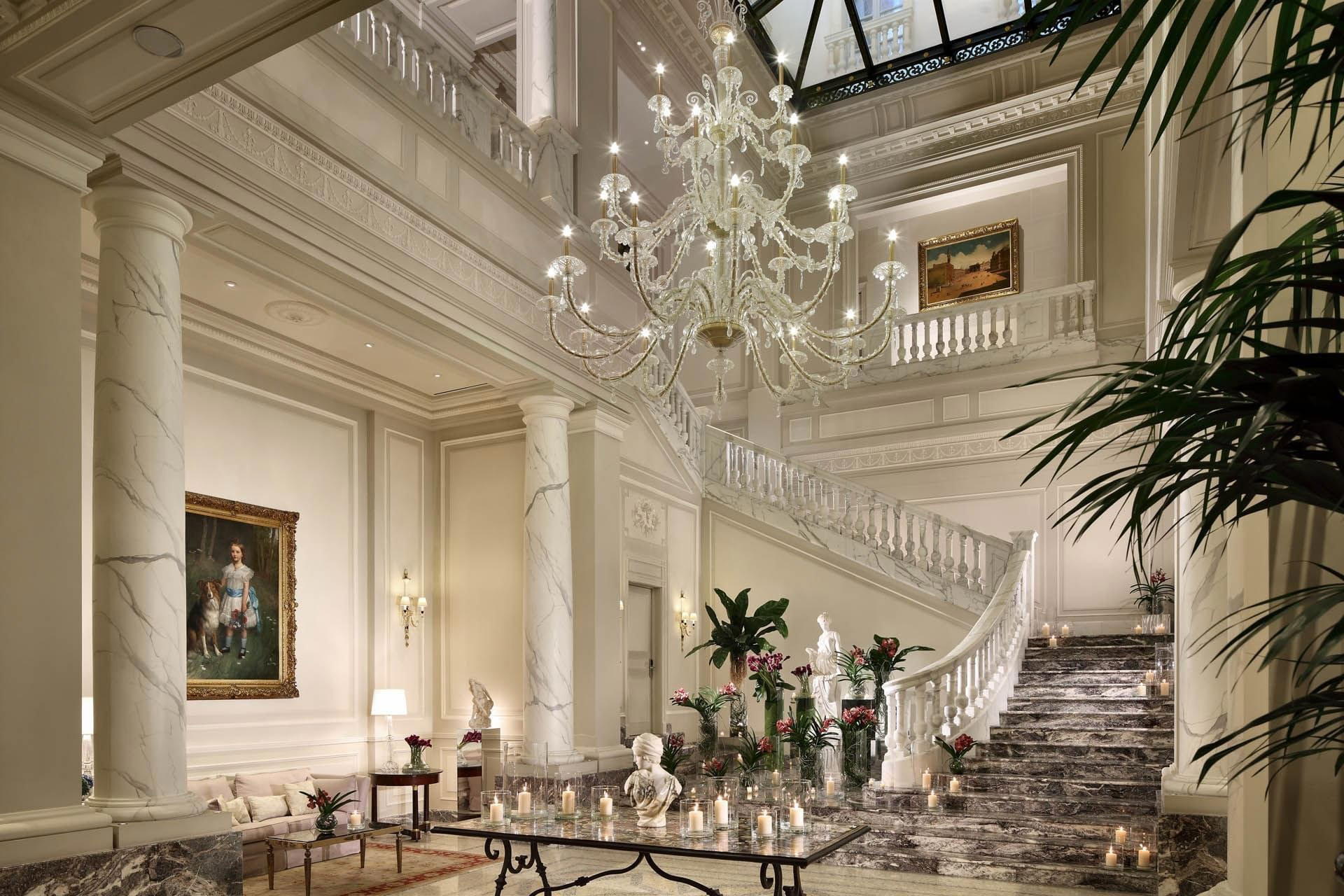
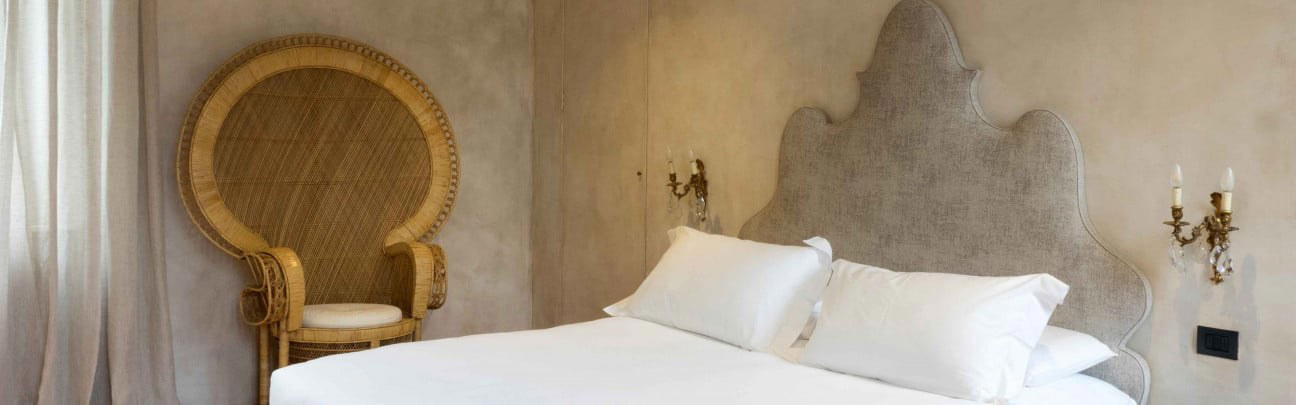
Modern minimal dining room with refined, warm lighting and carefully spaced tables; natural materials and delicate, imperceptible scents create a welcoming yet sophisticated atmosphere that allows the food to be the focal point.