Sugoi Caribbean Sushi
Sugoi Caribbean Sushi occupies a distinctive position in Panama City's dining scene, merging Japanese sushi technique with Caribbean coastal ingredients at the PB Hotel Principe in the city's Marbella corridor. The format sits within a growing regional trend of fusion counters that treat local Pacific and Caribbean seafood as the primary canvas. Practical details remain sparse, making an advance call to the hotel one reliable path to a confirmed table.
Pearl is the En Primeur Club membership app — saves, bookings, and concierge access live there. Same editors, same standards.
- Address
- PB Hotel Principe, C. Alberto Navarro, Panamá, Provincia de Panamá, Panama
- Phone
- +5072091899
- Website
- sugoipty.com
- Directions
- Get directions
 Saves & bookings on Pearl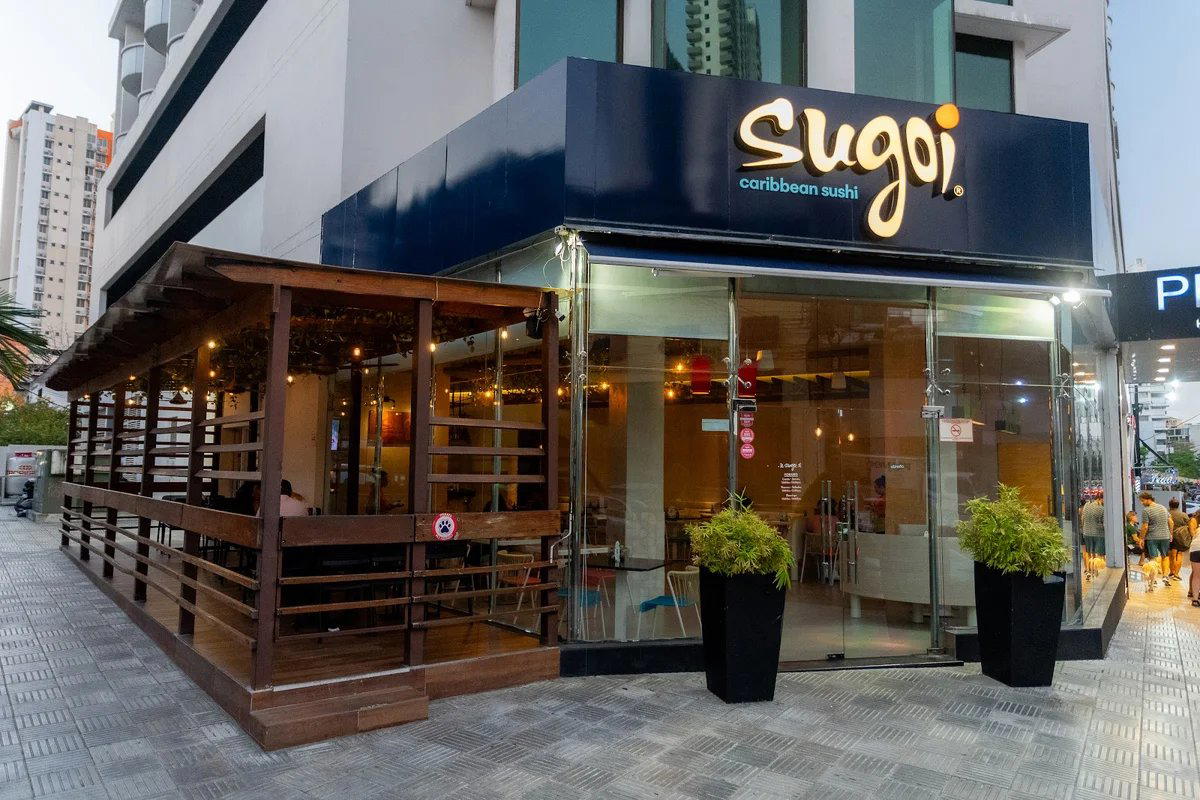
Where Pacific Technique Meets Caribbean Pantry
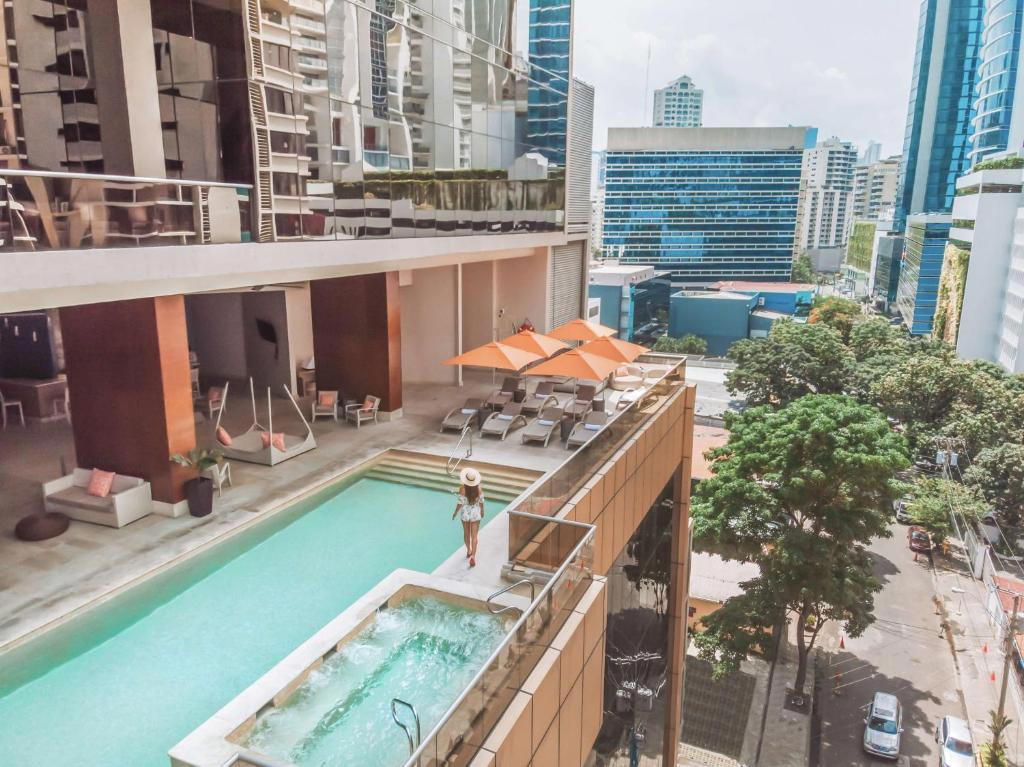
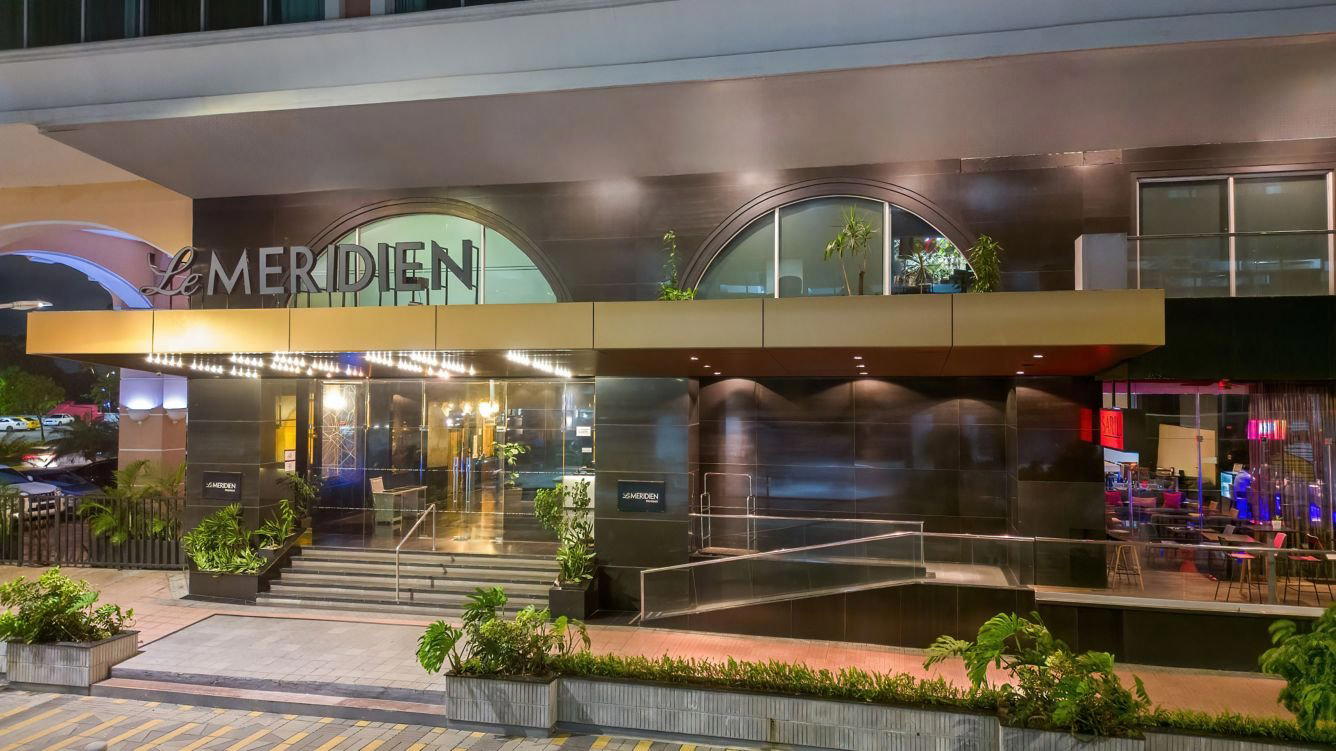
Sugoi Caribbean Sushi is a Panama City restaurant in Marbella, located inside PB Hotel Principe, serving Caribbean Sushi Fusion at a price tier around $25 per person. Le Bernardin in New York City or 8 1/2 Otto e Mezzo Bombana in Hong Kong, and toward a more grounded, locally inflected approach that treats Panamanian biodiversity as a culinary premise in itself. Sugoi Caribbean Sushi operates in the space between those two poles. It sits inside the PB Hotel Principe on Calle Alberto Navarro in Marbella, a neighbourhood that has gradually concentrated much of the city's higher-end restaurant activity, and it presents what the name makes explicit: a counter format built around the structural vocabulary of Japanese sushi applied to Caribbean and Pacific ingredients. That conceptual position is less niche than it might appear. Panama's geography places it at the intersection of two oceans and two continents, and its seafood supply reflects that duality in ways that a format borrowed from Japan is, well-suited to explore.
The Fusion Counter as a Panama City Format
Fusion in the sushi context has a complicated reputation globally, ranging from the kind of technically serious cross-cultural work found at counters like Atomix in New York City to tourist-facing rolls that use the word loosely. The more interesting question in Panama City is what the Caribbean sushi format actually does with local supply. Panama's Azuero coast, the Caribbean littoral around Bocas del Toro, and the Pacific waters off Coiba together yield species that appear on few menus outside the region. When those ingredients are treated with the aging, temperature management, and knife discipline that define serious Japanese technique, the result belongs to a different category than novelty fusion. The format description positions it in that aspirational bracket rather than the tourist-roll tier. For context, Panama City already supports a range of approaches to Japanese-influenced dining: Umi Restaurante Bar Izakaya reads its Japanese reference through an izakaya lens, while Sugoi makes the Caribbean integration its explicit structural premise.
What the Wine Angle Tells You About a Venue's Ambitions
At a counter-format restaurant inside a hotel, the wine and beverage program is frequently the reliable proxy for how seriously a kitchen takes its positioning. Hotel restaurants operating at the premium tier in Latin America have historically offered wine lists that skew toward familiar international labels and accessible price points, prioritising the hotel guest's comfort zone. The more ambitious end of the regional market, however, has shifted. Venues like Maito, which has become a reference point for serious Panamanian dining, have demonstrated that local and regional audiences will engage with a more curated cellar if the food program earns that conversation. For a Caribbean sushi counter, the interesting wine pairing territory is genuinely complex: the brightness of tropical citrus, the fat of Pacific tuna or corvina, the mineral quality of Caribbean shellfish all pull the pairing logic toward wines with high acidity and low intervention, whether that means white Burgundy, Riesling, sake, or the kind of natural Jura or Chenin that has become a shorthand for kitchen seriousness at counters from Lazy Bear in San Francisco to Alain Ducasse's Louis XV in Monte Carlo. At a venue of this format and positioning, the wine list is where you learn whether the kitchen is having a serious conversation or a decorative one.
Panama City's Hotel Restaurant Moment
The hotel restaurant remains a viable format in Panama City, where international and mid-to-upper tier hotels create audiences for embedded dining concepts. The PB Hotel Principe address gives Sugoi a footfall base that a standalone restaurant in the same neighbourhood might take years to build, but it also places it in a competitive context where the comparison set includes not just other city restaurants but the dining expectations carried by international hotel guests. That dual audience, local regulars and transient hotel guests, is one the more interesting Panama City venues have learned to manage without compromising the kitchen's direction. BRIO Brasserie occupies a comparable structural position in the city's hotel restaurant tier. Further afield in Panama's coastal dining scene, Receta Michilá in Isla Carenero demonstrates how seriously regional seafood can be treated when the kitchen has genuine conviction about its source material.
Reading the Scene Around Marbella
The Marbella and El Cangrejo corridor has become Panama City's most concentrated zone for restaurants operating above the casual tier. The neighbourhood's restaurant density is high enough that a counter-format venue must work harder on format discipline and ingredient sourcing to register as a distinct proposition rather than another entry in a crowded mid-premium bracket. Venues like Caleta and Atope occupy parts of that premium-to-creative spectrum, and the broader Panama City dining picture is mapped in our full Panama City restaurants guide. For diners coming from neighbourhoods further out, Los Tarascos Mexicanos in El Carmen offers a contrasting value proposition, illustrating how the city's restaurant geography spreads across distinct price and format tiers.
Planning a Visit
Sugoi Caribbean Sushi's address at the PB Hotel Principe on Calle Alberto Navarro in Marbella makes it direct to locate within the hotel's ground-floor or lobby-level restaurant space, as is standard for the property type. No direct booking link or phone number is publicly indexed for the restaurant independently of the hotel, so one reliable approach is to contact the PB Hotel Principe directly to confirm current hours, table availability, and any set-menu or counter-format requirements. Given the hotel-embedded format, walk-in availability may depend significantly on occupancy patterns, and advance contact is advisable, particularly on weekend evenings when Marbella's restaurant corridor operates at peak capacity.
How It Stacks Up
Comparable venues nearby, for context on price, style, and recognition.
| Venue | Cuisine | Price | Notes |
|---|---|---|---|
| Sugoi Caribbean SushiThis venue — the venue you are viewing | Caribbean Sushi Fusion | $$ | Not listed |
| El Trapiche | Traditional Panamanian | $$ | Vía Argentina |
| Intimo | Modern Panamanian Fusion | $$$ | San Francisco |
| Casa Alejandro Restaurante | Authentic Spanish | $$ | Bella Vista |
| Maito Restaurante | Modern Panamanian Fusion (Chombasia) | $$$ | Coco del Mar |
| Lung Fung | Authentic Cantonese Dim Sum | $$ | Las Angles |
Continue exploring
More in Panama City
Restaurants in Panama City
Browse all →
Bars in Panama City
Browse all →
At a Glance
- Trendy
- Modern
- Lively
- Casual Hangout
- Date Night
- Group Dining
- Open Kitchen
Current opening hours
- Monday
- 11:30 AM–10 PM
- Tuesday
- 11:30 AM–10 PM
- Wednesday
- 11:30 AM–10 PM
- Thursday
- 11:30 AM–10 PM
- Friday
- 11:30 AM–11 PM
- Saturday
- 11:30 AM–11 PM
- Sunday
- 11:30 AM–10 PM
Hours can change for holidays and private events. Last verified .
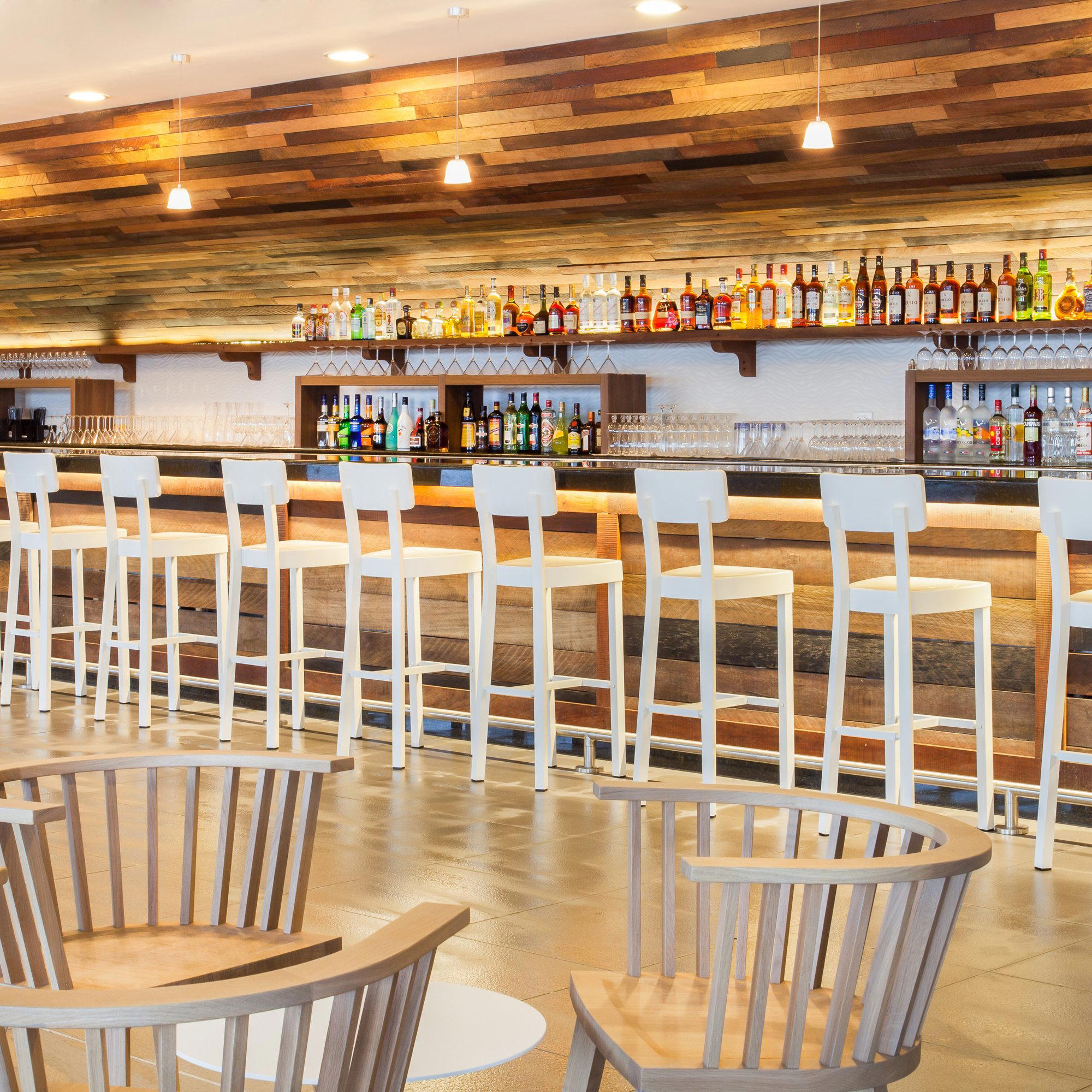
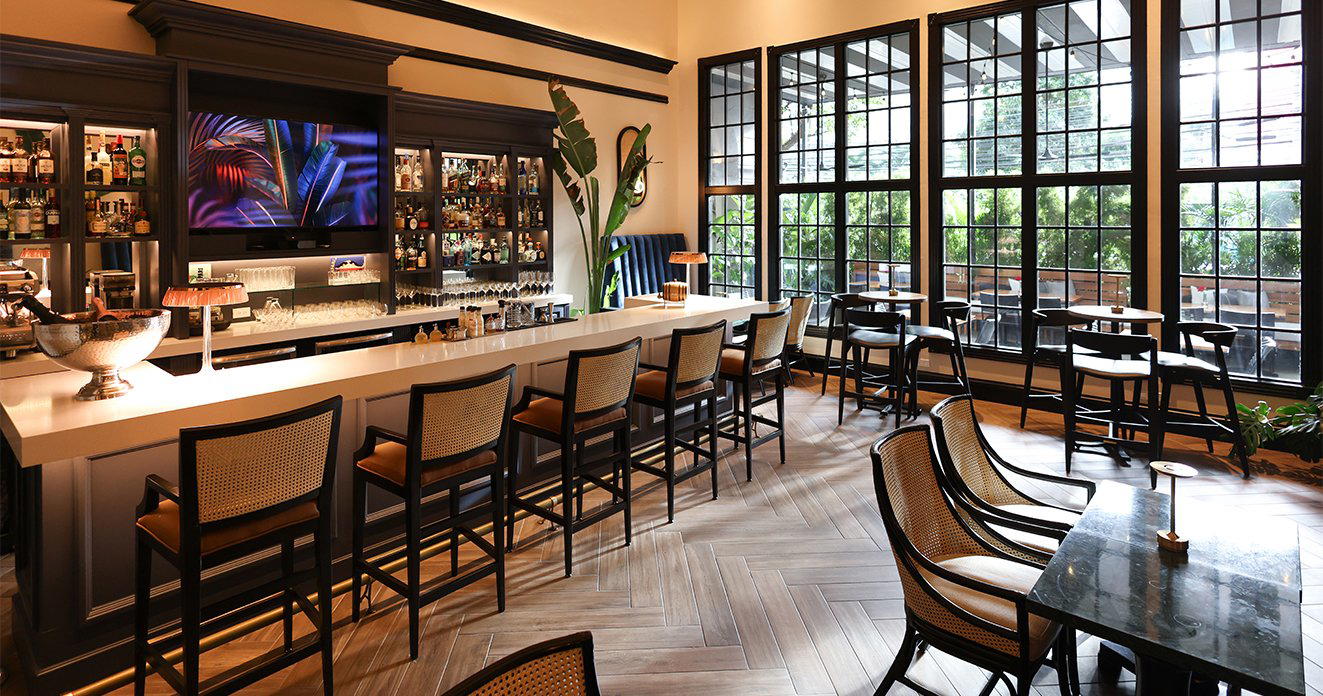
Casual and trendy atmosphere with friendly service in a lively neighborhood setting.