Lung Fung
Lung Fung serves Authentic Cantonese Dim Sum at Palacio Lung Fung on Av. 7aC Norte, with Har Gow, Siu Mai, Peking Duck and Roast Pork for breakfast or brunch.
Pearl is the En Primeur Club membership app — saves, bookings, and concierge access live there. Same editors, same standards.
- Address
- Av. 7aC Norte &, Av de los Periodistas (Cl 62C N), Ciudad de Panamá, Panamá
- Website
- palaciolungfung.com
- Directions
- Get directions
 Saves & bookings on Pearl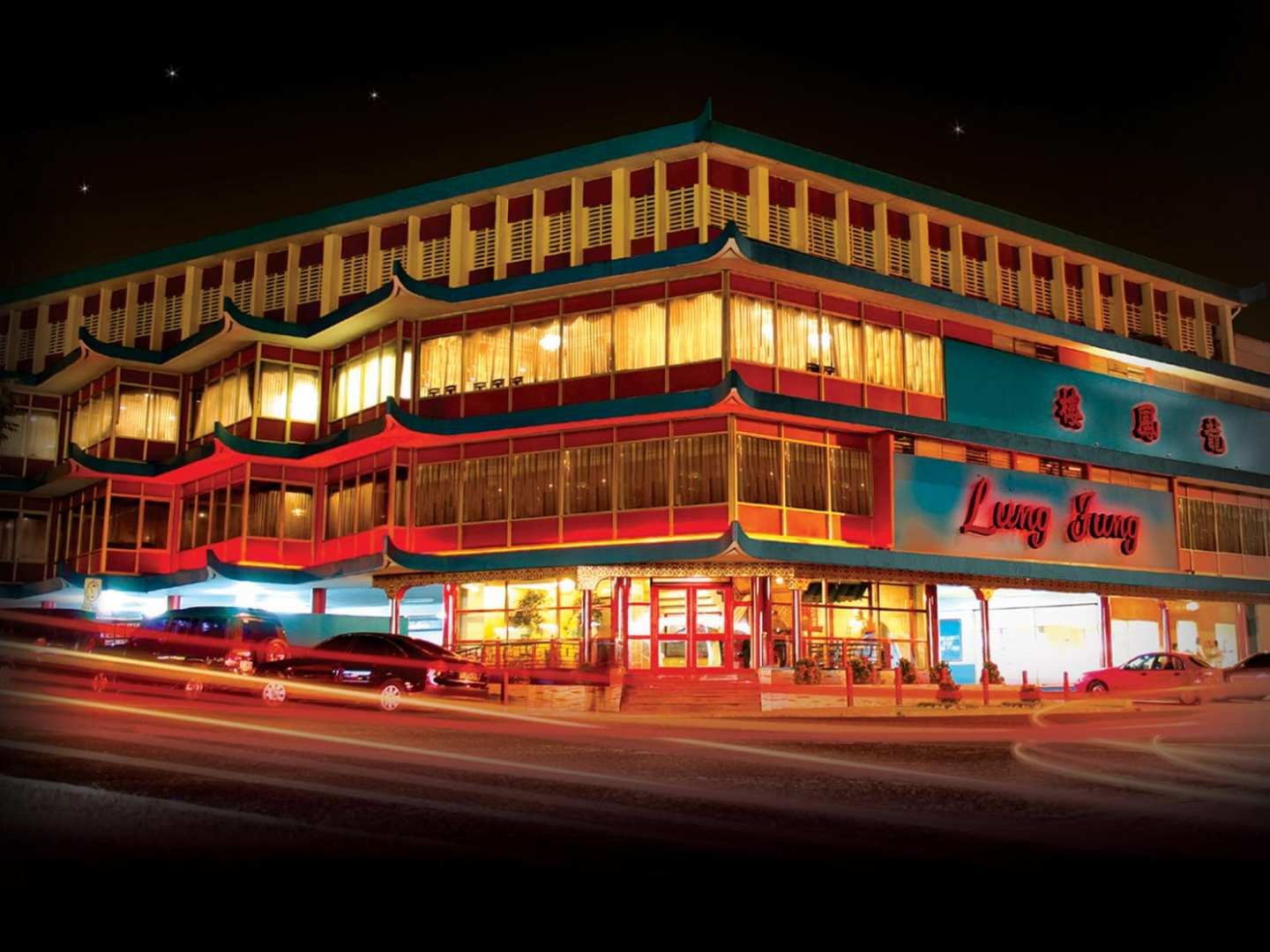
Chinese Cooking in Panama City: Where Cantonese Tradition Meets a Canal City Palate
Panama City's relationship with Chinese cuisine runs deeper than most visitors expect. The Cantonese community arrived in significant numbers during the construction of the Panama Railroad in the 1850s and again during the Canal excavation decades later, making Panama one of Latin America's earliest and most established Chinese diaspora settlements. That history produced a local adaptation of Cantonese cooking known as chifa, a term shared with Peru, where similar migration patterns created a parallel culinary tradition. Lung Fung, on Avenida 7aC Norte at the corner of Avenida de los Periodistas in what locals call the Calidonia district, sits inside this longer story rather than outside it.
Reading the Menu as a Map
In restaurants shaped by diaspora cooking, the menu is rarely just a list of dishes. It functions as a record of negotiation: what the original community brought, what local ingredients and tastes demanded, and what subsequent generations chose to keep or discard. Cantonese-Panamanian menus typically span a wider range than their Hong Kong counterparts, folding in rice preparations, noodle dishes, and stir-fries adapted to locally available proteins, alongside more orthodox dim sum formats where those traditions have been maintained.
At Lung Fung, the address itself signals something about the intended audience. The Calidonia district is not a tourist corridor. It is a working residential and commercial neighborhood where Chinese-Panamanian families have operated businesses for generations. Restaurants in this part of the city tend to price against local expectations rather than hotel-zone visitors, and their menus reflect the preferences of regulars who have eaten this food across multiple decades. That context matters when interpreting what you find on the page: dishes that have survived this long in this neighborhood have done so on merit with a demanding and knowledgeable local clientele.
The structural logic of Chinese-Panamanian menus in establishments like this one generally divides into cold appetizers and soups, a broad stir-fry section, dedicated seafood preparations, rice and noodle bases, and a roast meat category that reflects classic Cantonese barbecue influence. The presence or absence of a dim sum section usually indicates whether the kitchen runs a breakfast and lunch service distinct from the dinner format. Chifa restaurants that have maintained both service styles tend to carry larger menus with more internal variety than those that have consolidated around a single daypart.
The Neighborhood and What It Tells You
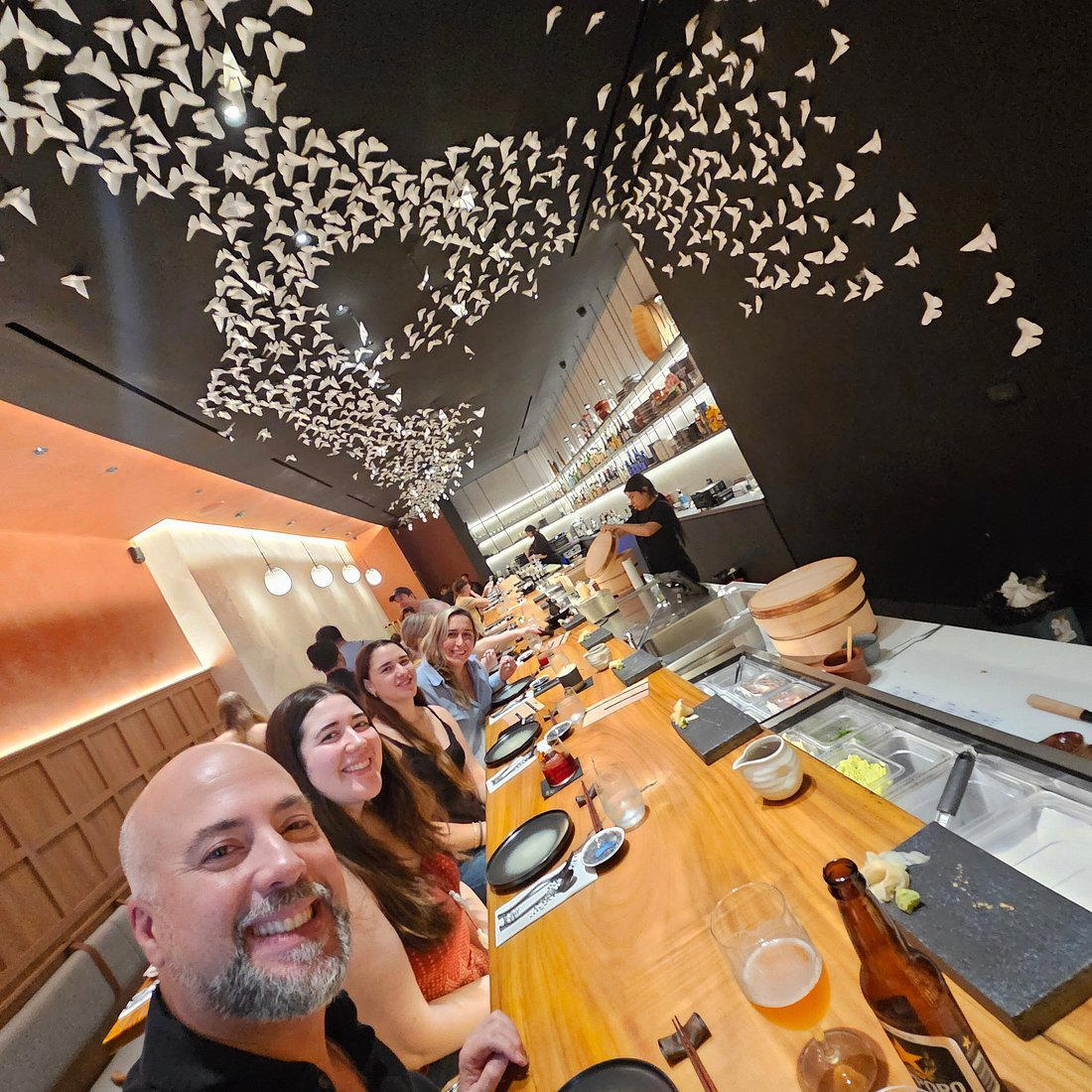
Calidonia occupies the older urban core of Panama City, west of the banking district and east of Casco Viejo. Unlike the gleaming towers of Punta Pacifica or the curated dining streets of Marbella, this part of the city operates at a different register. Lunch counters coexist with family-run specialty shops, and restaurants here draw from the surrounding population rather than from reservation apps or concierge recommendations. Compared with the more internationally framed kitchens of, say, Maito in Bella Vista or the izakaya format of Umi Restaurante Bar Izakaya, Lung Fung operates in a register that prioritizes neighborhood permanence over editorial visibility.
That distinction matters for the reader making a decision. Restaurants built for and sustained by local regulars carry a different kind of authority than those calibrated for visiting critics or food tourism. The former require no performance; they simply have to be good enough, week after week, to fill tables with people who live nearby and have options. In Panama City's Chinese-Panamanian dining tier, that constitutes a meaningful credential even in the absence of formal awards or Michelin recognition.
For comparison within the city's broader dining context, venues like Atope, BRIO Brasserie, and Caleta represent a newer wave of Panama City dining oriented around modern technique and destination-restaurant formats. The restaurant belongs to a different and older stratum: the kind of establishment that predates the city's current fine-dining moment and has continued operating through it without adjustment. The contrast is instructive. Panama City's restaurant culture now spans from internationally recognized tasting-menu formats to decades-old diaspora canteens, and understanding that range is essential to reading any single address accurately.
Chifa in Latin America: A Comparative Frame
The chifa tradition that Panama shares with Peru represents among the more consequential culinary fusions in the Western Hemisphere. Cantonese technique applied to local ingredients over multiple generations produced dishes that now function as comfort food for populations with no direct connection to China. Lomo saltado in Lima is one internationally recognized example, but Panama City's version of this exchange produced its own canon of dishes, many of which remain largely unknown outside the country.
At the higher end of Chinese cooking globally, restaurants like 8 1/2 Otto e Mezzo Bombana in Hong Kong or Amber in Hong Kong operate with entirely different structural ambitions: tasting menus, wine programs, and Michelin recognition that place them in a global comparable set. The restaurant does not compete in that category, and should not be assessed against it. The relevant comparison is within Panama City's Chinese-Panamanian dining tier, where longevity, neighborhood embeddedness, and menu breadth carry greater weight. Within that frame, an address in Calidonia with an established local following carries more signal than a newer arrival in a more visible district.
Planning a Visit
The restaurant sits at the intersection of Avenida 7aC Norte and Avenida de los Periodistas, a navigable address in central Calidonia that is accessible by taxi from most parts of the city. The neighborhood is active during both lunch and dinner service hours typical of Panamanian dining, with midday often being the higher-volume period for Chinese-Panamanian restaurants of this type. Reservations are recommended. This part of the city is not hotel-dense, so most visitors will be coming from Marbella, El Cangrejo, or the Cinta Costera corridor. The drive is short from any of those areas. For additional context on eating in Panama City's older residential neighborhoods, the Los Tarascos Mexicanos in El Carmen listing offers a parallel example of neighborhood-anchored dining in the city's non-tourist districts.
- Dim sum
- Har gow
- Pork and shrimp siu mai
- Char siu bao
- Crispy fried fish
- Shrimp dumplings
Credentials Lens
Comparable venues nearby, for context on price, style, and recognition.
| Venue | Cuisine | Price | Notes |
|---|---|---|---|
| Lung FungThis venue — the venue you are viewing | Authentic Cantonese Dim Sum | $$ | Not listed |
| Wah Kee Dim Sum Palace | Cantonese Dim Sum & Multi-Regional Chinese | $$ | El Dorado |
| Mai Mai | Peruvian-Nikkei Japanese Fusion Izakaya | $$$ | Costa Del Este |
| King Pot Hot Pot & Ktv | Sichuan Hot Pot | $$ | Chinatown |
| KAVA | Kosher Japanese Sushi Fusion | $$$ | Obarrio |
| Patagonia Grill | Argentinian Grill | $$$ | Not listed |
Continue exploring
More in Panama City
Restaurants in Panama City
Browse all →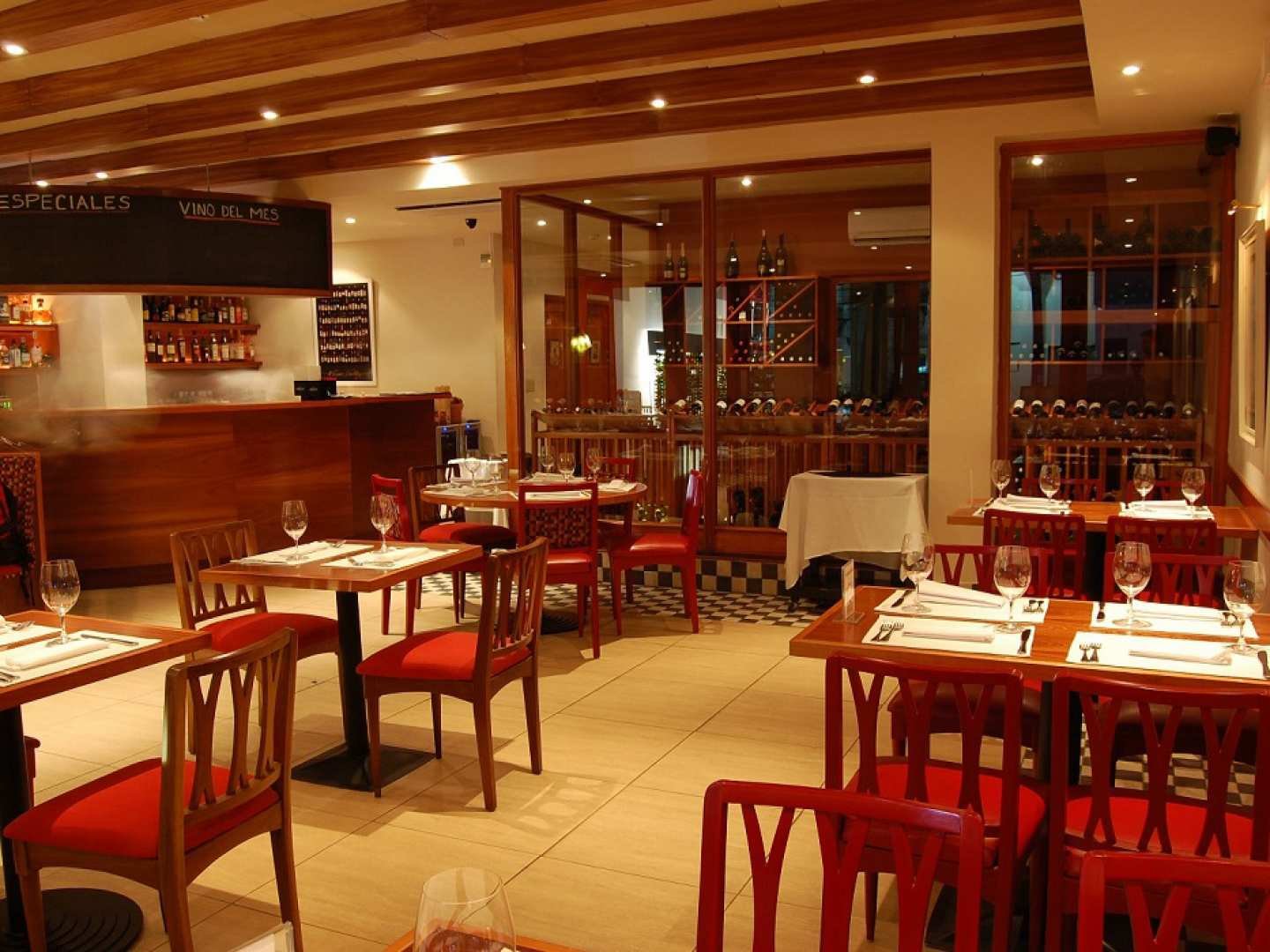
Bars in Panama City
Browse all →
At a Glance
- Classic
- Well Known
- Lively
- Cozy
- Family
- Group Dining
- Celebration
- Business Dinner
- Brunch
- Private Dining
- Standalone
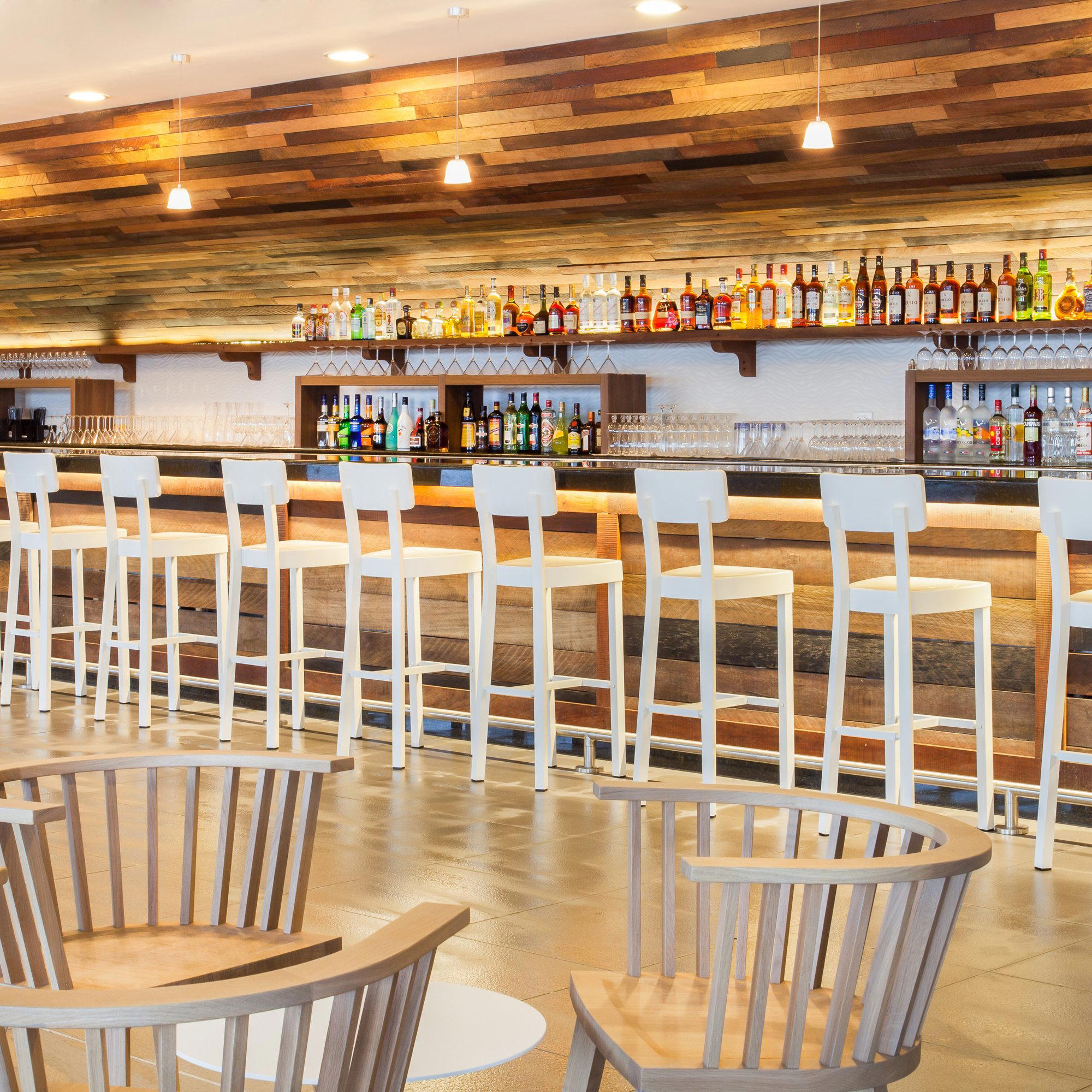
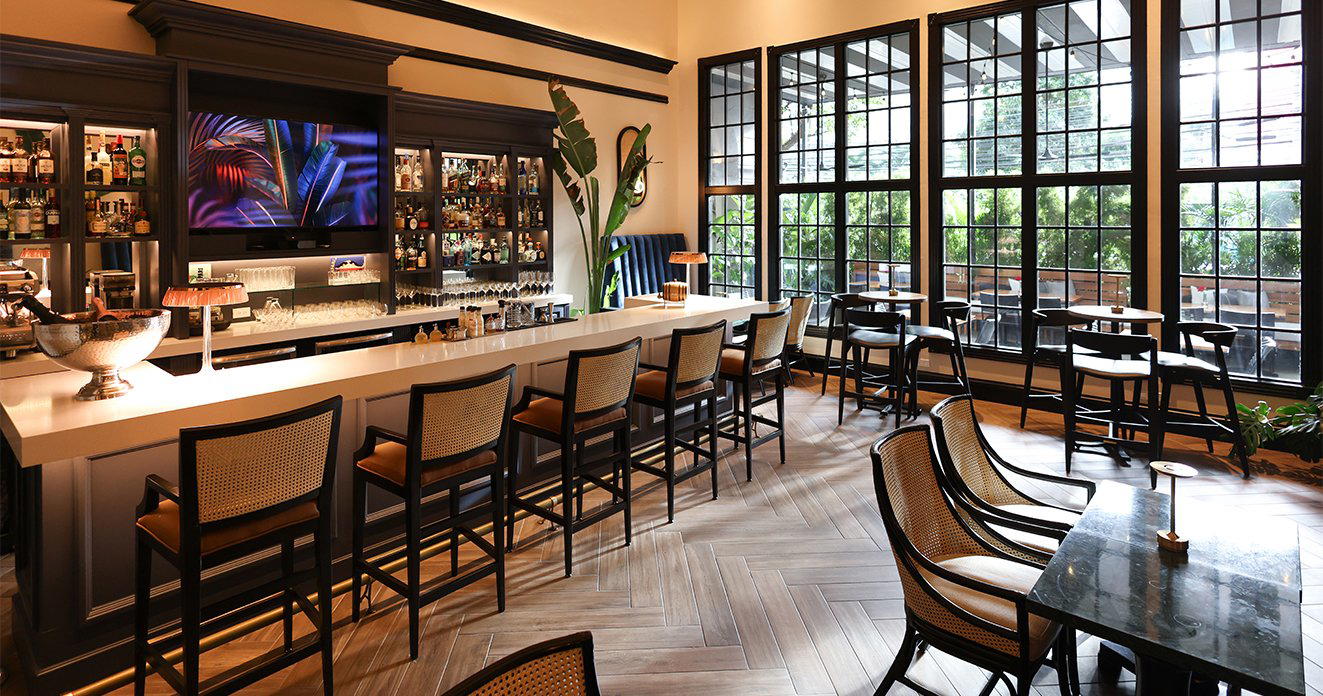
Warm, welcoming and spacious, with a classic Chinese restaurant atmosphere that is often busy, especially for dim sum and breakfast.