Maito


Our verdict
Maito Restaurante on Calle 50 is Panama City's most discussed address for contemporary Panamanian cooking, where indigenous ingredients and Afro-Caribbean techniques are reframed through a modern kitchen lens. The restaurant sits at the centre of a broader conversation about what Panamanian cuisine actually is, drawing on the country's agricultural interior and coastal diversity to build a menu rooted in provenance rather than performance.

Pearl is the En Primeur Club membership app, where members save venues, book tables and use the concierge.
The menu
What to order
- Shrimp crudo
- Octopus guacho
- Coconut-infused dumplings
- Sancocho soup
- Farm-raised octopus with honey glaze
Where Panama's Ingredients Come to Make an Argument
Calle 50 is Panama City's financial spine, a corridor of glass towers and international chains that rarely telegraphs anything about what Panama's land or sea actually produces. Maito Restaurante occupies that address, but operates against its logic. Walk in and the shift is immediate: the room reads warmer and more considered than the boulevard outside suggests, built around a dining format that centres local sourcing as its governing principle rather than a marketing footnote.
That positioning matters in a city where the restaurant conversation has historically defaulted to imported formats and international reference points. Maito is part of a younger generation of Panama City restaurants, alongside Atope and Caleta, that have pushed the question of what Panamanian cuisine looks like when it stops apologising for itself and starts treating the country's biodiversity as a genuine asset. For our full Panama City restaurants guide, this shift represents the most significant development in the city's dining scene over the past decade.
The Sourcing Logic Behind the Menu
Panama sits at one of the most biologically dense crossings on the planet: a thin land bridge between two oceans and two continental ecosystems, with elevational variation that produces microclimates ranging from cloud forest to Pacific coast lowland within a few hours of the capital. That geography, largely ignored by the country's urban restaurant culture for most of its modern history, is what Maito treats as its primary supply chain.
The kitchen draws on ingredients from indigenous communities, smallholder farms in the Chiriquí highlands, and coastal fisheries on both the Pacific and Caribbean flanks of the isthmus. This is not tokenism. The approach reflects a cooking philosophy where the sourcing decision precedes the dish concept, placing Maito in the same broad editorial category as farm-committed kitchens like Reale in Castel di Sangro or Atelier Moessmer Norbert Niederkofler in Brunico, where the territory's ecology is the organising idea rather than an accent.
Afro-Caribbean technique sits alongside indigenous preparation methods and more European-trained approaches, reflecting Panama's actual demographic and culinary inheritance. The result is a menu that reads simultaneously as contemporary and deeply grounded, where the cooking does not strain to signal sophistication, the ingredients do that work on their own terms.
Panama City's Broader Restaurant Moment
Panama City has not historically received the international dining attention that its Central American and Caribbean neighbours command. That is changing, and Maito is a reference point in that shift. The city now runs a credible range of serious restaurants across formats: Umi Restaurante Bar Izakaya handles the Japanese-influenced end of the market; BRIO Brasserie operates in European-leaning territory; and addresses like Los Tarascos Mexicanos in El Carmen serve the city's established international dining appetite.
Maito operates in a different register from all of these. It belongs to the subset of Panama City restaurants whose central project is defining, rather than borrowing, a culinary identity. That project has regional parallels: Receta Michilá in Isla Carenero is doing comparable work with Bocas del Toro's coastal ingredients at smaller scale. What distinguishes Maito is that it operates at capital-city scale and visibility, making it the address most likely to shape how visiting food travellers understand what Panamanian cooking can be.
The comparison set for serious provenance-led restaurants internationally is instructive. Kitchens like Uliassi in Senigallia, Quattro Passi in Marina del Cantone, or Dal Pescatore in Runate built their authority over decades by committing to a specific geography. Maito is in an earlier chapter of that story, but the underlying logic is the same: specificity of place as the foundation of a restaurant's identity.
How It Sits Against Global Contemporaries
At the format level, Maito's approach, contemporary cooking, provenance-driven menu, local-first sourcing presented at a fine-casual register, reflects a shift that has reshaped serious restaurants from Lazy Bear in San Francisco to Atomix in New York City. The difference is that in those markets, the conversation about local sourcing has been running for twenty-plus years and the competitive set is dense. In Panama City, that conversation is still being opened, which gives Maito a particular kind of weight that restaurants in more established markets rarely carry: it is both making an argument and being the argument.
That does not mean Maito is operating without peers on craft. The level of technique required to work with unfamiliar indigenous ingredients and present them coherently to a sophisticated dining audience is not trivial. The challenge is comparable in kind, if not in media attention, to what kitchens like HAJIME in Osaka or Le Bernardin in New York City apply to their own primary materials. The Panamanian context simply means those inputs are less globally familiar, and the task of translation requires more work from the kitchen.
Planning Your Visit
Maito sits on Calle 50 in Panama City's financial district, accessible from most of the city's main hotel clusters without significant travel time. The restaurant is well-established enough that booking ahead is the sensible approach, particularly for dinner on weekends, when the room fills with a combination of local regulars and visiting travellers who have done the research. Visiting Panama City in the dry season (roughly December through April) means more reliable conditions for exploring the city, though Maito operates through the year and the menu's ingredient focus does not depend on a narrow seasonal window in the way that, say, a strictly harvest-calendar kitchen would.
For travellers building a Panama City dining itinerary around serious restaurants, Maito is the natural anchor for the Panamanian end of the programme. Pairing it with Maito (Panamanian) and other addresses from our full Panama City restaurants guide produces a coherent picture of where the city's dining is now and where it is going. The Calle 50 location is also convenient for accessing Miraflores or the historic Casco Viejo district within the same day, making it an efficient base for a food-focused itinerary in the capital. For reference, Emeril's in New Orleans built its reputation partly by doing for Louisiana ingredients what Maito is doing for Panamanian ones: making the region's larder the story.
Frequently asked questions
Would Maito Restaurante be comfortable with kids?
Maito sits on Calle 50 in Panama City's financial district, which sets a tone closer to a focused dining room than a casual family spot. The menu's provenance-driven format, built around Panama's two-ocean and land-bridge larder, is oriented toward guests who engage with what's on the plate. Families with older children who eat adventurously are likely a better fit than those with young diners requiring simplified options.
What kind of setting is Maito Restaurante?
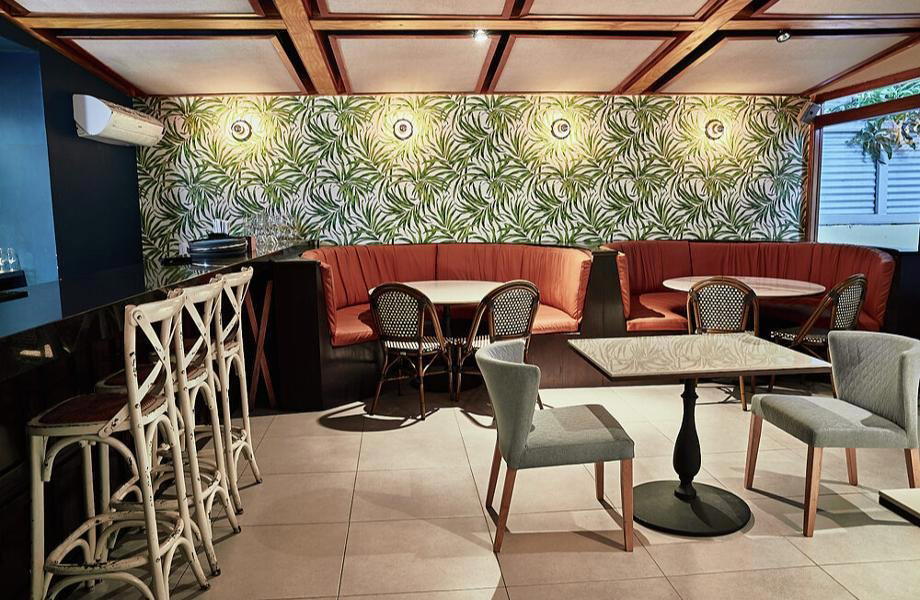
Maito occupies a position on Calle 50, Panama City's financial corridor, which means it sits among glass towers and international chains while operating at a distinctly different register, contemporary cooking with a provenance-first menu rooted in Panamanian sourcing. The format reads as fine-casual: serious about ingredients and technique without the rigidity of a tasting-menu-only counter. It functions as Panama City's clearest argument for what a local-first restaurant in the region can look like.
Is Maito Restaurante the right choice for someone who wants to eat specifically Panamanian cuisine rather than international fine dining?
Maito is the address that answers that question most directly in Panama City: its cooking is built on Panamanian ingredients and sourcing logic rather than imported fine-dining frameworks. Located on Calle 50, it represents Panama City's clearest case for a contemporary restaurant whose identity is defined by the country's own two-ocean, land-bridge geography. Guests looking for a genuinely local culinary point of view, rather than a global template applied to a Panamanian address, will find Maito the most coherent option the city currently offers.
What should I eat at Maito Restaurante?
Maito's menu is built around Panama's biological position as a land bridge between two oceans and two continental ecosystems, so the most direct way to eat here is to follow whatever reflects that geography most immediately, fish from the Pacific and Caribbean, produce and proteins sourced from the country's varied interior. Rather than seeking a fixed signature dish, the better approach is to order around what the kitchen is foregrounding from Panama's larder on that day. The menu shifts with that sourcing logic, not a static rotation.
How do I find Maito Restaurante?
Maito Restaurante is located at C. 50, Panamá, Provincia de Panamá, Panama, Panama City.
Do they take walk-ins at Maito Restaurante?
Maito is one of Panama City's most discussed dining addresses, and its reputation has grown alongside the city's broader emergence on the international restaurant circuit. Walk-in availability is not guaranteed, particularly given that profile, and arriving without a reservation on a peak evening carries real risk. Booking in advance is the practical approach, especially for groups or weekend visits.
Comparison Snapshot
Comparable venues nearby, for context on price, style, and recognition.
| Venue | Cuisine | Price | Notes |
|---|---|---|---|
| Maito RestauranteThis venue (the venue you are viewing) | Modern Panamanian Fusion (Chombasia) | $50–100 | Not listed |
| Intimo | Modern Panamanian Fusion | $50–100 | San Francisco |
| Casa Stizzoli - Gastroteca Italiana | Authentic Italian Gastroteca with Neapolitan Pizza | $30–50 | San Francisco |
| La Casa del Marisco | Spanish Seafood | $30–50 | Costa Del Este |
| Mai Mai | Peruvian-Nikkei Japanese Fusion Izakaya | $50–100 | Costa Del Este |
| Mercado del Marisco | Fresh Panamanian Seafood & Ceviche | $1–10 | Casco Viejo |
Recognition history
Dated appearances from independent guides and award organizations, with the underlying list record or original source where available.
Opinionated About Dining Casual in North America Ranked #33
Opinionated About Dining
World Culinary Awards Panama's Best Restaurant 2025 #1
World Culinary Awards
Continue exploring
More in Panama City
More from Chef Mario Castrellón
Browse all →
Restaurants in Panama City
All restaurants in Panama City →
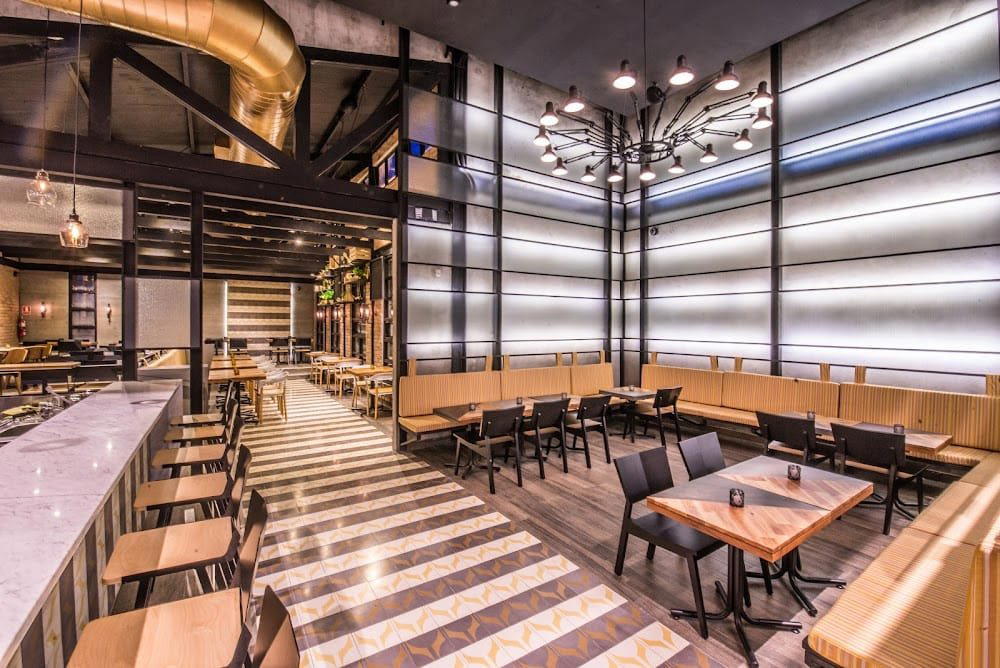
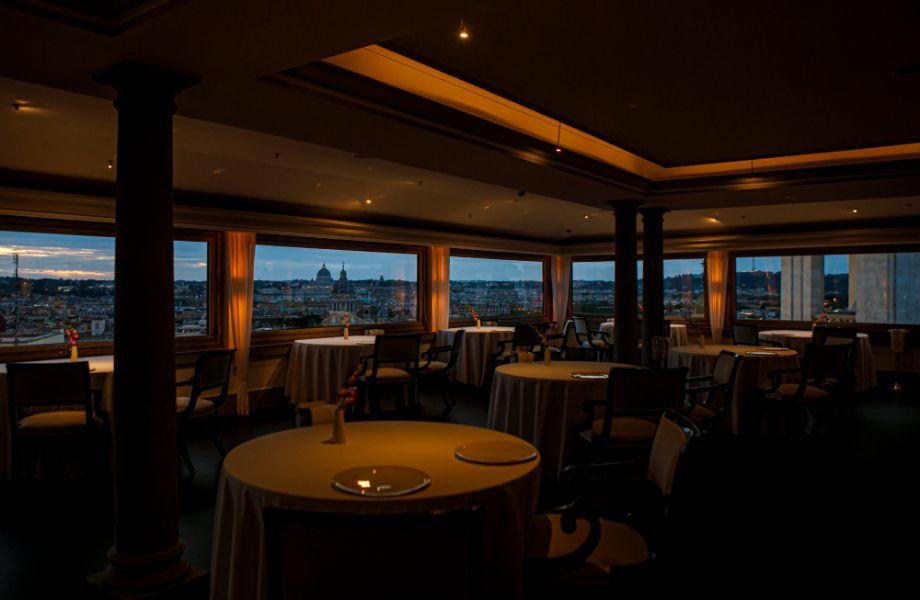
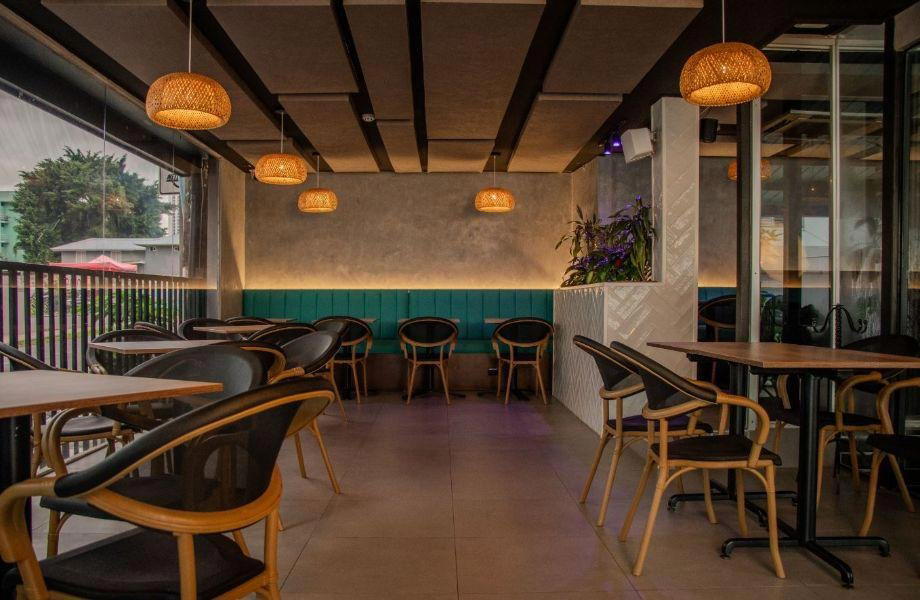
Bars in Panama City
All bars in Panama City →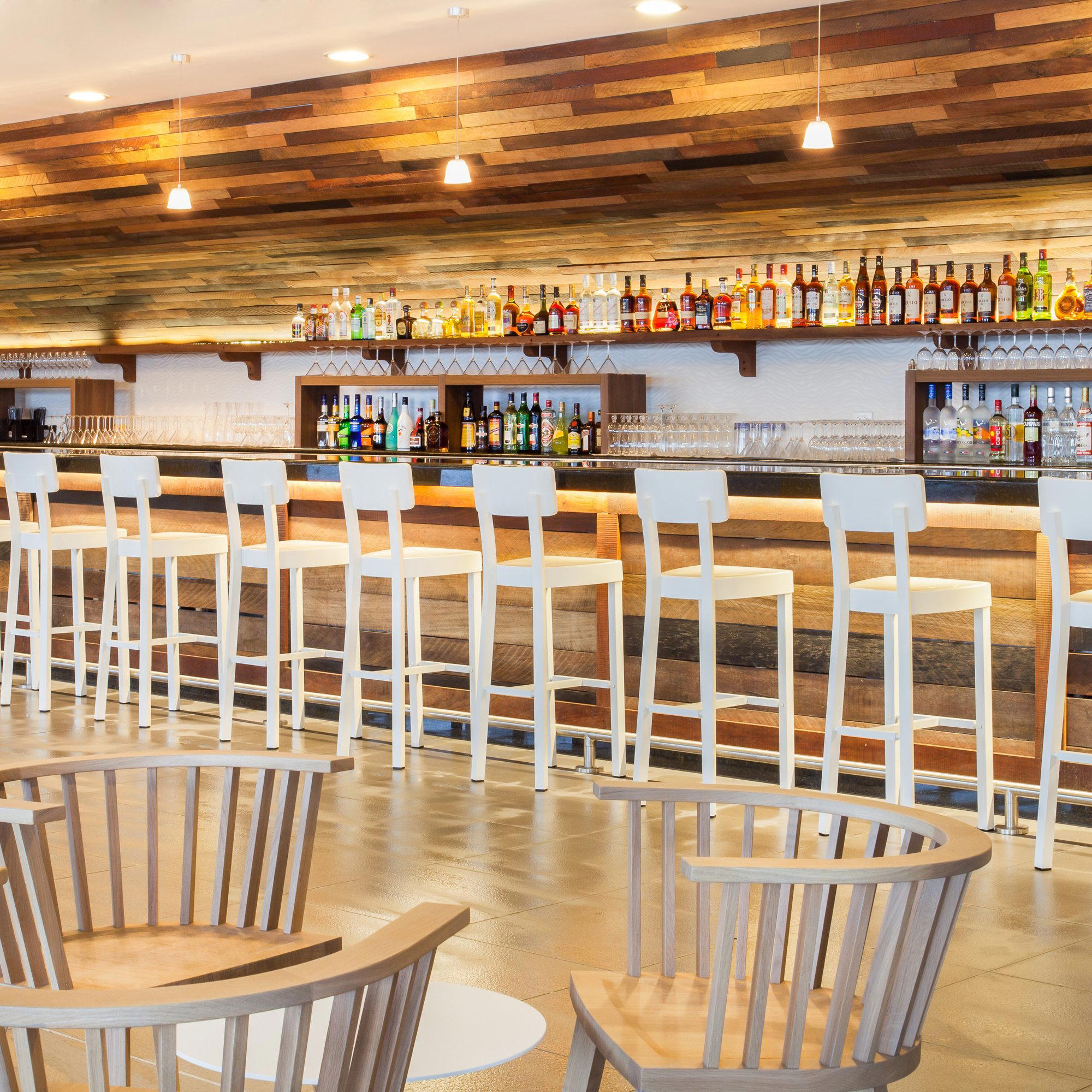
Details
- Elegant
- Modern
- Sophisticated
- Date Night
- Special Occasion
- Celebration
- Open Kitchen
- Garden
- Private Dining
- Craft Cocktails
- Beer Program
- Farm To Table
- Local Sourcing
- Organic
- Garden
- Tasting Menu
- A La Carte
- Panamanian Rum
- Local Hibiscus Cocktails
- Vegetarian Friendly
- Gluten Free Options
- Vegan Options
Current opening hours
- Monday
- 12–10:30 PM
- Tuesday
- 12–10:30 PM
- Wednesday
- 12–10:30 PM
- Thursday
- 12–10:30 PM
- Friday
- 12–10:30 PM
- Saturday
- 2–10:30 PM
- Sunday
- Closed
Hours can change for holidays and private events. Hours as of .
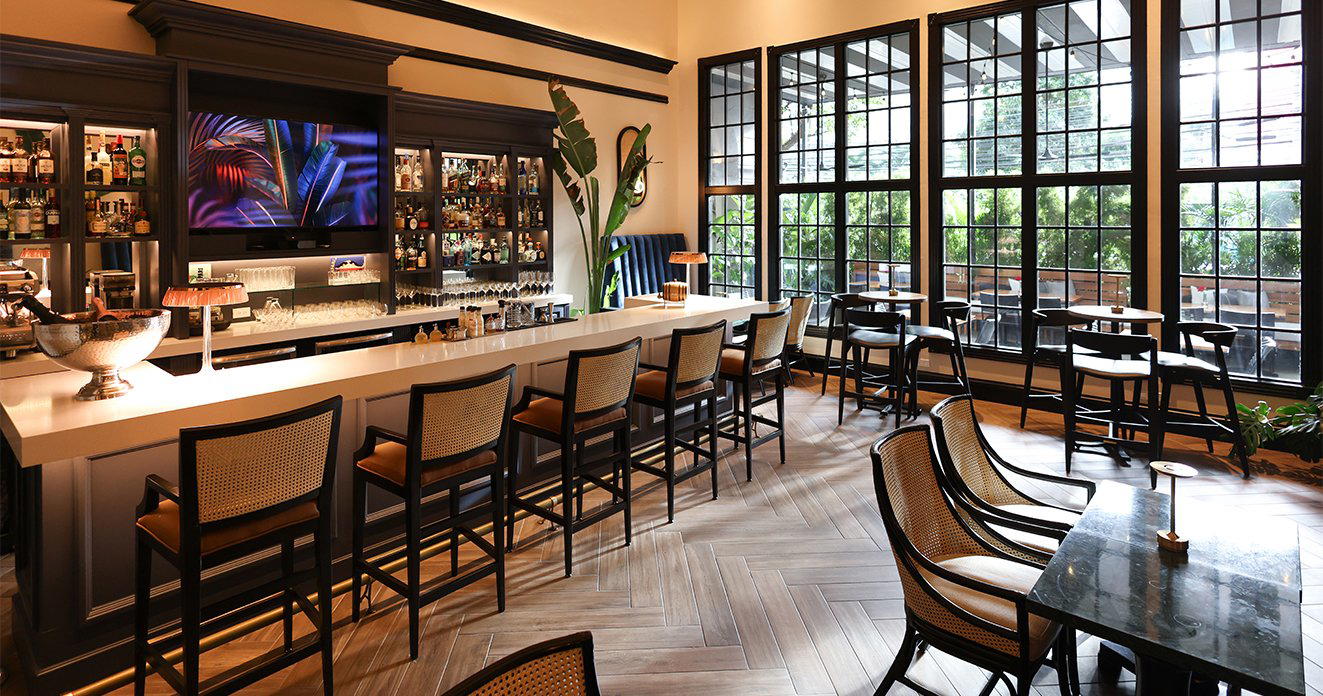
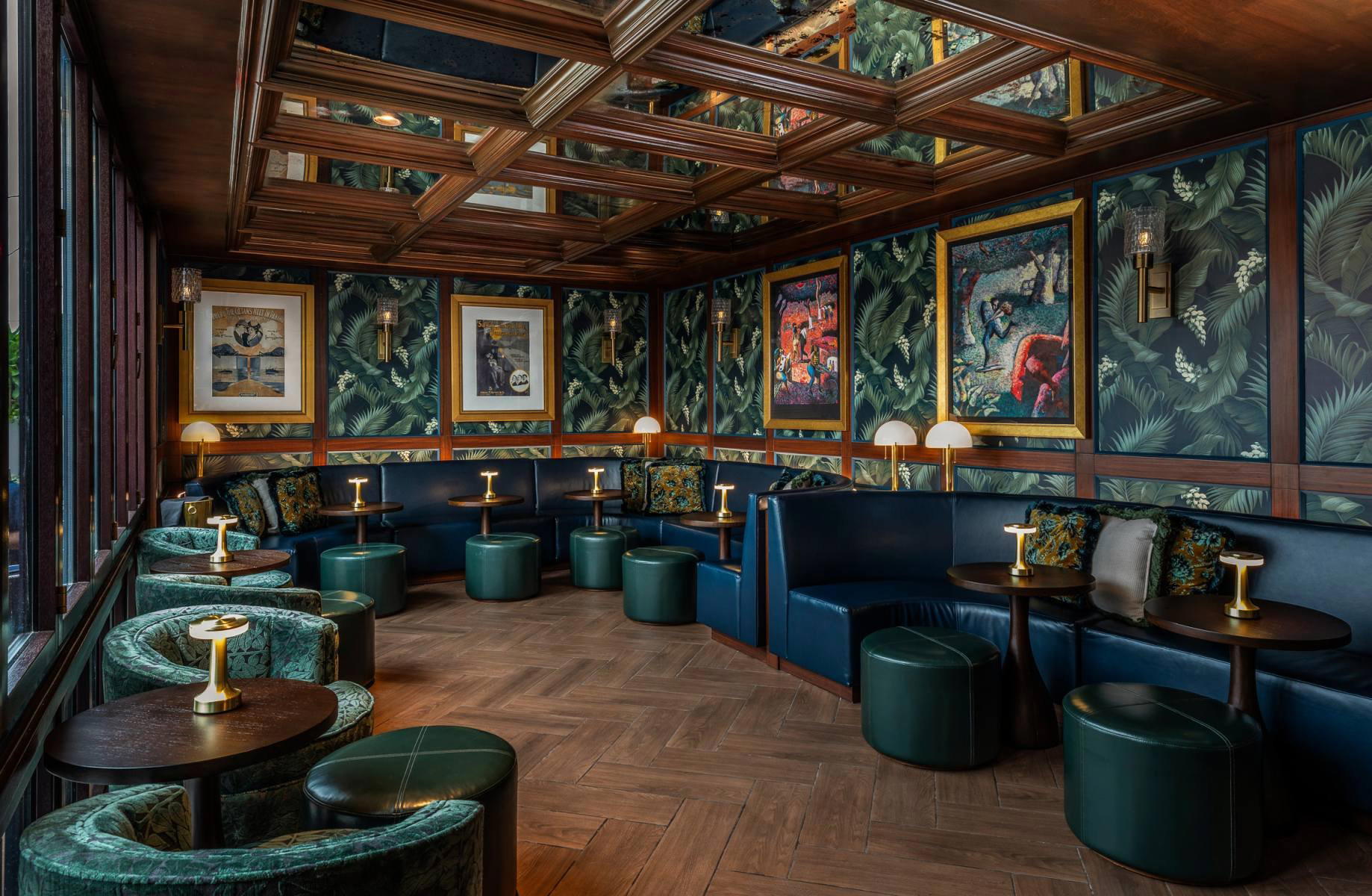
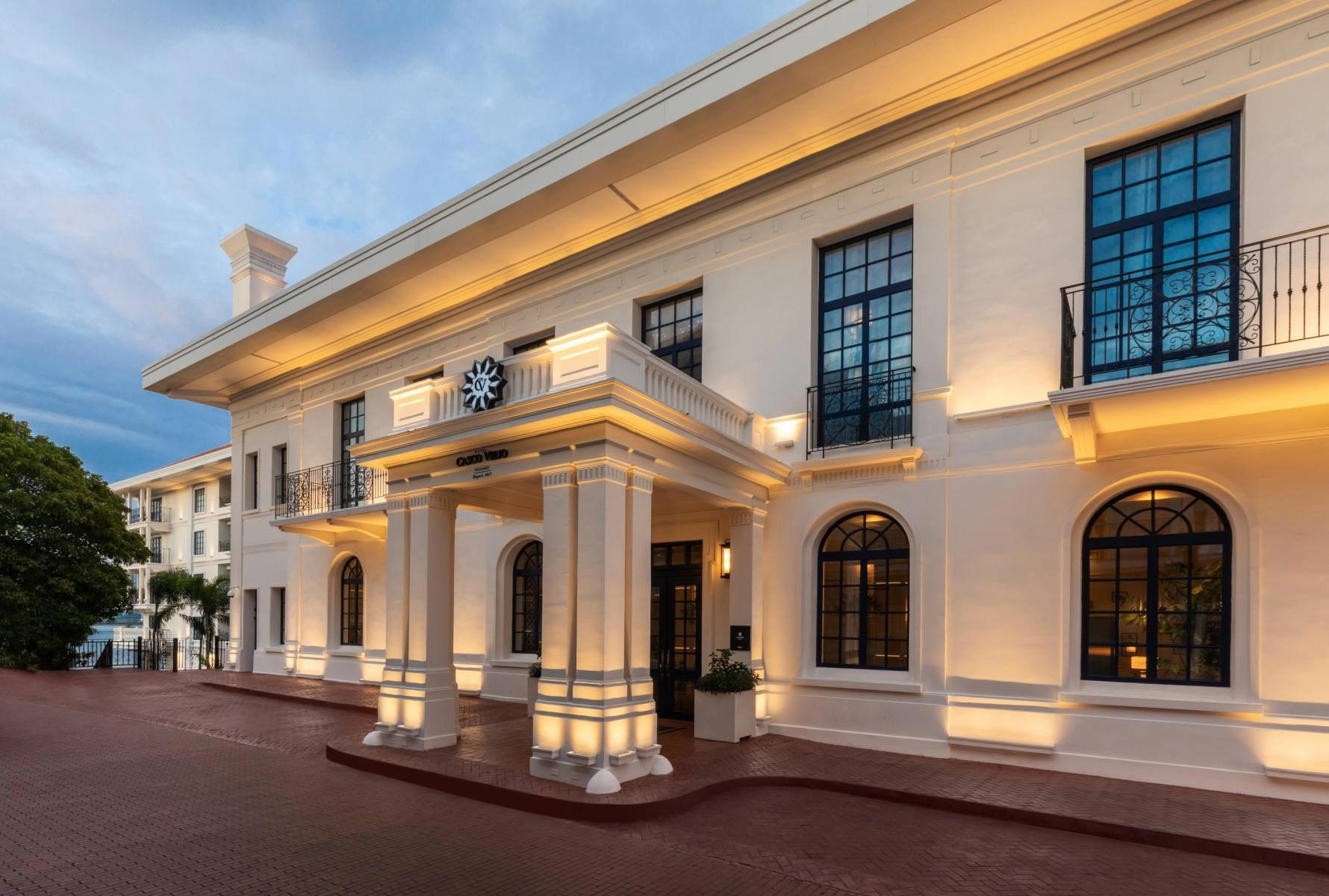
Elegant and refined with a laid-back sophistication; set in a Canal-style house with stone floors, abundant patio seating, and an organic garden that creates a sophisticated yet approachable atmosphere.