El Trapiche
Our verdict
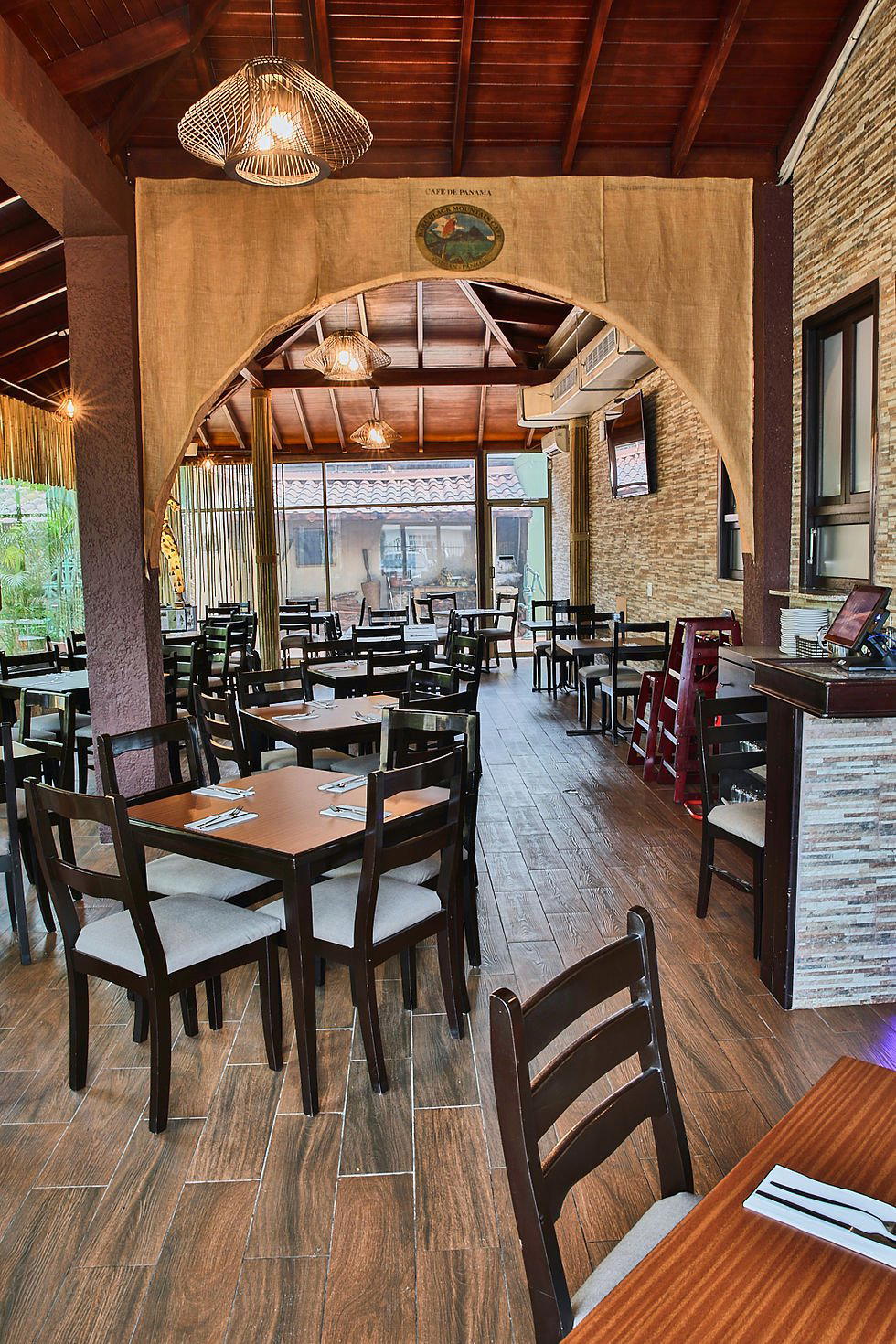
On Vía Argentina in the Bella Vista corridor, El Trapiche has served as Panama City's most consistent address for traditional Panamanian cooking for decades. The menu anchors on dishes that most of the capital's upscale restaurants have long since retired: sancocho, carimañolas, ropa vieja. For anyone mapping the city's dining heritage before moving on to its newer voices, this is the logical first stop.

Pearl is the En Primeur Club membership app, where members save venues, book tables and use the concierge.
The menu
What to order
- Sancocho
- Ropa vieja
- Tamal de olla
- Fiesta Panameña
- Emparedado de hojaldre
Vía Argentina and the Question of What Panama Actually Eats
Vía Argentina runs through one of Panama City's most walkable stretches, a boulevard that mixes mid-century residential buildings with neighbourhood restaurants, juice stands, and the kind of corner life that the city's glassier districts have largely traded away. It is the right address for a restaurant whose entire proposition is continuity. While much of the capital's dining conversation has shifted toward Casco Viejo tasting menus and the seafood-forward kitchens now drawing regional attention, El Trapiche occupies a different register entirely: the preservation of everyday Panamanian cooking in a format that remains accessible and deliberately unshowy. For context on how that fits into the broader picture, our full Panama City restaurants guide maps the city's full range from street-level to fine dining.
The Neighbourhood Argument
There is a useful distinction to draw between restaurants that happen to be located in a neighbourhood and restaurants that are of a neighbourhood. El Trapiche belongs to the second category. Vía Argentina has long functioned as a local corridor rather than a tourist circuit, and the restaurant's longevity there reflects a clientele that includes office workers at lunch, families on weekday evenings, and visitors who arrive with a specific appetite for the kind of food that Panama's more ambitious kitchens treat as raw material rather than finished product. That positioning, unglamorous by design, is what gives the place its authority. The same dishes that appear as reimagined components at Maito, one of the city's most discussed addresses for contemporary Panamanian cooking, arrive at El Trapiche in their original form, without architectural plating or reduction sauces.
What the Menu Represents
Panamanian cuisine draws from a convergence of Indigenous, Spanish colonial, Afro-Caribbean, and Chinese culinary traditions, and the country's geography, connecting two continents and two oceans, has always made it a transit point for ingredients as much as people. The cooking at a restaurant like El Trapiche reflects that layered history in practical terms: sancocho de gallina, the slow-cooked hen broth that functions as both comfort food and national symbol; carimañolas, the yuca-dough fritters filled with seasoned meat that trace back to Caribbean coastal traditions; ropa vieja, the shredded beef preparation that arrived via Cuba and Spain and stayed; and patacones, twice-fried plantain rounds that appear across the isthmus in various forms. These are not dishes that require rediscovery. They are dishes that require a kitchen willing to execute them without shortcuts, and that is the specific commitment this address has maintained over time.
For comparison, the newer generation of Panama City restaurants tends to treat this canon as a point of departure rather than a destination. Atope and Caleta both engage with local ingredients in more contemporary frameworks, while Umi Restaurante Bar Izakaya and BRIO Brasserie sit in entirely different culinary registers. None of them are trying to do what El Trapiche does. That absence of direct competition is worth noting not as a marketing observation but as a structural fact about how Panama City's dining has evolved: the city has added ambition at the upper end without replacing the foundations.
How El Trapiche Sits Against a Wider Field
Across Latin America, the restaurants that hold institutional status for traditional cooking tend to fall into one of two models: the upscale folkloric, where traditional dishes are presented in formal surroundings at refined prices, and the neighbourhood anchor, where the food remains close to its domestic origins and the setting matches. El Trapiche operates in the second model. The comparison point is not Le Bernardin in New York City or Atomix in New York City, nor the kind of precise regional cooking at Atelier Moessmer Norbert Niederkofler in Brunico or Dal Pescatore in Runate. The better frame is the long-running neighbourhood institution that survives not through critical recognition but through consistent execution and local loyalty, a category that includes places like Emeril's in New Orleans in its earlier, more community-oriented phase, or the kind of regional anchors that have defined specific culinary identities in cities far better mapped than Panama City. For those exploring Panama beyond the capital, Receta Michilá in Isla Carenero offers a coastal counterpoint to the city's restaurant culture, and Los Tarascos Mexicanos in El Carmen represents the kind of regional import that Panama City's diverse demographic has long supported alongside its native cooking.
For reference, restaurants working at the technical and conceptual far end of the spectrum, such as HAJIME in Osaka, Lazy Bear in San Francisco, Reale in Castel di Sangro, Quattro Passi in Marina del Cantone, or Uliassi in Senigallia, represent a fundamentally different proposition: cooking as statement, where the restaurant's identity is inseparable from individual creative vision. El Trapiche's authority runs in the opposite direction. Its credibility is collective, accumulated through decades of serving the same dishes to the same city.
Planning a Visit
The Vía Argentina address puts El Trapiche within easy reach of the Bella Vista and Marbella districts, and it draws a lunch crowd that reflects the surrounding neighbourhood's working character. Visitors arriving from the Casco Viejo or the banking district will find it a manageable taxi or rideshare ride. The price register, consistent with the neighbourhood anchor model, sits well below the city's contemporary fine dining tier.
Frequently asked questions
Where is El Trapiche in Panama City?
El Trapiche is located at Vía Argentina (Avenida 2a B Norte), Ciudad de Panamá, Panamá, Panama City.
Is El Trapiche a good choice for visitors who want to understand Panamanian food culture before exploring the city's contemporary restaurant scene?
El Trapiche on Vía Argentina functions as a culinary baseline for Panama City: the dishes served here, sancocho de gallina, carimañolas, ropa vieja, are the reference points that make the city's newer, more conceptual kitchens legible. Eating here first gives context to ingredients, techniques, and flavour combinations that appear in reinterpreted form across the contemporary dining scene. The Bella Vista location also makes it a practical first stop before moving through the wider city.
What do people recommend at El Trapiche?
El Trapiche is most consistently cited for its execution of foundational Panamanian dishes: sancocho de gallina, carimañolas, and ropa vieja. These preparations draw from the country's Indigenous, Spanish colonial, Afro-Caribbean, and Chinese culinary traditions and represent the dishes Panamanians themselves use as a reference point. For visitors eating their way through Panama City, these are the plates that provide context for everything else on the local dining circuit.
Do I need a reservation for El Trapiche?
El Trapiche draws a dependable local crowd from the surrounding Bella Vista and Marbella districts, and the midday window on weekdays is the busiest period. Arriving early for lunch or visiting outside peak hours is the practical approach.
Compact Comparison
Comparable venues nearby, for context on price, style, and recognition.
| Venue | Cuisine | Price | Notes |
|---|---|---|---|
| El TrapicheThis venue (the venue you are viewing) | Traditional Panamanian | $10–20 | Not listed |
| Wah Kee Dim Sum Palace | Cantonese Dim Sum & Multi-Regional Chinese | $10–20 | El Dorado, Cantonese Dim Sum & Multi-Regional Chinese |
| Casa Alejandro Restaurante | Authentic Spanish | $20–30 | Bella Vista, Authentic Spanish |
| Mercado del Marisco | Fresh Panamanian Seafood & Ceviche | $1–10 | Casco Viejo, Fresh Panamanian Seafood & Ceviche |
| Intimo | Modern Panamanian Fusion | $50–100 | San Francisco, Modern Panamanian Fusion |
| BRIO Brasserie | Modern French-American Brasserie | Not listed | Bella Vista, Modern French-American Brasserie |
Continue exploring
More in Panama City
Restaurants in Panama City
All restaurants in Panama City →

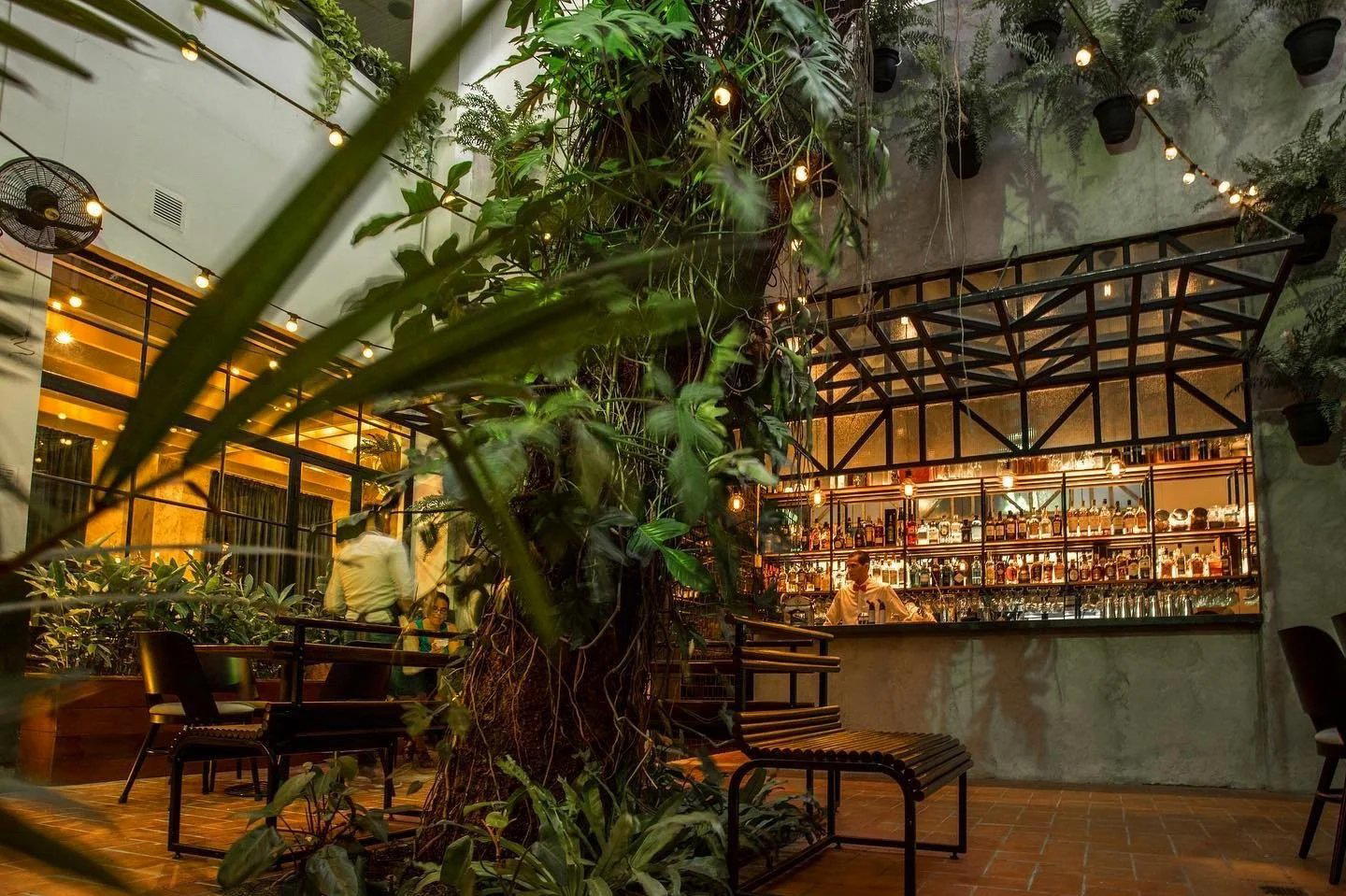
Bars in Panama City
All bars in Panama City →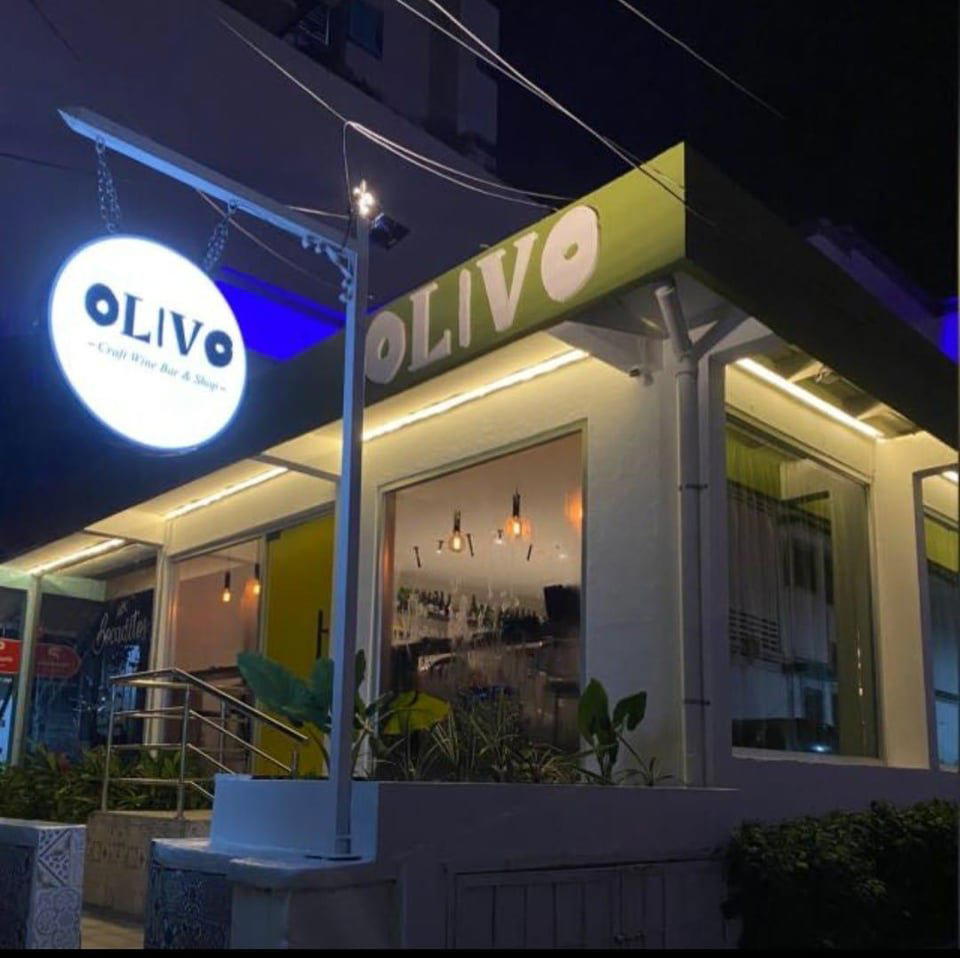
Details
- Classic
- Cozy
- Lively
- Well Known
- Family
- Group Dining
- Casual Hangout
- Celebration
- Live Music
- Historic Building
- Standalone
- Beer Program
- Local Sourcing
- A La Carte
- Family Style
- Beer
- Wine
- Non Alcoholic
- Vegetarian Friendly
- Vegan Options
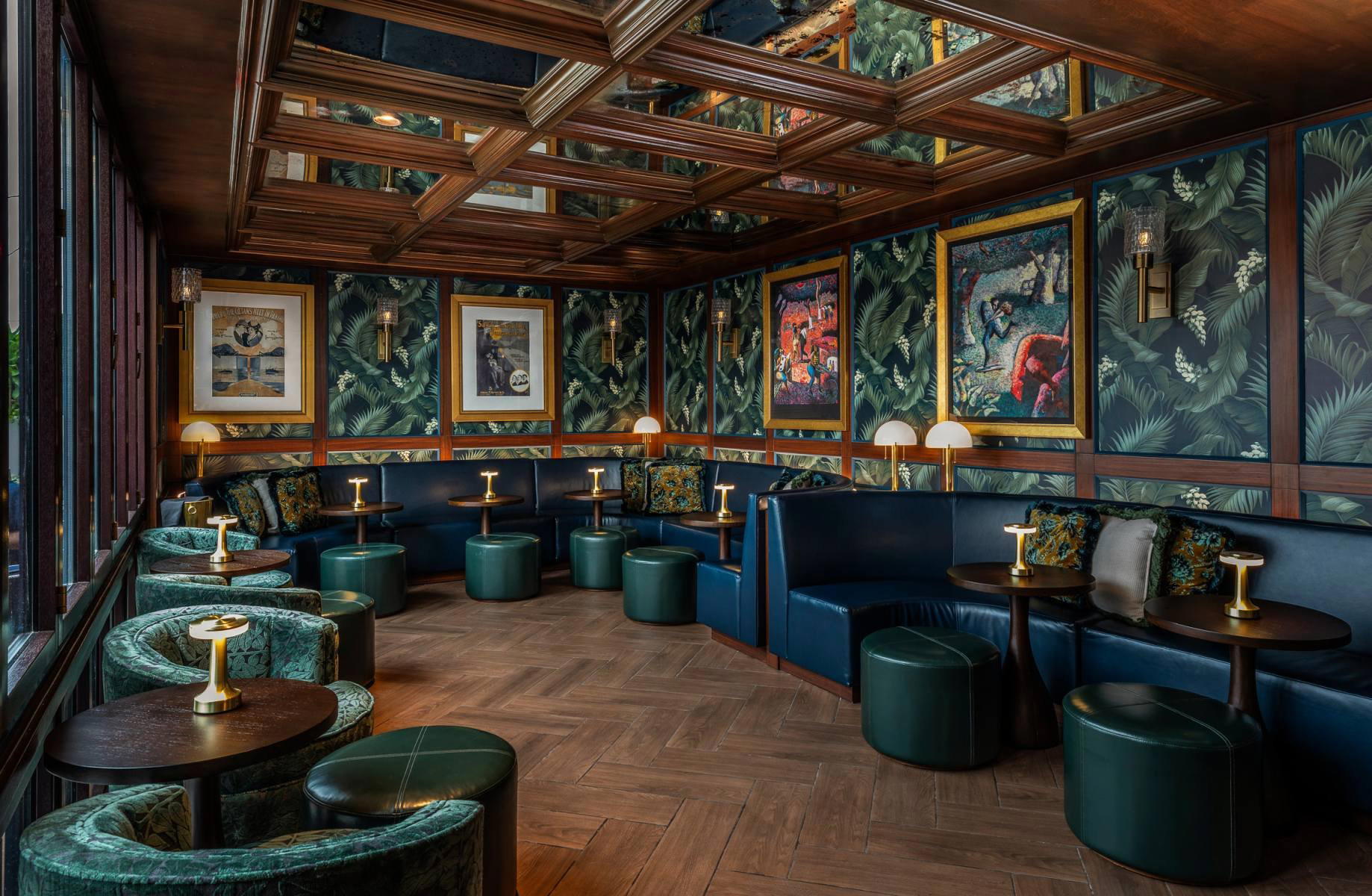
Relaxed, casual, and cozy, with a warm traditional atmosphere; the Bella Vista location also adds folkloric dinner-show energy.