Vinoteca

An Italian-rooted restaurant on Calle 57 in Panama City's Marbella district, Vinoteca pairs a wine-forward approach with a menu shaped by Italian culinary tradition and the owner's personal connection to Italian food culture. The kitchen draws on family roots rather than hotel-style polish, placing it in a small tier of Panama City's independently run European dining rooms.
Pearl is the En Primeur Club membership app — saves, bookings, and concierge access live there. Same editors, same standards.
- Address
- Calle 57 y Avenida 1 sur, Edif. de las Américas, planta baja, Panama
- Phone
- +507 223-7734
- Website
- vinotecapanama.com
- Directions
- Get directions
 Saves & bookings on Pearl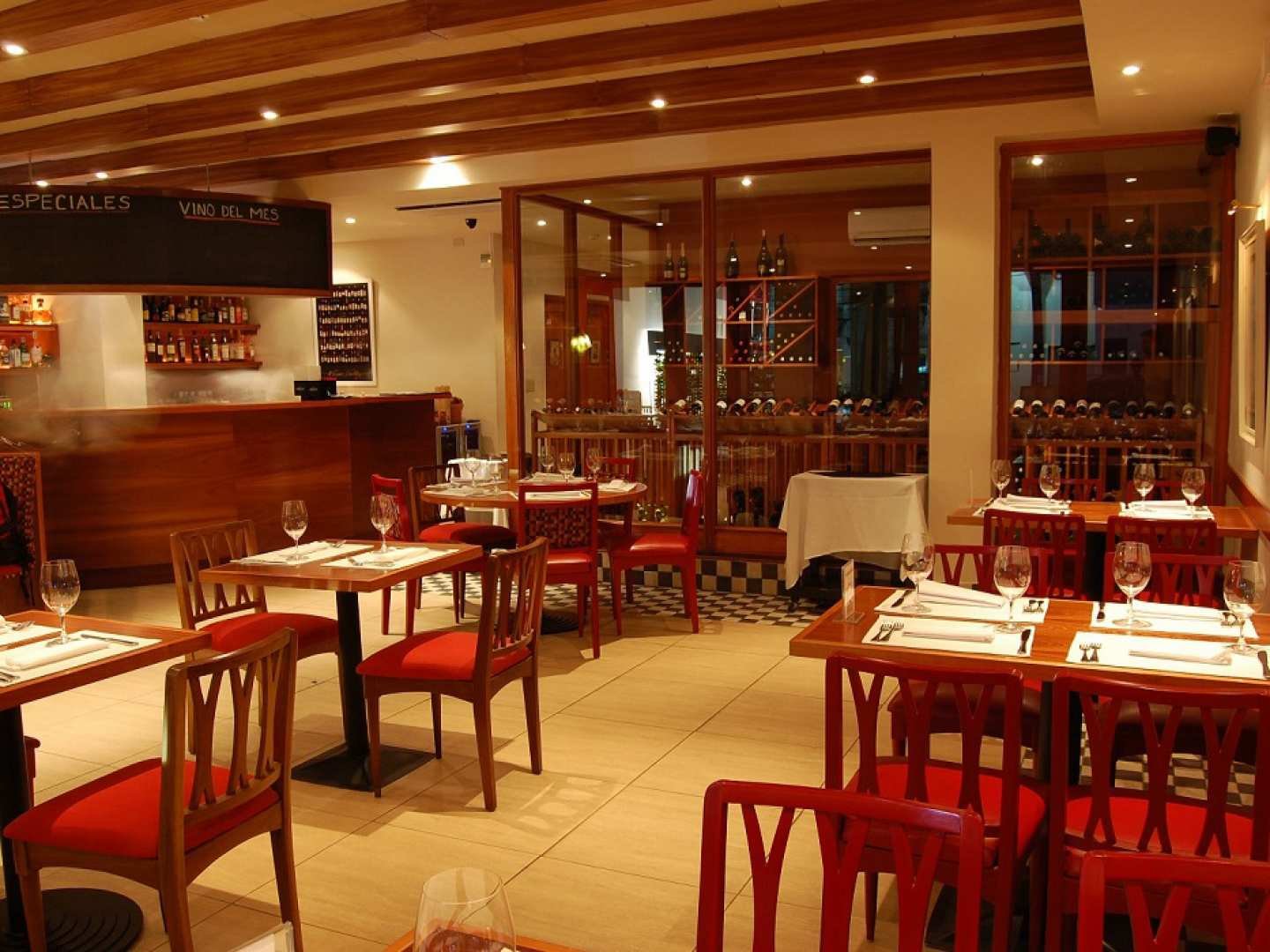
An Italian Table in a Wine-Focused Room
Panama City's dining scene has, over the past decade, split into two recognizable currents: a locavore movement anchored by places like Maito (Panamanian) that treats the isthmus as a pantry, and a parallel layer of European-rooted restaurants serving a resident expat and business-travel population that expects a different kind of reference point. Vinoteca belongs to the second current. Situated at the ground floor of the Edificio de las Américas on Calle 57 y Avenida 1 Sur, it operates from a commercial address in a neighborhood where polished lobbies and professional service are the baseline expectations. The setting is Marbella-adjacent, a zone where the city's finance and professional classes have long converged for lunch and long dinners.
Walk in and the framing is immediate: this is not a kitchen-forward restaurant where the chef's name anchors everything. The wine comes first, as both program and philosophy, with Italian food as the natural companion rather than the centerpiece. That sequencing matters. A wine-led Italian restaurant in a Latin American capital occupies a specific and relatively small tier, one where the selection of producers, the structure of the list, and the room's ability to hold a conversation about grapes and regions become as important as what arrives on the plate.
What the Menu Architecture Reveals
The menu structure at a restaurant built around wine-food integration tends to read differently from one designed around a single cuisine or a chef's personal statement. Dishes are chosen for how they carry wine rather than how they showcase technique in isolation. Italian regional cooking is particularly suited to this logic: the tradition already assumes that a Barolo from Piedmont and a plate of braised meat belong in the same sentence, that a light coastal white from Campania and a simple seafood preparation are not coincidental partners but a studied pairing accumulated over centuries of Italian table culture.
Chef Ciniglio's Italian origins provide the cultural scaffolding for this approach. Italian-origin restaurateurs in Central America occupy an interesting position in their local markets: they carry firsthand knowledge of regional variation inside Italian food, a cuisine that rewards exactly that kind of specificity, while operating in a city whose dining public is sophisticated enough to recognize the difference between a generic "Italian restaurant" and one that reflects actual regional fluency. The menu at Vinoteca, read through this lens, is an argument about what Italian food actually is when it is taken seriously as a wine-pairing tradition rather than adapted for broad commercial appeal.
For comparison, restaurants at the ambitious end of wine-integrated dining internationally, from Alain Ducasse at Louis XV in Monte Carlo to 8 1/2 Otto e Mezzo Bombana in Hong Kong, build their identity around the idea that the wine list and the kitchen are in active dialogue. Vinoteca operates at a different scale and in a different market, but the underlying logic is the same: the menu is a vehicle for the wine, and the wine is chosen to extend what the kitchen is doing rather than simply accompany it.
Where It Sits in Panama City's Dining Tier
Panama City's independent restaurant scene is smaller and more fragile than its hotel-backed counterparts, which is partly why independently run European rooms with a specific identity have an outsized presence in the conversation. Umi Restaurante Bar Izakaya represents the Japanese register of this independent tradition, while Atope and Caleta occupy different points on the contemporary Latin American spectrum. Cantina del Tigre covers the casual end of the city's eating options. Vinoteca sits apart from all of these in its particular focus: a wine program as the organizing principle, with Italian food as the idiom through which that program expresses itself.
Internationally, restaurants that have built reputations on the intersection of a specific food tradition and a serious wine culture, think of Le Bernardin in New York City for the seafood-and-wine pairing tradition, or the way Lazy Bear in San Francisco treats beverage pairing as structural rather than supplementary, demonstrate that the wine-forward identity is a coherent and respected positioning. At a city level, Vinoteca fills a slot in Panama City that would otherwise be empty: an Italian restaurant where the wine list is not an afterthought but the reason the restaurant exists.
Planning a Visit
Vinoteca is at Calle 57 y Avenida 1 Sur, ground floor of the Edificio de las Américas, in the Marbella area of Panama City. The address places it within reach of the main business district and the financial center, making it a practical option for working lunches or early evening meals before other commitments.
Given its wine-forward identity and the relatively small tier of Panama City restaurants operating in this register, Vinoteca draws from a specific audience: wine-interested diners, Italian food enthusiasts, and business travelers looking for a European point of reference in a city whose default dining mode leans tropical and locally focused. That combination of factors makes forward planning worth considering, particularly for larger groups or weekend evenings when the room's capacity is more likely to be tested.
Recognition Snapshot
Comparable venues nearby, for context on price, style, and recognition.
| Venue | Cuisine | Price | Notes |
|---|---|---|---|
| VinotecaThis venue — the venue you are viewing | Authentic Italian | $$$ | Not listed |
| Lazotea | Modern Latin American Rooftop | $$$ | Casco Viejo |
| Casa Stizzoli - Gastroteca Italiana | Authentic Italian Gastroteca with Neapolitan Pizza | $$$ | San Francisco |
| Corcho | Mediterranean Wine Bar | $$$ | Casco Antiguo |
| Riesen | Contemporary Panamanian | $$$ | El Cangrejo |
| Patagonia Grill | Argentinian Grill | $$$ | Not listed |
Recognition history
Dated appearances from independent guides and award organizations, with the underlying list record or original source where available.
Star Wine List
Star Wine List
Continue exploring
More in Panama City
Restaurants in Panama City
Browse all →
Bars in Panama City
Browse all →
At a Glance
- Cozy
- Intimate
- Classic
- Date Night
- Special Occasion
- Wine Cellar
- Extensive Wine List
Current opening hours
- Monday
- 12–3:30 PM, 7–11 PM
- Tuesday
- 12–3:30 PM, 7–11 PM
- Wednesday
- 12–3:30 PM, 7–11 PM
- Thursday
- 12–3:30 PM, 7–11 PM
- Friday
- 12–3:30 PM, 7–11 PM
- Saturday
- 12–11 PM
- Sunday
- Closed
Hours can change for holidays and private events. Last verified .
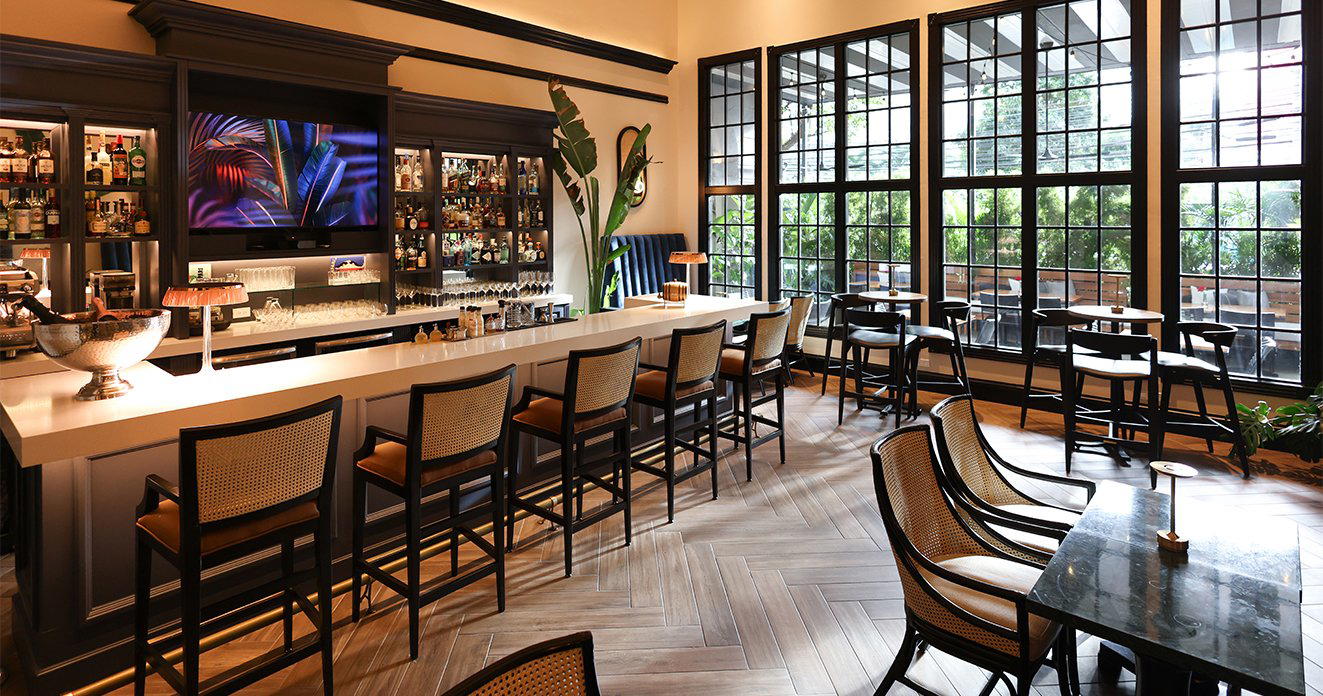
Cozy and intimate with a warm, welcoming atmosphere where the chef personally greets guests.