
Tabelog 100 #34
Our verdict
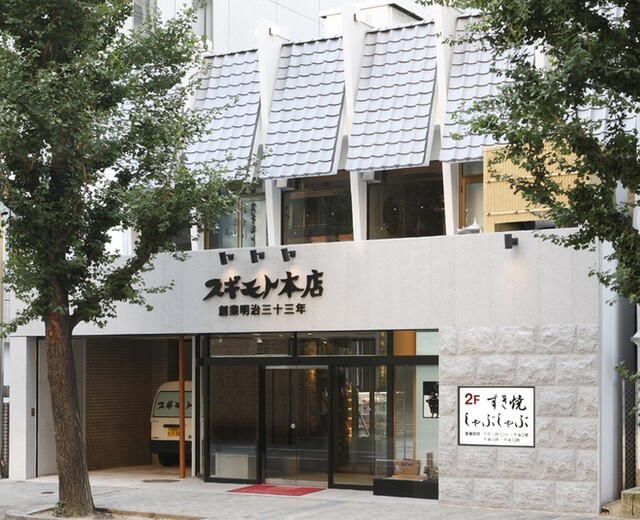
Sugimoto Honten places Nagoya’s beef hot-pot tradition inside a sharper lunch-and-dinner split: daytime is value-led, while evening moves into private-room sukiyaki, shabu shabu, and steak territory. Its Tabelog Hot Pot 100 selection in 2024 gives the room a useful benchmark in a city where regional cooking often gets less international attention than Tokyo or Kyoto.

Pearl is the En Primeur Club membership app, where members save venues, book tables and use the concierge.
The menu
What to order
- Beef sukiyaki
- Beef shabu-shabu
- Matsusaka beef steak
- Hamburg steak lunch
- Beef curry
Approach Nagoya through its dining rhythm and the city’s contrasts appear quickly: polished shopping routes, office life, and older merchant habits crowd the same itinerary. Here, beef hot pot feels less ceremonial than civic comfort. Sugimoto Honten fits the older Nagoya pattern of meat specialists treating sukiyaki, shabu shabu, and steak as linked expressions of one craft, not separate genres.
Read the restaurant through its split personality. Lunch sits in a practical bracket, posted at JPY 1,000 to JPY 1,999. Dinner moves to JPY 8,000 to JPY 9,999. Daytime is the smart value window; evening is slower and more deliberate, built for groups, family meals, and beef-focused dinners where the room and the cooking style shape the format.
Beef hot pot in Nagoya is built for contrast, not spectacle
Nagoya’s food identity is often reduced to familiar regional staples, but beef restaurants occupy a quieter lane. Sukiyaki and shabu shabu are not interchangeable: sukiyaki leans into sweet soy seasoning and a richer table mood; shabu shabu is cleaner, built around thin-sliced beef, broth, dipping sauces, and pacing. A house also listing steak makes the statement clear: beef is the anchor, while method changes by occasion.
Sugimoto Honten’s 2024 selection for Tabelog Hot Pot 100 places it in a national sukiyaki and shabu shabu conversation, not merely a local option. Its Tabelog score is 3.49, a useful Japanese-platform signal but not the whole story. In this category, format and function matter as much as rating: the appeal is less about spectacle than about a focused beef meal with enough structure for a planned lunch or dinner.
That also explains the lunch-dinner price gap. Travellers comparing Nagoya tables will find Udon Ryori Sen in a different everyday register, while Sen Kame and takumi suggest other ways to frame a meal in the city. THE CONDER HOUSE, with its broader format, occupies another social register. Sugimoto Honten is narrower: beef, hot pot, and a meal suited to conversation as much as appetite. (Nagoya experiences guide).
Lunch is the value play; dinner is the fuller beef meal
The lunch-versus-dinner divide is unusually clear. Midday spend keeps the restaurant within reach of office workers, shoppers, and travellers wanting a beef specialist without committing the evening. At night, pricing enters a planned-dinner bracket and the tempo changes. This is not counter dining, tasting-menu theatre, or the quick solo-bowl logic of much central Japan daytime eating. It is a meal built around hot pot and conversation.
Use it accordingly. Lunch suits travellers already moving through Nagoya, especially those comparing regional staples on a compressed schedule. Dinner suits a more deliberate beef meal. The categories are direct and useful: sukiyaki, shabu shabu, and steak, giving the restaurant a clear identity without asking diners to decode a long multi-genre menu.
The location supports that role in broad itinerary terms: it is in Nagoya, which makes it easy to fold into a city dining day rather than treating it as a standalone detour. For visitors, the practical decision is less about chasing a landmark and more about matching the meal to the schedule: lighter lunch, fuller dinner, and a beef-led format that works best when the group actually wants hot pot.
Planning helps, especially for dinner, where the listed budget is JPY 8,000 to JPY 9,999.
How it fits a Nagoya food itinerary
Central Nagoya dining works when the itinerary alternates regional staples with specialised rooms. A beef hot-pot meal in Nagoya pairs naturally with lighter daytime stops, coffee breaks, or bar-led evenings rather than another heavy set dinner. Nearby comparisons can stay broad: other Nagoya dining rooms show how wide the city’s restaurant register has become beyond old regional shorthand.
Sugimoto Honten suits travellers seeking a side of Nagoya beyond its best-known dishes. National hot-pot recognition in 2024, a clear sukiyaki and shabu shabu focus, steak in the category mix, and a lunch price that widens access make it a serious candidate when the schedule calls for beef, hot pot, and a Nagoya setting.
Frequently asked questions
What's the vibe at Sugimoto Honten?
Sugimoto Honten is a beef-focused hot-pot restaurant in Nagoya, with sukiyaki, shabu shabu and steak setting the tone. Lunch is the value window, while dinner sits in a higher planned-meal bracket.
What's the price range at Sugimoto Honten?
Pricing at Sugimoto Honten is listed as Dinner: JPY 8,000 - JPY 9,999; Lunch: JPY 1,000 - JPY 1,999.
What's the best way to book Sugimoto Honten?
Use the listed phone number, +81-52-261-2065, and plan ahead if dinner is the intended meal.
What is Sugimoto Honten known for?
Sugimoto Honten is known for sukiyaki, shabu shabu and steak, and it was selected for Tabelog Hot Pot 100 in 2024.
Recognition Snapshot
Comparable venues at similar price and category levels.
| Venue | Cuisine | Price | Awards | Notes |
|---|---|---|---|---|
| Sugimoto HontenThis venue (the venue you are viewing) | Traditional Japanese Sukiyaki & Shabu-Shabu | $50–100 | Tabelog 100 #34 | Not listed |
| Meshiya Ukiyo Banare | Modern Japanese Izakaya | $50–100 | Tabelog 100 #97 | Naka |
| ふじ原 | Seasonal Japanese Kaiseki | $100–150 | Tabelog 100 #71 | Higashi |
| Yakiniku & Teuchi Korean Cold Noodles Jiro Yanagibashi ten | A5 Wagyu Yakiniku & Handmade Korean Cold Noodles | $50–100 | Tabelog 100 #26 | Nakamura |
| 本郷おけい鮨 | Creative Japanese Omakase Sushi | $50–100 | Tabelog 100 #56 | Meitō |
| CHIBA SAKAE | Yakitori Omakase & Sake | $50–100 | Tabelog 100 #10 | Naka |
Recognition history
Dated appearances from independent guides and award organizations, with the underlying list record or original source where available.
Tabelog 100 #34 · No. 34
Tabelog · Tabelog 100 - Hot Pot - 2024
Continue exploring
More in Nagoya
Details
- Classic
- Cozy
- Elegant
- Well Known
- Family
- Group Dining
- Business Dinner
- Celebration
- Special Occasion
- Date Night
- Private Dining
- Standalone
- Local Sourcing
- Farm To Table
- A La Carte
- Set Menu
- Sake
- Beer
Traditional Japanese interiors with all-private rooms in table, tatami, and sunken kotatsu formats create a calm, slightly upscale but relaxed atmosphere suited to lingering hotpot meals.