Sufret Maryam




Michelin Bib Gourmand · World's 50 Best #7 · Gault & Millau UAE Selected Restaurant
Our verdict
Sufret Maryam brings Levantine comfort cooking into Dubai’s Bib Gourmand tier, with the mezze spread carrying the argument: dips, salads, breads, and shared plates before the heavier cooking arrives. In Jumeirah’s Wasl 51, it reads as a more polished sibling to Bait Maryam rather than a formal fine-dining room, led by chef Salam Daqqaq and priced for regular return visits.

Pearl is the En Primeur Club membership app, where members save venues, book tables and use the concierge.
The menu
What to order
- Kibbeh Labanieh
- Maqluba
- Warak Enab
- Labneh Crème Brûlée
- La’Moshet Maryam
Wasl 51 has the controlled calm of new Dubai retail architecture: pale façades, shaded walkways, families moving between cafés, and Jumeirah’s softer rhythm rather than hotel-lobby theatre. Levantine cooking fits because it needs no spectacle. The table starts with bowls and plates, and the kitchen is judged by the opening spread: hummus, baba ganoush, fattoush, bread, herbs, acidity, and olive oil.
That opening course is Sufret Maryam’s centre of gravity. Across much of the Levant, mezze is not a warm-up but the meal’s social architecture. Dips set texture, salads brightness, pickles appetite, and bread makes the table shared. Dubai has many Middle Eastern dining rooms that treat the category as hotel comfort food or polished nostalgia. This one occupies a narrower lane: informal enough for repeat neighbourhood use, recognised enough to matter in the city’s Michelin-era conversation.
Mezze as the main argument, not a prelude
Dubai’s Middle Eastern restaurants often split in two. One side goes grand: large rooms, theatrical service, mixed regional menus for visitors seeking breadth in one sitting. The other stays closer to domestic cooking, where generosity, pacing, and repetition matter more than novelty. Sufret Maryam sits nearer the second camp, but its Michelin Bib Gourmand recognition in 2025 gives it a sharper editorial position: value, consistency, and craft the guide judged worth separating from the crowd.
The connection to Bait Maryam matters because it places the restaurant in a known Dubai lineage of Palestinian-Levantine hospitality rather than a generic regional concept. Chef Salam Daqqaq’s name gives the project its credential, but the more useful reading is culinary. The cooking leans on memory, family-table formats, and shared-plate logic, then tests how that language works in a city where Middle Eastern food must serve residents, tourists, business lunches, and multigenerational families at once.
The mezze spread makes that question practical. Hummus and baba ganoush may seem default orders, but in serious Levantine restaurants they are diagnostic dishes. Texture, seasoning, temperature, and the balance of smoke, lemon, tahini, and oil reveal whether the kitchen is attentive or merely filling a table. Fattoush also needs crunch, acidity, herb lift, and restraint with dressing. A strong version keeps the meal moving; a heavy one dulls what follows.
That is why the opening plates should shape the order. Rather than racing to mains, the smarter table builds around dips, salad, bread, and a few warm items, adding larger dishes only if appetite demands. This is not a cuisine where maximal ordering always improves the experience. Levantine dining rewards rhythm: cold, crisp, creamy, warm, grilled, stewed. The table works when those contrasts register.
Where it sits in Dubai's Middle Eastern dining map
The city’s regional dining scene is unusually layered. Ninive frames Middle Eastern and North African references through a more atmospheric, late-evening Dubai lens. Shabestan represents the older hotel-restaurant model, where Persian cooking carries continuity and formal service. Siraj works in a broader Emirati-Middle Eastern register, with Downtown positioning and a visitor-facing brief. Against that field, Sufret Maryam is smaller in ambition but clearer in purpose: Levantine comfort, sharpened for recognition, without destination-restaurant theatre.
The price tier matters. Dubai can make Middle Eastern food feel either underpriced and casual or expensive and over-designed. A Bib Gourmand at this level occupies the useful middle: accessible enough for everyday dining, yet judged against a guide standard that rewards more than portion size. That combination is especially valuable in Jumeirah, where residents matter to the restaurant ecosystem as much as hotel guests.
For visitors building a wider food itinerary, the comparison helps. A night built around polished regional atmosphere belongs in a different category from a meal anchored by mezze and family-table pacing. The broader city list in Our full Dubai restaurants guide is the better planning tool for sequencing those moods. Pairing this lunch or early dinner with the city’s hospitality map in Our full Dubai hotels guide and later drinks from Our full Dubai bars guide makes more sense than treating every meal as standalone.
A Jumeirah table with family logic
The room’s natural audience is broad: local families, regulars who know the comfort-food register, and travellers wanting Levantine cooking without resort-restaurant ceremony. That mix is part of its strength. Children fit more easily here than in a tasting-menu room, and shared plates reduce the risk of committing the table to one dish or pace. The tradition suits mixed appetites: dips for cautious eaters, salads for lighter orders, grilled or baked dishes for the table, sweets and coffee if the meal stretches.
Dubai’s wider regional context matters. Middle Eastern dining across the UAE changes meaning by setting: city restaurants, desert properties, coastal hotels, heritage-style dining rooms, and modern neighbourhood addresses all use the same broad vocabulary differently. For comparison beyond Dubai, 3 Fils Abu Dhabi in Abu Dhabi, Al Falaj in Liwa Desert, Al Khyama in Al Ain, Al Madam Restaurant in Sharjah, Al Shams Restaurant & Bar in Al Dhafra, and Angar Restaurant in أبوظبي show how location reshapes expectation as much as cuisine.
The global Middle Eastern category is also expanding outside the region, making Dubai’s Levantine rooms more interesting to read. Adamá, Middle Eastern in Oaxaca and Adana Restaurant, Middle Eastern in Los Angeles exist where the cuisine must translate across different produce, audiences, and dining habits. In Dubai, the reference points are close at hand. The standard is not novelty; it is whether the table feels coherent.
Sufret Maryam is strongest through that lens. Order mezze first, let the table find its pace, and treat the Bib Gourmand as a value signal rather than a promise of formality. For travellers mapping a fuller cultural itinerary, Our full Dubai experiences guide and even Our full Dubai wineries guide can sit around the meal, but the point remains simple: in a city fluent in spectacle, a confident Levantine spread can carry the room without shouting. For a looser all-day hotel-adjacent alternative, & More by Sheraton sits in a different, more general category.
Frequently asked questions
Would Sufret Maryam be comfortable with kids?
Yes. The $ price range and all-day hours from 12 PM to 12 AM make Sufret Maryam in Dubai an easy fit for family dining. Its Michelin Bib Gourmand recognition for 2025 and Levantine focus point to a room built for relaxed, regular use rather than formal pacing.
What kind of setting is Sufret Maryam?
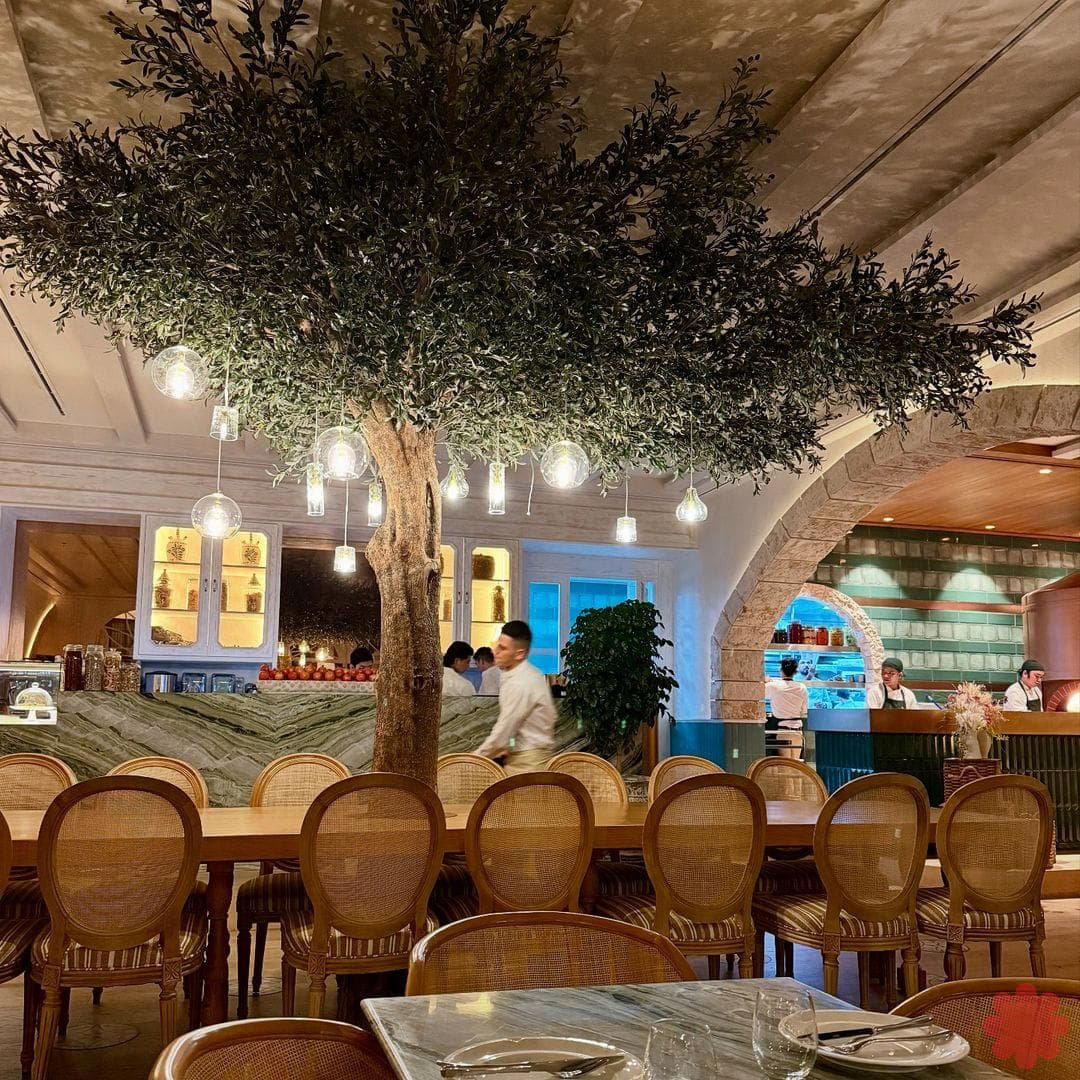
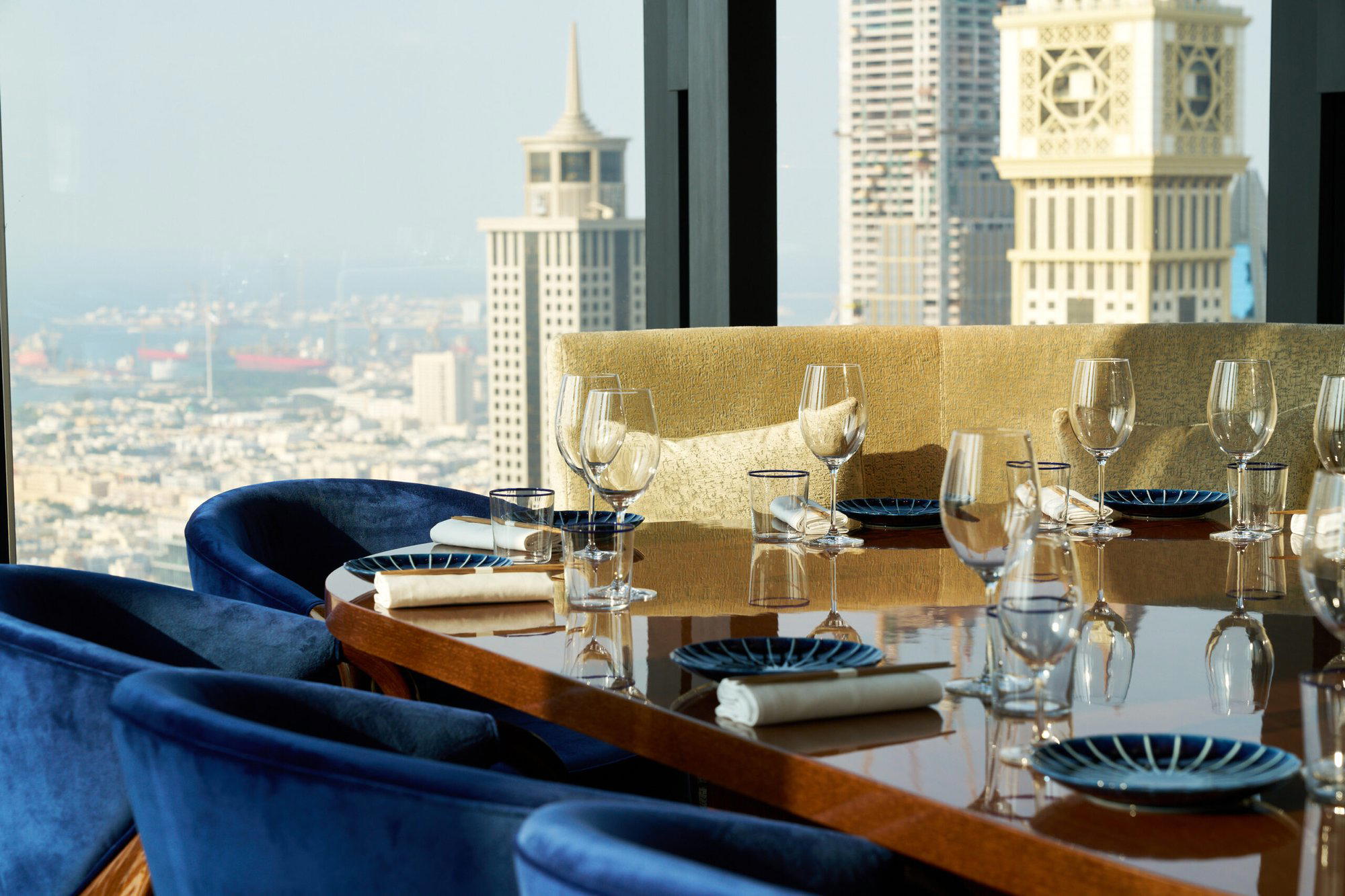
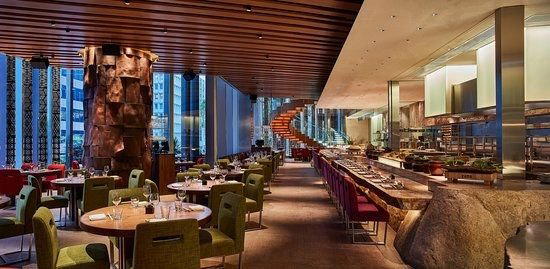
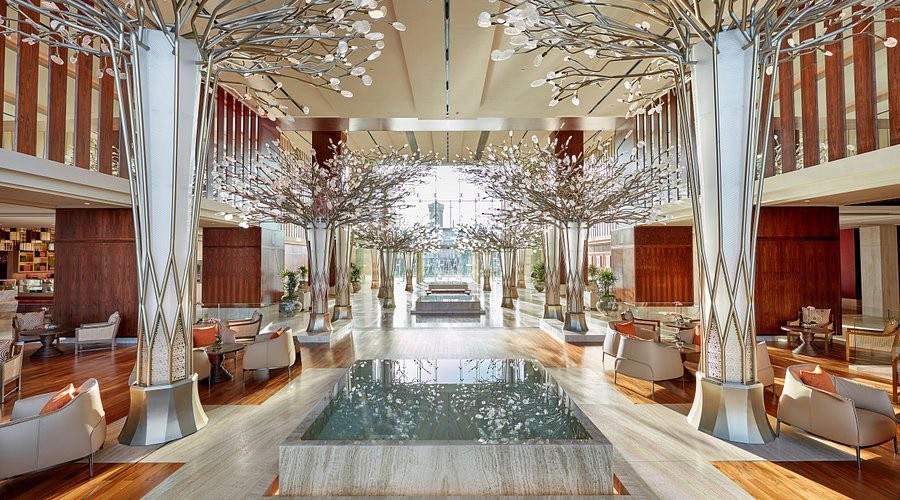
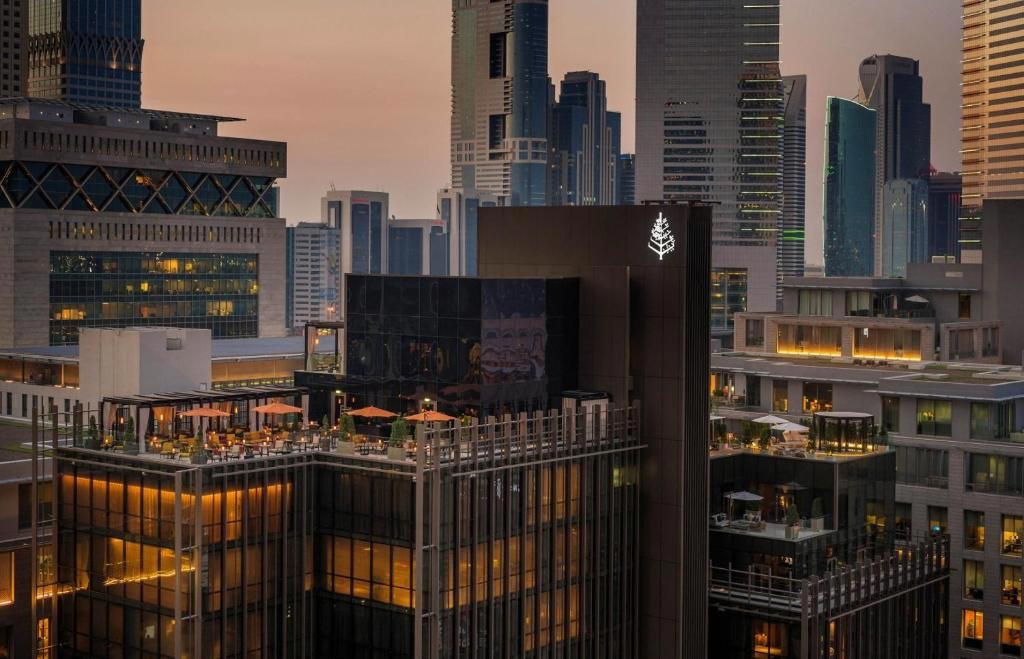
Sufret Maryam sits at Wasl 51 in Jumeirah and is described as a space with warmth, conviviality, and traditional Levantine hospitality. The setting matches its Middle Eastern menu and Salam Daqqaq’s cooking: polished enough for Michelin Bib Gourmand status, but grounded in a dining-room format that suits everyday meals.
How would you describe the cuisine at Sufret Maryam?
Sufret Maryam serves Middle Eastern cuisine.
How much does it cost to eat at Sufret Maryam?
Pricing at Sufret Maryam is listed as $.
Is Sufret Maryam open every day?
Hours at Sufret Maryam: Mon: 12 PM–12 AM; Tue: 12 PM–12 AM; Wed: 12 PM–12 AM; Thu: 12 PM–12 AM; Fri: 12 PM–12 AM; Sat: 12 PM–12 AM; Sun: 12 PM–12 AM.
What's Sufret Maryam's location?
Sufret Maryam is located in Dubai.
A Quick Peer Check
Comparable venues by cuisine and price in the same metro.
| Venue | Cuisine | Price | Awards | Notes |
|---|---|---|---|---|
| Sufret MaryamThis venue (the venue you are viewing) | Home-style Levantine | $50–100 | Michelin Bib Gourmand · World's 50 Best #7 | Not listed |
| Siraj | Modern Emirati Levantine | $50–100 | Michelin Plate | Middle Eastern |
| Bait Maryam | Home-style Levantine | Not listed | Michelin Bib Gourmand · World's 50 Best #15 | Middle Eastern |
| Shabestan | Authentic Persian | $50–100 | Michelin Bib Gourmand · Gault & Millau UAE Selected Restaurant | Middle Eastern |
| Al Farah | Authentic Middle Eastern | Not listed | Michelin Plate | Middle Eastern |
Recognition history
Dated appearances from independent guides and award organizations, with the underlying list record or original source where available.
Michelin Bib Gourmand
Michelin
World's 50 Best MENA's Best Restaurants #7
World's 50 Best
Gault & Millau UAE Selected Restaurant
Gault & Millau · Gault & Millau UAE 2026 - Selected Restaurant
The Best Chef Two Knives
The Best Chef
Continue exploring
More in Dubai
Restaurants in Dubai
All restaurants in Dubai →
Bars in Dubai
All bars in Dubai →



Details
- Cozy
- Intimate
- Elegant
- Family
- Group Dining
- Casual Hangout
- Hotel Restaurant
- Street Scene
- Small Plates
- A La Carte
- Vegetarian Friendly
Current opening hours
- Monday
- 12 PM–12 AM
- Tuesday
- 12 PM–12 AM
- Wednesday
- 12 PM–12 AM
- Thursday
- 12 PM–12 AM
- Friday
- 12 PM–12 AM
- Saturday
- 12 PM–12 AM
- Sunday
- 12 PM–12 AM
Hours can change for holidays and private events. Hours as of .
Warm, cozy atmosphere with nostalgic Levantine home decor, soft lighting, chandeliers, potted plants, and a comfortable, familial feel.